


Mehr zum Buch
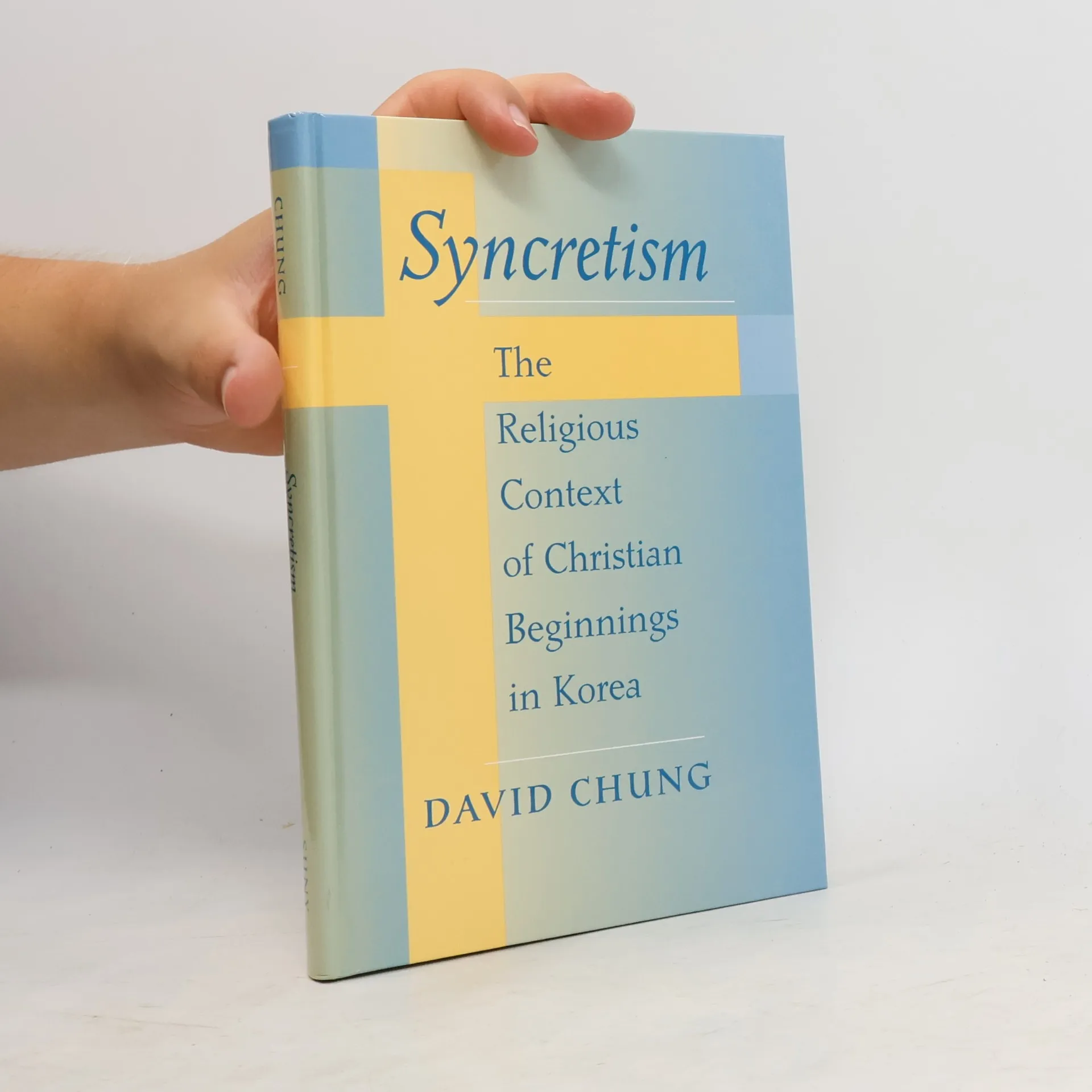
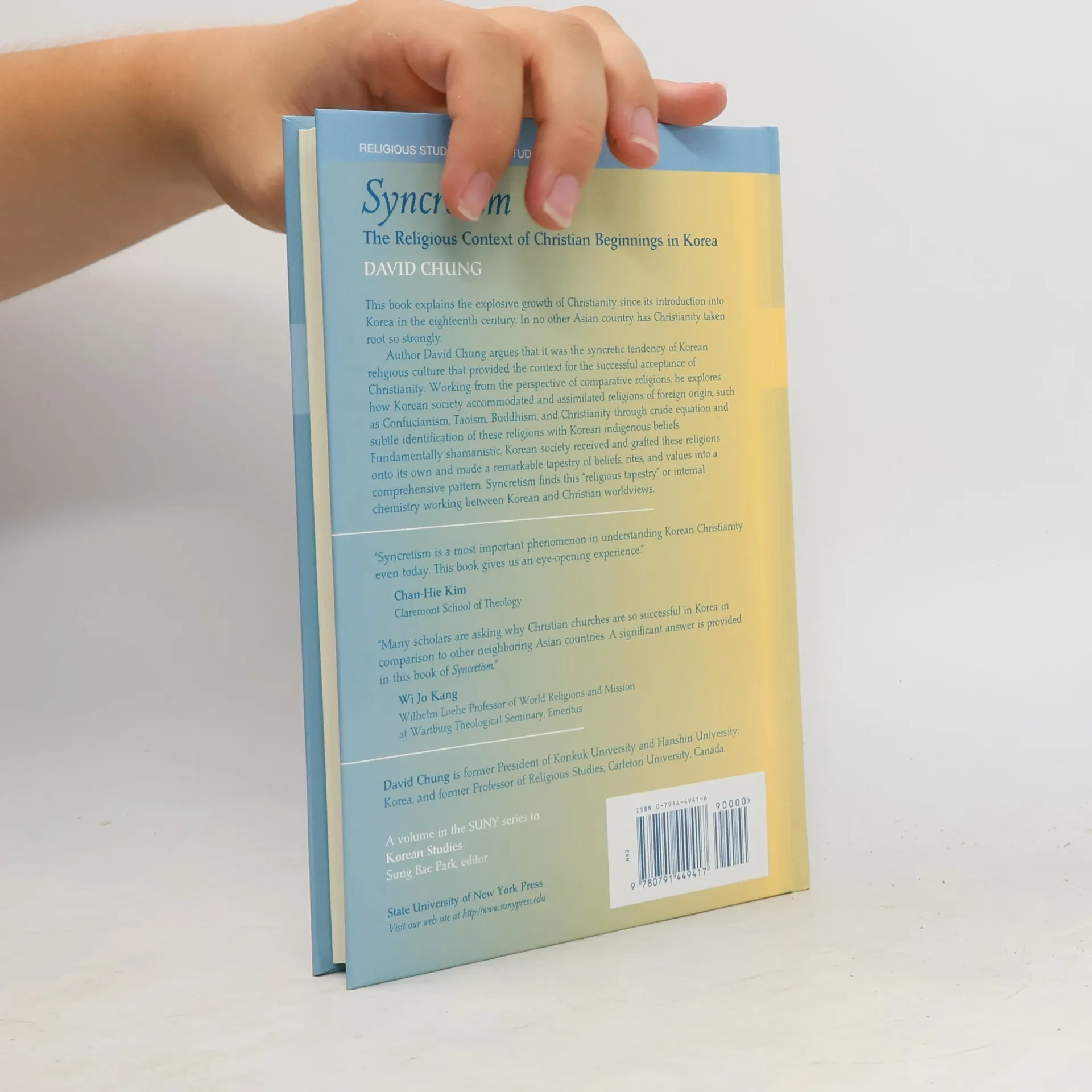
This book explains the explosive growth of Christianity since its introduction into Korea in the eighteenth century. In no other Asian country has Christianity taken root so strongly.Author David Chung argues that it was the syncretic tendency of Korean religious culture that provided the context for the successful acceptance of Christianity. Working from the perspective of comparative religions, he explores how Korean society accommodated and assimilated religions of foreign origin, such as Confucianism, Taoism, Buddhism, and Christianity through crude equation and subtle identification of these religions with Korean indigenous beliefs. Fundamentally shamanistic, Korean society received and grafted these religions onto its own and made a remarkable tapestry of beliefs, rites, and values into a comprehensive pattern. Syncretism finds this "religious tapestry" or internal chemistry working between Korean and Christian worldviews.
Buchkauf
SUNY Series in Korean Studies: Syncretism, David Chung, Kang-Nam Oh
- Sprache

- Erscheinungsdatum
- 2001
- Einband
- (Hardcover)
Keiner hat bisher bewertet.
- Titel
- SUNY Series in Korean Studies: Syncretism
- Untertitel
- The Religious Context of Christian Beginnings in Korea
- Sprache
- Englisch
- Autor*innen
- David Chung, Kang-Nam Oh
- Erscheinungsdatum
- 2001
- Einband
- Hardcover
- Seitenzahl
- 263
- ISBN10
- 0791449416
- ISBN13
- 9780791449417
- Reihe
- Schlagwörter
- Historisches Thema, Religiöse Themen, Christliche Themen, Inspiration, Ethik, Geschichte der Kirche, Korea, Südkorea, Fernost
- Beschreibung
- This book explains the explosive growth of Christianity since its introduction into Korea in the eighteenth century. In no other Asian country has Christianity taken root so strongly.Author David Chung argues that it was the syncretic tendency of Korean religious culture that provided the context for the successful acceptance of Christianity. Working from the perspective of comparative religions, he explores how Korean society accommodated and assimilated religions of foreign origin, such as Confucianism, Taoism, Buddhism, and Christianity through crude equation and subtle identification of these religions with Korean indigenous beliefs. Fundamentally shamanistic, Korean society received and grafted these religions onto its own and made a remarkable tapestry of beliefs, rites, and values into a comprehensive pattern. Syncretism finds this "religious tapestry" or internal chemistry working between Korean and Christian worldviews.