

Gratis Versand ab 16,99 €. Mehr Infos.
Bookbot

Cambridge Studies in Biological and Evolutionary Anthropology

Diese Reihe befasst sich mit den Feinheiten der menschlichen Evolution und biologischen Anthropologie und bietet breite und integrierte Perspektiven auf dieses faszinierende Feld. Sie untersucht die Synthese aktueller Forschung und Gedanken in verschiedenen Bereichen, von der Evolutionsbiologie bis zur Primatologie. Jeder Band dient als Einführung in neue Teilgebiete für Studenten und als Forum für die neuesten Erkenntnisse von Forschern. Die Sammlung bietet einen umfassenden Überblick darüber, was uns aus biologischer und evolutionärer Sicht menschlich macht.

Bioarchaeology
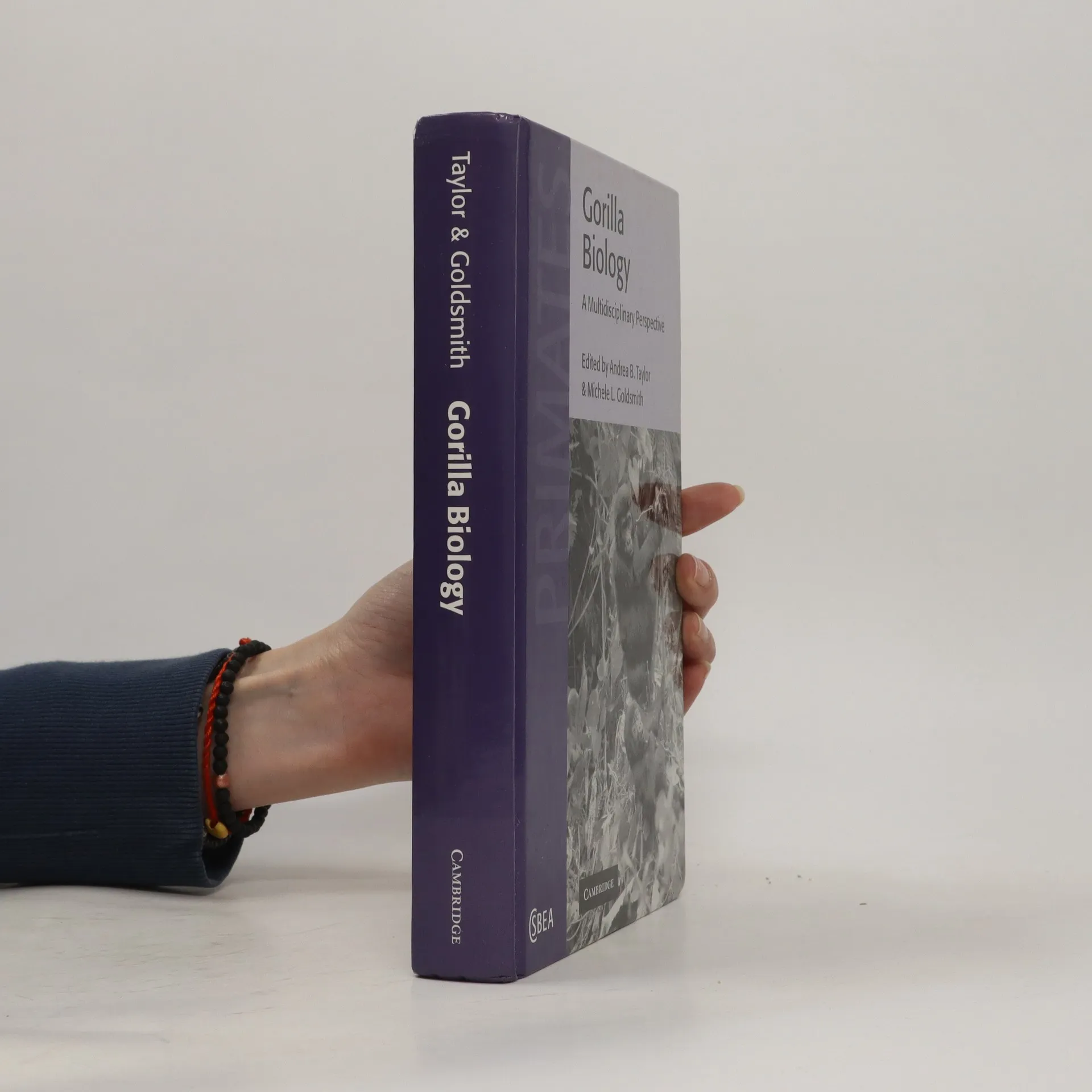
Gorilla Biology
Growth, Maturation, and Body Composition
  • Growth, Maturation, and Body Composition

    The Fels Longitudinal Study 1929 1991

    • 300 Seiten
    • 11 Lesestunden

    This book provides an insightful exploration of a pivotal study in human biology, highlighting its significance and impact on the field. It delves into key findings, methodologies, and the implications of the research, offering readers a comprehensive understanding of how this study has shaped contemporary perspectives on human biology. Through detailed analysis, it emphasizes the importance of this research in advancing knowledge and fostering further inquiry in the discipline.

    Growth, Maturation, and Body Composition
  • Gorillas, one of our closest living relatives, are the largest living primates, and teeter on the brink of extinction. This study offers the first comparative perspective on gorilla populations throughout their natural range, and covers all known subspecies. Discussing phylogeny, evolution, functional morphology, behavioral ecology and conservation biology, this multidisciplinary work will be essential reading for primatologists, anthropologists, animal behaviorists and evolutionary biologists.

    Gorilla Biology
  • Bioarchaeology

    • 658 Seiten
    • 24 Lesestunden

    Focusing on the analysis of human remains within archaeological settings, this book offers a comprehensive approach for both current and future bioarchaeologists. It synthesizes methodologies and insights, emphasizing the significance of these studies in understanding past human behaviors and societies. The text serves as a vital resource for advancing the field and enhancing the interpretation of archaeological findings related to human history.

    Bioarchaeology
    4,3