
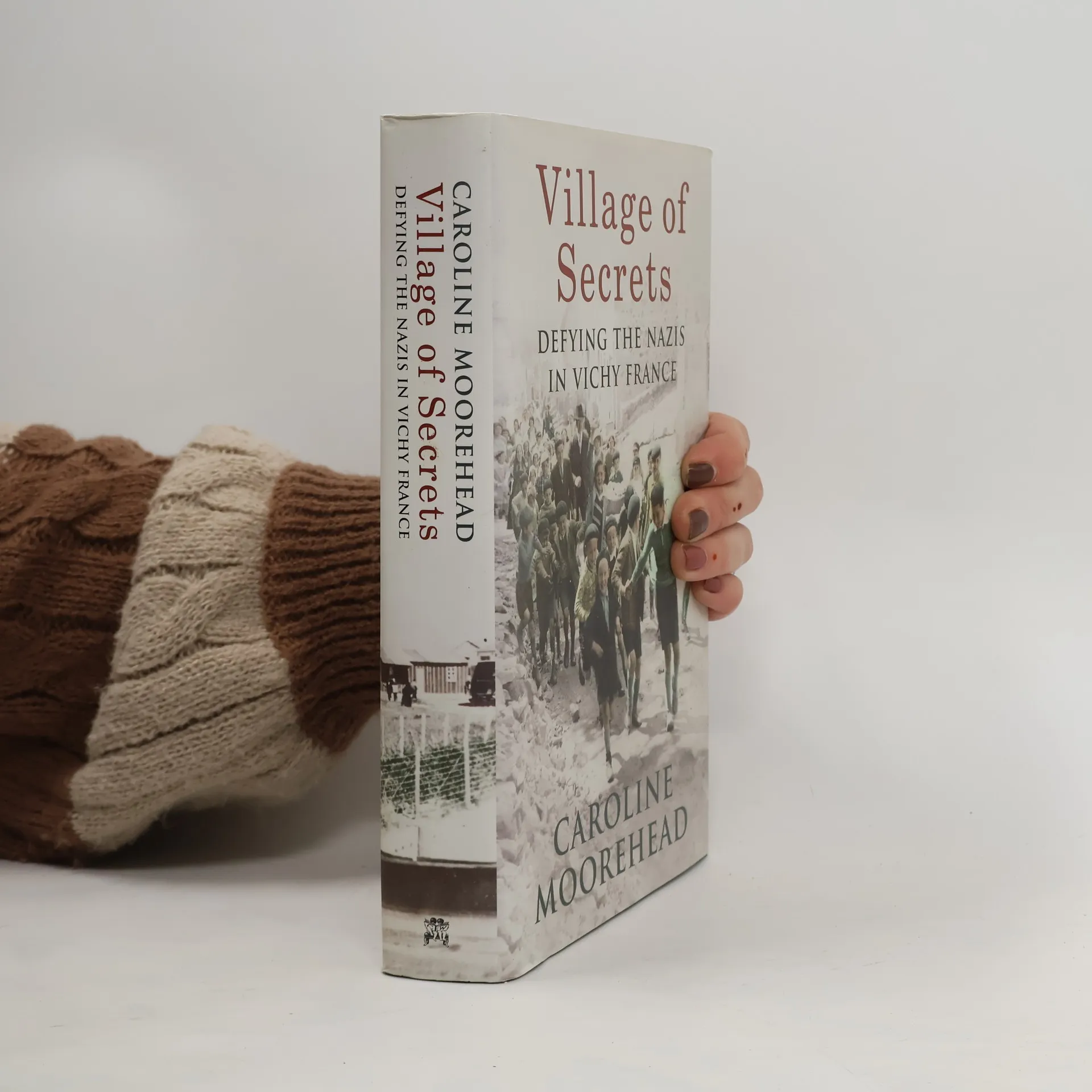

From the author of the bestseller A Train in Winter comes the remarkable tale of a French village that saved thousands, including many Jewish children, from the Gestapo during World War II. Le Chambon-sur-Lignon, a small village nestled in the mountains of the Ardèche, became a sanctuary for those pursued by the Nazis. Isolated by snow for long stretches in winter, its residents sheltered resisters, freemasons, communists, downed Allied airmen, and primarily Jews, many of whom were children separated from their deported parents. After the war, Le Chambon was uniquely recognized in its entirety in Yad Vashem's Dictionary of the Just. The full story of how this village managed to protect so many remains largely untold. Acclaimed biographer and historian Caroline Moorehead recounts a narrative of exceptional bravery and collective action against German rule. In a country notorious for denouncing Jews and resisters, not a single inhabitant of Le Chambon ever revealed the identities of those they sheltered. The village, united by a code of honor stemming from centuries of religious oppression, exemplifies how a small group of heroic individuals—many of them women—prioritized saving lives over their own safety, creating a powerful legacy of resistance and compassion.
Das Widerstands-Quartett Reihe
Diese Serie befasst sich mit wahren Berichten über Tapferkeit und Entschlossenheit während des Zweiten Weltkriegs. Sie erforscht die unglaublichen Taten von Mut Einzelner und Gruppen, die sich gegen die Tyrannei stellten. Jeder Teil enthüllt spannende und oft ergreifende Momente aus dem Leben derer, die alles riskierten. Es ist ein Zeugnis des menschlichen Geistes angesichts unvorstellbarer Widrigkeiten.


A Bold and Dangerous Family
- 448 Seiten
- 16 Lesestunden
A gripping tale of intrigue... I was enormously moved Observer
A House in the Mountains
- 416 Seiten
- 15 Lesestunden
In the late summer of 1943, when Italy changed sides in the War and the Germans - now their enemies - occupied the north of the country, an Italian Resistance was born. Ada, Frida, Silvia and Bianca were four young Piedmontese women who joined the Resistance, living clandestinely in the mountains surrounding Turin. They were not alone. Between 1943 and 1945, as the Allies battled their way north, thousands of men and women throughout occupied Italy rose up and fought to liberate their country from the German invaders and their Fascist collaborators. The bloody civil war that ensued across the country pitted neighbour against neighbour, and brought out the best and worst in Italian society. The courage shown by the partisans was exemplary, and eventually bound them together as a coherent fighting force. The women's contribution was invaluable - they fought, carried messages and weapons, provided safe houses, laid mines and took prisoners. Ada's house deep in the mountains became a meeting place and refuge for many of them
A Train in Winter
- 374 Seiten
- 14 Lesestunden
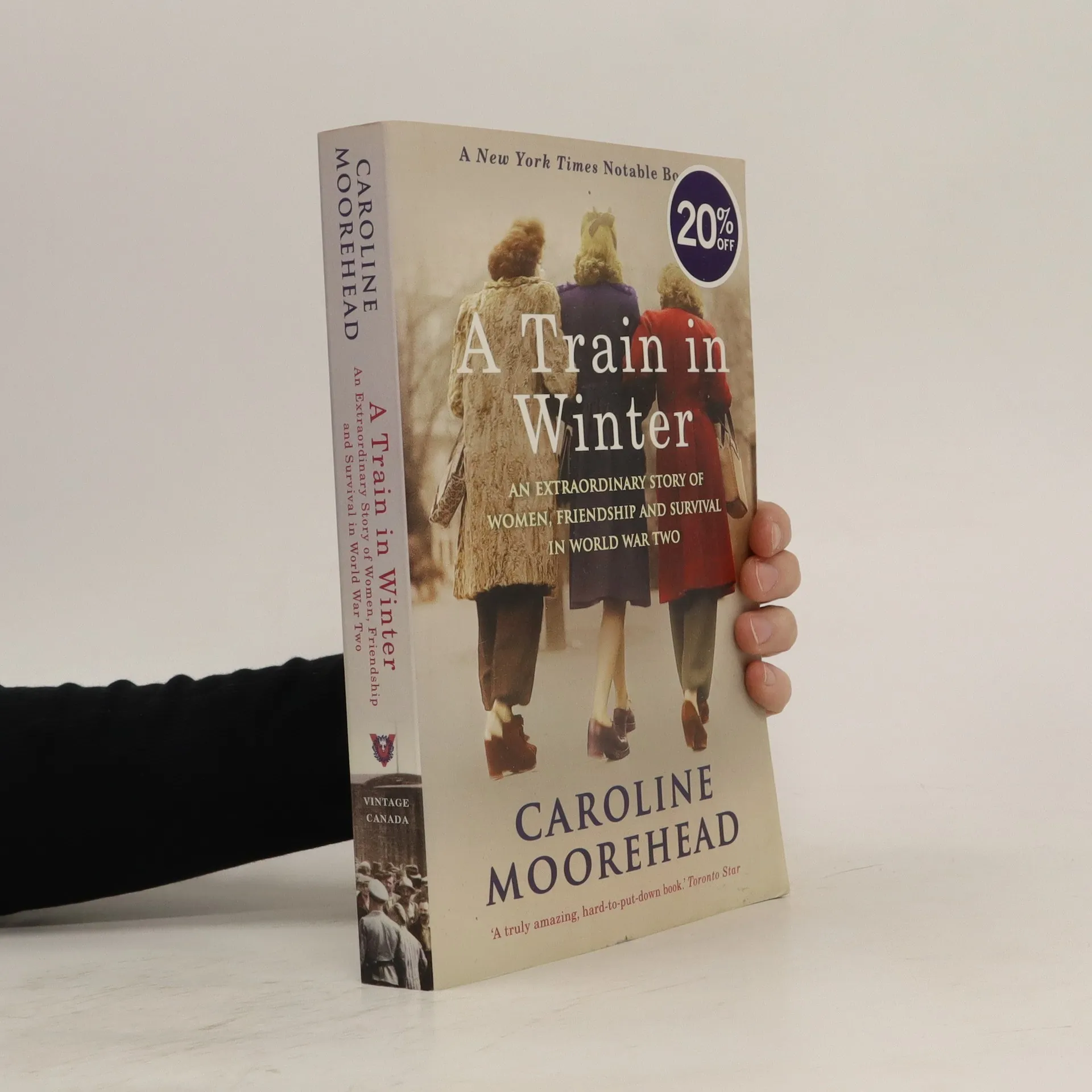
On an icy morning in Paris in January 1943, 230 French women resisters were rounded up from the Gestapo detention camps and sent on a train to Auschwitz—the only train, in the four years of German occupation, to take women of the Resistance to a death camp. The youngest was a schoolgirl of 15, the eldest a farmer's wife of 68; among them were teachers, biochemists, salesgirls, secretaries, housewives and university lecturers. Six of the women were still alive in 2010 and able to tell their stories of the great affection and camaraderie that took hold among the group. They became friends, and it was precisely this friendship that kept so many of them alive. Drawing on interviews with survivors and their families, on German, French and Polish archives, and on documents held by WW2 resistance organisations, A Train in Winter covers a harrowing part of history that is, ultimately, a portrait of ordinary people, of bravery and endurance, and of the particular qualities of female friendship.