



Gratis Versand ab 16,99 €. Mehr Infos.
Bookbot

Die Geschichte Roms

Diese monumentale Serie taucht in die Ursprünge der legendären Stadt Rom ein und reicht bis zu ihren frühesten Legenden vor ihrer traditionellen Gründung im Jahr 753 v. Chr. zurück. Sie erforscht den Aufstieg und die Entwicklung einer der mächtigsten Zivilisationen der Geschichte und zeichnet ihre politischen Intrigen, Feldzüge und kulturellen Triumphe detailliert nach. Das Werk bietet tiefe Einblicke in das Leben, die Gesetze und die Denkweise der alten Römer, die die westliche Welt prägten.

Rome and the Mediterranean
The War with Hannibal
Rome's Italian Wars
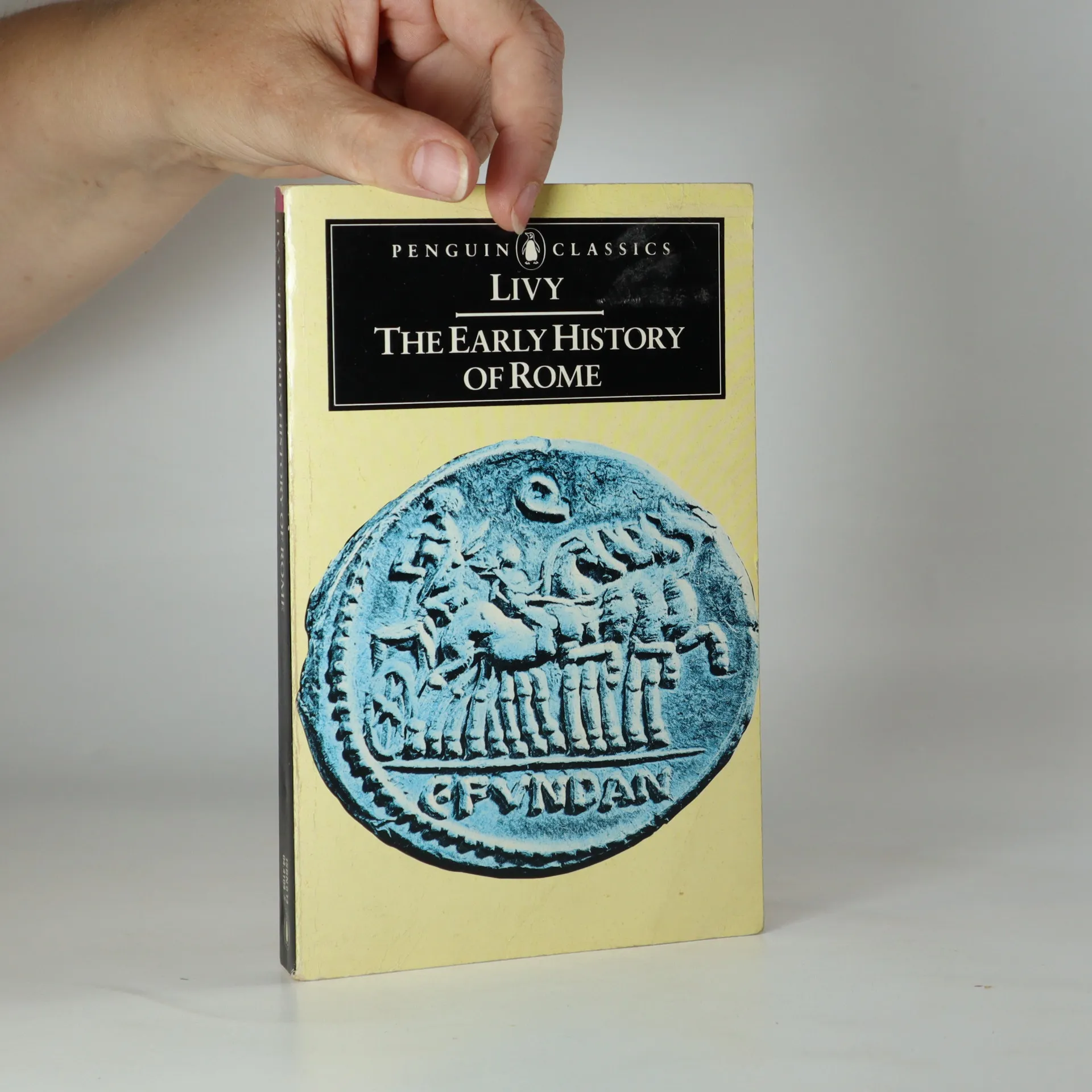
The Early History of Rome (Book I. - V.)
Ab urbe condita libri

Empfohlene Lesereihenfolge

  1. Das Blatt wendet sich. Eben noch hat Hannibal den Römern empfindliche Niederlagen in Italien beigebracht (Cannae!), jetzt sieht er die eigene Heimat Karthago bedroht: der junge Römer Scipio setzt seine Truppen nach Afrika über. Wir schreiben das Jahr 204 v. Chr. Der Showdown der beiden Heerführer in der Schlacht von Zama steht unmittelbar bevor und damit das Ende des Zweiten Punischen Krieges. Dies ist der vorletzte Band der Gesamtausgabe, die die zehn Bücher des Livius über den Zweiten Punischen Krieg umfasst. Seine Darstellung ist als historische Quelle zur Beurteilung der großen Auseinandersetzung Roms mit Hannibal unverzichtbar.

    Ab urbe condita libri1
    4,1
  2. Romulus and Remus, the rape of Lucretia, Horatius at the bridge, the saga of Coriolanus, Cincinnatus called from his farm to save the state - these and many more are stories which, immortalised by Livy in his history of early Rome, have become part of our cultural heritage. The historian's huge work, written between 20 BC and AD 17, ran to 12 books, beginning with Rome's founding in 753 BC and coming down to Livy's own lifetime (9 BC). Books 1-5 cover the period from Rome's beginnings to her first great foreign conquest, the capture of the Etruscan city of Veii and,a few years later, to her first major defeat, the sack of the city by the Gauls in 390 BC

    The Early History of Rome (Book I. - V.)1
    3,8
  3. Rome's Italian Wars

    • 416 Seiten
    • 15 Lesestunden

    In Books 6 to 10 of his monumental history of Rome, Livy deals with the period in which Rome recovered from its Gallic disaster to impose mastery over almost the entire Italian peninsula in a series of ever greater wars. Vivid portrayals of personalities, politics, warfare, and religion bring 4th-century Italy vividly alive in this new translation.

    Rome's Italian Wars2
    4,2
  4. It is Livy (59 BC-AD 17) who re-creates for us in vivid detail the terrible events of the Second Punic War, down to the Battle of Zama (202 BC). It is Livy who shows us the immense armies of Hannibal, elephants and all, crossing the Alps (still regarded as a near-miraculous feat by historians), the panic as Hannibal approached the gates of Rome, the decimation of the Roman army in thick fog at the Battle of Lake Trasimene. But, above all, it is the clash of personalities that fascinate him: the great debates in the Senate, the series of Roman generals who prove no match for Hannibal, the historic meeting between Scipio and Hannibal before the decisive battle. Livy never hesitated to introduce drama and moral lessons into his History of Rome; in the ten books dealing with the war with Hannibal, he had an immense theme worthy of his immense talents.

    The War with Hannibal3
    4,2
  5. Rome and the Mediterranean

    • 704 Seiten
    • 25 Lesestunden

    After the decisive defeat of Hannibal in the Second Punic War (218-201), Rome faced a series of challenges from the East - to emerge as master of the Mediterranean in 167 B.C. It is Livy who, by the sheer power of his historical imagination, creates from the bald and often inaccurate souces an enthralling narrative, full of drama and color, compelling personalities and magnificent oratory. With her triumphs over the heirs of Alexander the Great in the Macedonian Wars, world leadership passed forever from Greece to Rome; and Livy shows us the men, heroic but human, who took part in an epoch-making event.

    Rome and the Mediterranean4
    4,2