

Gratis Versand ab 14,99 €. Mehr Infos.
Bookbot

Die Scharniere der Geschichte

Diese Serie befasst sich mit entscheidenden Momenten der Menschheitsgeschichte, die über eine einfache Chronik von Katastrophen und Konflikten hinausgehen. Sie deckt Erzählungen unerwarteter Freundlichkeit, Opferbereitschaft und Mitgefühl auf, die den Lauf der Zivilisation geprägt haben. Jede Folge bietet einen tiefen Einblick in einzigartige Ereignisse, bei denen die Menschlichkeit selbst in den dunkelsten Zeiten durchschien. Es ist eine Feier unwahrscheinlicher Taten des Guten, die zeigen, dass Hoffnung selbst unter den widrigsten Umständen fortbesteht.

Mysteries of the Middle Ages
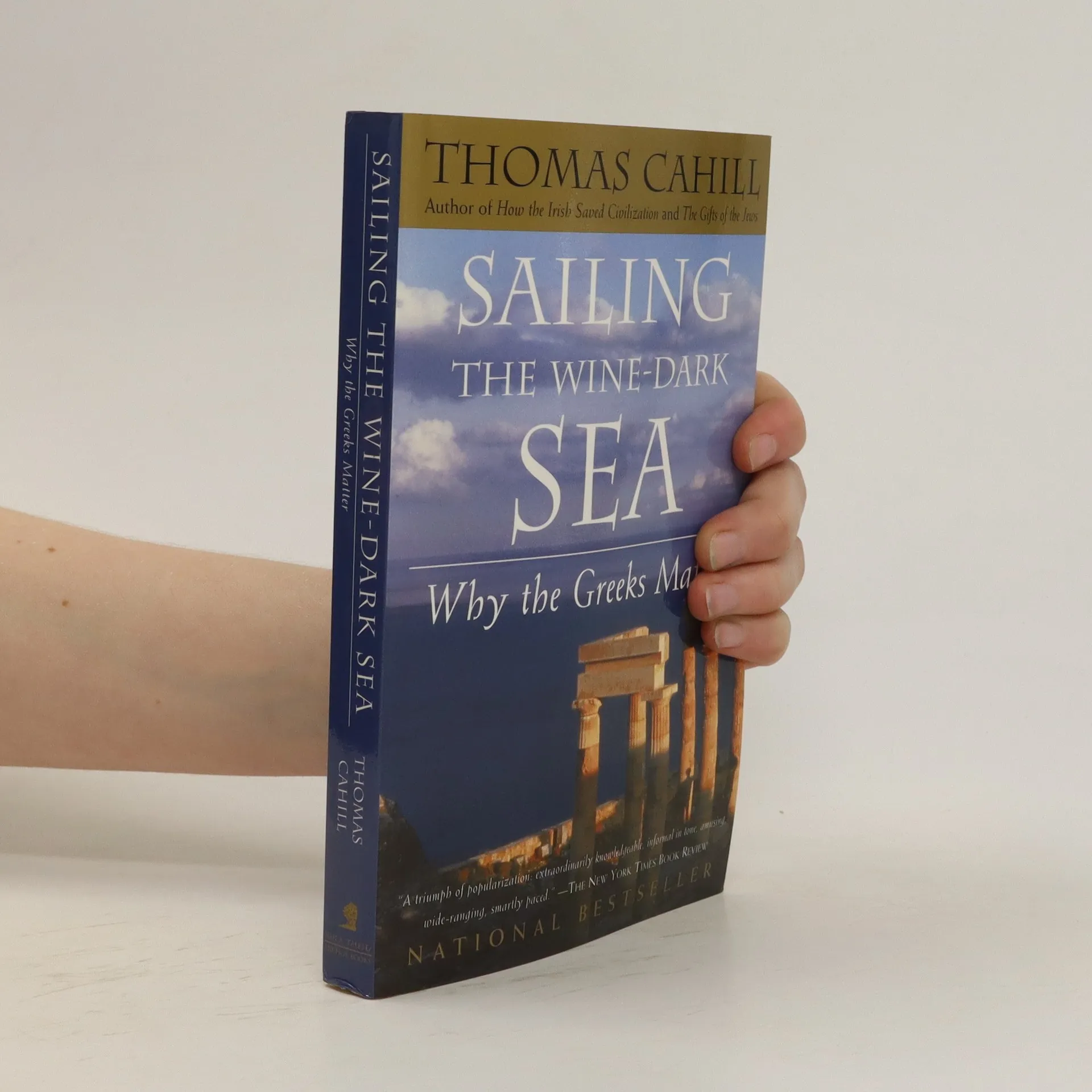
Sailing the wine-dark sea : why the Greeks matter
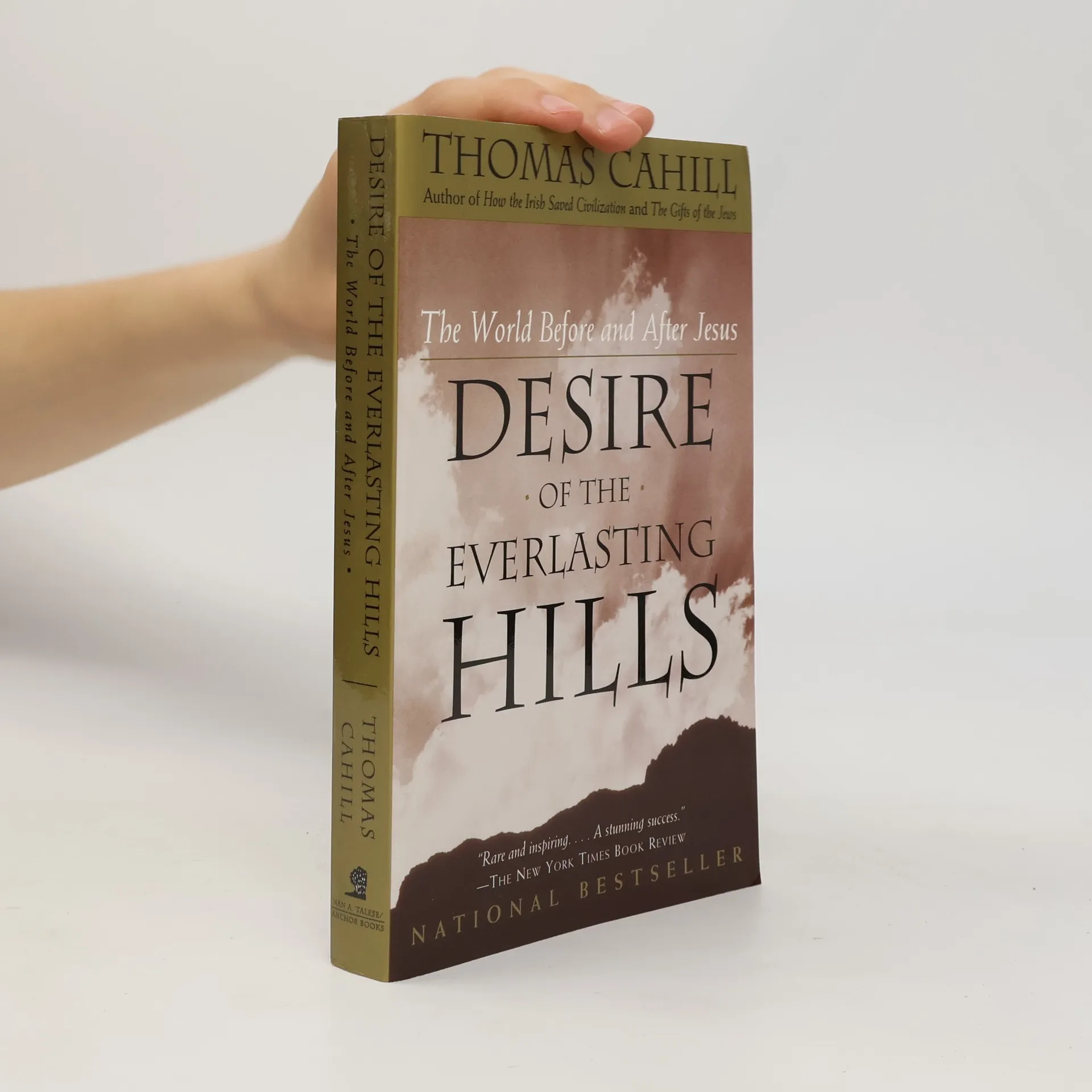
Desire of the Everlasting Hills
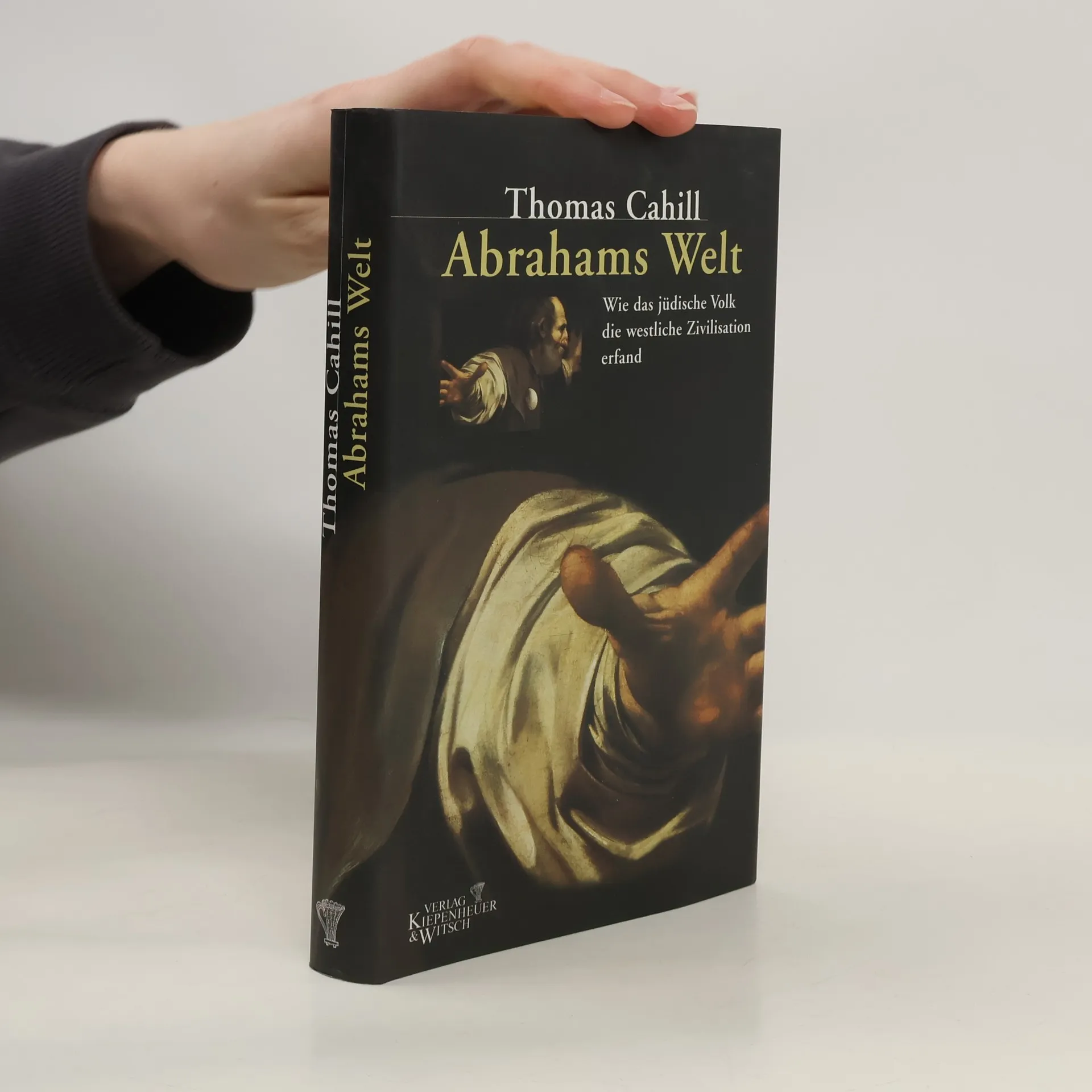
Abrahams Welt. Wie das jüdische Volk die westliche Zivilisation erfand.
Wie die Iren die Zivilisation retteten

Empfohlene Lesereihenfolge

  1. Dieses Buch enthüllt die entscheidende Rolle Irlands bei der Bewahrung der westlichen Kultur während des Dunklen Zeitalters. Millionen feiern den St. Patrick's Day, oft ohne die tiefgreifenden Einflüsse zu erkennen, die er auf die Geschichte der Zivilisation hatte. Er führte nicht nur das Christentum nach Irland ein, sondern förderte auch die Alphabetisierung und das Lernen, wodurch das Land zu "der Insel der Heiligen und Gelehrten" wurde und die westliche Kultur schützte, während Europa barbarischen Invasionen gegenüberstand. In dieser fesselnden Erzählung untersucht der Autor die Entwicklung Europas vom klassischen Rom bis zur mittelalterlichen Zeit und betont, dass Irland für diesen Übergang von wesentlicher Bedeutung war. Irische Mönche und Schreiber kopierten sorgfältig Manuskripte sowohl heidnischer als auch christlicher Texte und bewahrten das Wesen der westlichen Zivilisation, während das Lernen auf dem Kontinent abnahm. Der Autor zeigt, wie viel von der Lebendigkeit der mittelalterlichen Kultur auf Irland zurückzuführen ist. Während kulturelle Samen in Europa neu gepflanzt wurden, wurden sie durch die irische Perspektive genährt. Dieses Werk rekonstruiert eine oft übersehene Ära, die für das Verständnis unseres kulturellen Erbes von entscheidender Bedeutung ist, und bewahrt dabei einen witzigen Ton, der den Geist der unbesungenen Iren einfängt, die eine zentrale Rolle bei der Wiederbelebung der Zivilisation spielten.

    Wie die Iren die Zivilisation retteten1
    3,8
  2. Cahill führt uns zunächst ins Sumer im dritten Jahrtausend und erkundet eine Zivilisation, in der das Leben - wie in allen antiken Gesellschaften - als Teil eines endlosen Zyklus von Geburt und Tod betrachtet wird: Zeit wird als Rad wahrgenommen, das unaufhörlich dreht und seinen Kurs nie ändert - bis die alten Juden diese Wahrnehmung dramatisch verändern. Als Abraham die Stimme Gottes hört, die die unerwarteten Worte "Gehe hinaus" spricht, entsteht das Konzept einer unbekannten Zukunft und die westliche Zivilisation wird geboren. Aus dieser Einsicht entwickeln die Juden eine neue Vision von Männern und Frauen mit einzigartigen Schicksalen - eine Vision, die tausende Jahre später die Unabhängigkeitserklärung inspirieren und unseren hoffnungsvollen Glauben an Fortschritt und die Vorstellung, dass morgen besser sein kann als heute, prägen wird. Thomas Cahill erzählt diesen bedeutsamen Wandel mit fesselnden Geschichten, Einsichten und Humor und bringt uns näher zu kraftvollen biblischen Persönlichkeiten wie Abraham und Sarah, Mose und Mirjam, David, Amos, Jesaja, Naomi und Ruth.

    Abrahams Welt. Wie das jüdische Volk die westliche Zivilisation erfand.2
    3,8
  3. From the bestselling author of How the Irish Saved Civilization and The Gifts of the Jews, his most compelling historical narrative yet. How did an obscure rabbi from a backwater of the Roman Empire come to be the central figure in Western Civilization? Did his influence in fact change the world? These are the questions Thomas Cahill addresses in his subtle and engaging investigation into the life and times of Jesus. Cahill shows us Jesus from his birth to his execution through the eyes of those who knew him and in the context of his time—a time when the Jews were struggling to maintain their beliefs under overlords who imposed their worldview on their subjects. Here is Jesus the loving friend, itinerate preacher, and quiet revolutionary, whose words and actions inspired his followers to journey throughout the Roman world and speak the truth he instilled—in the face of the greatest defeat: Jesus' crucifixion as a common criminal. Daring, provocative, and stunningly original, Cahill's interpretation will both delight and surprise.

    Desire of the Everlasting Hills3
    4,0
  4. In Sailing the Wine-Dark Sea, his fourth volume to explore "the hinges of history," Thomas Cahill escorts the reader on another entertaining—and historically unassailable—journey through the landmarks of art and bloodshed that defined Greek culture nearly three millennia ago.In the city-states of Athens and Sparta and throughout the Greek islands, honors could be won in making love and war, and lives were rife with contradictions. By developing the alphabet, the Greeks empowered the reader, demystified experience, and opened the way for civil discussion and experimentation—yet they kept slaves. The glorious verses of the Iliad recount a conflict in which rage and outrage spur men to action and suggest that their "bellicose society of gleaming metals and rattling weapons" is not so very distant from more recent campaigns of "shock and awe." And, centuries before Zorba, Greece was a land where music, dance, and freely flowing wine were essential to the high life. Granting equal time to the sacred and the profane, Cahill rivets our attention to the legacies of an ancient and enduring worldview.

    Sailing the wine-dark sea : why the Greeks matter4
    3,8
  5. A new volume in the author's acclaimed Hinges of History series examines the rebirth of scholarship, art, literature, philosophy, and science following the Dark Ages, vividly capturing the spirit of experimentation, pageantry, and pursuit of knowledge that transformed medieval Europe and set the stage for the modern world. Reprint. 75,000 first printing.

    Mysteries of the Middle Ages5
    3,7