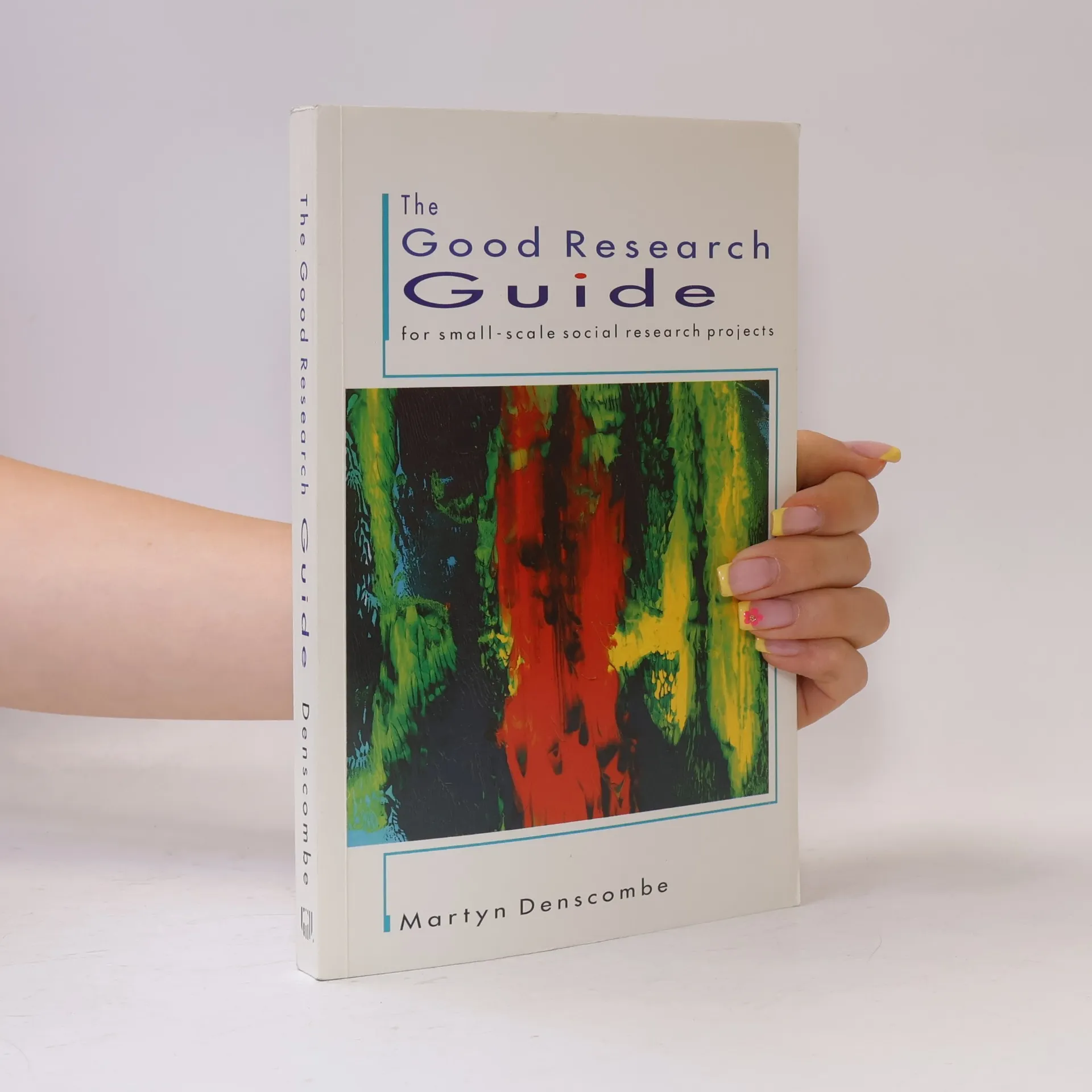
"The Good Research Guide" has been a bestselling introduction to the basics of social research since it was first published in 1998. This new second edition of the book offers the same clear guidance on how to conduct successful small-scale research projects and adds even more value by including new sections on internet research, phenomenology, grounded theory and image-based methods. The book provides: a clear summary of the relevant strategies, methods and approaches to data analysis a jargon-free coverage of the key issues an attractive layout and user-friendly presentation checklists to guide good practice. Practical and comprehensive, "The Good Research Guide" is an invaluable tool for students of education, health studies, business studies and other social sciences, who need to conduct small-scale research projects as part of undergraduate, postgraduate or professional studies.
Eröffnen Sie Lernfähigkeiten Reihe
Diese Reihe praktischer Leitfäden soll Studierenden jeden Alters helfen, effektive Lerngewohnheiten zu entwickeln. Jedes Buch konzentriert sich auf eine bestimmte Fähigkeit, wie z. B. effektives Lesen, Verfassen von Aufsätzen oder Prüfungsvorbereitung. Ziel ist es, Lernenden die Werkzeuge und Techniken an die Hand zu geben, die sie benötigen, um in ihrem Studium erfolgreich zu sein. Verbessern Sie Ihre Lernergebnisse mit diesen zugänglichen und unkomplizierten Ressourcen.

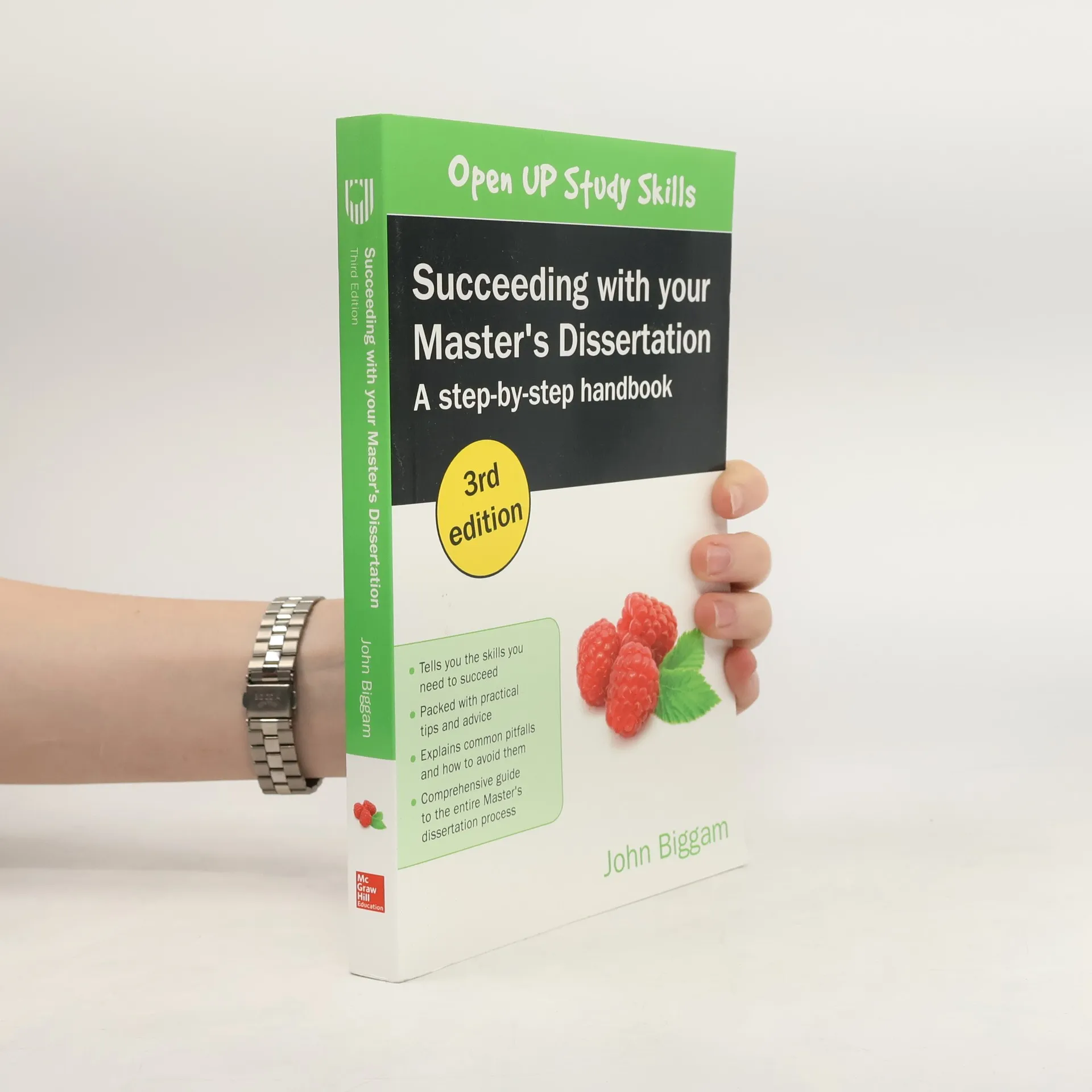
Succeeding with Your Master's Dissertation
- 344 Seiten
- 13 Lesestunden
Succeeding with your Master's Dissertation is a step-by-step guide to completing your Master's dissertation.
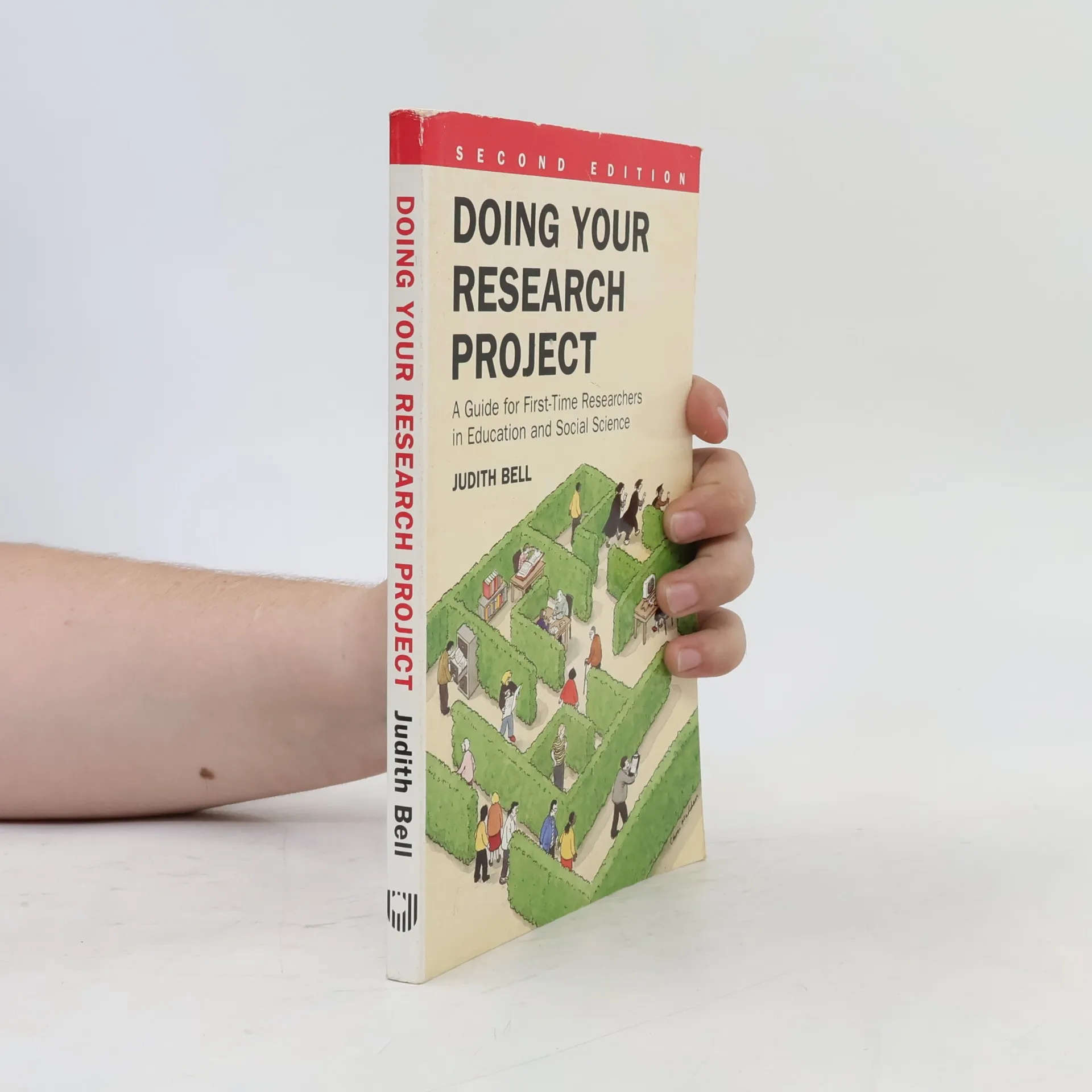
Doing Your Research Project
A Guide for First-Time Researchers in Education and Social Science
- 176 Seiten
- 7 Lesestunden
Used but well kept, corners and edges lightly scuffed.Pages age yellowed but very strong. A valuable source of reference and guide to good practice for all beginner researchers, at any level of student or professional status. An enormously successful and useful reference, that no social science researcher should be without. (non)
How to Get a PhD
A Handbook for Students and Their Supervisors - Second Edition
- 203 Seiten
- 8 Lesestunden
This is a handbook and survival manual for PhD students, providing a practical, realistic understanding of the processes of doing research for a doctorate. It discusses many important issues often left unconsidered, such as the importance of time management and how to achieve it, and how to overcome the difficulties of communicating with supervisors. Consideration is given to the particular problems of groups such as women, part-time and overseas students. The book also provides practical insights for supervisors, focusing on how to monitor and, if necessary, improve supervisory practice. It assists senior academic administrators by examining the responsibilities that universities have for providing an adequate service for research students.
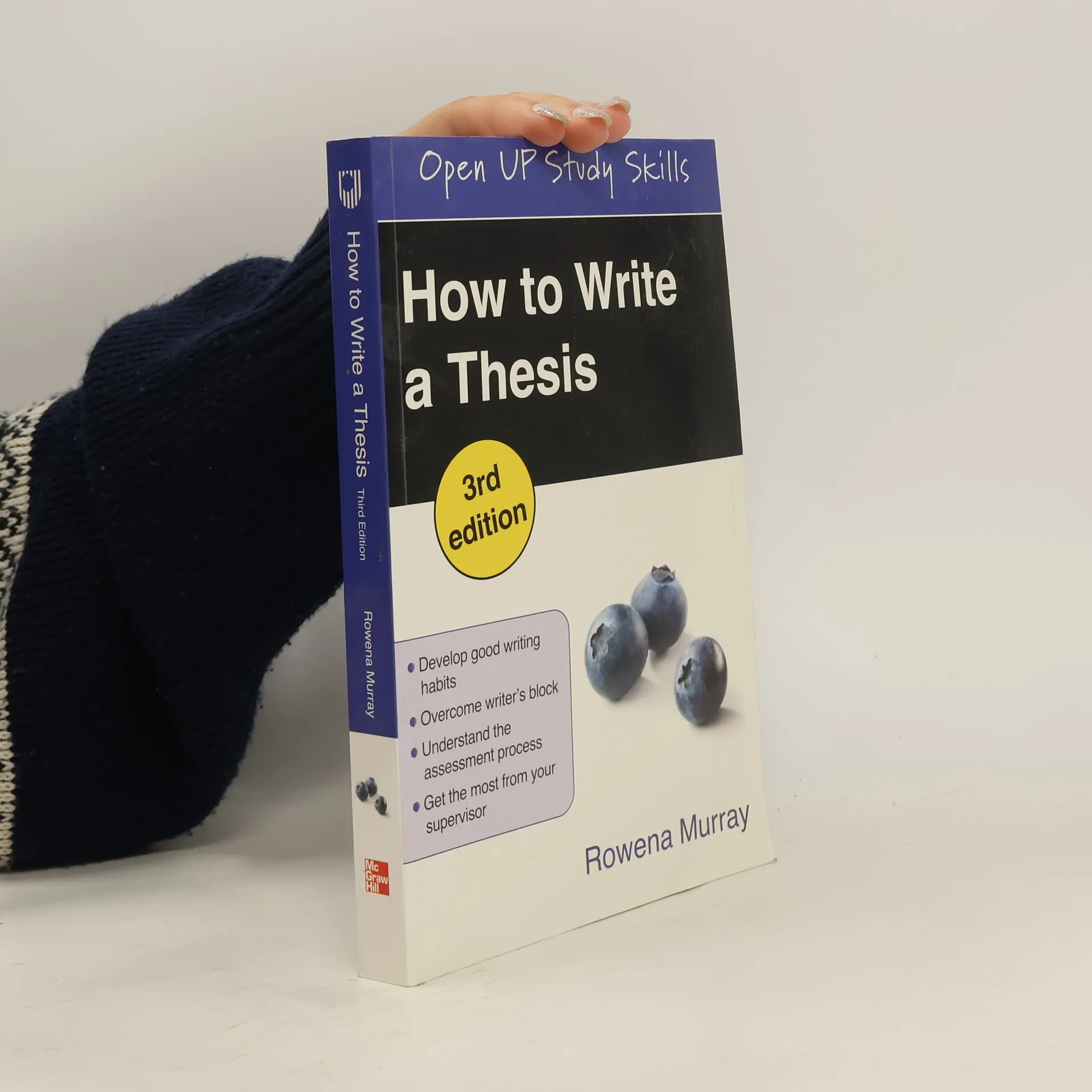
This book is a trusted resource for students across various disciplines, guiding them through the stages of thesis writing while offering valuable advice that builds confidence and fosters effective writing habits. It helps students develop a positive approach to the complexities of thesis writing. Experts praise its insightful suggestions and practical guidance, making it an essential tool for doctoral students. The book provides down-to-earth advice, practical tips, and useful summaries and checklists to help students stay on track. It goes beyond basic writing techniques, introducing methods such as freewriting, generative writing, and binge writing. Key issues addressed include determining thesis criteria, overcoming writer's block, writing literature reviews, and transforming notes into drafts. The latest edition features a new introduction by students sharing their experiences with the book, updates on doctoral skill sets and Training Needs Analysis, an extended discussion on plagiarism prevention, and an expanded focus on student well-being. Additionally, learning outcomes are provided for each chapter, enhancing the book's utility as a comprehensive guide for thesis completion.
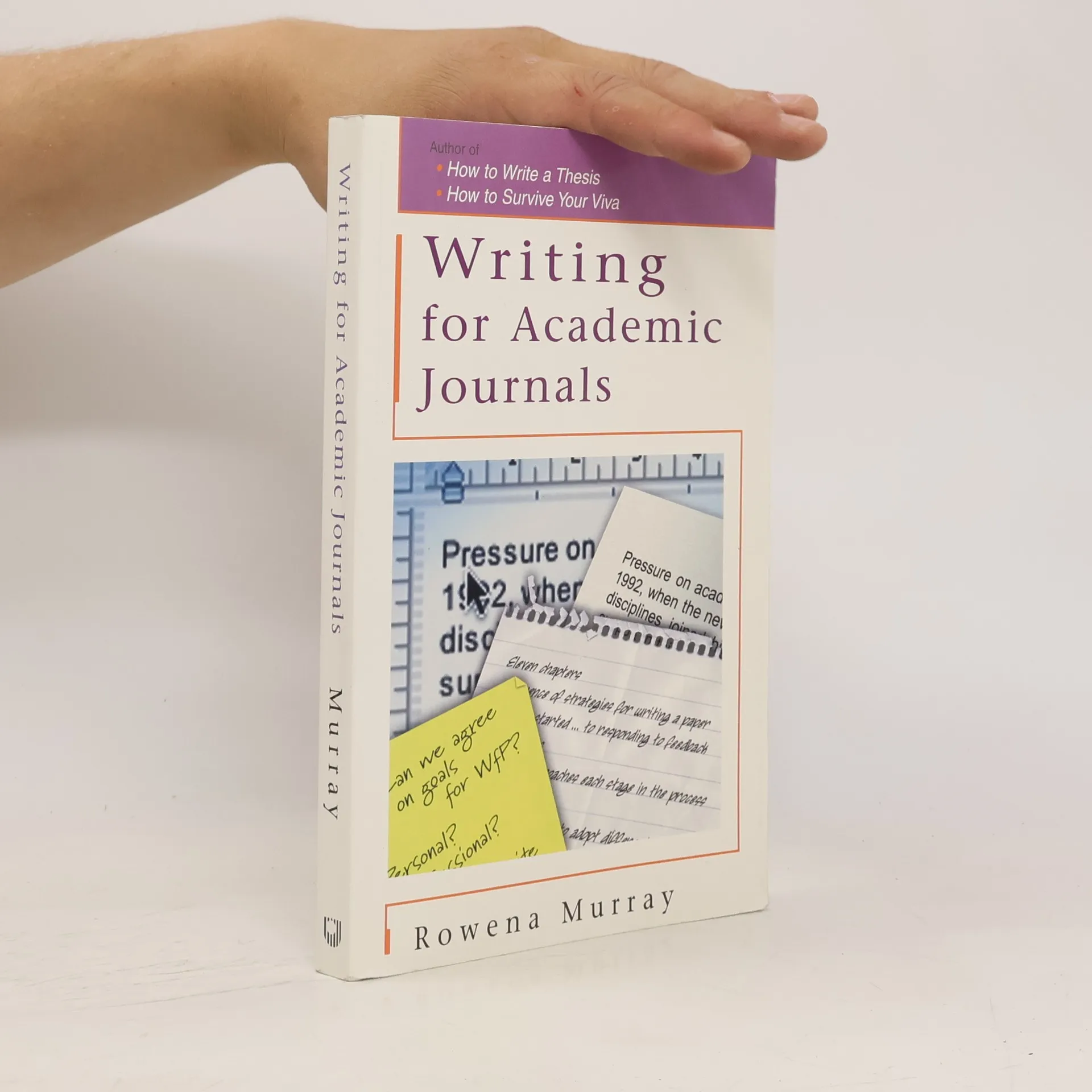
This book unravels the process of writing academic papers. It tells readers what good papers look like and how they can be written.
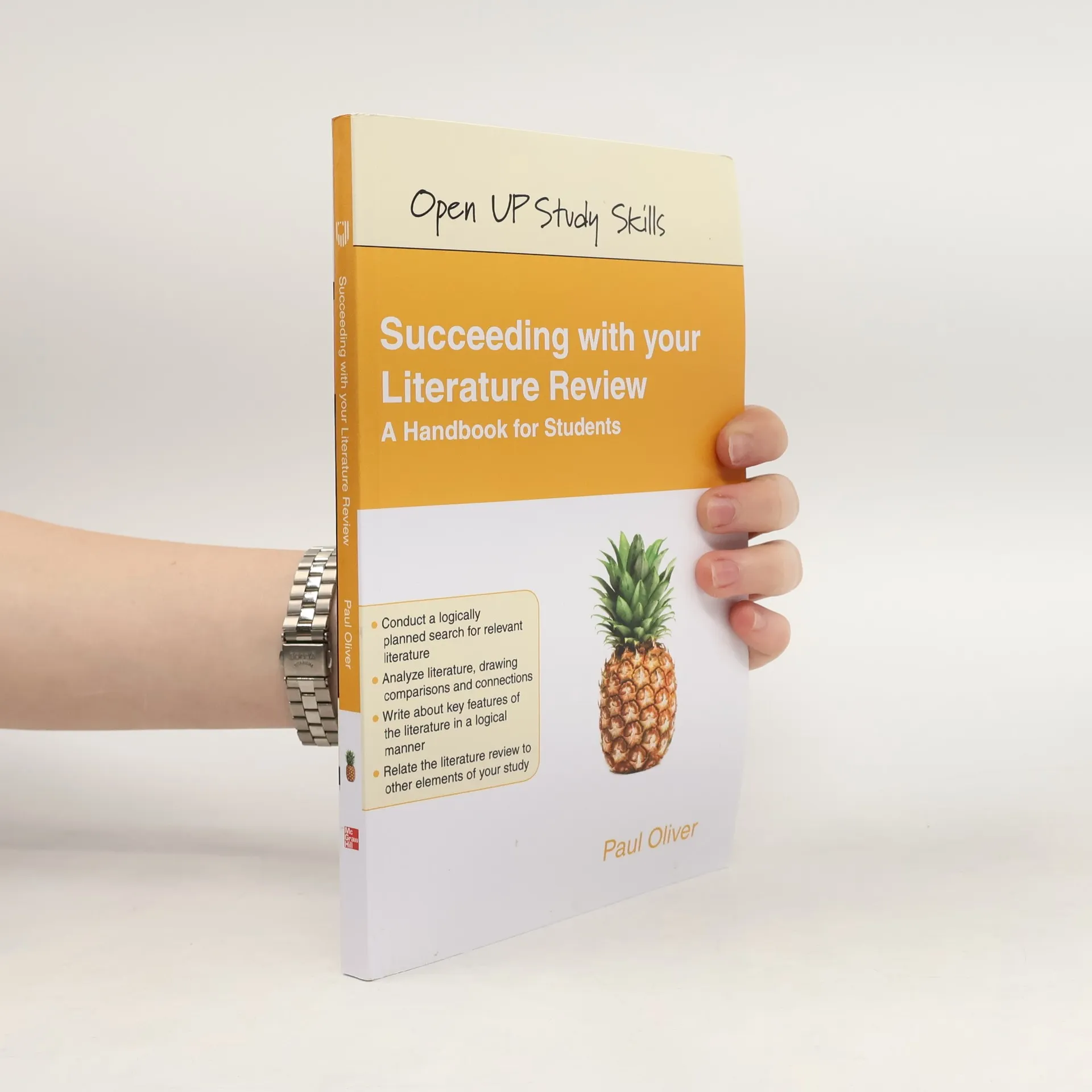
Succeeding with your Literature Review: A Handbook for Students
- 160 Seiten
- 6 Lesestunden
This book provides practical guidance on processes of researching a range of relevant literature on a subject, planning and writing a literature review.
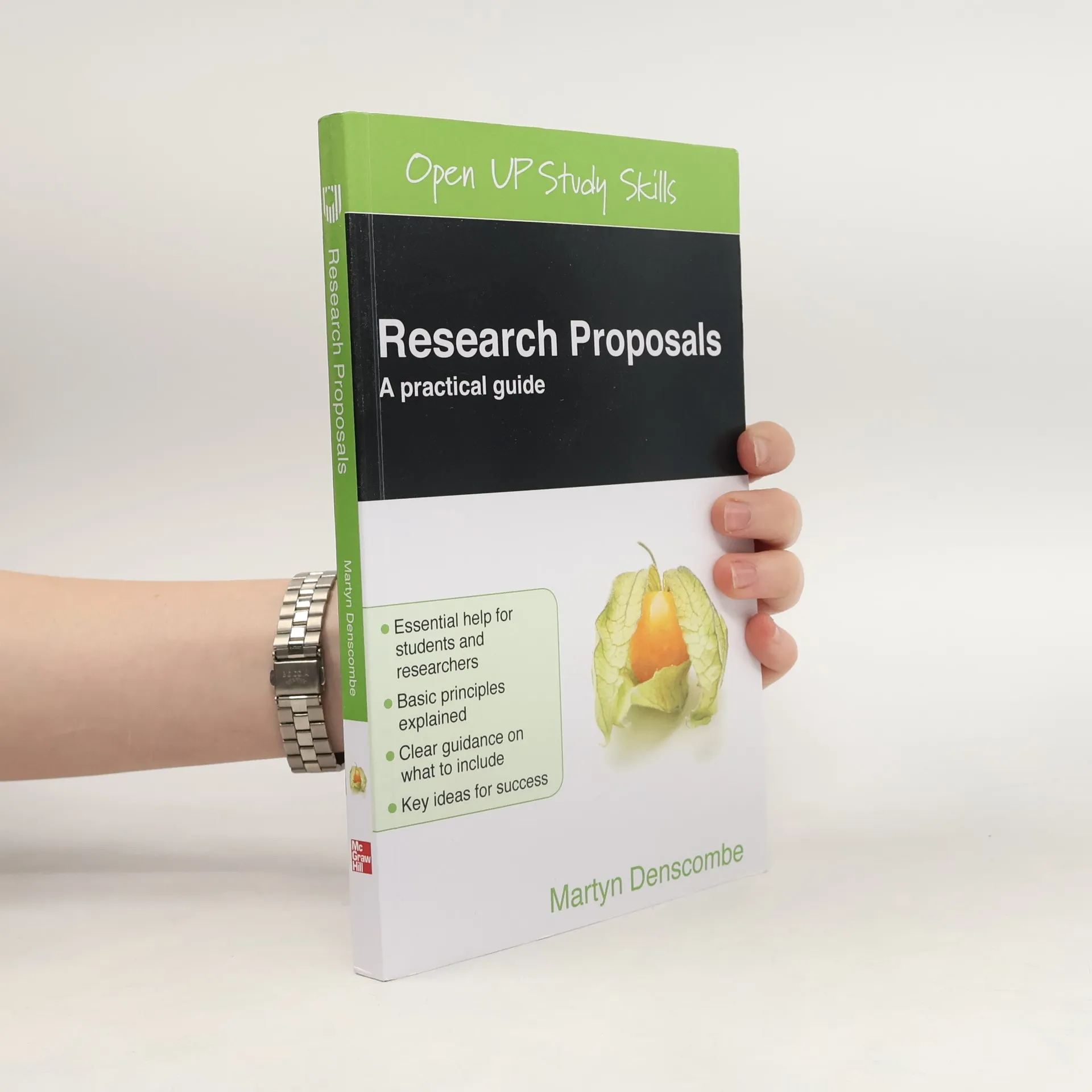
Research Proposals: A Practical Guide
- 192 Seiten
- 7 Lesestunden
Provides an insight to the logic behind research proposals and the way that good proposals address 7 basic questions that readers can ask when they evaluate any proposal. This book draws a parallel between a research proposal and a sales pitch. It provides guidance on what to include and what to omit from your proposal.