

Philip's Complete Guide to Stargazing
- 320 Seiten
- 12 Lesestunden
Philip's Complete Guide to Stargazing is an inspiring introduction to astronomy, providing all the information you need to explore the wonders of the night sky.
Diese Serie nimmt Sie mit auf eine faszinierende Reise durch die Welt der Astronomie, von grundlegenden Konzepten bis hin zu fortgeschrittenen Theorien. Entdecken Sie die Geheimnisse des Universums, von den Planeten unseres Sonnensystems bis hin zu fernen Galaxien. Verständlich erklärte Konzepte und ansprechende Illustrationen machen diese Reihe zum idealen Begleiter für alle, die mehr über den Kosmos erfahren möchten. Es ist eine Reise voller Wissen, die Ihre Neugier und Ihr Staunen über die Unendlichkeit des Universums wecken wird.


Philip's Complete Guide to Stargazing is an inspiring introduction to astronomy, providing all the information you need to explore the wonders of the night sky.
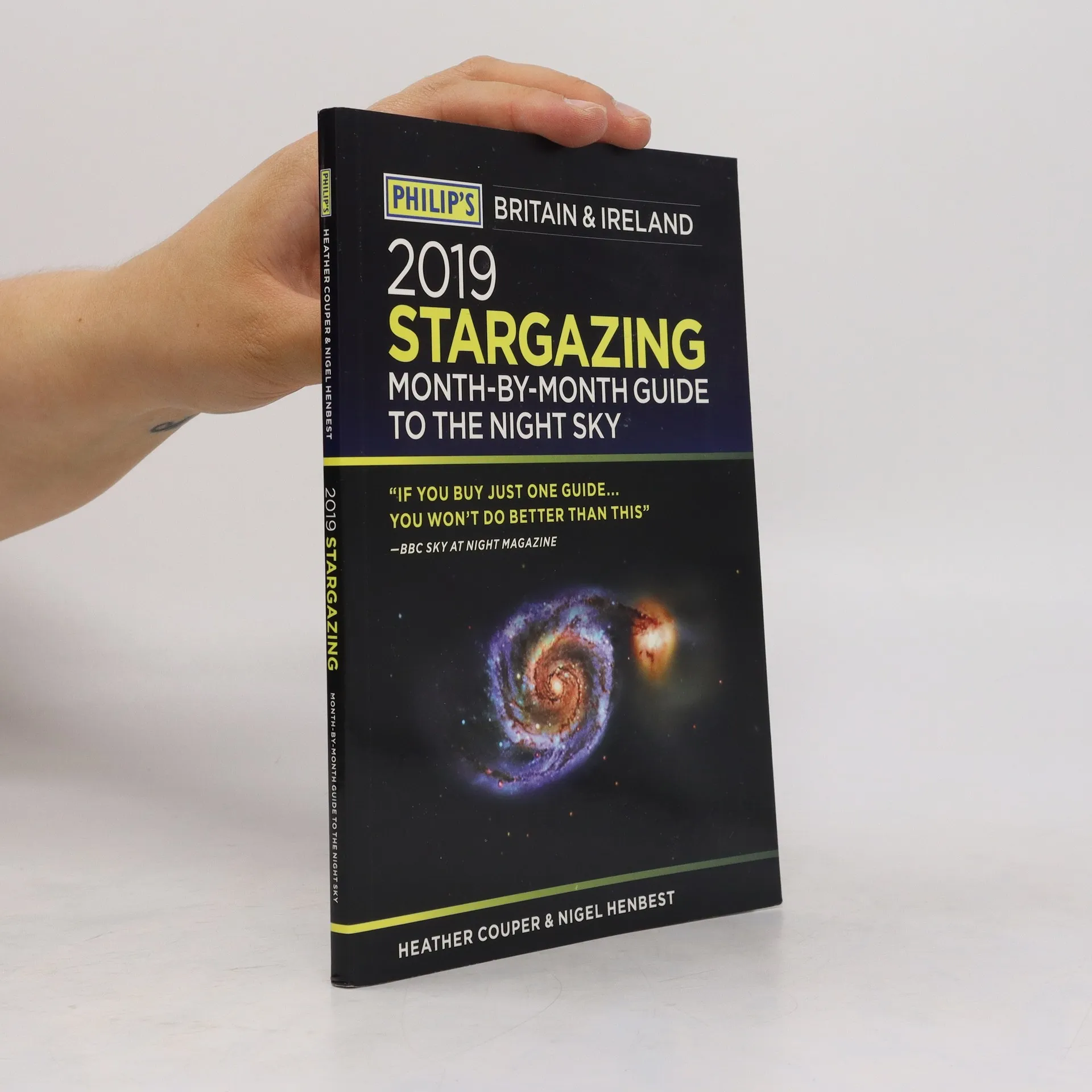
Discover the latest in star gazing with the new and definitive guide to the night sky.Whether you’re a seasoned astronomer or just starting out, Philip’s Stargazing 2021 is the only book you’ll need. Compiled by experts and specially designed for use in Britain and Ireland, Stargazing 2021 acts as a handily illustrated and comprehensive companion.– 12 Brand-New Maps for year-round astronomical discovery– Month-to-Month informationDaily Moon Phase Calendar, highlighting special lunar events throughout the year– Planet Watch for ideal viewing days in 2021– Avoid light pollution with our detailed Dark Sky Map– Expert advice and insight throughout from internationally renowned Professors Couper and Henbest– Using Binoculars – Stargazing recommendations from expert Robin Scagell– Perfect for home use during lockdown– Complete calendar of major astronomical events, including the Top 20 Sky Sights of 2021– Jargon Buster, explaining common or confusing terms– The planets’ movements explained from solar and lunar eclipses to meteor showers and comets
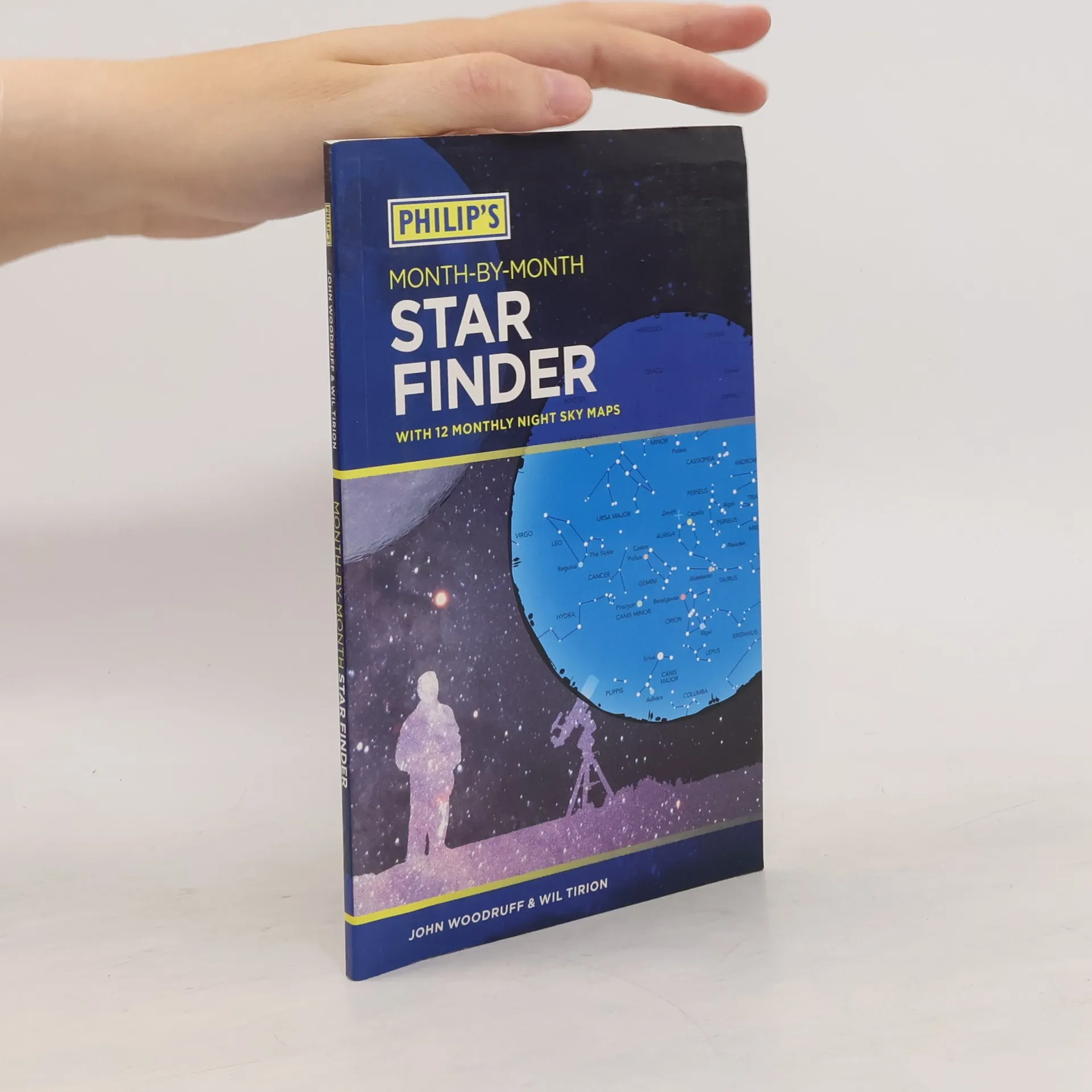
This work intends to serve as a concise, month-by-month calendar for star watchers in the Southern Hemisphere. It features 12 charts showing the position of stars, constellations and other celestial objects in both northerly and southerly directions for each month of the year.
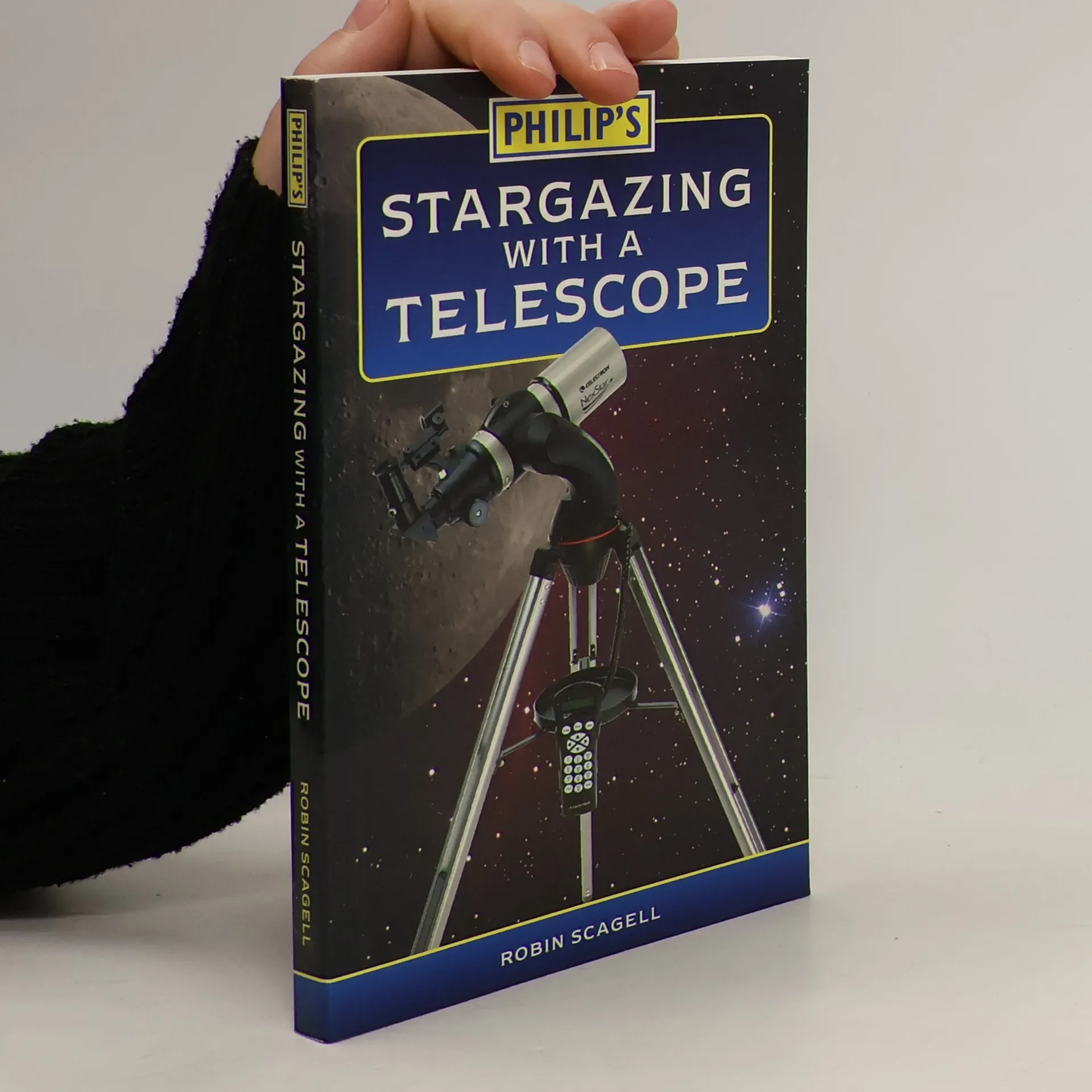
A straightforward, practical guide to telescopes and how to achieve the best results. Fully updated to include all the latest equipment on the market. Includes specially commissioned 'step-by-step' illustrations and easy-to-use star maps covering the whole sky. Provides a list of objects to looks at including the Sun, Moon, planets, comets, asteroids, stars, nebulae and galaxies. Also includes 'What if...' boxes suggesting simple solutions to difficulties commonly encountered by amateur observers.
101 Himmelsobjekte – das sind 101 Möglichkeiten, den Nachthimmel zu entdecken. Und das mit Erfolgserlebnissen und wachsenden Herausforderungen. Dazu wird jedes Beobachtungsziel ausführlich vorgestellt: Was genau ist zu sehen? Wie schwierig wird es sein, das Objekt zu erkennen? Und wann ist der beste Zeitpunkt dafür? Das Besondere: Je nach gesammelter Erfahrung werden für jedes Objekt unterschiedliche Details genannt, die der Reihe nach beobachtet werden können. Und für jede gelungene Sichtung gibt es Erfolgspunkte – ein echter Spaß, nicht nur für Einsteiger.
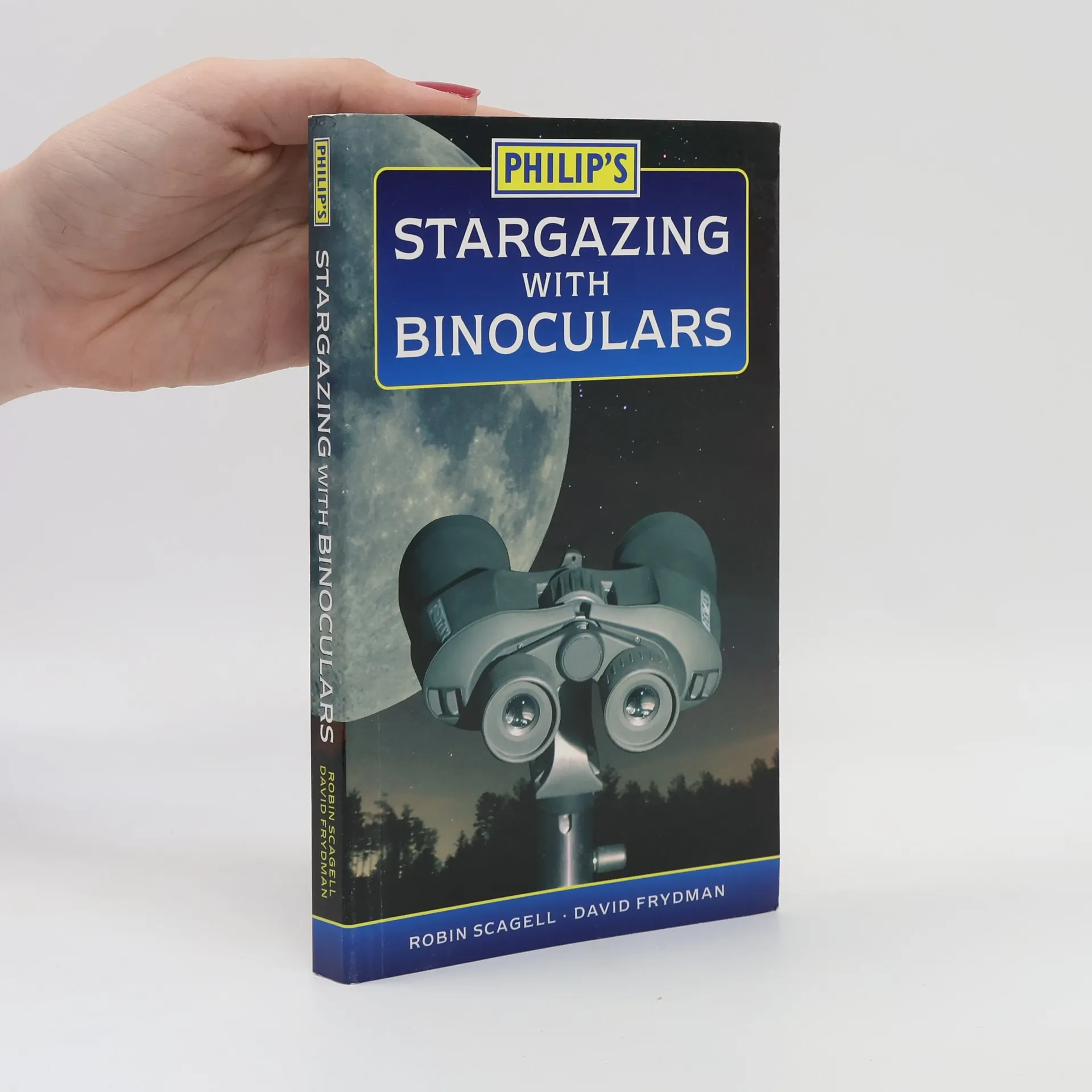
This new title in Philip's bestselling astronomy series follows the success of the guide to stargazing with telescopes. Binoculars are an excellent entry point for astronomy enthusiasts; they are affordable, user-friendly, and versatile for activities like bird-watching. However, knowing what to observe on a starry night can be challenging. This guide helps users identify the best celestial objects to view through binoculars and offers tips for maximizing their experience. It explains how binoculars work, assists in selecting the right pair for beginners or those upgrading, and provides practical advice for setup and usage. The book includes lists of observable objects suitable for various binocular sizes, covering the Sun, Moon, planets, comets, stars, and more, from both urban and rural settings. Targeted at newcomers of all ages, it features a range of internationally available binoculars and examples from both hemispheres. The guide is designed for all observing conditions and includes a glossary, index, and updated equipment information. Full-color illustrations, 'What if...' boxes for troubleshooting, and easy-to-use star maps enhance the learning experience for beginners.