Diese Reihe bietet aufschlussreiche Erkundungen zu zentralen Persönlichkeiten der Weltgeschichte ab 1500. Statt traditioneller Biografien sind dies prägnante Interpretationsaufsätze, die Schlüsselaspekte von Karrieren im historischen Kontext analysieren. Die Bücher untersuchen, wie Individuen politische, wirtschaftliche und soziale Ereignisse prägten und bieten ein differenziertes Verständnis von Macht und Einfluss.
Focusing on Oliver Cromwell's complex role in English history, Barry Coward examines his life through his own words and actions, providing insights into his political significance. The book delves into the controversies surrounding Cromwell's exercise of power, highlighting the historical challenges he faced. This introduction offers a nuanced perspective on a figure who continues to provoke debate and intrigue.
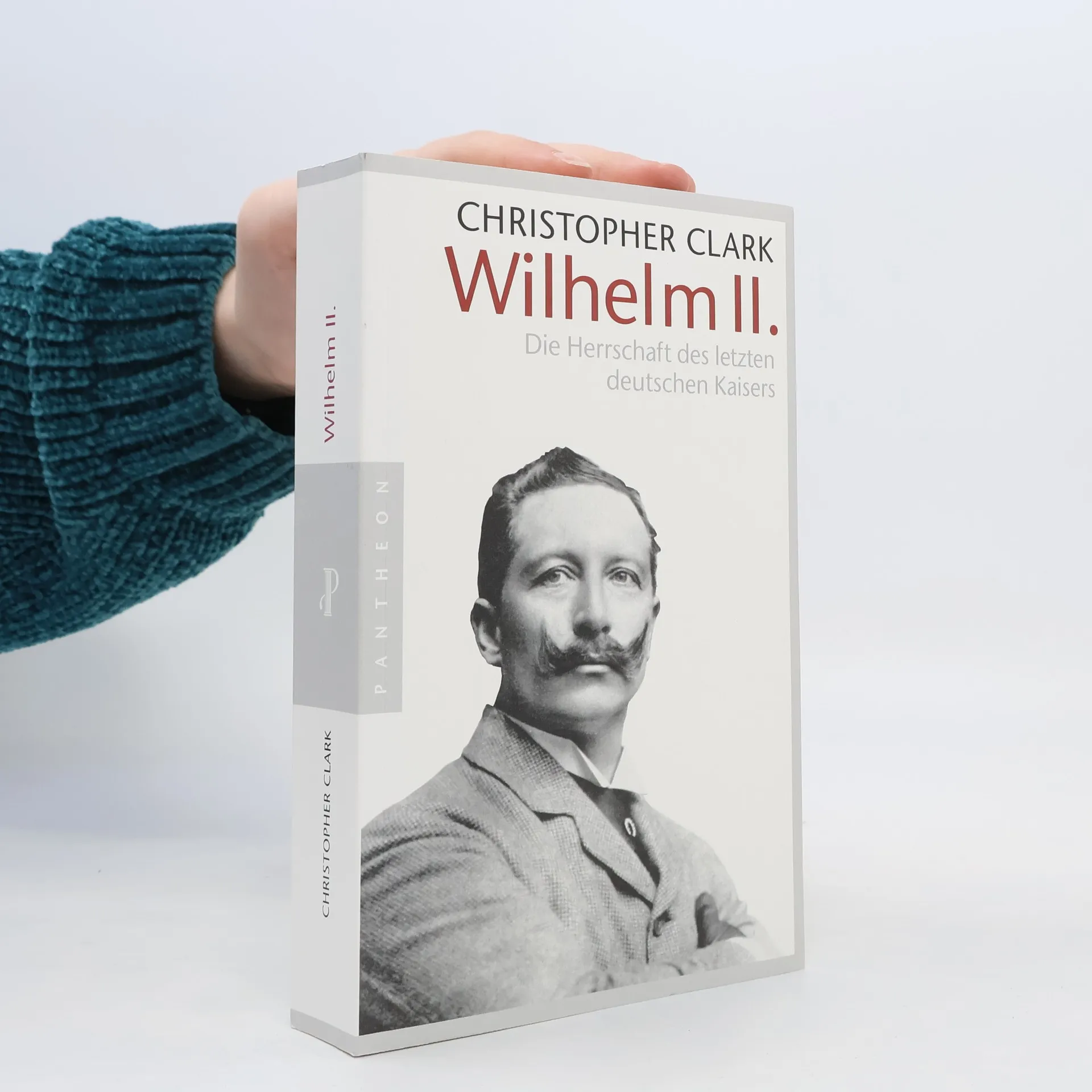
Christopher Clark verfolgt die Karriere des letzten deutschen Kaisers und beleuchtet seine schwierige Jugend, die Etablierung seiner Macht sowie seine politischen Auseinandersetzungen und Ziele. Mit dem Ersten Weltkrieg und der Niederlage des Deutschen Reichs endet die Herrschaft Wilhelms II., der abdanken und den Rest seines Lebens im Exil verbringen muss. Clarks sorgfältig recherchierte Arbeit bietet eine neue, provokative Interpretation des umstrittenen Monarchen und seiner dreißigjährigen Regentschaft. Er stellt die Frage, ob Deutschland einen anderen Weg eingeschlagen hätte, wenn ein anderer Herrscher das Land ins 20. Jahrhundert geführt hätte, und inwieweit Wilhelms Persönlichkeit die deutschen Geschicke prägte. Clark betrachtet Wilhelms Kindheit, geprägt von den politischen Ansichten seines Vaters und Großvaters, und beleuchtet seine Thronbesteigung 1888. Zudem untersucht er Wilhelms außen- und innenpolitisches Wirken sowie seine Rolle im Sommer 1914. Nach dem verlorenen Krieg wurde Wilhelm II. zum Objekt des Hasses, und sein negatives Image hält bis heute an. Clarks Ziel ist nicht die Rehabilitation des Kaisers, sondern die kritische Reflexion über die Dämonisierung, die die Geschichtsschreibung möglicherweise betrieben hat.
This series provides critical studies of key political figures in world history since 1500. The books are not biographies, though inevitably they contain much biographical material; rather, they are interpretive essays, analyzing the major features of the career within the context of its own time.
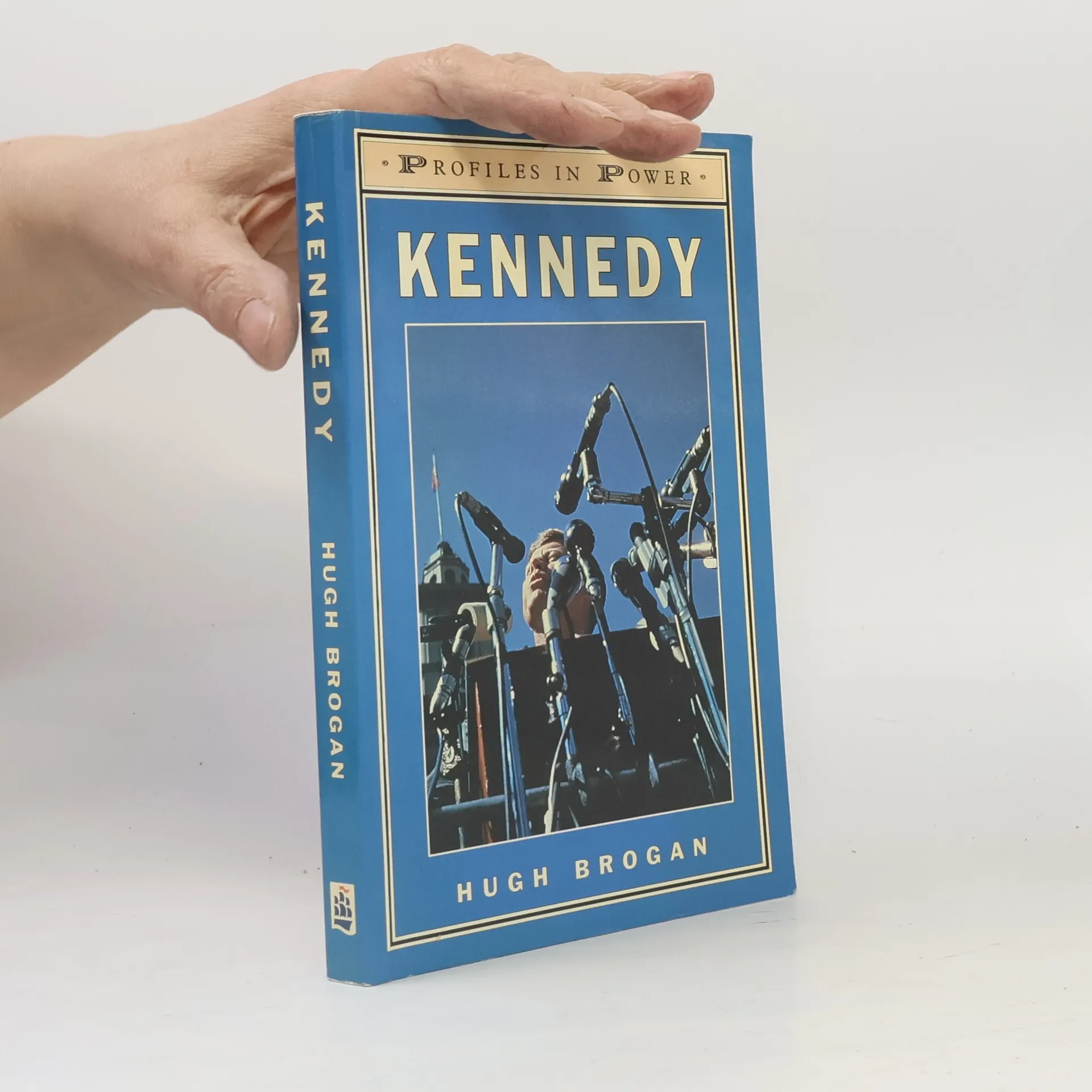
Neither hagiography nor demolition job, this book examines this key presidency with the scholarly detachment distance now allows. Lyndon B. Johnson inherited achievements and problems alike, and Brogan compares the work of both presidents, concluding that Kennedy's record was, broadly, impressive, and would have been more so had he lived.
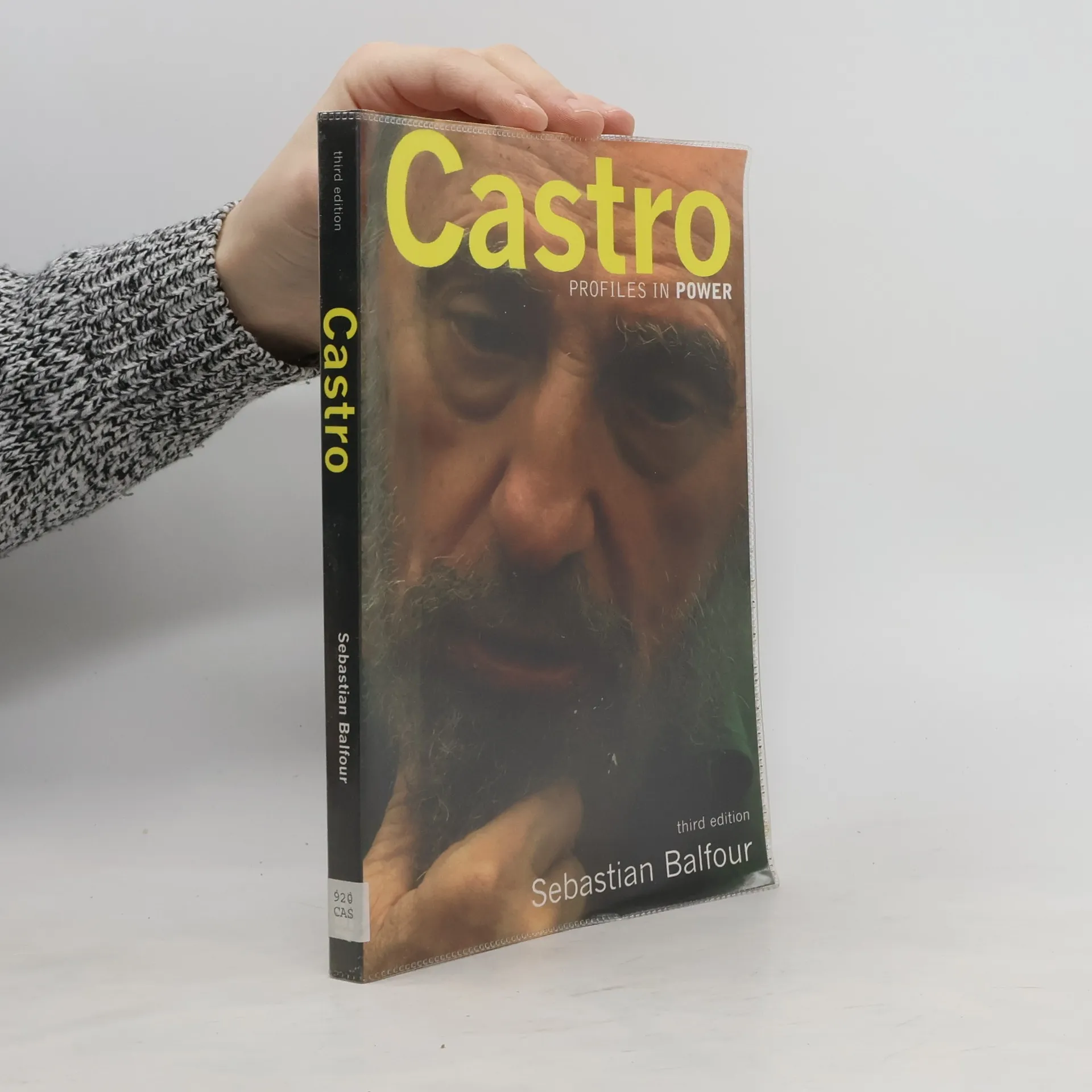
The story of Fidel Castro has few parallels in contemporary history. None of the outstanding Third World leaders of the twentieth-century played such a prominent and restless part on the international stage and none survived as head of state for as long. Over almost 50 years, he was one of the most controversial political figures in the world, and his legacy has yet to be fully evaluated. Some of his most cherished plans were realized and are a model for many Third World countries. Yet despite enormous sacrifices by Cubans, his grand vision remains unfulfilled and its continued pursuit is full of risks. The fully revised third edition of this respected political biography provides the first full retrospect of Castro's remarkable career right up to his illness and withdrawal from power in February 2008, incorporating analysis of: the renewed crackdown on dissidents in Cuba from the mid 1990s on the major geopolitical reconfiguration of Latin America in the late 1990s, and the new Cuban-Venezuelan relationship under Hugo Chavez the Helms Burton Act and the continuing US embargo The Cuban economy in the first decade of the new millennium It also revisits earlier events in Castro's career, for instance the various assassination plots against him, the Cuban missile crisis and the Soviet invasion of Czechoslovakia in the light of documents released by Cuba and the US over the past decade and a half.
David Arnold's exploration of Gandhi reveals the extraordinary impact of a man who, despite lacking political power or military command, became a powerful anti-colonial figure. The book delves into Gandhi's life, his influence, and the complex emotions he evoked among both Indians and Westerners, offering insights into his legacy.
Focusing on the pivotal reign of Elizabeth I, this influential study explores the dynamics of her rule during Britain's 'Golden Age.' It delves into her strategies for expansion and the unique methods she employed to wield power effectively. The analysis sheds light on the significance of her leadership in shaping a transformative era in British history.