
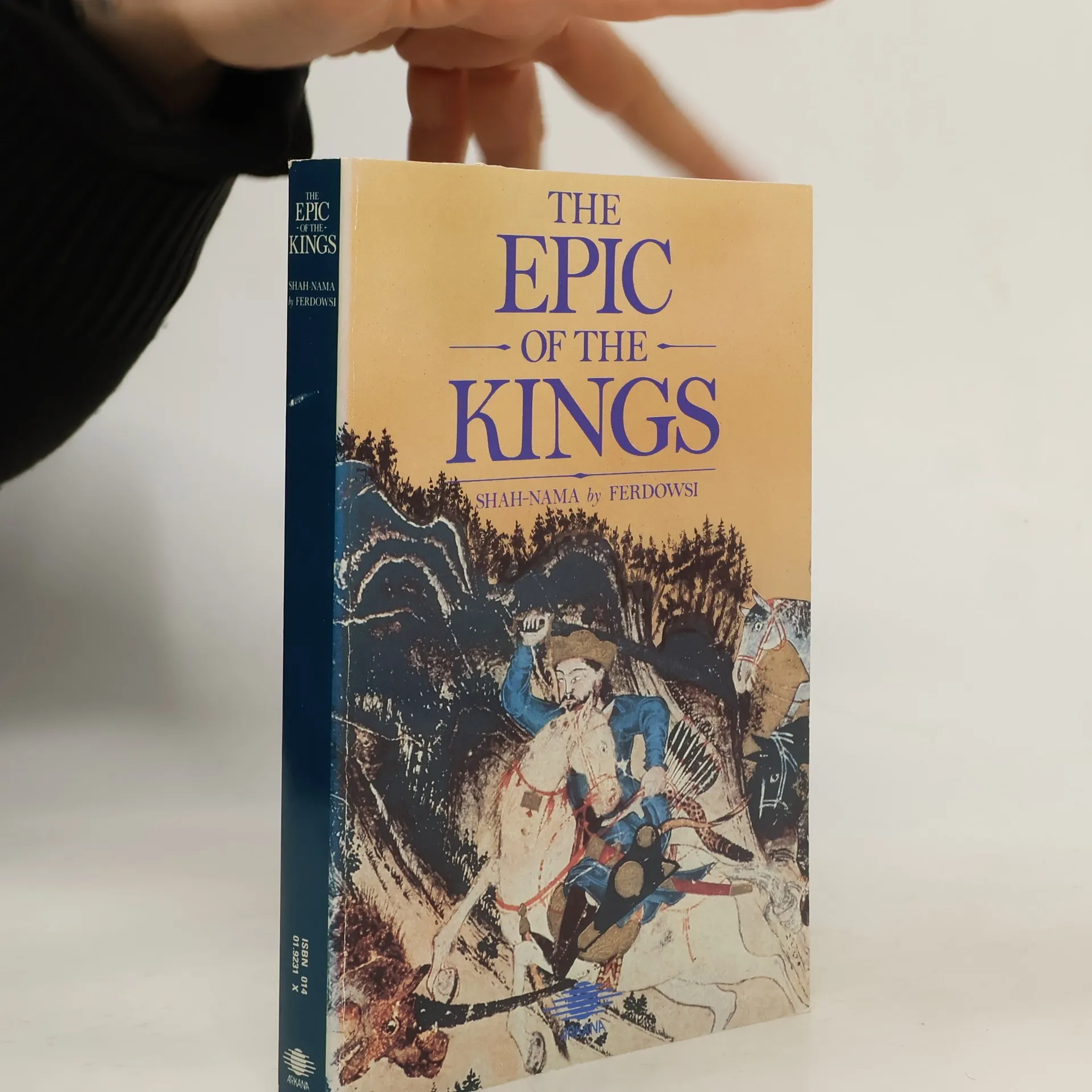

Schahnameh: Das Buch der Könige von Ustad Khaleghi MotlaghReihe
Diese epische Saga in mehreren Bänden taucht in das reiche Geflecht der persischen Mythologie und Geschichte ein. Sie erzählt von heroischen Taten, alten Konflikten und dem Aufstieg und Fall legendärer Könige und Helden. Das Werk ist eine Feier der iranischen Kultur und des literarischen Erbes, die mit zeitlosen Themen wie Ehre, Schicksal und der menschlichen Verfassung widerhallt.
Rich in mythical and historical narratives, this epic chronicles the Persian Empire's journey from creation to the 7th-century Arab conquest. Divided into three sections—myths, legends, and history—it explores timeless themes of power, love, and fidelity. Ferdowsi's masterful poetry has not only entertained generations but also significantly influenced Persian culture, society, and politics, making it a cornerstone of world literature. Its complexity and depth ensure its place as a compelling read for all.
Dick Davis, "our pre-eminent translator from the Persian" (Washington Post) has revised and expanded his highly-praised translation of Ferdowsi's masterpiece, including more than 100 pages of newly translated text. Davis's elegant combination of prose and verse allows the poetry of the Shanameh to sing its own tales directly, interspersed sparingly with clearly-marked explanations to ease along modern readers. Among the greatest works of world literature, this prodigious narrative, composed by the poet Ferdowsi in the late tenth century, tells the story of pre-Islamic Iran, beginning in the mythic time of creation and continuing forward to the Arab invasion in the seventh century.
Persische Literatur von ihrer schönsten Seite: Das um 1000 n. Chr. entstandene persische Nationalepos »Schahname« schildert die Geschichte des Iran bis zum Verfall des Sasanidenreiches. Zu den faszinierendsten Teilen gehören die Heldentaten des ruhmreichen Kämpfers Rostam, »dessen Haupt bis in die Wolken ragt«. Die große Islamwissenschaftlerin Annemarie Schimmel begrüßte die Neuübersetzung begeistert: Es sei höchste Zeit gewesen, »dass zumindest der wohl wichtigste Teil des Epos einmal dem deutschen Leser in eingängiger Prosa vorgelegt« werde. Jürgen Ehlers hat die farbenreiche Sprache anhand der historisch-kritischen Ausgabe in heutiges Deutsch übertragen, kommentiert und mit einem ausführlichen Nachwort versehen.
Ferdowsi’s classic poem Shahnameh is part myth, part history–beginning with the legend of the birth of the Persian nation and its tumultuous history, it contains magical birds and superhuman heroes and centuries-long battles. Written over 1,000 years ago, it was meant to protect Persian collective memory amidst a turbulent sea of cultural storms. Originally written in couplets, the translation and adaptation by Ahmad Sadri retells the mythological tales in prose format. The spectacular illustrations in this edition were created from elements culled from thousands of manuscripts, lithographs, and miniatures dating from the thirteenth through the nineteenth centuries, and each panel becomes a new work of art, an exquisite collage of traditional forms.
Ferdowsi's monumental tenth-century epic, the Shahnameh (The Epic of the Kings), is a compendium of Iranian myths, legends, and events of the ancient past. It is set within a framework of Persian traditional history from the creation to the collapse of the Iranian empire in the seventh-century C.E. One of the three major heroic epics produced in Asia (the others being the Indian Mahabharata and Ramayana), the Shahnameh has been considered over the centuries the greatest work of Persian literature and the strongest pillar of Persian identity. In his lucid prose translation of the Shahnameh the late Professor Reuben Levy has preserved the descriptive beauty and the dramatic tension of the original work.
The great national epic of Persia is presented in the most complete English-language edition and definitive translation by Dick Davis, available in a deluxe edition by Penguin Classics. The stories of the Shahnameh have deeply influenced cultures wherever Persian influence has spread, evident in works like The Kite Runner and the poetry of Rumi and Hafez. Composed by Ferdowsi in the late tenth century, this monumental narrative recounts the pre-Islamic history of Iran, from the mythic creation to the Arab invasion of the seventh century. Its grandeur and psychological depth are remarkable, featuring classic tales such as the tragedy of Rostam and Sohrab. Dick Davis, described as “our pre-eminent translator from the Persian” (Washington Post), offers a comprehensive translation that beautifully combines prose and verse, allowing the poetry to resonate while providing modern readers with clear explanations. For over seventy years, Penguin has led in publishing classic literature in English, offering more than 1,700 titles that form a global bookshelf of history's best works. Readers rely on this series for authoritative texts, enhanced by introductions and notes from distinguished scholars and contemporary authors, along with up-to-date translations by award-winning translators.