


Gratis Versand ab 16,99 €. Mehr Infos.
Bookbot

Studien zur europäischen Geschichte

Diese Reihe taucht tief in die europäische Geschichte ein und bietet aufschlussreiche Erkundungen entscheidender Momente und Prozesse, die den Kontinent geprägt haben. Sie untersucht politische, soziale und kulturelle Umwälzungen und betont deren Zusammenhänge und langfristige Folgen. Jeder Band präsentiert originäre Forschung und neue Interpretationen und bereichert unser Verständnis der komplexen europäischen Entwicklung.

Golden Age Spain
Enlightenment
Communism in Russia
Die Renaissance
The Napoleonic Empire
The two Germanies, 1945 - 1990
  • The two Germanies, arising from the unpromising ashes of defeated Nazi Germany, came to represent opposing models of state and society. The Federal Republic established itself as a remarkably stable democracy and successful social market the German Democratic Republic developed an apparently exemplary form of "actually existing socialism" and became a pillar of the Soviet bloc. Then in 1989, the "gentle revolution" in East Germany added a new twist to the collapse of Communist rule. With rapid reunification, the united Germany of 1990 faced new challenges as the unprecedented transformation created a multitude of economic problems and social tensions. Previously published in 1992 as "The Two Germanies", this book has been fully revised and updated to take account of later developments in German history.
    The two Germanies, 1945 - 1990
    4,0
  • Geoffrey Ellis offers a synthesis of research into the aims and effects of Napoleonic rule in France and in conquered Europe. Thoroughly revised, this second edition provides much more extensive coverage of Napoleon's treatment of the annexed lands and subject states of the Grand Empire. schovat popis

    The Napoleonic Empire
    3,8
  • Communism in Russia

    • 176 Seiten
    • 7 Lesestunden

    After the Revolution in October 1917, Soviet Russia tried to establish an alternative form of social organization based on the ideology of communism and the practices of Soviet democracy. This system inspired millions and achieved the industrialization of Russia, but ultimately it failed. The dissolution of the communist order by 1991 was accompanied by the disintegration of the country. Communism in Russia: a- provides a fresh, clear and concise view of the history of communism and Russia in the twentieth century, and the interaction of the two; b- offers an original analysis combining the history of an ideology and the fate of a nation; c- traces the connections and tensions between communist ideology and Russian realities, and explains the reasons for the collapse of the system; and d- incorporates the latest research and scholarship on the subject. -- Back cover

    Communism in Russia
    4,0
  • Enlightenment

    • 752 Seiten
    • 27 Lesestunden

    For generations the traditional focus for those wishing to understand the roots of the modern world has been France on the eve of the Revolution. This work makes a case for considering Britain the true home of modernity - a country driven by an exuberance, diversity and power of invention comparable only to twentieth-century America. schovat popis

    Enlightenment
    3,9
  • Golden Age Spain

    • 128 Seiten
    • 5 Lesestunden

    Was the Golden Age of Spain in the sixteenth century an illusion? By introducing and examining some of the key issues and themes involved, Henry Kamen offers a balanced discussion of this question. 2nd edn has been thoroughly revised and rewritten in the light of recent research and new chapters added covering religion and culture.

    Golden Age Spain
    3,1
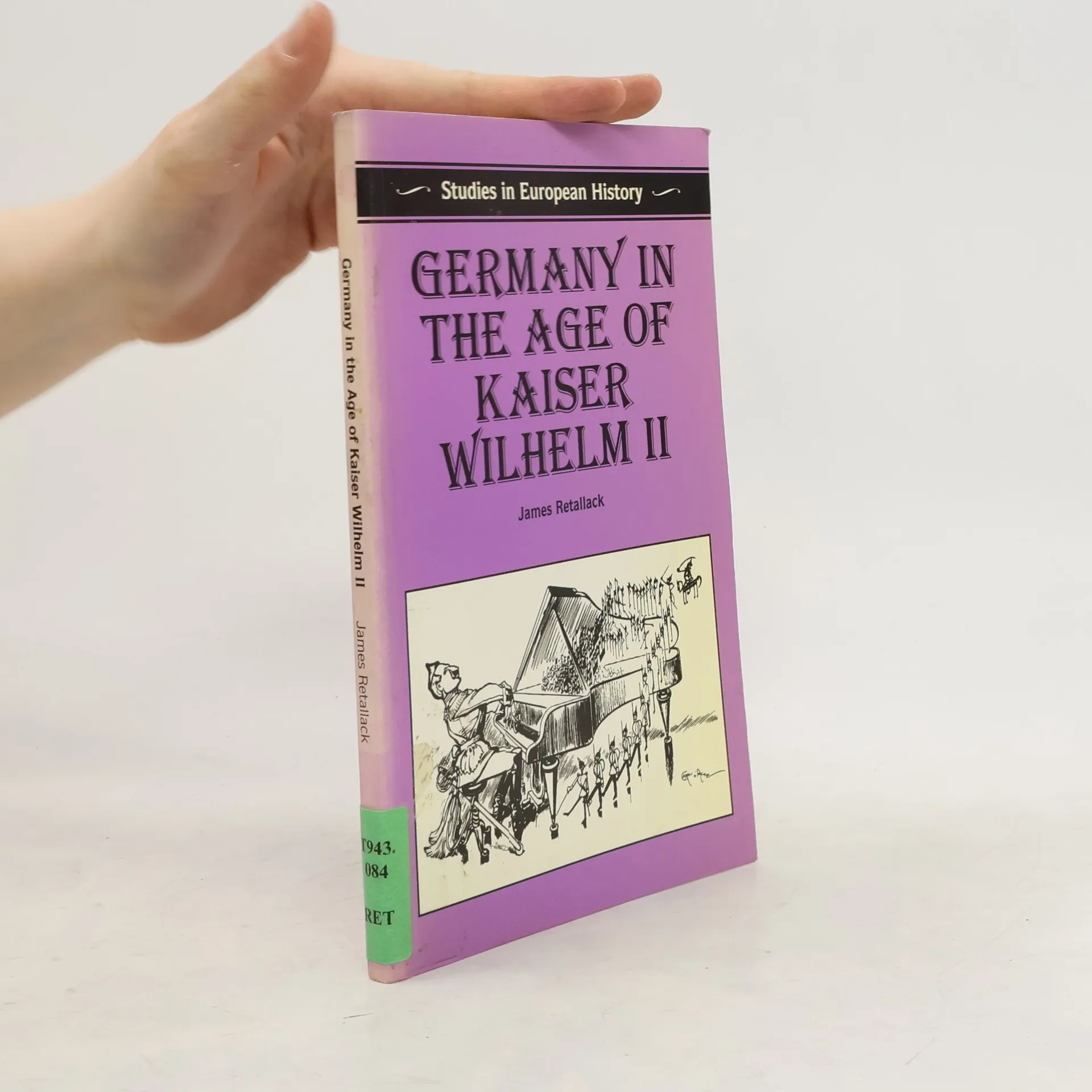
  • This lively and concise new book uses a dual approach to introduce students and non-specialists to Wilhelmine Germany (1888-1918). It surveys social, economic, political, cultural and diplomatic developments in an age of tumultuous upheaval. It also explains why historians have so often reversed the interpretative 'switches' guiding research on this period. By highlighting the breadth of historical change under Wilhelm II and the evolution of opposing viewpoints about its significance, this book provides easy access to an epoch - and a debate - characterised more by controversy than consensus.

    Germany in the Age of Kaiser Wilhelm II
    2,0
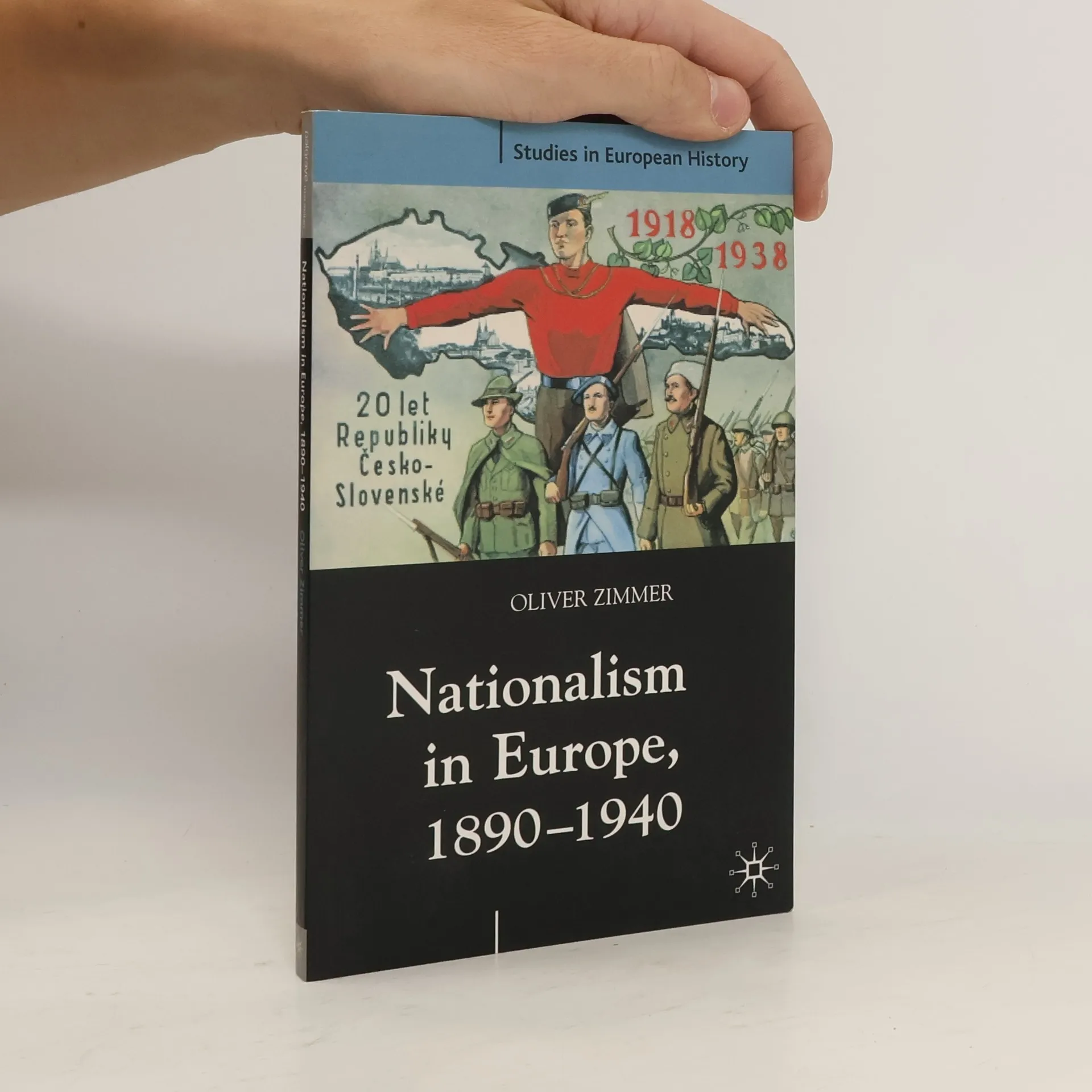
  • While nationalism had become politically significant well before the late nineteenth century, it was between 1890 and 1940 that it revealed its political explosiveness and destructive potential. With a In Nationalism in Europe, Oliver Zimmer carefully examines key issues from this time, such as: the modernity of nations and nationalism, the formation of the nationalizing state and the significance of national ritual for modern mass nations, the ways in which nationalism shaped the treatment of minorities, the relationship between nationalism and fascism, and the perception of nationalism by liberals and socialists. Zimmer's account is more explicitly focused on conceptual issues than most texts on the subject, and also more historical and historiographical than many of the existing theoretical overviews. The result is an incisive examination of the most powerful ideology of modern times.

    Nationalism in Europe, 1890-1940
    3,2