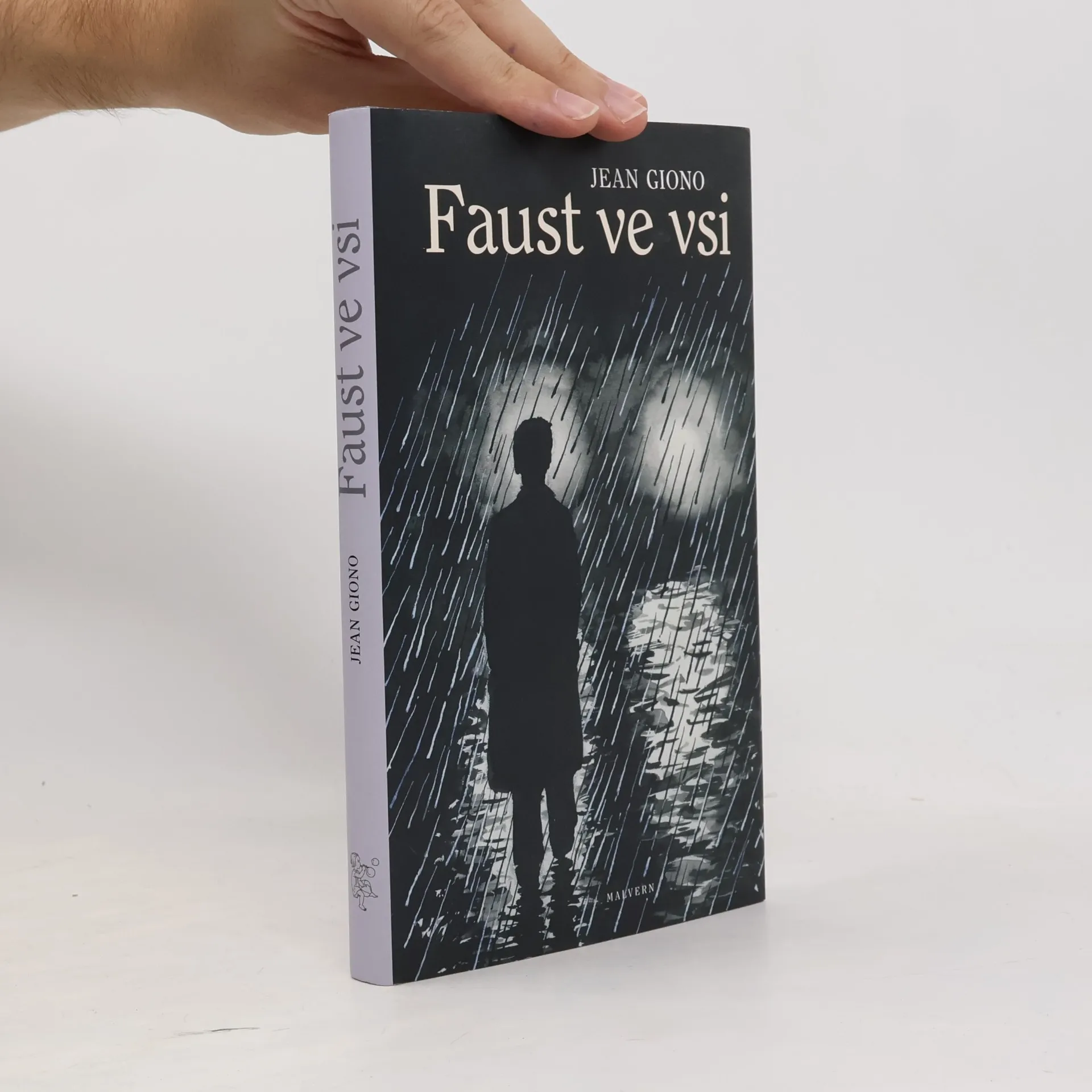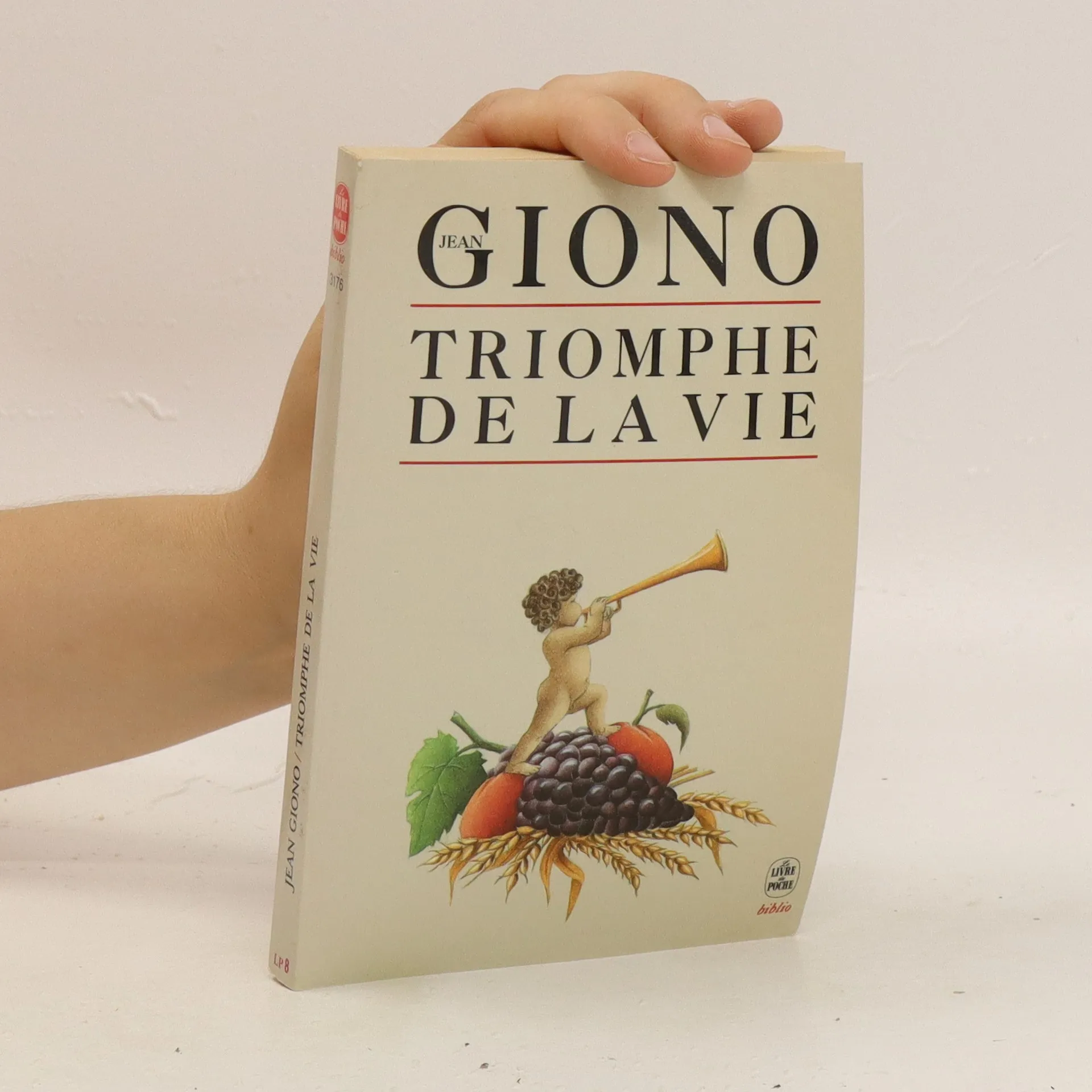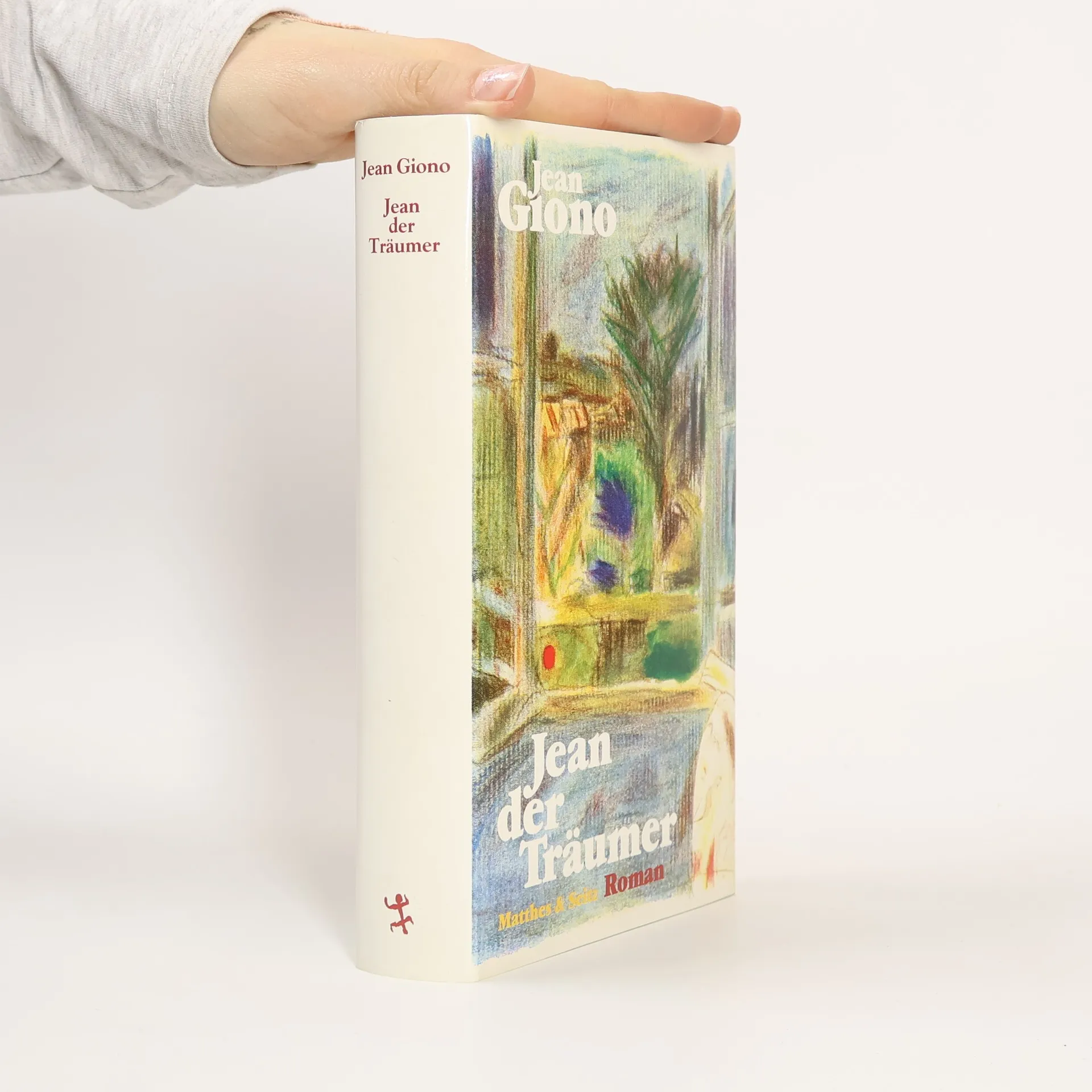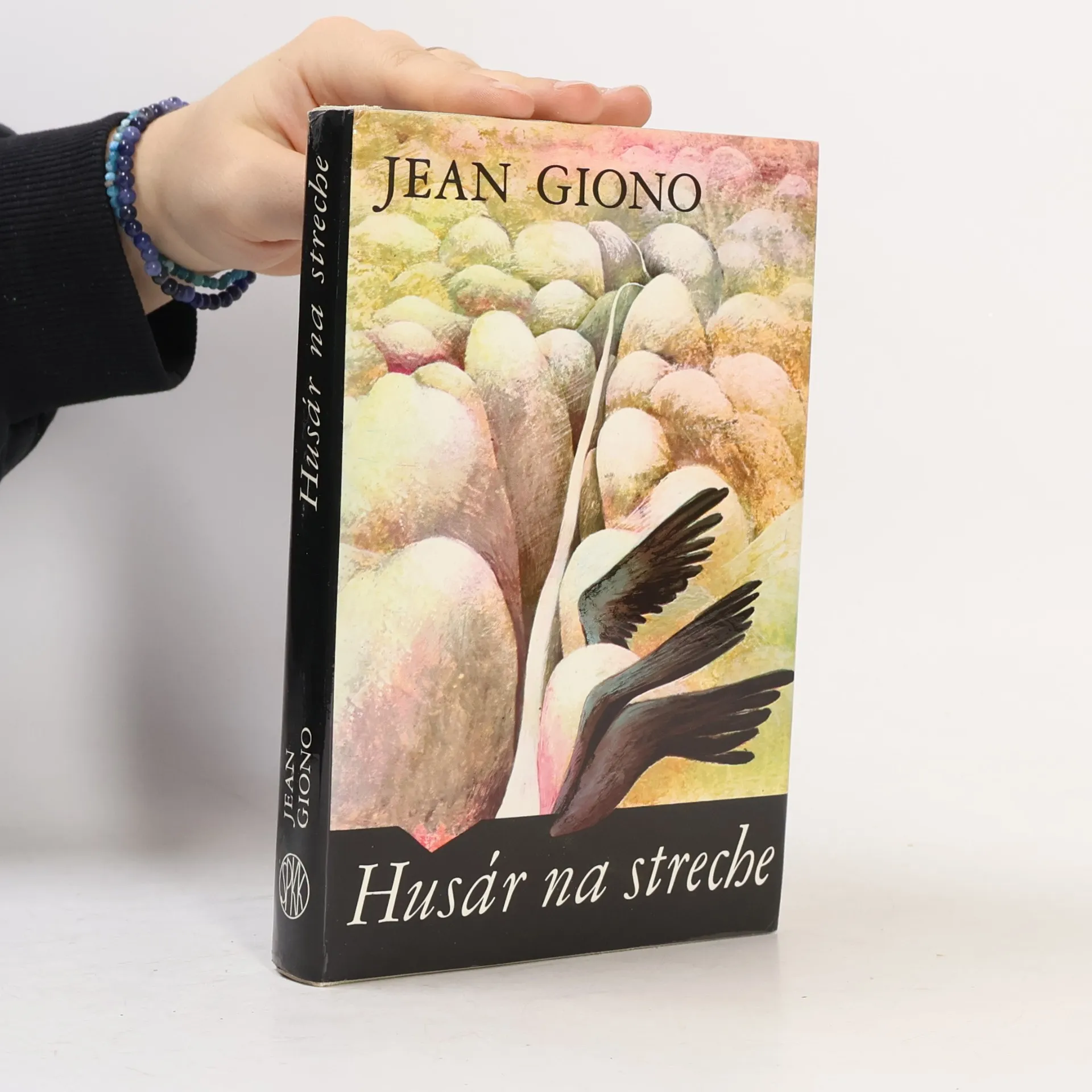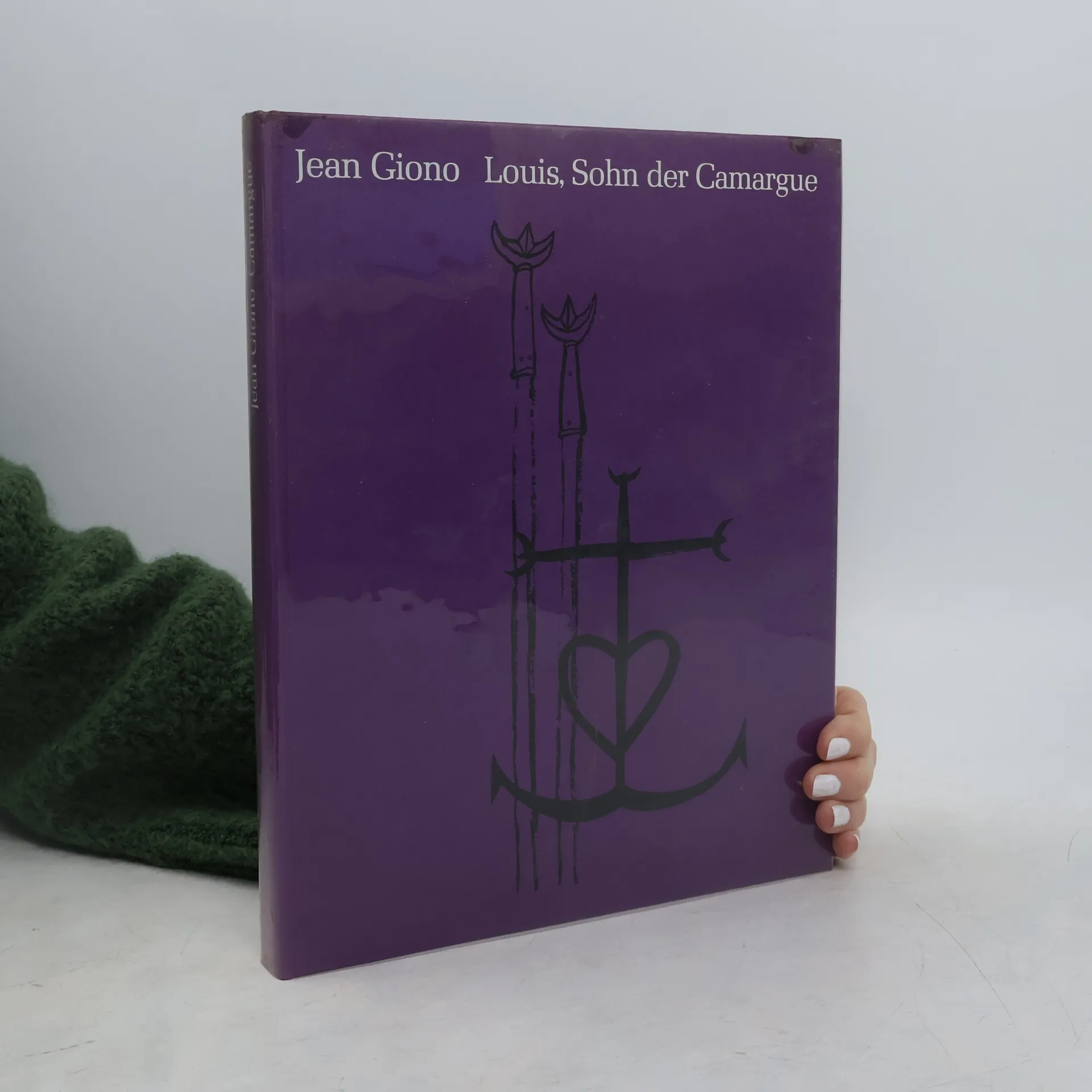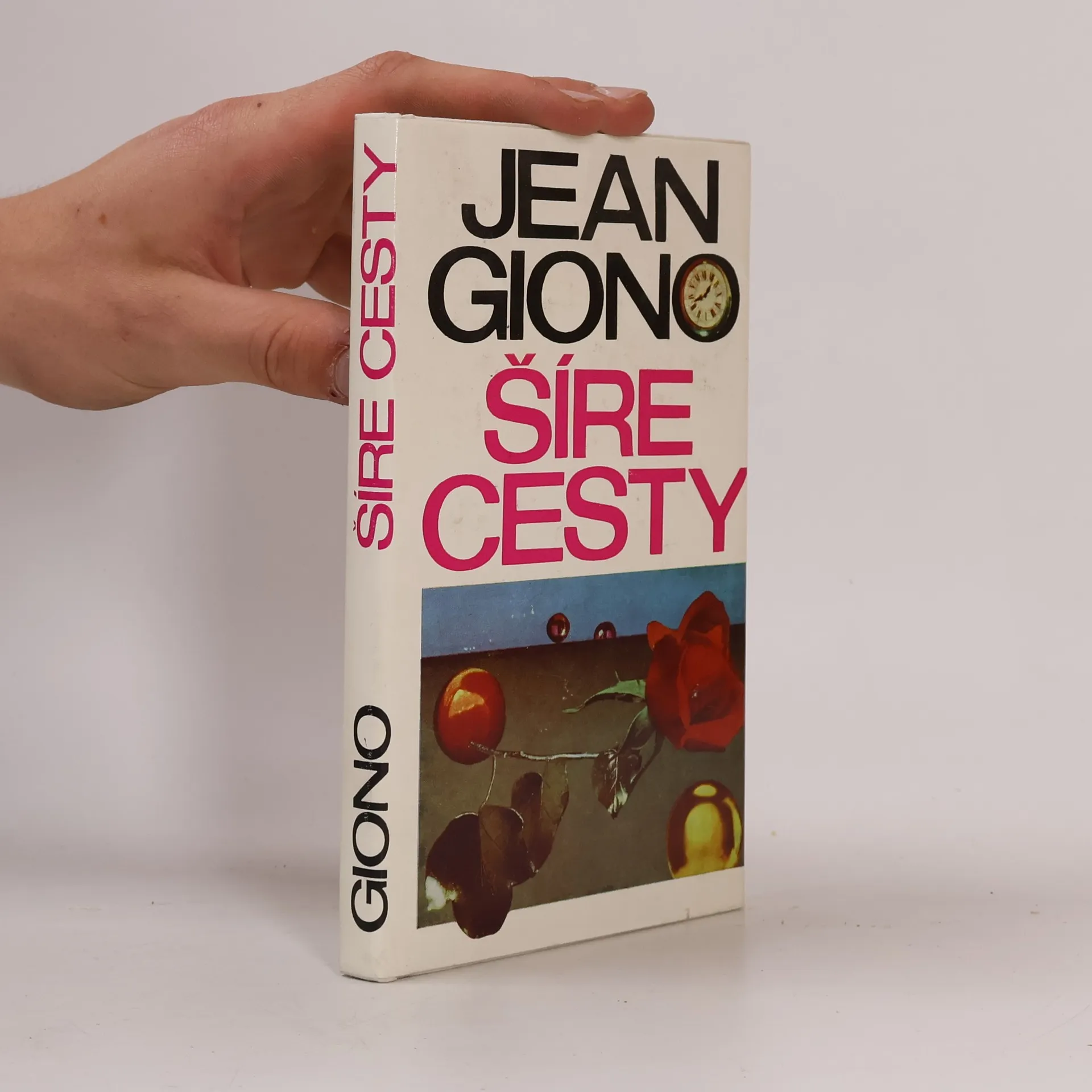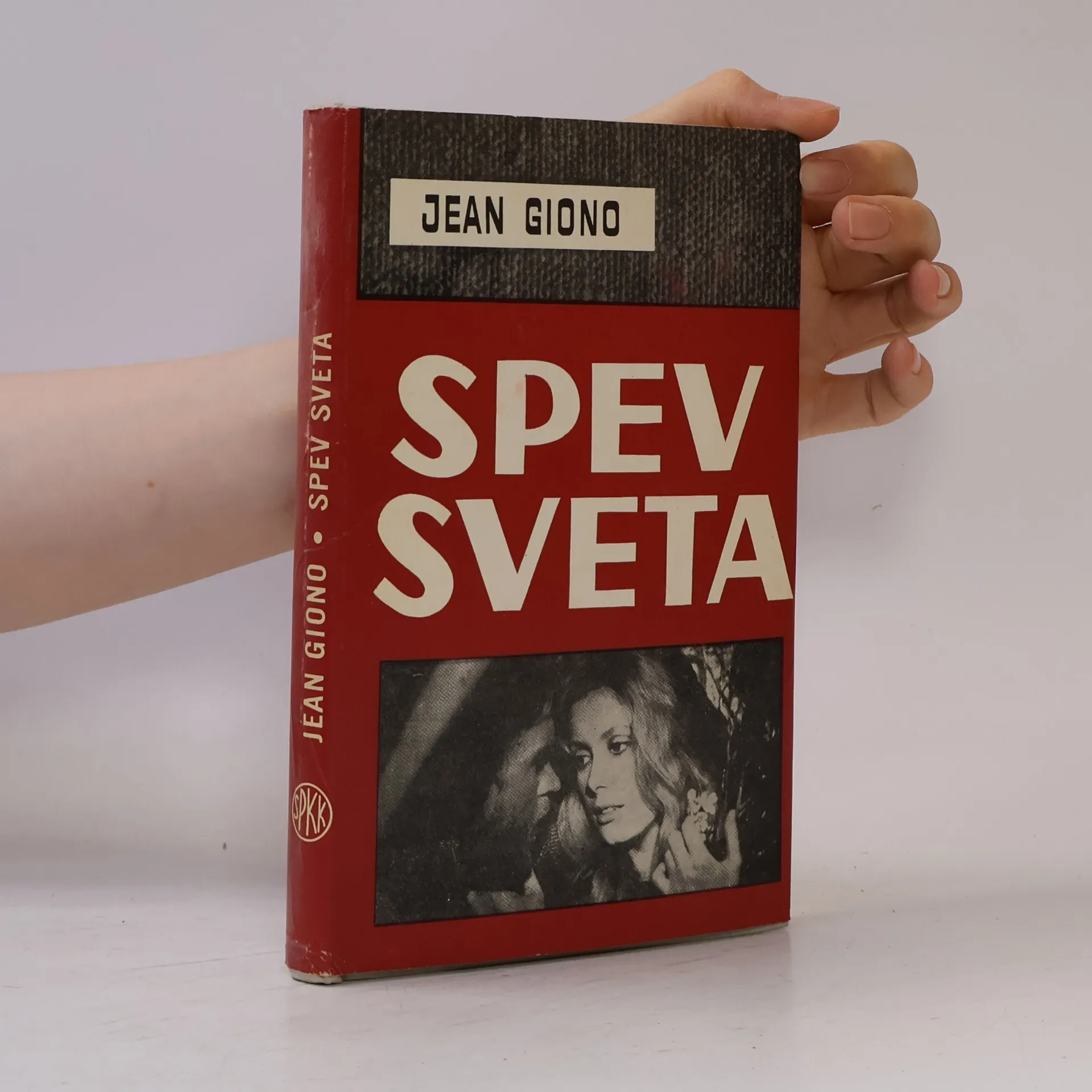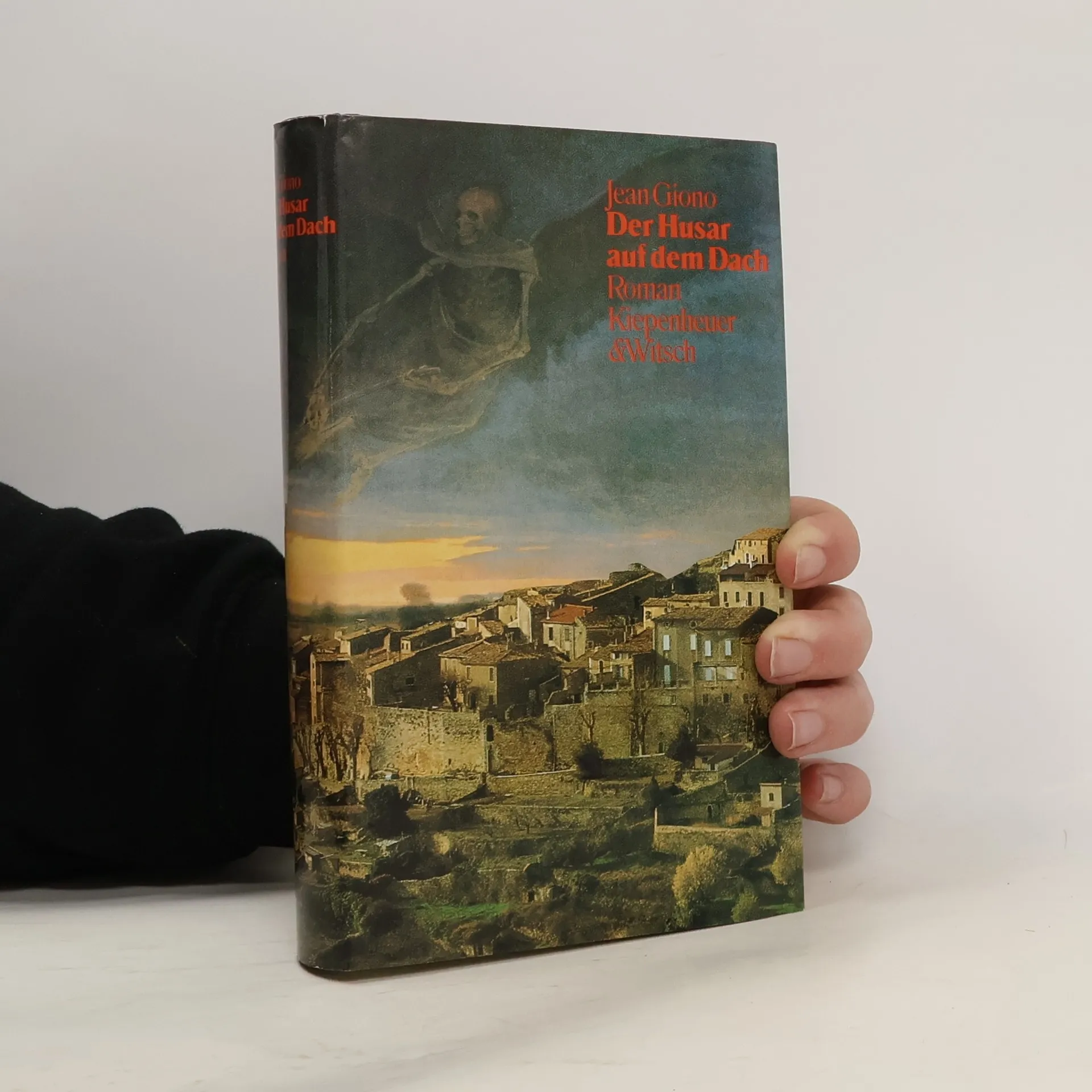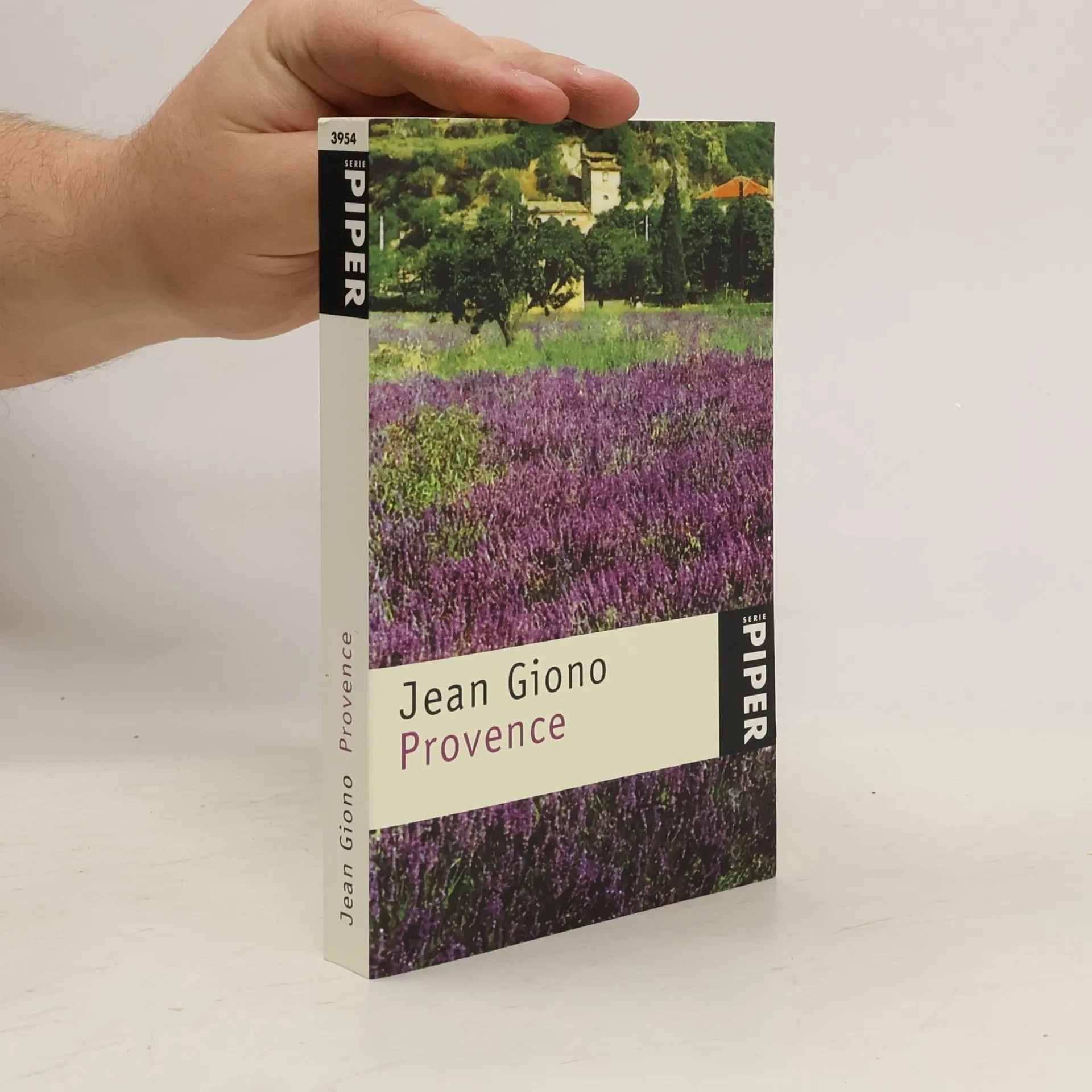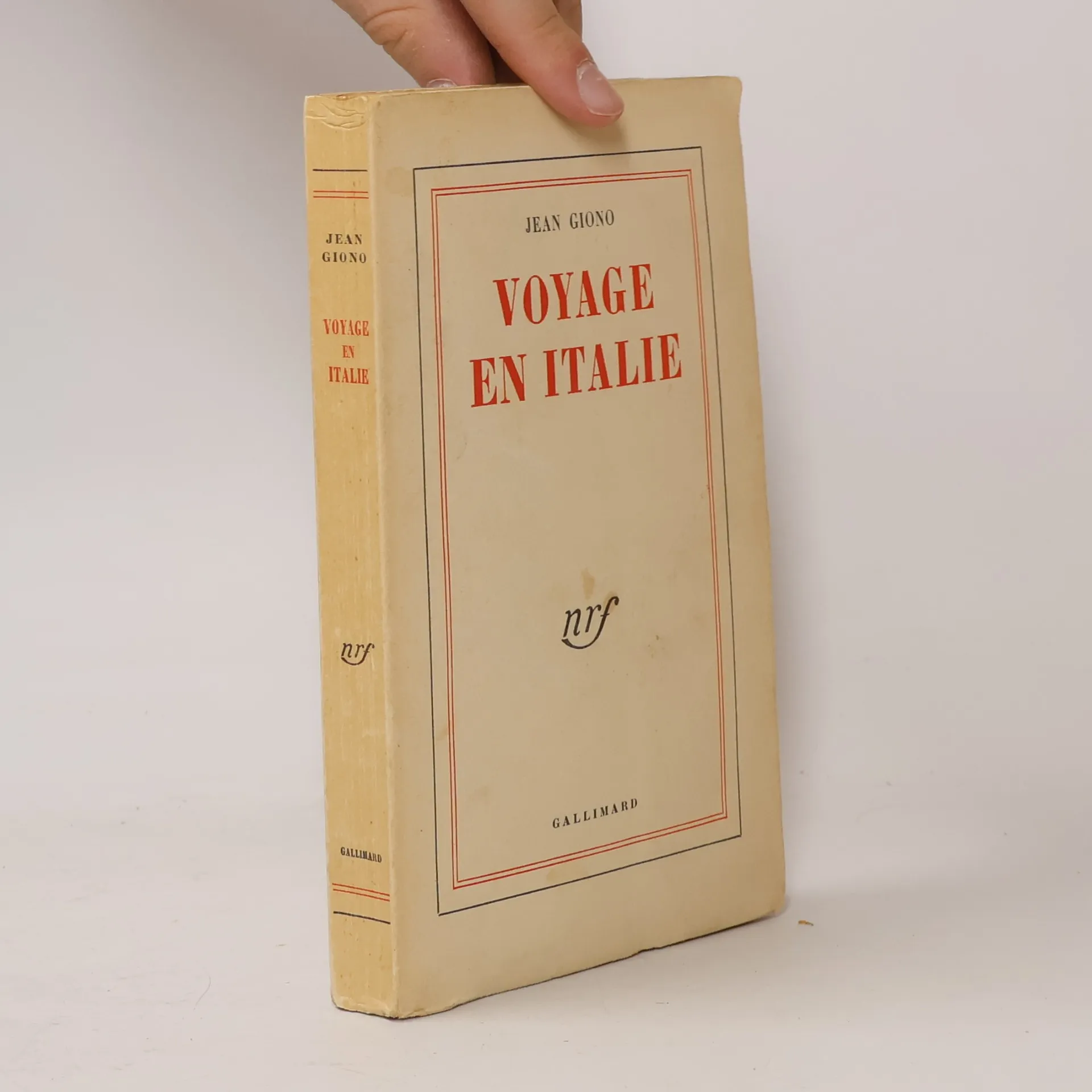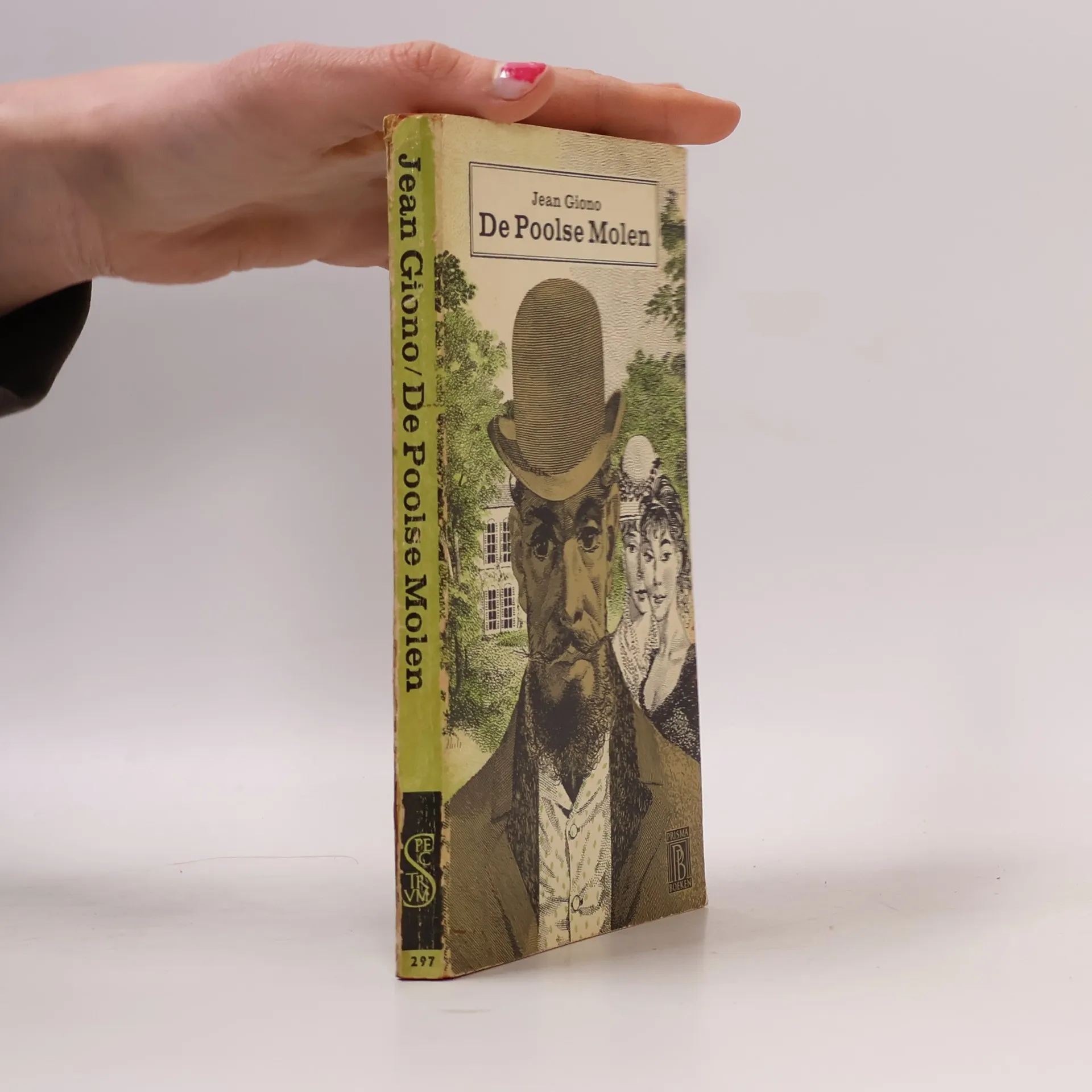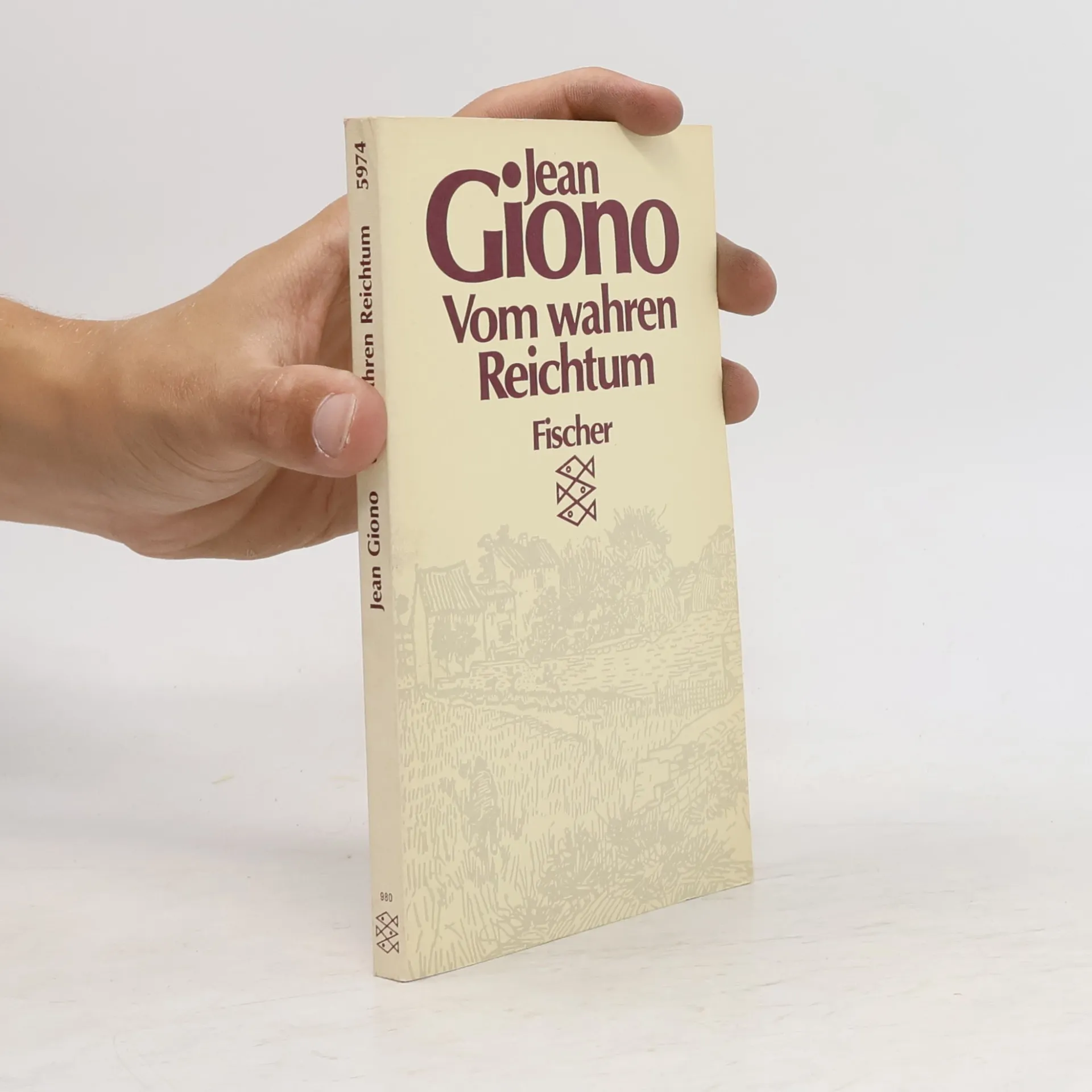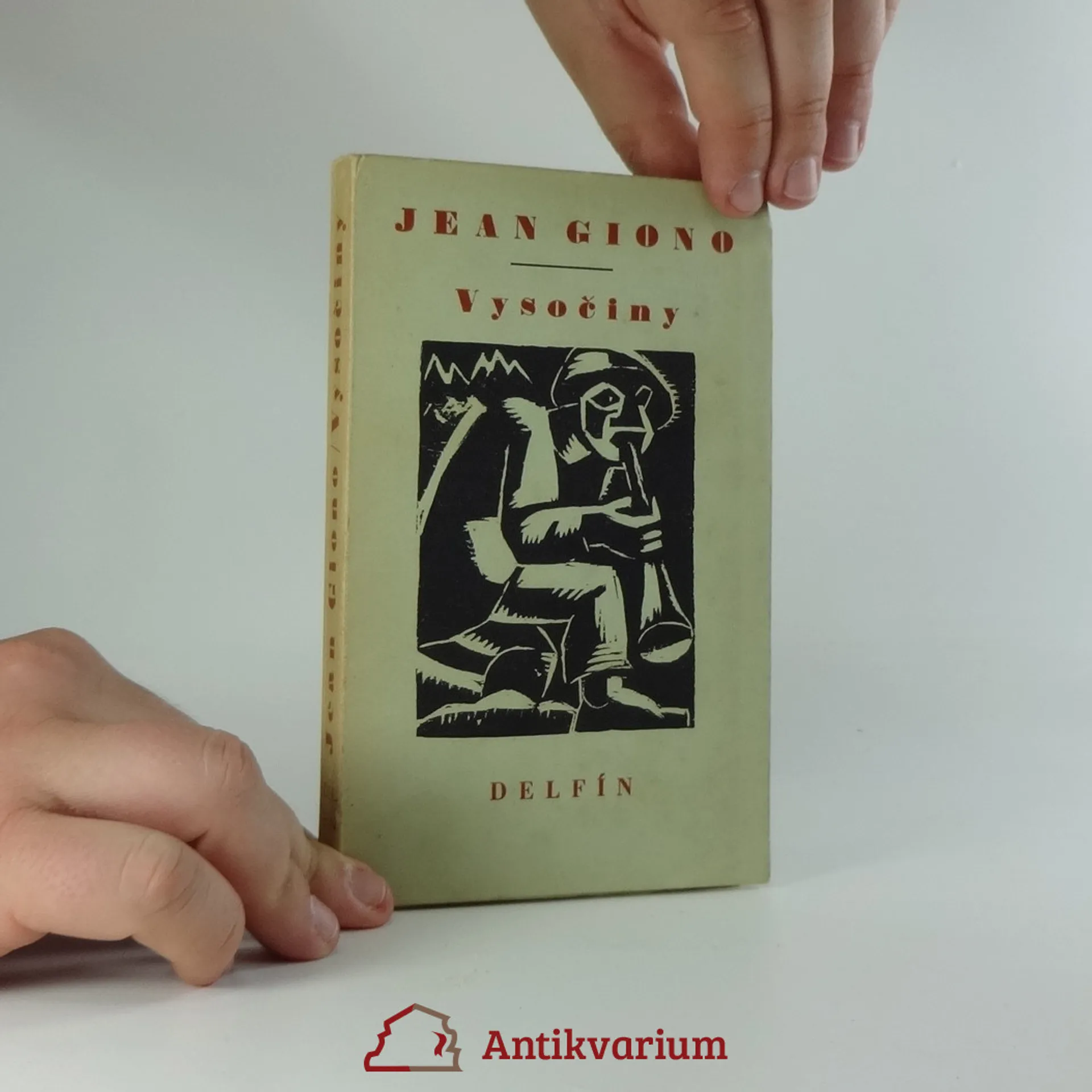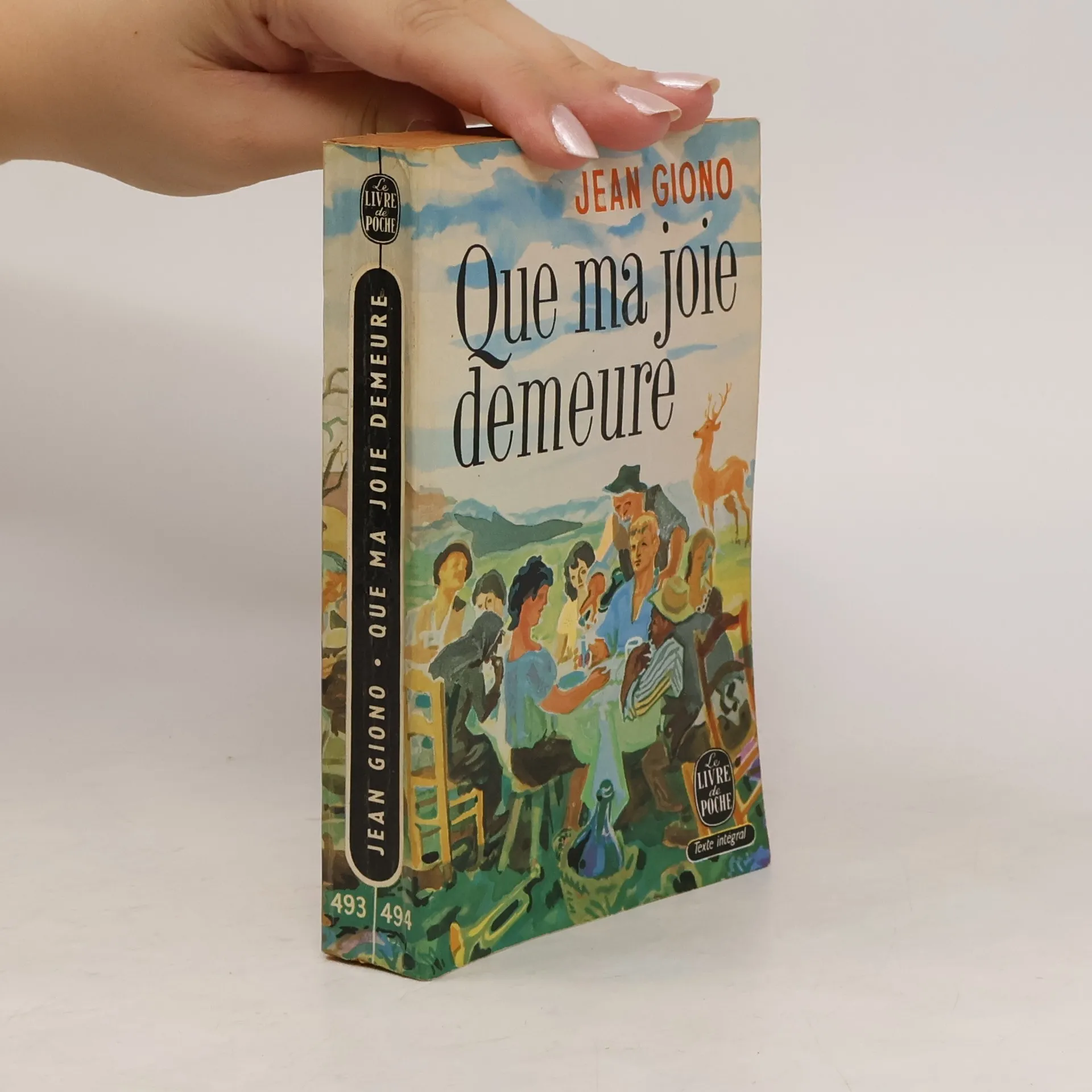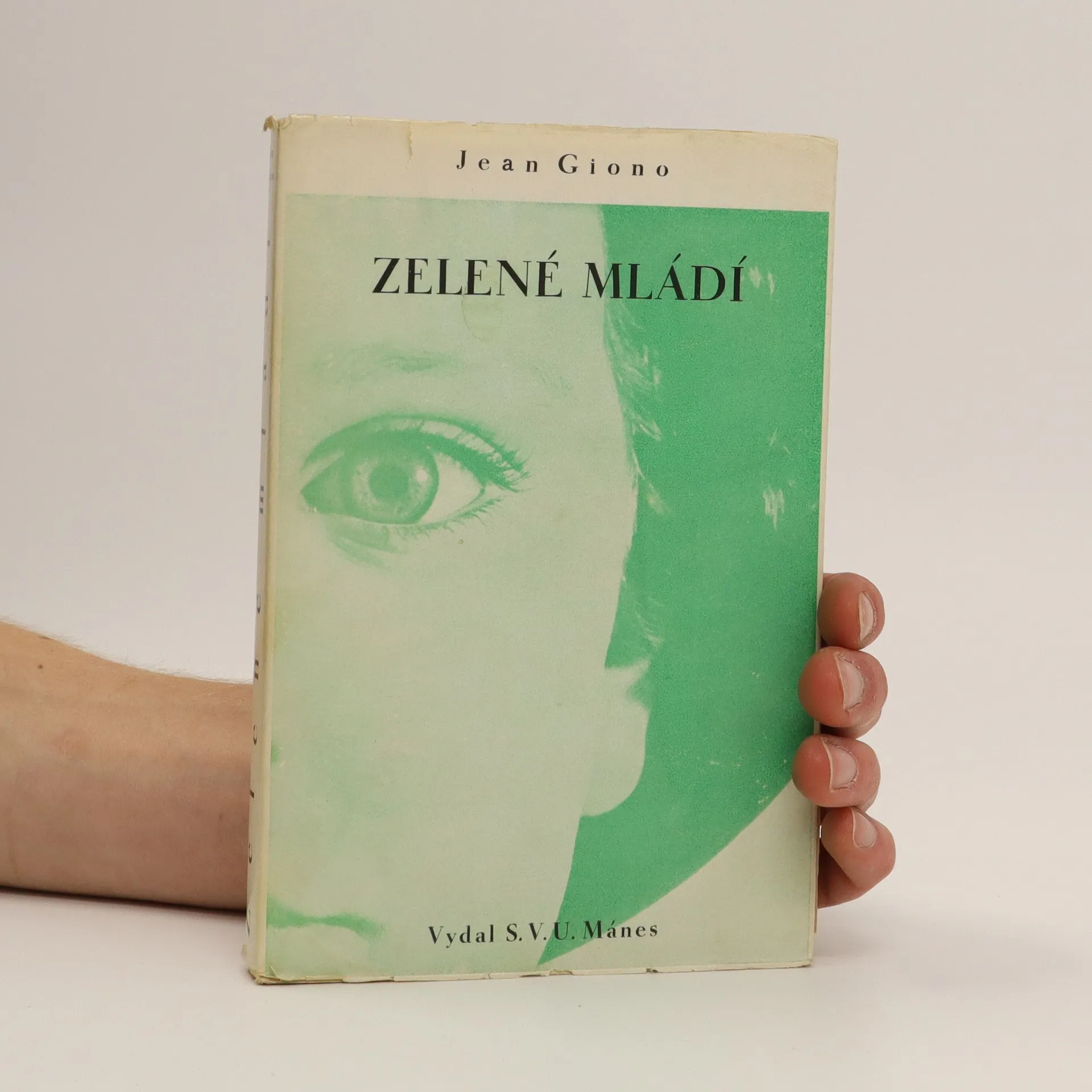
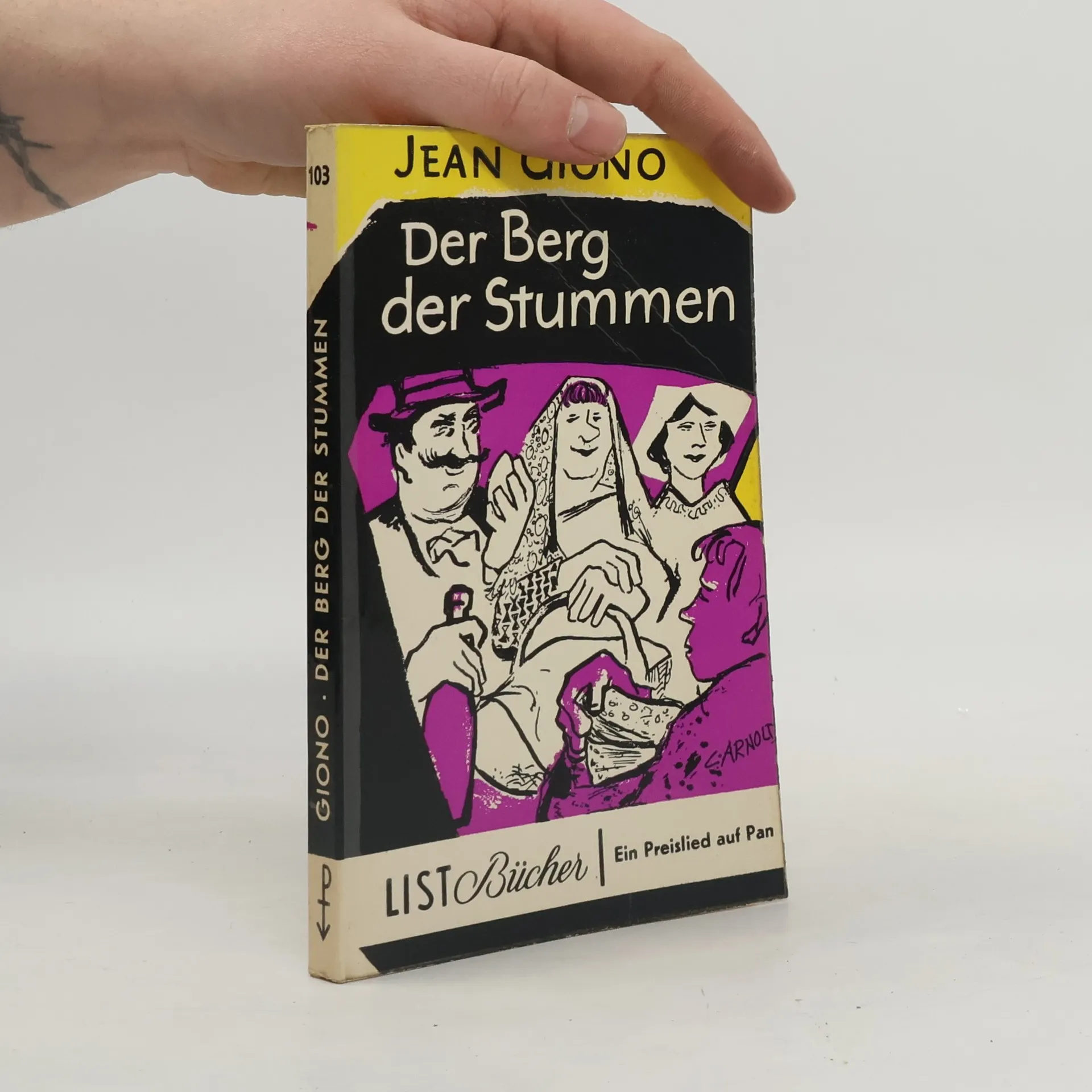
Jean Giono (* 30. März 1895 in Manosque im Département Alpes-de-Haute-Provence; † 9. Oktober 1970 ebenda) war ein französischer Schriftsteller, der vor allem in seinen frühen Prosawerken naturreligiöse Vorstellungen vertrat und neben Frédéric Mistral und Marcel Pagnol als Schriftsteller seiner Heimat, der Provence, gilt.
Set against the backdrop of World War II, a crew aboard the ship L'Indien embarks on a profound maritime journey, seeking solace from a chaotic civilization. As they navigate the sea, the narrative intertwines their spiritual quest with the mysteries of the ocean and their introspective dialogues. The Captain's rejection of modernity highlights their desire for a deeper purpose, making this tale an allegorical critique of war and society. Giono's lyrical prose invites readers to explore both the external world and the inner self, offering a poignant escape from reality.
One of the final novellas by the acclaimed French writer Jean Giono, Ennemonde is a fierce and jubilant portrait of a life intensely lived Ennemonde Girard: Obese. Toothless. Razor-sharp. Loving mother and murderous wife: a character like none other in literature. In telling us Ennemonde’s astounding story of undetected crimes, Jean Giono immerses us in the perverse and often lurid lifeways of the people of the High Country, where vengeance is an art form, hearts are superfluous, and only boldness and cunning such as Ennemonde’s can win the day. A gleeful, broad sardonic grin of a novel. "Roads move cautiously around the High Country..." So begins the story of Ennemonde, but also of her sons, daughters, neighbors, lovers, and enemies, and especially of the mountains that stand guard behind their home in the Camargue. This is a place of stark and terrifying beauty, where violence strikes suddenly, whether from the hand of a neighbor or from the sky itself. Giono captures every wrinkle, glare, and glance with wry delight, celebrating the uniquely tough people whose eyes sparkle with the cruel majesty of the landscape. Full of delectable detours and startling insights, Ennemonde will take you by the hand for an unforgettable tour of this master novelist's singular world.
A nomad and a swindler embark on an eccentric road trip in this picaresque, philosophical novel by the author of The Man Who Planted Trees. The south of France, 1950: A solitary vagabond walks through the villages, towns, valleys, and foothills of the region between northern Provence and the Alps. He picks up work along the way and spends the winter as the custodian of a walnut-oil mill. He also picks up a problematic companion: a cardsharp and con man, whom he calls “the Artist.” The action moves from place to place, and episode to episode, in truly picaresque fashion. Everything is told in the first person, present tense, by the vagabond narrator, who goes unnamed. He himself is a curious combination of qualities—poetic, resentful, cynical, compassionate, flirtatious, and self-absorbed. While The Open Road can be read as loosely strung entertainment, interspersed with caustic reflections, it can also be interpreted as a projection of the relationship of author, art, and audience. But it is ultimately an exploration of the tensions and boundaries between affection and commitment, and of the competing needs for solitude, independence, and human bonds. As always in Jean Giono, the language is rich in natural imagery and as ruggedly idiomatic as it is lyrical.
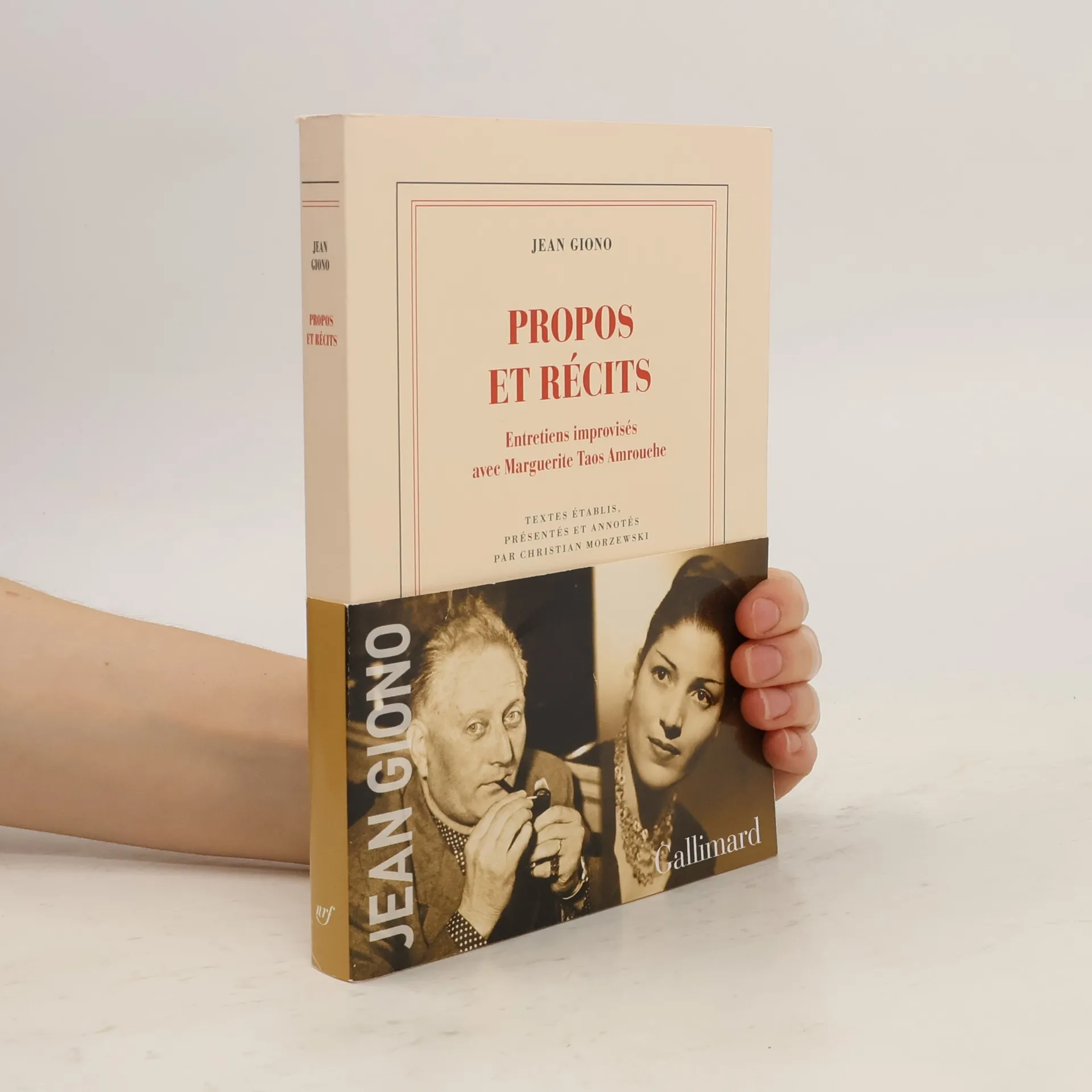
Entretiens improvisés avec Marguerite Taos Amrouche
208 Seiten
8 Lesestunden
Taos Amrouche est reçue au cours de l’automne 1954 par Jean Giono pour une série d’entretiens radiophoniques. En ouverture, elle dit son projet très simplement : « Je suis là pour vous demander de nous raconter librement vos souvenirs et aussi ces histoires que vous improvisez pour tous ceux qui ont le privilège de vous entendre, le soir, quand vous fumez votre petite pipe. »À la lecture de ces Propos et récits, on constate que Giono a réellement construit, au cours de ces entretiens, un ensemble très structuré de souvenirs, de portraits, d’anecdotes qui ont fourni la matière de plusieurs de ses romans et nouvelles, en particulier dans le « cycle du Hussard », auquel il travaille à l’époque.Ici se déploient donc tous les talents de Jean Giono conteur, dans cette langue généreuse et pittoresque, pour le plus grand plaisir de son interlocutrice et de ses lecteurs.Ces entretiens constituent aussi un document littéraire, témoin de la construction et de l’évolution de l’œuvre de Jean Giono.
A captivating literary and historical record, Jean Giono's Occupation Journal offers a glimpse into life in collaborationist France during the Second World War, as seen through the eyes and thoughts of one of France's greatest and most independent writers.Written during the years of France's occupation by the Nazis, Jean Giono's Occupation Journal reveals the inner workings of one of France's great literary minds during one of the country's darkest hours. A renowned writer and committed pacifist throughout the 1930s--a conviction that resulted in his imprisonment before and after the Occupation--Giono spent the war in the village of Contadour in Provence, where he wrote, corresponded with other writers, and cared for his consumptive daughter. This journal records his musings on art and literature, his observations of life, his interactions with the machinery of the collaborationist Vichy regime, as well as his forceful political convictions. Giono recounts the details of his life with fierce independence of thought and novelistic attention to character and dialogue. Occupation Journal is a fascinating historical document as well as a unique window into one of French literature's most voracious and critical minds.
La collection Connaître une oeuvre vous offre la possibilité de tout savoir du roman Un roi sans divertissement de Jean Giono grâce à une fiche de lecture aussi complète que détaillée. La rédaction, claire et accessible, a été confiée à un spécialiste universitaire. Cette fiche de lecture répond à une charte qualité mise en place par une équipe d'enseignants. Ce livre contient la biographie de Jean Giono, la présentation du roman, le résumé détaillé, les raisons du succès, les thèmes principaux et l'étude du mouvement littéraire de l'auteur.
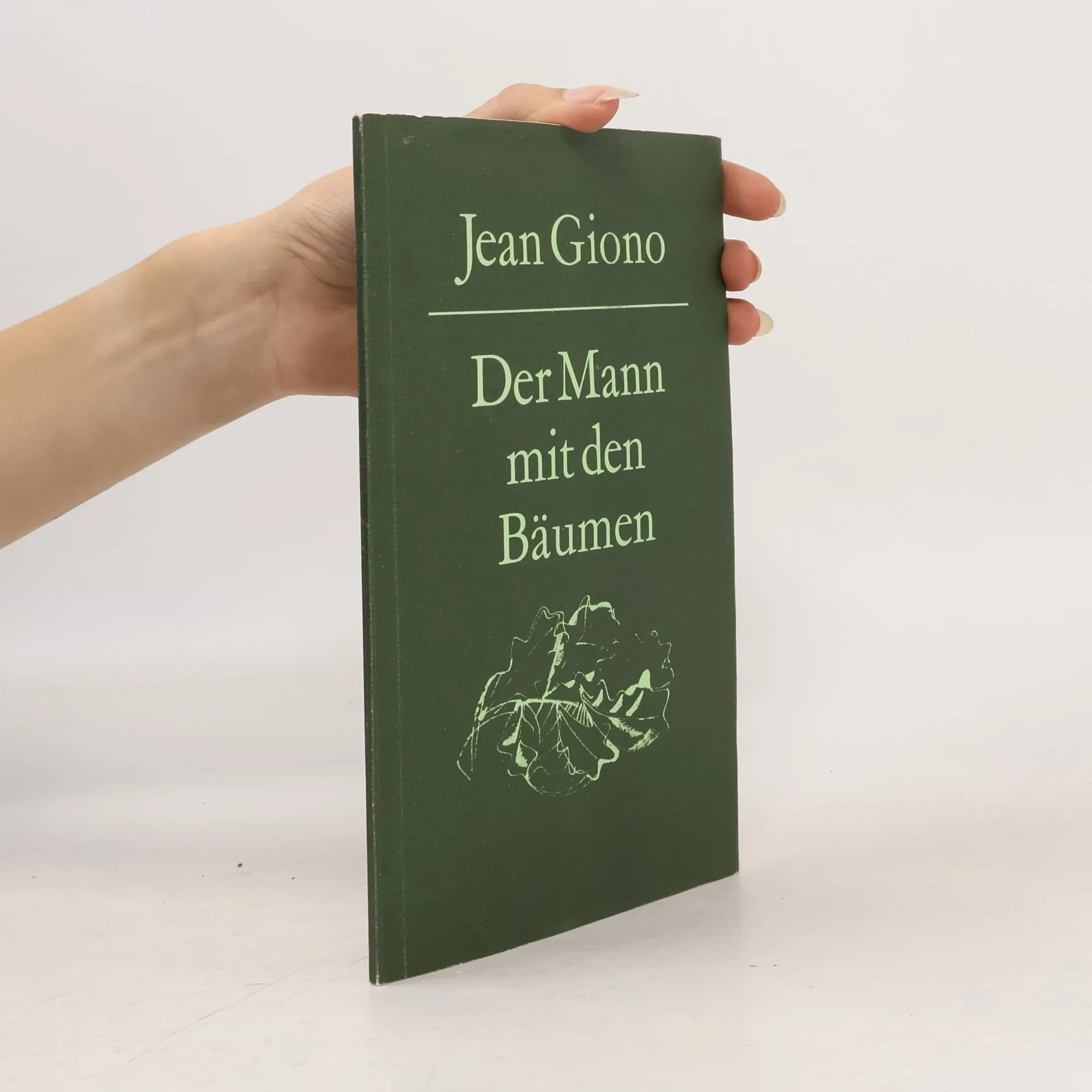
Niveau B2 (GER) 5./6. Lernjahr Ein einfacher Schäfer beginnt, in der kargen Landschaft der Haute-Provence Bäume zu pflanzen. Dies wird zu seiner Lebensaufgabe und führt zum Wachstum von Wäldern als Grundlage für vielfältiges Leben. Die Erzählung von Jean Giono bietet Einblicke in die Zusammenhänge von Entwicklungen in der Natur und dem Einfluss der Menschen. In einer modernen Lesart liefert sie ein Plädoyer für den Schutz der Natur und einen Aufruf zu ökologischem Denken und Handeln. Neben der ausführlich annotierten Erzählung enthält der Band Aufgabenstellungen und weitere Materialien zum Thema Provence, Wald und Umweltschutz.
Set against the backdrop of New York City, this NYRB Classics Original explores the intricacies of human relationships and the complexities of urban life. Through vivid storytelling and rich character development, the narrative delves into themes of love, loss, and the search for identity. The author masterfully captures the essence of the city, making it a character in its own right, while also addressing broader social issues. This work promises to engage readers with its thought-provoking insights and emotional depth.
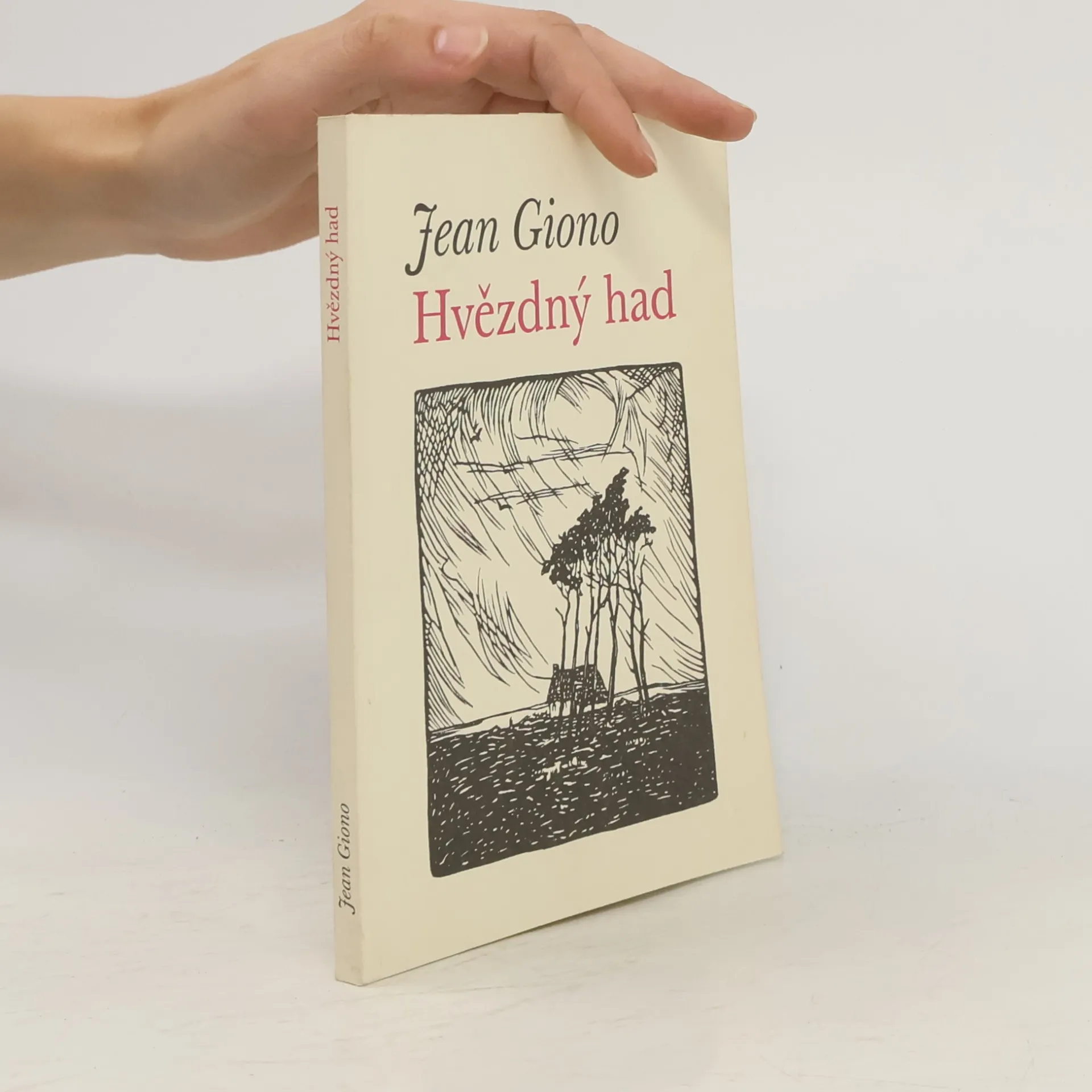
V díle Hvězdný had jsme svědky neobvyklého iniciačního představení, kde mezi „dvěma sty lidmi a sto tisíci zvířaty“ řídí jistý Sardiňan, „porodník obrazů“ a „rozhazovač vizí“, epické drama, kde každý z devíti dalších pastýřů ztělesňuje jeden z elementárních prvků pastýřské obraznosti: Moře, Horu, Řeku, Strom, Vítr atd. Jsme svědky mysteriózní opery pod širým nebem, jejíž zvláštnost a esoterismus jsou zvýrazněny metaforickým psaním autora.
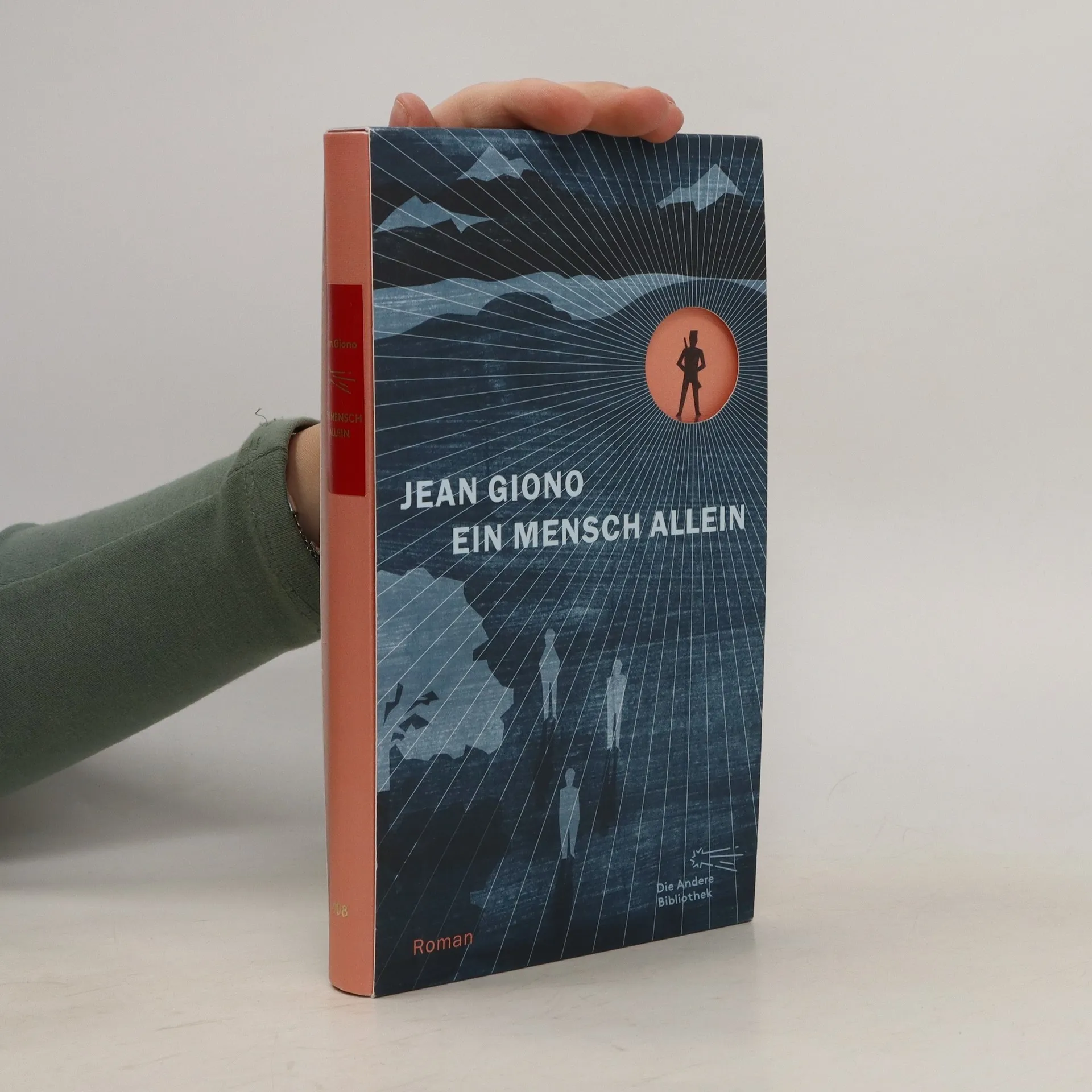
Jean Giono hat singuläre Meisterwerke der französischen Literatur seiner Epoche geschaffen. In Deutschland ist er bis heute ein großer Unbekannter geblieben. Ein Mensch allein – 1946 geschrieben, vom 1. September bis 10. Oktober, ist das erste von Jean Gionos Büchern nach dem Krieg. Berühmt ist er geworden mit Büchern, die das scheinbar ferne archaische Leben der Haute- Provence beschworen haben. Ein Bergdorf, dicht unter den Wolken und vom Schnee erstickt. Menschen verschwinden spurlos. Capitaine Langlois, ein ehemaliger Kolonialsoldat, richtet sich mit seinen sechs Gendarmen in einem Gasthaus ein und spürt den erahnten Verbrechen nach. Ein Baum, eine Buche, der »zitherspielende Apoll unter den Buchen«, birgt das Geheimnis. Langlois stellt den Mörder, er spricht das Urteil ohne Gericht – und er vollzieht es. Dann nimmt er seinen Abschied. Aber er kehrt zurück als Major des Wolfsjagdkorps. Er spürt den Wölfen nach. Er möchte sich im Dorf einrichten, Teil der Gemeinschaft werden, er findet eine Frau. Aber er ist: ein Mensch allein. Hochmütig und abweisend. Nur vertraut mit Gewalt und mit dem Tod. In dieser einsamen Bergwelt wird Langlois, von dessen Leben in einem vielstimmigen Bericht über die Zeiten hinweg und im Tonfall und der Tradition mündlicher Überlieferung erzählt wird, zur faszinierenden Gestalt. Seine Deutung aber überlässt uns Jean Giono. Er zitiert Blaise Pascal, den Philosophen, den Mathematiker und Moralisten, im Titel des französischen Originals – »ein König ohne Vergnügen«. Das ist ein Mensch allein, ein Mensch voller Not?