

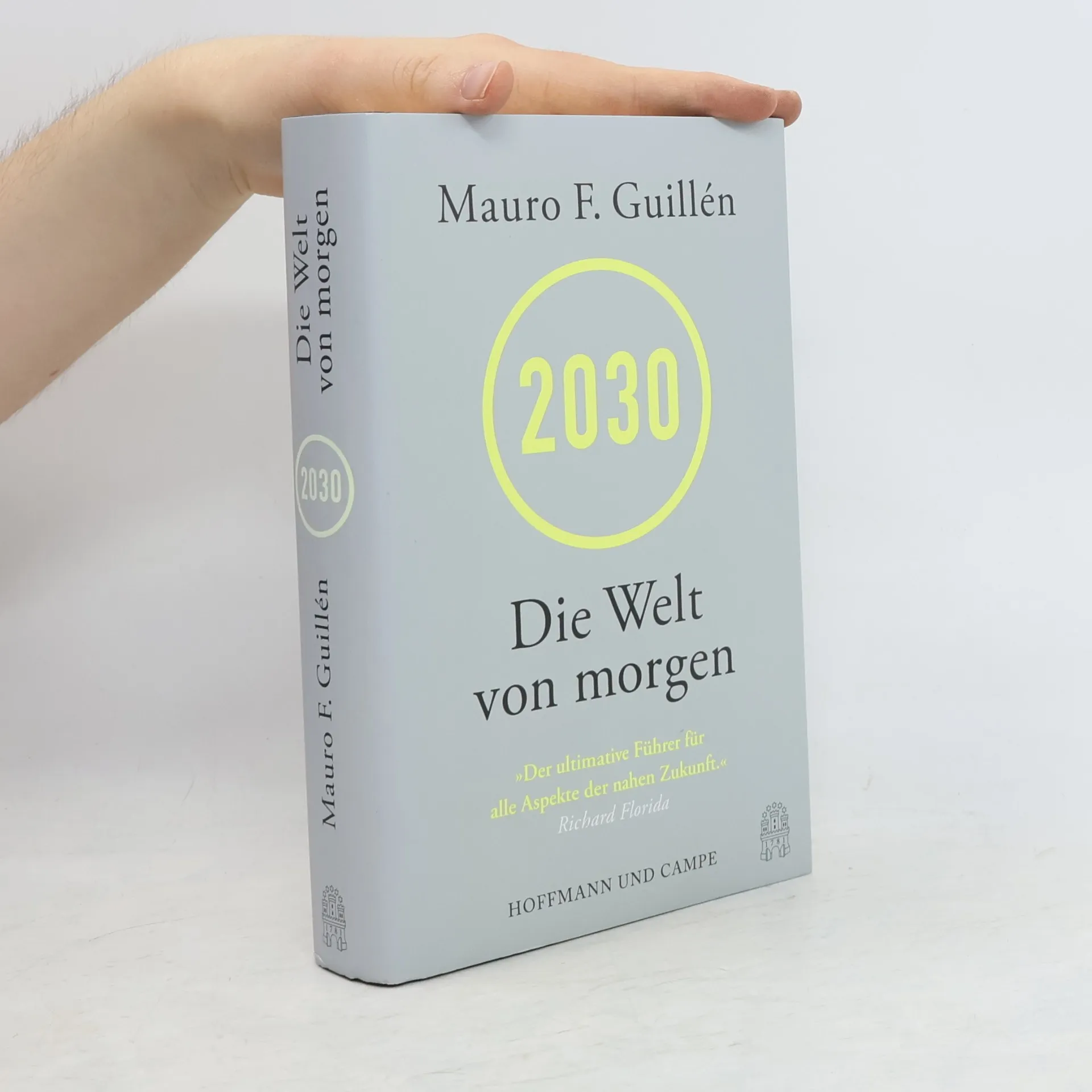
Die Zukunft ist näher als wir denken. Und sie kann sehr sicher vorausgesagt Dieses Buch beschreibt, wie wir 2030 leben und arbeiten werden. Mehr Rentner als Kindergartenkinder, eine größere Mittelklasse in Subsahara-Afrika und Asien als in Europa und den USA, Klimawandel und KI, Kryptowährungen als Hauptzahlungsmittel … Eins ist Unser Leben wird 2030 ganz anders aussehen. Die globalen Machtzentren werden sich ebenso verschoben haben wie unsere eigene Gesellschaft eine andere sein wird. So wird es aller Voraussicht nach 2030 erstmals mehr vermögende Frauen als Männer geben. Leicht verständlich und zugleich wissenschaftlich fundiert erzählt der renommierte Trendforscher Mauro Guillén, was auf uns zukommt – und wie wir uns darauf einstellen können.
Mauro Guillén Bücher
Mauro F. Guillén ist ein herausragender Soziologe und politischer Ökonom, dessen Werk die komplexen Verbindungen zwischen globalen Trends und gesellschaftlichen Strukturen erforscht. Seine Forschung befasst sich mit der Dynamik des internationalen Geschäfts und der sich entwickelnden Landschaft des Managements, wobei er aufschlussreiche Analysen der modernen globalisierten Wirtschaft liefert. Als Pädagoge fördert er ein tiefes Verständnis für interkulturelle Geschäftspraktiken und die Herausforderungen des internationalen Handels. Guilléns Beiträge beleuchten das komplexe Zusammenspiel von Wirtschaftskräften und sozialen Realitäten im globalen Maßstab.

The Perennials
- 272 Seiten
- 10 Lesestunden
In today’s world, the acceleration of megatrends -- increasing longevity and the explosion of technology among many others -- are transforming life as we now know it. In The Perennials, bestselling author of 2030 Mauro Guillén unpacks a sweeping societal shift triggered by demographic and technological transformation. Guillén argues that outmoded terms like Boomers, Gen X, Millennials, and Gen Z have long been used to pigeonhole us into rigid categories and life stages, artificially preventing people from reaching their full potential. A new postgenerational workforce known as “perennials'' -- individuals who are not pitted against each other either by their age or experience -- makes it possible to liberate scores of people from the constraints of the sequential model of life and level the playing field so that everyone has a chance at living a rewarding life. This multigenerational revolution is already happening and Mauro Guillén identifies the specific cultural, organizational and policy changes that need to be made in order to switch to a new template and usher in a new era of innovation powered by The Perennials.
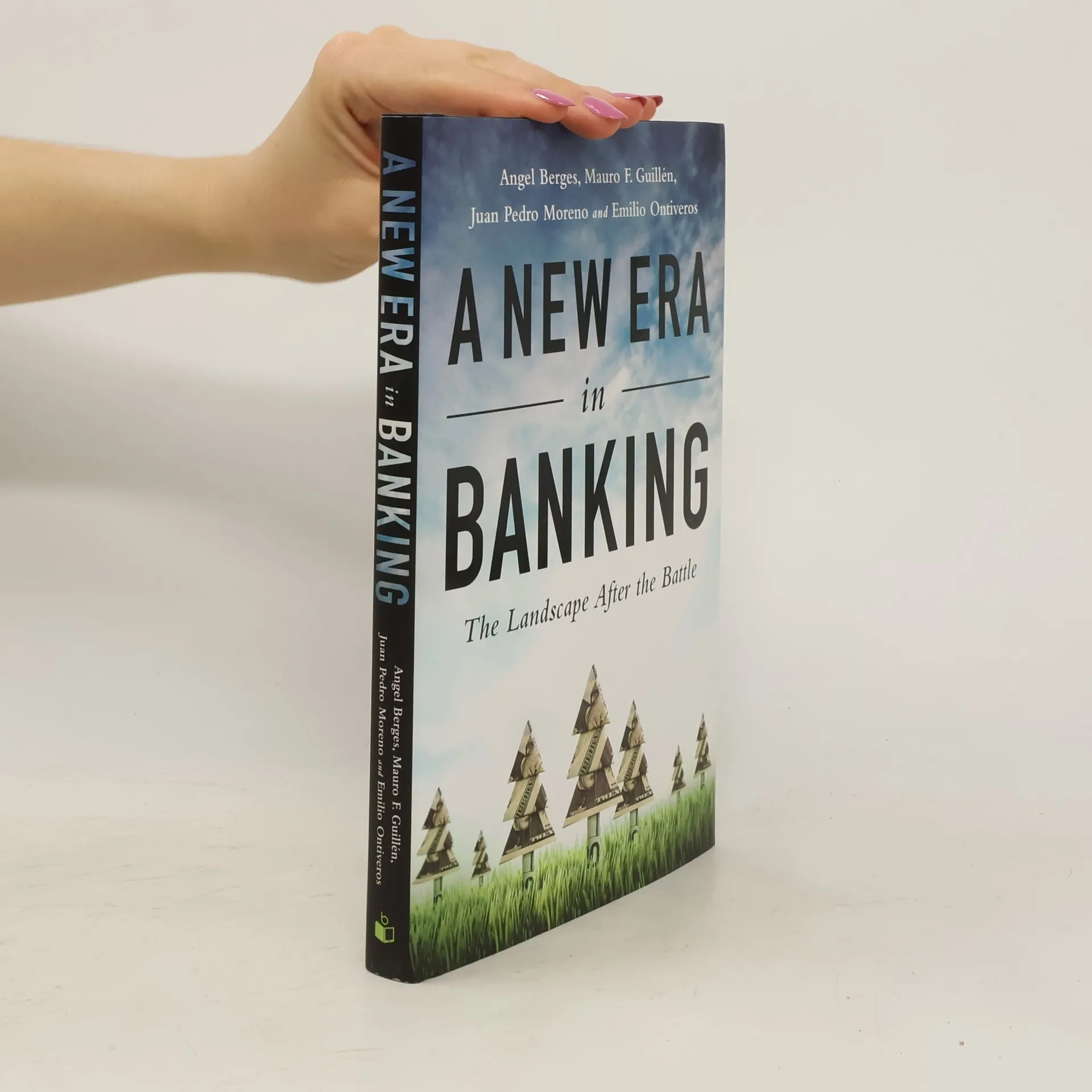
A New Era in Banking
- 186 Seiten
- 7 Lesestunden
"A New Era in Banking: The Landscape After the Battle identifies the main drivers of change at the heart of this wholesale transformation of the financial services industry. It examines the complex challenge for financial institutions to de-risk business models, reconnect with customers, and approach stakeholder value creation"--
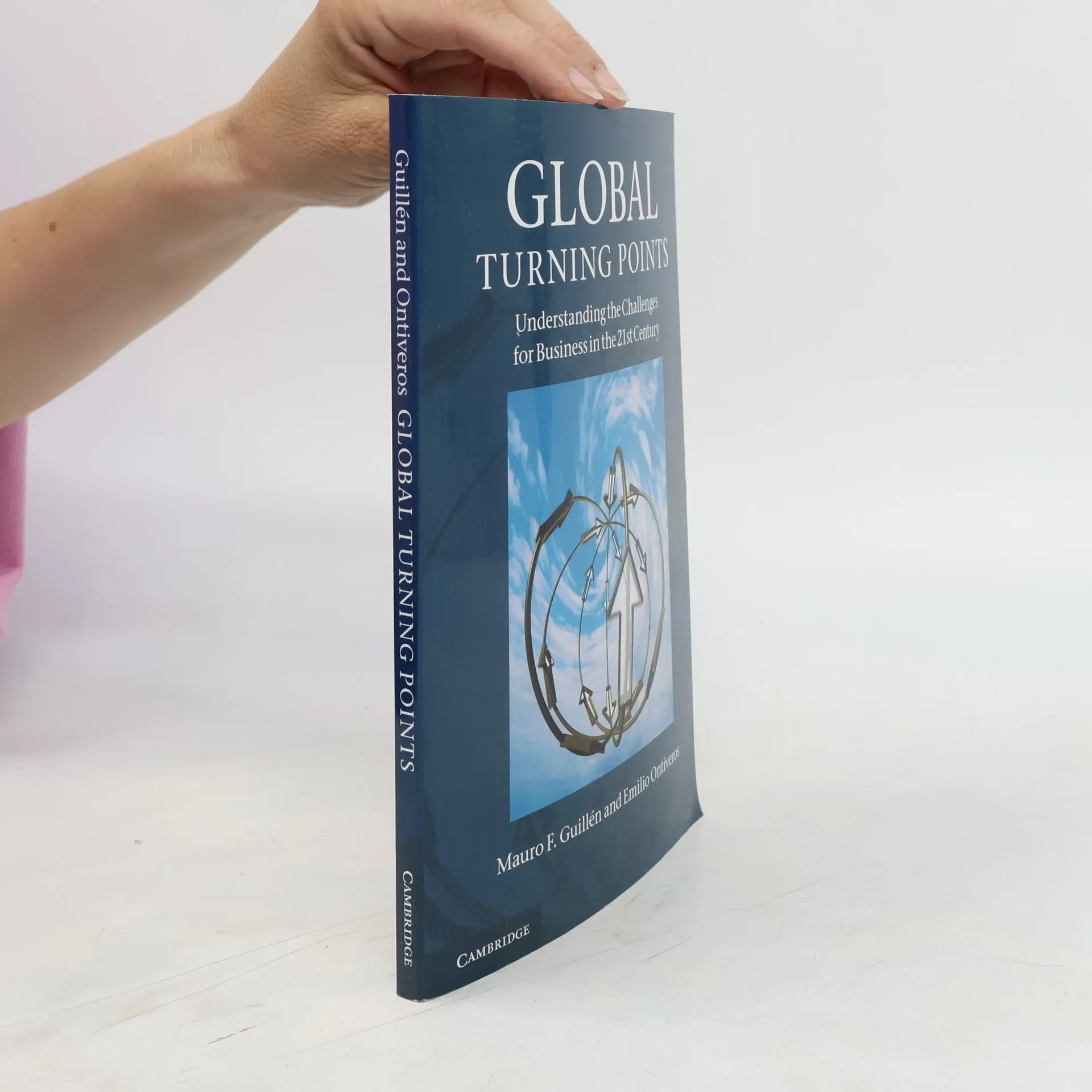
Global Turning Points
Understanding the Challenges for Business in the 21st Century
- 182 Seiten
- 7 Lesestunden
"The twenty-first century is replete with uncertainty and complexity: game-changing events and trends are transforming the world beyond recognition. For the first time in human history more people live in cities than in the countryside and greater numbers suffer from obesity than from hunger. Emerging economies now represent half of the global economy and during the next few decades India will be the biggest country in terms of population, China the largest in output and the United States the richest among the major economies on a per capita income basis. Food and water shortages will likely become humankind's most important challenge. In this accessible introduction, Mauro Guillen and Emilio Ontiveros deploy the tools of economics, sociology and political science to provide an analytical perspective on both the problems and opportunities facing business in the modern world"--
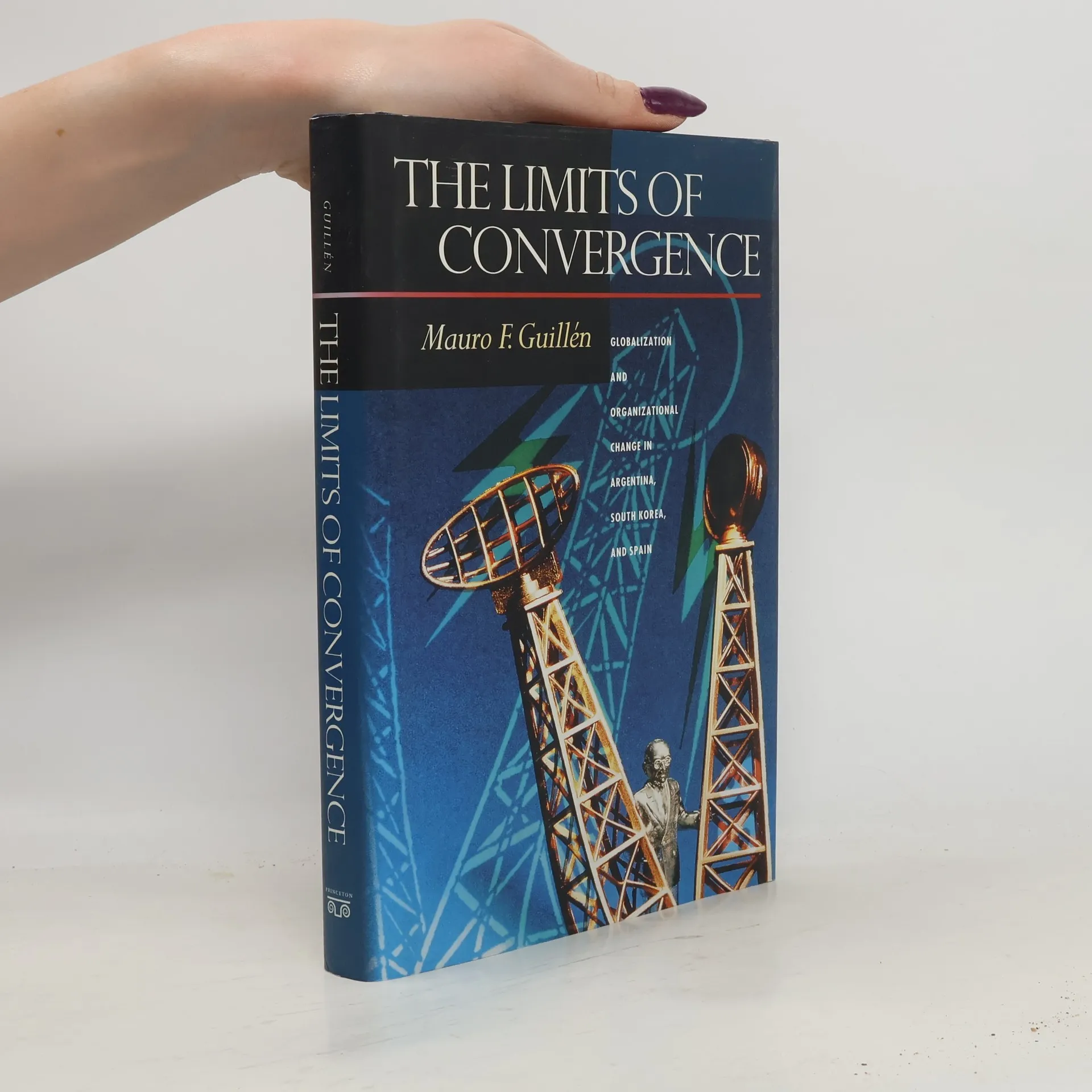
The Limits of Convergence
Globalization and Organizational Change in Argentina, South Korea, and Spain.
- 298 Seiten
- 11 Lesestunden
This book challenges the belief that globalization leads to economic convergence and cultural homogenization across nations. Through a systematic comparison of organizational change in Argentina, South Korea, and Spain since 1950, it reveals that global competition compels countries to leverage their unique strengths, resulting in distinct development paths. The analysis highlights how business groups, small enterprises, and foreign multinationals fulfill different economic roles based on a country's development trajectory. Business groups flourish under foreign-trade and investment protectionism, excelling in large-scale, capital-intensive sectors like automobile assembly and construction, often at the expense of smaller firms and foreign multinationals. Conversely, small and medium enterprises thrive in knowledge-intensive sectors, such as component manufacturing and branded consumer goods, particularly when export-oriented multinationals face fewer restrictions. The book concludes with an optimistic perspective, suggesting that while challenging, it is possible for countries to transcend the barriers between poverty and wealth. It posits that globalization fosters economic diversity and advocates for democracy as the most effective governance model to navigate globalization's complexities, countering the notion that economic modernization must precede democratization. This work exemplifies applied economic sociology, rich i