James Joyce Reihenfolge der Bücher (Chronologisch)
James Joyce war ein irischer Romanautor, der für seinen experimentellen Sprachgebrauch bekannt ist. Seine Werke zeichnen sich durch ausführliche innere Monologe und ein komplexes Netz symbolischer Parallelen aus Mythologie, Geschichte und Literatur aus. Joyce schuf eine einzigartige sprachliche Form, indem er Neologismen, Wortspiele und Anspielungen verwendete, um die Grenzen der modernen Prosa zu erweitern. Seine technischen Innovationen in der Romanliteratur prägten maßgeblich die Entwicklung der Literatur des 20. Jahrhunderts.

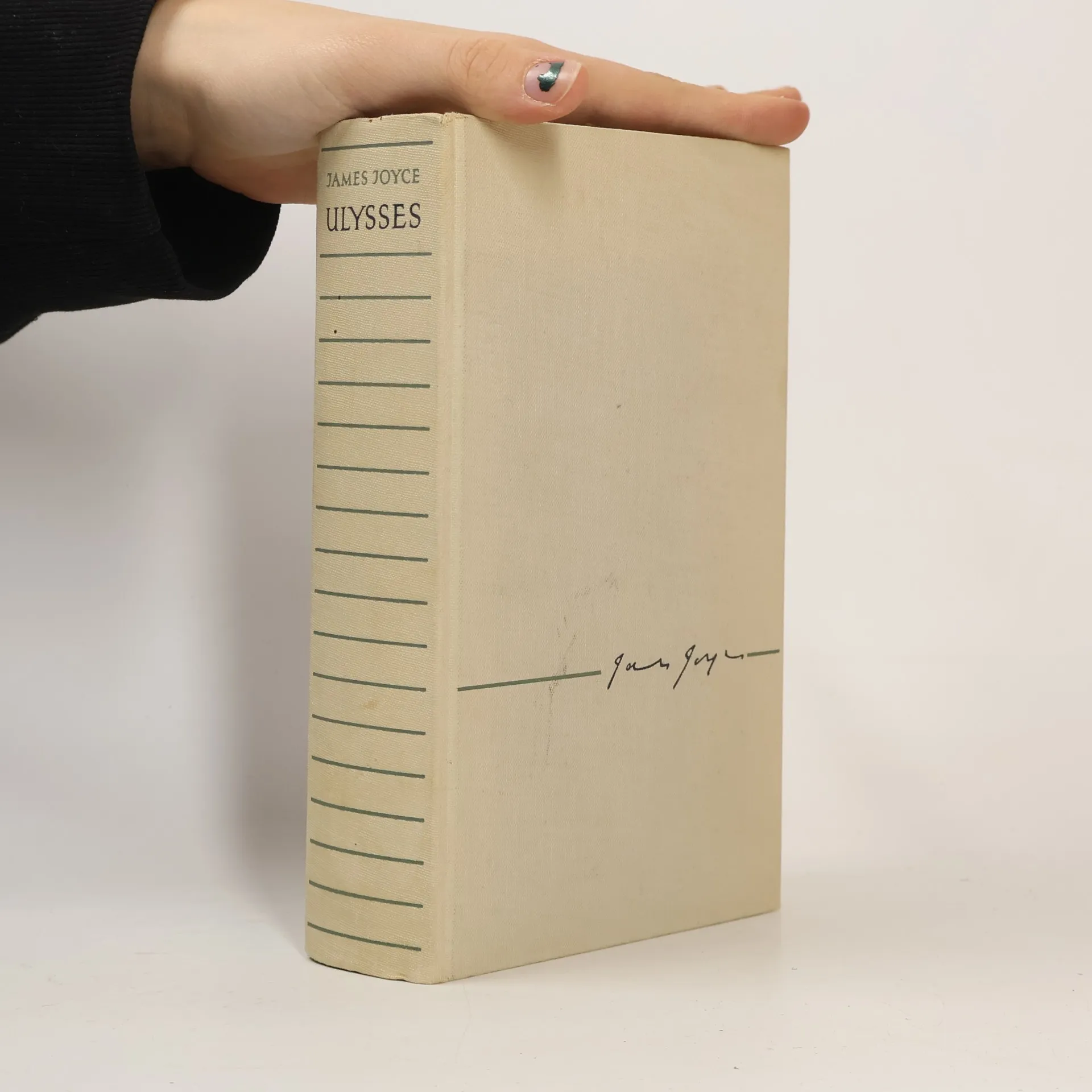

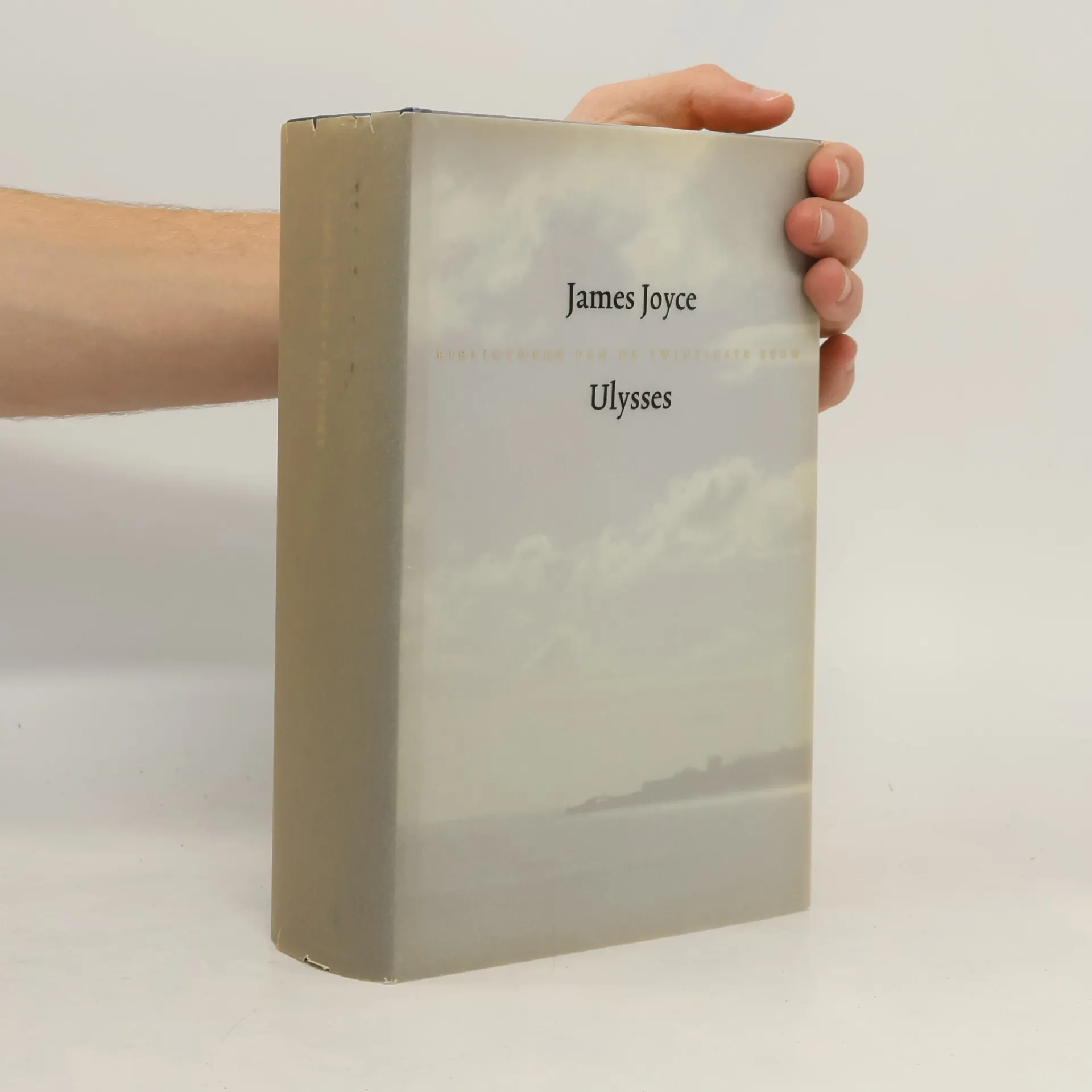
Ulysses. James Joyce
- 328 Seiten
- 12 Lesestunden
"Ulysses" von James Joyce ist ein bahnbrechendes Werk, das einen Tag im Leben von Leopold Bloom in Dublin am 16. Juni 1904 darstellt. Joyce nutzt komplexe Prosa und verschiedene Erzählstile, um die Gedanken und Erinnerungen seiner Charaktere zu erkunden. Das Buch behandelt universelle Themen wie Liebe, Tod und Identität und bleibt eine Herausforderung sowie eine Inspirationsquelle für Leser.
The publishing house Megali focuses on making historical works accessible by producing them in large print, catering specifically to individuals with impaired vision. This approach aims to enhance the reading experience for those who may struggle with standard text sizes, ensuring that important historical literature remains available to a wider audience.
Ulysses: An Illustrated Edition
- 720 Seiten
- 26 Lesestunden
Featuring stunning illustrations by a renowned Spanish artist, this edition of Joyce's epic novel offers a fresh and accessible perspective on the classic text. The visual artistry enhances the narrative, inviting readers to experience the story in a new way while celebrating the artist's exceptional talent.
Winnegans Fake. Aus dem Spätwerk
- 310 Seiten
- 11 Lesestunden
Die Ausgabe bietet Passagen aus „Finnegans Wake“ sowie zwei kleinere Texte im gleichen Stil, sowohl im Original als auch in deutscher Übersetzung. Sie versammelt die Eindeutschungen von Friedhelm Rathjen und enthält auch überarbeitete Splitterübersetzungen mit ergänzenden Kontexten im Paralleldruck.
Ulysses Jubiläumsausgabe Türkis
- 1000 Seiten
- 35 Lesestunden
Der 2. Februar 1922 hat Literaturgeschichte geschrieben: An diesem Tag, dem 40. Geburtstag von James Joyce, erschien in einer Auflage von 1 000 nummerierten Exemplaren die Erstausgabe des Ulysses, verlegt durch Sylvia Beach, Besitzerin der Buchhandlung Shakespeare and Company, in Paris. Die Publikation des Romans war ein Skandalon: als blasphemisches und pornografisches Machwerk verdammt, wurde es bald in mehreren Ländern zensiert oder verboten. Dies hat den epochalen Erfolg des Ulysses nicht aufhalten können: Längst gilt es als einer der einflussreichsten Romane der Moderne, als ein Jahrhundertwerk. Und es ist ein Buch, das man wieder und immer wieder lesen kann und das mit jedem neuen Lesen weitere Geheimnisse preisgibt. Wer es noch nie gelesen hat oder es wiederlesen möchte, hat nun die Wahl: Anlässlich des 100. Jahrestags seiner ersten Publikation wird der Ulysses in vier schön gestalteten Ausgaben mit jeweils verschiedenfarbiger Prägung vorgelegt – zum Verschenken und Sich-selber-schenken.
Ulysses Jubiläumsausgabe Dunkelblau
- 1008 Seiten
- 36 Lesestunden
Ulysses Jubiläumsausgabe Rot
- 1000 Seiten
- 35 Lesestunden
In Beaugency verband eine Brücke eines Tages die beiden Ufer der Loire. Doch der Bau erforderte einen Pakt mit dem Teufel, eine Katze und einen cleveren Bürgermeister.
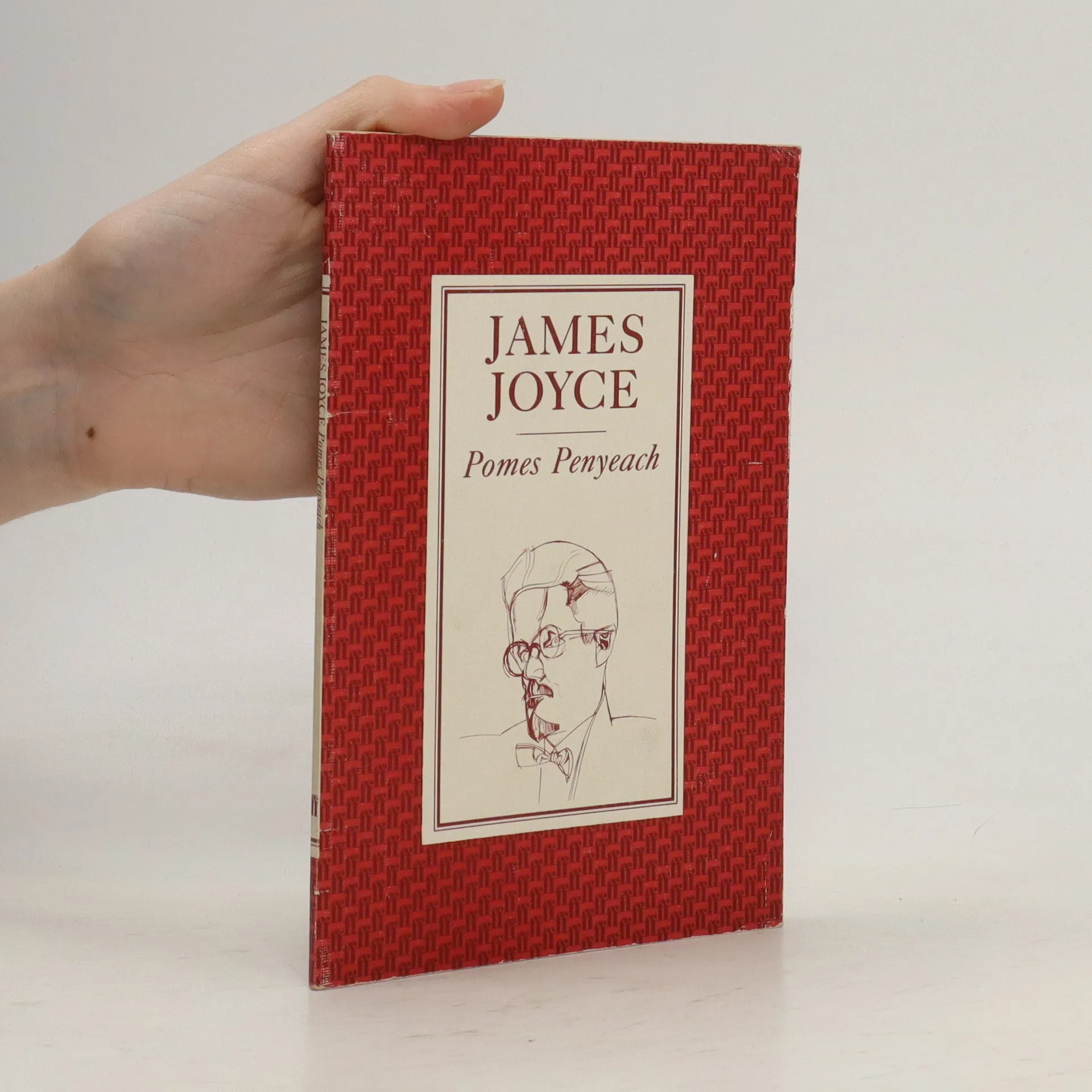
Ennáct bébásní. Pomes penyeach
- 44 Seiten
- 2 Lesestunden
Krásný tisk, dvojjazyčné vydán s výtvarným doprovodem a v grafické úpravě Jiřího Kývaly.
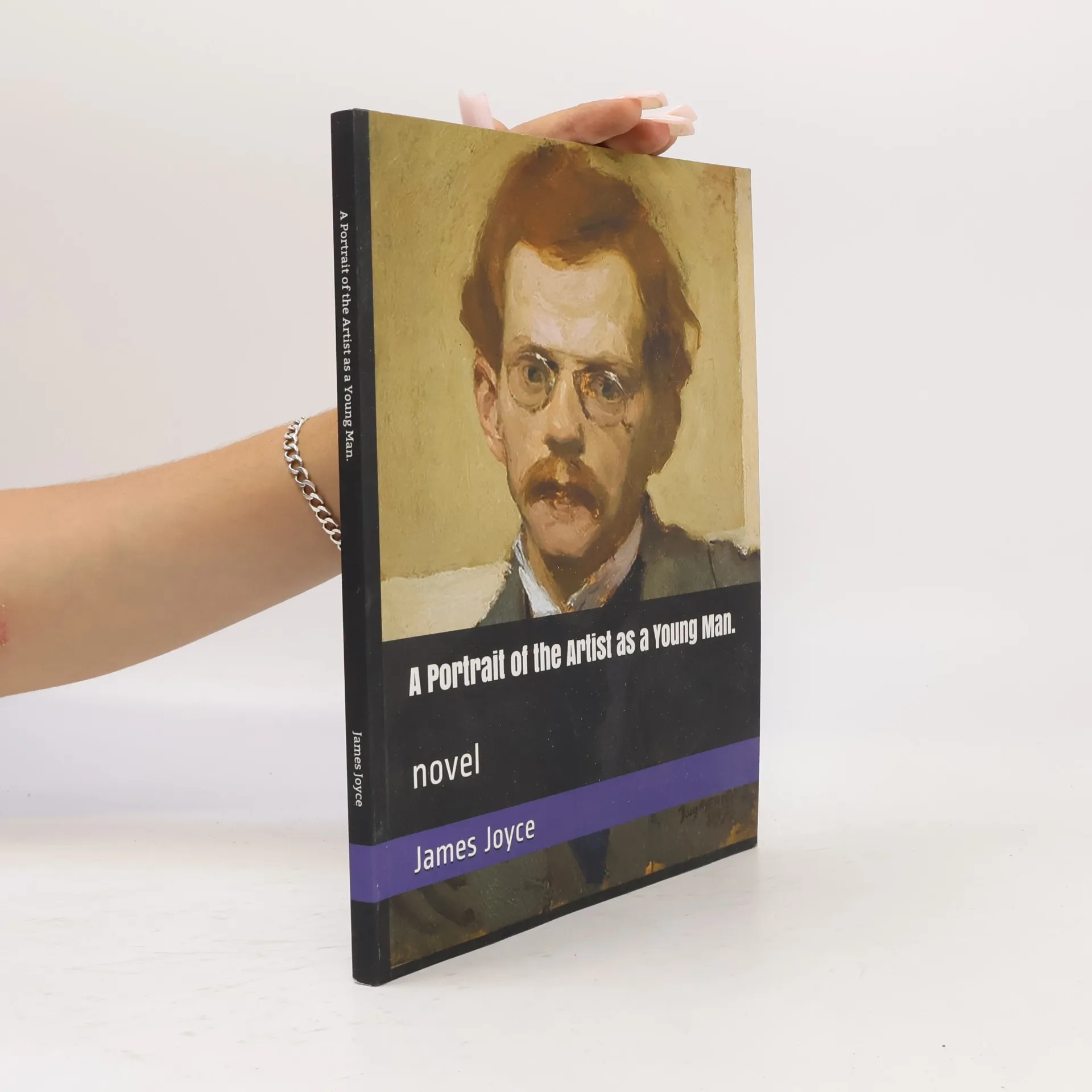
A Portrait of the Artist as a Young Man is the first novel of Irish writer James Joyce. A Künstlerroman in a modernist style, it traces the religious and intellectual awakening of young Stephen Dedalus, a fictional alter ego of Joyce and an allusion to Daedalus, the consummate craftsman of Greek mythology. Stephen questions and rebels against the Catholic and Irish conventions under which he has grown, culminating in his self-exile from Ireland to Europe. The work uses techniques that Joyce developed more fully in Ulysses (1922) and Finnegans Wake (1939).A Portrait began life in 1904 as Stephen Hero-a projected 63-chapter autobiographical novel in a realistic style. After 25 chapters, Joyce abandoned Stephen Hero in 1907 and set to reworking its themes and protagonist into a condensed five-chapter novel, dispensing with strict realism and making extensive use of free indirect speech that allows the reader to peer into Stephen's developing consciousness. American modernist poet Ezra Pound had the novel serialised in the English literary magazine The Egoist in 1914 and 1915, and published as a book in 1916 by B. W. Huebsch of New York. The publication of A Portrait and the short story collection Dubliners (1914) earned Joyce a place at the forefront of literary modernism.
Recollections of the Salzkammergut, Ischl, Bad Gastein
With a Sketch of Trieste, Frankfort on the Maine and the Baths of Homburg in Winter
- 304 Seiten
- 11 Lesestunden
This reprint offers a historical perspective on the Salzkammergut region and its surroundings, providing insights that remain relevant and fascinating today. The guide serves as a valuable resource for tourists, showcasing the area's attractions, culture, and natural beauty, blending historical significance with contemporary interest.
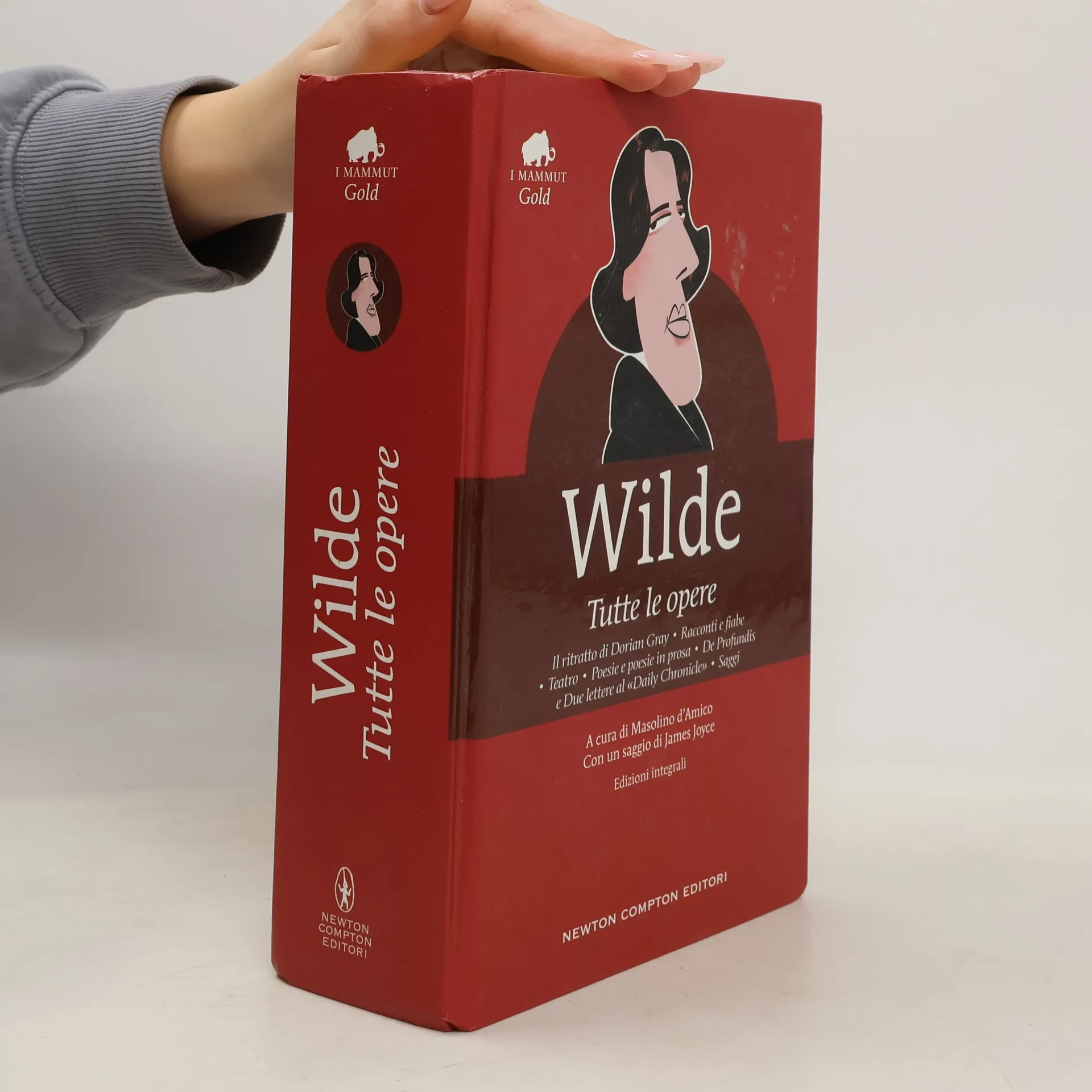
I Mammut Gold - 221: Tutte le opere
Il ritratto di Dorian Gray-Racconti e fiabe-Teatro-Poesie e poesie in prosa-De profundis e due lettere al «Daily Chronicle»-Saggi. Ediz. integrale
- 1152 Seiten
- 41 Lesestunden
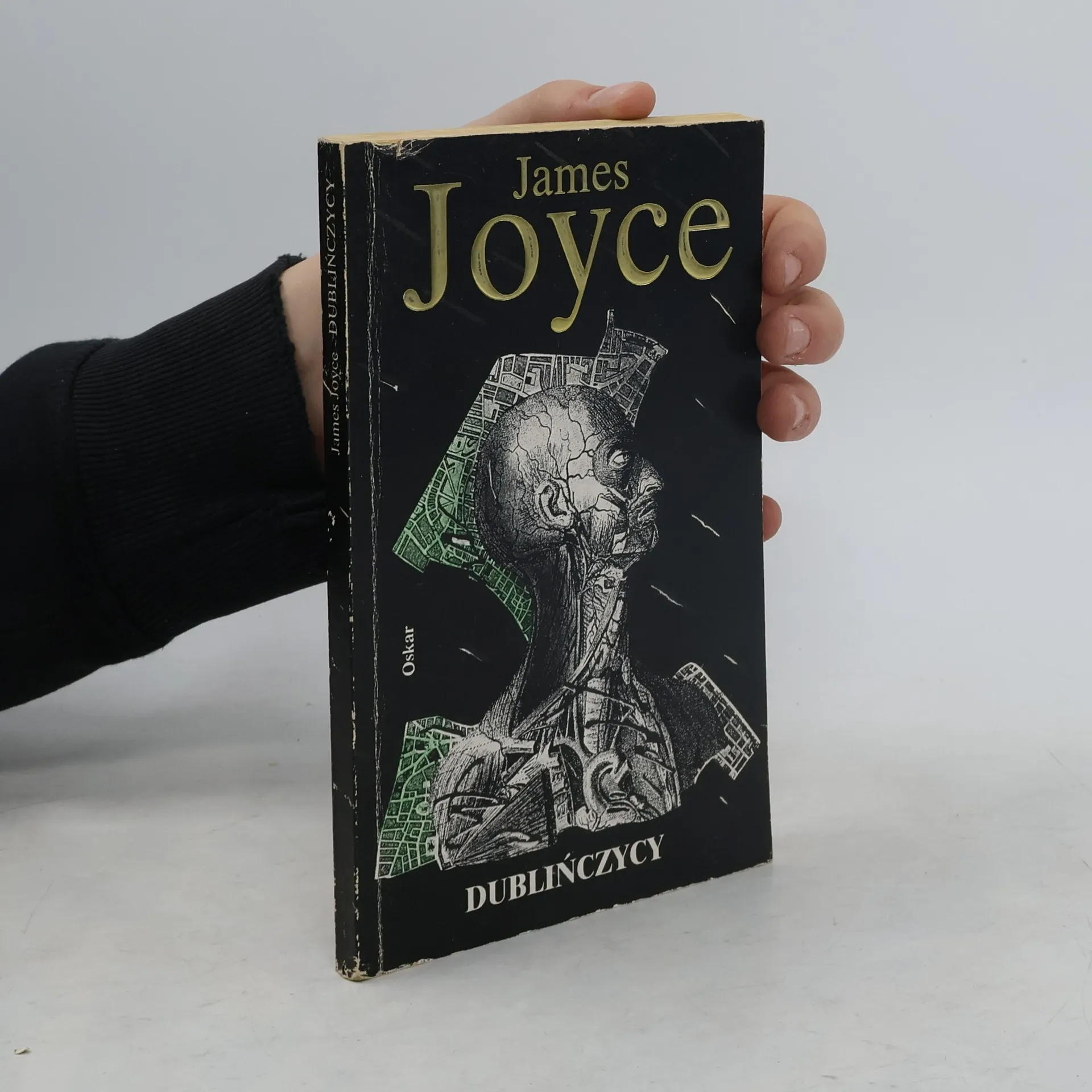
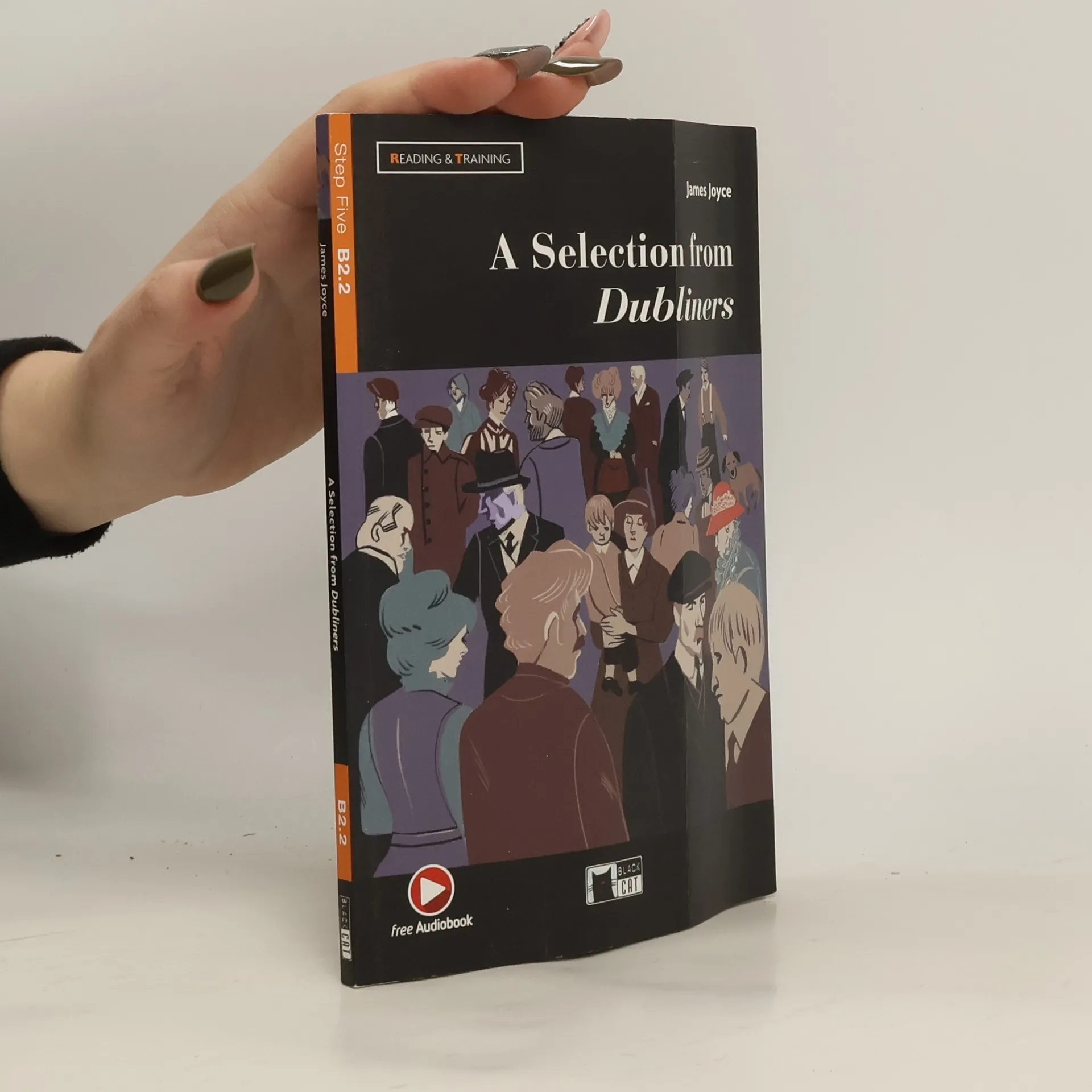
These stories from James Joyce's Dubliners take you inside the tragedies and comedies of Irish life in the early twentieth century. Meet unforgettable characters, including a boy who died for love, determined mothers and romantic dreamers. Many of them are forced to see the truth about their lives. One of Ireland's greatest writers gives you his view of his native city.--Quatrième de couverture
Best-loved Joyce
- 128 Seiten
- 5 Lesestunden
A beautiful and accessible introduction to the writings of James Joyce. Short, entertaining quotes from his major works: Dubliners, A Portrait of the Artist as a Young Man, Ulysses and Finnegans Wake, with more from his poetry & letters, and some family anecdotes handed down to grand-nephew Bob Joyce.
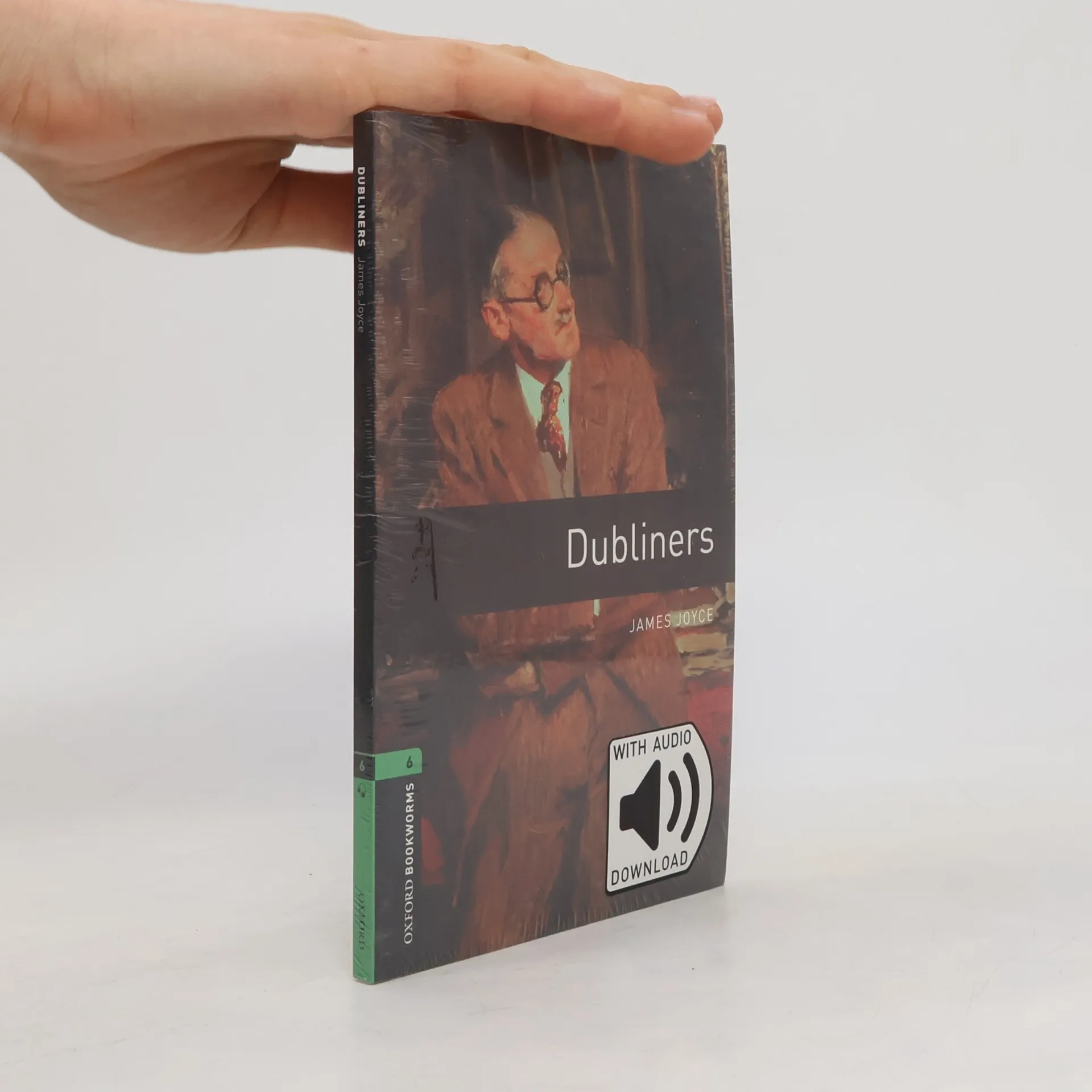
Published 2016. Upper Intermediate CEF B2 - 1800 Headwords Oxford Bookworms enjoy a world-wide reputation for high-quality storytelling and a great reading experience. Research shows reading a lot improves all your language skills. Experts recognize Oxford Bookworms as the most consistent series in terms of language control, length, and quality of story - very important for fluent reading and extensive reading. There's a wide choice of titles too - something for everyone. Dublin, Ireland, in the early years of the twentieth century. It is a poor city, and there is hard drinking, dishonesty, and violence just beneath the surface everywhere you look. Glance inside a few people's lives, and you soon find loneliness and disappointment, self-hate, and despair. The people in these stories are paralysed: locked into the circles of their everyday lives, where they are caught waiting between life and death. For some, there is a way out - but will circumstances, or their own fear, stop them from taking it?
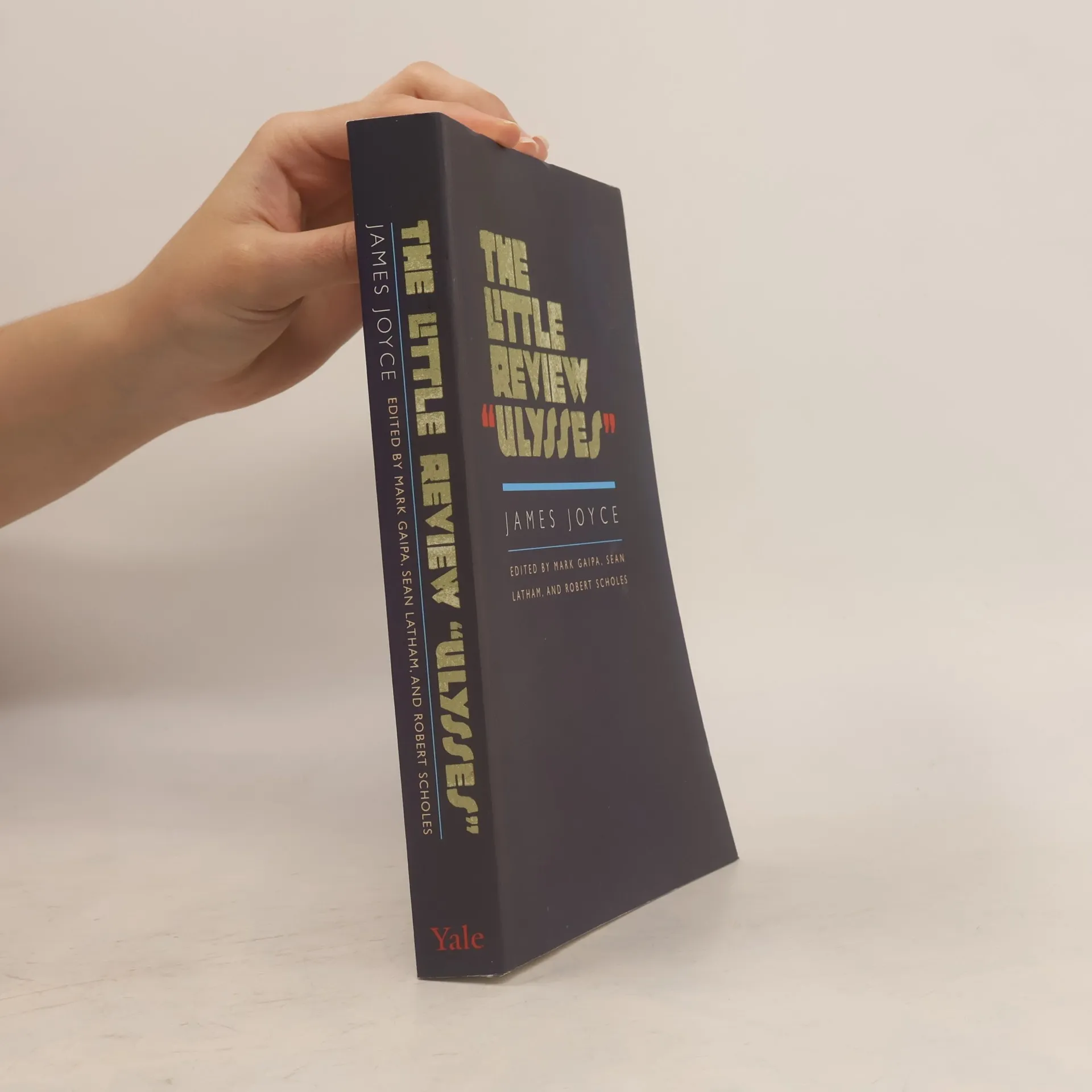
The Little Review "Ulysses"
- 480 Seiten
- 17 Lesestunden
James Joyce’s Ulysses first appeared in print in the pages of an American avant-garde magazine, The Little Review , between 1918 and 1920. The novel many consider to be the most important literary work of the twentieth century was, at the time, deemed obscene and scandalous, resulting in the eventual seizure of The Little Review and the placing of a legal ban on Joyce’s masterwork that would not be lifted in the United States until 1933. For the first time, The Little Review “Ulysses” brings together the serial installments of Ulysses to create a new edition of the novel, enabling teachers, students, scholars, and general readers to see how one of the previous century’s most daring and influential prose narratives evolved, and how it was initially introduced to an audience who recognized its radical potential to transform Western literature. This unique and essential publication also includes essays and illustrations designed to help readers understand the rich contexts in which Ulysses first appeared and trace the complex changes Joyce introduced after it was banned.
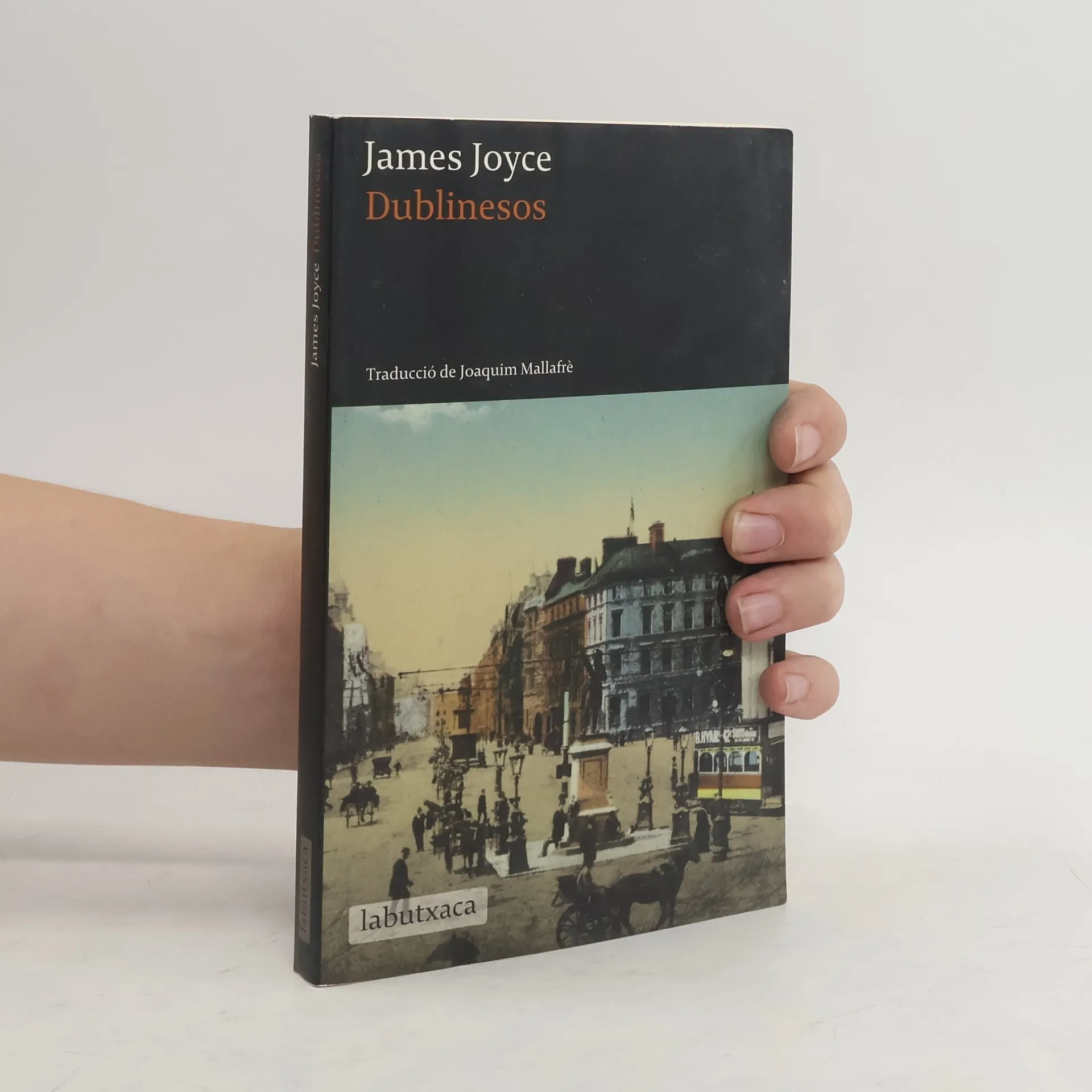
Dublinesos
- 276 Seiten
- 10 Lesestunden
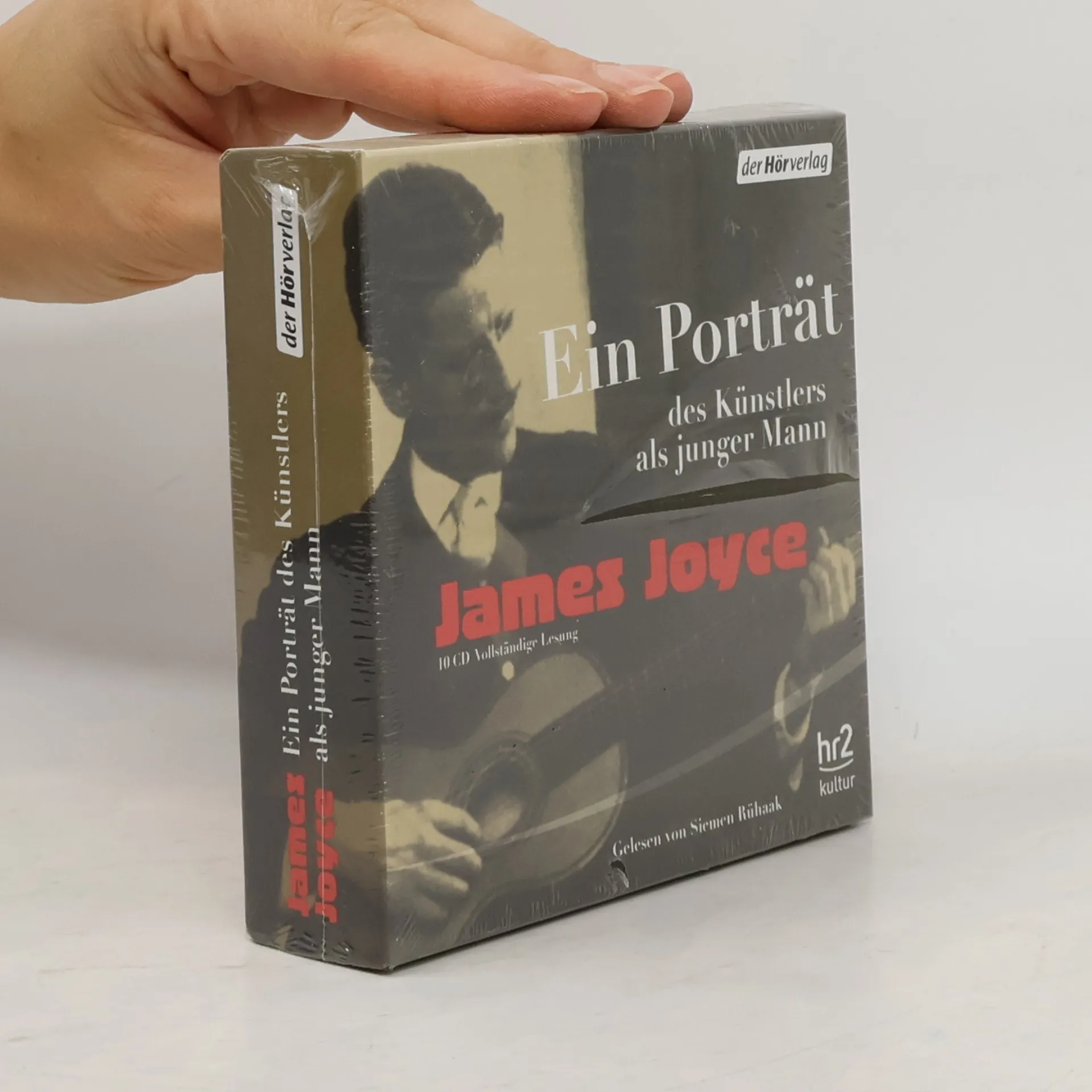
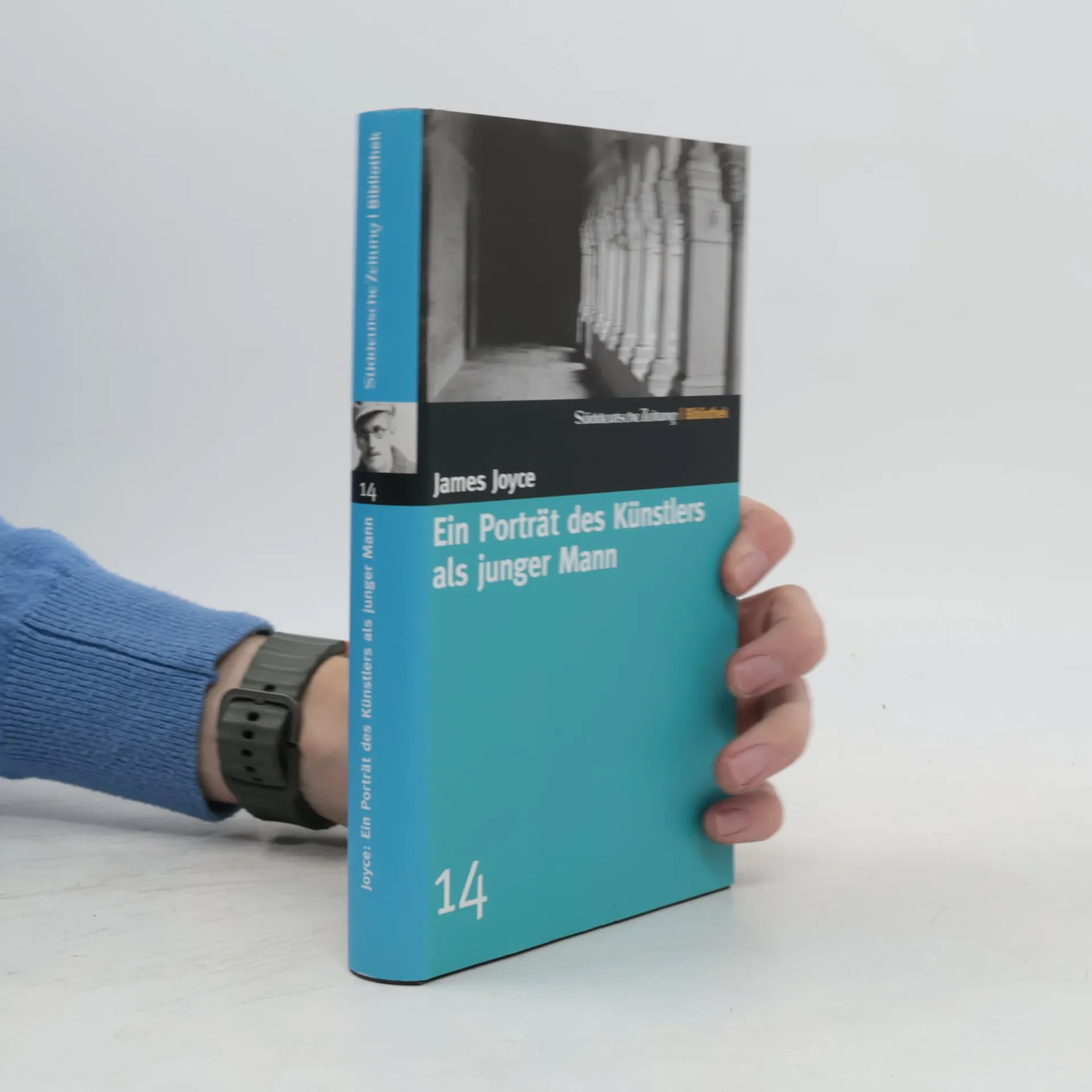
Ein Porträt des Künstlers als junger Mann
10 CD Vollständige Lesung - Gelesen von Siemen Rühaak
Finn's Hotel
- 101 Seiten
- 4 Lesestunden
»Finn’s Hotel«, so hieß das Hotel, in dem Nora Barnacle, die spätere Ehefrau von James Joyce, als Zimmermädchen arbeitete. Ganz am Anfang der Überlegungen, aus denen »Finnegans Wake« hervorgehen sollte, fragte sich Joyce: Wie wäre es, wenn man Irlands Vergangenheit in den Träumen des am Ufer der Liffey schlafenden mythischen Helden Finn McCool Revue passieren ließe? Das Buch »Finn’s Hotel« besteht aus einer Folge von Fabeln, kurzen, prägnanten Prosatexten zu den entscheidenden Momenten der irischen Geschichte, beginnend mit der Ankunft St. Patricks auf der Grünen Insel im Jahr 432: des Heiligen, der Irland bekehrt? Nein, Irland bekehrt ihn – zu allem, was irisch ist. Joyce schrieb die zehn Episoden 1923, ein halbes Jahr, nachdem er sich vom »Ulysses« befreit und lange bevor er einen genaueren Plan für »Finnegans Wake« gefasst hatte. Danis Rose suchte die im Nachlaß der »Finnegans Wake«-Papiere verstreuten Geschichten zusammen. Er begründete ihre Einheit und Eigenständigkeit. 2013 erschien Finn’s Hotel: ein neues, unbekanntes, erstaunliches Werk von James Joyce.»
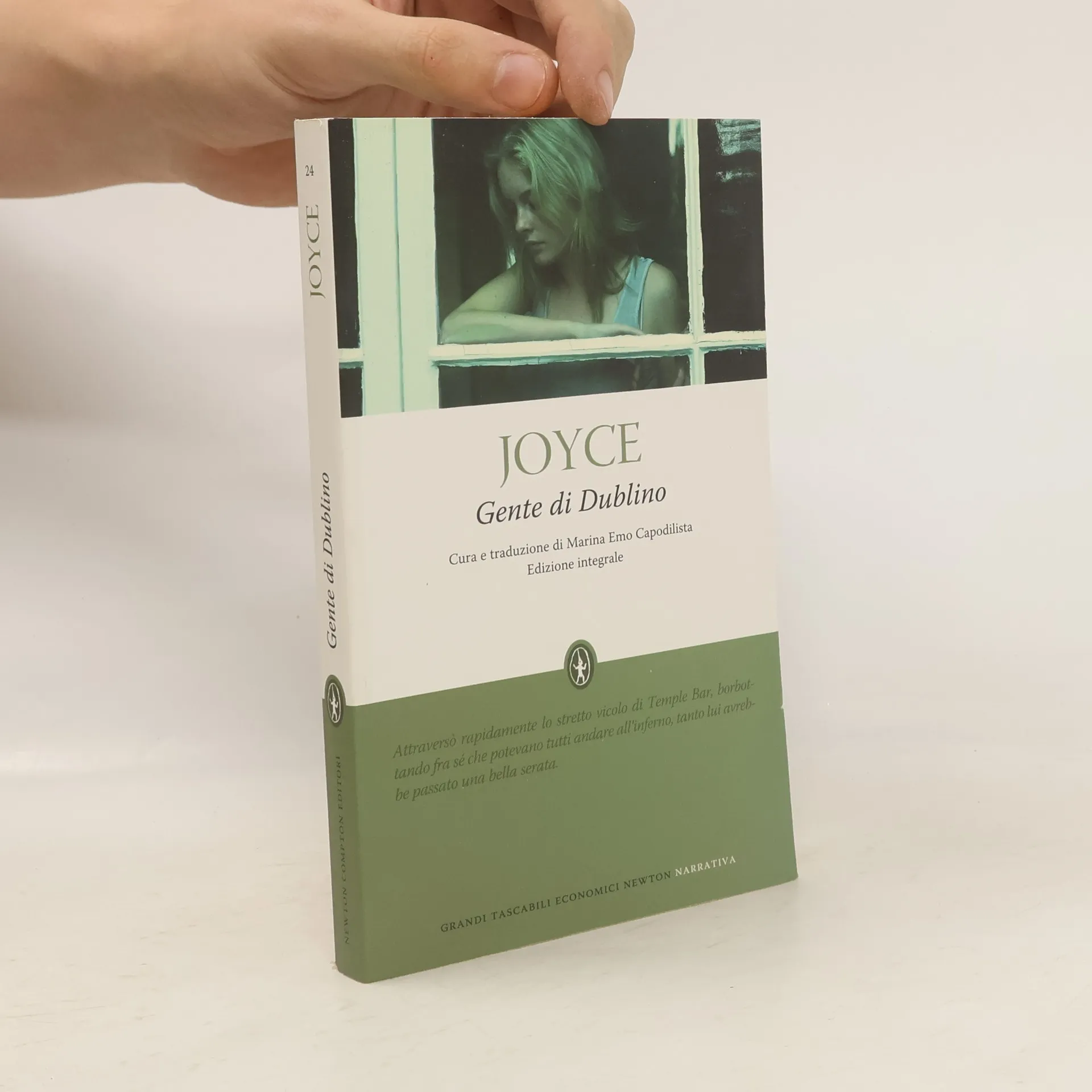
La verde e tormentata terra d’Irlanda è patria di alcuni dei più importanti scrittori della letteratura. Jonathan Swift, con la sua ironia sferzante, descrive nei Viaggi di Gulliver le assurdità dell’Europa settecentesca attraverso le immaginarie popolazioni di Lilliput e Brobdingnag. Sterne, con il suo Viaggio sentimentale, rompe le regole della narrativa tradizionale, concentrandosi sulle sensazioni interiori piuttosto che su paesaggi e personaggi. Con Le Fanu, entriamo nel filone ottocentesco che esplora gli aspetti più oscuri dell’esperienza umana, dando vita a capolavori del terrore come Carmilla e Dracula. Oscar Wilde, poeta geniale e sfortunato, narra la storia di Dorian Gray, un mostro dalla giovinezza sospetta. Al contrario, Yeats ci offre un mondo incantato, popolato da elfi e fantasmi, presentando una panoramica del folclore irlandese. Infine, James Joyce, con il suo capolavoro Ulisse, ha avuto un ruolo cruciale nella nascita della letteratura moderna. Attraverso il realismo minuzioso delle quindici storie di Gente di Dublino, Joyce ha elevato il racconto breve a un nuovo livello artistico, rendendolo il genere letterario più moderno.
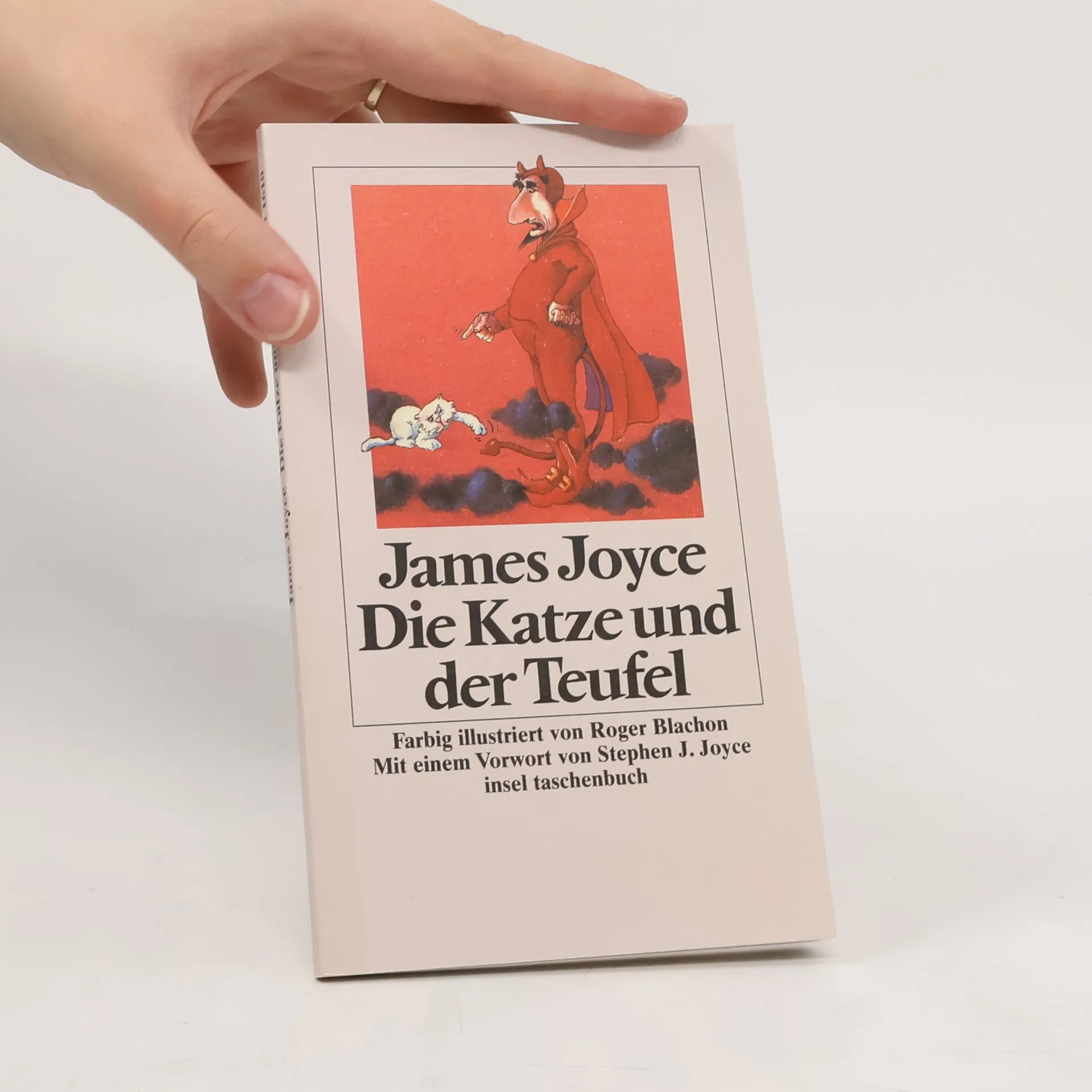
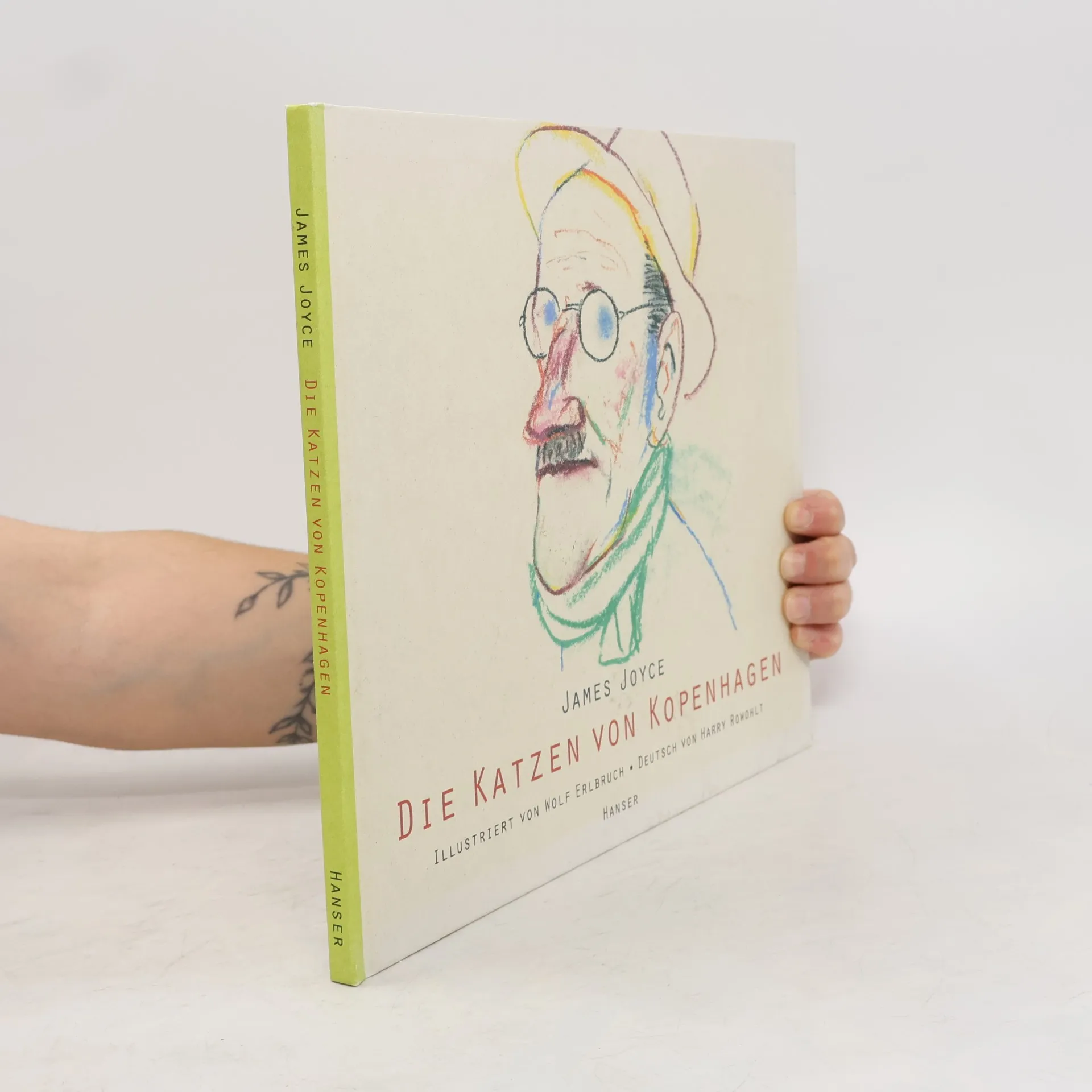
Zur Zeit von James Joyce waren mit Süßigkeiten gefüllte Katzen in Irland ein beliebtes Geschenk. Als er das aus Kopenhagen nicht mitbringen konnte, schrieb er einen fantasiesprühenden Brief an seinen vierjährigen Enkel. Darin behauptete er, in Dänemark gebe es keine einzige Katze, dafür aber Fische, Fahrräder und freundliche Polizisten. Die lägen den ganzen Tag im Bett, rauchten Zigarren und tränken Buttermilch. Die Welturausgabe von “The Cats of Copenhagen“ erschien 2012. Harry Rowohlt hat aus dem Fund einen fabelhaften deutschen Text gemacht. Wolf Erlbruchs hinreißende Illustrationen verwandeln ihn in ein Glanzstück.
Dzhejms dzhojs velikij irlandskij pisatel klassik i odnovremenno razrushitel klassiki s ee kanonami chelovek kotoromu bolee chem komulibo objazany svoim rozhdeniem novye literaturnye shkoly i napravlenija XX veka roman uliss glavnoe proizvedenie pisatelja opredelivshee puti razvitija iskusstva prozy i ne raz priznannoe luchshim znachitelnejshim…
In der umfangreichen und vielfältigen Produktion des beliebtesten - und zugleich umstrittensten - irischen Autors der viktorianischen Ära stellt diese lebendige Sammlung von Aphorismen, veröffentlicht 1901, die Quintessenz seines Lebensstils, Denkens und Schreibens dar. In oft schlagkräftigen und wirkungsvollen Sätzen gelingt es ihm, tiefgründige, originelle und empfundene Reflexionen und Gefühle auszudrücken. Hinter zahlreichen funkelnden und paradoxen Äußerungen, die nur auf den ersten Blick zynisch, grotesk und oberflächlich erscheinen, zeichnet sich eine unruhige, hyperkritische und überaus ungeduldige Persönlichkeit ab, die es in wenigen Zeilen genial versteht, eine strenge und bittere Sicht auf das Dasein, die Moral und die Gesellschaft zu vermitteln.
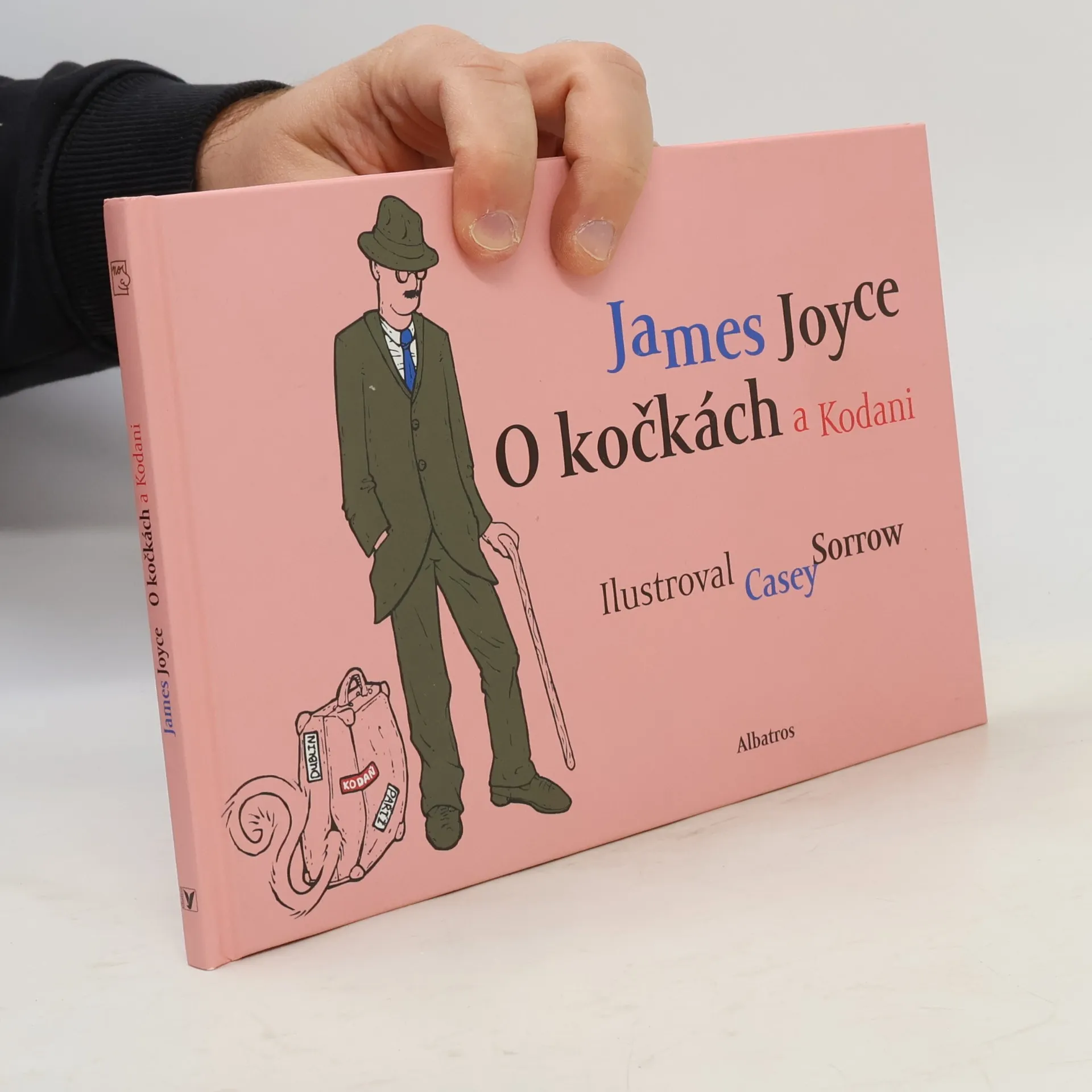
O kočkách a Kodani
- 32 Seiten
- 2 Lesestunden
Znamenitý, miniaturní textík O kočkách a Kodani se silným, téměř anarchickým podtextem je trochu mladším sourozencem knížky Kočka a čert, doposud jediného známého Joyceova příběhu pro malé děti. Obě dílka, napsaná v rozmezí pouhých několika týdnů roku 1936, poslal autor původně v dopise Stephenovi, svému jedinému vnukovi. Rukopis byl objeven teprve nedávno a pro knižní vydání ho kouzelnými ilustracemi vypravil Casey Sorrow. Kniha je prvním svazkem nové edice NOS.
Le sorelle - I morti
- 78 Seiten
- 3 Lesestunden
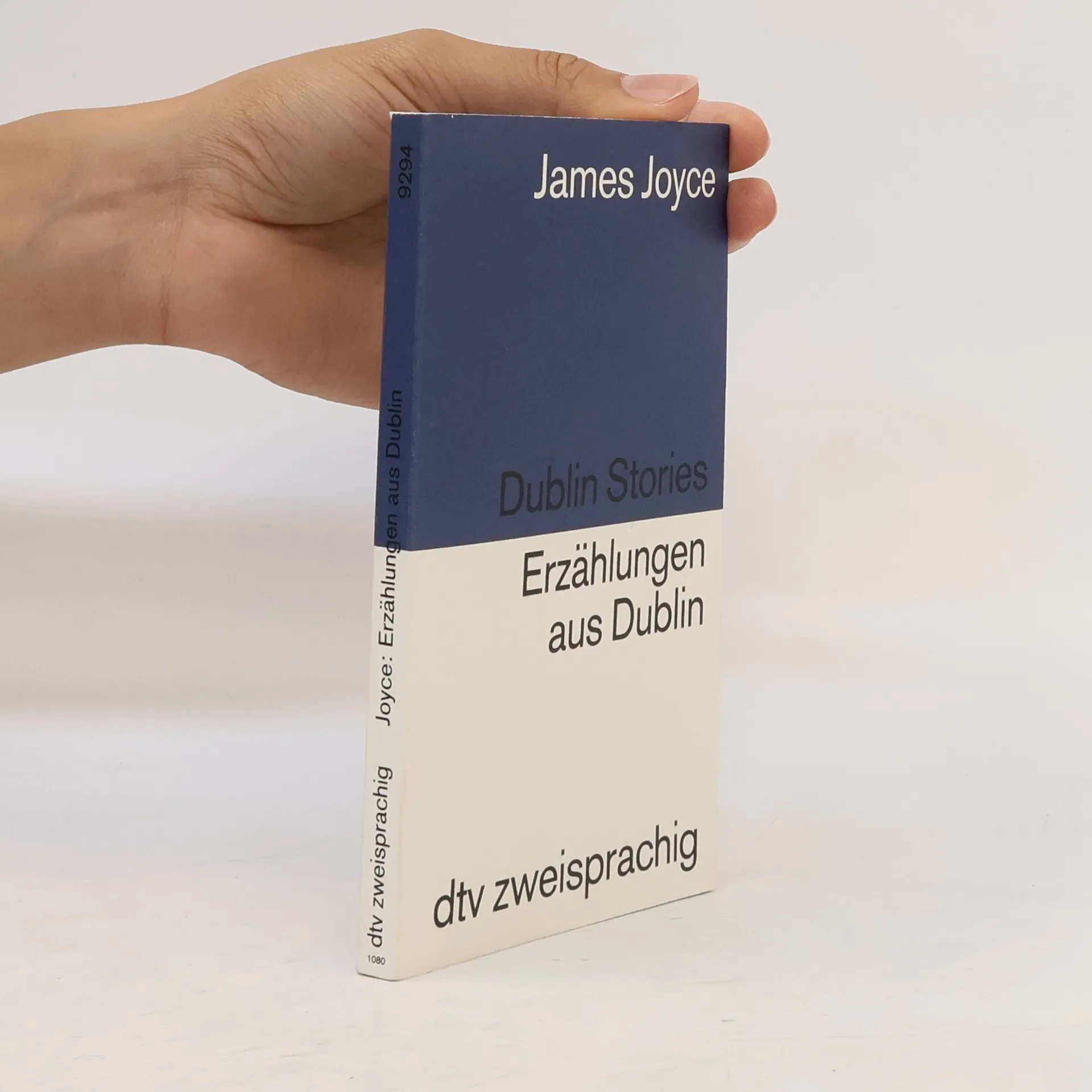
dtv zweisprachig: Dublin Stories Erzählungen aus Dublin
dtv zweisprachig für Könner – Englisch
- 192 Seiten
- 7 Lesestunden
Menschen am Rande der Gesellschaft Die ›Dublin Stories‹ gelten als Türöffner zum Werk von James Joyce, einem der sprachgewaltigsten Dichter der Moderne. Die fesselnden und zuweilen irritierenden Erzählungen von Menschen am Rande der Gesellschaft, von denen hier eine Auswahl vorliegt, fügen sich zu einem Kaleidoskop Dublins zu Beginn des 20. Jahrhunderts. Und wo es nicht ganz leichtfällt, die kraftvolle und unverwechselbare Sprache des Originals zu verstehen, hilft die deutsche Übersetzung weiter. dtv zweisprachig – Die Vielfalt der Sprachen auf einen Blick Die Reihe umfasst drei Sprach-Niveaus – Einsteiger, Fortgeschrittene und Könner – und mittlerweile über 130 Titel in vielen Sprachen. Landeskunde, Kulturgeschichte und Redewendungen, zeitgenössische und klassische Texte in unterschiedlichen Formen und Genres – von der Kurzgeschichte bis zum Krimi – für jeden Lesegeschmack ist etwas dabei. Einzigartig ist die konsequente Zeilengleichheit zwischen Originaltext und Übersetzung, damit man vom ersten bis zum letzten Wort in zwei Sprachwelten zuhause ist.
The collected poetry showcases the works of James Joyce, featuring notable pieces like 'Chamber Music', 'Pomes Penyeach', and 'Ecce Puer'. Renowned as a pivotal figure in modernist literature, Joyce’s influence extends beyond poetry to acclaimed novels such as A Portrait of the Artist as a Young Man and Ulysses. This anthology serves as an essential addition for admirers and collectors of Joyce's literary contributions, reflecting his innovative style and profound themes.
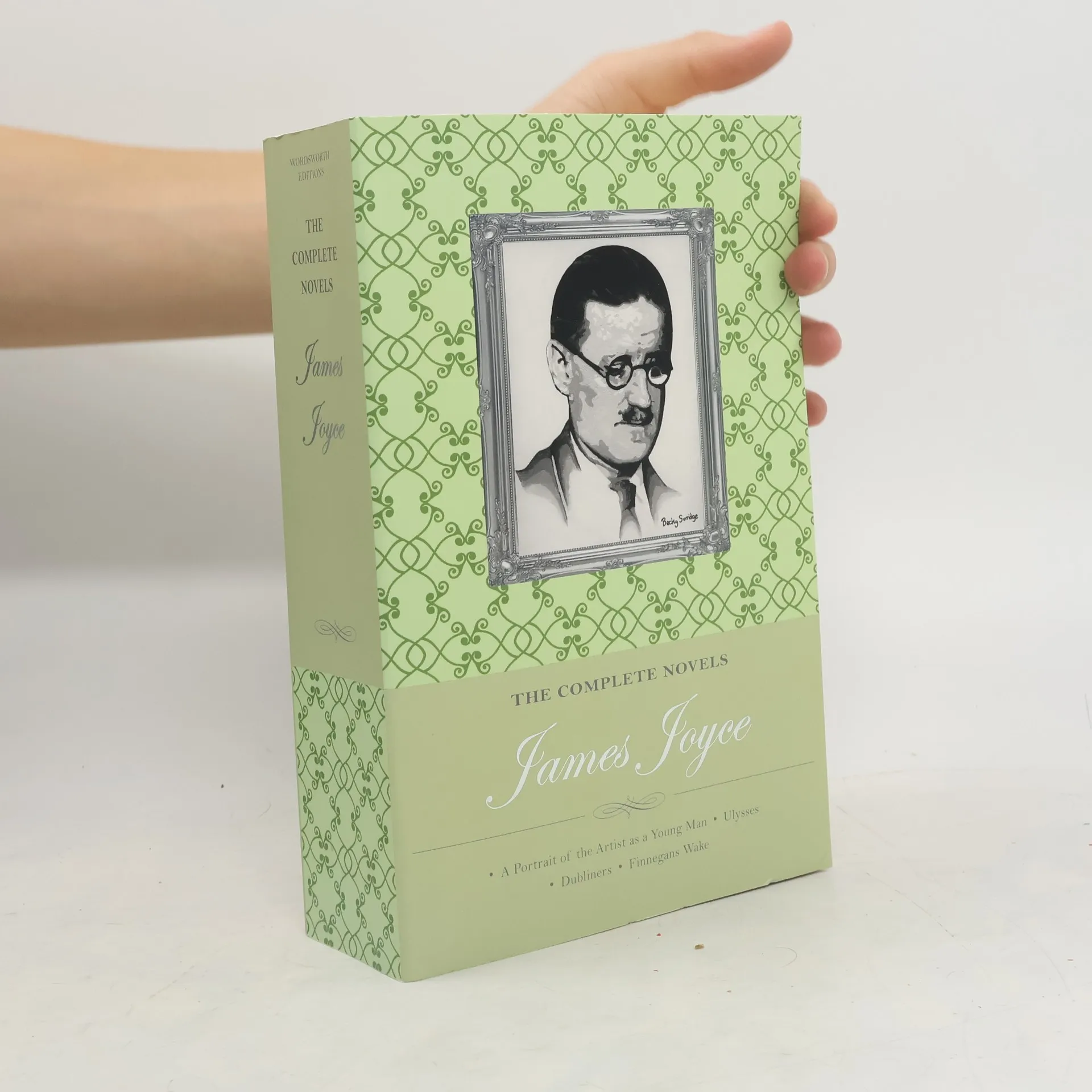
Includes James Joyce's three novels, A Portrait of the Artist as a Young Man, Ulysses and Finnegans Wake. It also includes the short story collection, Dubliners.
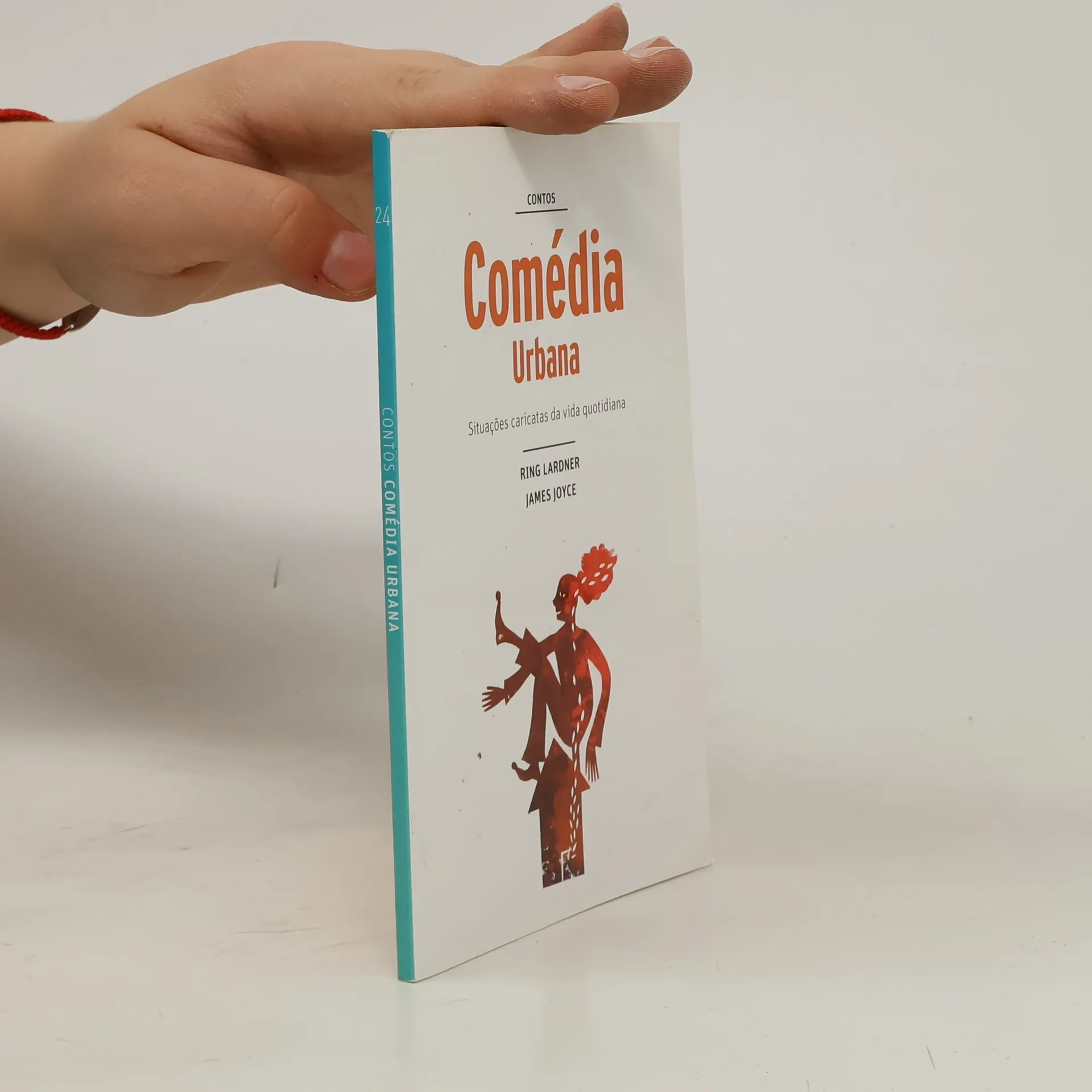
Contos Comédia Urbana
Situações caricatas da vida quotidiana
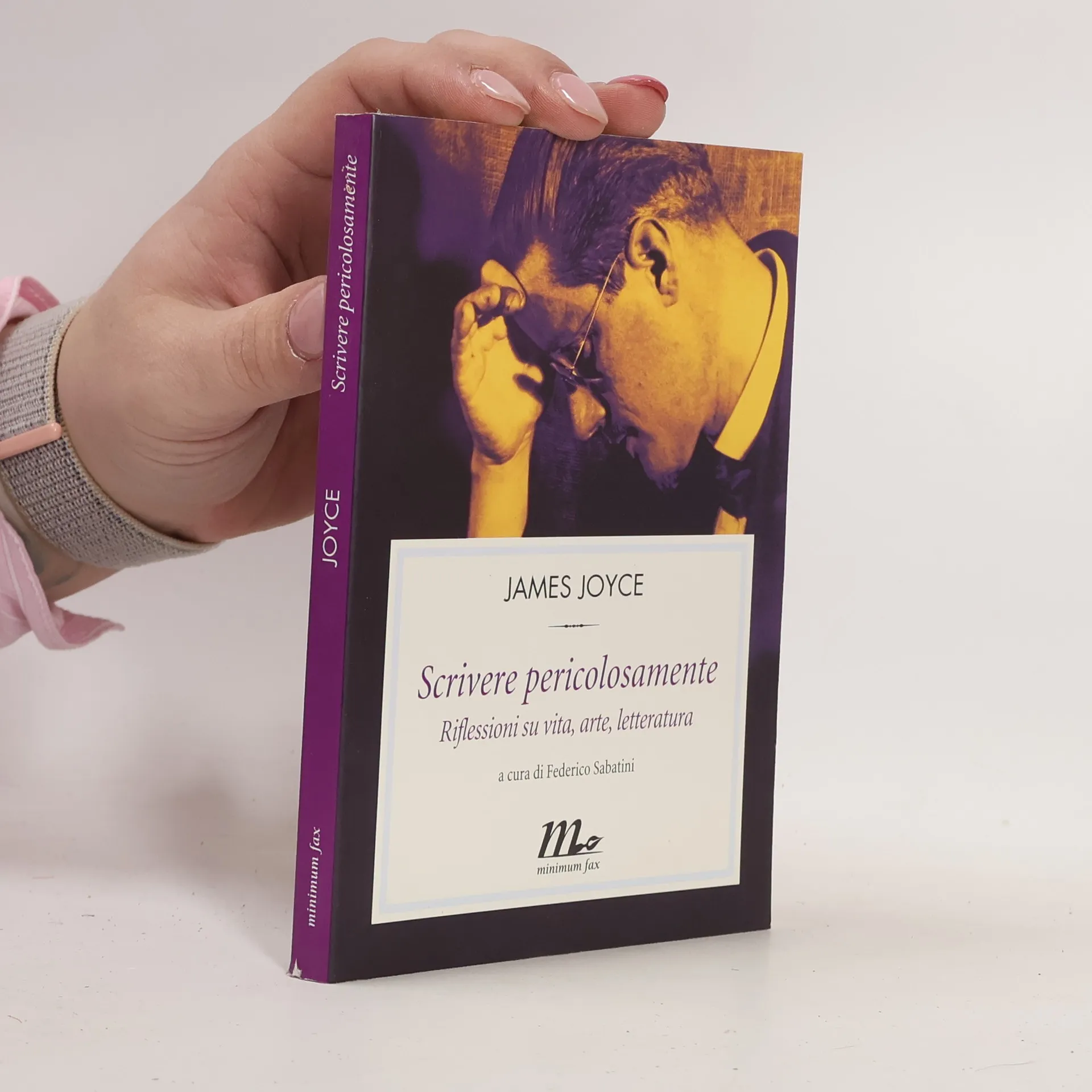
Nel 2011 ricorre il settantesimo anniversario della morte di James Joyce, ma per i lettori e gli scrittori di tutto il mondo l’autore dell’ Ulisse e di Gente di Dublino è più vivo che mai, come dimostra il successo del Bloomsday, la commemorazione che, da più di mezzo secolo a questa parte, il 16 giugno di ogni anno vede svolgersi eventi in suo onore in centinaia di città. Minimum fax ha scelto a sua volta di rendere omaggio a Joyce con una raccolta di citazioni, per la curatela di Federico Sabatini, che, spaziando dalla narrativa ai saggi alle lettere, offrono per la prima volta una panoramica completa e accessibile del suo pensiero sull’arte di scrivere: riflessioni sul processo creativo, sulle tecniche di narrazione, sul mercato editoriale, sul ruolo dello scrittore, nonché preziose osservazioni critiche sulla propria opera e quella altrui. Molto più agile da consultare rispetto a un manuale accademico, ma altrettanto ricco nei contenuti, Scrivere pericolosamente è un libro adatto al pubblico degli studenti e degli studiosi così come a quello dei semplici appassionati di letteratura e scrittura: ed è il perfetto complemento saggistico alle opere narrative di un grande classico del Novecento.
Love Letters Of Great Men
- 136 Seiten
- 5 Lesestunden
LOVE LETTERS OF GREAT MEN (Volume 1) is an anthology of romantic love letters written by leading male historical figures. *** The book plays a key role in the plot of the US movie Sex and the City. *** When Carrie Bradshaw in the "Sex and the City" movie began reading the book Love Letters of Great Men, millions of women wanted to get their hands on the book. Of course, what could be more romantic than an entire book of love letters, written by men! *** The book includes love letters written by Ludwig van Beethoven, Pietro Bembo, Napolean Bonaparte, Rupert Brooke, Robert Browning, Robert Burdette, Lord Byron, Lord Randolph Churchill, Winston Churchill, Mark Twain, John Constable, Cuff Cooper, Oliver Cromwell, Pierre Curie, Alfred de Musset, F. Scott Fitzgerald, Gustave Flaubert, Johann Wolfgang von Goethe, Lyman Hodge, Count Gabriel Honore de Mirbeau, Victor Hugo, James Joyce, Franz Kafka, John Keats, Henry IV of France, Henry VIII, Franz Liszt, Jack London, Wolfgang Amadeus Mozart, Thomas Otway, Robert Peary, Sir Walter Raleigh, Theodore Roosevelt, Jr., John Ruskin, Robert Schumann, George Bernard Shaw, Richard Steele, Alfred de Musset, Dylan Thomas, Count Leo Tolstoy, Vincent Van Gogh, Voltaire, Henry von Kleist, and Woodrow Wilson.
Gente di Dublino. Ediz. integrale
- 192 Seiten
- 7 Lesestunden
Ritratto dell'artista da giovane. Ediz. integrale
- 221 Seiten
- 8 Lesestunden
Liebesgedichte
- 108 Seiten
- 4 Lesestunden
Joyce ging es darum, »die perfektesten Liebeslieder unserer Zeit« zu schreiben, was in seinen Augen nur möglich war, solange er nicht wirklich verliebt war, sondern dichtend eine ideale, überwirkliche Liebe besingen konnte.
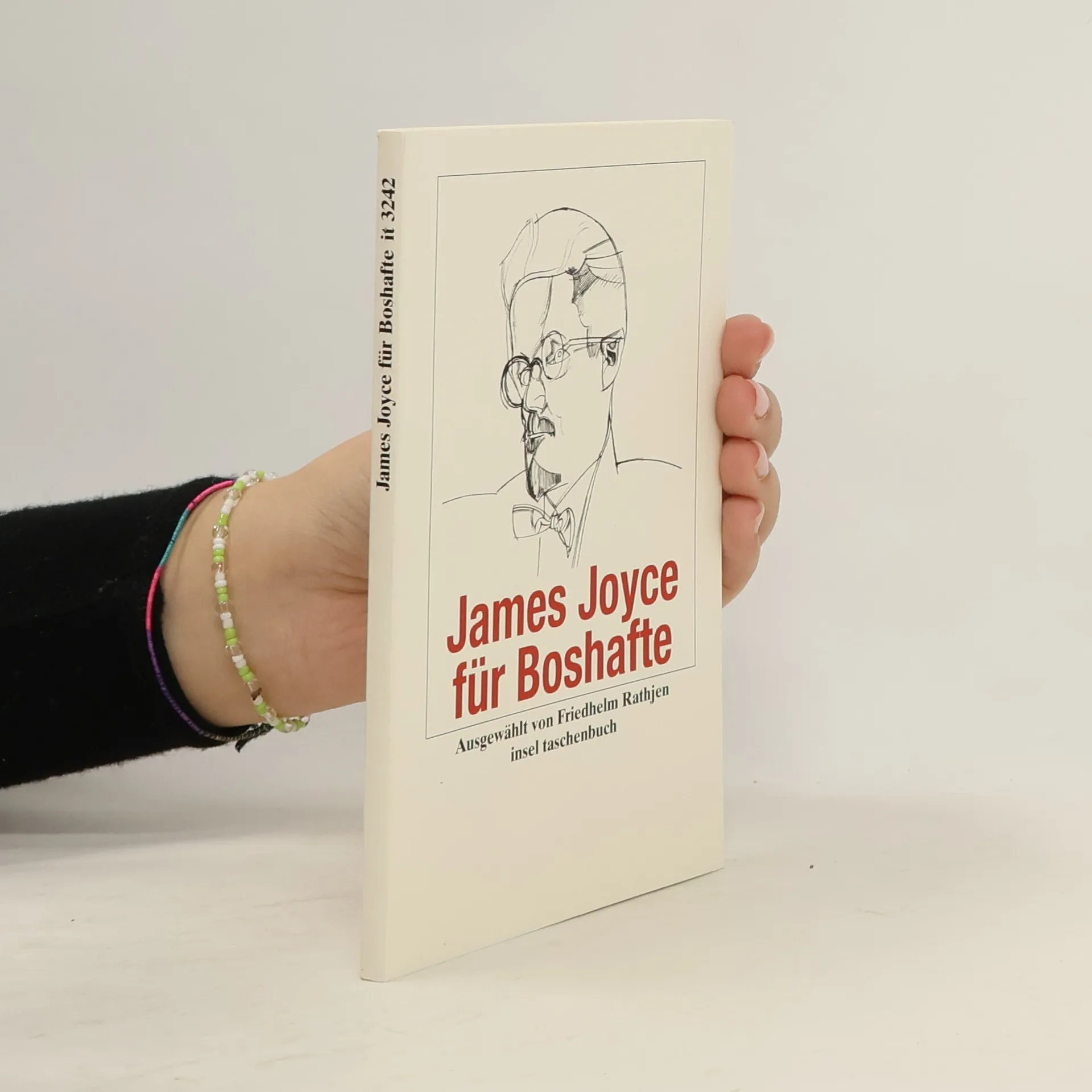
Insel Taschenbuch: James Joyce für Boshafte
- 117 Seiten
- 5 Lesestunden
Für Liebhaber des boshaften Humors: James Joyce. »Rom kommt mir vor wie ein Mann, der davon lebt, daß er die Leiche seiner Großmutter für Reisende zur Schau stellt.«
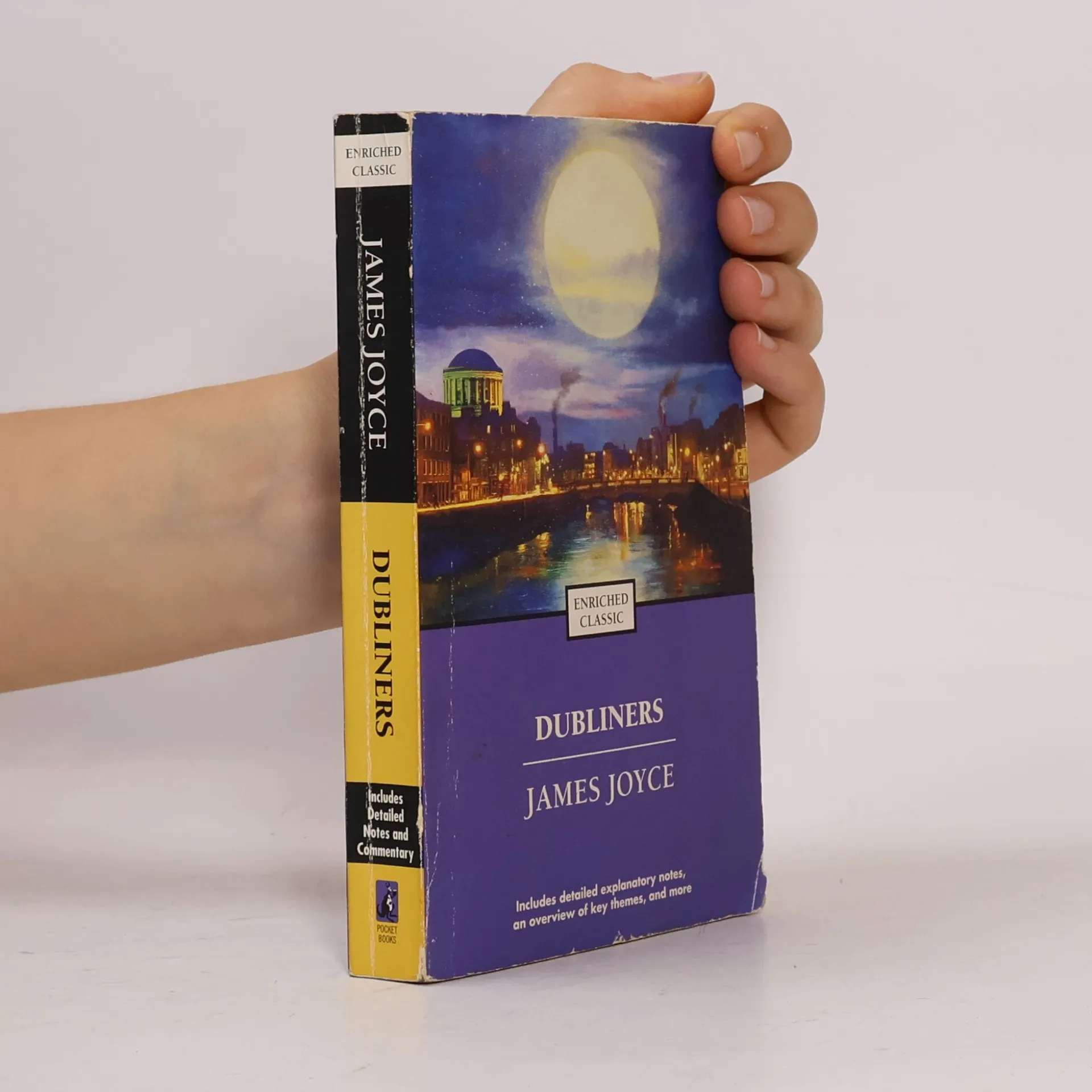
Dubliners, completed when James Joyce was only twenty-five, is the first of his works to demonstrate the unique, innovative style that would make him one of the most influential novelists of the twentieth century.
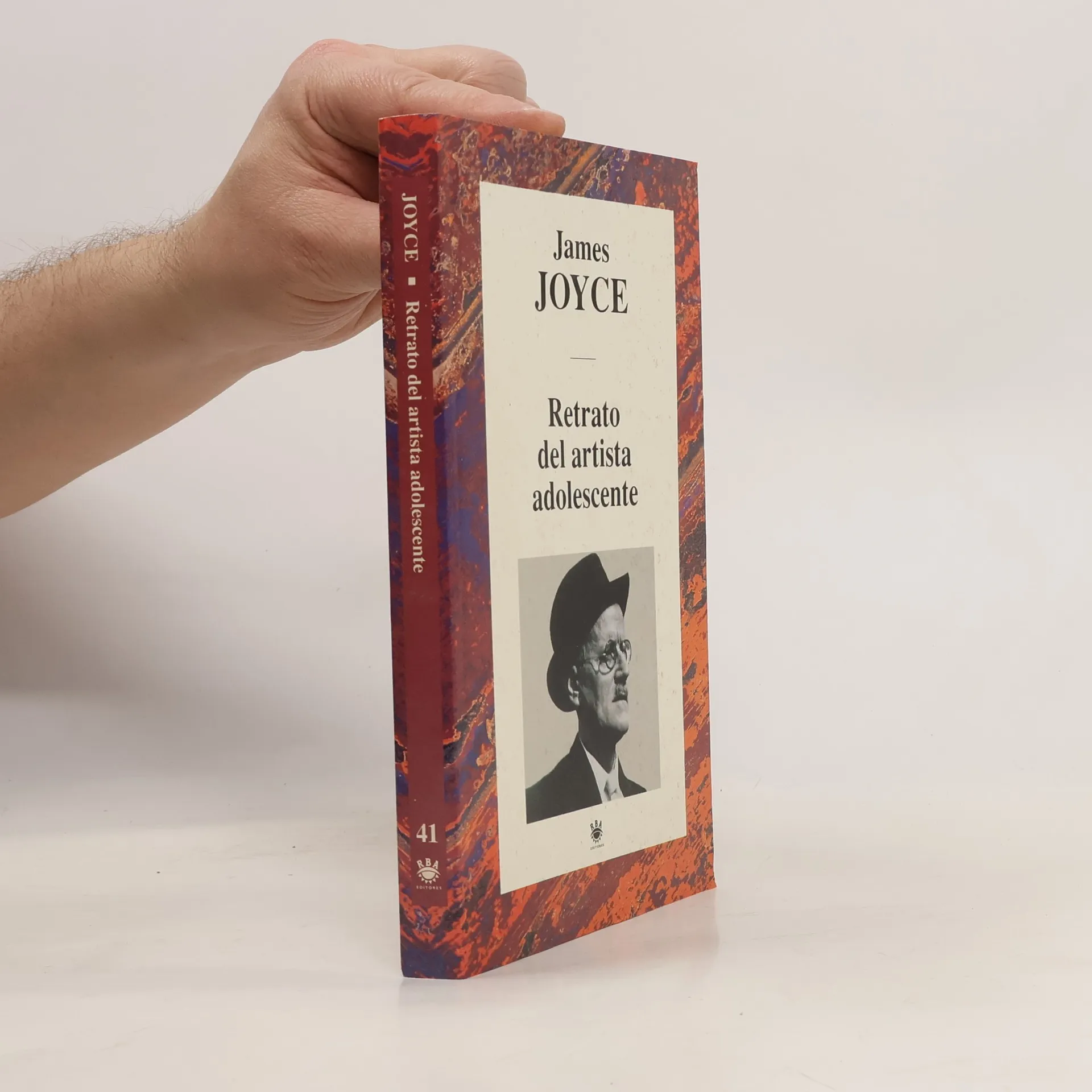
Obras Completas I
"Ulises", "Stephen el Héroe", "Retrato del Artista Adolescente"
- 827 Seiten
- 29 Lesestunden
Incluye: .
Ein Pörtrait des Künslters als junger Mann
- 285 Seiten
- 10 Lesestunden
\"Einer der grossten Schriftsteller nicht nur unserer Zeit, sondern aller europaischer Literatur.\" -- T. S. Eliot
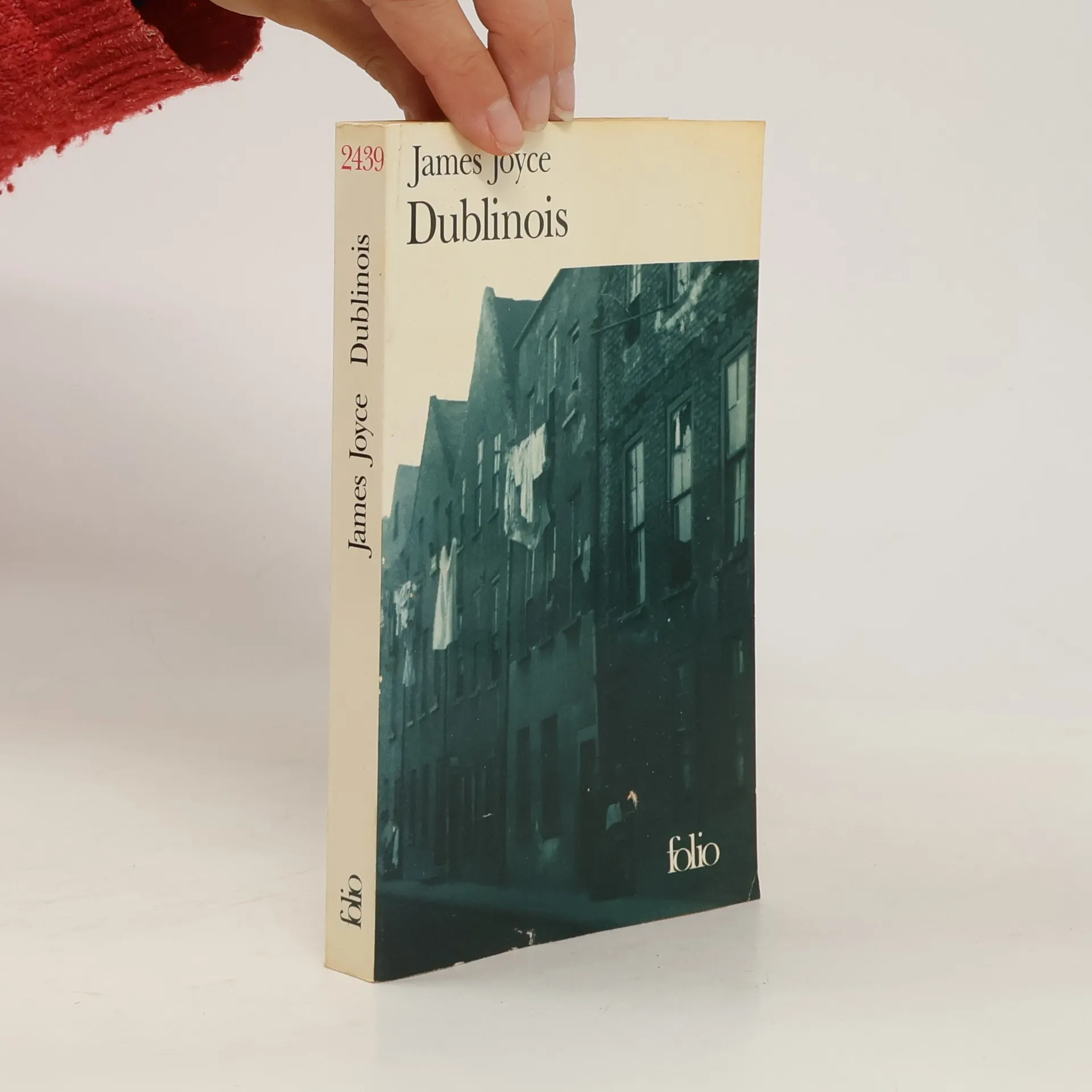
folio - 2439: Dublinois
- 352 Seiten
- 13 Lesestunden
Après la publication en 1907 de poésies de jeunesse, James Joyce publie en 1914 un recueil de nouvelles commencé dès 1902. Il s'agit de Dublinois. Quelle surprise pour les lecteurs de découvrir ces quinze nouvelles, si sages, si classiques, si claires. Dans ce livre, Joyce décrit, avec un sens profond de l'observation, les mœurs de la bourgeoisie irlandaise, l'atmosphère trouble et le destin tragique de la société de l'époque. Les thèmes favoris de Joyce, l'enfance, l'adolescence, la maturité, la vie publique sont ici incarnés par divers types d'habitants de Dublin, «ce cher et malpropre Dublin» que Joyce aimait tant. --back cover
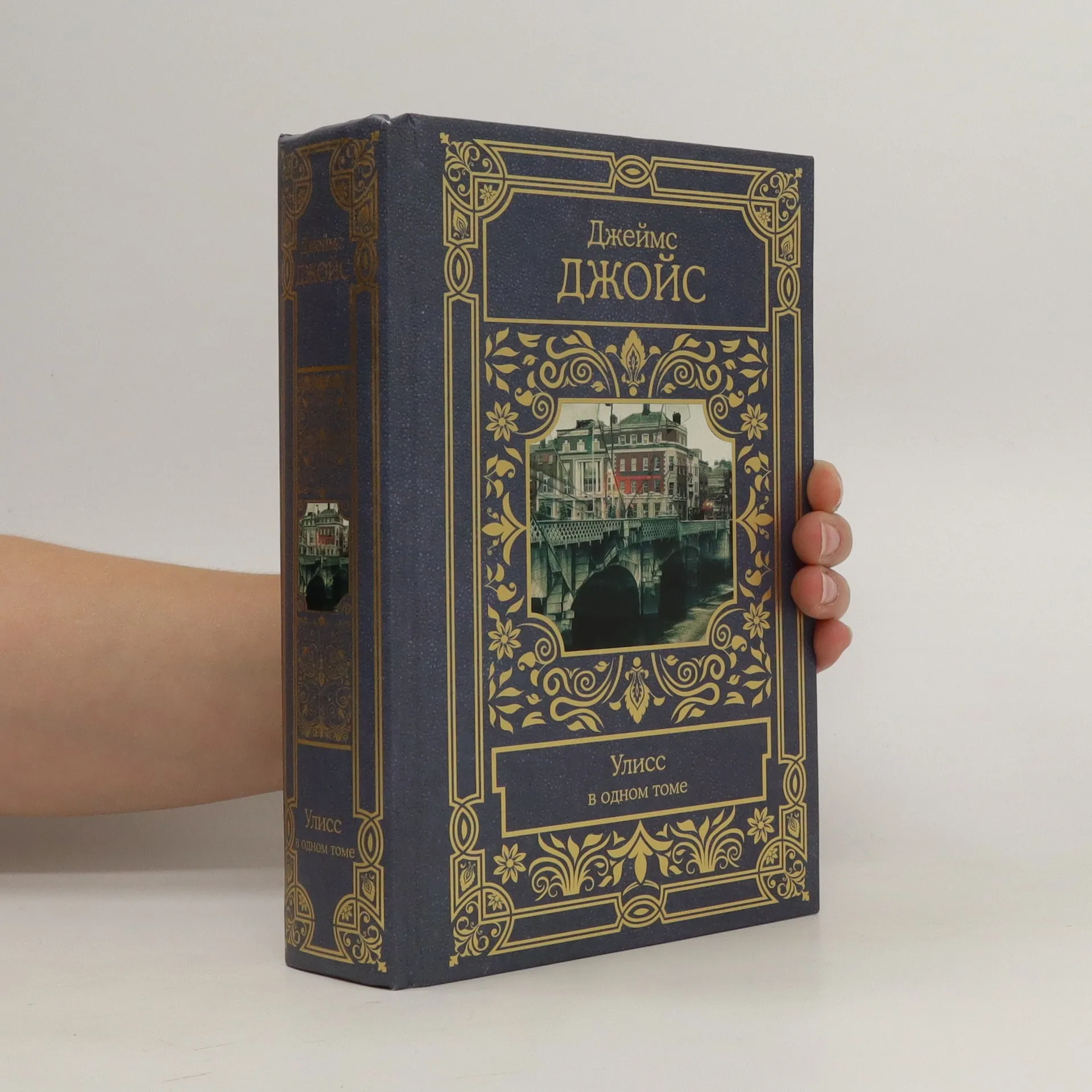
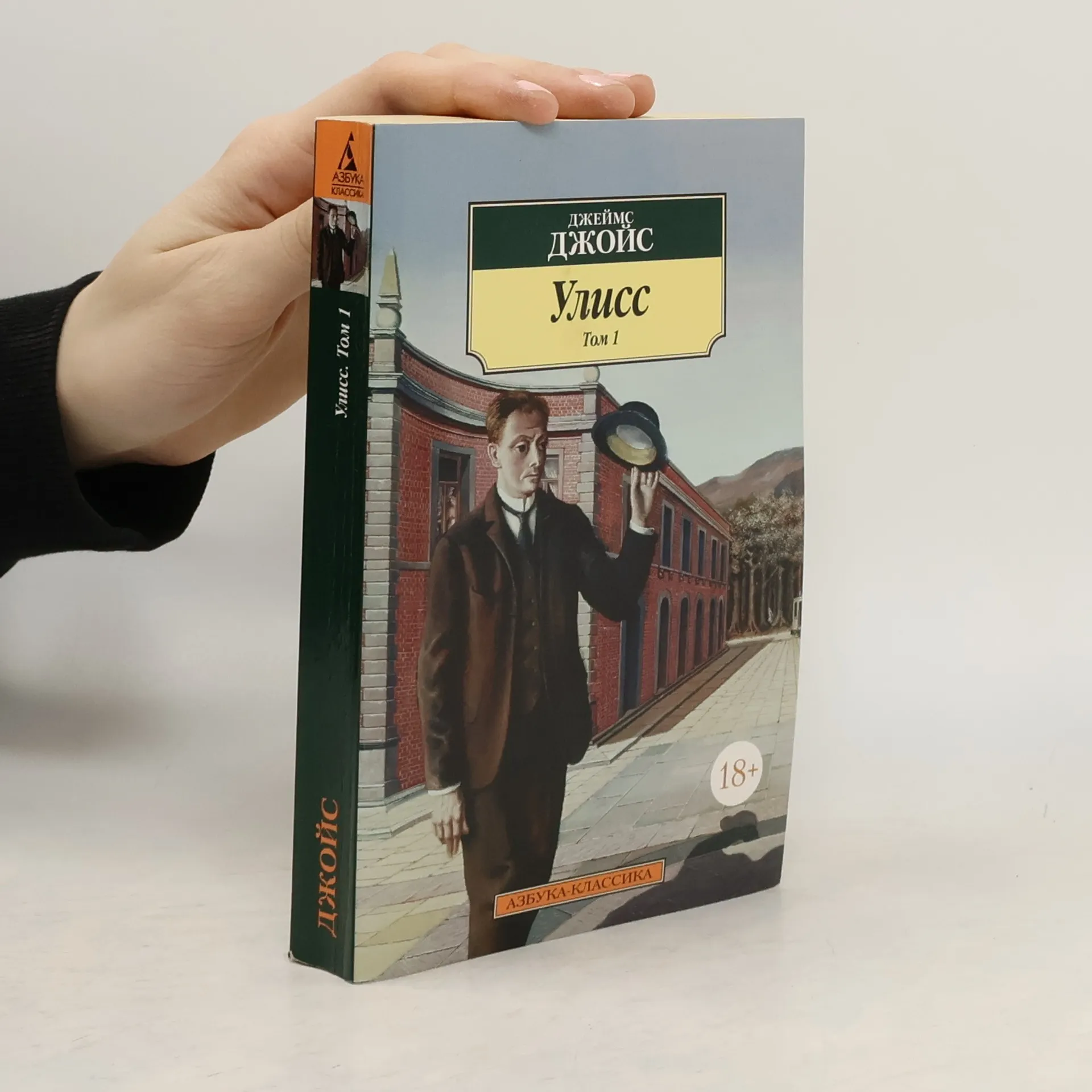
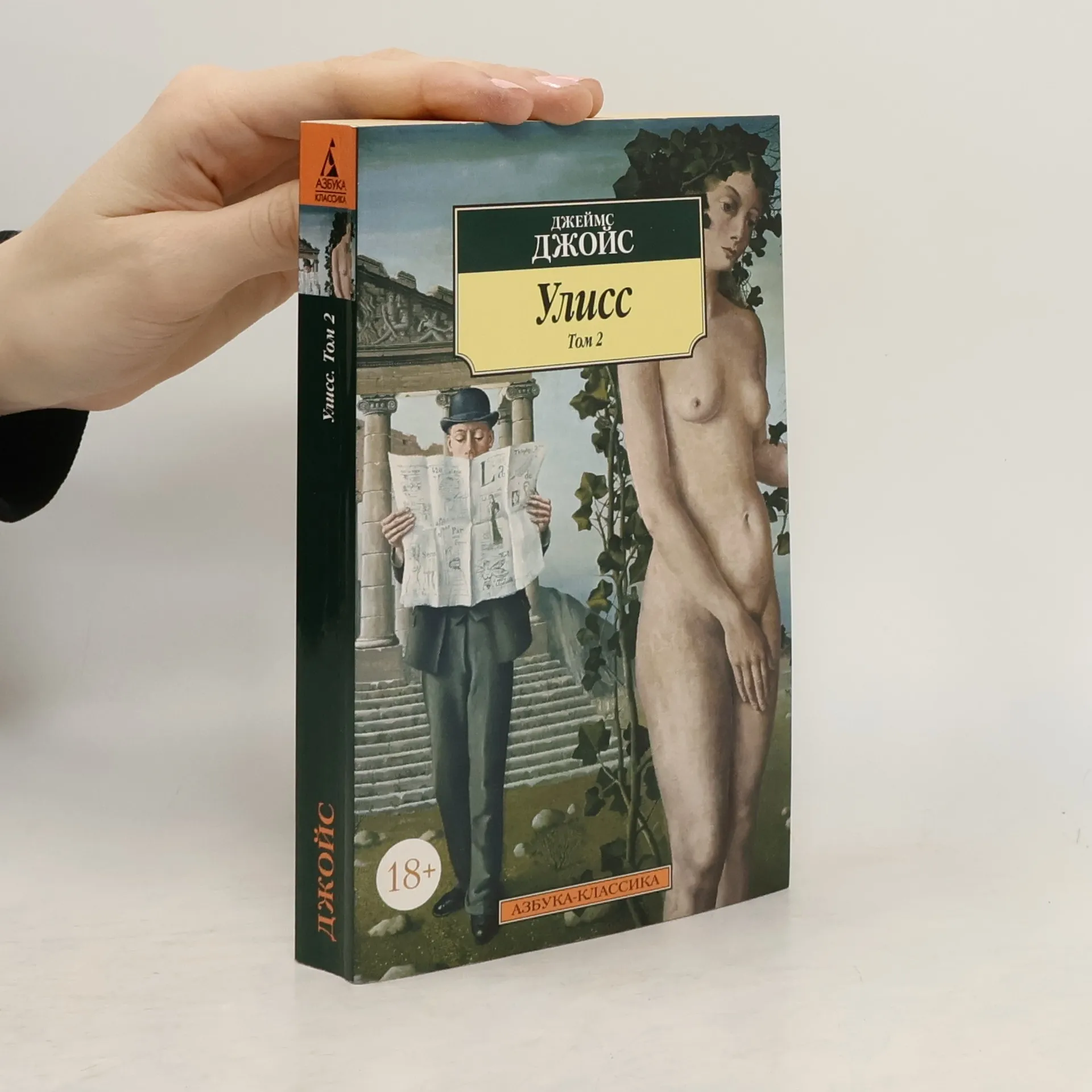
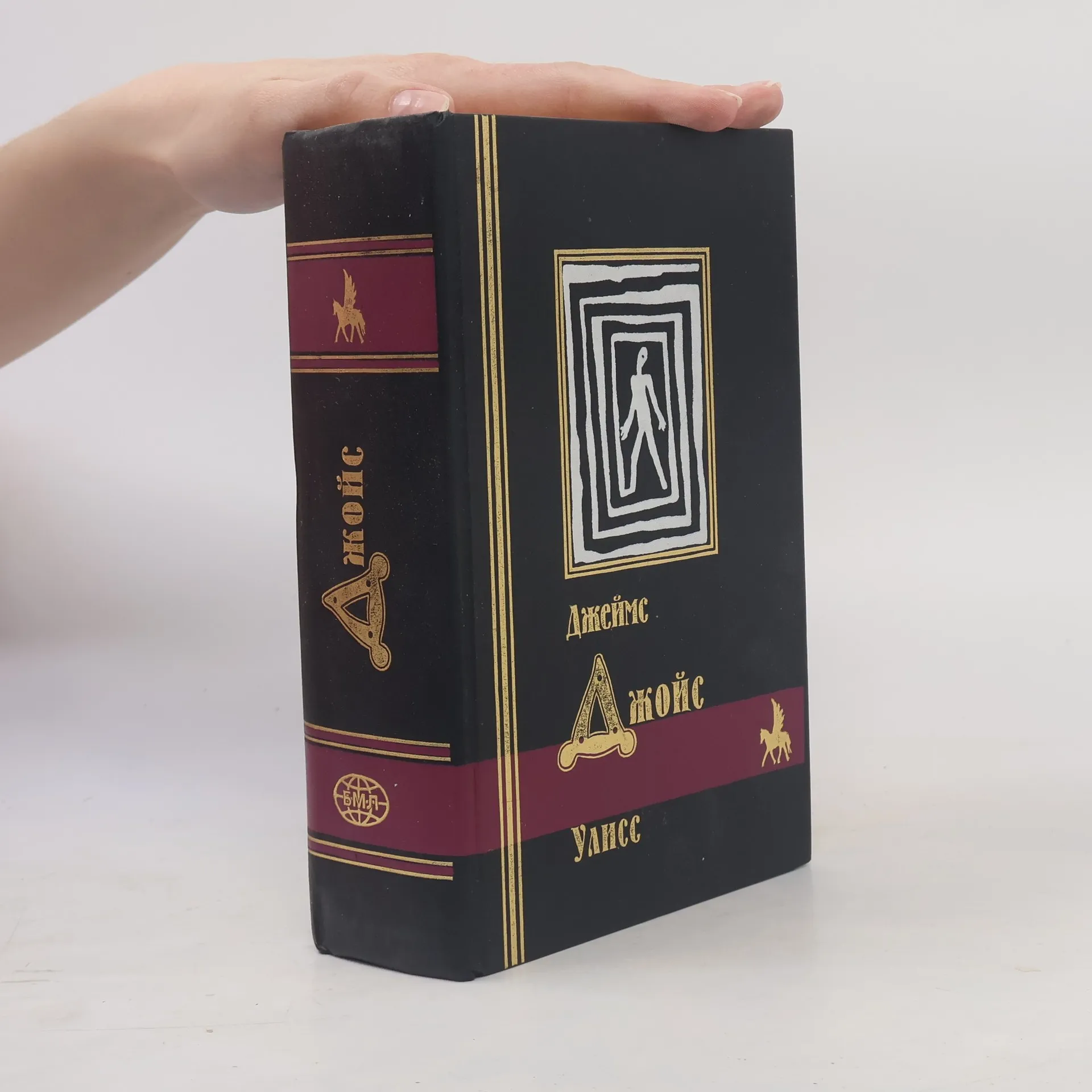
Улисс
- 1149 Seiten
- 41 Lesestunden
Роман "Улисс" - главное произведение великого ирландского писателя Д. Джойса, определивший пути развития искусства прозы и не раз признанный лучшим, значительнейшим романом за всю историю этого жанра.
James Joyce
- 237 Seiten
- 9 Lesestunden
Chamber Music
- 44 Seiten
- 2 Lesestunden
The collection features thirty-six love poems that explore themes of intimacy and longing, crafted with Joyce's signature lyrical style. Initially titled by his brother, Joyce later expressed dissatisfaction with "Chamber Music," seeking a title that would better reflect the work's depth. Despite its earthy connotations, the poetry is not crude but rather celebrated for its emotional resonance. Though it faced slow sales, critical reception was positive, highlighting Joyce's emerging voice in early 20th-century literature.
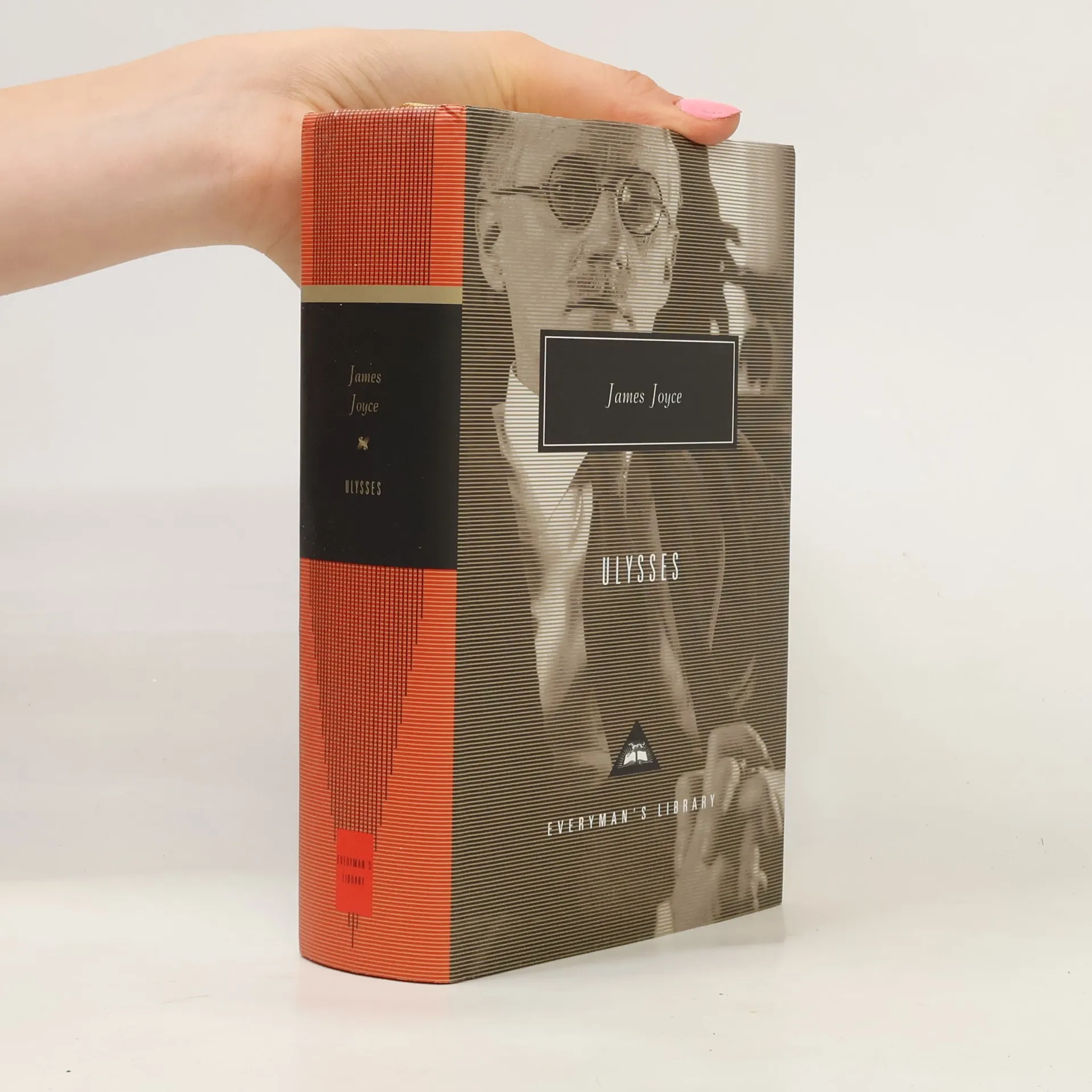
Everyman's Library: Ulysses, English Edition
- 1076 Seiten
- 38 Lesestunden
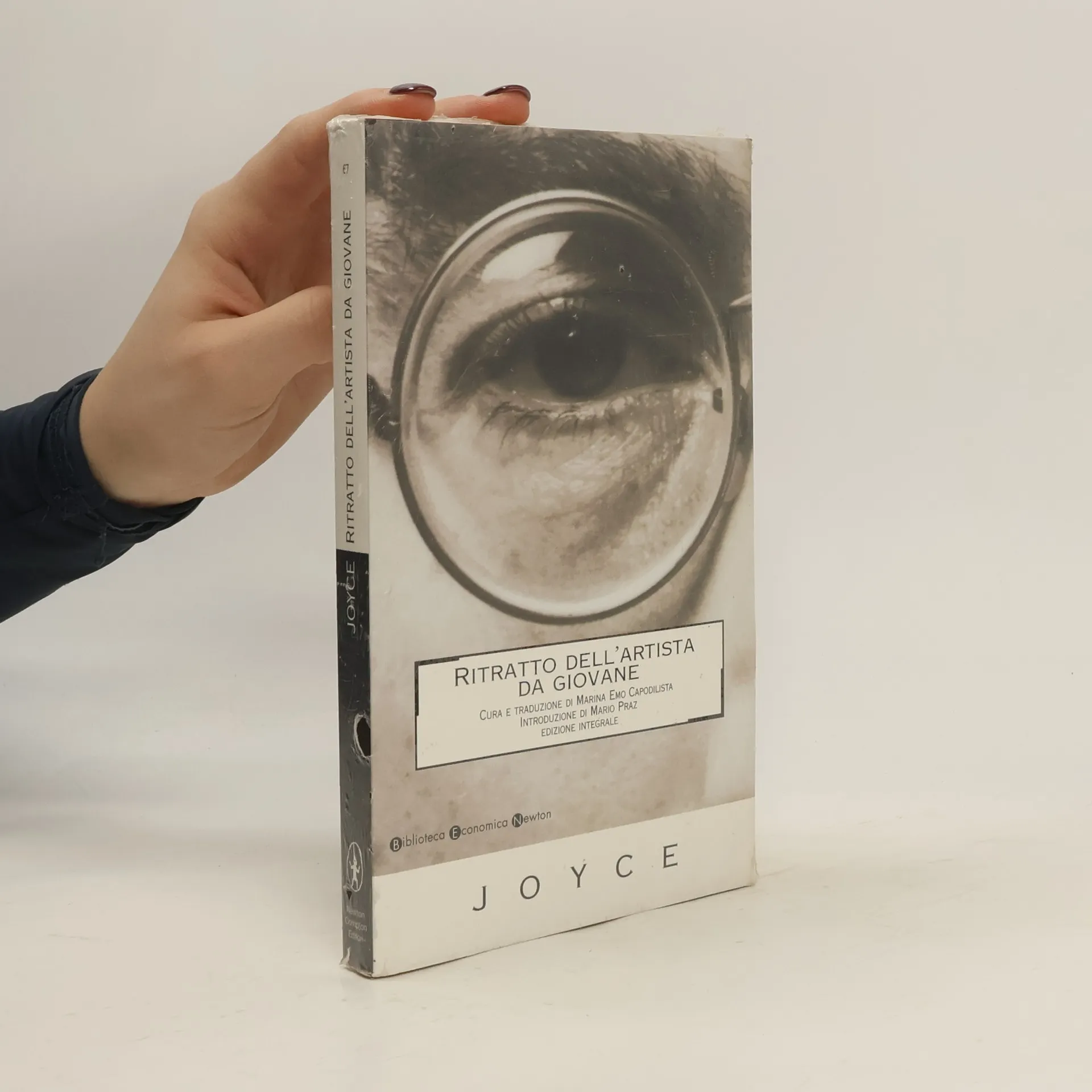
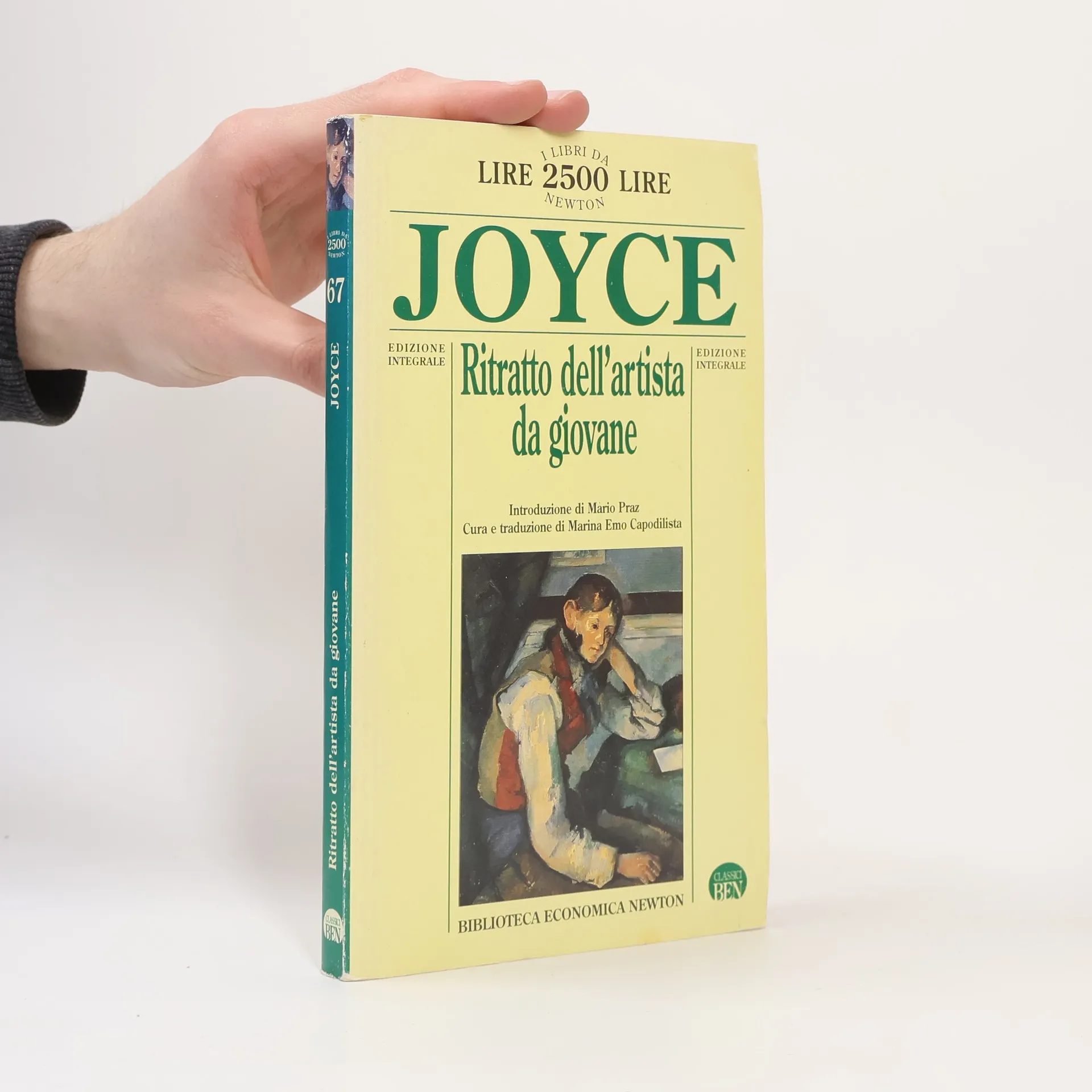
Biblioteca economica Newton - 67: Ritratto dell'artista da giovane
Edizione integrale
- 224 Seiten
- 8 Lesestunden
Il Ritratto dell’artista da giovane è la storia di una mente creativa: un’educazione intellettuale, insomma, piuttosto che sentimentale. Attingendo ampiamente alla propria biografia, Joyce racconta, in uno stile mirabile per inventiva e fantasia, la formazione della personalità del giovane protagonista Stephen Dedalus, il suo alter ego, dall’infanzia nel collegio gesuita alla scoperta della vocazione per l’Arte. Sembra proprio che parli Joyce per bocca di Dedalus, quando dice: «Tenterò di esprimere me stesso in qualche modo di vita o di arte, quanto più potrò liberamente e integralmente, adoperando per difendermi le sole armi che mi concedo di usare: il silenzio, l’esilio e l’astuzia ». Un capolavoro della letteratura, dall’autore dell’Ulisse.
Coleccion Diez Relatos: 10 relatos de mujeres
- 211 Seiten
- 8 Lesestunden
Contents:Intuición femenina / Isaac Asimov -- Traducción de Lorenzo CortinaProfesor Miseria / Truman Capote -- Traducción de Juan VilloroLa romántica / Patrica Highsmith -- Traducción de Jordi BeltránUna madre / James Joyce -- Traducción de Guillermo CabreraParece tan dulce / Rosa Montero --La ciociara / Alberto Moravia -- Traducción de Ma Esther BenítezSilba para llamar al viento / Rosamunde Pilcher -- Traducción de Margarita CavándoliPigmalión / Manuel Vázquez Montalbán --La imagen móvil / Edith Wharton -- Traducción de Rosa S. de NaveiraEl vestido nuevo / Virginia Woolf -- Traducción de Andrés Bosch
Die Katze und der Teufel
- 36 Seiten
- 2 Lesestunden
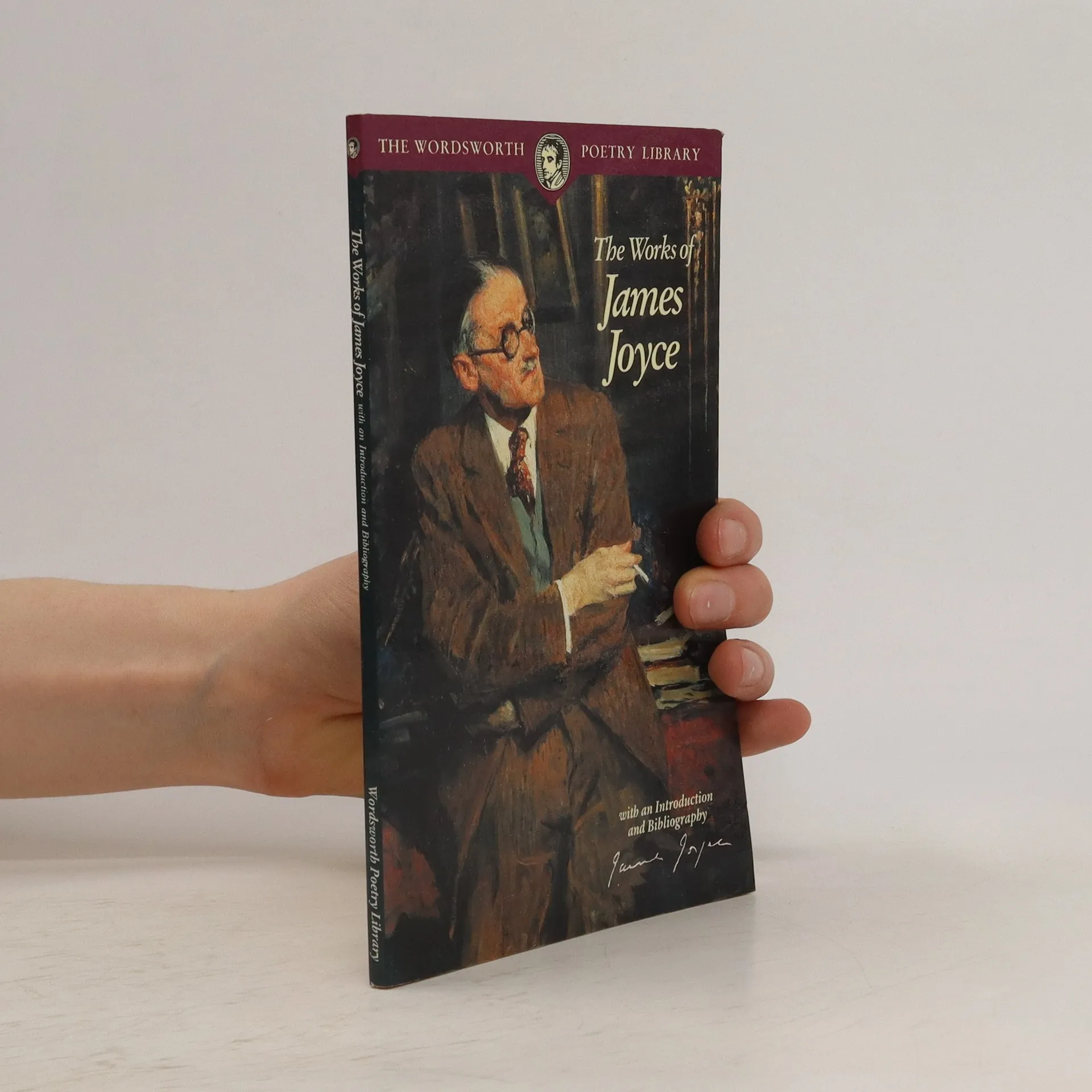
The Works of James Joyce
- 64 Seiten
- 3 Lesestunden
The Wordsworth Poetry Library comprises the works of the greatest English-speaking poets, as well as many lesser-known poets. Each collection has a specially commissioned introduction.
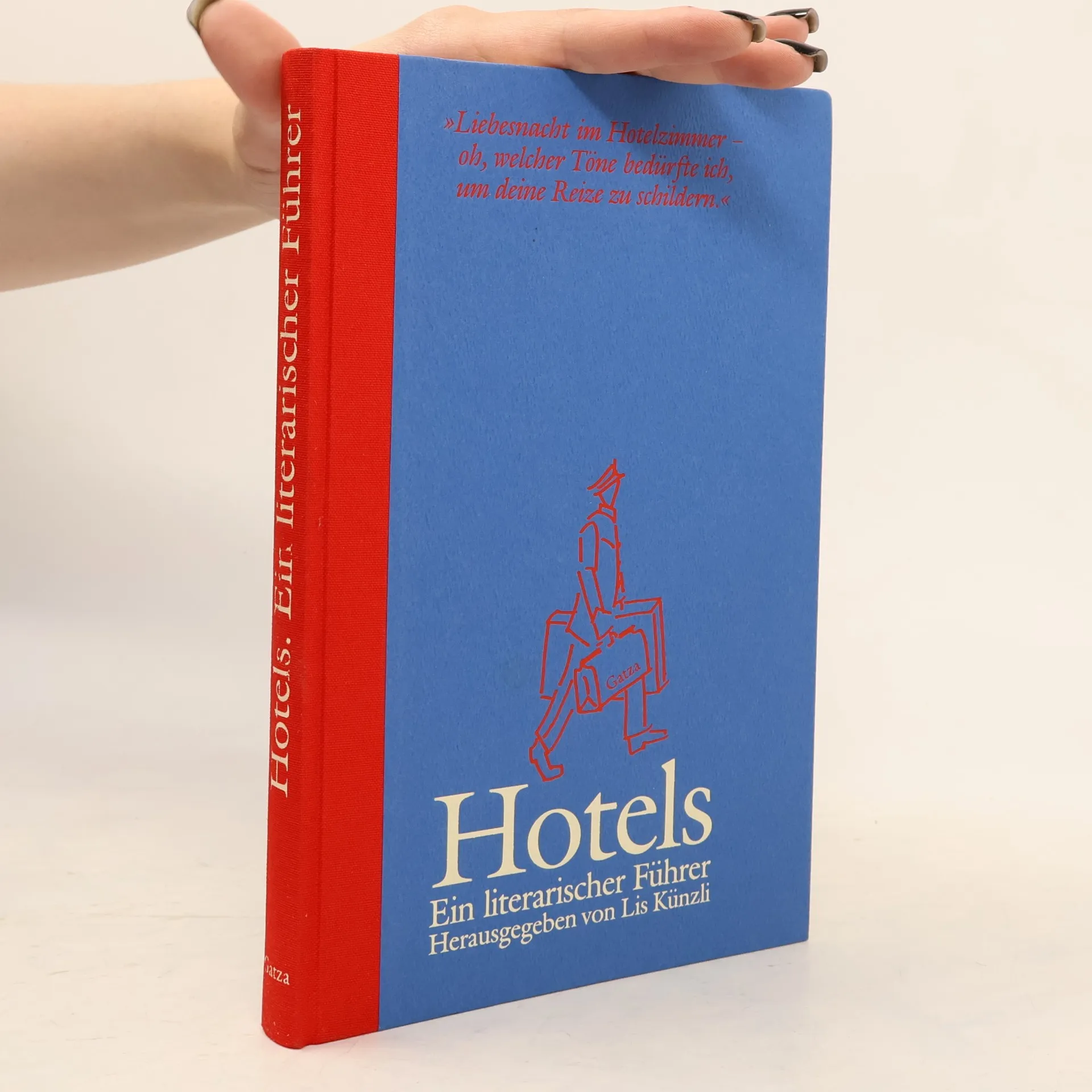
Hotels
Ein literarischer Führer
Joseph Roth: Ich will hier heimise.. Der nicht zu Hause. Ich möchte kommen und gehen, kommen und gehen. Thomas Mann: Schließlich, man braucht eine Kommode! Anaïs Nirs: Dagegen habe ich festgestellt, daß die Betten fremder Hotelzimmer, in denen anonyme Liebende gelegen hatten, meine Einbildungskraft anstachelten. Kurt Tucholsky: In einem fremden Hotelzimmer öffnet man das Fenster und macht es wieder zu und geht hin und her. Dann lege ich den Kopf an die Scheibe und mache ein dummes Gesicht. Die Nägel könnte ich mir auch mal schneiden. Was tue ich eigentlich hier? Franz Kafka: Ich kann fast von jedem Hotelzimmer, in dem ich gelebt habe, nur das Beste erzählen. Eine Liebeserklärung an das Leben im Hotel.
Gente di Dublino. Passioni e storie di gente comune
- 208 Seiten
- 8 Lesestunden
Verbannte. Ein Stück in drei Akten
- 142 Seiten
- 5 Lesestunden
"Verbannte" ist Joyces einziges, wenig bekanntes Theaterstück, das zwischen "Bildnis des Künstlers" und "Ulysses" steht. Es wurde 1913/15 in Triest geschrieben und 1918 veröffentlicht. Die neue Übersetzung von Klaus Reichert zeigt die Verbindungen zu Ibsen und die eigene Problemstellung Joyces.
Irland
- 159 Seiten
- 6 Lesestunden
Reflections of Ireland
- 160 Seiten
- 6 Lesestunden
A selection of extracts from the work of James Joyce, accompanied by photographs of Ireland.
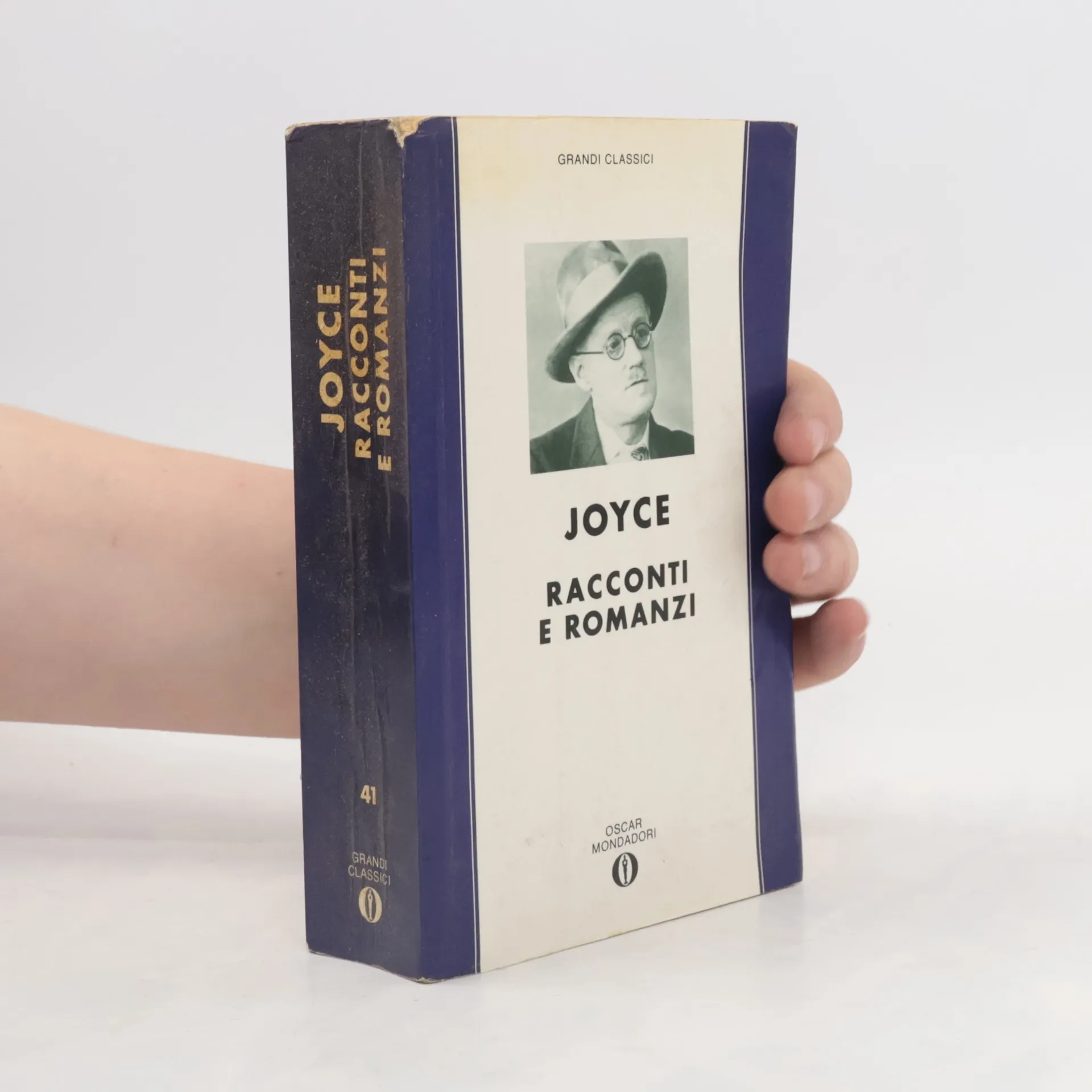
Oscar grandi classici - 41: Racconti e romanzi
- 833 Seiten
- 30 Lesestunden
Raccolta dei romanzi scritti dell'autore, fra cui: Gente di Dublino, Dedalus, La genesi di Dedalus, Ritratto dell'artista, Le gesta di Stephen.
Sfeervolle kerstvertellingen uit alle landen
- 240 Seiten
- 9 Lesestunden
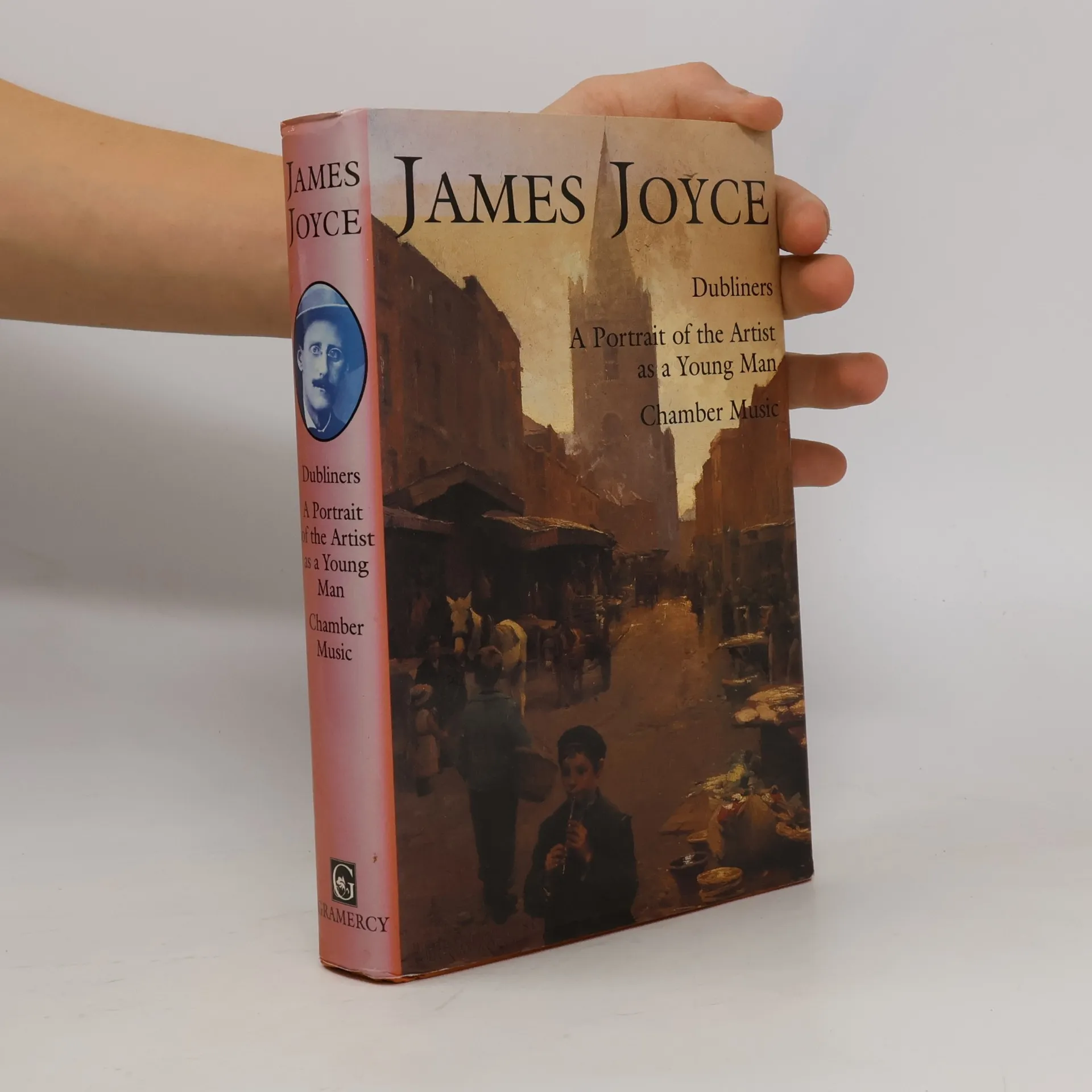
Dubliners / A Portrait of the Artist as a Young Man / Chamber Music
Dubliners, a Portrait of the Artist As a Yong Man, Chamber Music
- 428 Seiten
- 15 Lesestunden
James Joyce is indisputably one of the most original and influential writers of the twentieth century. His first three works--never before collected in one volume--present Joyce at his most accessible. His writing from this period in his career is polished yet marvelously lyrical. Joyce was born in Dublin in 1882 (he died in 1941), and these beautifully expressive works illustrate an Irishman's mastery of the English language, reflecting the Irish culture's love for words as well as its unique identity.
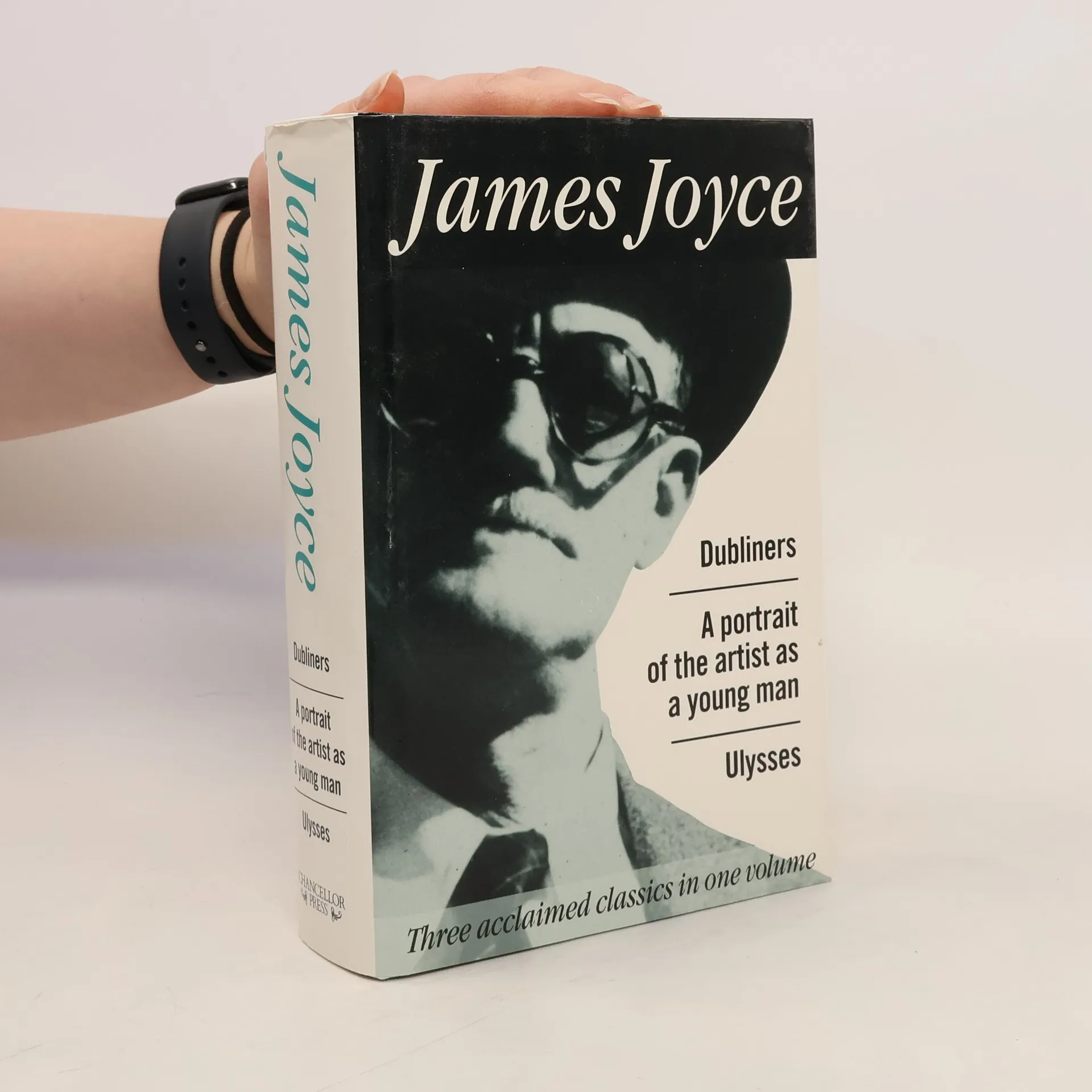
Dubliners; A Portrait of the Artist as a Young Man; Ulysses
- 742 Seiten
- 26 Lesestunden
This is a collection of three great classic novels from James Joyce: Dubliners, Ulysses, A Portrait of the Artist as a Young Man.
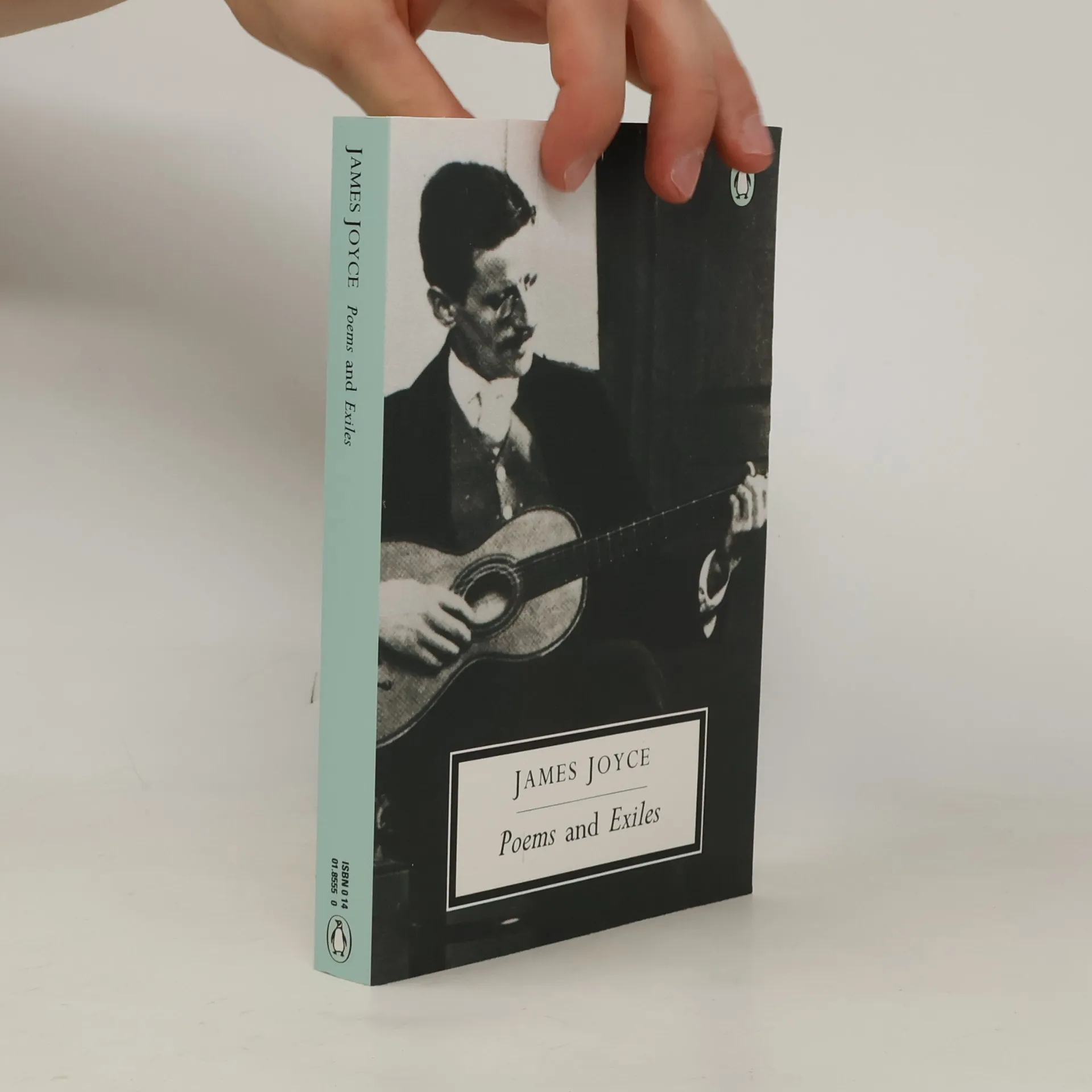
Poems and Exiles
- 448 Seiten
- 16 Lesestunden
It is only James Joyce's towering genius as a novelist that has led to the comparative neglect of his poetry and sole surviving play. And yet, argues Mays in his stimulating and informative introduction, several of these works not only occupy a pivotal position in Joyce's career; they are also magnificently assured achievements in their own right. Chamber Music is 'an extraordinary debut', fusing the styles of the nineties and the Irish Revival with irony and characteristic verbal exuberance. Pomes Penyeach and Exiles (highly acclaimed in Harold Pinter's 1970 staging) were written when Joyce had published Dubliners and was completing A Portrait of the Artist as a Young Man. Both confront painfully personal issues of adultery, jealousy and betrayal and so pave the way for the more detached and fully realized treatment in Ulysses. Joyce's occasional verse includes 'Ecce Puer' for his new-born grandson, juvenilia, satires, translations, limericks and a parody of Samuel Taylor Coleridge. All are brought together in this scholarly, fully annotated yet accessible new edition.
Portret artysty z czasów młodości
- 163 Seiten
- 6 Lesestunden
Dublin stories
- 156 Seiten
- 6 Lesestunden
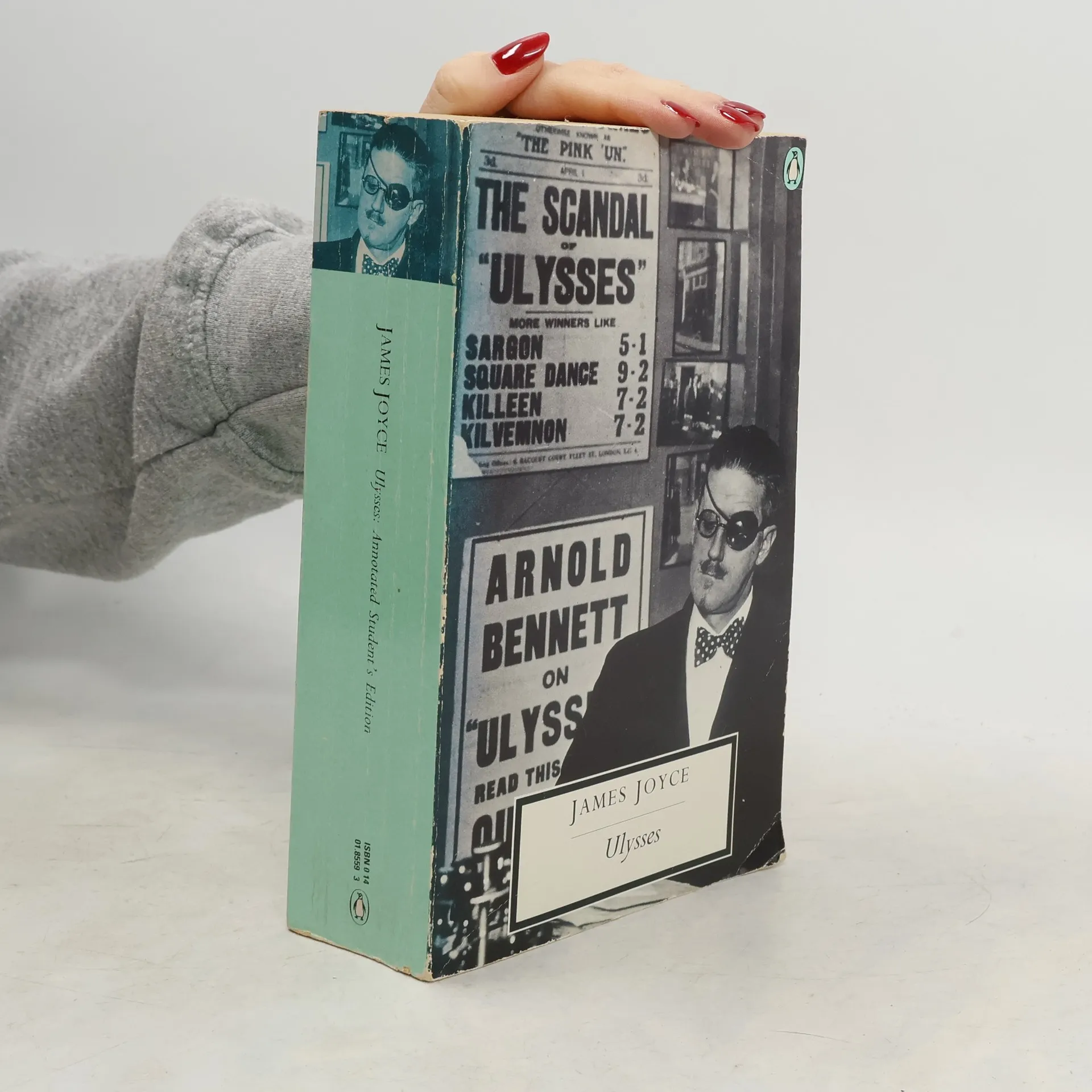
Ulysses : annotated student's edition
- 1194 Seiten
- 42 Lesestunden
Ulysses is a novel by the Irish author James Joyce. Ulysses chronicles the passage of Leopold Bloom through Dublin during an ordinary day, 16 June 1904 (the day of Joyce's first date with his future wife, Nora Barnacle). The title alludes to Odysseus (Latinised into Ulysses), the hero of Homer's Odyssey, and establishes a series of parallels between characters and events in Homer's poem and Joyce's novel (e.g., the correspondence of Leopold Bloom to Odysseus, Molly Bloom to Penelope, and Stephen Dedalus to Telemachus). Joyce fans worldwide now celebrate 16 June as Bloomsday. Ulysses' stream-of-consciousness technique, careful structuring, and experimental prose-full of puns, parodies, and allusions, as well as its rich characterisations and broad humour, made the book a highly regarded novel in the Modernist pantheon. In 1998, the Modern Library ranked Ulysses first on its list of the 100 best English-language novels of the 20th century.
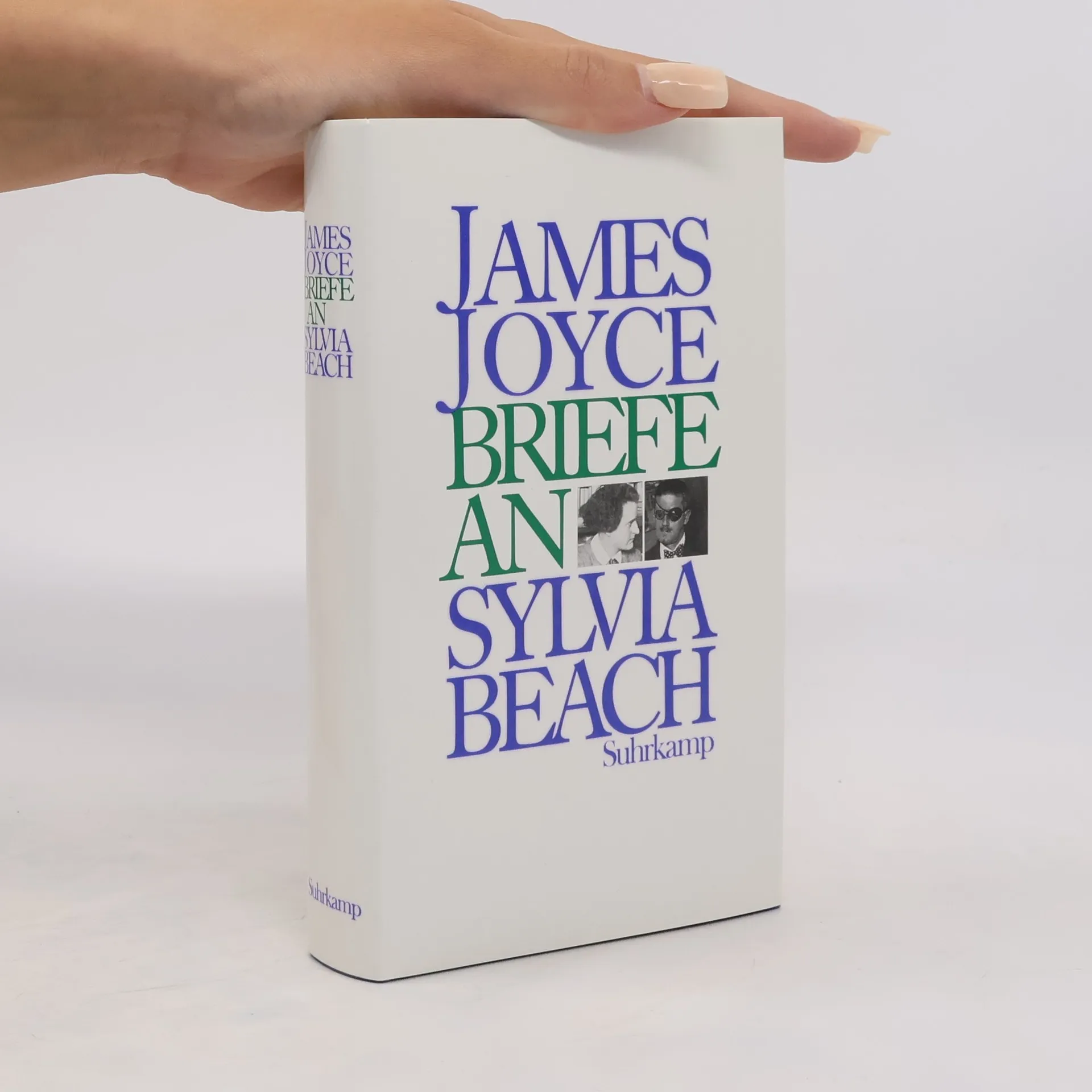
Briefe an Sylvia Beach
- 333 Seiten
- 12 Lesestunden
„Mal ist es eine Postkarte, mal ein Telegramm, mal ein Briefchen auf Hotelpapier, mal ein richtiggehendes kleines Bittgedicht, was Joyce zwischen den Jahren 1921 und 1940 an die Adresse von Sylvia Beach, »Shakespeare and Company«, Paris, schickte. So knapp die Zeilen oft sind und so förmlich das »Liebe Miss Beach« bis zum Schluß bleibt - was auf dem Strom dieser über 200 Mitteilungen herüberkommt, ist elementar: In ihr hatte er eine, auf die konnte er sich verlassen. Sylvia Beach war eine der wichtigsten Figuren in Joyces literarischer Karriere. Sie lancierte ihn, sie unterstützte und beschützte ihn; sie gab ihm viel mehr, als sie je bekam. Immerhin wurde sie durch diese Verbindung zur Verlegerin des bedeutendsten englischsprachigen Romans des zwanzigsten Jahrhunderts. Die hier gesammelten Briefe, kenntnisreich kommentiert, stellen die erste vollständige Dokumentation dieser bemerkenswerten Beziehung dar.“
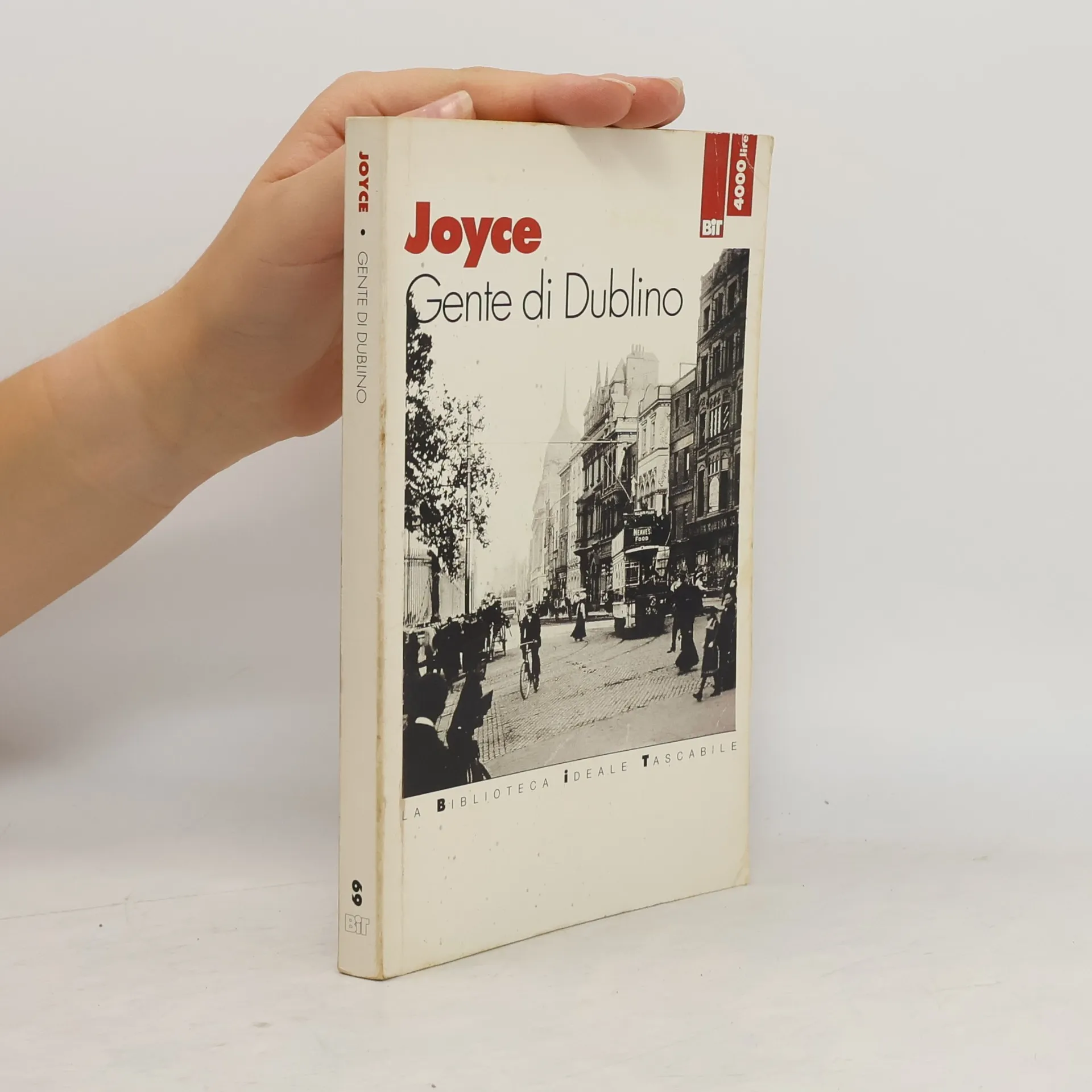
La Biblioteca ideale tascabile - 69: Gente di Dublino
- 224 Seiten
- 8 Lesestunden
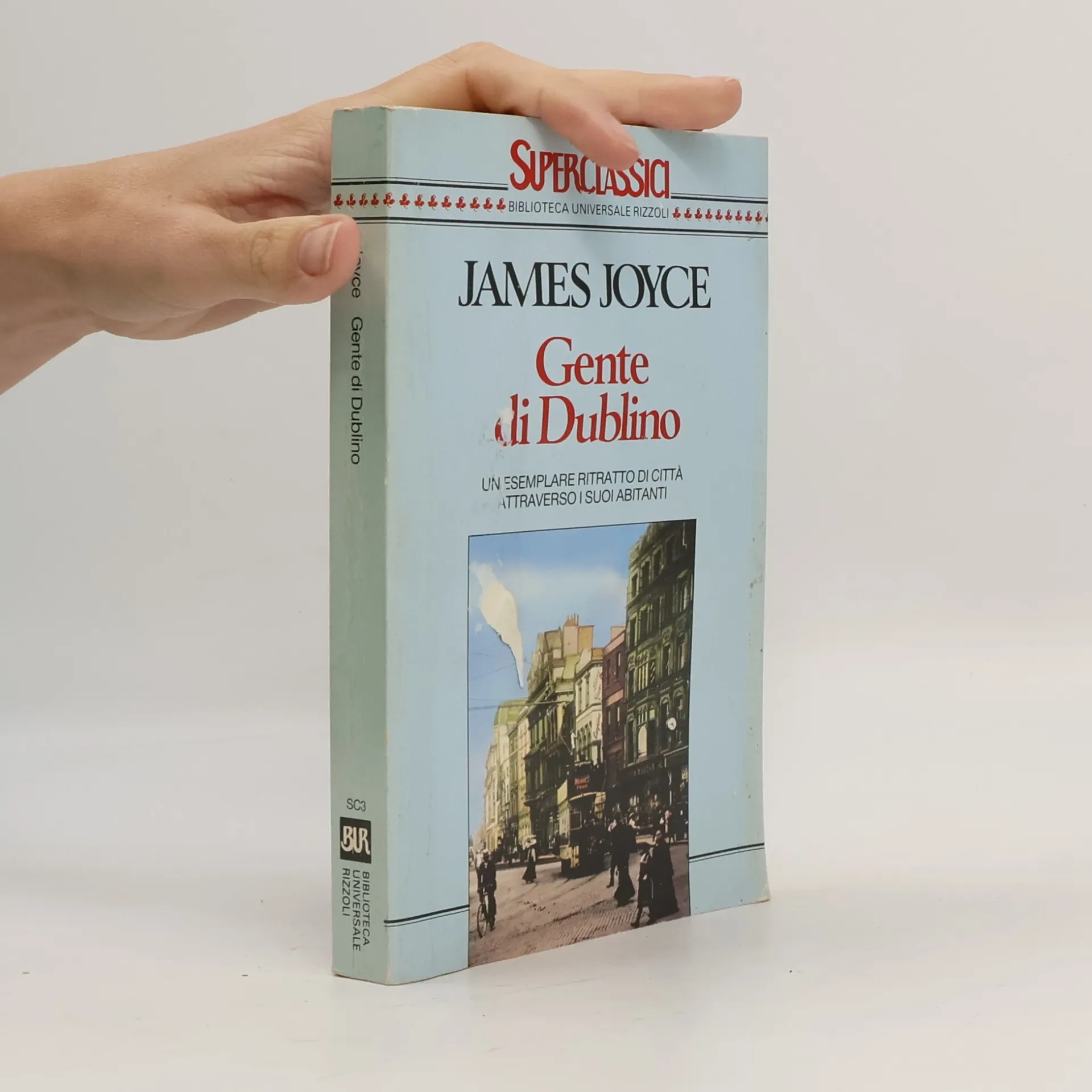
Superclassici - 3: Gente di Dublino
Un esemplare ritratto di città attraverso i suoi abitanti
- 288 Seiten
- 11 Lesestunden
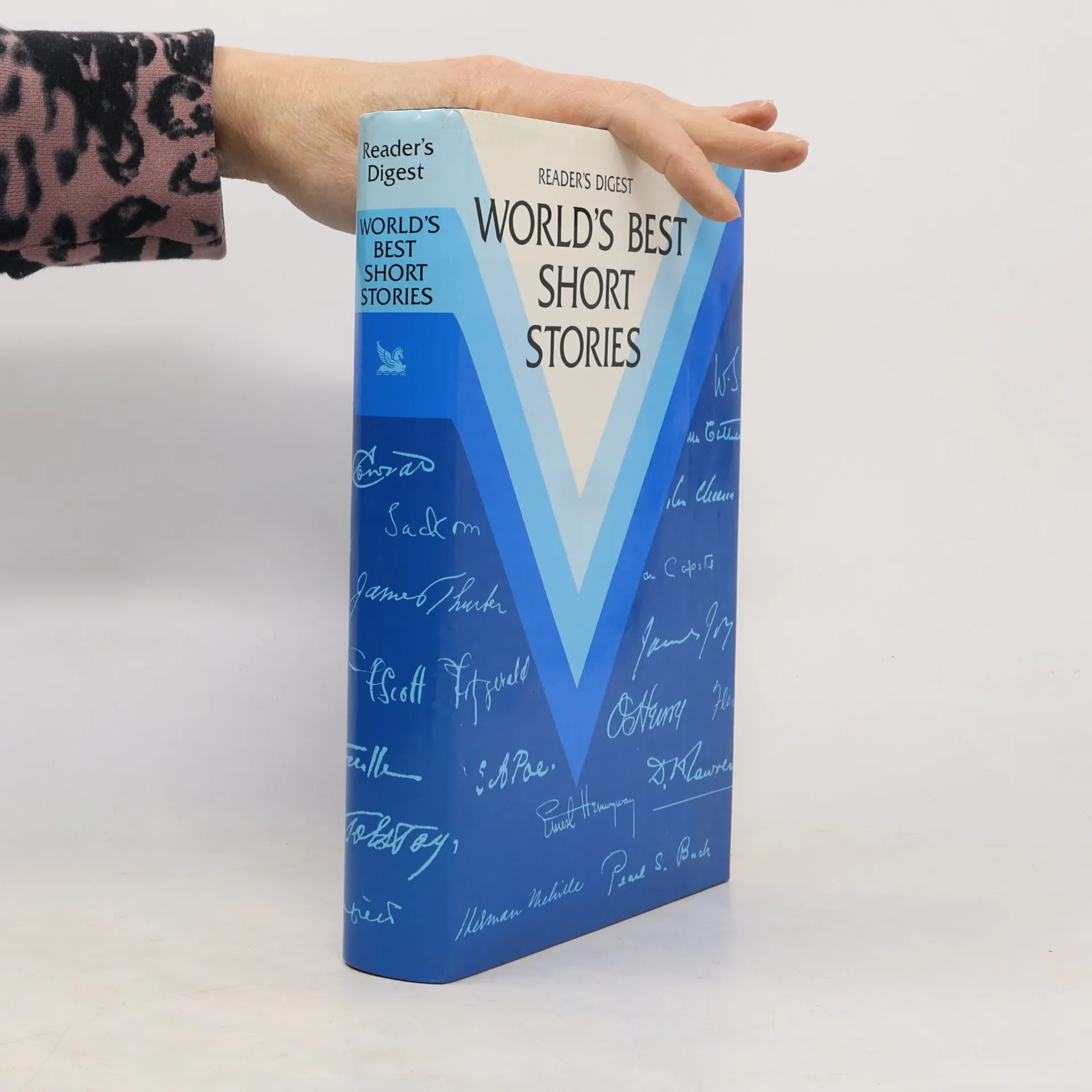
Reader's Digest: World's Best Short Stories
- 480 Seiten
- 17 Lesestunden
Kleine Schriften
Band 4