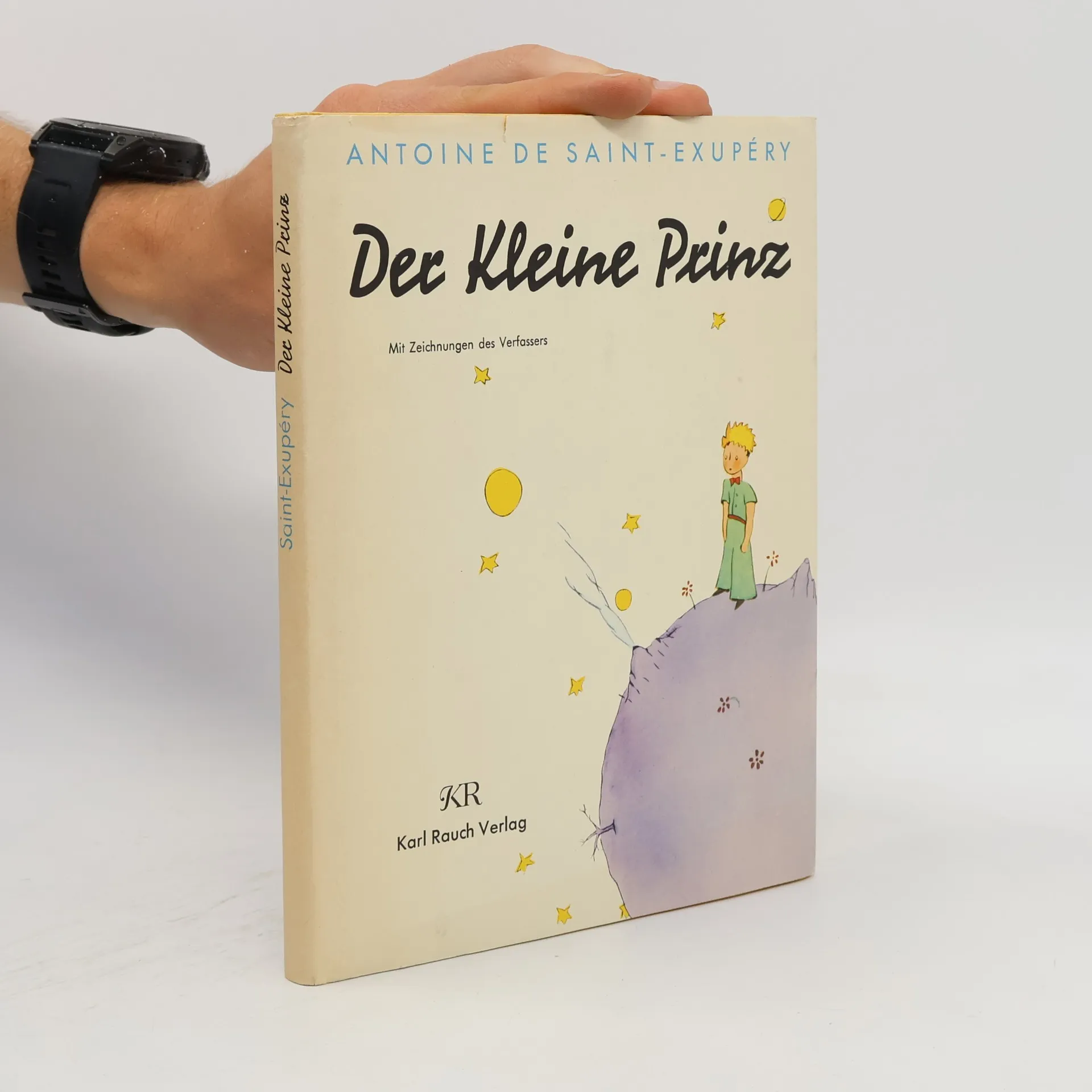
Die Sonnenuntergänge liebt der kleine Prinz und das frische Wasser alter Ziehbrunnen. Von seinem Planeten, der kaum größer ist als er selbst, reist er mit Hilfe eines Vogelzuges zur Erde. Er lässt nicht viel zurück: ein paar winzige Vulkane, auf denen er immer sein Essen gekocht hat, und eine recht eigenwillige Rose. Dennoch stimmt ihn der Abschied traurig, denn er weiß nicht, ob er je zurückkommen wird. Auf seiner Reise besucht er die verschiedensten Sterne und lernt sonderbare Menschen kennen: einen König, der nur über eine alte Ratte regiert, einen Eitlen, dem alle Besucher applaudieren sollen, einen Geschäftsmann, der die Sterne wie Geld auf der Bank deponieren will. Endlich gelangt er zu Erde. Hier erfährt er wichtige Wahrheiten von einem Fuchs, der ein echter Freund für ihn wird. Er lernt, dass man die Dinge nicht oberflächlich, nach ihrem äußeren Schein beurteilen darf und dass man für alles, was man liebt, verantwortlich ist.
Richard Howard Bücher
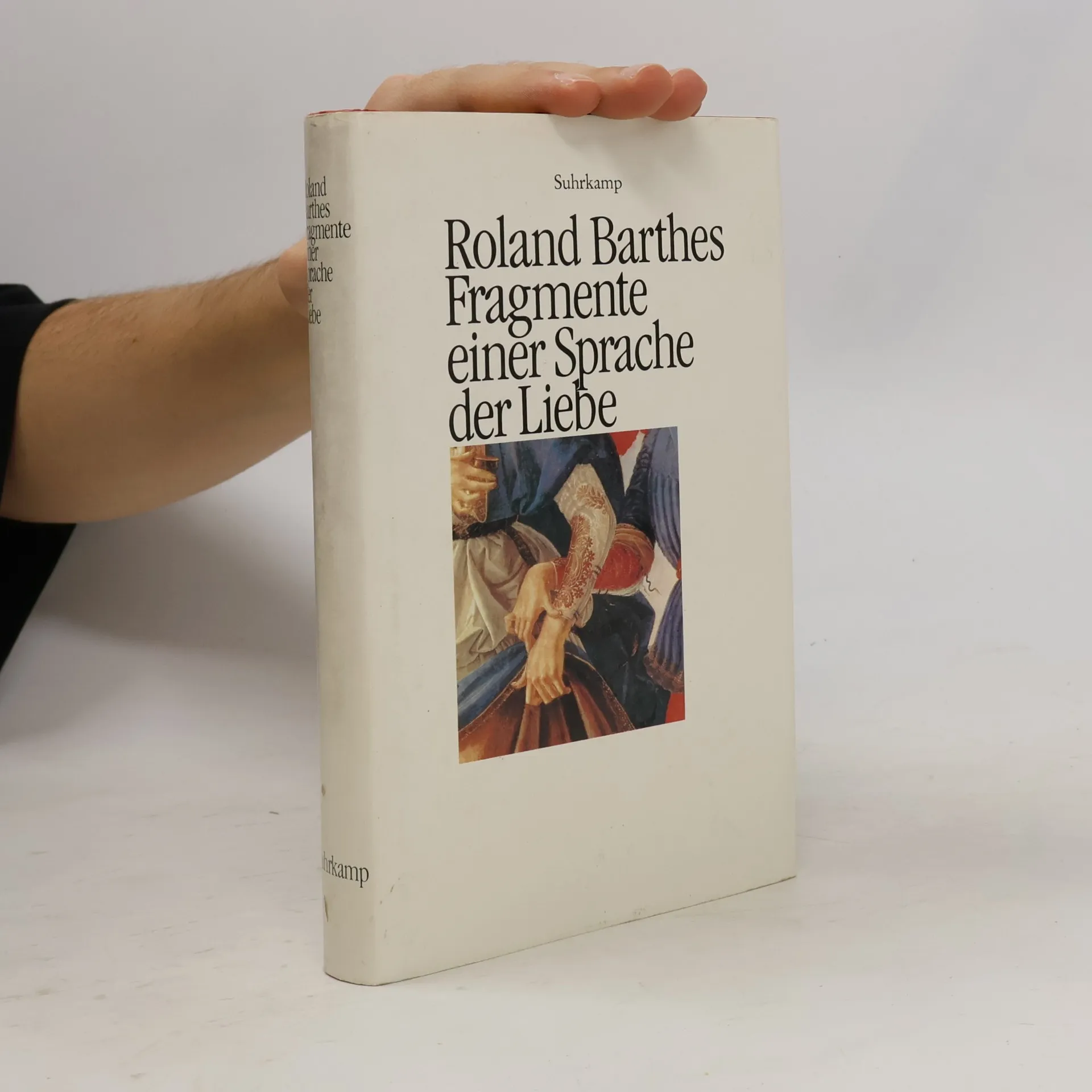
Roland Barthes wurde am 12. November 1915 in Cherbourg geboren und starb am 26. März 1980 in Paris an den Folgen eines Verkehrsunfalls. Er studierte klassische Literatur an der Sorbonne und war danach als Lehrer, Bibliothekar und Lektor in Ungarn, Rumänien und Ägypten tätig. Ab 1960 unterrichtete er an der École Pratique des Hautes Études in Paris. 1976 wurde er auf Vorschlag Michel Foucaults ans Collège de France auf den eigens geschaffenen Lehrstuhl »für literarische Zeichensysteme« berufen. In Essais critiques beschäftigt sich Barthes mit dem avantgardistischen Theater. Prägend für ihn waren unter anderem Brecht, Gide, Marx, de Saussure sowie Jacques Lacan. Zudem war Barthes ein musikbegeisterter Mensch, vor allem als Pianist und Komponist.
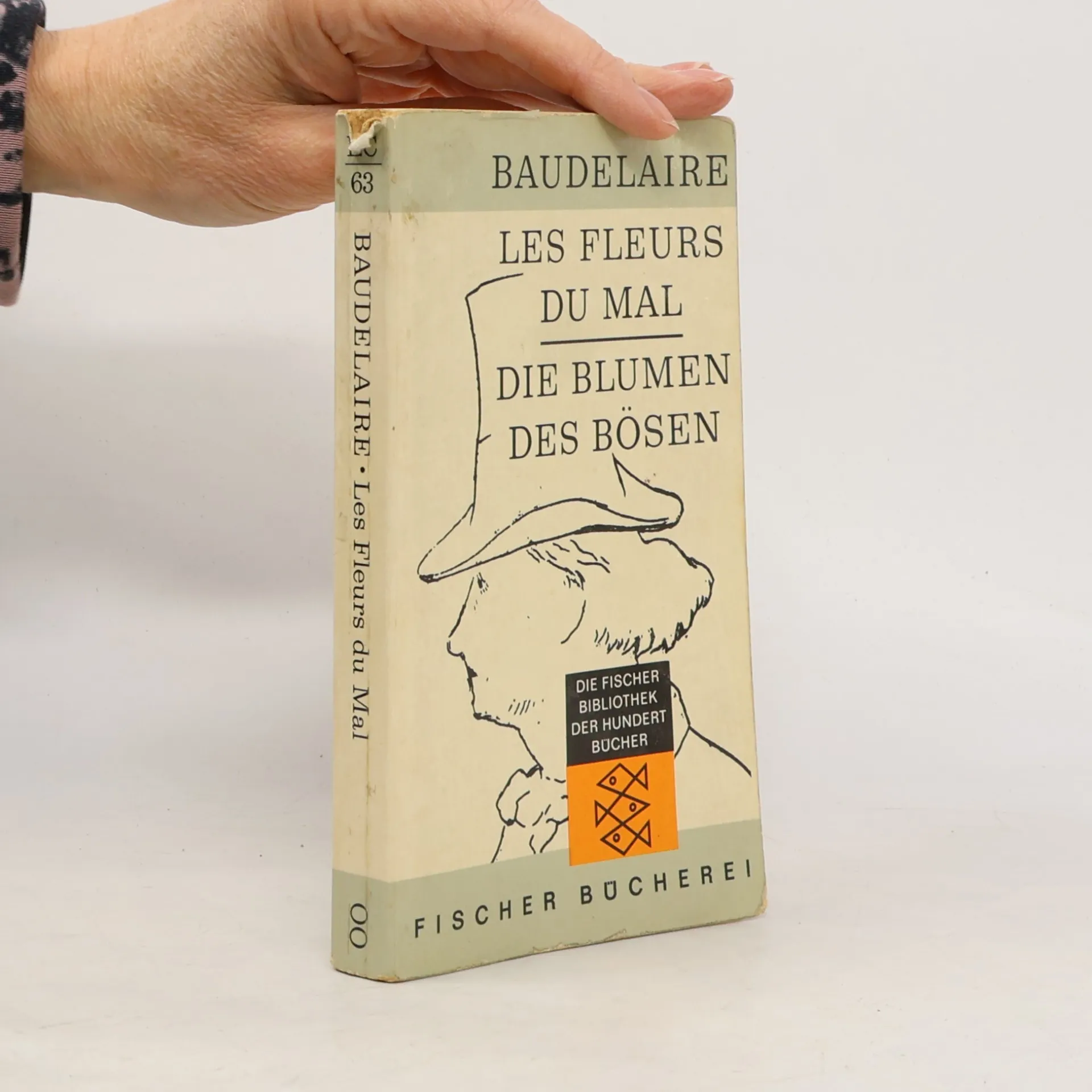
1857 schlägt die Geburtsstunde der modernen Lyrik: Charles Baudelaire veröffentlicht seine »Fleurs du Mal«. Zwei Wochen später hat er einen Prozess wegen Gotteslästerung und Verstoß gegen die öffentliche Moral am Hals. Er wird verurteilt, sechs Gedichte müssen entfernt werden. Diese Ausgabe enthält sämtliche Gedichte der Erstauflage, außerdem die, die Baudelaire in späteren Ausgaben hinzugefügt hat, sowie eine Dokumentation zum Prozess. Die gereimte Versübersetzung von Monika Fahrenbach-Wachendorff setzt sich zum Ziel, Baudelaires Text, vor allem seine Bilder, genau wiederzugeben und die Dichte und Eindringlichkeit des Originals zu bewahren.
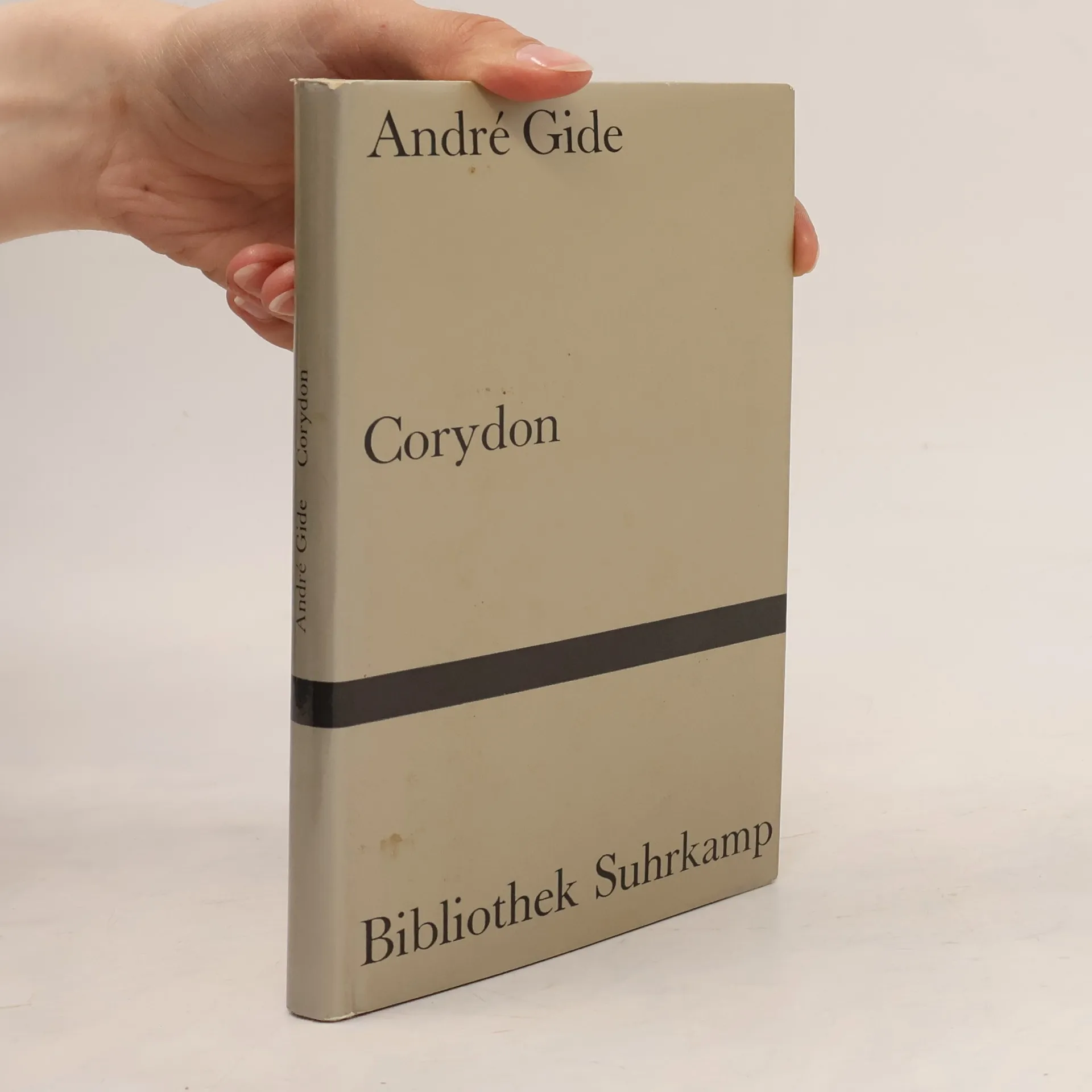
Corydon
Vier sokratische Dialoge
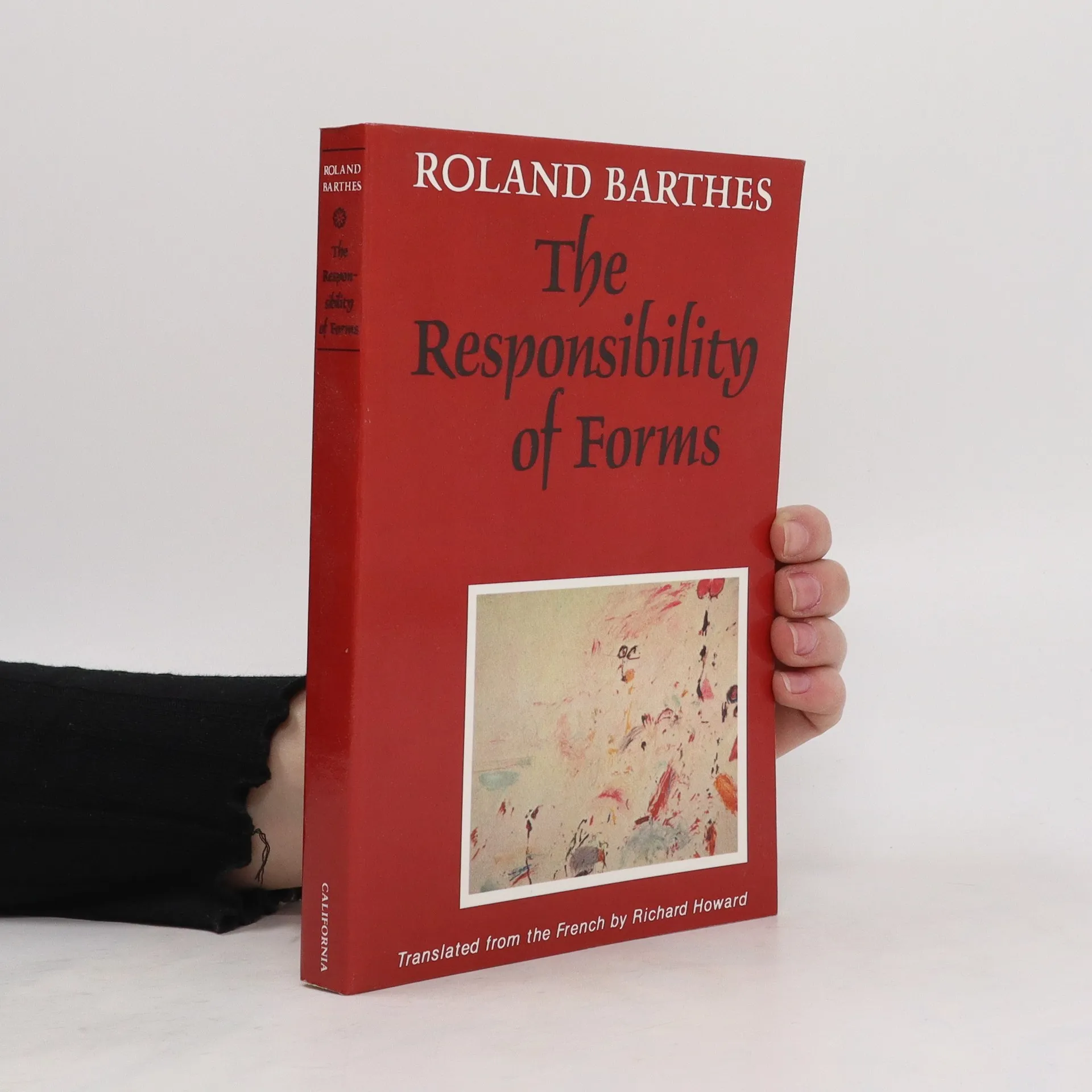
These late essays of Roland Barthes's are concerned with the visible and the audible, and here the preoccupations are particularly intense and rewarding, in part because Barthes was himself, by predilection, an artist and a musician, and in part because he was of two minds about the very possibility of attaching to art and to music a written text, a criticism.
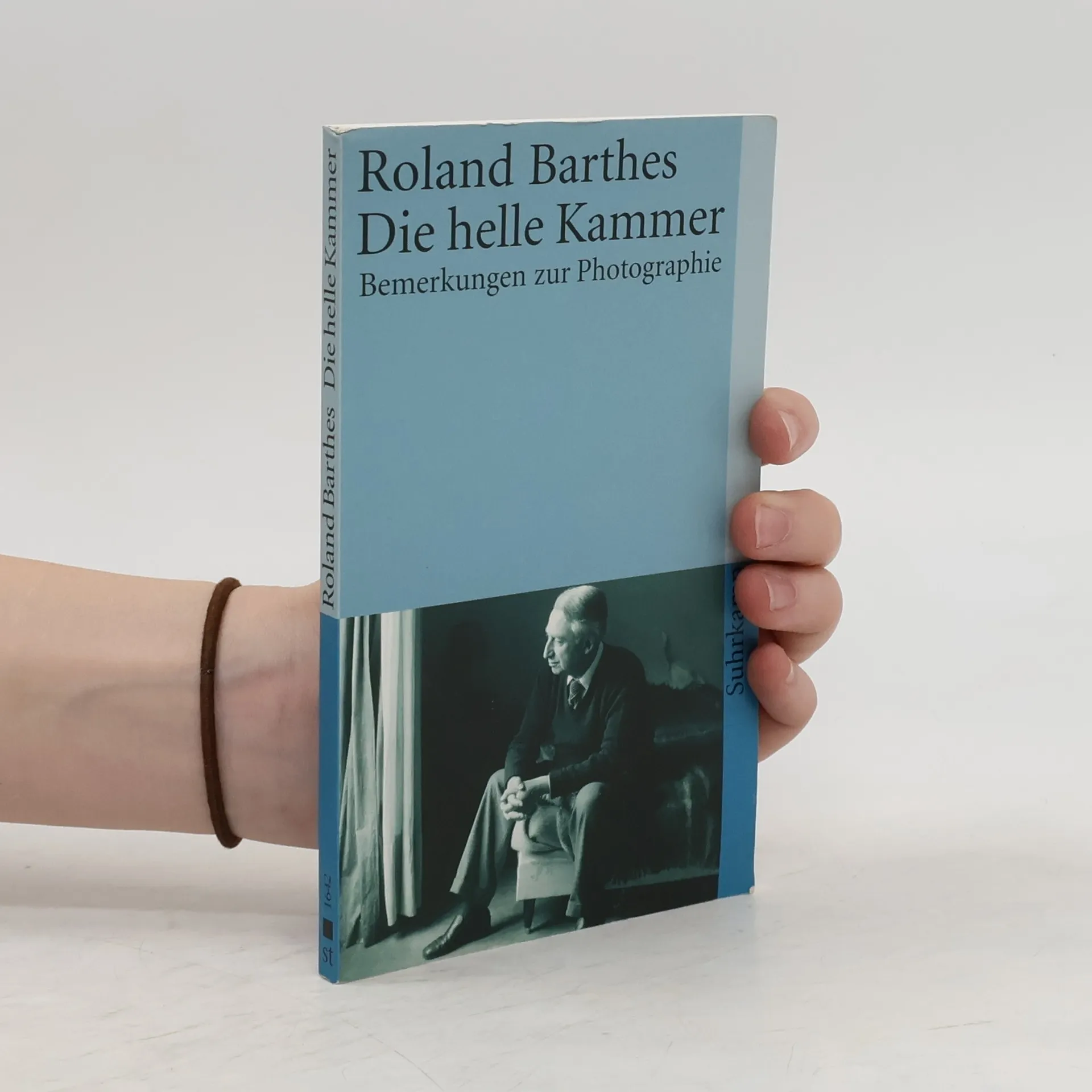
»Es geht in Die helle Kammer keineswegs ums Photographieren (als Akt der Herstellung), sondern um die ›PHOTOGRAPHIE‹, ein Faszinosum, welches – Bild, das es ist – wahrgenommen, erblickt, angeschaut sein will. Und wer so genau hinschaut wie Roland Barthes, sieht als ›spectator‹ im Photo ein Symbol der Unsterblichkeit, sieht es als Magie und Alchimie, sieht darin sowohl die wahnhafte Doppelgängermotivik als auch die unbewegte Klarheit des Haiku, sieht letztlich sogar den abstrakten Körperteil ›Ausdruck‹ – ›dieses Unerhörte, das vom Körper zur Seele führt – animula.« Süddeutsche Zeitnng
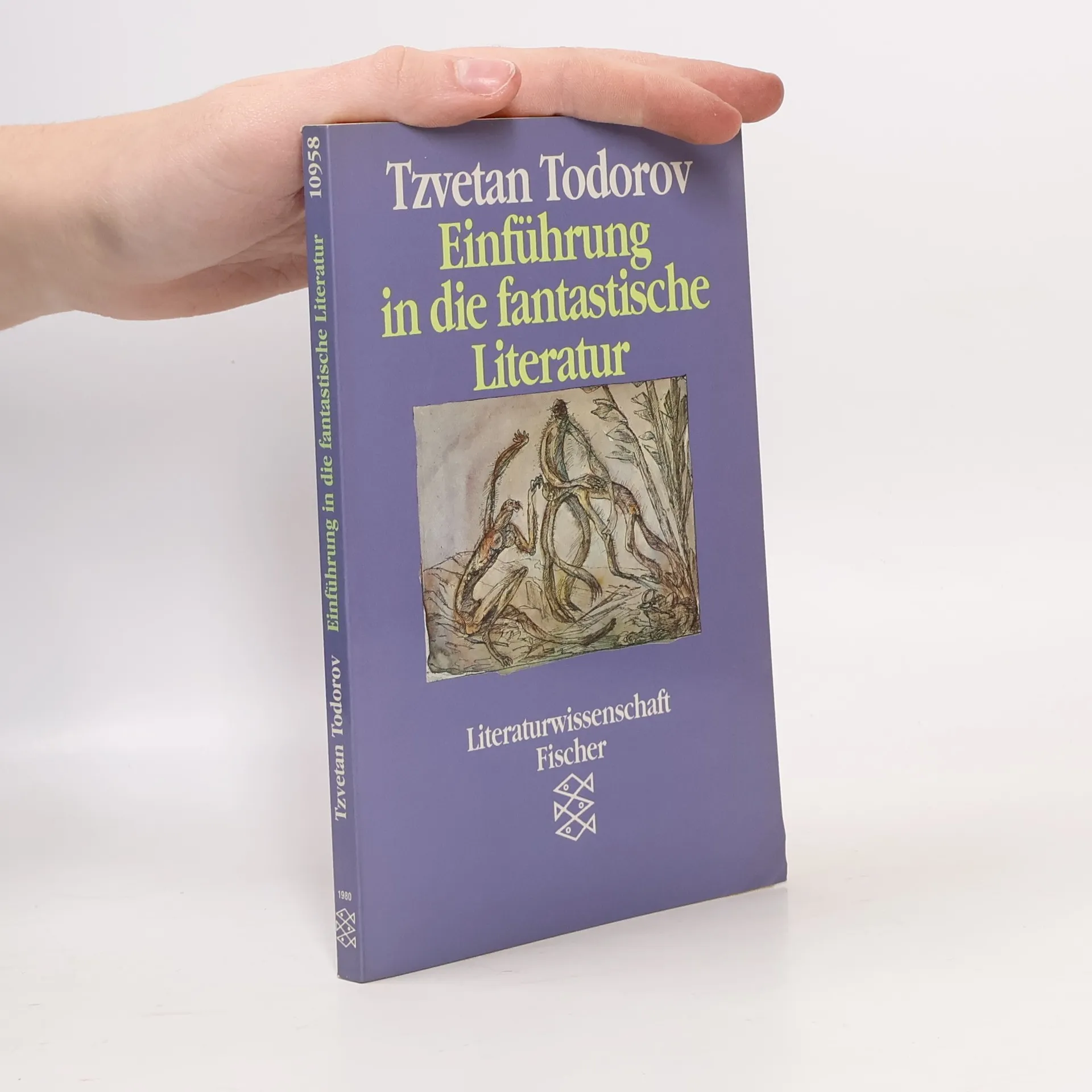
Einführung in die fantastische Literatur
- 158 Seiten
- 6 Lesestunden
Ist die Figur im Roman schlicht wahnsinnig oder betrunken, sieht sie vielleicht Gespenster, Traumbilder, Halluzinationen? Oder geschieht da tatsächlich etwas Unwahrscheinliches, etwas Unheimliches? Nach Tzvetan Todorov ist diese Unschlüssigkeit des Lesers ein wesentliches Merkmal der Wirkungsweise fantastischer Literatur. Anhand zahlreicher Beispiele von E. T. A. Hoffmann über Nikolai Gogol und Théophile Gautier bis zu Edgar Allan Poe zeigt er in seiner Studie, auf welche Weise fantastische Texte diese Verunsicherung hervorrufen und inwiefern sie im Rückgriff auf Übernatürliches gesellschaftliche Tabus brechen und die Zensur umgehen konnten. Todorov nimmt Einflüsse der russischen Formalisten auf und verarbeitet auch Ergebnisse der strukturalistischen Untersuchungen seines Lehrers Roland Barthes. Sein Buch ist der – durchaus kontrovers diskutierte – Ausgangspunkt fast aller seither unternommenen Bestimmungsversuche des Fantastischen.
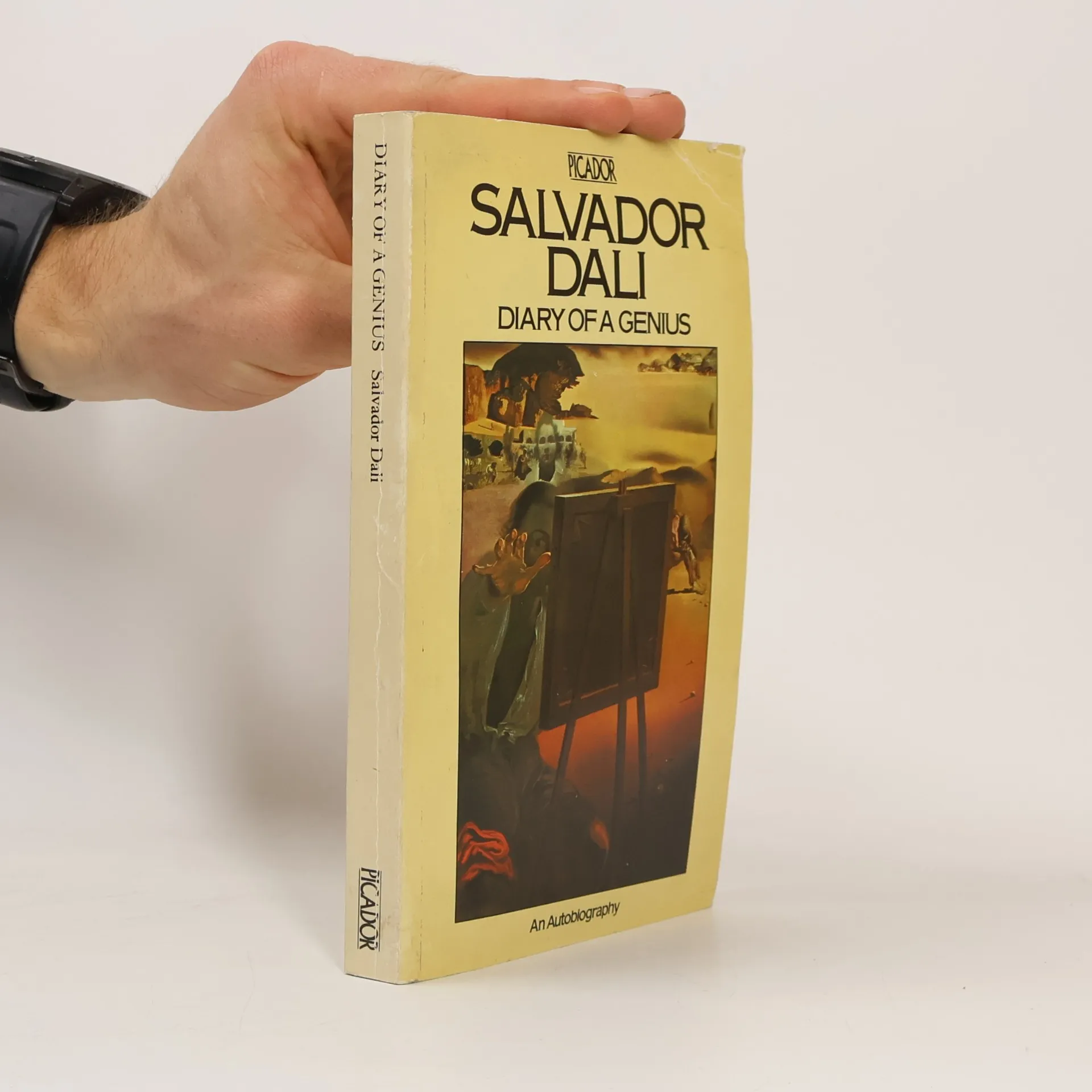
Diary of a Genius
- 251 Seiten
- 9 Lesestunden
Diary of a Genius stands as one of the seminal texts of Surrealism, revealing the most astonishing and intimate workings of the mind of Salvador Dalí, the eccentric polymath genius who became the living embodiment of Surrealism, the 20th century's most intensely subversive,disturbing and influential art movement. Dalí's second volume of autobiography, Diary of a Genius covers his life from 1952 to 1963, during which years we learn of his amour fou for his wife Gala, and their relationship both at home in Cadaqués and during bizarre world travels. We also learn how Dalí draws inspiration from excrement, rotten fish and Vermeer's Lacemaker to enter his "rhinocerontic" period, preaching his post-holocaustal gospels of nuclear mysticism and cosmogenic atavism; and we follow the labyrinthine mental journeys that lead to the creation of such paintings as the Assumption , and his film script The Flesh Wheelbarrow . This new expanded edition includes a brilliant and revelatory essay on Salvador Dalí, and the importance of his art to the 20th century, by the author J. G. Ballard.
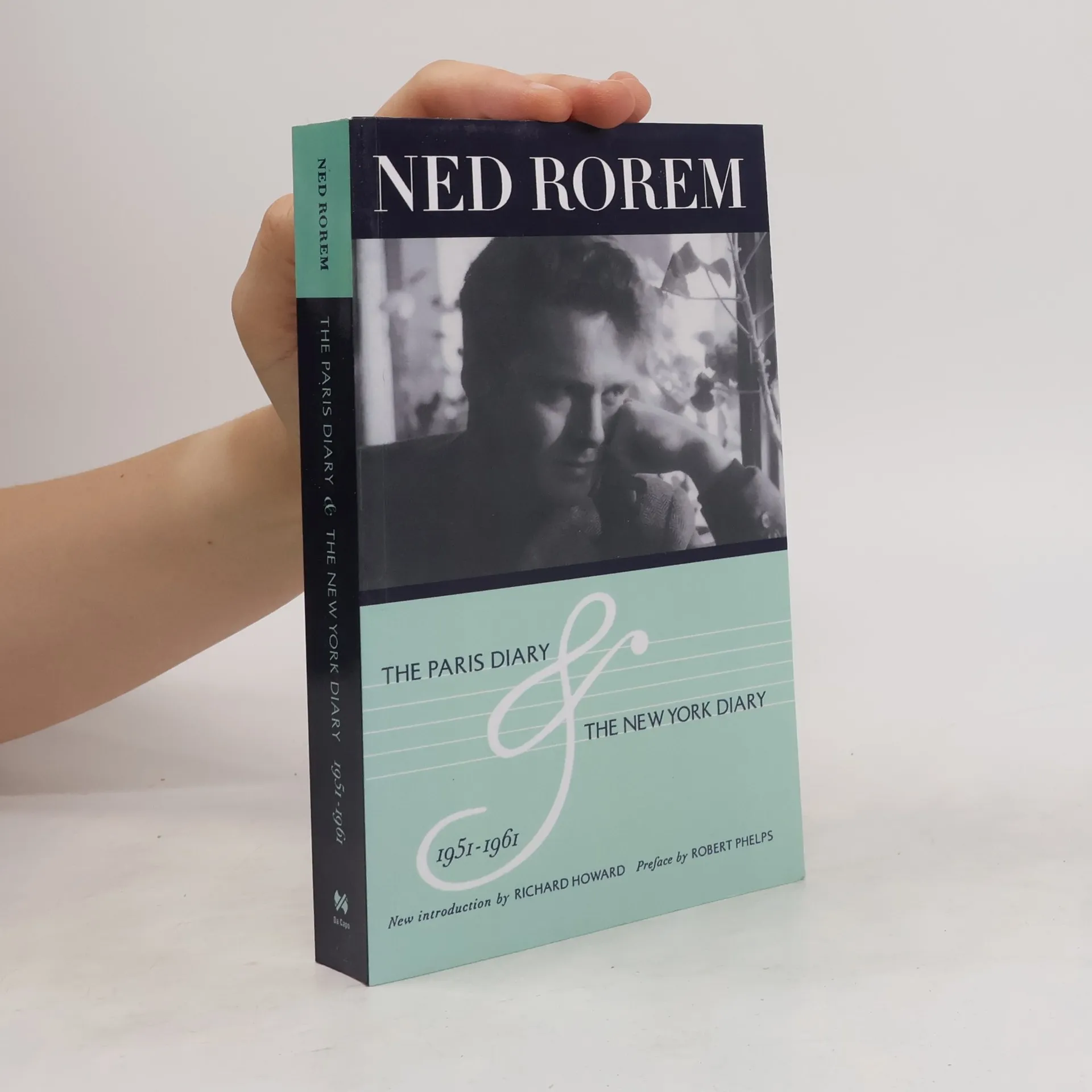
The Paris Diary & The New York Diary 1951-1961
- 440 Seiten
- 16 Lesestunden
These diaries by Ned Rorem, written in Paris and New York, marked the beginnings of Gay Liberation, not because he made a special issue of his sexuality, but because he did not. Rather, he wrote of his affairs frankly and unashamedly.
Von Paris aus wird Geheimagent Wallas in eine nordfranzösische Küstenstadt entsandt, um den Mordanschlag einer anarchistischen Terrororganisation aufzuklären. Was geschieht, als Wallas ›vierundzwanzig Stunden danach‹ den Tatort besichtigt, krönt das systematische Verwirrspiel, das Robbe-Grillet (geboren 1922) in diesem nicht gewöhnlichen Kriminalroman, seinem ersten Buch aus dem Jahr 1953, so kunstvoll angezettelt hat.
Die Sprache der Mode
- 379 Seiten
- 14 Lesestunden
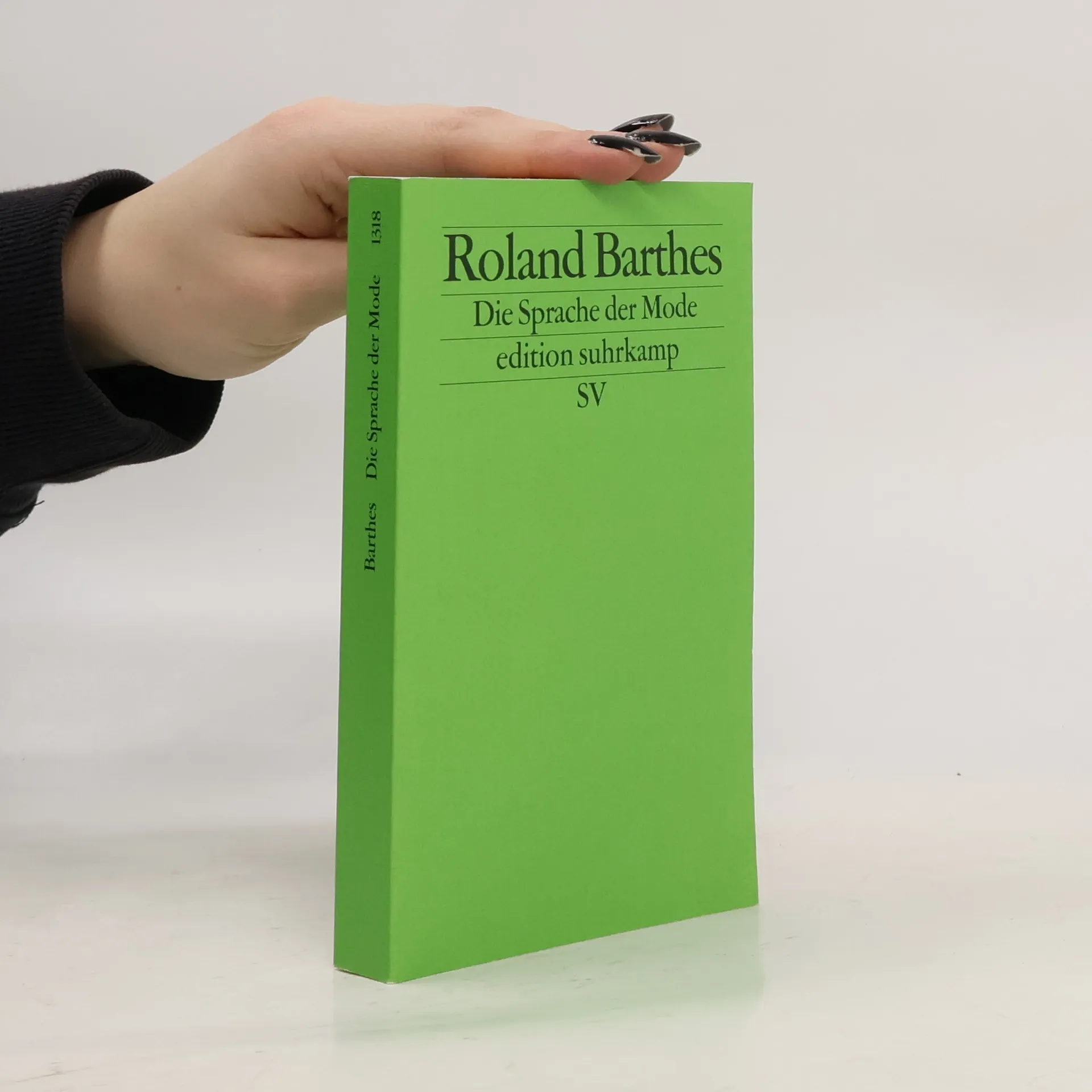
»Das Vorhaben von Die Sprache der Mode entstand unmittelbar im Anschluß an das Nachwort der Mythen des Alltags, in dem ich die Möglichkeit einer immanenten Analyse anderer Zeichensysteme als der Sprache entdeckt habe - oder zu entdecken geglaubt hatte. Ich hatte von diesem Augenblick an den Wunsch, eines dieser Systeme, eine von allen gesprochene und zugleich allen unbekannte Sprache, Schritt für Schritt zu rekonstruieren. So habe ich die Kleidung gewählt.« Roland Barthes
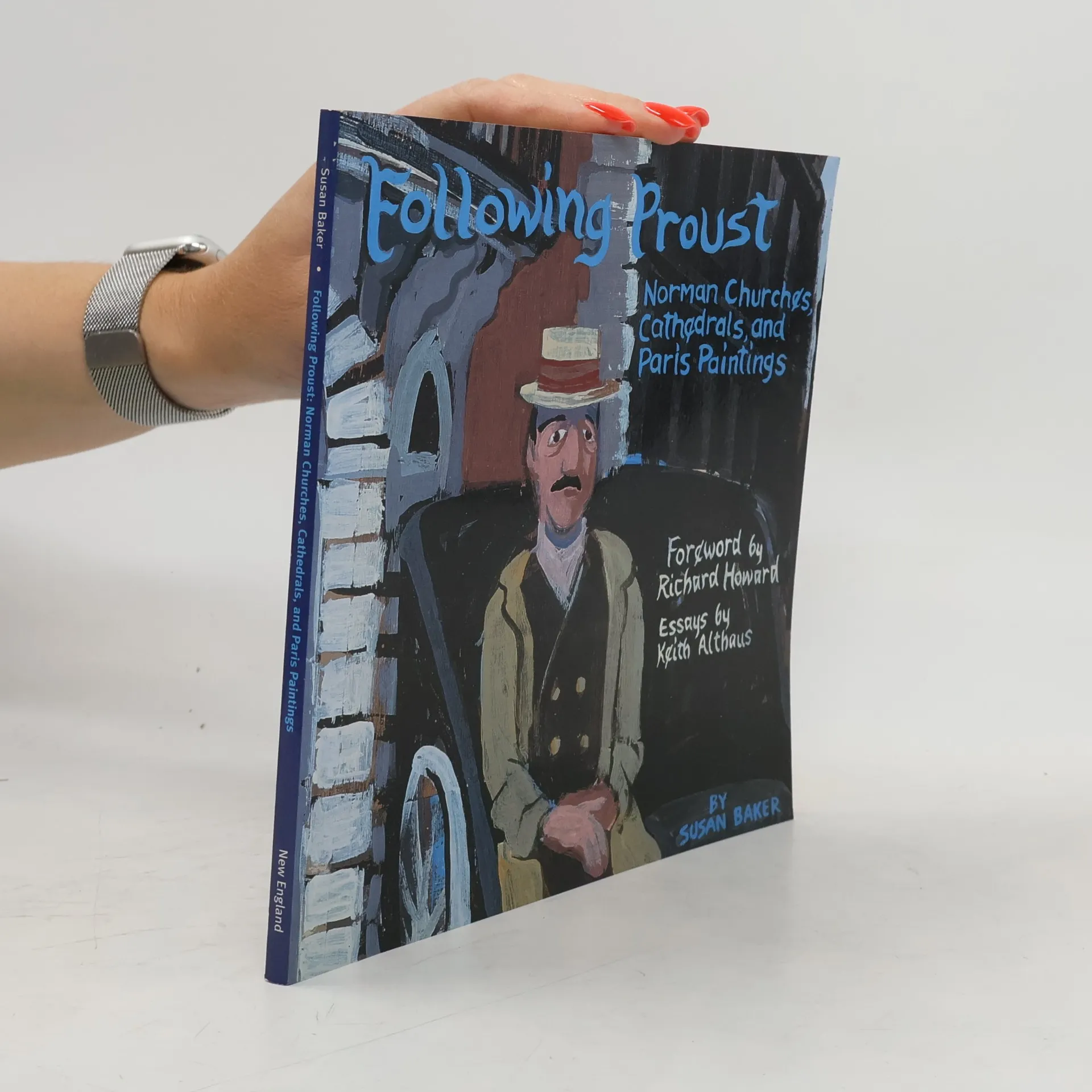
Provincetown artist Susan Baker dramatically shifts her venue to follow and visually reproduce the trail of Marcel Proust through the areas of France that he lived in, loved, and made the site of the major segments of Remembrance of Things Past. In areas well known to generations of readers through that great novel -- for example, Combray, Balbec, and Guermantes, as well as the home of Monsieur Swann -- and also the areas in which Proust lived and vacationed such as Trouville, Deauville, Rouen, Amiens, and Illiers, not to mention Paris, Baker brilliantly captures the ambiance, buildings, and cathedrals that mark the beauty and the uniqueness of these locations. "Drawn in initially by the humor, then dazzled by the description, and finally obsessed by the genius, I decided to follow Proust -- just to stand where he stood," writes Baker. The colorful outcome of her quest is this rare gift to the world's legions of Francophiles, Proustians, art lovers, and travelers.
A Complete Checklist of the Birds of the World
- 656 Seiten
- 23 Lesestunden
This book represents a complete revision of the authors' previous authoritative work. It incorporates all the significant changes to bird taxonomy that have occurred over the past six years and remains the only single-volume work to list subspecies.
Bonapartovi dobyvatelé
- 293 Seiten
- 11 Lesestunden
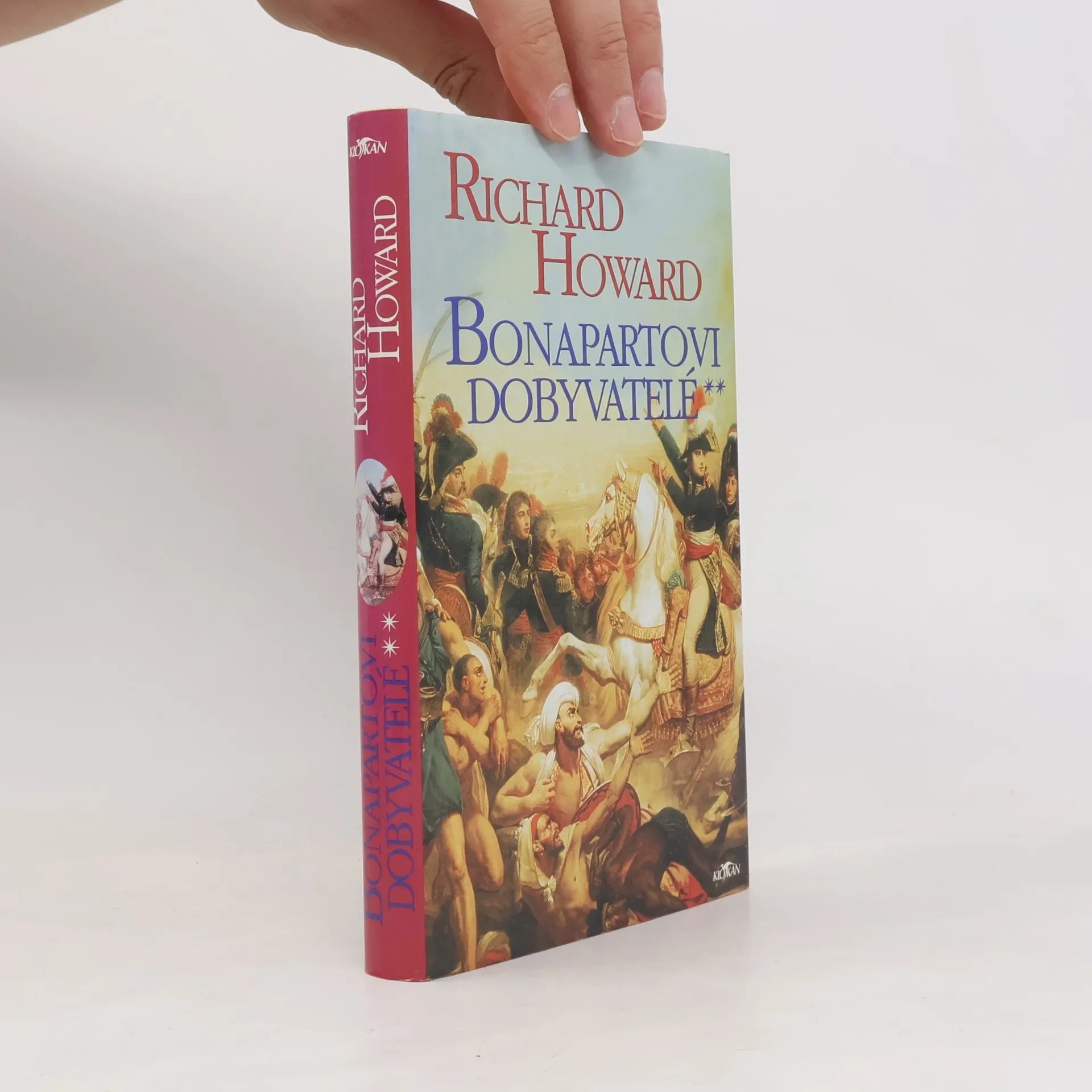
Sedmnáct tisíc francouzských vojáků opustilo v květnu 1798 přístav Toulon, aniž by tušili, k jakému cíli směřuje jejich cesta. Sotva tři měsíce po dobytí Říma odměnil Bonaparte nejlepší oddíly tohoto tažení zařazením do Orientální armády, elitních invazních jednotek, určených k útoku na Egypt. Pro muže, kteří nastoupili na palubu lodi, však první bitva začala již bojem s útrapami pobytu na moři. Když nespokojení příslušníci jednotky Alaina Lausarda - jednotky jízdy, která byla před třemi lety vytvořena z trestanců odsouzených k smrti - obrátí svoji frustraci proti posádce fregaty L´Esperance a pěšákům, drsná pouť si začíná vybírat své první oběti. Než se hladoví a vyčerpaní vypotácejí na břehy Egypta, musí Lausardovi dragouni bojovat za víc než slávu a vítězství. Zubožení vojáci se trmácejí rozpálenou pouští a Bonaparte může jen přihlížet, jak se jeho taktická hra hroutí jako domek z karet. Sežehlí žhnoucím sluncem dokážou ještě zoufale odolávat nájezdům Arabů, bránících jim v přístupu k Nilu, ale jak jsou vtahováni stále hloub a hloub do neznámých končin, jejich řad se zmocňuje beznaděj. Šíří se jako nemoc. Mamelukova armáda sice podlehne v boji ve stínu pyramid, ale Nelson drtivě poráží Bonapartovu flotilu. A Bonapartova posedlost válkou ... Lausard už ztratil naději, že ještě někdy uvidí Paříž.
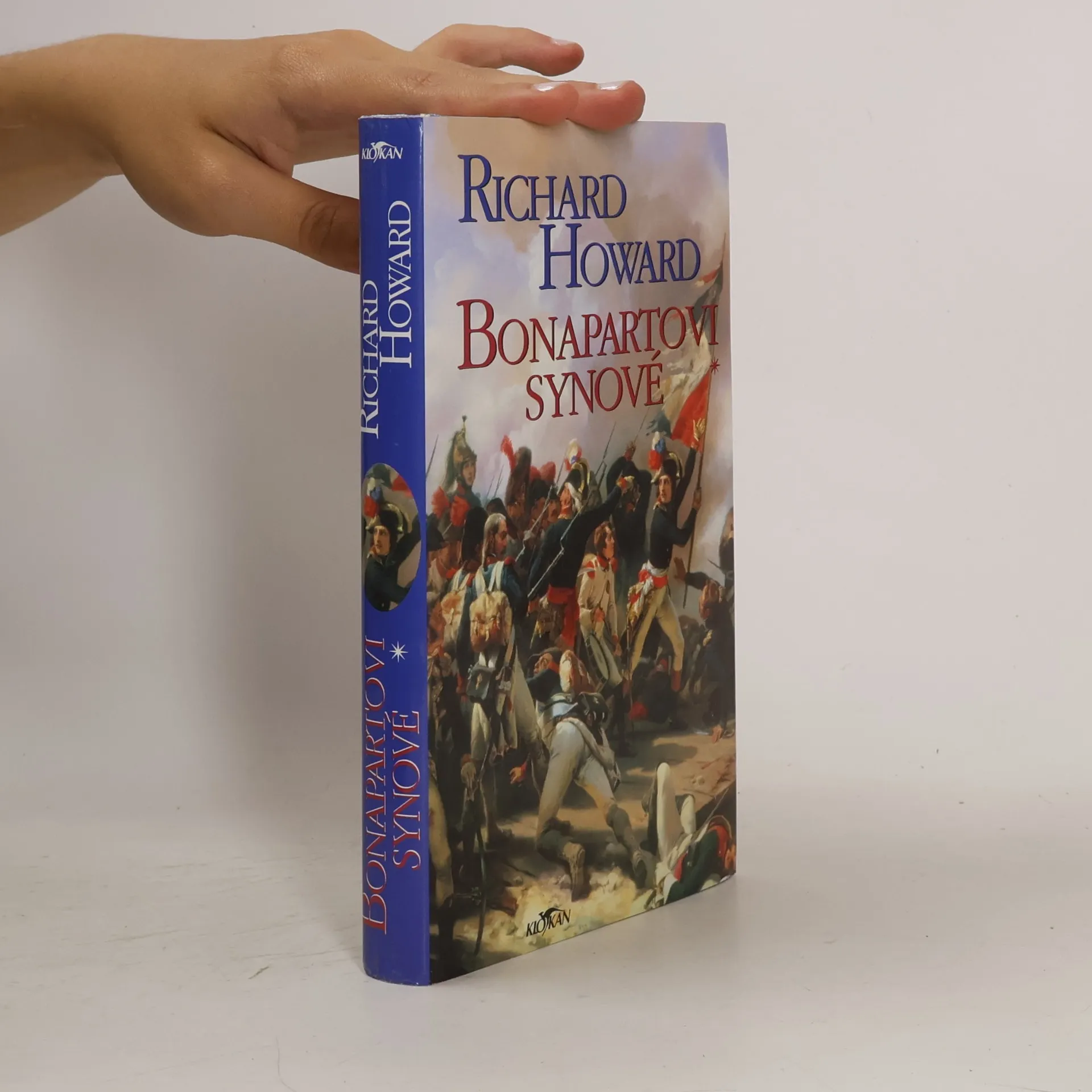
Bonapartovi synové
- 294 Seiten
- 11 Lesestunden
Bouřlivá léta Francouzské revoluce 1795. Oklamaná pařížská lůza vyhrála válku slov s Radou, novým orgánem moci, ale šestiletá válka o chléb a demokracii končí na ulici a pod gilotinou. V zoufalé snaze zachránit italské tažení se Rada, ovlivňována mladým Napoleonem Bonapartem, rozhodne odvést do armády i odsouzené zločince. V bezedných hloubkách pařížských věznic - mezi vrahy, zloději a násilníky - trpí rovněž muži jako Alain Lausard. Tento šlechtic, donucený po masakru své rodiny žít jako rolník, se podobně jako tisíce jiných ocitne během revoluční hysterie ve vězení. Pro muže odsouzené na smrt je příchod svobody nečekaným, ale zrádným lákadlem. Lausard však pojímá vidinu svobody jinak. Jako absolvent vojenské školy si u svých svěřenců postupně získá respekt, který mu umožní přeměnit otrhanou masu darebáků v nemilosrdnou kavalérii, ta se stane hlavní zbraní v Napoleonově tažení do Piemontu a severní Itálie. Série překvapivých vítězství vede k porážce rakouské armády a Lausard se stane hrdinou. Přesto uvnitř jeho jednotky stále vře skrytá zloba a neposlušnost. Když se oddíl dostane pod vedení despotického Cezara, nebezpečná výprava za nepřátelské linie hrozí zvrátit křehkou rovnováhu až na pokraj anarchie ...
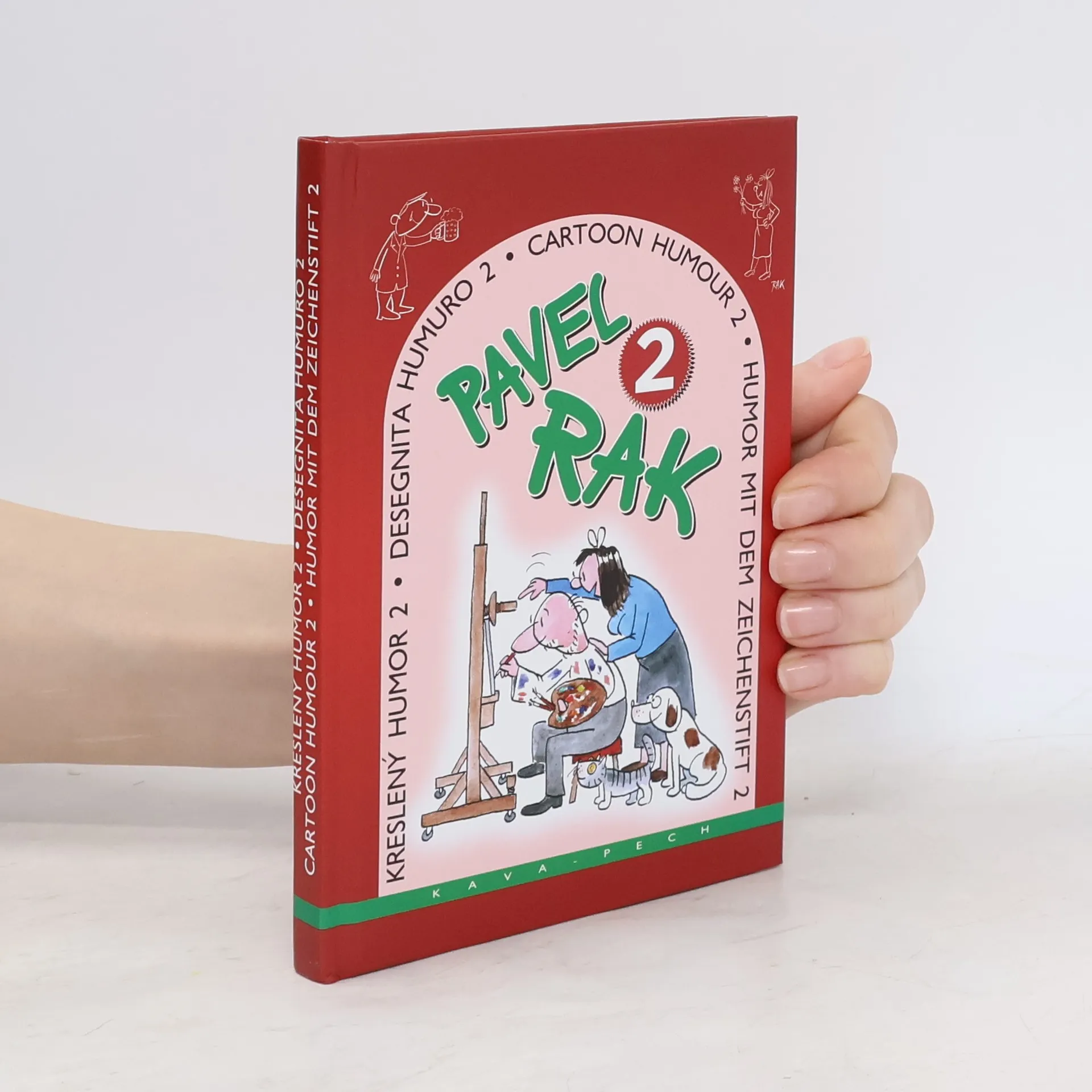
Pavel Rak : kreslený humor 2
- 117 Seiten
- 5 Lesestunden
Druhá sbírka kreslených vtipů pražského kreslíře Pavla Raka. Stejně jako v první publikaci jsou všechny vtipy s českým textem opatřeny třemi překlady: do angličtiny, němčiny a esperanta.