Jung Chang Reihenfolge der Bücher (Chronologisch)

Multimodal Funds of Knowledge in Literacy
Countering Deficit Narratives of Diverse Families
- 194 Seiten
- 7 Lesestunden
Focusing on the sociocultural theory and multiliteracies, this book equips educators with strategies to support diverse students and their families in navigating various forms of literacy. It emphasizes the importance of recognizing and utilizing cultural strengths, offering concrete alternatives for teaching that embrace multimodality and posthumanist perspectives. The aim is to create inclusive educational environments that acknowledge and celebrate the richness of students' backgrounds.
Education for International Understanding in China
- 184 Seiten
- 7 Lesestunden
Focusing on the pivotal role of education for international understanding as promoted by UNESCO, the book examines the implementation of these principles in Chinese schools since the 1980s. It highlights the strategies and practices adopted within the educational system to foster global awareness and cooperation among students, showcasing the evolution and impact of these educational initiatives in China.
Whisper
- 300 Seiten
- 11 Lesestunden
Victims all describe hearing a voice before they die gruesomely. Sometimes it’s singing an old Taiwanese song, sometimes it’s in Japanese, and sometimes it’s an anguished call for help from a loved one. Can Wu Shih-Sheng, a degenerate taxi driver in Taipei, hunt down the source of the voice that killed his wife before he becomes the next victim?Whisper is a plot-driven, Taiwanese horror story. As well as being a chilling read, Chang Yu-Ko cleverly combines Taiwanese folklore, the Japanese occupation of Taiwan, and the long-term mistreatment of the country’s aboriginal people into a story of how the past can still kill.
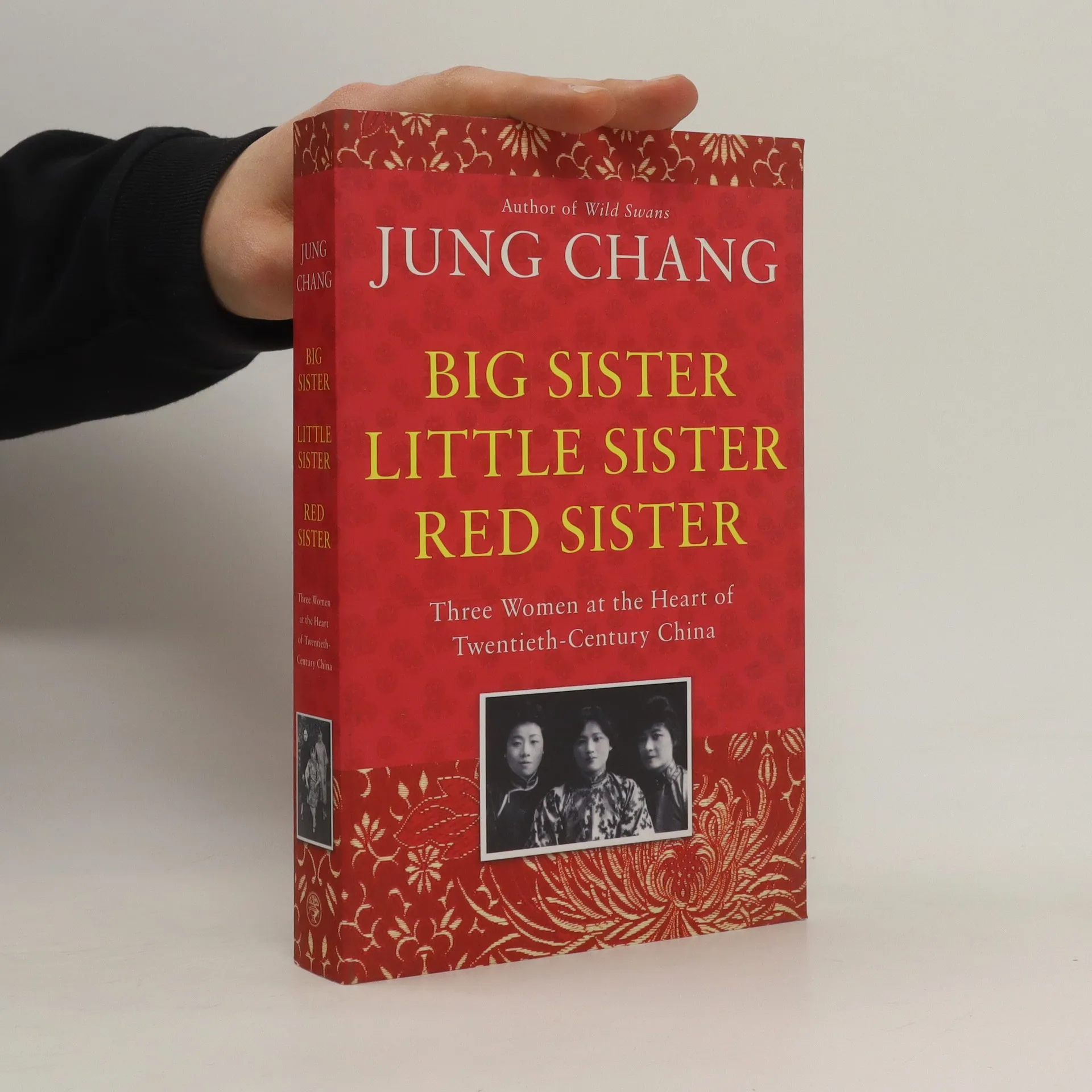
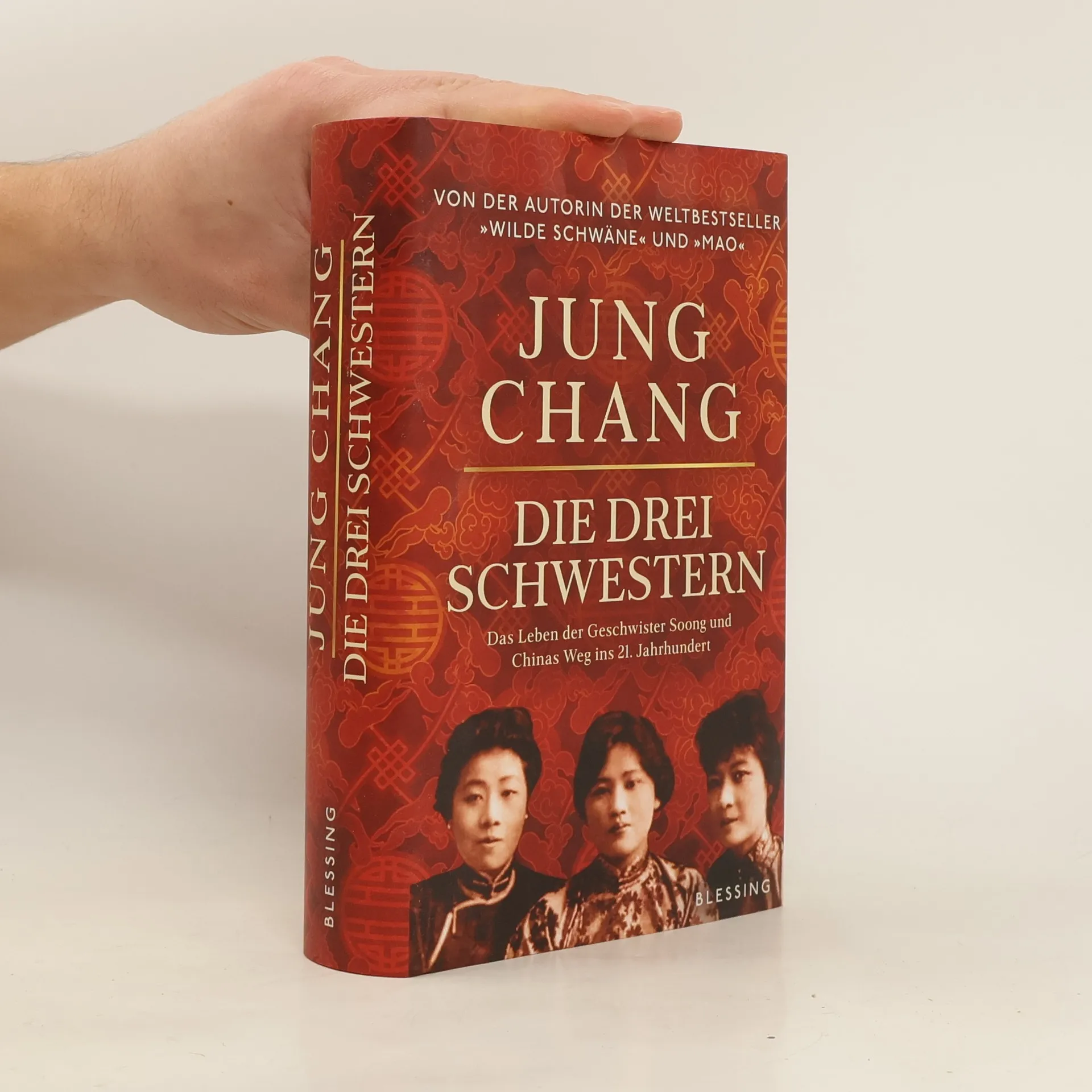
Jedes Kind in China kennt die Geschichte der drei Schwestern aus Shanghai, die die Geschicke Chinas im 20. Jahrhundert von den Zentren der Macht aus mitbestimmten. Man sagte über sie: Eine liebte das Geld, eine liebte die Macht, und eine liebte ihr Land. Alle drei genossen Privilegien, Ruhm und Reichtum, wurden aber auch angefeindet und sahen sich tödlichen Gefahren ausgesetzt. Sie zeigten Mut, erlebten stürmische Liebe, aber auch große Verzweiflung. »Die drei Schwestern« ist ein fesselndes Epos über Liebe, Krieg, Exil, Intrigen, Glamour und Verrat. Jung Chang erzählt die Leben dreier außergewöhnlicher Frauen nach, die China im 20. Jahrhundert maßgeblich prägten.
Big Sister, Little Sister, Red Sister
- 400 Seiten
- 14 Lesestunden
The best-known modern Chinese fairy tale revolves around three sisters from Shanghai, central figures in China's power dynamics throughout the twentieth century. Often simplified as 'One loved money, one loved power, and one loved her country,' the Soong sisters were far more complex. As China faced a century of wars, revolutions, and transformations, each sister played a significant role, leaving an indelible mark on history. Ching-ling, the Red Sister, married Sun Yat-sen, the republic's founding father, and later became Mao's vice-chair. May-ling, the Little Sister, was Madame Chiang Kai-shek, a prominent political figure in pre-Communist Nationalist China. Ei-ling, the Big Sister, served as Chiang's unofficial adviser, amassing wealth and influence as one of China's richest women. Despite their privilege, the sisters faced constant threats and danger. Their lives were filled with courage, love, despair, and heartbreak. The emotional tension between them intensified as they embraced opposing political ideologies, with Ching-ling aiming to dismantle her sisters' world. This gripping narrative unfolds through a monumental journey across various global locales, revealing the intertwined lives of three extraordinary women who significantly shaped twentieth-century China.
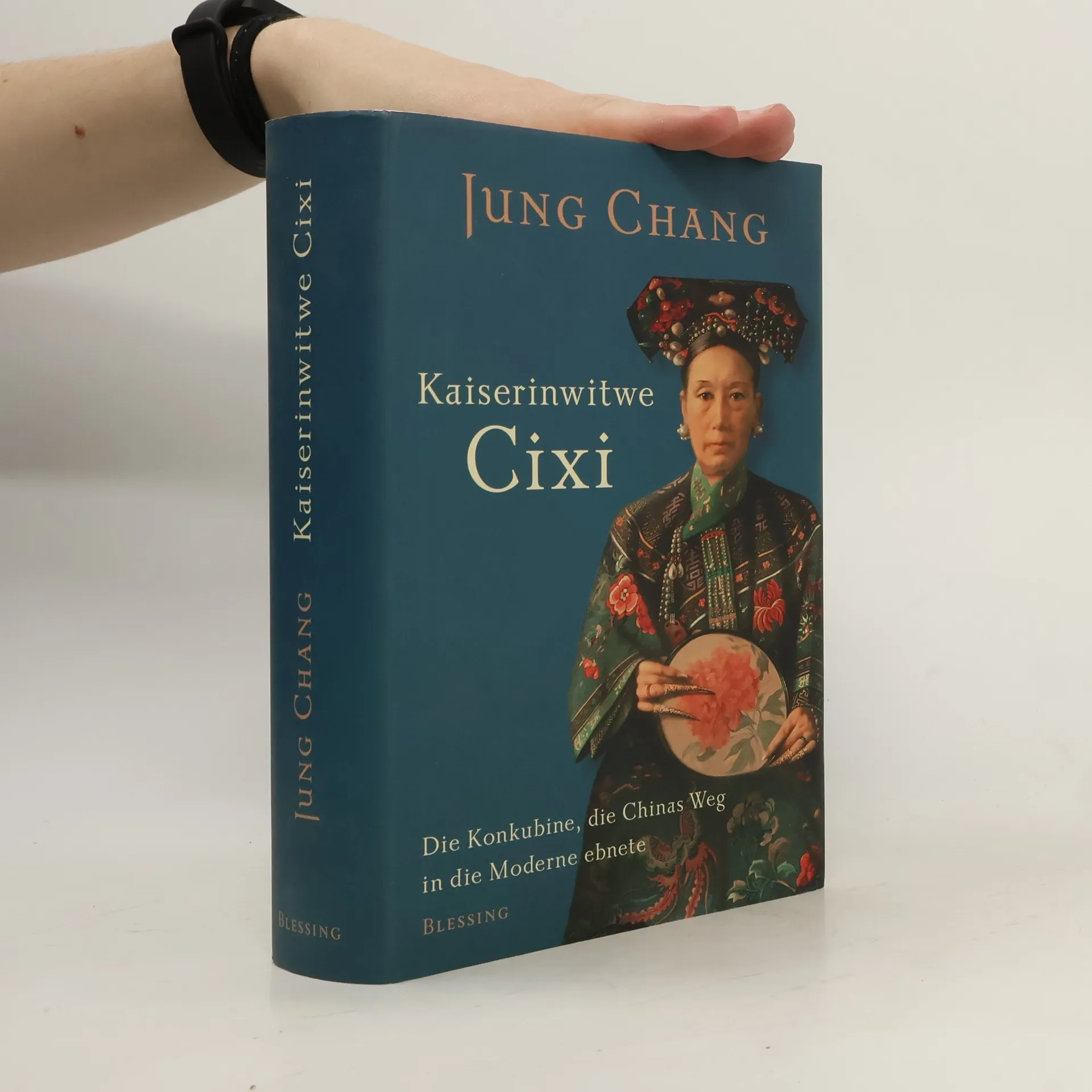
Kaiserinwitwe Cixi (1835–1908) ist die bedeutendste Frau in der chinesischen Geschichte. Das Mädchen aus einfachen Verhältnissen wird als Konkubine für den chinesischen Kaiser ausgewählt, sie bekommt einen Sohn und übernimmt 1861 nach des Kaisers Tod selbst die Regierungsgeschäfte. Fast ein halbes Jahrhundert lang wird Cixi die Geschicke des Reichs lenken, sich als Schlüsselfigur einer Zeitenwende im Reich der Dynastien entpuppen: Im Westen lange als rückwärtsgewandte Despotin verschrien, tritt sie in Jung Changs Biografie in völlig neuem Licht auf: als die Frau, die in China die Modernisierung voranbrachte. Besonders für Frauen kam Cixis Regentschaft einer Befreiung gleich. Die fundierte Studie eines entscheidenden Moments der Zeitgeschichte – Chinas Weg in die Moderne – und das detaillierte Porträt einer schillernden Figur, verfasst von einer weltweit anerkannten Expertin für die Geschichte Chinas.
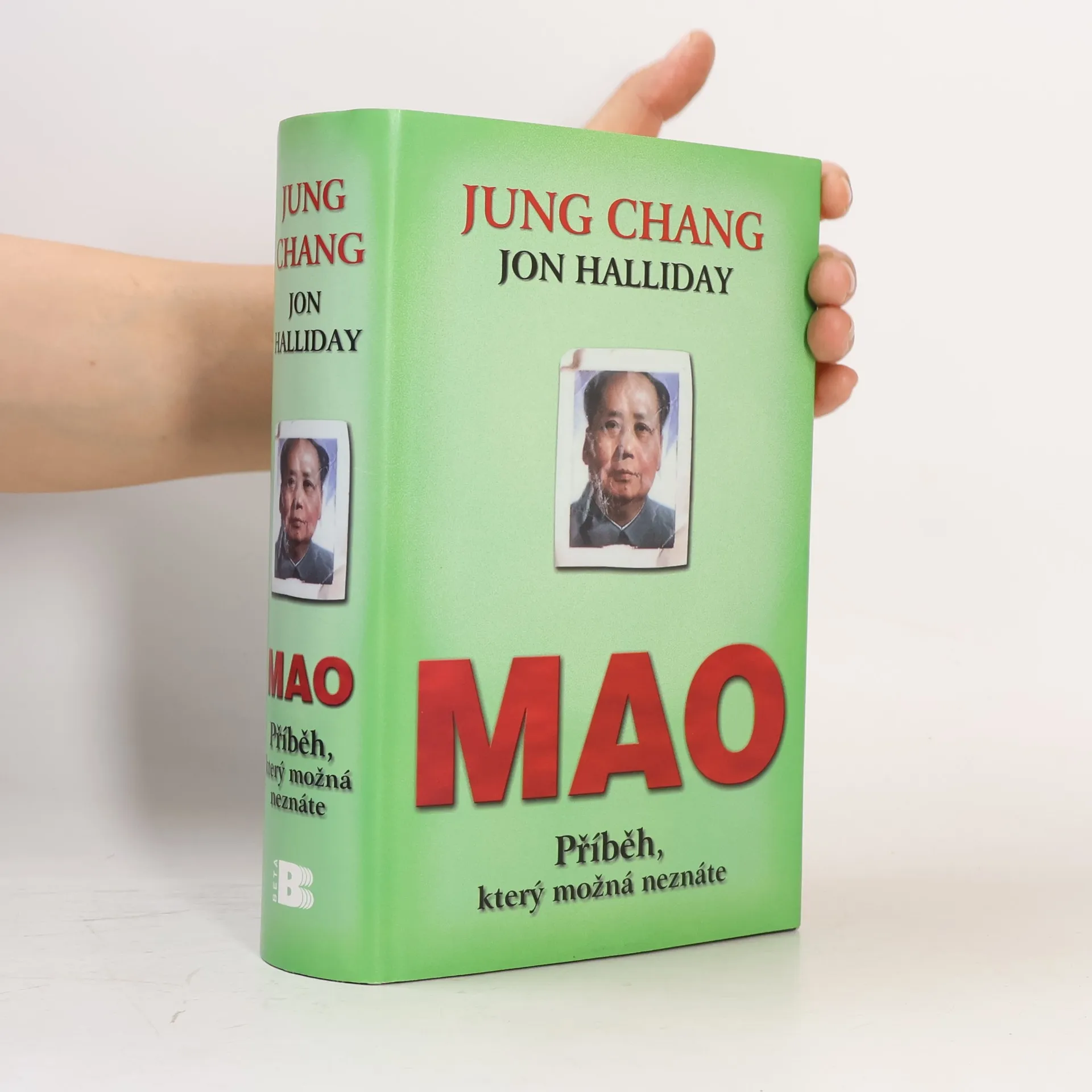
Životopis čínského revolucionáře a nejvyššího představitele Komunistické strany Číny - Mao Ce-tunga. Osobní život, ale především politická kariéra předního čínského revolucionáře a státníka. Shrnutí života od dětství přes vstup do Komunistické strany Číny, působení v Nacionalistické straně, "dlouhý pochod", japonskou okupaci, volbu nejvyšším představitelem strany, mocenské ovládnutí Číny, supervelmocenské ambice, peripetie "kulturní revoluce" a smrt. Osobní Mao Ce-tungova role v procesu historického vývoje Číny v průběhu 20.století.
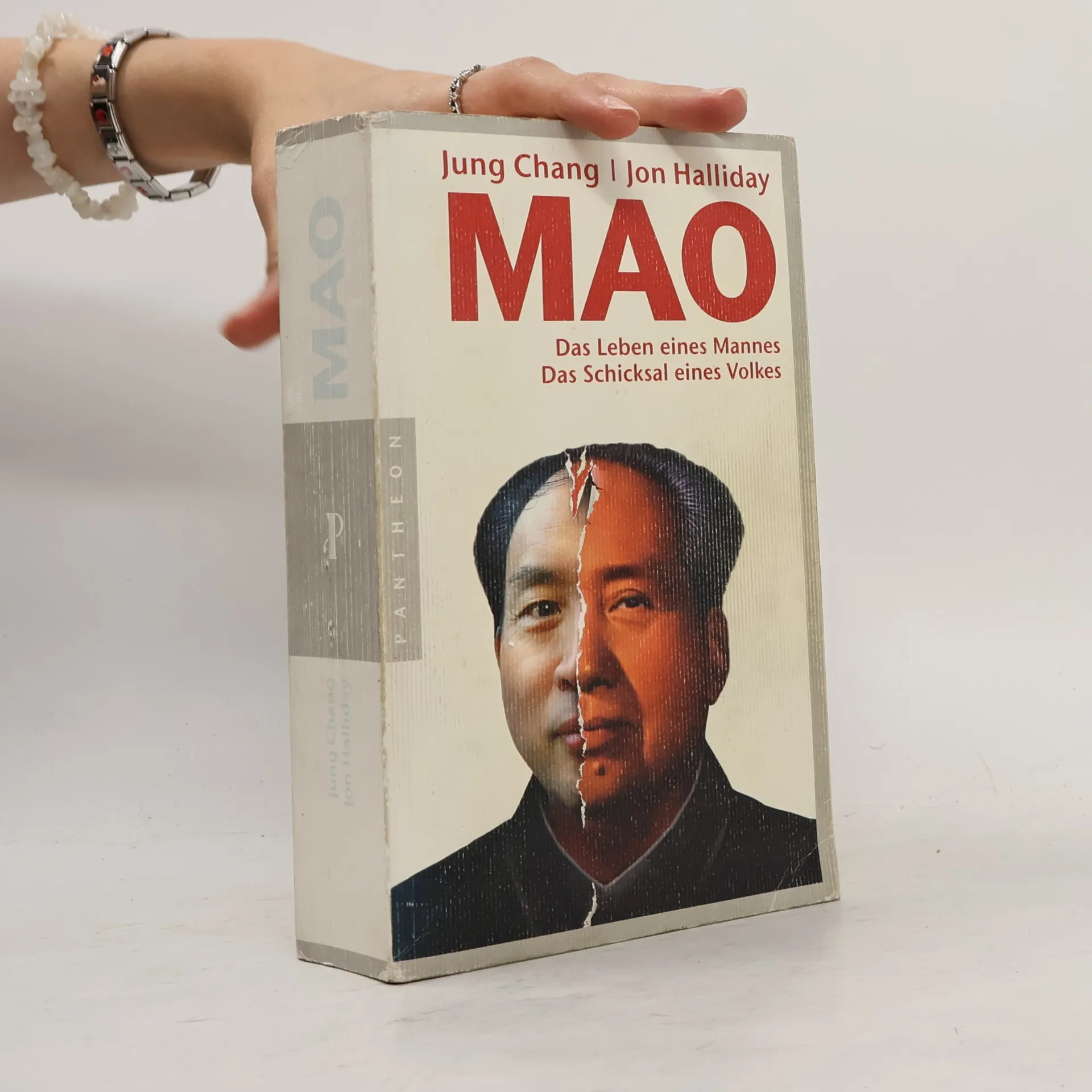
Mao
Das Leben eines Mannes, das Schicksal eines Volkes
Mythos und Massenmörder – das Leben des Mao Tse-tung zeigt, dass es Mao Tse-tung, dem Großen Vorsitzenden der Volksrepublik China, nicht um das Wohl seines Volkes oder die kommunistische Ideologie ging, sondern um seinen unstillbaren Machthunger. Sein Streben nach Macht führte zu den Verlusten von 70 Millionen Menschenleben. Nach ihrem Bestseller Wilde Schwäne präsentiert Jung Chang eine bahnbrechende Biographie über Mao, der sich zum Alleinherrscher über Hunderte Millionen erhob. Durch jahrelange Archivrecherchen und Gespräche mit Zeitzeugen, darunter Politiker und unbekannte Opfer, gelingt es der Autorin, ein realistisches Bild der Mao-Ära zu zeichnen. Sie deckt die Wahrheit hinter vielen von den Kommunisten geschaffenen Mythen auf und entlarvt gezielte Falschdarstellungen, die Mao verbreitete. Chang hat zwölf Jahre damit verbracht, alle Spuren Maos zu verfolgen, dessen Einfluss und Aura Staatsmänner weltweit beeindruckten. Doch das Bild, das sie zeichnet, offenbart eine viel hässlichere Realität. Ihre umfassenden Recherchen ermöglichen es ihr, die kommunistischen Narrative zu hinterfragen und ein unverfälschtes Bild dieser dunklen Epoche zu präsentieren. Ausstattung: mit s/w-Bildteil.
Mit e. Beitr. v. Kranefeldt, W. M. 323 S. 6., rev. A.
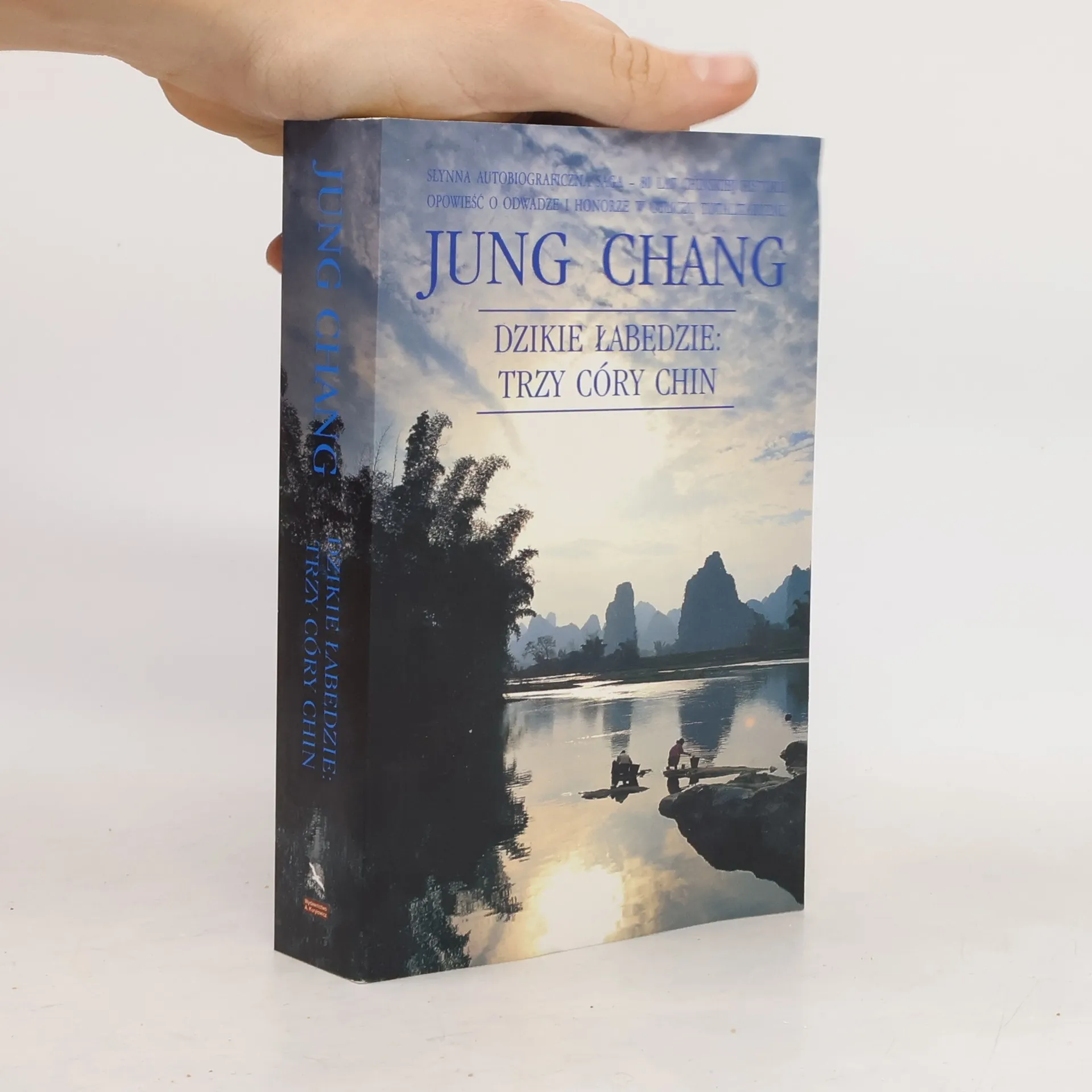
Dzikie łabędzie. Trzy córy Chin
- 576 Seiten
- 21 Lesestunden
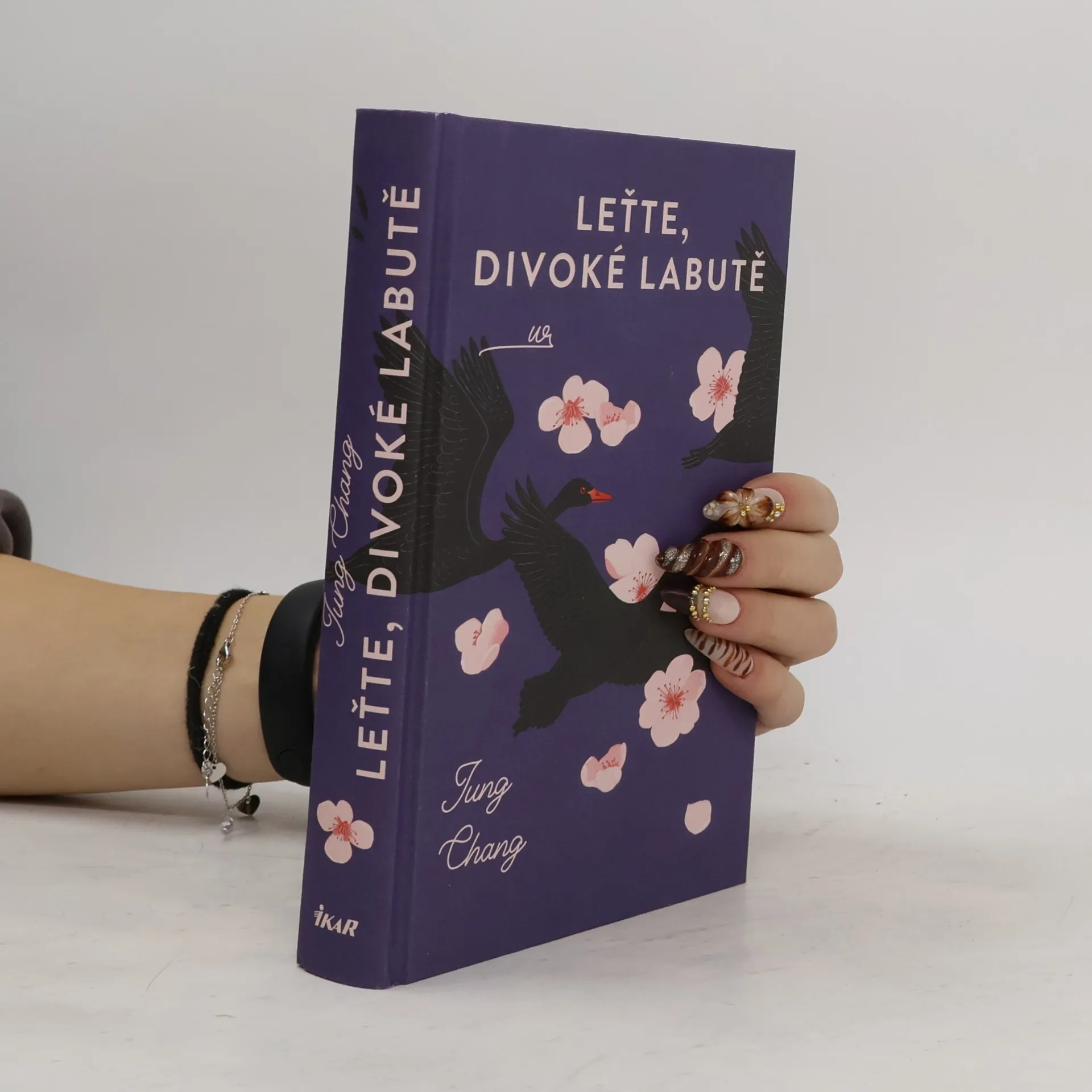
Przejmująca autobiograficzna saga, której bohaterkami są przedstawicielki trzech pokoleń rodziny Chang - autorki książki. Tłem akcji są przemiany zachodzące w Chinach w ciągu ostatnich osiemdziesięciu lat: od schyłku cesarstwa chińskiego, okres japońskiej okupacji, poprzez rządy Mao i Rewolucję Kulturalną do masakry na placu Tian`anmen. Powieść jest spojrzeniem od wewnątrz na proces tworzenia się współczesnych Chin, poprzez pryzmat losów kochającej się rodziny, której ostoją zawsze były kobiety. Nasycona ciepłem opowieść o niezwykłej odwadze i wytrwałości w obliczu wojny, totalitaryzmu, atmosfery represji i tortur, osobistych tragedii.
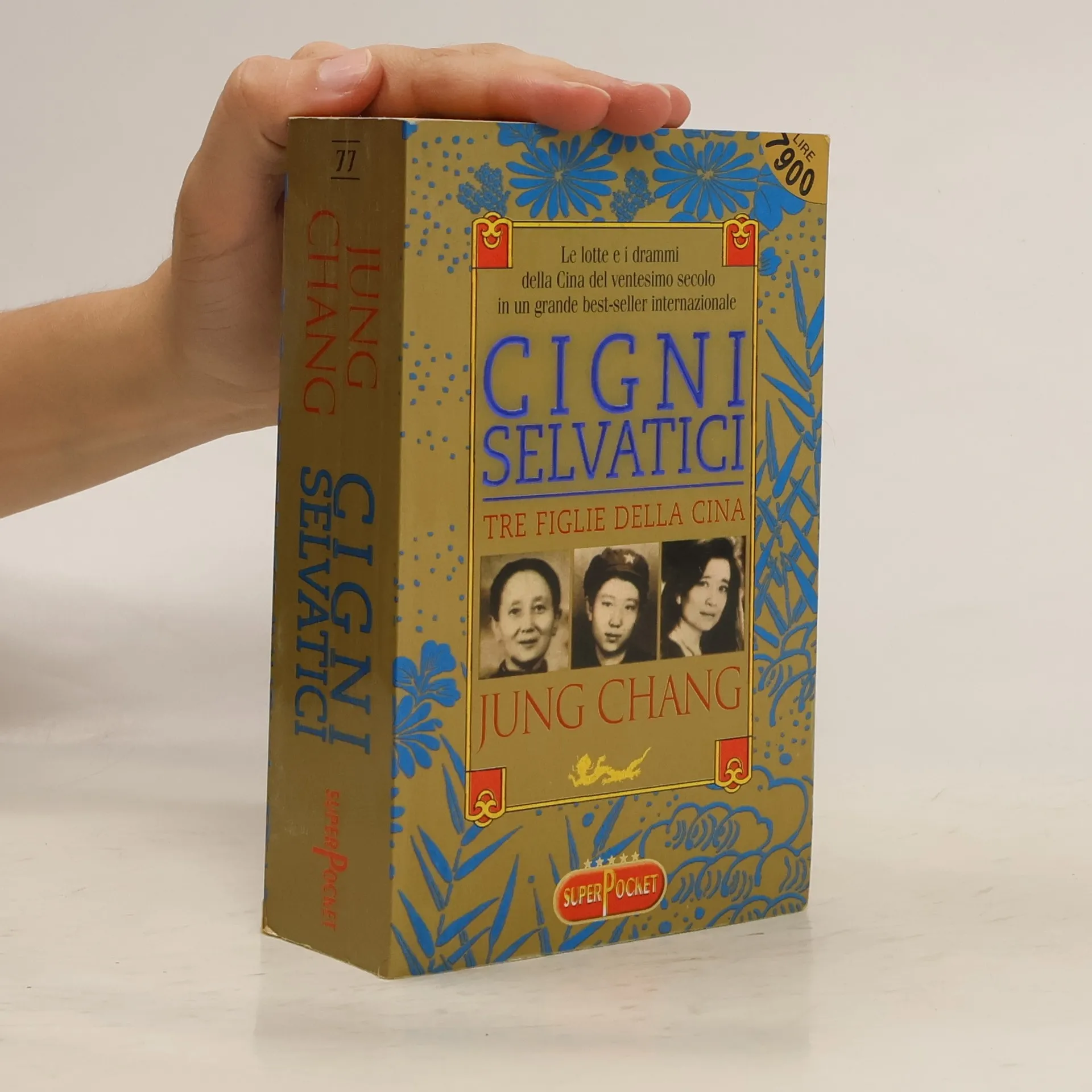
Few books have had such an impact as Wild Swans: a popular bestseller which has sold more than 13 million copies and a critically acclaimed history of China; a tragic tale of nightmarish cruelty and an uplifting story of bravery and survival. Through the story of three generations of women in her own family – the grandmother given to the warlord as a concubine, the Communist mother and the daughter herself – Jung Chang reveals the epic history of China's twentieth century. Breathtaking in its scope, unforgettable in its descriptions, this is a masterpiece which is extraordinary in every way.
Cigni selvatici
- 700 Seiten
- 25 Lesestunden
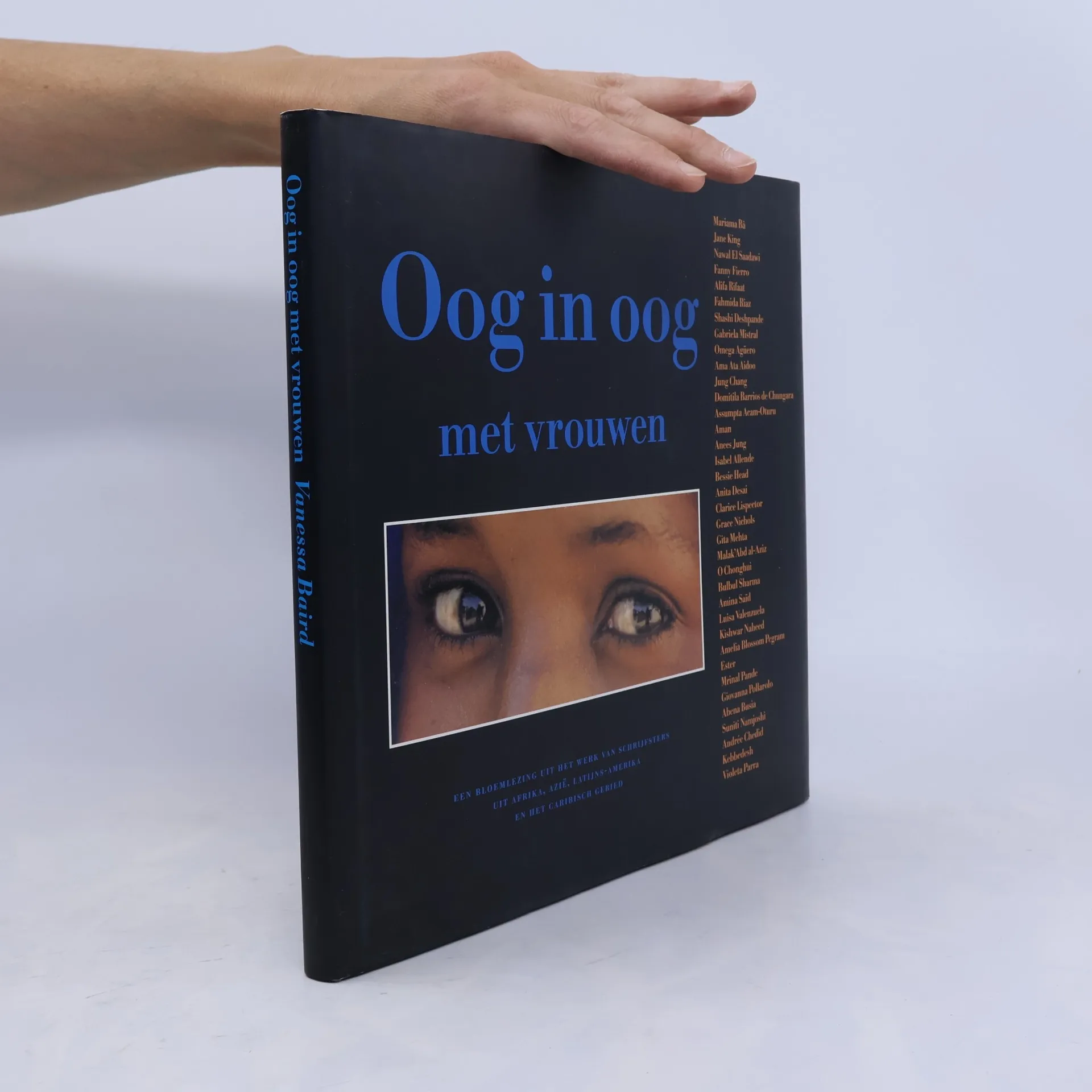
Oog in oog met vrouwen
- 128 Seiten
- 5 Lesestunden
Oog in oog met vrouwen is een bloemlezing uit het prachtige werk van schrijfsters uit Afrika, Azië, Latijns-Amerika en het Caribisch gebied. De fragmenten uit proza en poëzie, die zijn samengebracht onder noemers als Leven en Liefde, Werk en spel en Politiek en maatschappij , worden visueel vertaald en verlevendigd door meer dan veertig kleurenfoto's. Daarmee is dit boek een genoegen om te lezen en tegelijk een lust voor het oog.
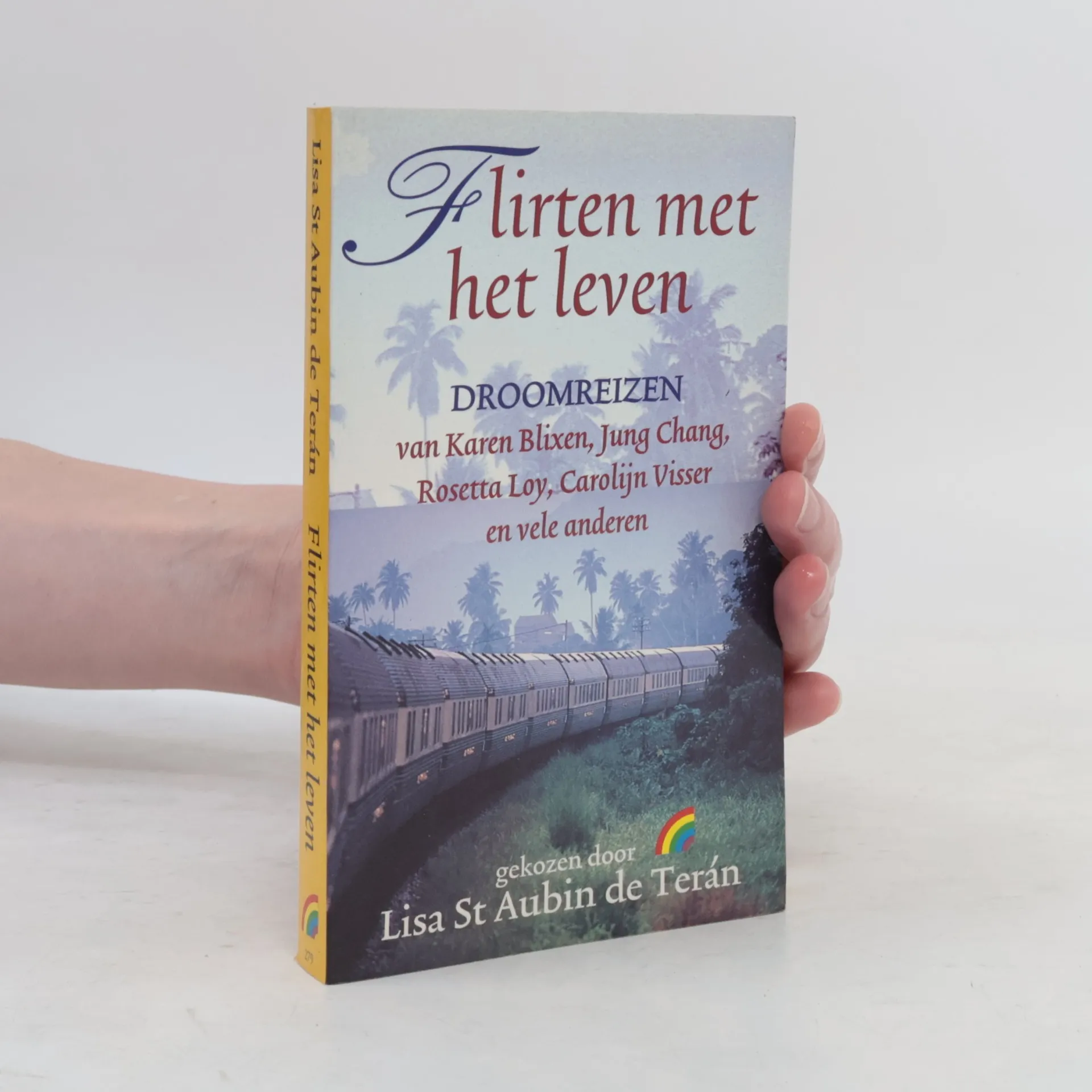
Rainbow pocketboeken - 279: Flirten met het leven
Droomreizen van Karen Blixen, Jung Chang, Kuki Gallmann, Rosetta Loy, Carolijn Visser, Bernice Rubens en vele anderen
- 315 Seiten
- 12 Lesestunden
Tweeëntwintig korte reisverhalen en -fragmenten door bekende en onbekende, meest buitenlandse schrijfsters.
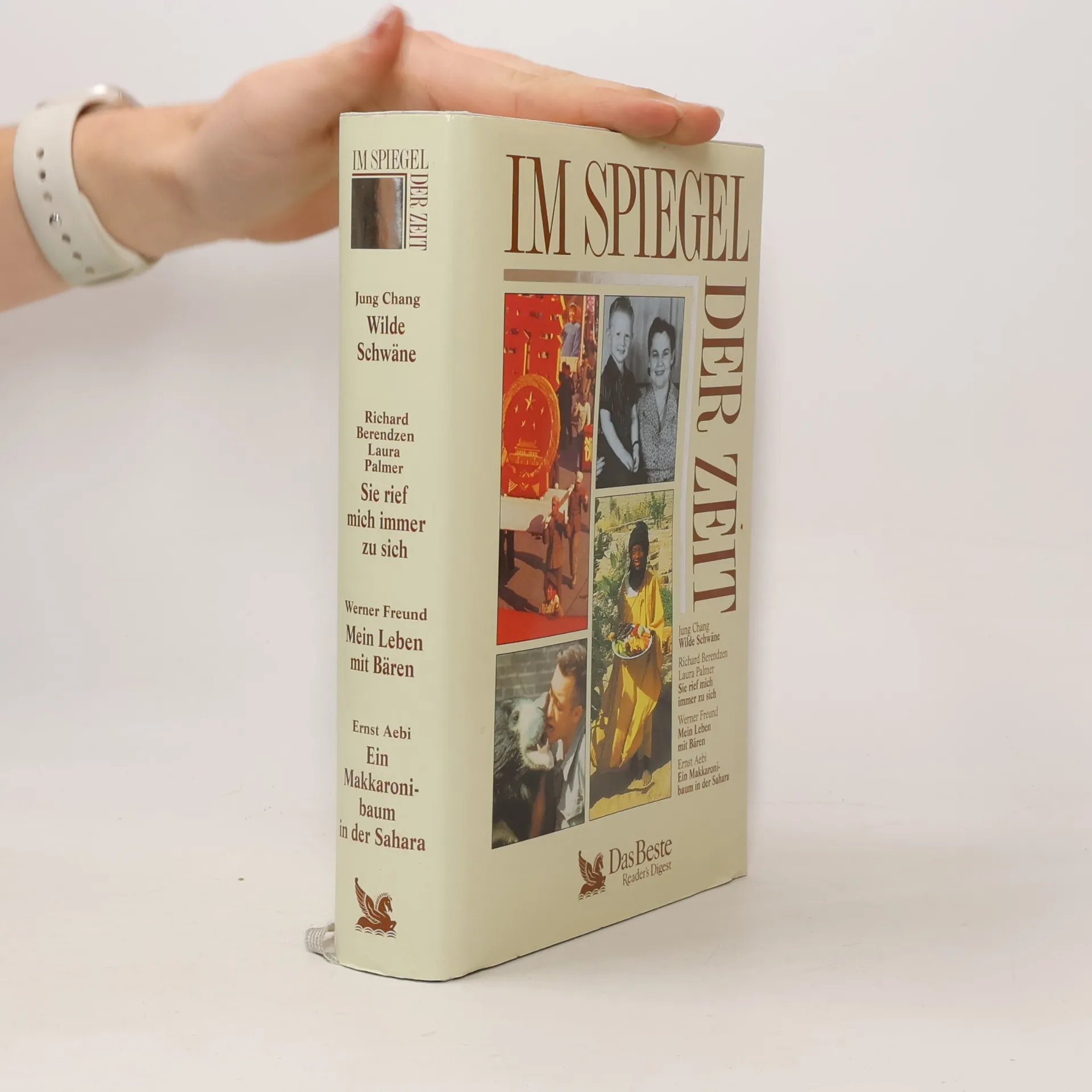
Wilde Schwäne
- 637 Seiten
- 23 Lesestunden
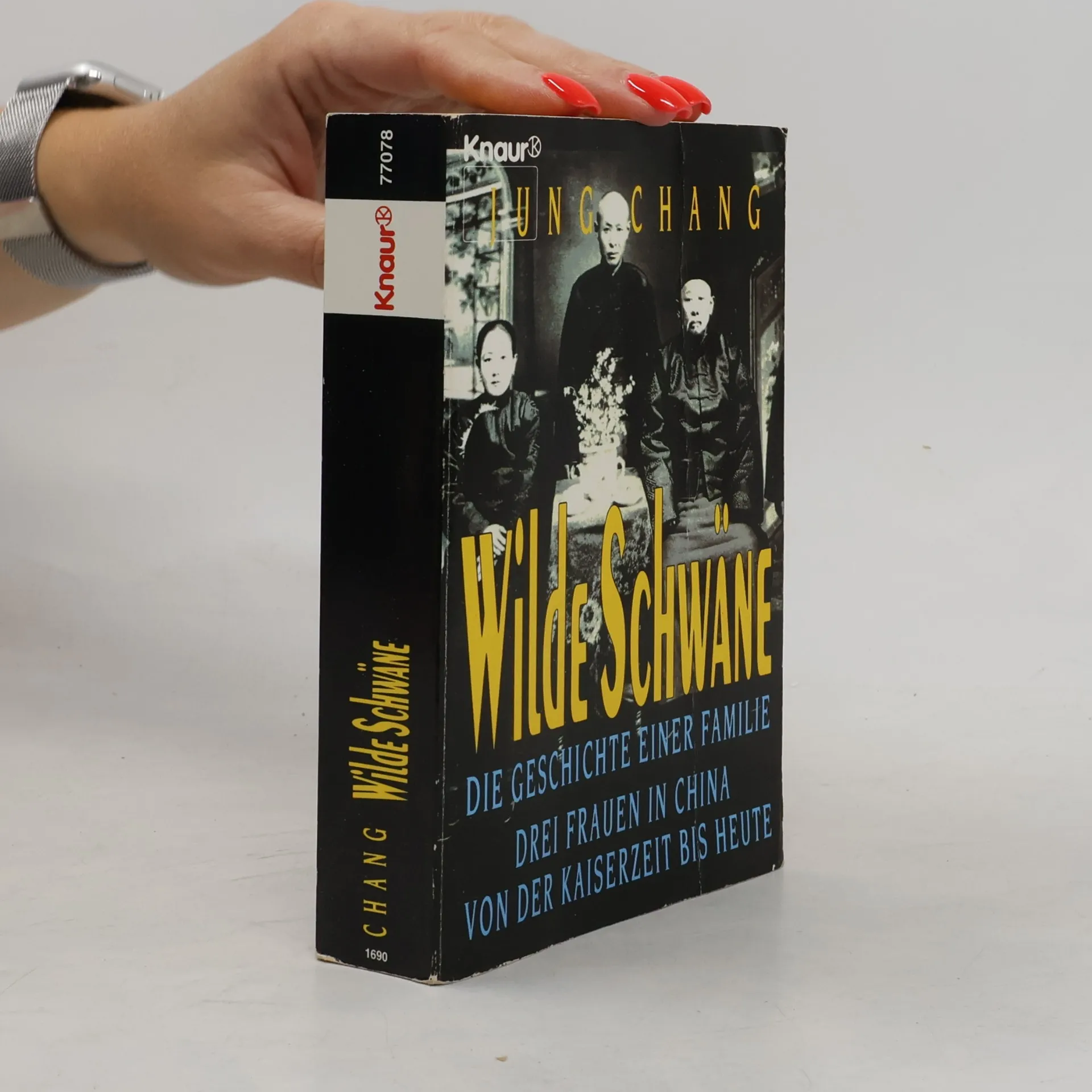
Das bewegende, ungemein farbige und - trotz aller grausamen historischen Details - spannend und unterhaltsam zu lesende Porträt einer Familie im China unseres Jahrhunderts, von der Kaiserzeit bis zu den Ereignissen am Platz des Himmlischen Friedens. (Verlagsangabe)
The Psychology of the Transference
- 224 Seiten
- 8 Lesestunden
This is one of Jung's later writings, in which readers will find the practical applications to familiar psychological situations. It is an account of Jung's handling of the transference between psychologist and patient in the light of his conception of the archetypes.
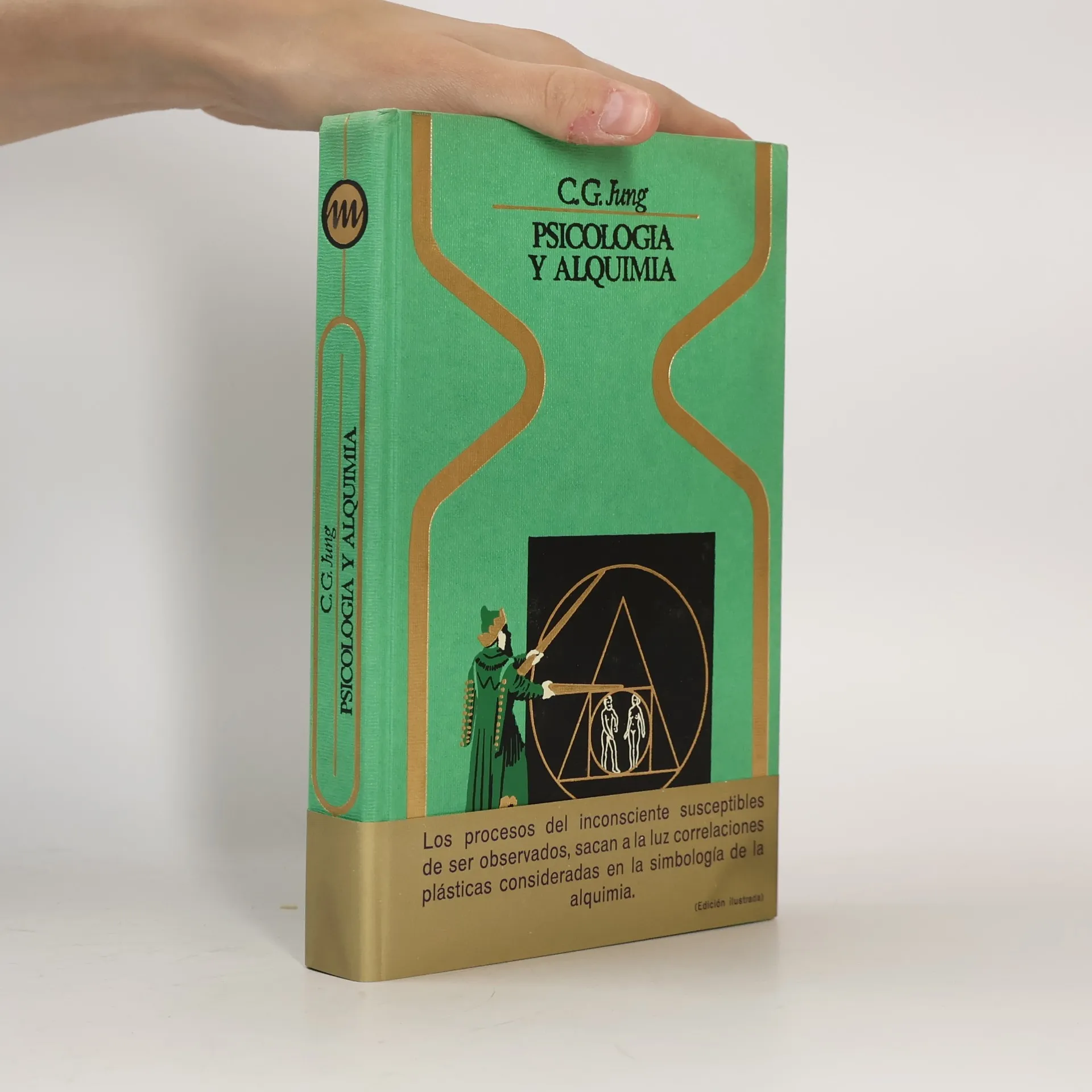
C.G. Jung weist nach, daß die beobachtbaren Phänomene des Unbewußten, nämlich Träume und Visionen, bildhafte Zusammenhänge hervorbringen, wie sie auch in der Symbolik der Alchemie angetroffen werden. Daraus ergibt sich die Möglichkeit eines Verstehens der rätselhaften "hermetischen" Ideen, welche ebenso sehr durch Parallelismus wie durch Gegensätzlichkeit zu den christlichen Grundvorstellungen gekennzeichnet sind. Die Parallele, welche die Alchemie zwischen ihrem sogenannten "Stein der Weisen" und Christus zieht, wird einer ausführlichen Untersuchung gewürdigt.