William Hogarth Bücher
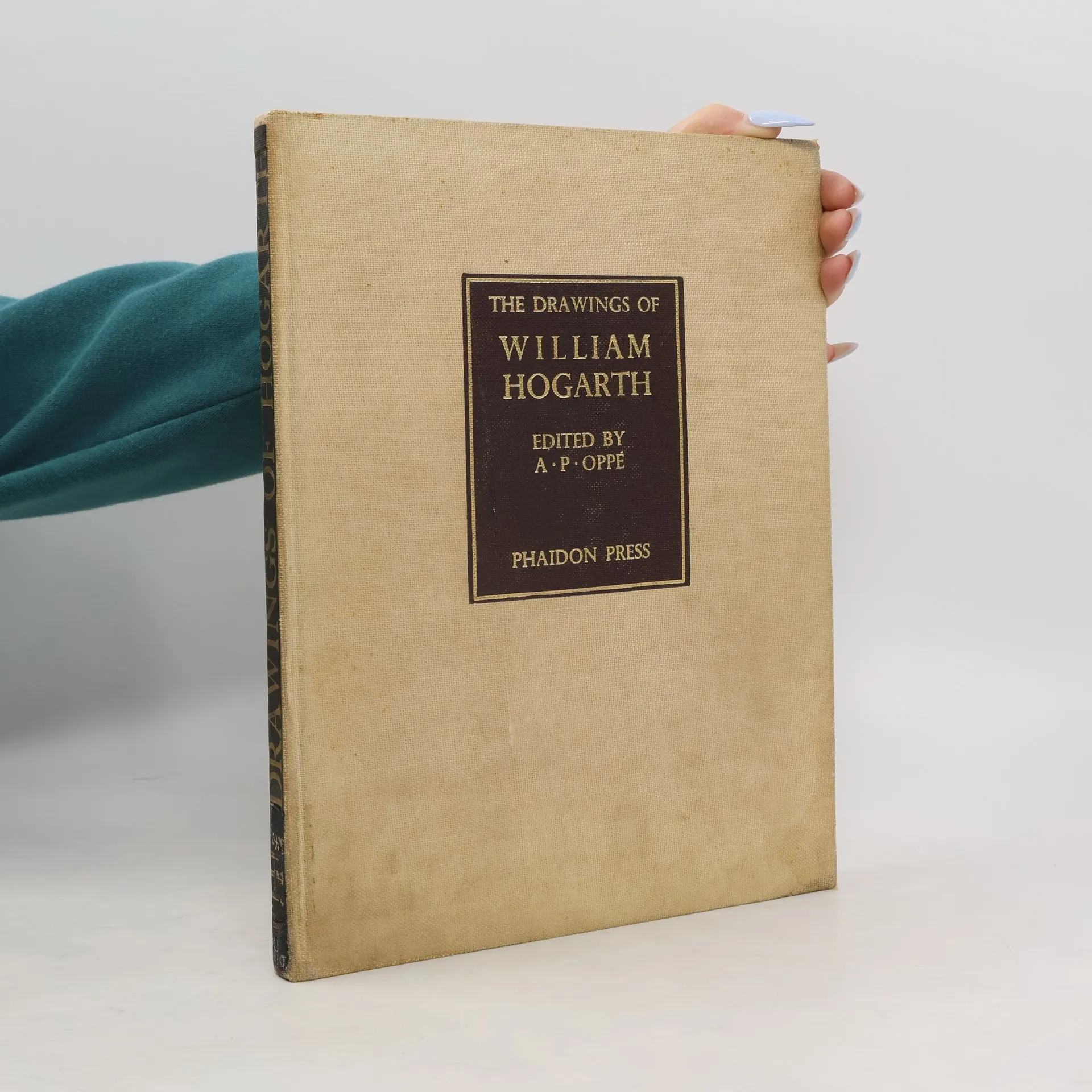
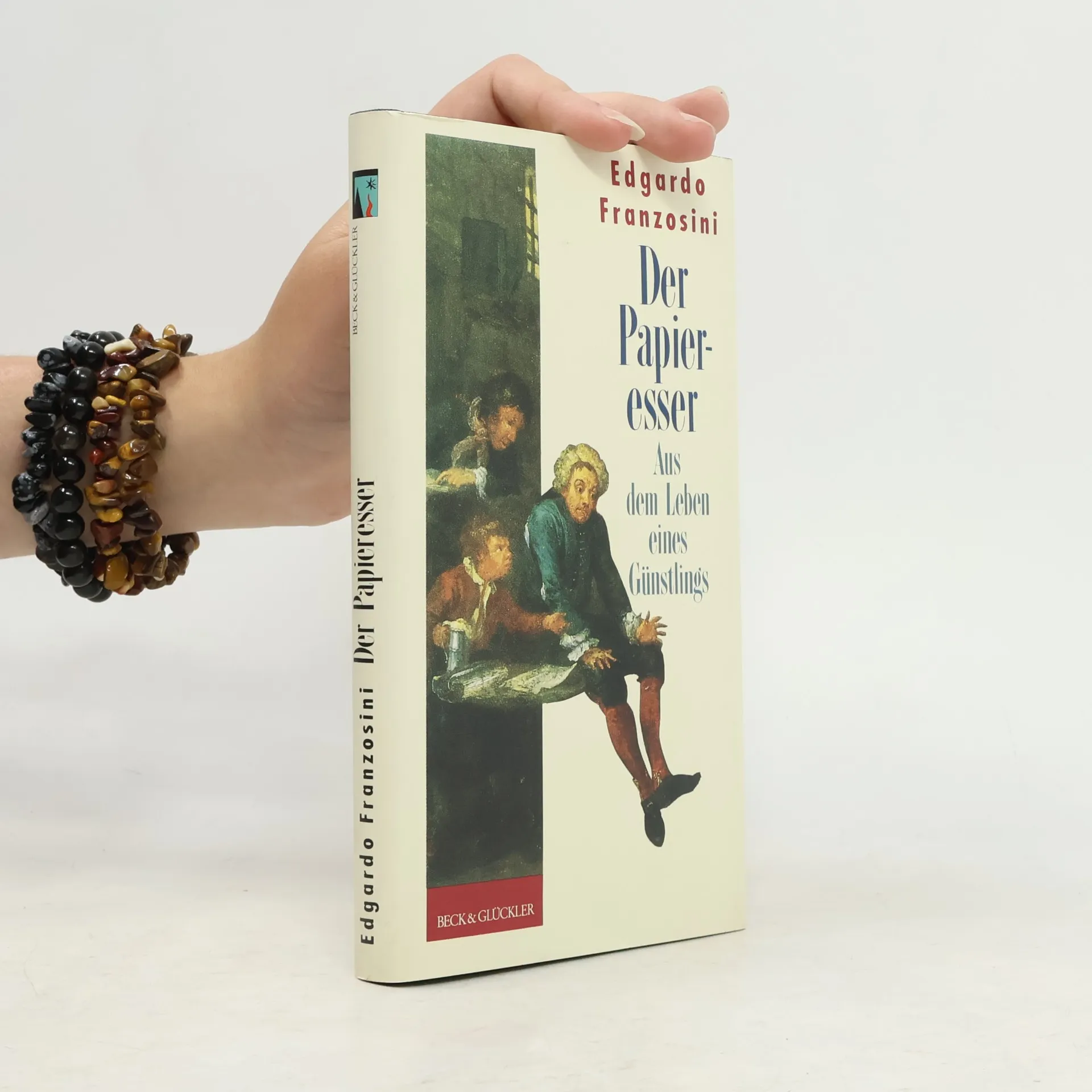
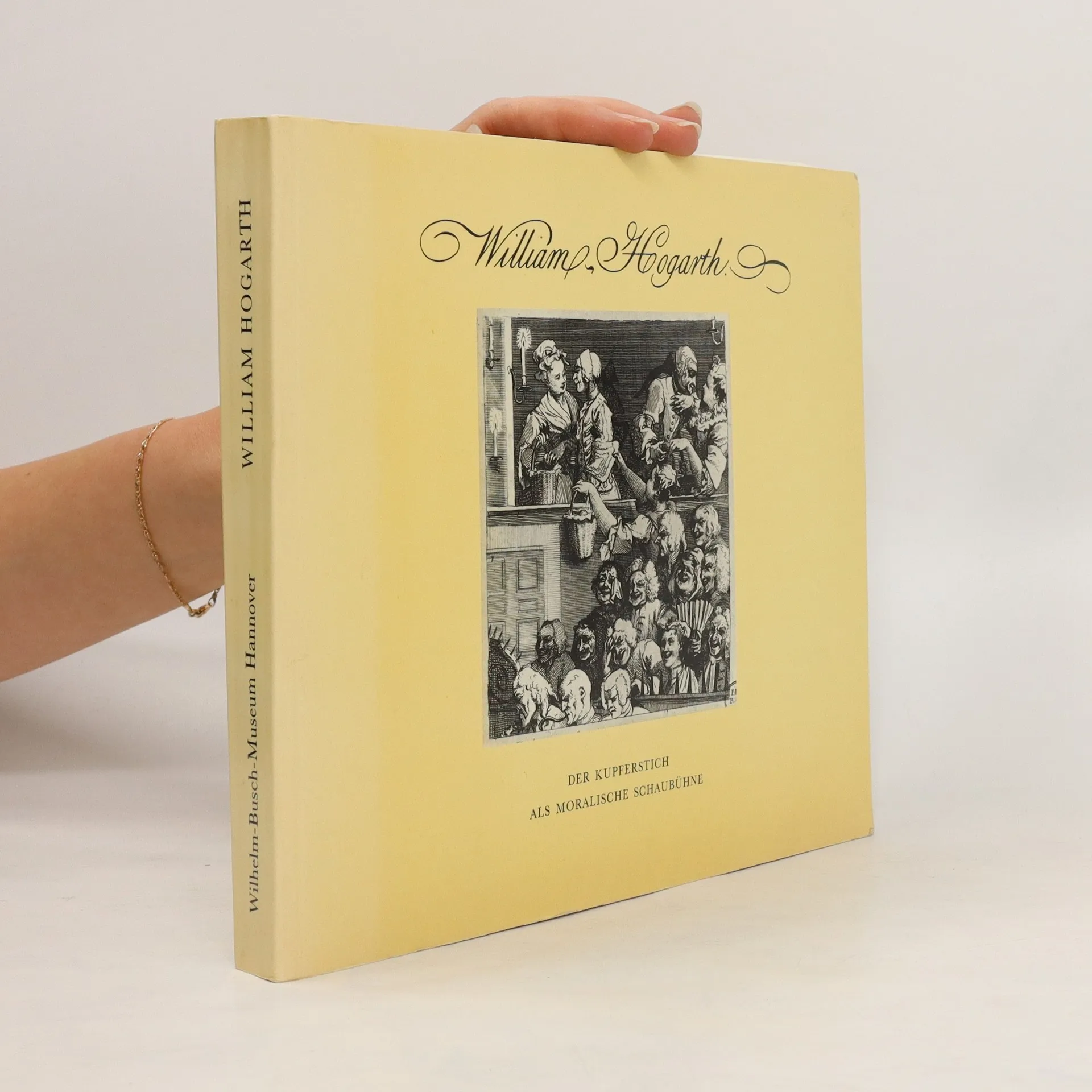
William Hogarth war ein englischer Maler, Grafiker und Satiriker. Er ist bekannt für seine Kupferstiche, die die Moral und Sitten seiner Zeit kritisierten. Seine Werke, oft in Form von comicartigen Bilderserien, zeigten realistische Porträts neben satirischen Beobachtungen. Hogarth gilt als Pionier der westlichen sequenziellen Kunst.
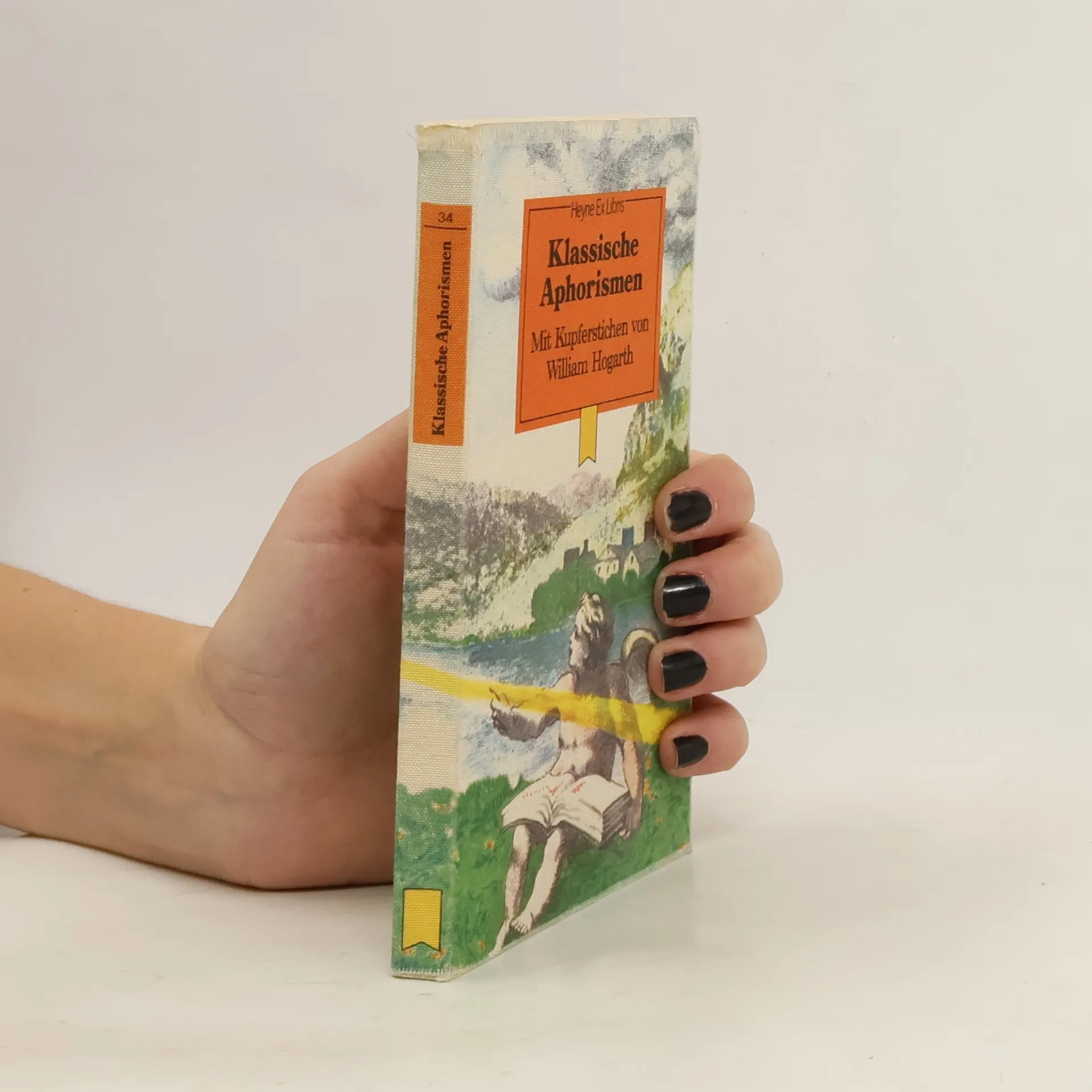
Klassische Aphorismen
- 125 Seiten
- 5 Lesestunden
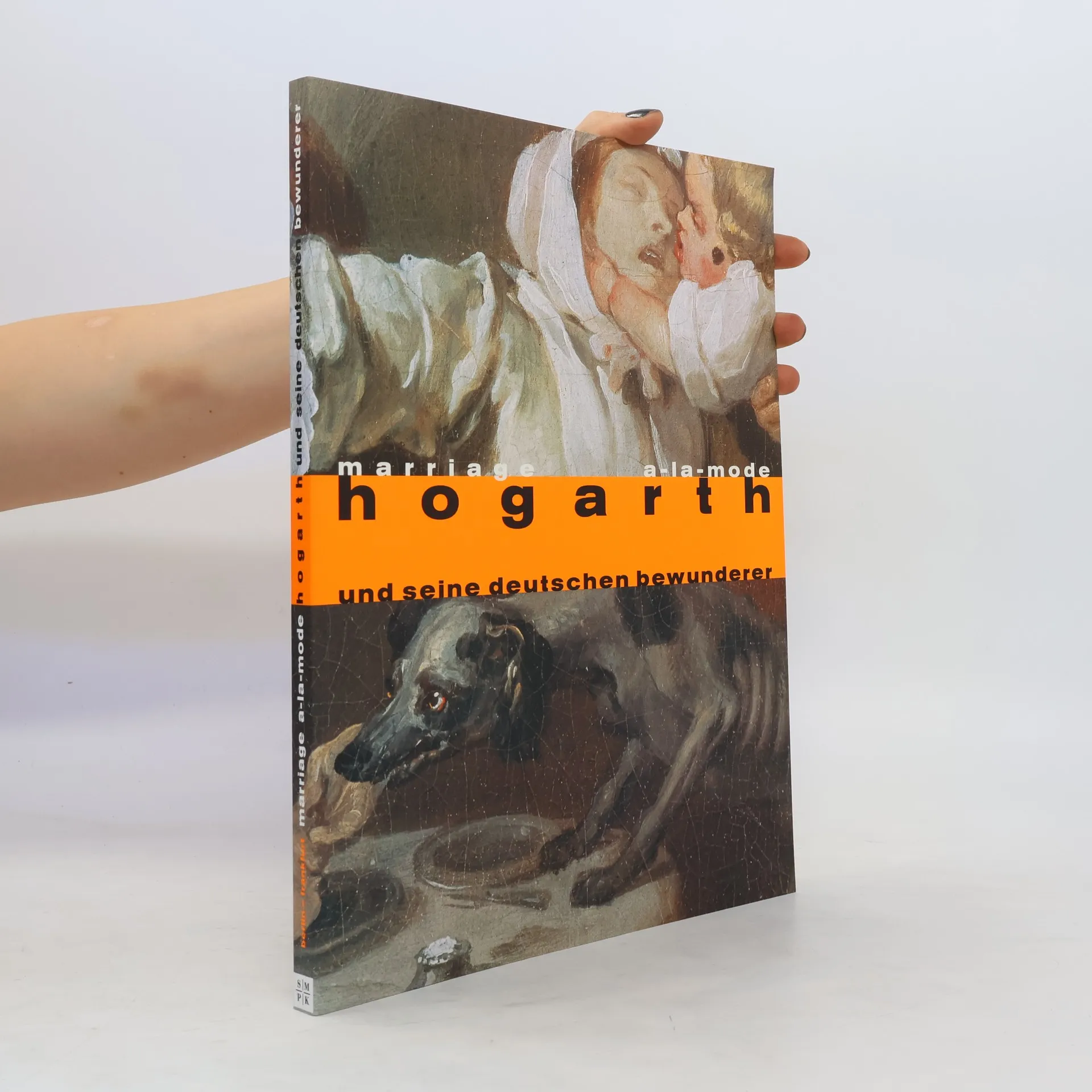
Marriage a-la-mode - Hogarth und seine deutschen Bewunderer
- 159 Seiten
- 6 Lesestunden
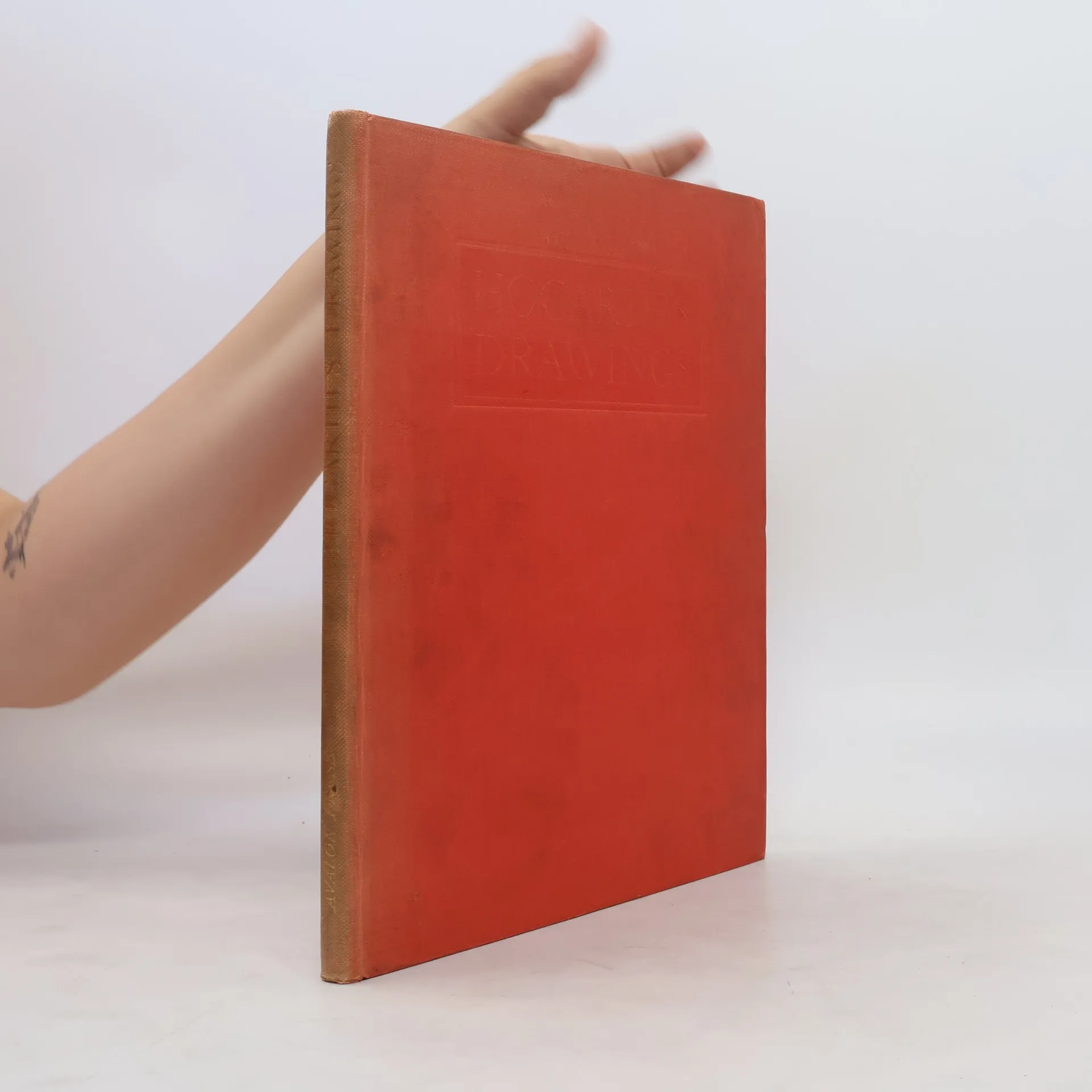
Anecdotes of William Hogarth
- 160 Seiten
- 6 Lesestunden
William Hogarth's pithy autobiography and writings on his own art - hitherto virtually unobtainable.
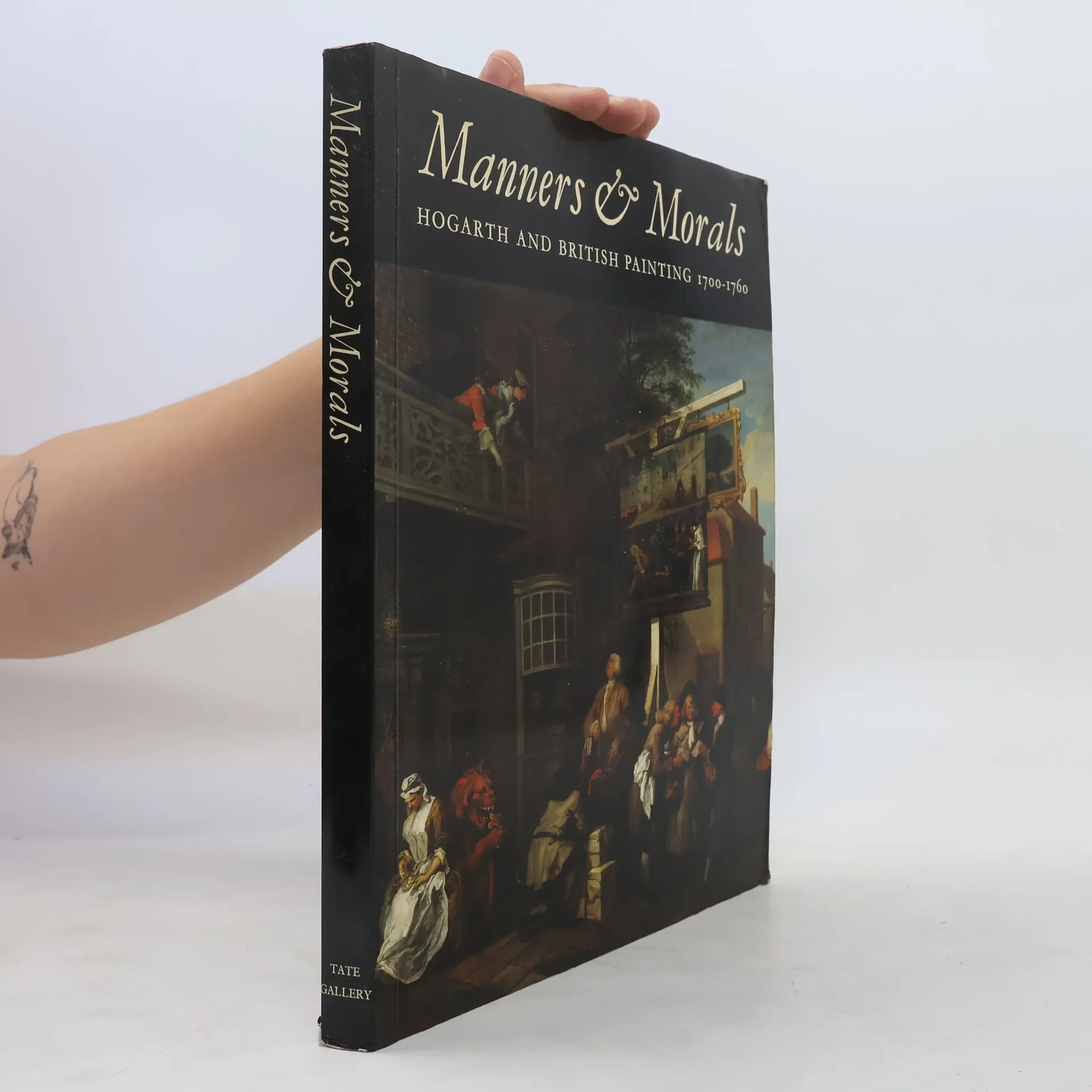
Published to accompany the exhibition held at the Tate Gallery, London, 15 October 1987 - 3 January 1988.
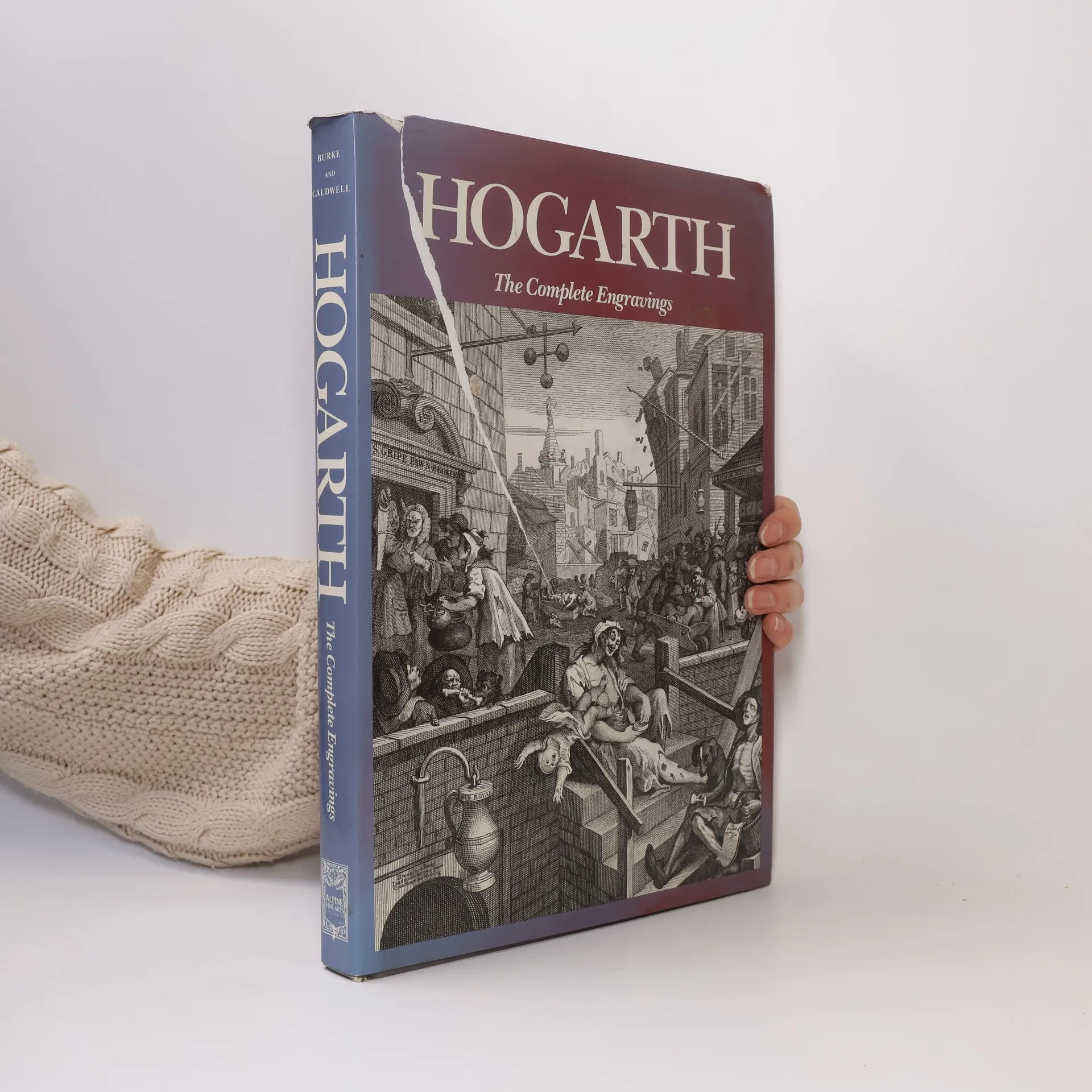
This book contains 101 of Hogarth's finest and most important engravings, including all the major series or "progresses": "The South Sea Scheme," A Harlot's Progress , "A Midnight Modern Conversation," A Rake's Progress , Before and After , Marriage à la Mode , Industry and Idleness , "The March to Finchley," The Four Stages of Cruelty , "Time Smoking a Picture," "Tailpiece," and many more, including ten study sketches and paintings that show how the final works evolved.Sean Shesgreen, a foremost authority on Hogarth, has consistently selected the best states of the plates to be used in this edition and has carefully introduced them, commenting upon the artist's milieu and the importance of plot, character, time, setting, and other dimensions. A most important aspect of this book, found in no other Hogarth edition, is the positioning of the editor's commentary on each plate on a facing page. With the incredible and sometimes overwhelming amount of detail and action going on in these engravings, this is a most helpful feature.
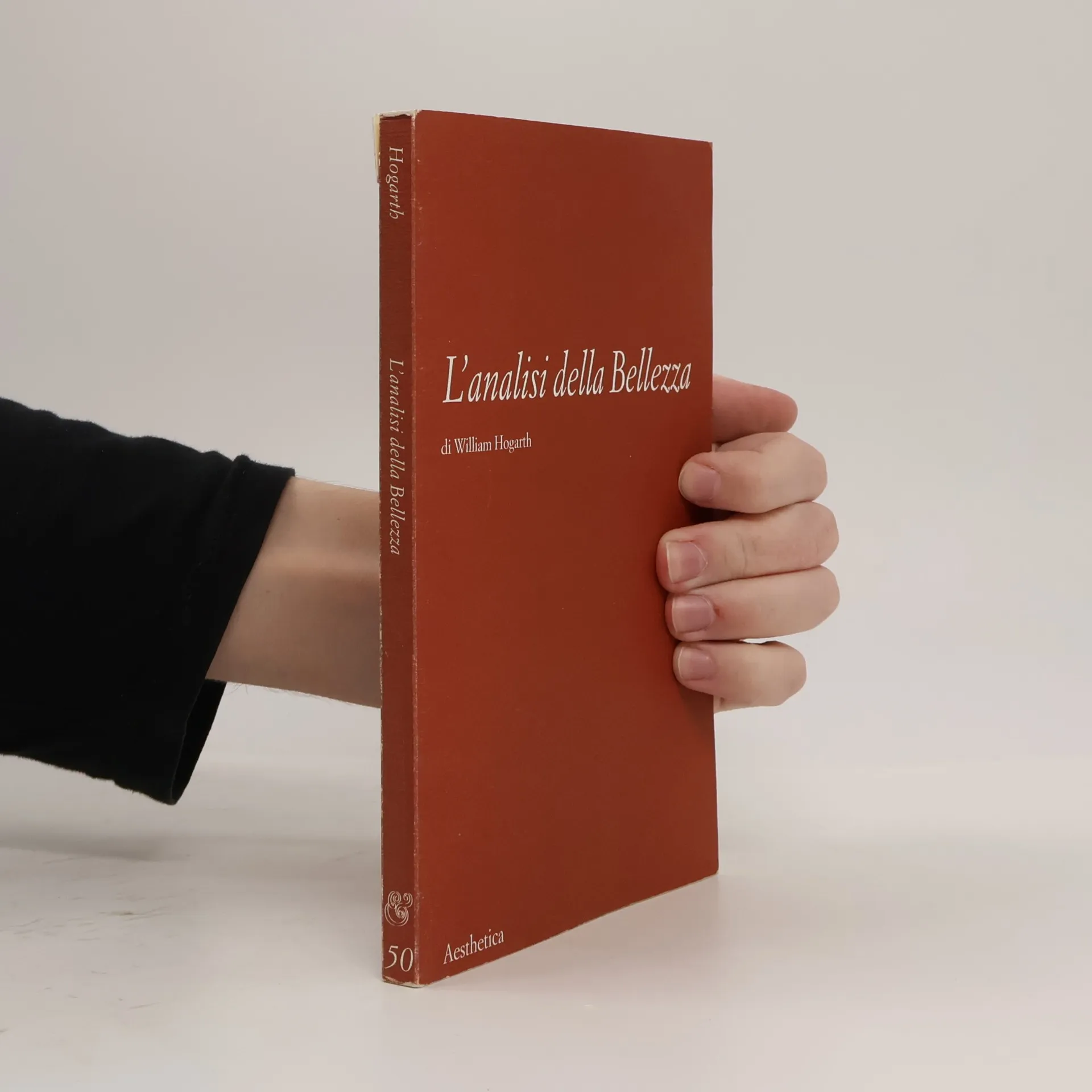
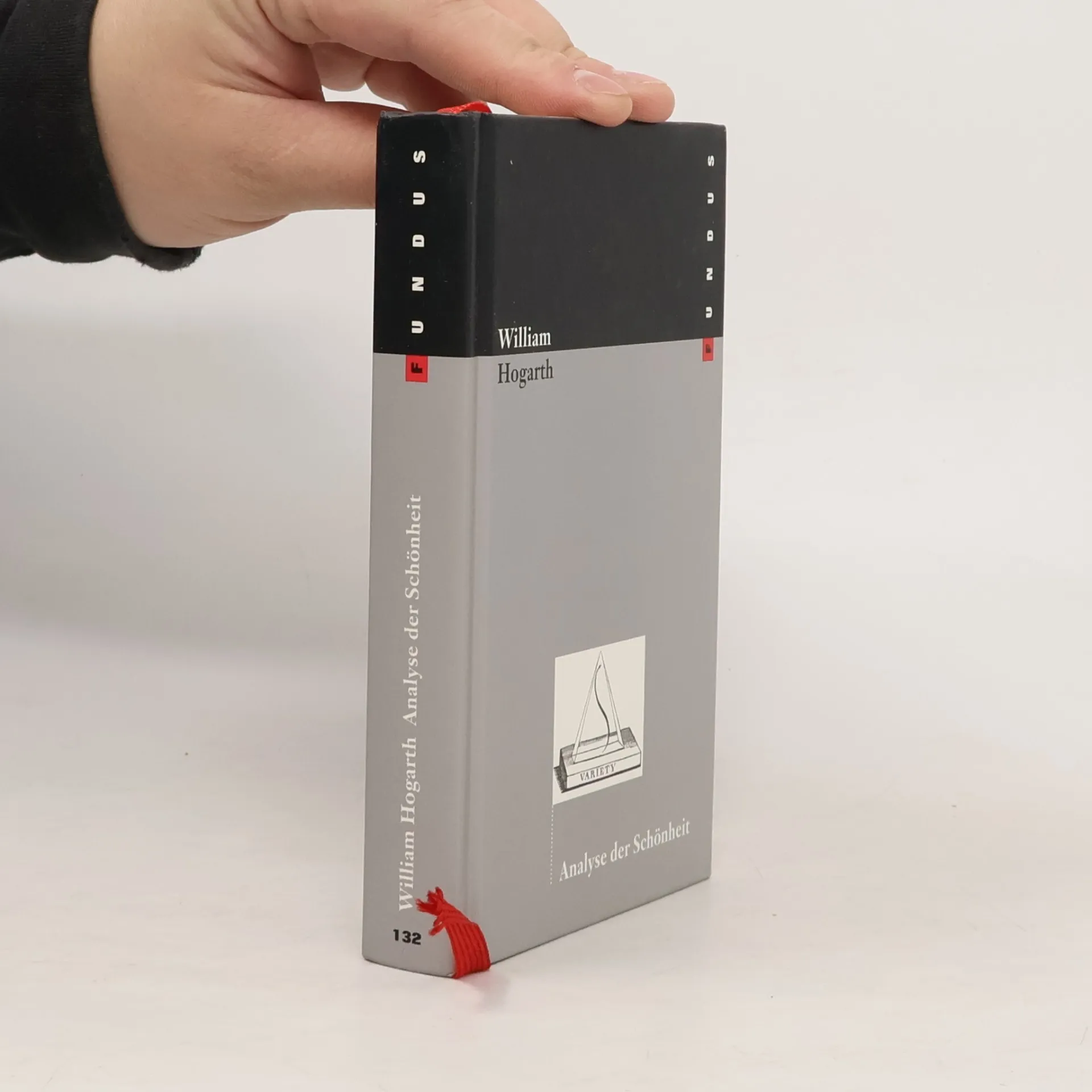
The Analysis Of Beauty
Written With A View Of Fixing The Fluctuating Ideas Of Taste
- 144 Seiten
- 6 Lesestunden
Exploring the concept of beauty, this work delves into the principles of aesthetics and the nature of taste. The author seeks to establish a stable understanding of beauty, addressing the subjective nature of artistic appreciation. Through detailed analysis, the book examines various forms of art and their impact on human perception, aiming to reconcile differing views on beauty and provide a framework for evaluating artistic merit. The text serves as both a philosophical inquiry and a guide for discerning taste in art and design.
Hogarth
- 352 Seiten
- 13 Lesestunden
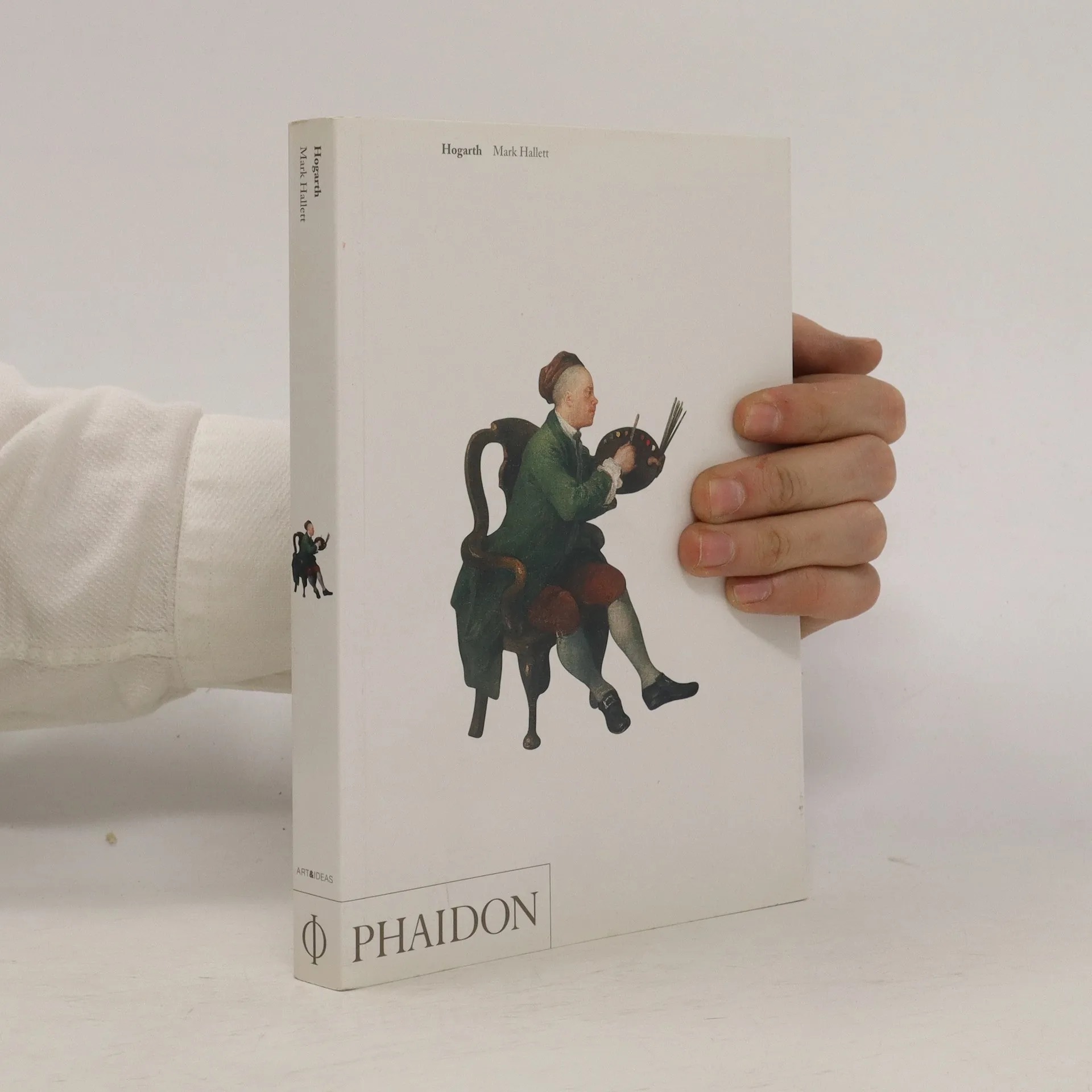
William Hogarth (1697-1764) is certainly one of the most versatile, innovative and celebrated of all British artists. He lived at a time when Britain was emerging as an increasingly urbanized, commercialized and aggressively imperial power. Like many other artists, he exploited and benefited from these changes in British society. Among his contemporaries, it was Hogarth who commented most brilliantly on society - both positively and negatively. His work celebrates the benefits of commerce, politeness and patriotism while simultaneously focusing on the corruption, hypocrisy and prejudice they brought in their wake. In paint and in print we are shown the two contrasting sides of modernity. This book explores and explains the dramatic duality within Hogarth's work, and in doing so gives us a greater sense of the contradictions and complexities that existed within eighteenth-century British society.
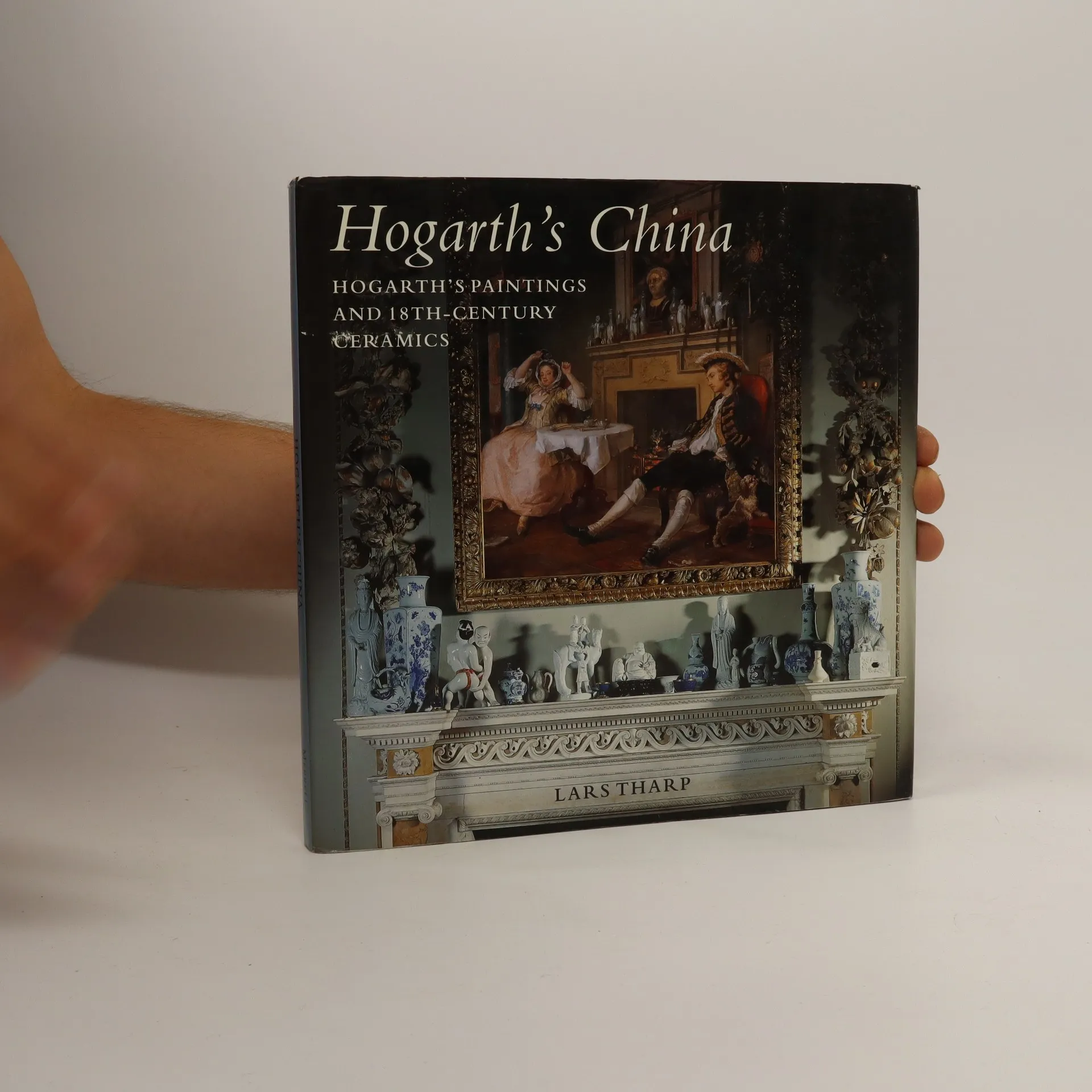
Hogarth's China : Hogarth's paintings and eighteenth-century ceramics
- 120 Seiten
- 5 Lesestunden
Provides a summary of the various English ceramic traditions as they evolvedrom the 17th into the 18th century; tracks their context and developmentsing Hogarth's work as an example; and examines how Hogarth's work bothampooned and became an unwitting source for ceramic designers at home andbroad. Well-illustrated with photographs, primaril
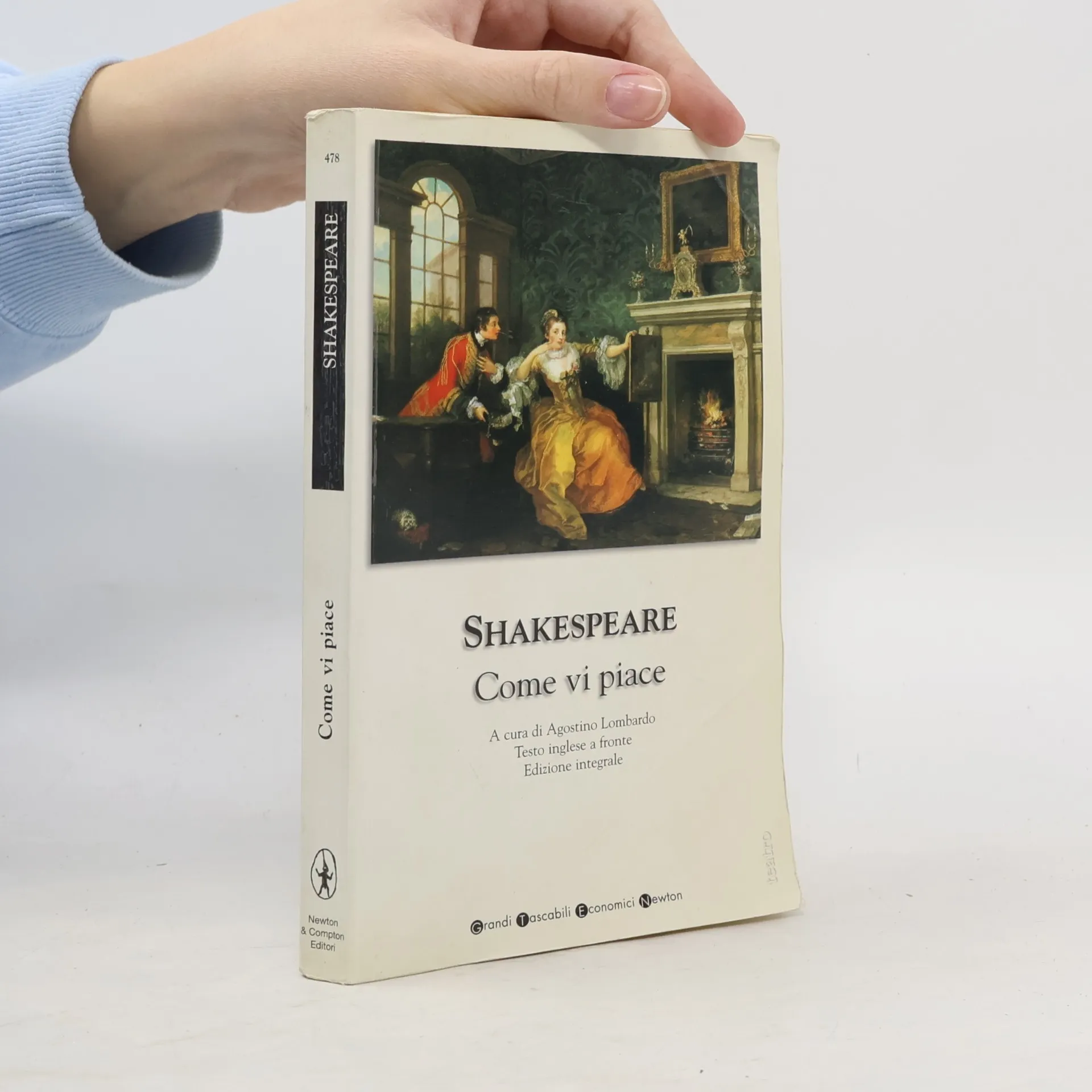
Divertente e allegro, Come vi piace è forse una delle commedie più brillanti di Shakespeare. La freschezza dei dialoghi e dell'ambientazione ricorda una di quelle composte e vivaci danze medievali, in cui ciascuno ha i propri passi da seguire e incrociare con quelli degli altri, solo ogni tanto interrotti da un improbabile e inatteso colpo di scena che confonde i movimenti e inverte il ritmo, per poi ripartire di slancio con la stessa colorata ed astuta eleganza.
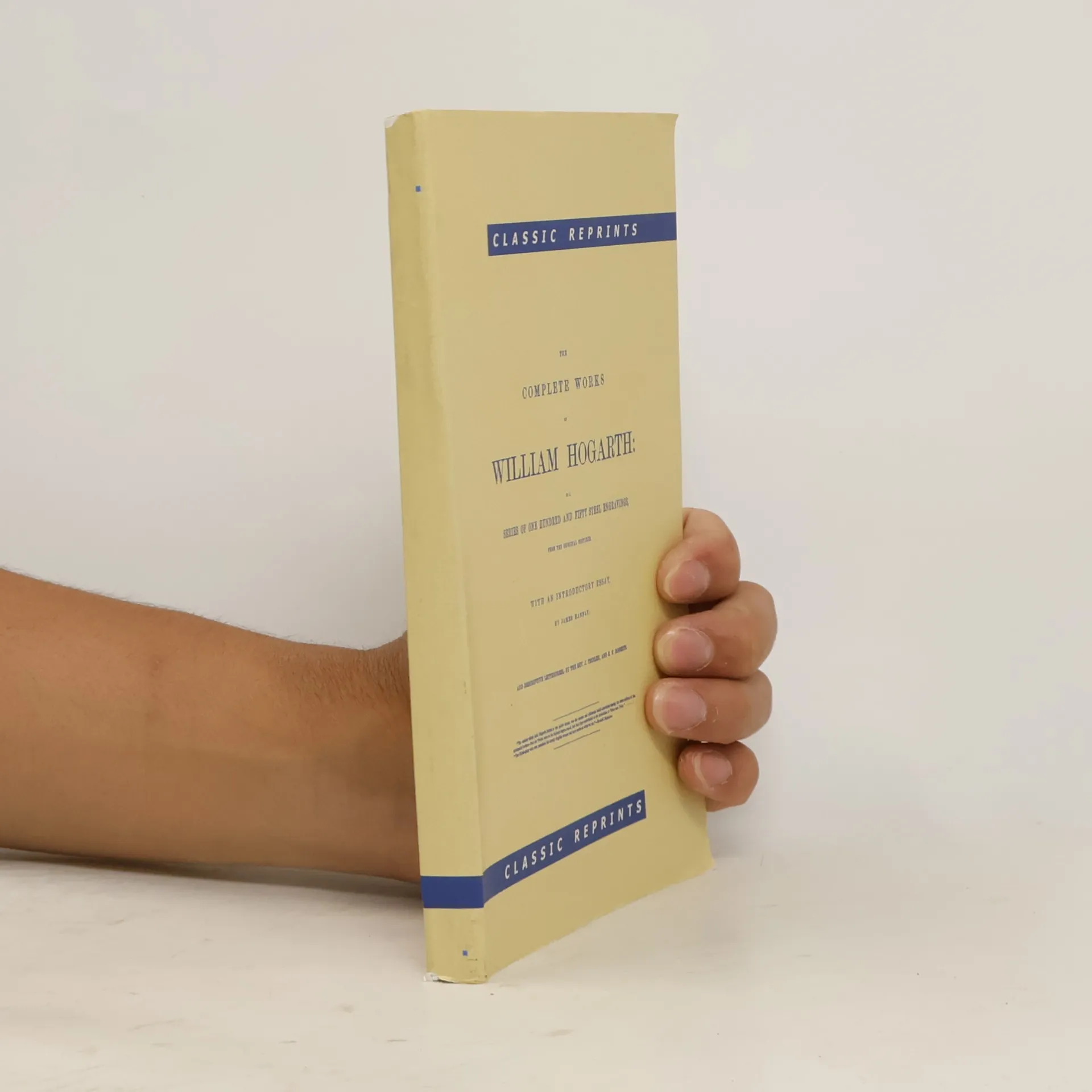
The Complete Works of William Hogarth
In a Series of One Hundred and Fifty Steel Engravings, From the Original Pictures; With an Introductory Essay
Hogarth
The Complete Engravings
The Indignant Eye
The Artist as Social Critic in Prints and Drawings from the Fifteenth Century to Picasso
- 470 Seiten
- 17 Lesestunden
Book by Shikes, Ralph E
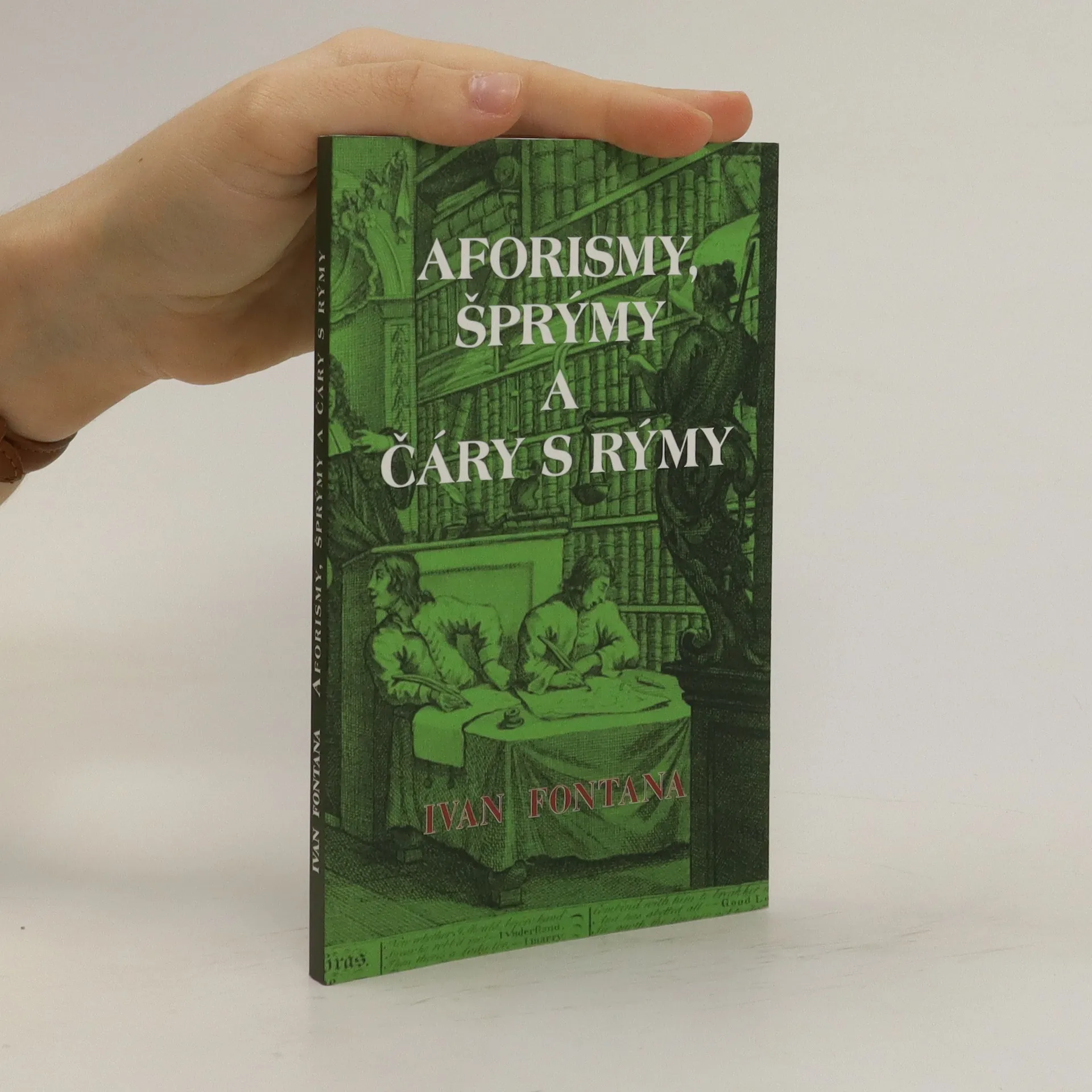
Další soubor veršů známého českého spisovatele a tvůrce aforismů, doplněný několika výroky a citáty, volně navazující na knihu "Glosy mezi řádky", představuje autora jako důmyslného a vtipného představitele literární zkratky. Zkušený autor dokazuje i v tomto útlém svazku, že forma miniaturního útvaru je jeho doménou, a to jak v poezii, tak i na poli aforismu. S vtipem a noblesou komentuje autor věci minulé i současné, čerpá inspiraci jak z historických souvislostí, tak i z dnešních mezilidských vztahů. Konečným výsledkem pak je pestrá mozaika, v níž se odráží nejen svědomí člověka, jeho pochybnosti a omyly, ale třeba i klimatické proměny či ekonomické glosy a poznámky. Fontanovy texty a básně se sice "derou na svět s křikem batolete", přesto však brzy získávají údernou razanci "gumového projektilu, zasahujícího duši".
Aesthetica - 50: L'analisi della bellezza
- 163 Seiten
- 6 Lesestunden
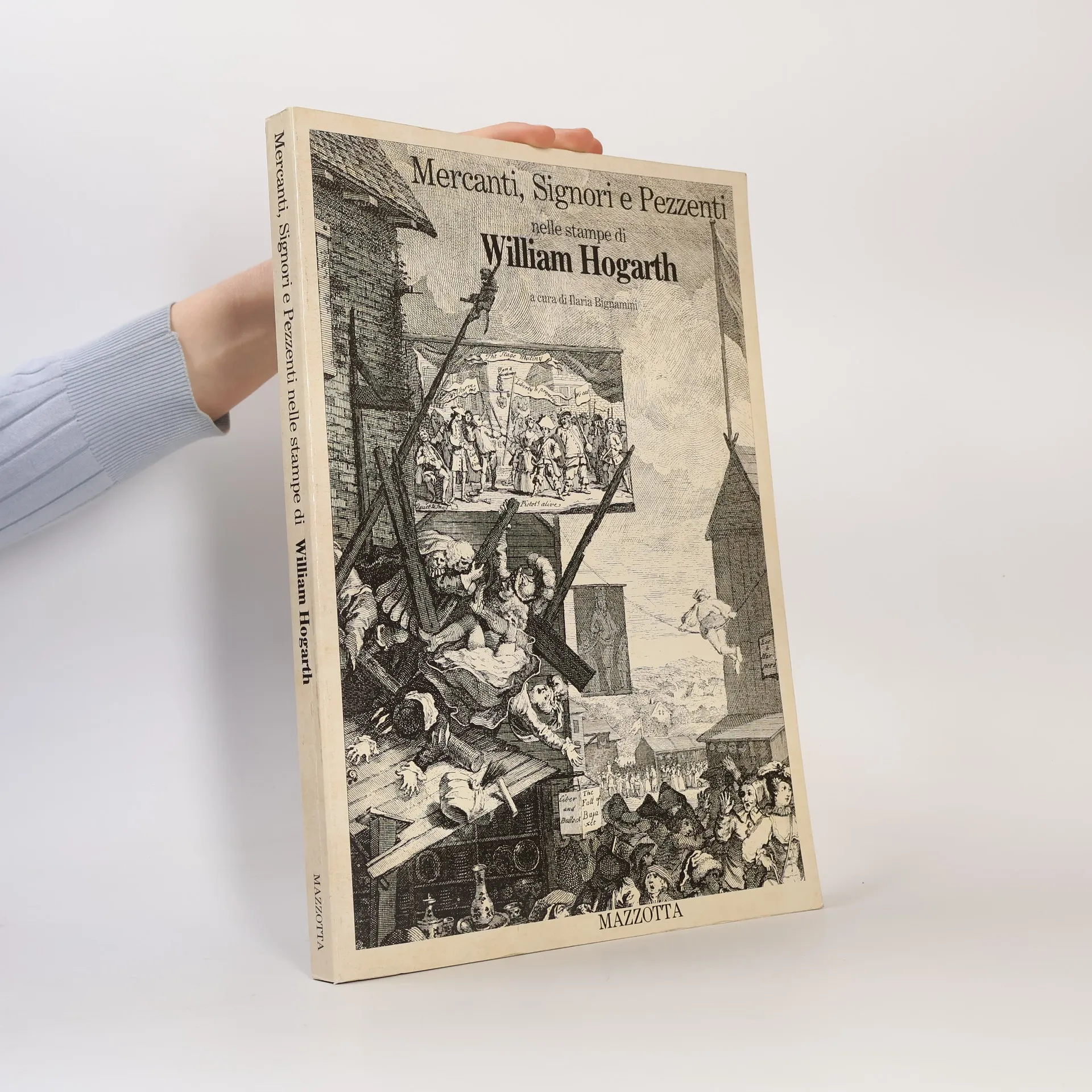
Mercanti, signori e pezzenti nelle stampe di William Hogarth
- 230 Seiten
- 9 Lesestunden