

Lieferung vor Weihnachten: 0 Tage 23 Stunden
Bookbot

Noah Charney

    27. November 1979

    Noah Charney ist ein Gelehrter, dessen akademischer Hintergrund in Kunstgeschichte von renommierten Institutionen seine ausgeprägte literarische Stimme prägt. Seine Arbeit taucht tief in die komplexe Beziehung zwischen Kunst, Kultur und den dunkleren Aspekten menschlichen Verhaltens ein und erforscht Themen wie Authentizität, Täuschung und den Wert, den wir Objekten beimessen. Durch sein Schreiben lädt Charney die Leser ein, ihre Wahrnehmung von Schönheit und Besitz neu zu überdenken, und bietet eine einzigartige Perspektive, die auf einem tiefen Verständnis der Kunstwelt und ihrer verborgenen Strömungen beruht. Sein einzigartiger Ansatz verbindet wissenschaftliche Einsichten mit fesselnder Erzählweise.

    Noah Charney
    The Devil in the Gallery
    The 12-Hour Art Expert
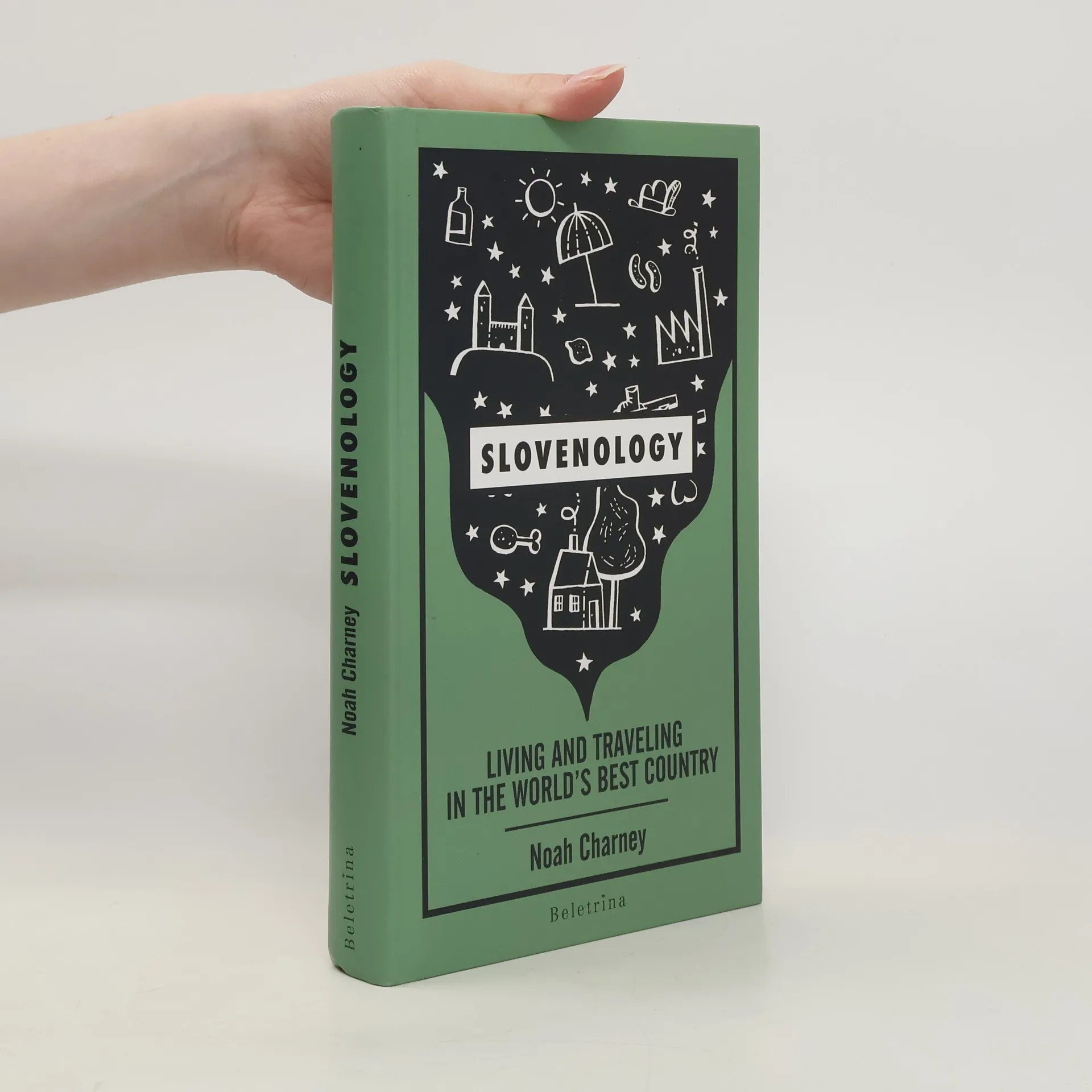
    Slovenology : living and traveling in the world's best country
    Slovenian Cuisine
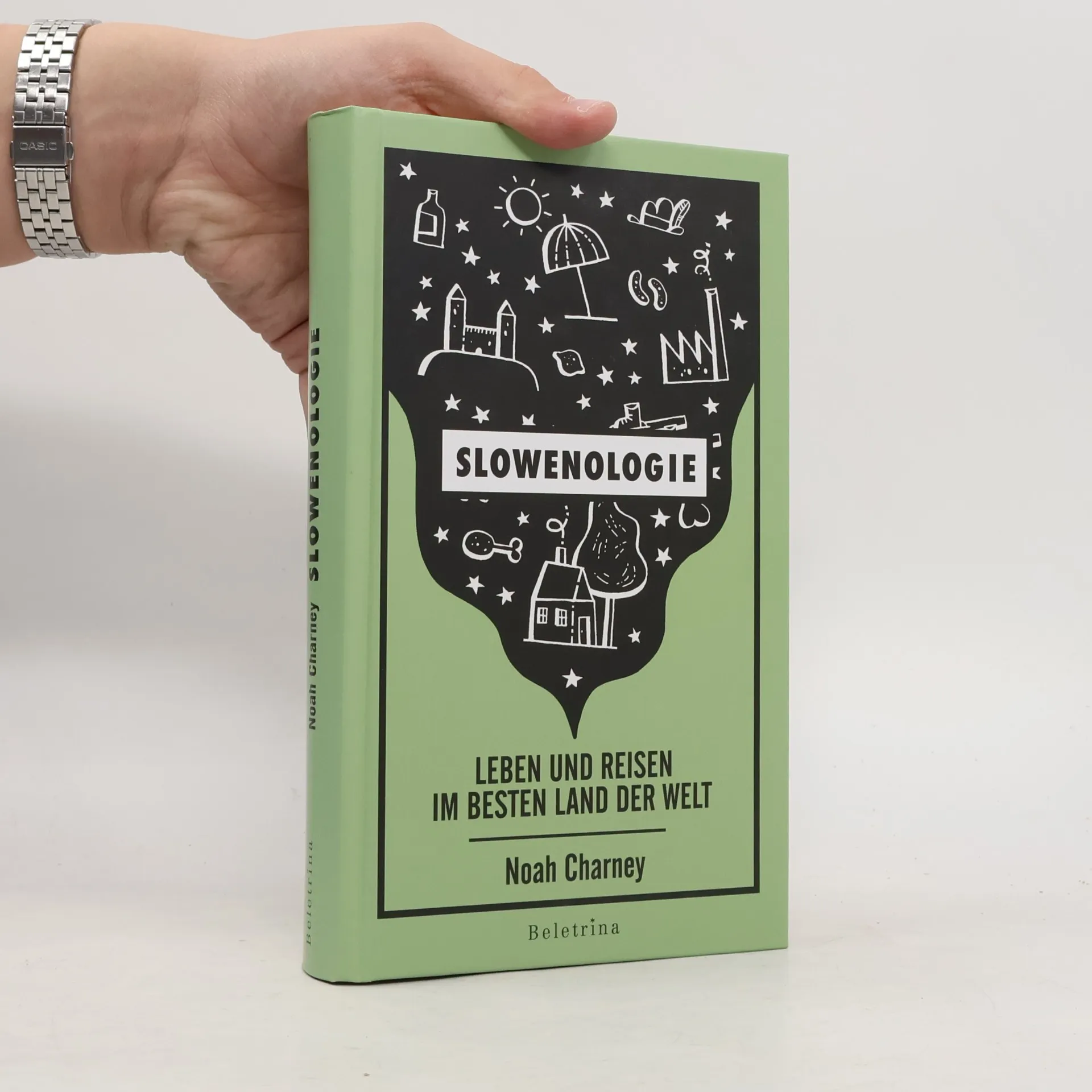
    Slowenologie
    Original Meisterfälscher
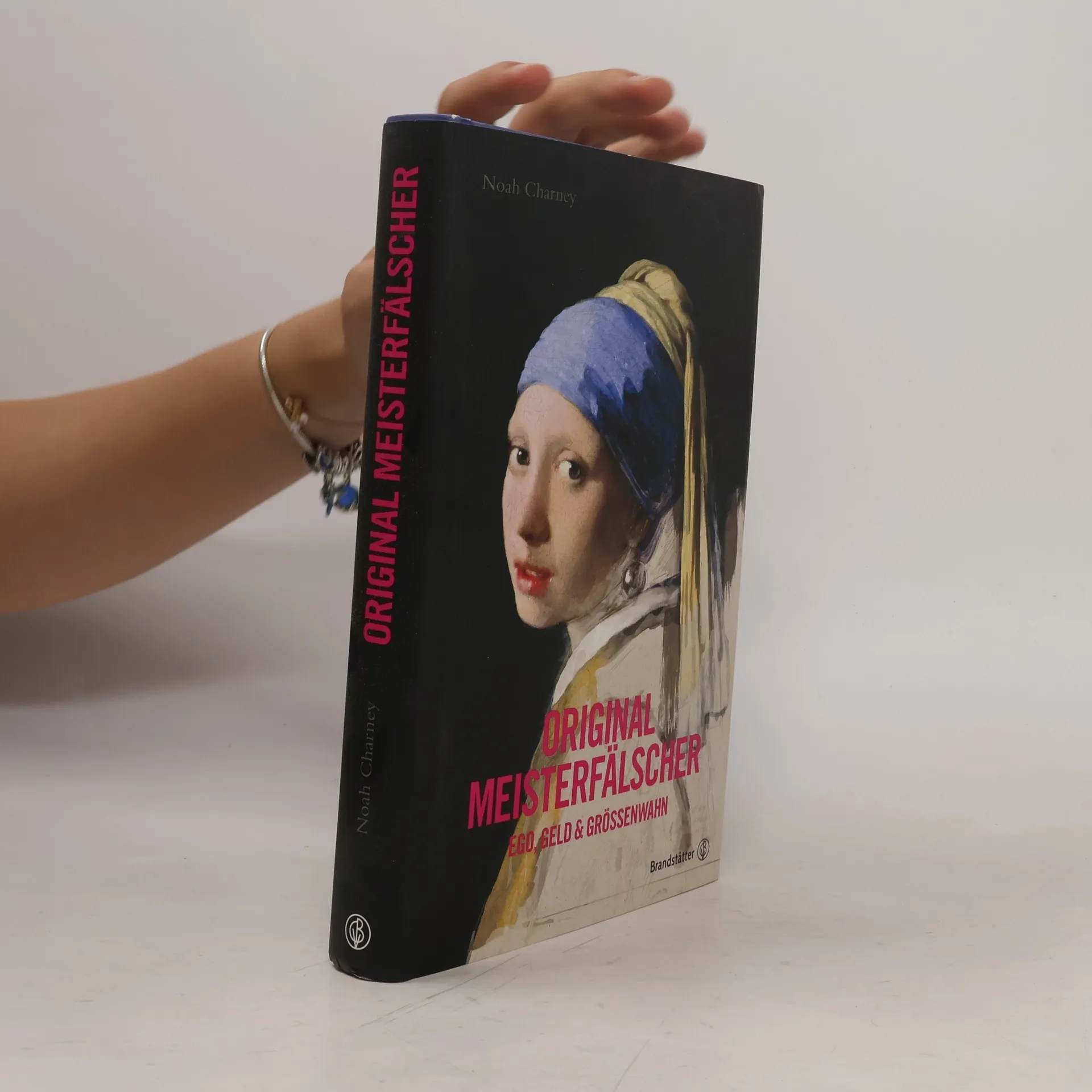
    • Mysteriös, skandalös und ein Hauch von Glamour: Die Geschichte der Kunstfälschung ist vollgepackt mit realen Krimis. Michelangelo fälscht die Antike. Reinhold Vasters narrt Experten mit perfekten Cellini-Imitationen. Tom Keating platziert Zeitbomben, Eric Hebborn erfindet Entwurfsskizzen van Dycks und Wolfgang Beltracchi verkauft einen Campendonk nach Hollywood. Dieses Buch macht sich auf die Spuren von Geschick und Missgeschick berühmter Meisterfälscher von der Antike bis in die Gegenwart. Was spielt sich im Kopf des Fälschers ab? Sucht er nach Ruhm, will er seine Genialität beweisen, Rache nehmen, reich werden? Geht es um Macht, um das Ego, um Geltungsdrang? Noah Charney, Experte für Kunstkriminalität, beschreibt, wie es den raffiniertesten Betrügern – oft so hochbegabt wie charmant – gelingt, die Kunstwelt nach Strich und Faden zu betrügen. Er entschlüsselt ihre Tricks und beschreibt, was letztlich doch zu ihrer Entlarvung führte – scharfsinnige Detektivarbeit, forensische Untersuchungen oder einfach pures Glück. Er erzählt aber auch davon, wie die Kunstwelt selbst in vielerlei Hinsicht zur Komplizin der Fälscher wird und bereitwillig in die Fallen dieser schlauen Kriminellen stolpert.
      Original Meisterfälscher
    • Winner of the Gourmand Award for Best Chef Book, this acclaimed work by a renowned chef celebrates Slovenia's culinary landscape. Originally published in Slovenian in 2018, it has now been translated into English. The book features beautifully crafted introductory essays for each destination, chronicling a road trip across Slovenia to discover its finest ingredients and dedicated producers. Each chapter highlights a key ingredient, profiling the passionate farmer or producer behind it, followed by two recipes: one traditional Slovenian dish and one modern interpretation, showcasing the ingredient's versatility. For the chef, the ingredient is the core of inspiration, with every dish in his restaurant crafted from fresh, hand-selected components traced back to their source. This approach mirrors his innovative yet tradition-rooted philosophy. The book includes carefully chosen ingredients like Adriatic fish, game, and wild herbs, with recipes such as soft red polenta with chanterelle sauce, creamed Jerusalem artichoke soup with truffles, and prosciutto-wrapped monkfish. Celebrated by fellow chef Ana Ros, this work underscores Slovenia's emergence as a significant culinary destination, especially following its recognition as the European Region of Gastronomy in 2021.

      Slovenian Cuisine
    • Slovenology is part memoir, part essay collection, part travel writing, and part guidebook. It is meant to act as a guide-in-hand while visiting Slovenia, but it can be read just as well from the comfort of your own home to give you a deep­er and more colorful sense of what it’s like to live in this remarkable, little-known country.

      Slovenology : living and traveling in the world's best country
    • The 12-Hour Art Expert

      • 160 Seiten
      • 6 Lesestunden
      3,6(26)Abgeben

      "His novel, The Art Thief, was a bestseller in five countries and is translated into 17 languages. His The Art of Forgery, Stealing the Mystic Lamb and Slovenology were international bestsellers. His book Collector of Lives: Giorgio Vasari and the Invention of Art was nominated for the Pulitzer Prize. Charney is now a professor at University of Ljubljana in Slovenia, where Charney has lived for many years"--

      The 12-Hour Art Expert
    • The Devil in the Gallery is a guided tour of the history of art through it scandals, rivalries, and shocking acts. Award-winning art historian shares dozens of stories, lavishly illustrated in full color, of such dramatic moments and arguing how they not only affected the history of art but affected it for the better.

      The Devil in the Gallery
    • The Art Thief

      • 304 Seiten
      • 11 Lesestunden
      2,9(127)Abgeben

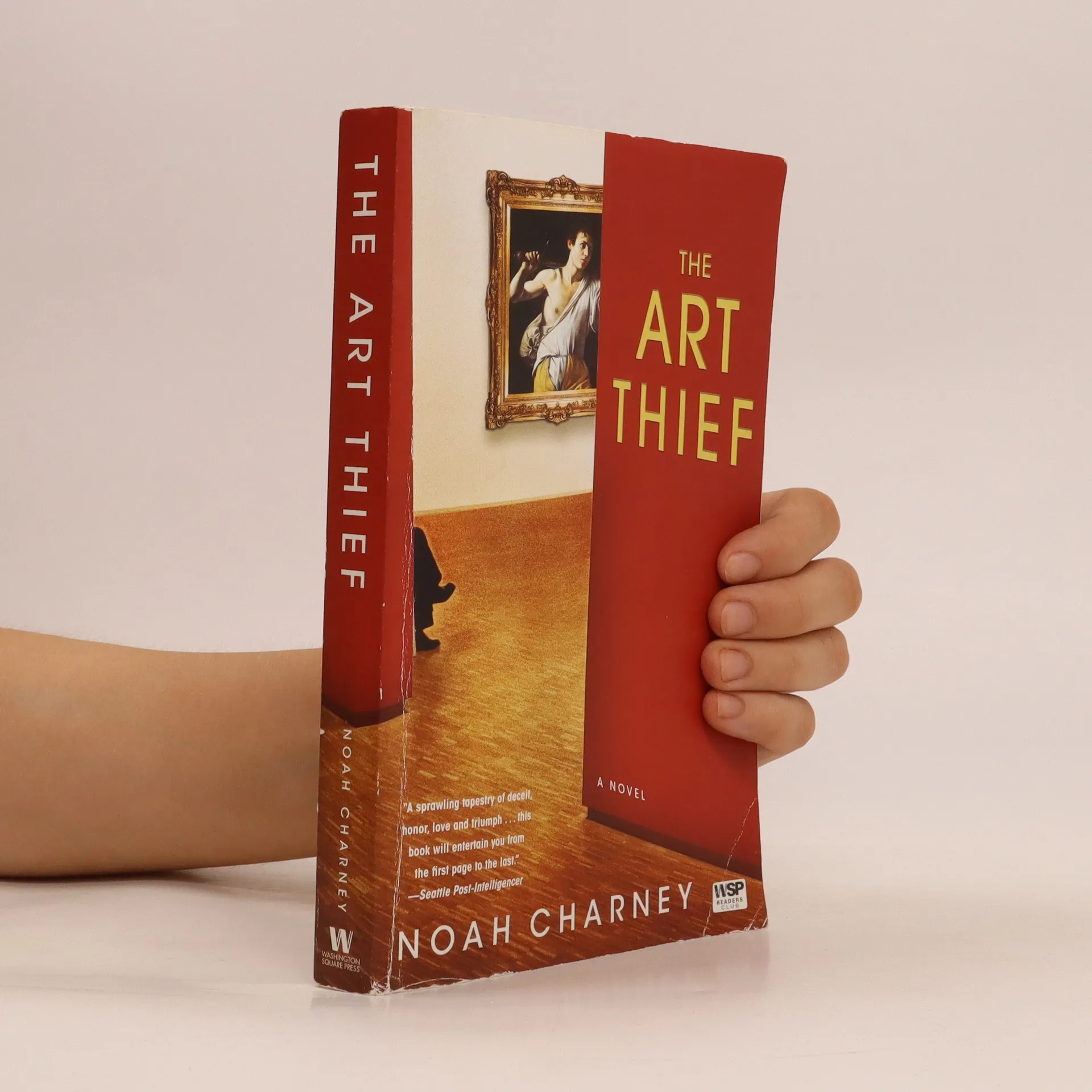
      Charney crafts an intellectual masterpiece--the mystery of three missing masterpieces that sends criminals and curators alike on a rollicking chase through the art galleries and auction houses of Europe.

      The Art Thief
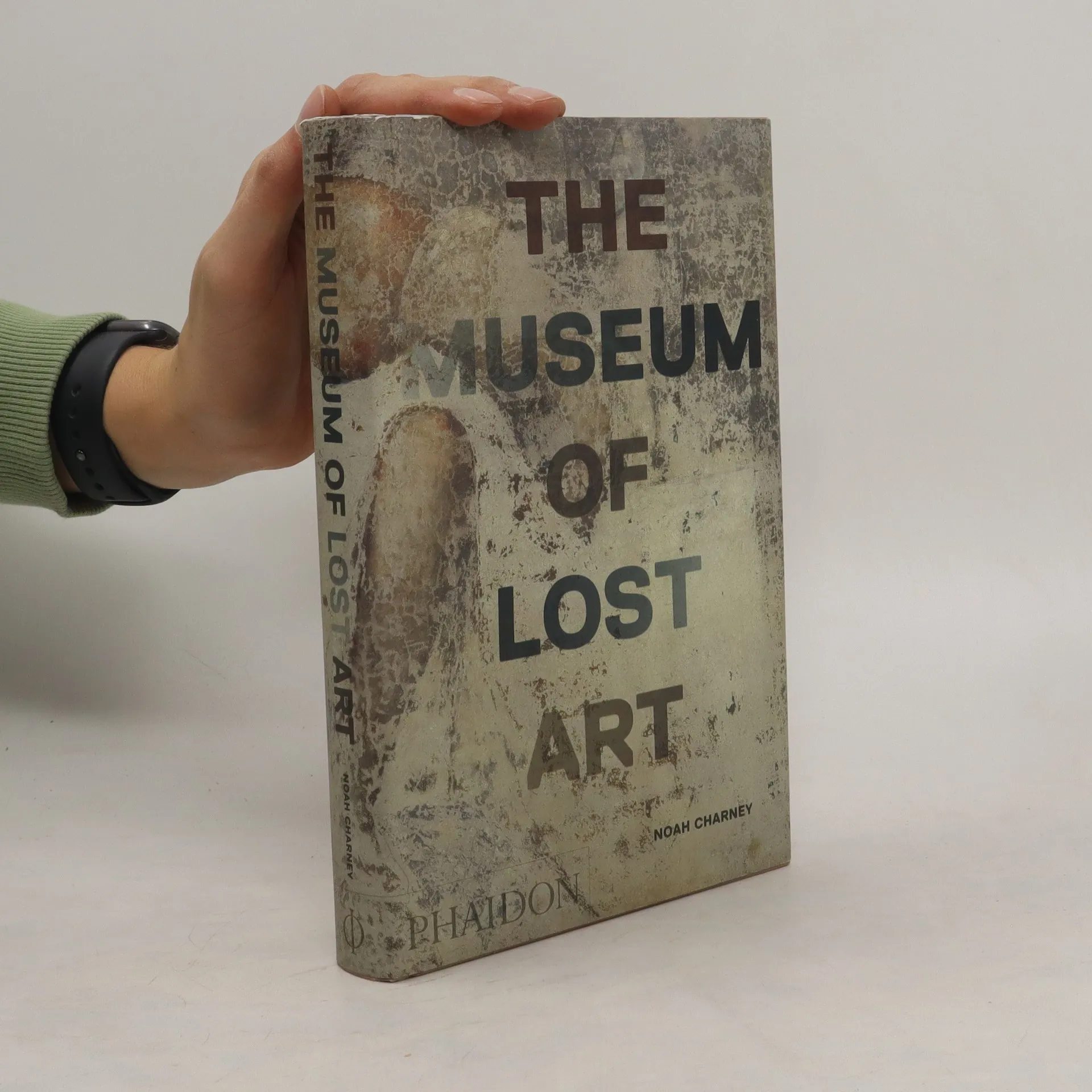
    • True tales of lost art, built around case studies of famous works, their creators, and stories of disappearance and recovery

      The Museum of Lost Art
    • This book will be of interest to anyone who wants to know what it's like to have an artist's-eye-view of the art world, asking the tough and questions that rising artists inevitably have, not only about the creative process, but about navigating the turbulent waters of the social, professional, critical, and museum elements of a career as an artist

      Making It
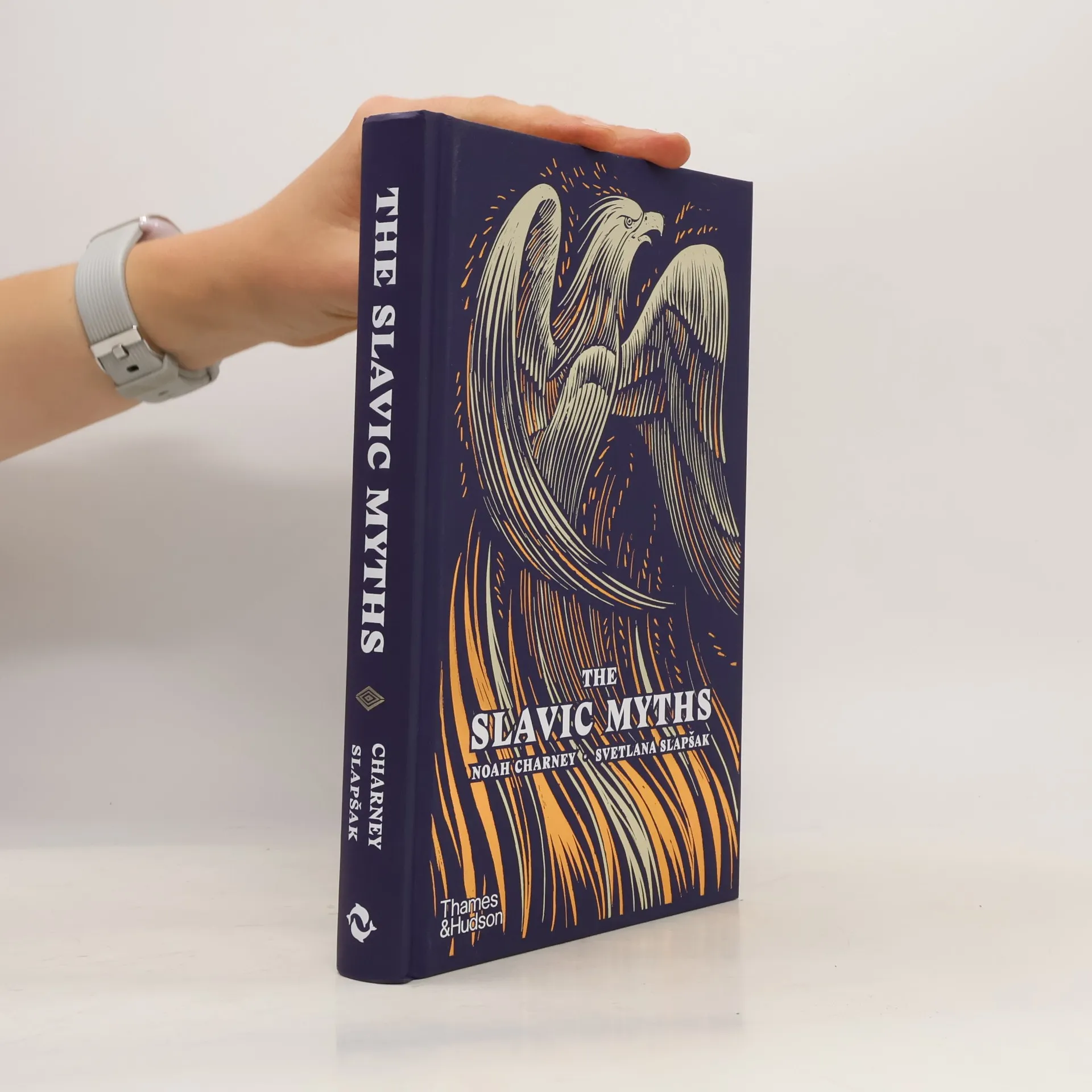
    • The Slavic Myths

      • 240 Seiten
      • 9 Lesestunden

      A Pulitzer-nominated author and one of the great public intellectuals of Slavic culture bring to life the unfamiliar myths and legends of the Slavic world. Slavic cultures are far-ranging, comprising of East Slavs (Russia, Ukraine, Belarus), West Slavs (Czech Republic, Slovakia, Poland) and South Slavs (the countries of former Yugoslavia plus Bulgaria), yet they are connected by tales of adventure and magic with deep roots in a common lore. In this first collection of Slavic myths for an international readership, Noah Charney and Svetlana Slapsak expertly weave together a retelling of the ancient stories with nuanced analysis that illuminates their place at the heart of Slavic tradition. Though less familiar to us than the legends of ancient Egypt, Greece and Scandinavia, in the world of Slavic mythology we find much that we can recognize: petulant deities, demons and faeries; witches, the sinister vestica, whose magic may harm or heal; a supreme god who can summon storms and hurl thunderbolts. Gods gather under the World Tree, reminiscent of Norse mythology's Yggdrasill; or, after the coming of Christianity, congregate among the clouds. The vampire - usually the only Serbo-Croatian word in any foreign-language dictionary - and the werewolf emerge from the shallow graves of Slavic belief. In their careful analysis and sensitive reconstructions of the origin stories, Charney and Slapsak unearth the Slavic beliefs before their distortion first by Christian chroniclers and then by 19th-century scholars seeking origin stories for their new-born nation states. They reveal links not only to the neighbouring pantheons of Greece, Rome, Egypt and Scandinavia but also the belief systems of indigenous peoples of Australia, the Americas, Africa and Asia. In so doing, they draw out the universalities that cut across cultures in the stories we tell ourselves.

      The Slavic Myths