Anthony Burton Reihenfolge der Bücher (Chronologisch)
Anthony Burton ist ein Autor und Moderator, der sich vor allem auf die Industrie- und Verkehrsgeschichte konzentriert, beginnend mit seinem ersten Buch zu diesem Thema im Jahr 1972. Neben Kanälen, Eisenbahnen und anderen Transportmitteln umfassen seine Interessen auch die ländliche Umgebung und die Landschaftsgeschichte. Seine Werke entführen die Leser in die faszinierenden Welten der Industriezweige und Verkehrssysteme, die unsere moderne Welt geformt haben. Mit einem Auge für Details und einer verständlichen Sprache erweckt Burton historische Erzählungen zum Leben und zeigt deren anhaltenden Einfluss auf die Gegenwart. Sein Schreiben ist sowohl fesselnd als auch informativ und bietet eine einzigartige Perspektive auf die Entwicklung von Technologie und die Landschaften, die sie verändert hat. Die Leser werden seine Fähigkeit schätzen, komplexe Themen zugänglich zu machen und lebendige Bilder der Vergangenheit zu zeichnen.
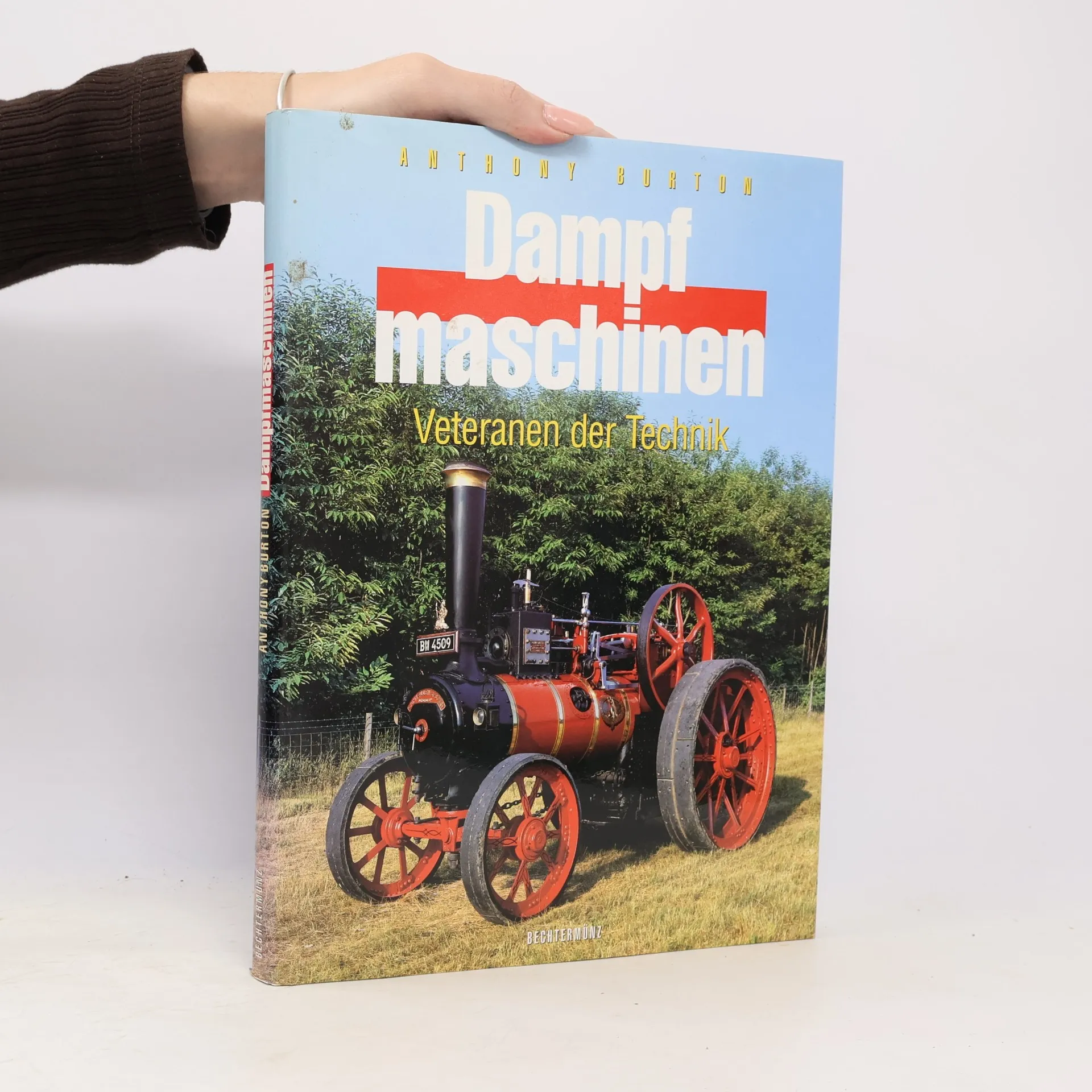
Dampfmaschinen
- 144 Seiten
- 6 Lesestunden
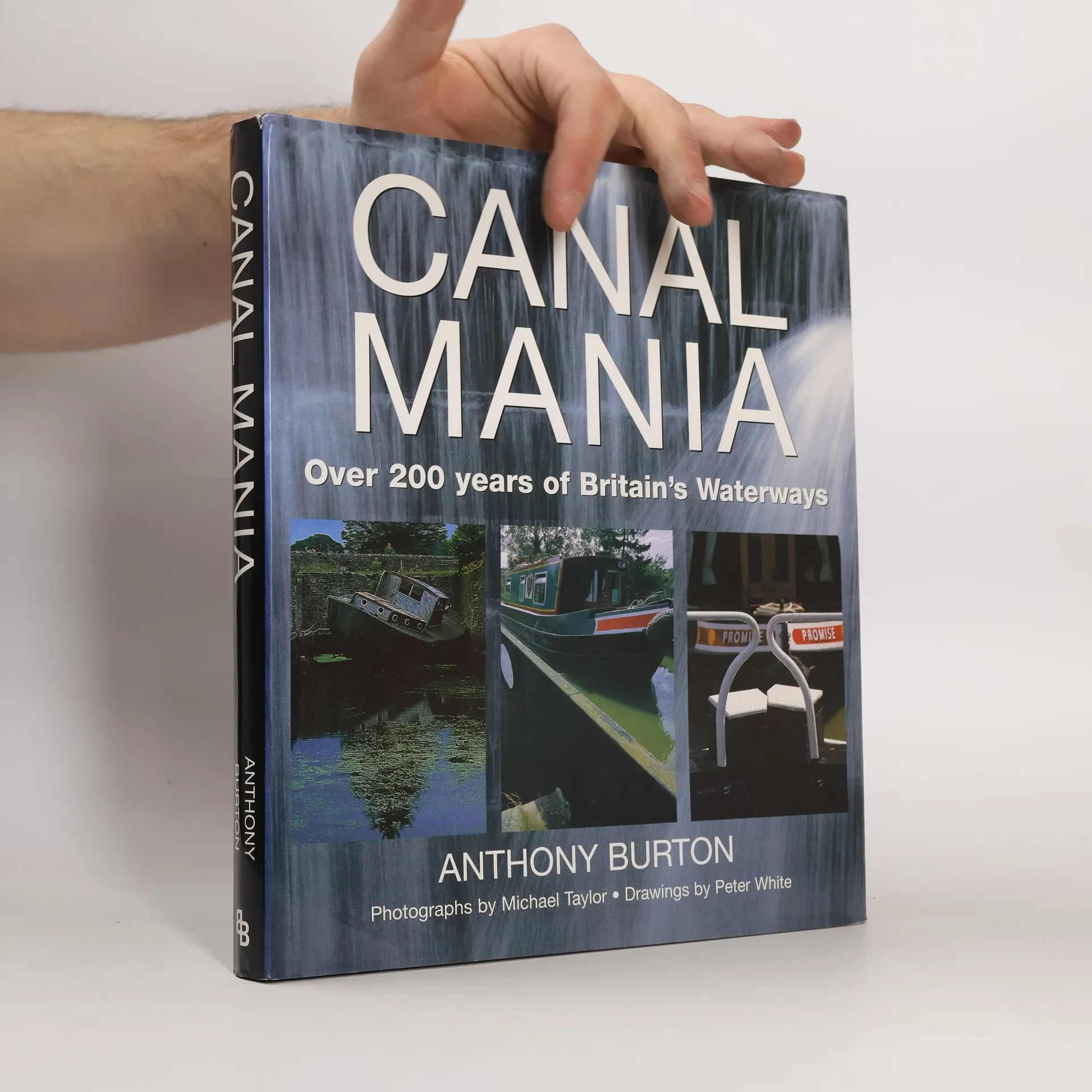
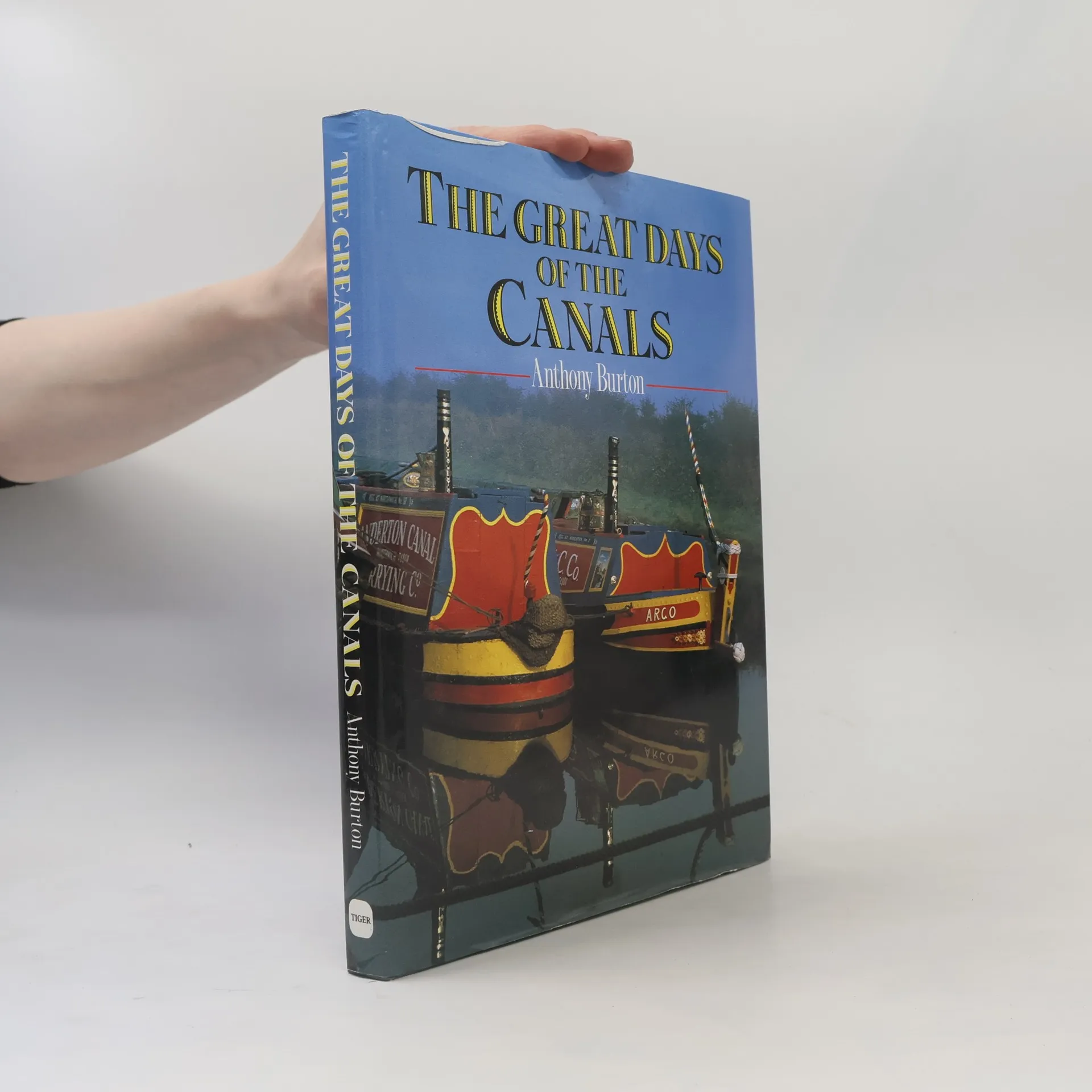
This text explores over 200 years of British waterways history. It tells the stories of the great engineers, from James Brindley through to William Jessop and Thomas Telford. It also includes archive illustrations and detailed architectural drawings.
The Great Days of the Canals
- 224 Seiten
- 8 Lesestunden
First published David and Charles, 1989
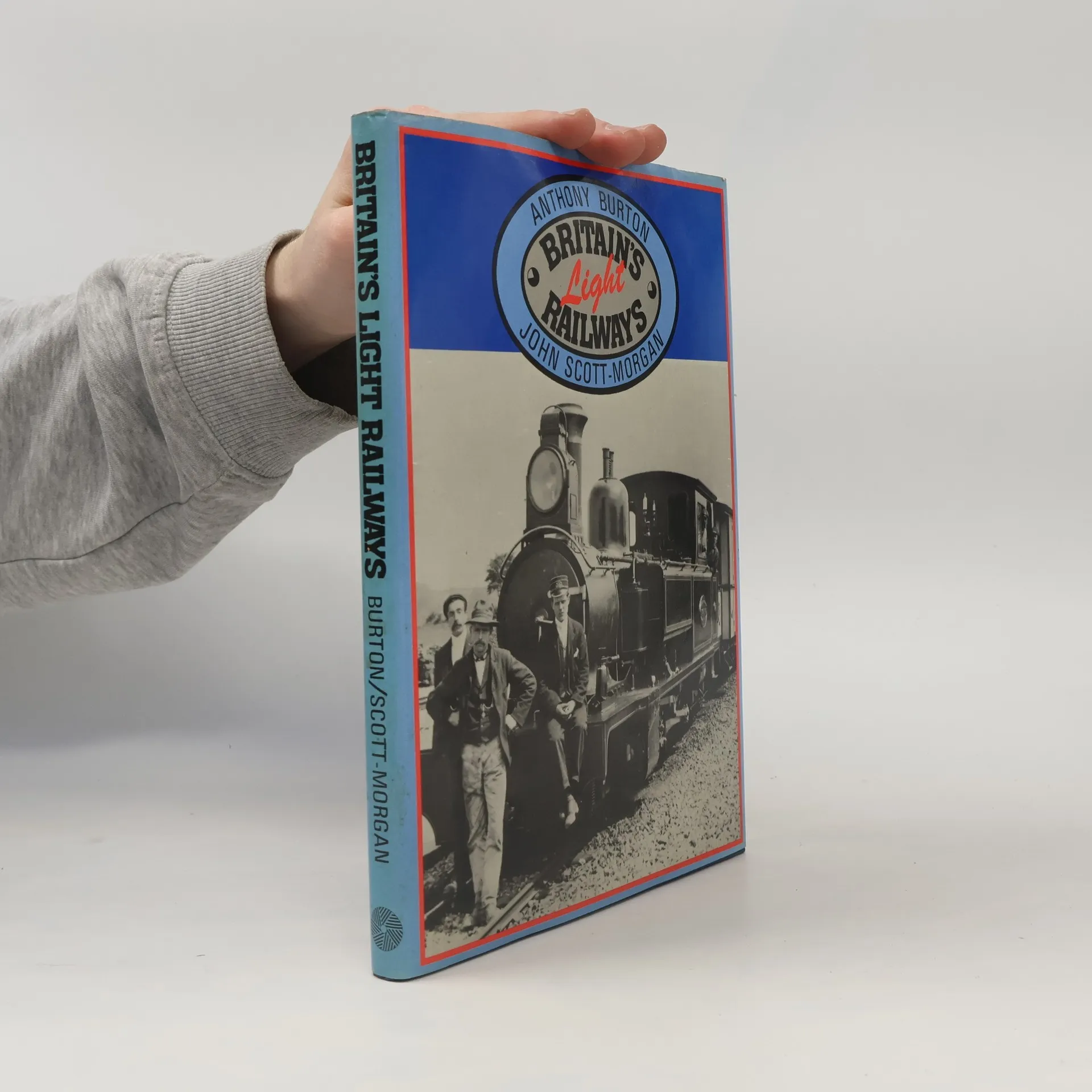
Britain's Light Railways
- 144 Seiten
- 6 Lesestunden
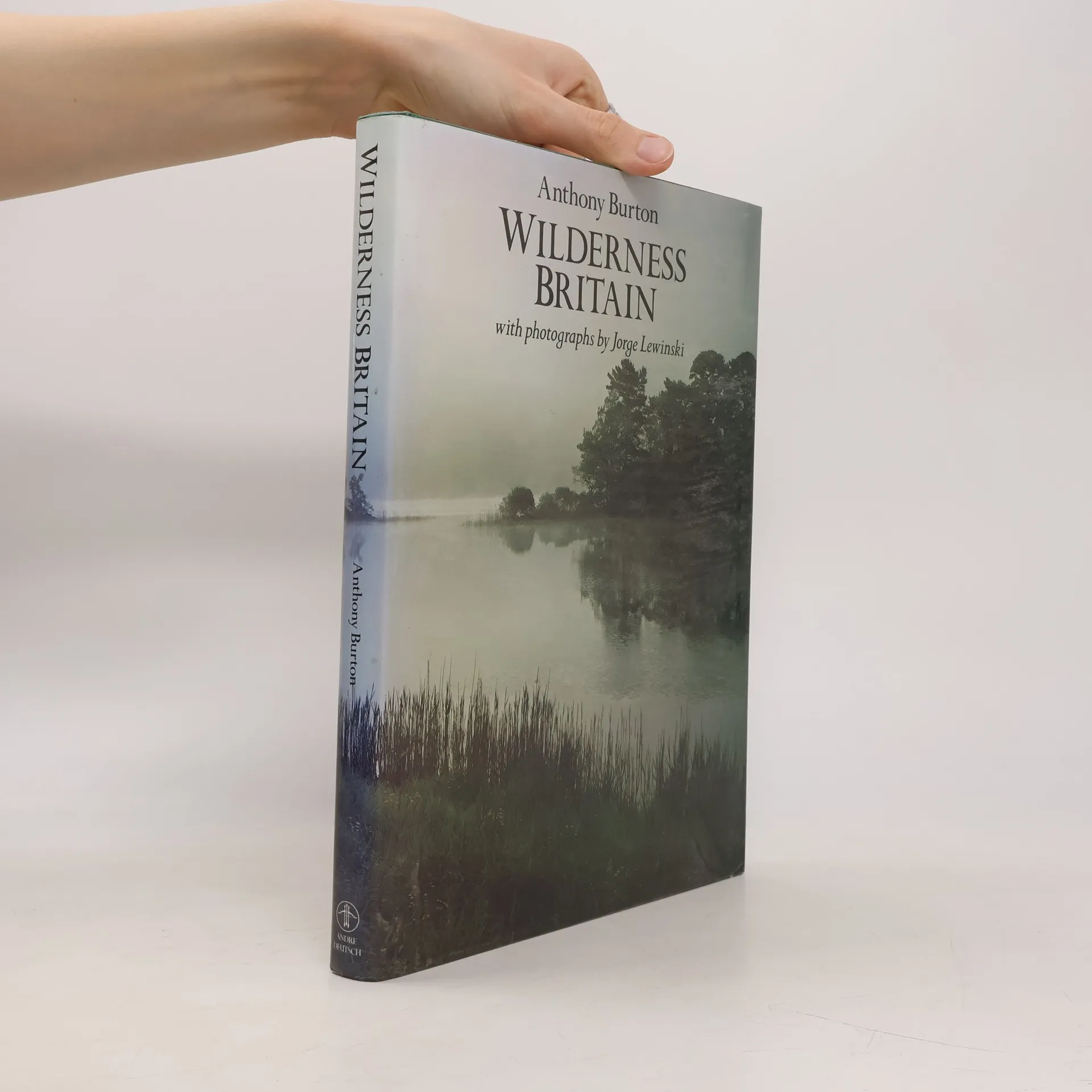
Wilderness Britain
- 194 Seiten
- 7 Lesestunden
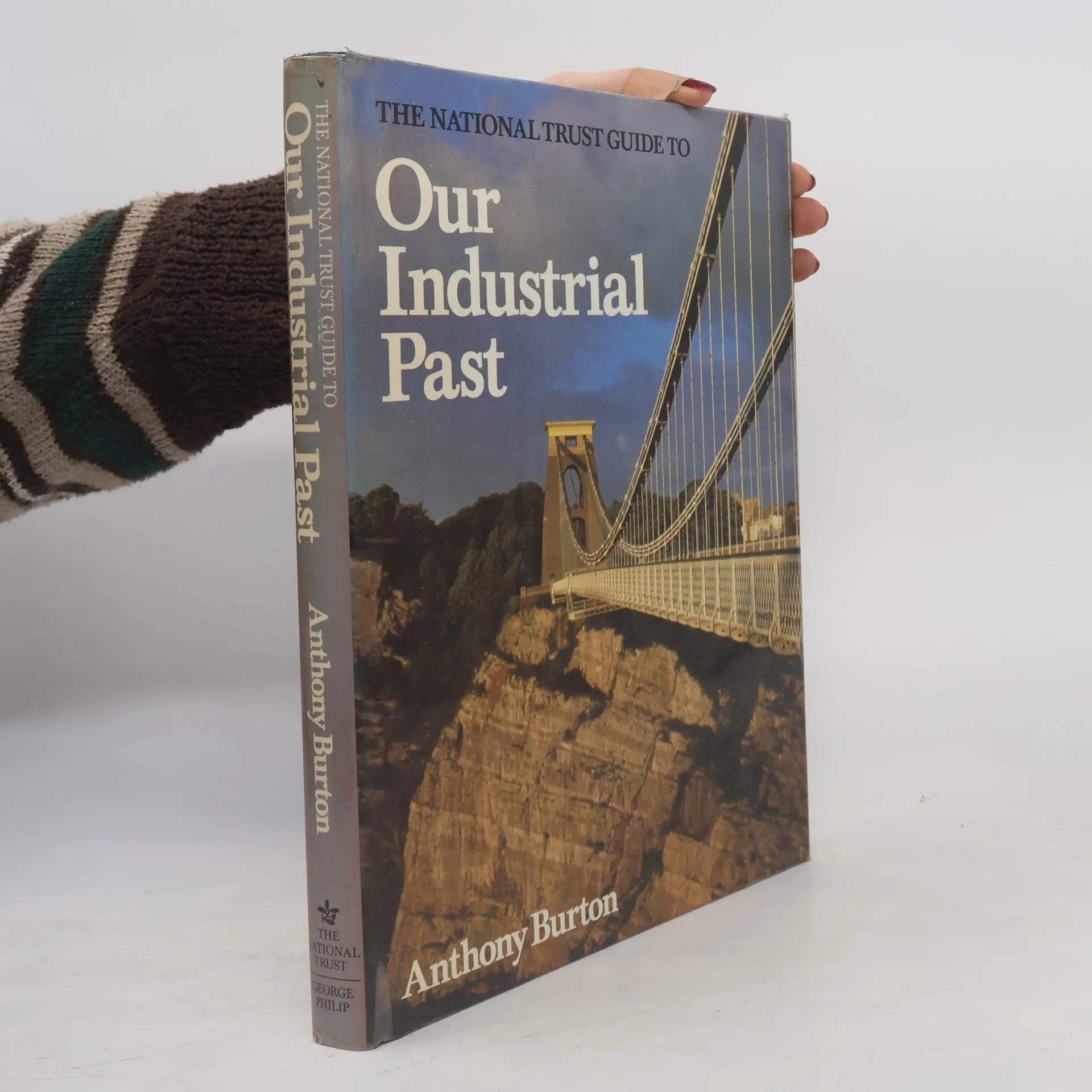
National Trust Guide to Our Industrial Past
- 240 Seiten
- 9 Lesestunden
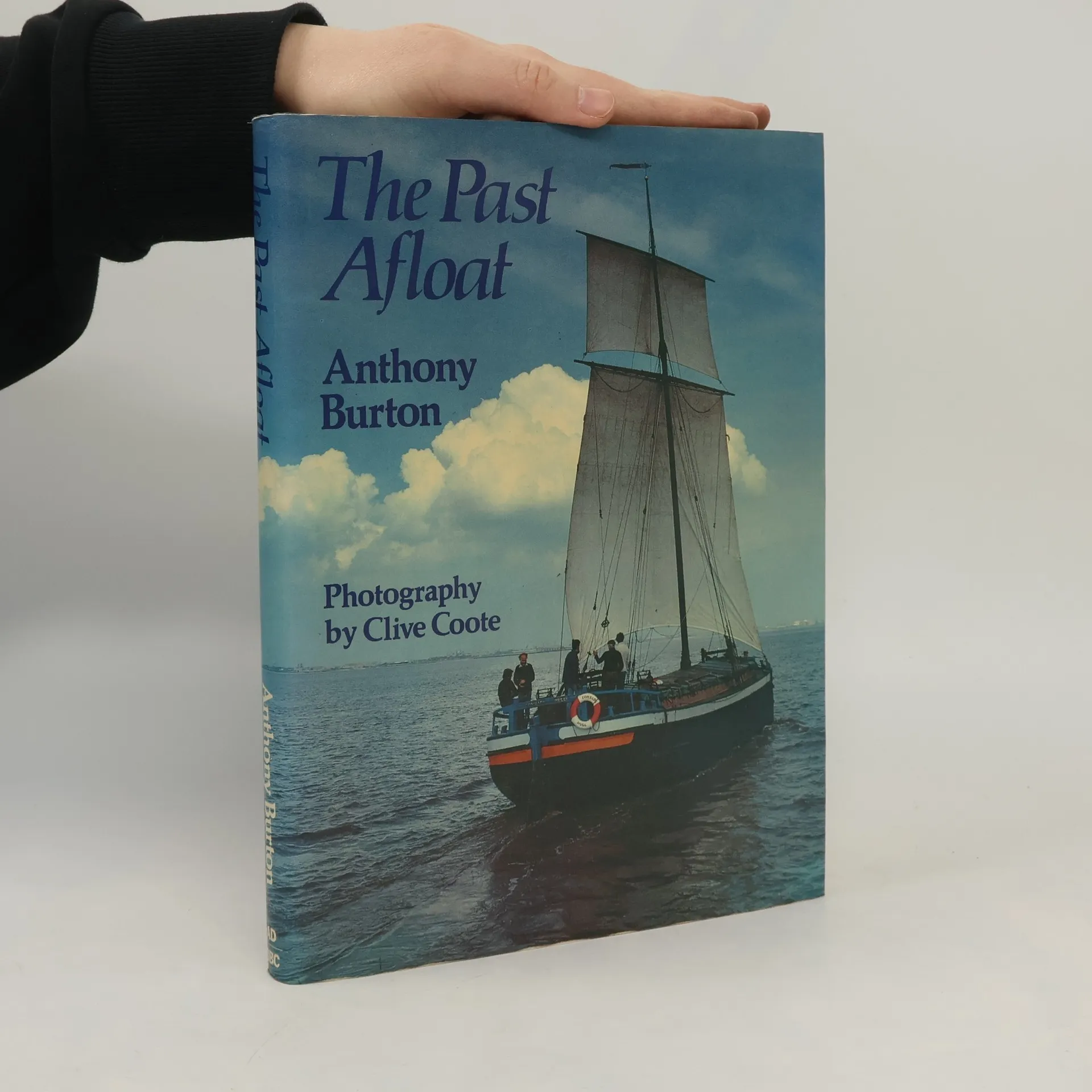
The Past Afloat
- 191 Seiten
- 7 Lesestunden
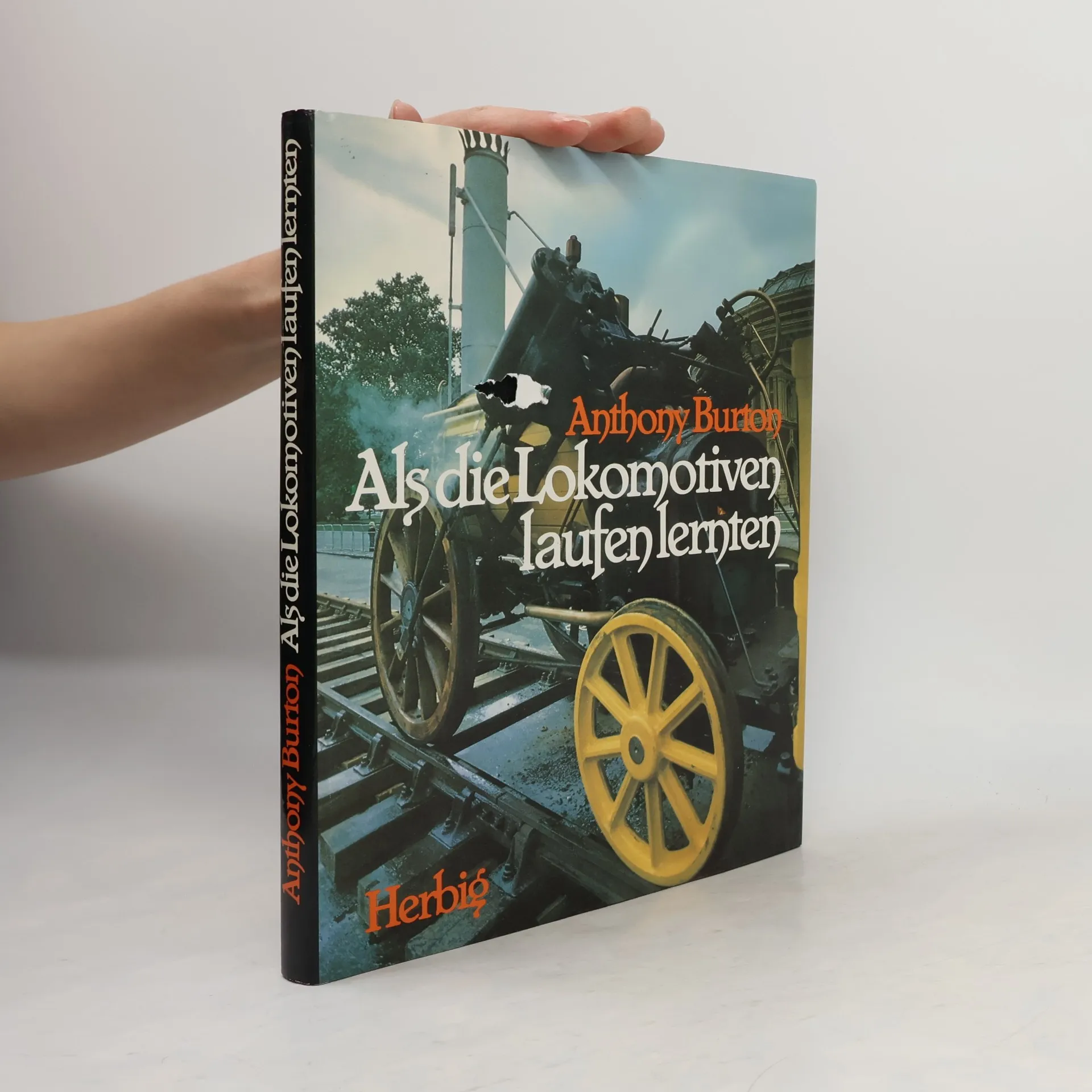
Als die Lokomotiven laufen lernten
- 183 Seiten
- 7 Lesestunden
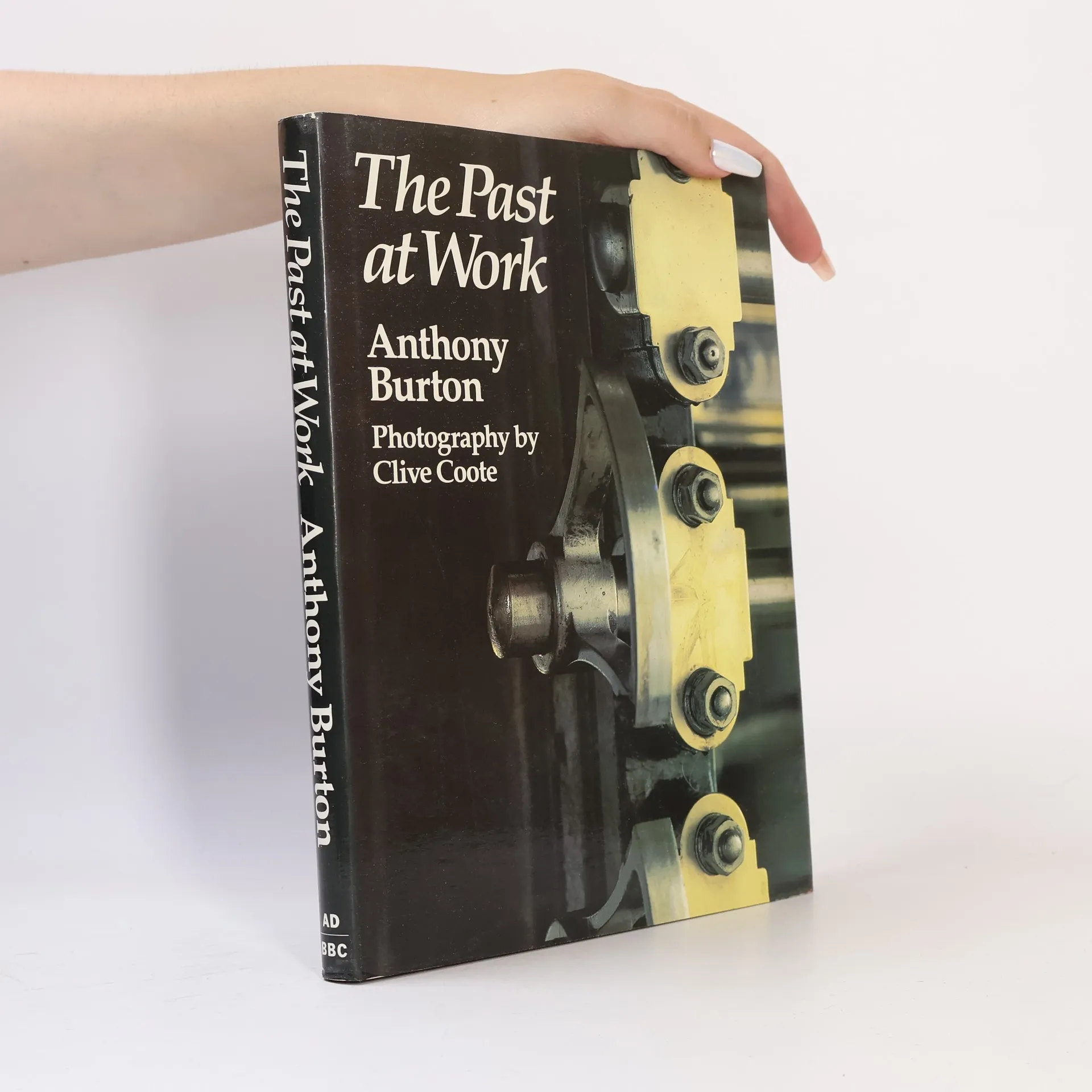
The Past at Work
- 175 Seiten
- 7 Lesestunden
The Past at Work [hardcover] Burton, Anthony [Jan 01, 1980]… 0233971912
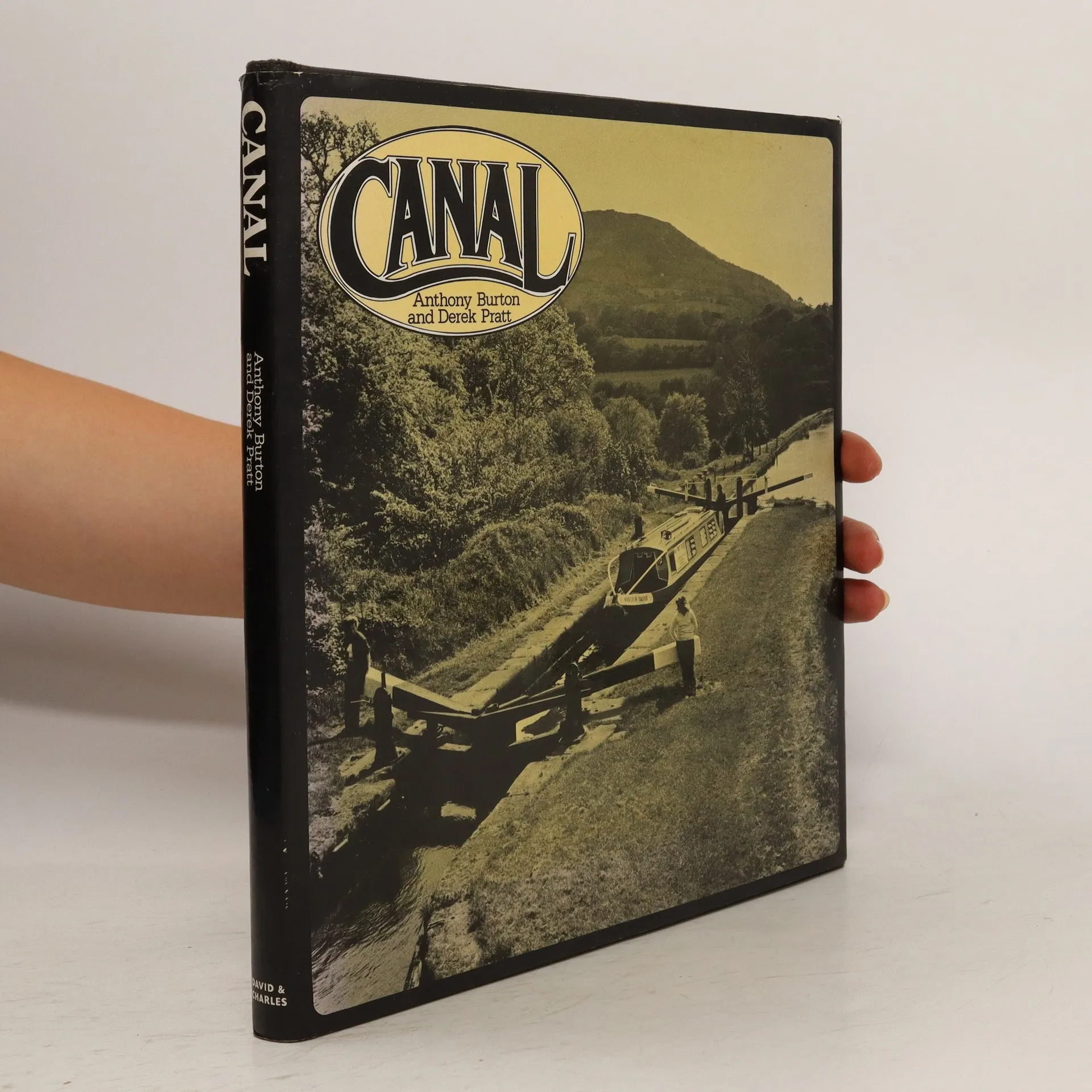
Canal
- 96 Seiten
- 4 Lesestunden
Canals In Colour
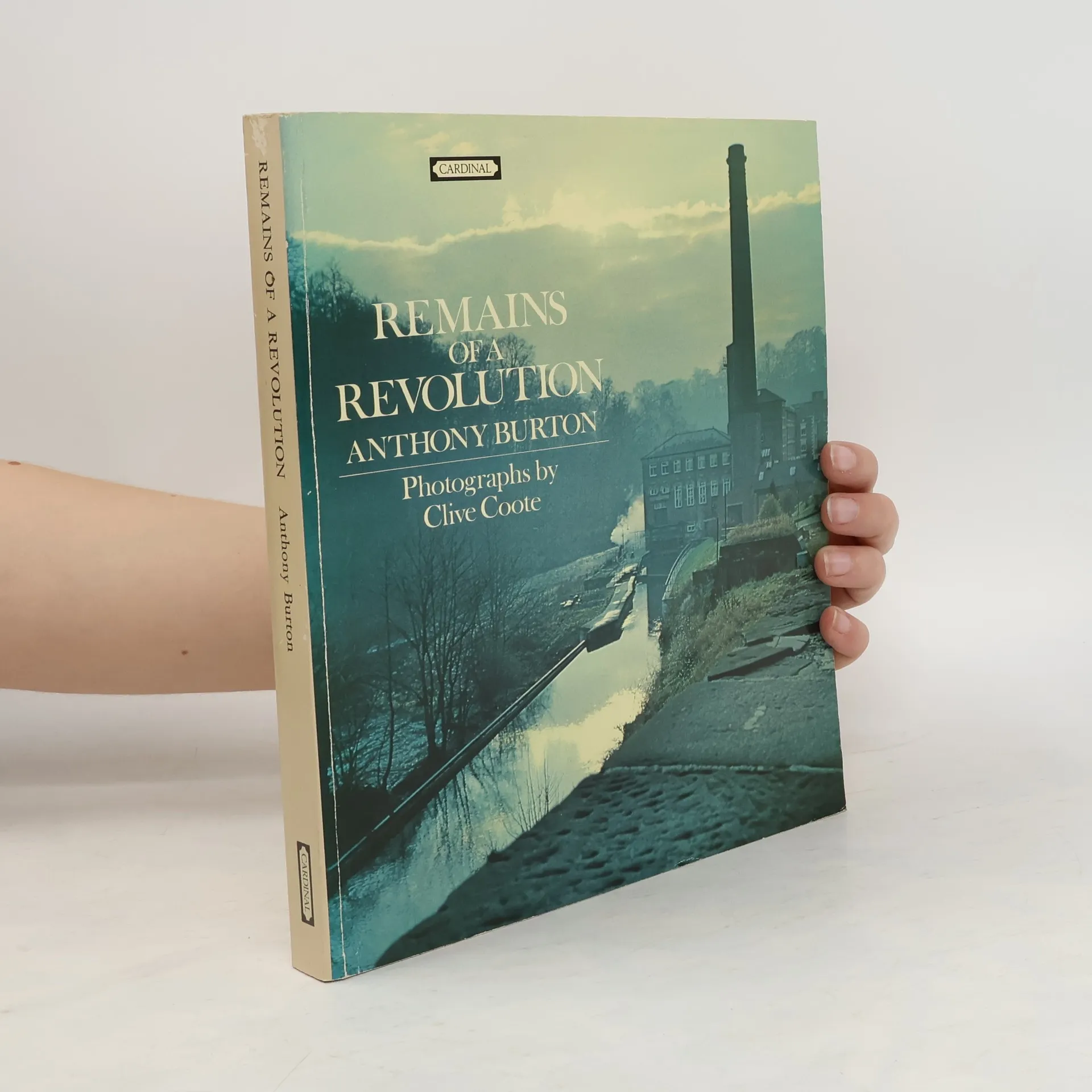
Remains of a Revolution
- 255 Seiten
- 9 Lesestunden
The Industrial Revolution was one of the greatest changes in the history of society. It transformed Britain's "green and pleasant land" from an agricultural world into one dominated by spinning and weaving were mechanized; roads, railways and canals spread across the country; mining and factories wiped out the cottage industries and eroded a rural way of life for ever. Man's immense inventiveness and skill also created appalling suffering and cruelty, sacrificing humanity for profit in a society riven with inequalities that remian today. Yet, as the photographs in this book show, the "dark, satanic mills" and machines that changed the world are brilliantly, often beautifully designed, and the industrial landscape is haunting in its vast, imposing grandeur. Combined with lively writing and dramatic historical accounts, they transport our imaginations back to the revolutionary age of smoke and steam.