

John Bayley war ein angesehener britischer Literaturkritiker und Romanautor, dessen Werk für seine scharfen Einblicke in die Literatur gefeiert wird. Seine Schriften befassen sich tiefgründig mit Textanalyse und Autorschaft und verbinden gekonnt akademische Strenge mit einem zugänglichen Schreibstil. Durch seine kritischen Essays und Romane offenbart Bayley ein tiefes Verständnis für literarische Traditionen und die Komplexität der menschlichen Psyche. Seine intellektuelle Breite und sein sensibler Ansatz festigten seinen Ruf als bedeutende Stimme im britischen Literaturbetrieb.
The book offers a reprint of a classic work originally published in 1857, preserving its historical significance and literary value. It provides readers with an opportunity to explore themes and ideas from the past, reflecting the cultural and societal norms of the time. This edition aims to maintain the integrity of the original text while making it accessible to contemporary audiences, inviting them to engage with its enduring relevance and impact on literature and thought.

Originally published in 1859, this reprint captures the essence of its time with a fresh perspective. The book delves into themes of societal change and personal struggle, reflecting the historical context of its era. Readers will find a rich narrative that explores the complexities of human emotions and relationships, making it a significant work for those interested in classic literature and its enduring relevance.
Focusing on the interplay between character and form, John Bayley analyzes the Roman plays "Troilus and Cressida" and "Timon of Athens," alongside Shakespeare's four major tragedies. He explores how the effectiveness of Shakespeare's tragic narratives relies on the tension between the roles of characters and their contexts, offering insights into the complexities of his dramatic techniques. This examination reveals the intricate layers that contribute to the emotional impact of Shakespeare's work.
Exploring the vibrant cultural and artistic landscape of Italy from the thirteenth to the sixteenth century, this work captures the essence of the Renaissance period and its eventual decline. The author draws from a rich collection of experiences and observations gathered during extended travels across Italy, offering insights into the era's transformative art, architecture, and societal changes. The narrative presents a unique perspective on the interplay between flourishing creativity and the onset of decadence in this pivotal historical period.
Das neue Buch von Jahn Bayley ist die Fortsetzung der Geschichte seiner Ehe mit der Schriftstellerin Iris Murdoch und deren Erkrankung und Tod, die Bayley in „Elegie für Iris“ erzählte. Bayley, dessen Frau 1999 an der Alzheimer-Krankheit starb, beschreibt seine Trauer und sein Leben als Witwer, die Leere und das lähmende Verlustgefühl. In dieser Situation tauchen Iris Freundin Margot und deren Tochter Mella auf, die - ohne voneinander zu wissen - den wehrlosen Witwer mit gutem Essen, einem anständigen Hausputz und Sex aufheitern wollen. Schließlich gelingt es Bayley, die beiden Frauen, von denen er sich vereinnahmt fühlt, in die Flucht zu schlagen. Nun findet er auch die Zeit, sich mit dem Tod seiner Frau und dem plötzlichen Alleinsein nach 45 bewegten, aber glücklichen Ehejahren auseinanderzusetzen. Von Erinnerungen heimgesucht, Bildern gemeinsamer Erlebnisse, Szenen der Krankheit, findet Bayley einen Weg, seine Trauer und die neue Situation akzeptieren zu lernen. Er verläßt das gemeinsame Haus in Oxford und beginnt zu reisen. Den Durchbruch bringt der Aufenthalt bei einer gemeinsamen Freundin auf den Kanaren. Hier ist Bayley nicht länger der Gefangene seiner Einsamkeit, sondern kann über die Jahre mit Iris sprechen und versöhnt mit ihr den Blick nach vorn richten. Romantisch, komisch, bewegend und menschlich, ein Zeugnis der Liebe und ein Buch voller Trost, erzählt „Das Haus des Witwers“ von Verlust und Weiterleben.
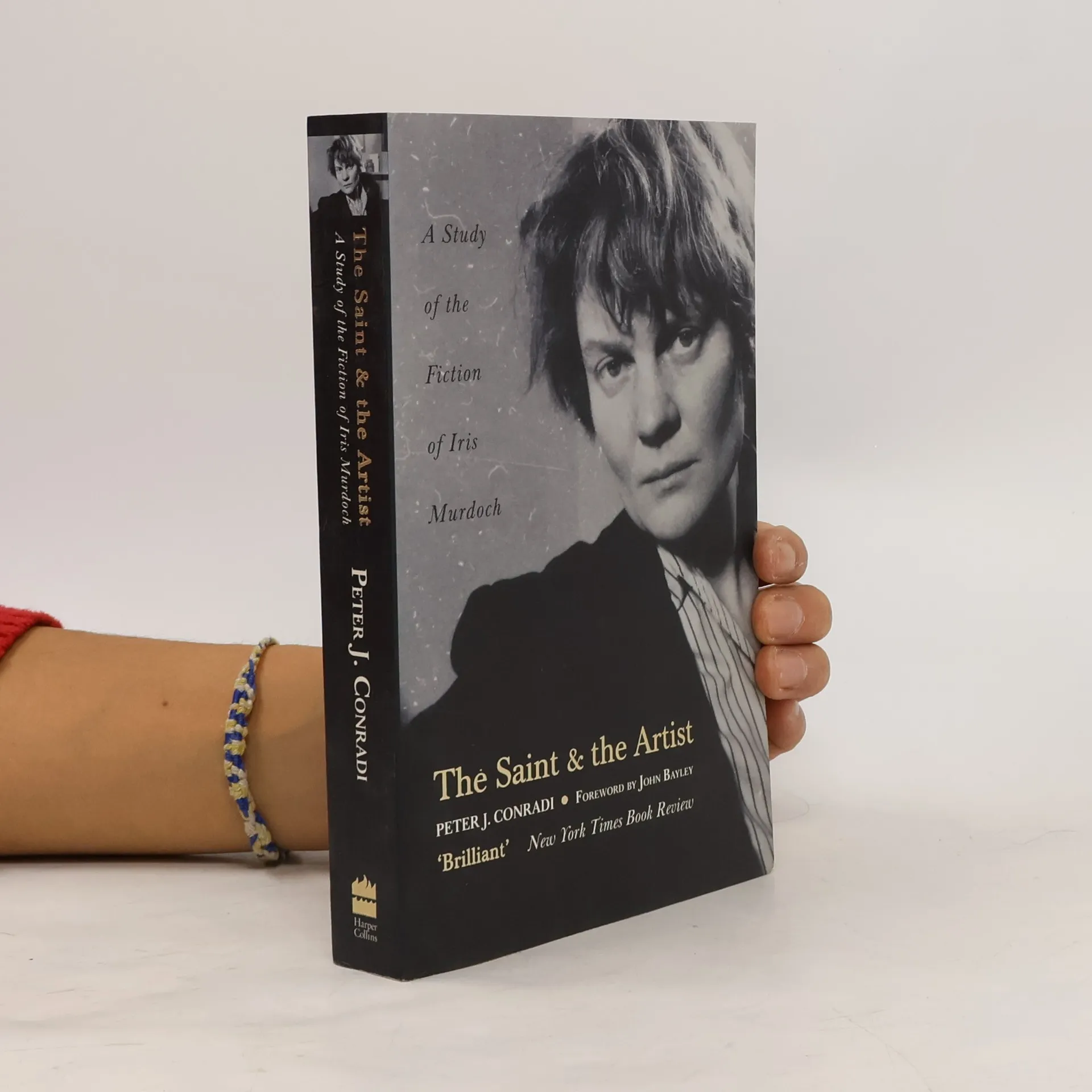
Iris Murdoch, who died in 1999, was the author of 26 novels, including The Bell, A Fairly Honourable Defeat, The Black Prince, and the Booker Prize-winning The Sea, The Sea. In The Saint and the Artist, now fully revised and updated, distinguished literary critic Peter J. Conradi offers a lively and valuable critical appreciation of her works of fiction. He traces the way in which the zest and buoyant high spirits of her early novels gave way to a more deeply and darkly comic achievement in the novels of the 1970s. Conradi, who knew Murdoch well, suggests how her own life, wonderfully transmuted into high art, provided the raw material for her novels; he also argues that they should be read as serious entertainments and as important fictions in the Anglo-Russian tradition, and not as disguised philosophy. Peter J. Conradi is the author of the highly acclaimed biography Iris Murdoch: A Life.
After more than three years suffering from Alzheimer's disease, the novelist and philosopher Iris Murdoch died in January 1999. Earlier that month she was taken to a home for the terminally ill, and she remained radiant and calm for the last weeks of her life. The last year or so of Iris Murdoch's life provides the framework for this book, but within this structure, John Bayley returns repeatedly to memories of his own earlier life, and of more than 40 years of marriage to Iris. Alzheimer's is a lonely predicament for the carer, and Bayley describes how he coped with the ordeal of watching his wife become terminally ill by forming a growing dependency on memory as a stand-by, consolation and friend.
Iris Murdoch starb an der Alzheimerschen Krankheit. Ihr Mann, John Bayley, erzählt die Geschichte eines aussergewöhnlichen Lebens mit dieser grossen Schriftstellerin. Selten sind die Höhen und Tiefen einer Ehe und die unbeirrbare Macht der Liebe bewegender dargestellt worden als in diesem wunderbaren Buch. (Zitat vom Umschlag).
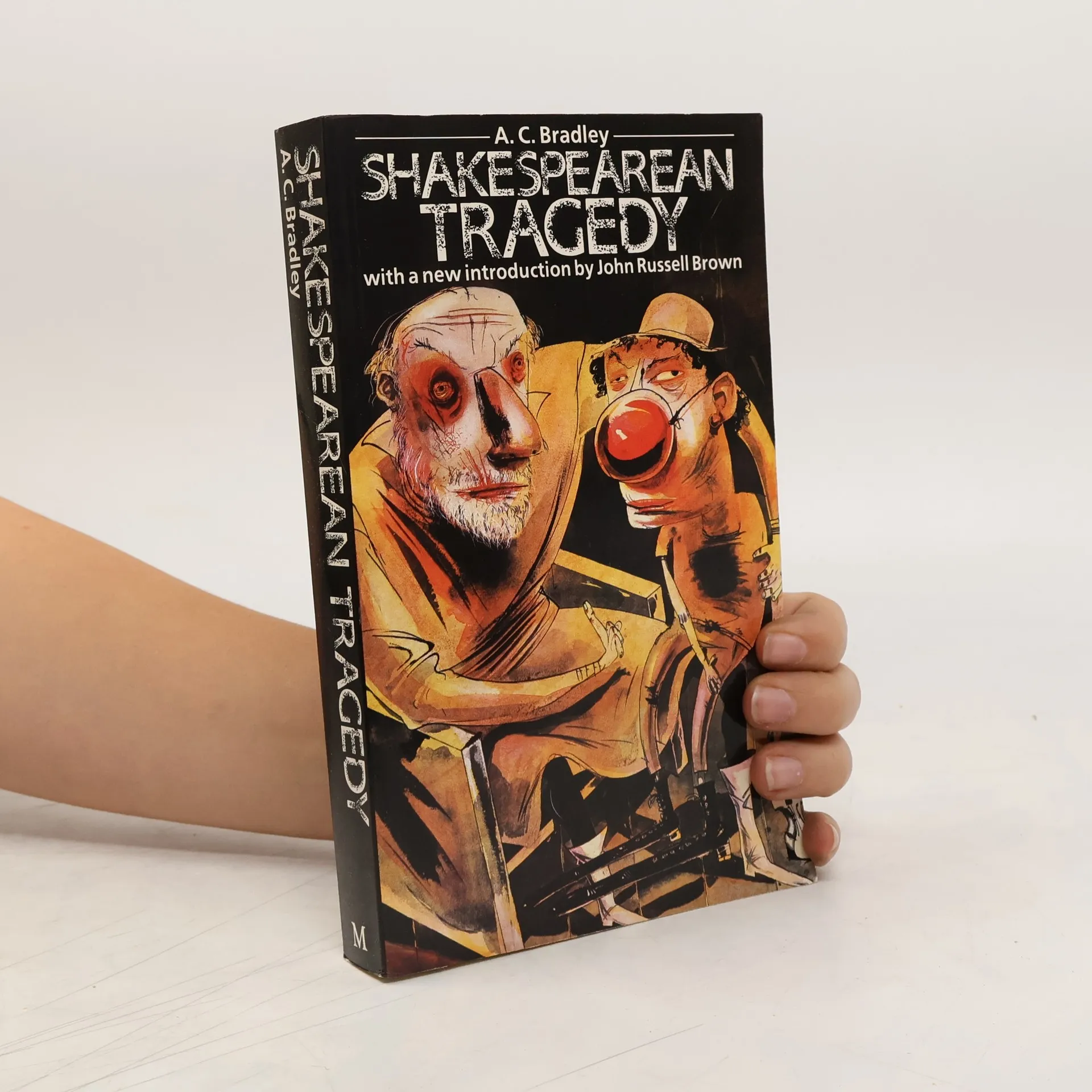
This centenary edition features a new Introduction by Robert Shaughnessy that places Bradley's work in the critical, intellectual and cultural context of its time. Shaughnessy summarises the content and argumentative thrust of the book, outlines the critical debates and counter-arguments that have followed in the wake of its publication and, most importantly, prompts readers to engage with Bradley's work itself. Book jacket.