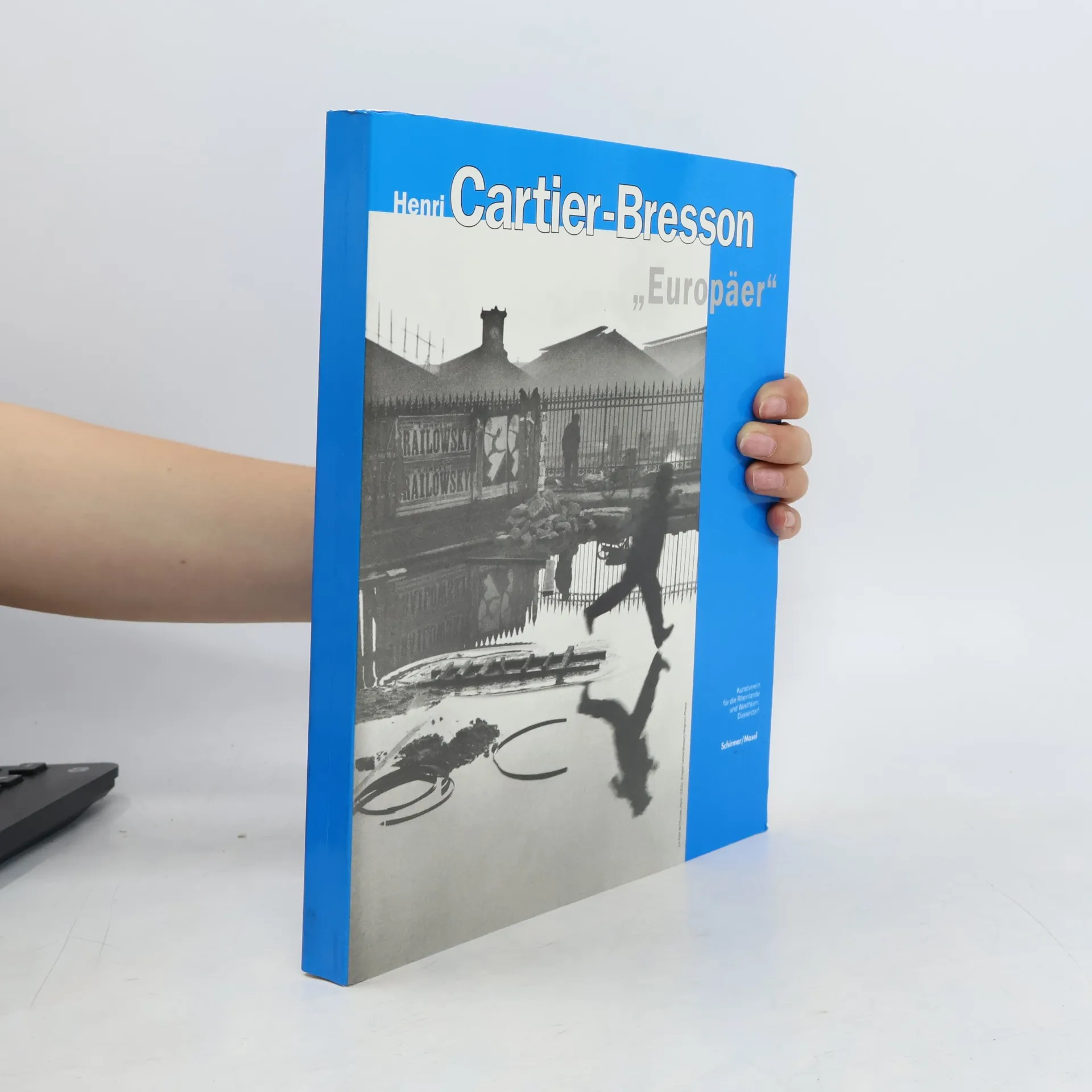
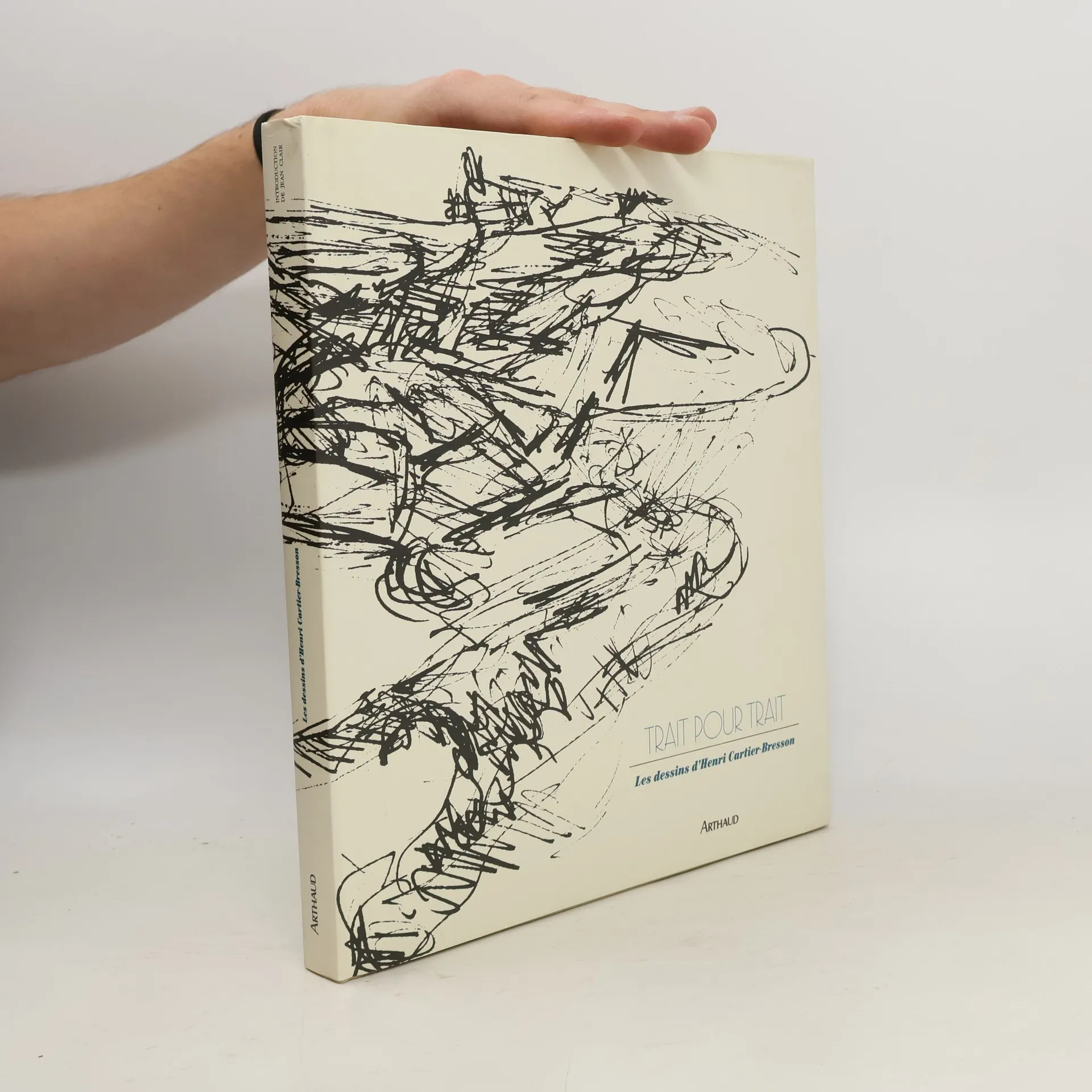
Henri Cartier-Bresson gehört zu den bedeutendsten Fotografen des 20. Jahrhunderts. Seine frühesten Bilder zeigen Europa in den 1930er und 1940er Jahren. Diese beeindruckende Sammlung des weltberühmten Fotografen fängt seine berühmten „entscheidenden Momente“ ein, die sowohl von Schönheit als auch von Unruhe geprägt sind. 200 Fotos.
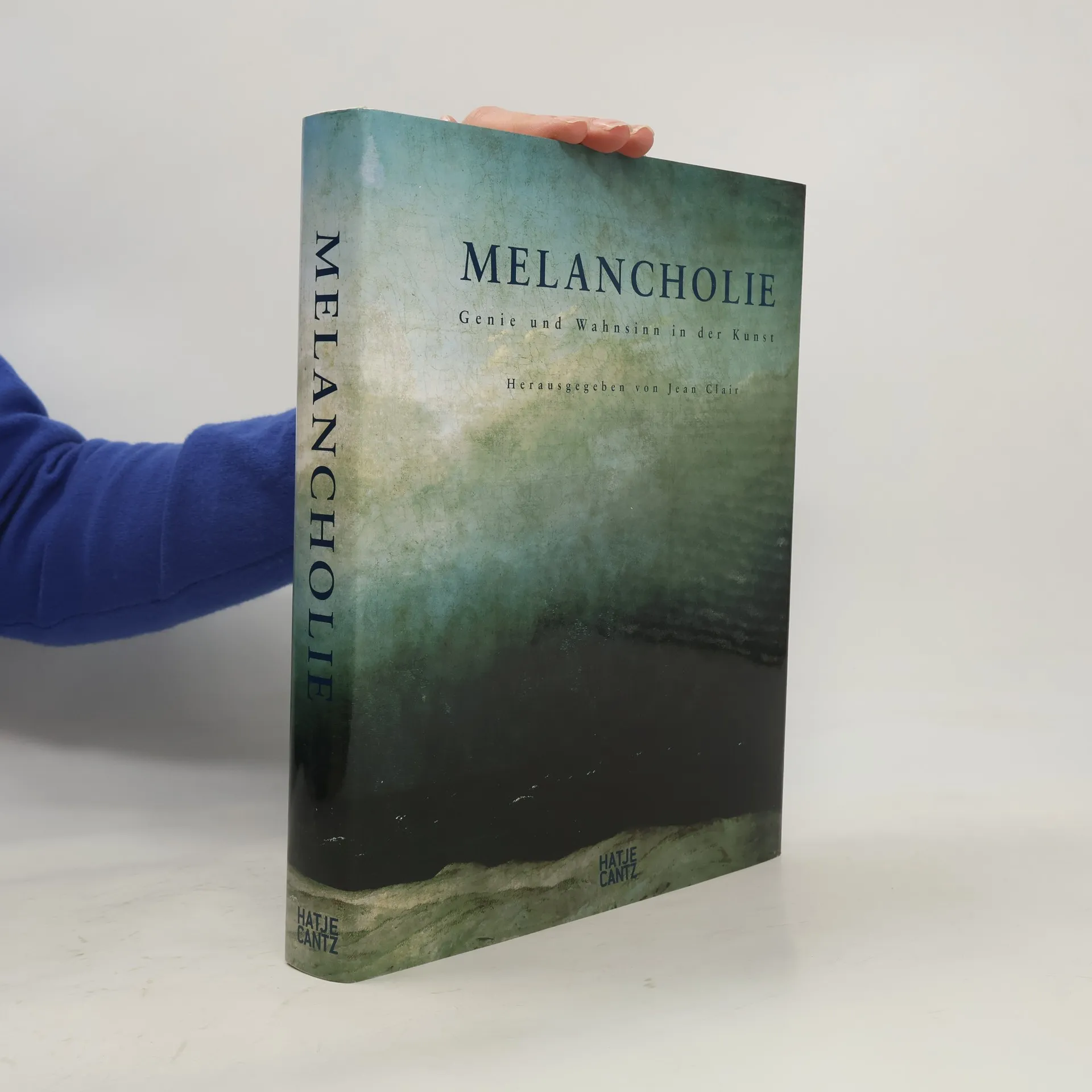
Kein Gemütszustand interessiert die westliche Kultur schon so lange wie die Melancholie. Traditionell als Ursache für seelisches Leiden und Wahnsinn verstanden, galt sie zugleich nach der Temperamentenlehre als typisch für Helden und Genies. Selbst heute, als Depression medizinisch-wissenschaftlichen Paradigmen unterworfen, lässt sie sich nicht vollständig erklären.
Die mit der künstlerischen Darstellung der Melancholie verbundene Ikonografie ist entsprechend variantenreich. Der vorliegende Band bietet mit annähernd 300 Arbeiten, von der attischen Stele bis zu zeitgenössischen Werken, einen breit gefächerten Überblick der mannigfaltigen Erscheinungsbilder und belegt dabei die tiefe Prägung des europäischen Geniebegriffs durch die „Saturnische Krankheit“.
Die vorgestellten Künstler (Auswahl):
Arnold Böcklin, Giorgio de Chirico, Lucas Cranach, Eugène Delacroix, Otto Dix, Albrecht Dürer, Caspar David Friedrich, Johann Heinrich Füssli, Francisco de Goya, Nicholas Hilliard, Edward Hopper, Anselm Kiefer, Franz Xaver Messerschmidt, Ron Mueck, Edvard Munch, Pablo Picasso, Nicolas Poussin, Auguste Rodin, Jean-Antoine Watteau
Ausstellungen: Galeries Nationales du Grand Palais, Paris 10.10.2005-16.1.2006 · Neue Nationalgalerie, Berlin 17.2.-7.5.2006
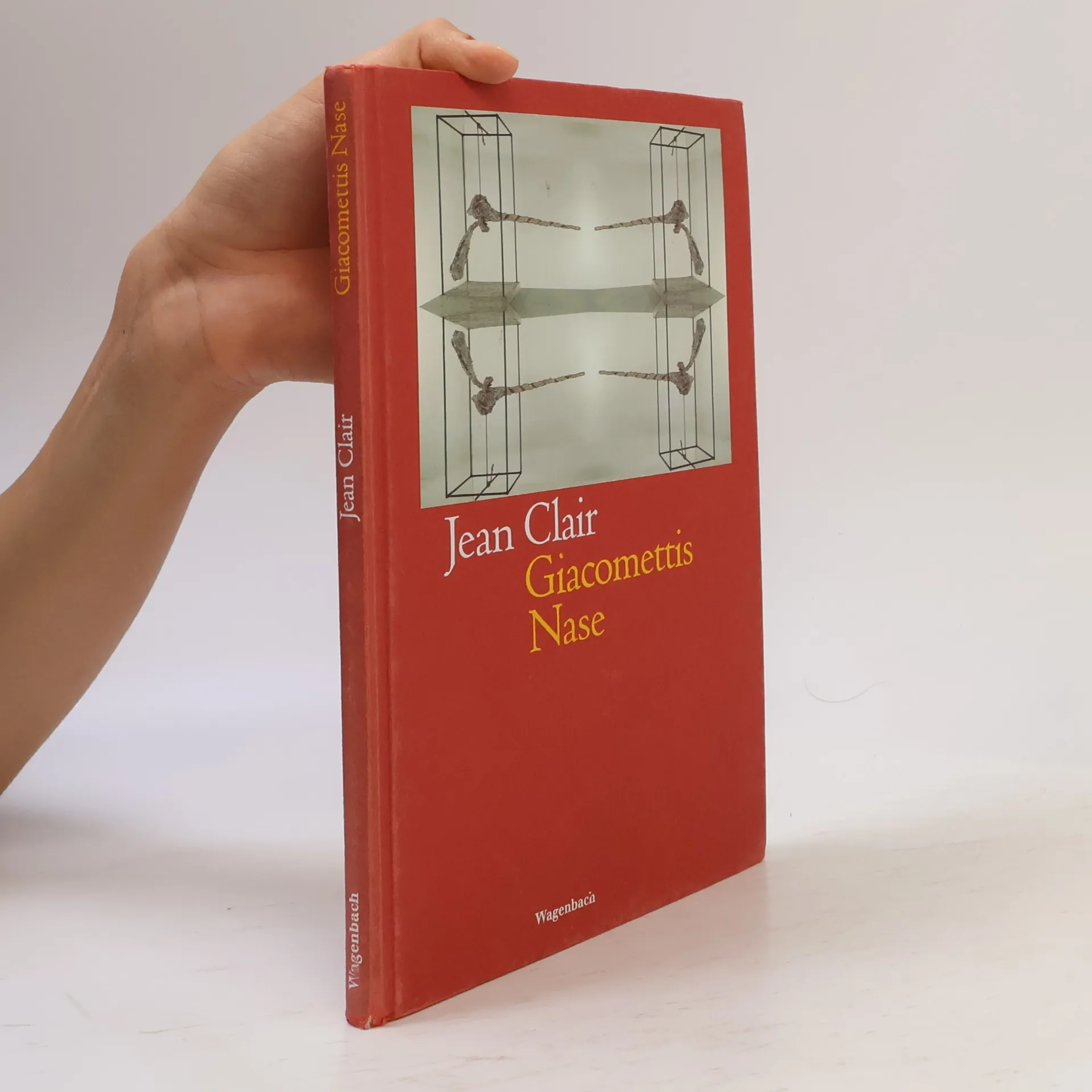
Ausgehend von einer Skulptur von Alberto Giacometti, Le Nez, aus dem Jahr 1947, hat Jean Clair einen kurzen und faszinierenden Text verfasst, der unerwartete Einblicke in das gesamte Werk bietet. Abseits der traditionellen Historiographie - mit jedoch bisher vernachlässigten biografischen Elementen - werden Anthropologie, Folklore, Psychoanalyse und Biologie herangezogen, um den Ansatz des Kunsthistorikers zu bereichern. Von Kinderbüchern - den Märchen von Perrault, Pinocchio - bis zur erotischen Tradition, in der die Nase sowohl zur Schau gestellt als auch verborgen wird - von Gogol bis Stanley Kubrick -, von den karnevalesken Ritualen Norditaliens bis zum Mythos der Wilden Jagd, von opferlichen Verstümmelungen bis zur Schönheitschirurgie, erhellt eine kurze, aber reichhaltige Lektüre das Werk von Giacometti. Ganz im Gegensatz zu den kanonischen Ansätzen, die ihn zu einer entkörperten, engelgleichen oder heiligmäßigen Figur gemacht haben, vermittelt dieser Essay das Bild eines Menschen, der vom Alltäglichen geprägt ist, besessen von Sex und Tod, und näher an Bataille und Picasso als an Breton und den Surrealisten.
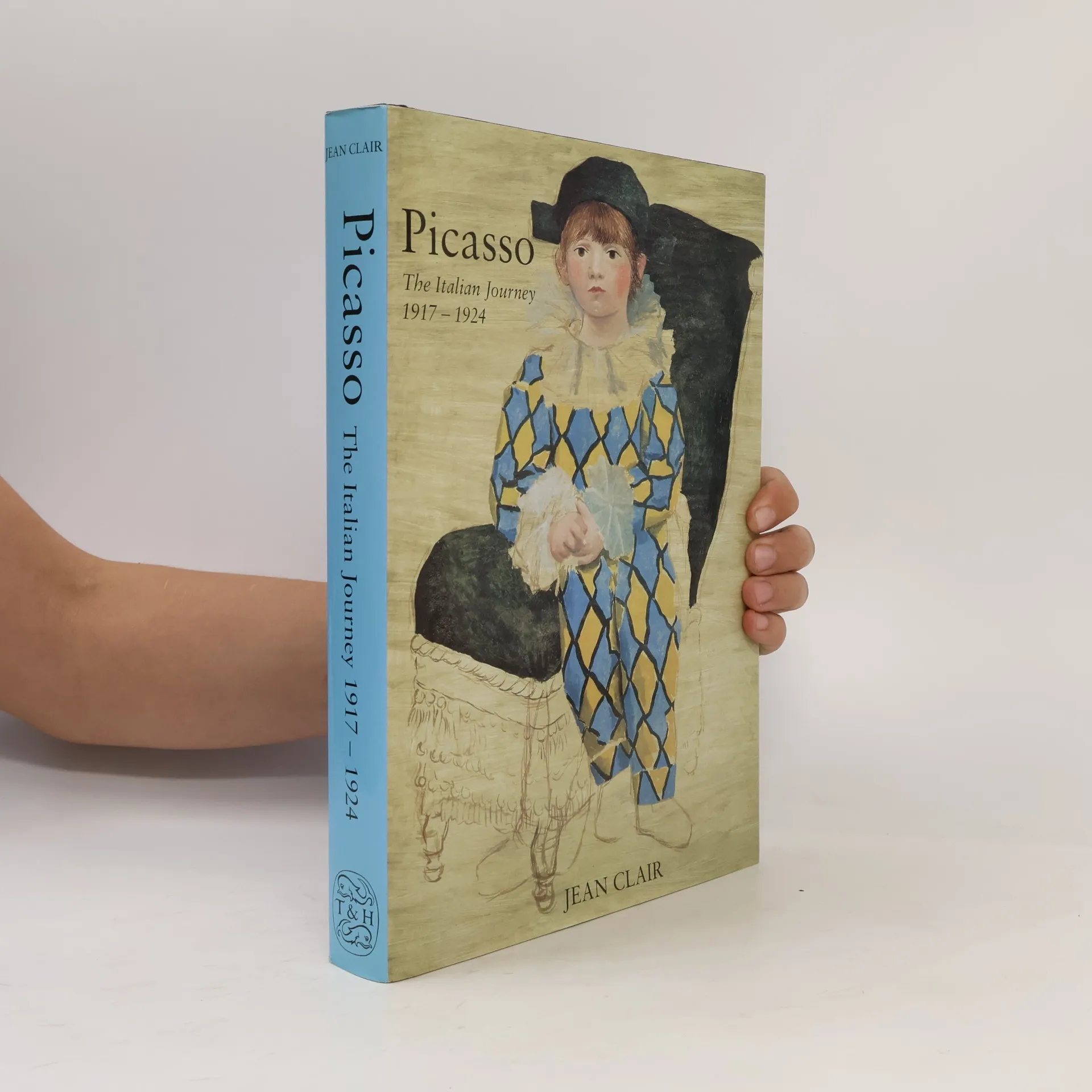
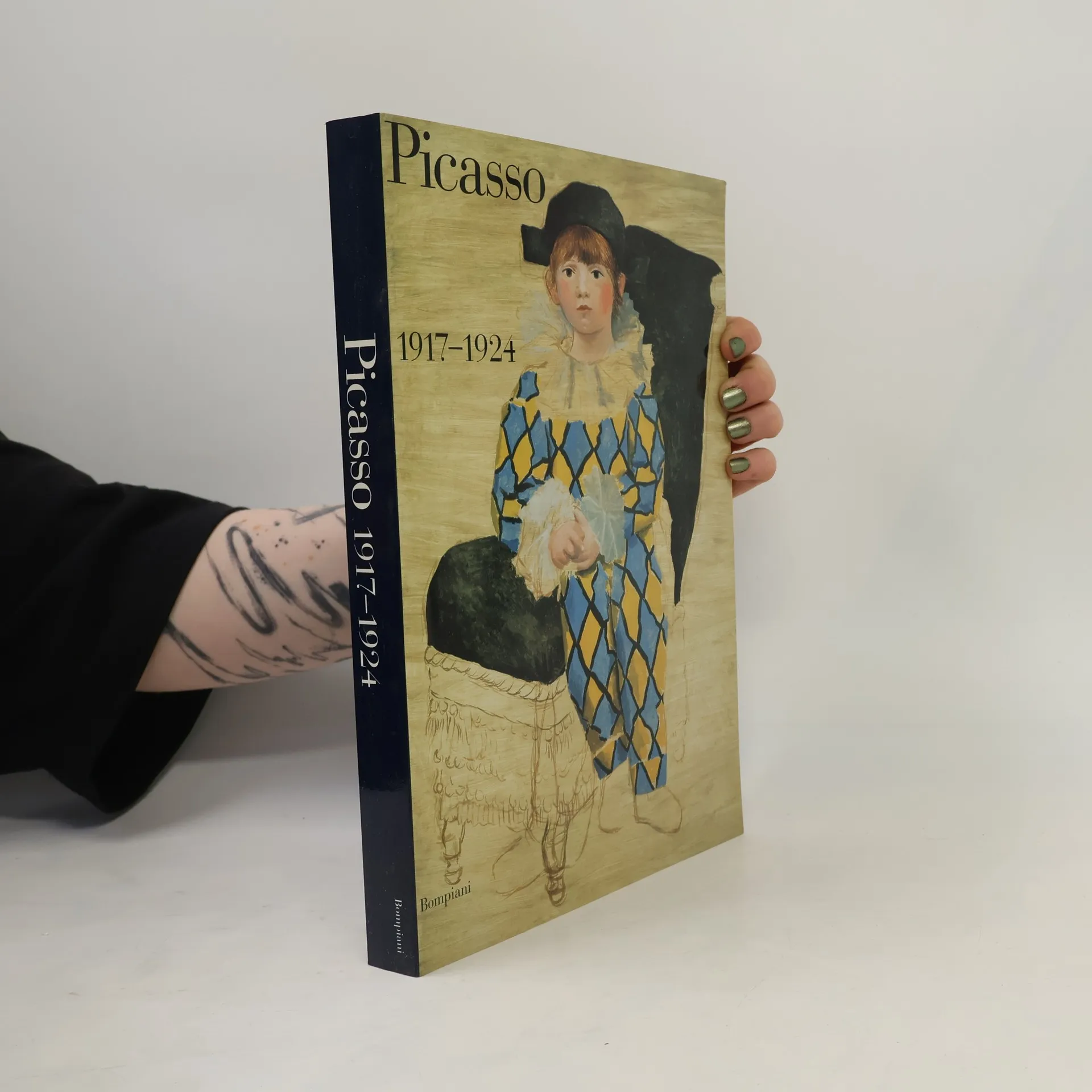
One of the most significant and least studied aspects of Picasso's art is his link with the Italian art tradition, which has never been clearly documented. This catalogue accompanying an exhibition in February 1998 at the Palazzo Grassi, Venice, reveals the importance of the Italian experience for the best-known artist of the 20th century. Essays by renowned art historians cover topics ranging from the photographic sources of Picasso's Italianate images, to his work in relation to Eric Satie, and the remarkable painting The Parade. Notes, sketches, drawings and graphic works as well as the greatest masterpieces of painting and photography, etchings and engravings and theatre design are given as evidence of the close relationship between the Renaissance, Classicism, Mannerism, Italian culture and Picasso's art.
This catalogue which accompanies an exhibition opening in February 1998 at the Palazzo Grassi, Venice, reveals the importance of the Italian experience for Pablo Picasso. The catalogue includes colour illustrations of all the works exhibited in the exhibition.
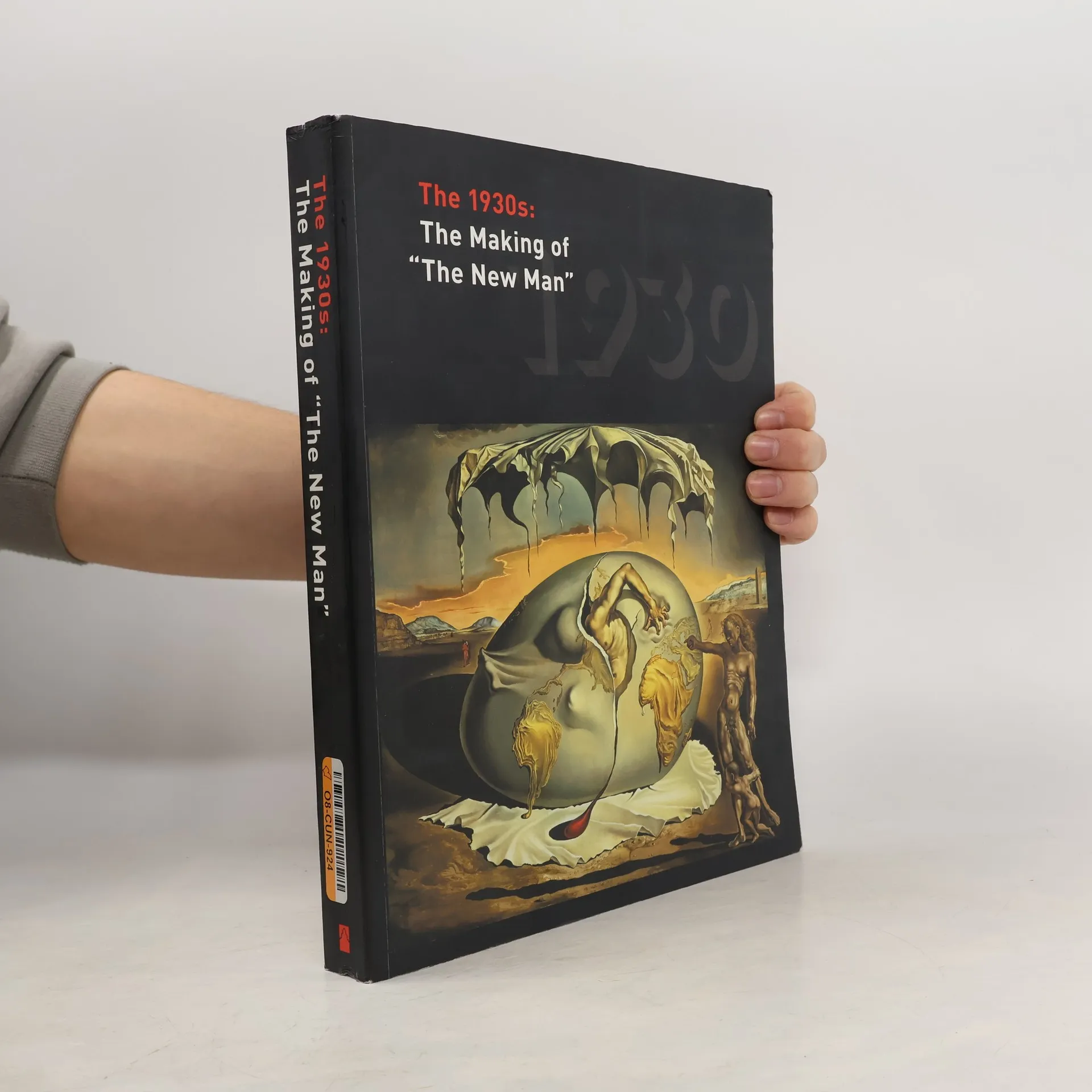
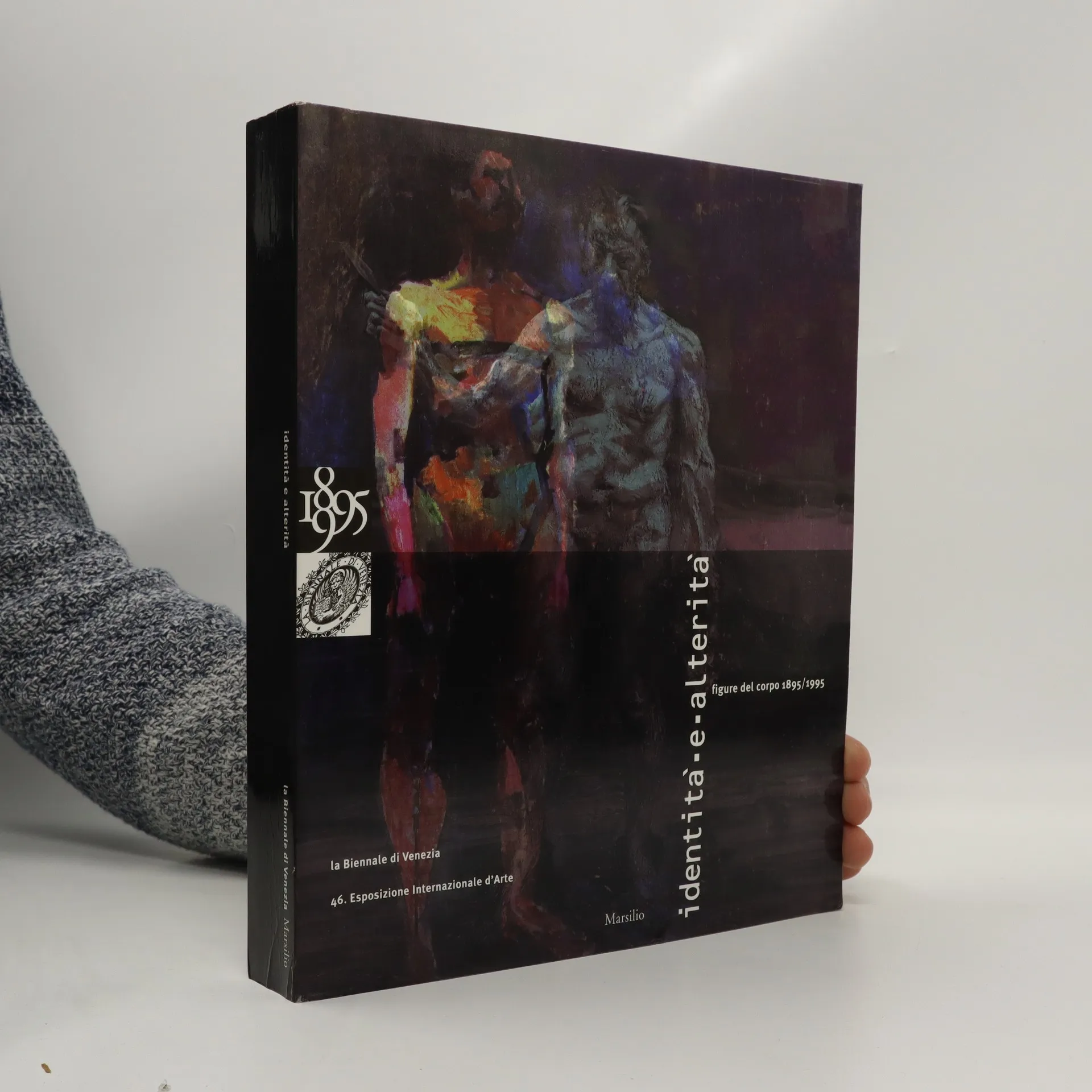
The role of art in the rise of totalitarian ideologies is the focus of an international group of scholars and curators whose goal - unlike other publications on the period - is not to expose the ties between art and power, but to go to the heart of that power : biology. By focusing on the period s fascination with biology, they compare two impacted areas: the arts, where the idea of metamorphosis produced an aesthetic revival; and politics, where the struggle to bring about a eugenic and racist renewal had unprecedented consequences for society. Highlighting the enormous stylistic diversity and sociopolitical complexity of the times, this thematically-driven publication takes the form of a story in nine episodes. The complexity is reflected in the works of the artists who dealt with dramatic upheavals according to their personal convictions, fears, hopes or disappointments. Richly illustrated with works by, notably, Salvador Dali, Pablo Picasso, Wassily Kandinsky, Max Ernst, August Sander, Alexander Rodchenko, Lisette Model, Jean Arp, Jackson Pollock, Walker Evans and Diego Rivera
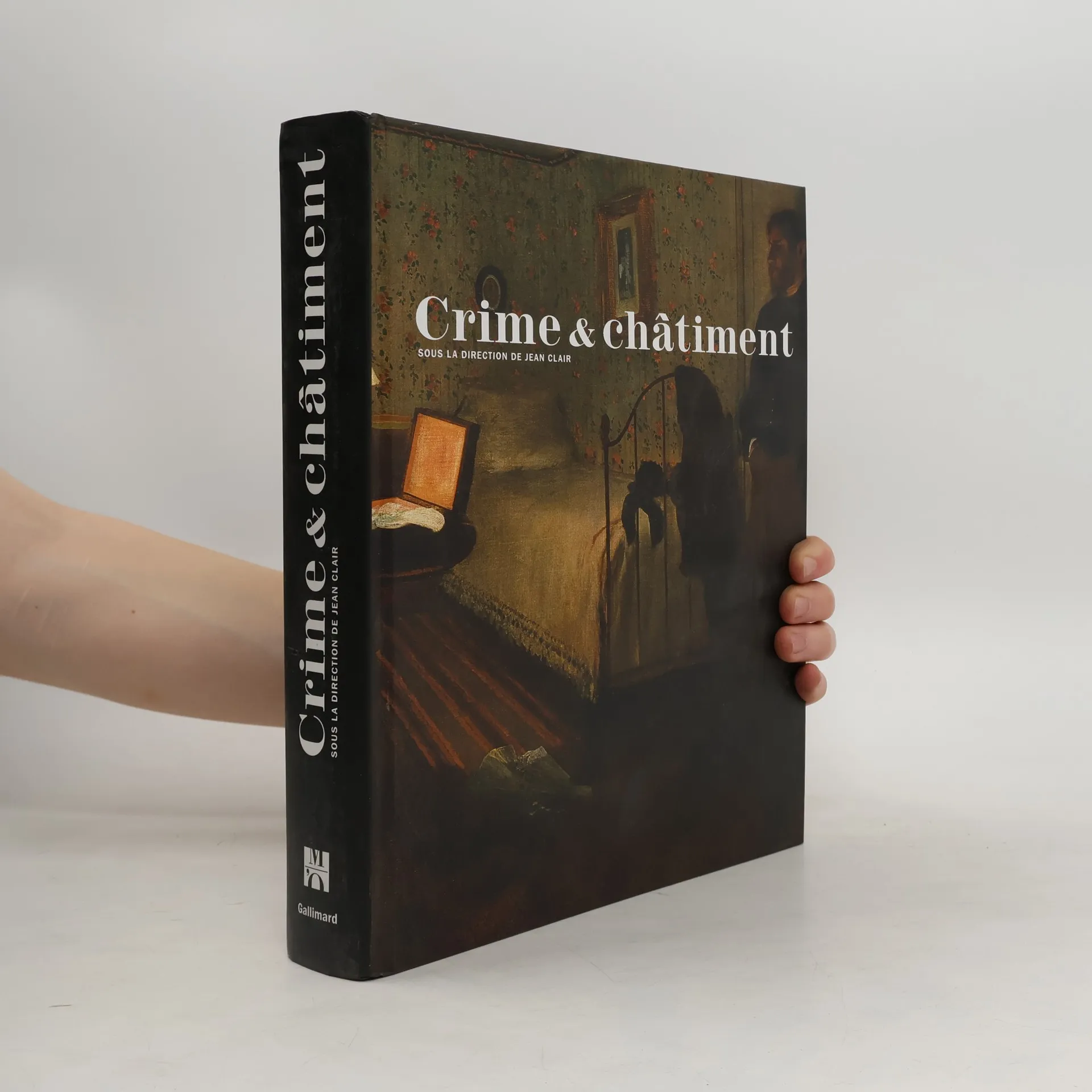
Crimes, prisons, décapitations, autant de thèmes qui parcourent en tous sens l'art depuis la Révolution française et ses premières tentatives d'abolir la peine de mort. Qu'il soit politique ou crapuleux, le crime de sang décuple par l'image sa puissance fantasmatique sur nous. Car la violence, même si elle n'est pas assortie de l'expression du plaisir, en apporte au spectateur, quelle que soit sa répulsion première. Des représentations littérales aux allégories de toutes sortes, la peinture confirme à foison cette ambiguïté fondamentale: des pendus de Victor Hugo à La Justice et la Vengeance divine poursuivant le Crime de Pierre Paul Prud'hon. De nouveaux thèmes s'imposent à l'imaginaire, telle la femme criminelle. Stigmatisée par Jacques Louis David, réhabilitée par Paul Baudry puis noircie à nouveau par Edvard Munch, Charlotte Corday rejoint ainsi les figures du mythe. Se pose aussi la question des rapports entre folie, génie et crime, des prisonniers d'Eugène Delacroix à ceux d'Egon Schiele. Les plus grands artistes sont ceux chez qui la représentation exaspérée du crime ou de la peine capitale aboutit au saisissement maximum, de Francisco Goya et Théodore Géricault à Edgar Degas, Pablo Picasso, Otto Dix, George Grosz. Paria social, monstre conscient ou tueur irresponsable, le criminel a toujours fait débat. De même, son châtiment. Il n'est pas de meilleur miroir de l'homme et de l'art modernes.
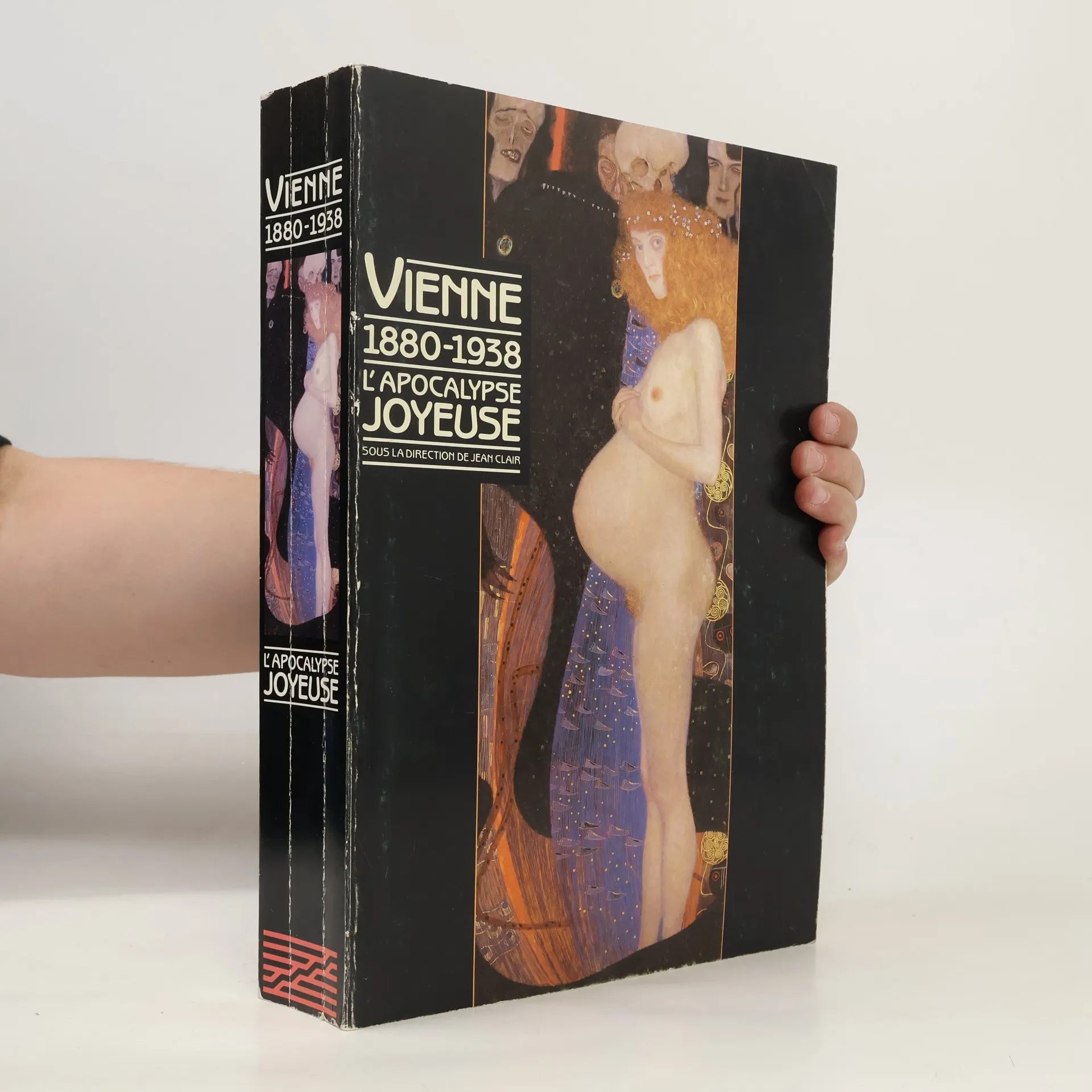
Ouvrage publié sous la direction de Jean Clair à l'occasion de l'exposition "Vienne, 1880-1938: naissance d'un siècle" présentée en 1986 au Centre Georges Pompidou (Paris): vie artistique et intellectuelle (arts plastiques, arts décoratifs, architecture, littérature, cinéma, musique, sciences humaines...); notices biographiques; glossaire; bibliographie
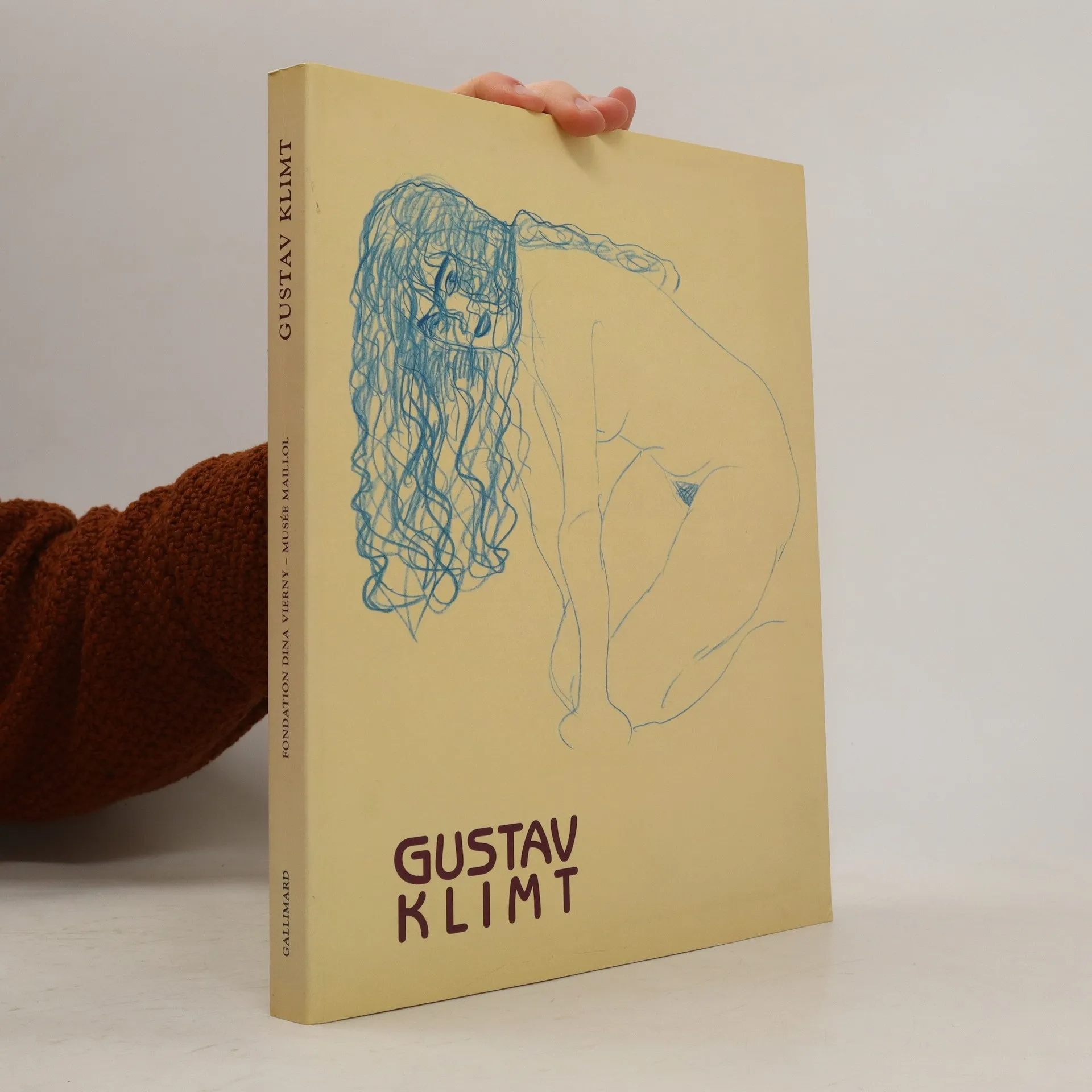
Rayon : Art Editeur : Gallimard Date de parution : 2005 Description : In-4, 192 pages, broché remplié, occasion, très bon état. Envois quotidiens du mardi au samedi. Les commandes sont adressées sous enveloppes bulles. Photos supplémentaires de l'ouvrage sur simple demande. Réponses aux questions dans les 12h00. Librairie Le Piano-Livre. Merci. Référence catalogue 65291. Please let us know if you have any questions. Thanks
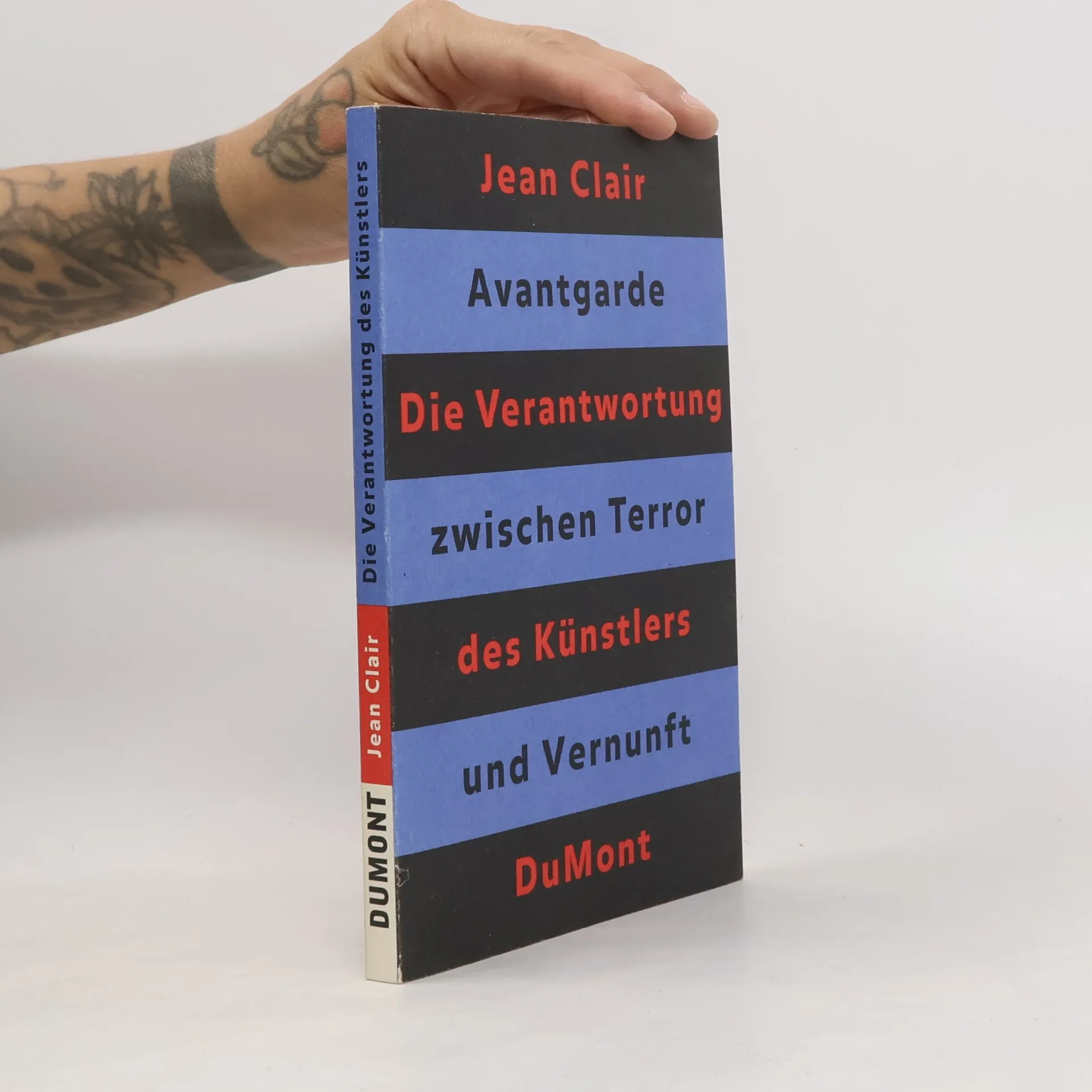
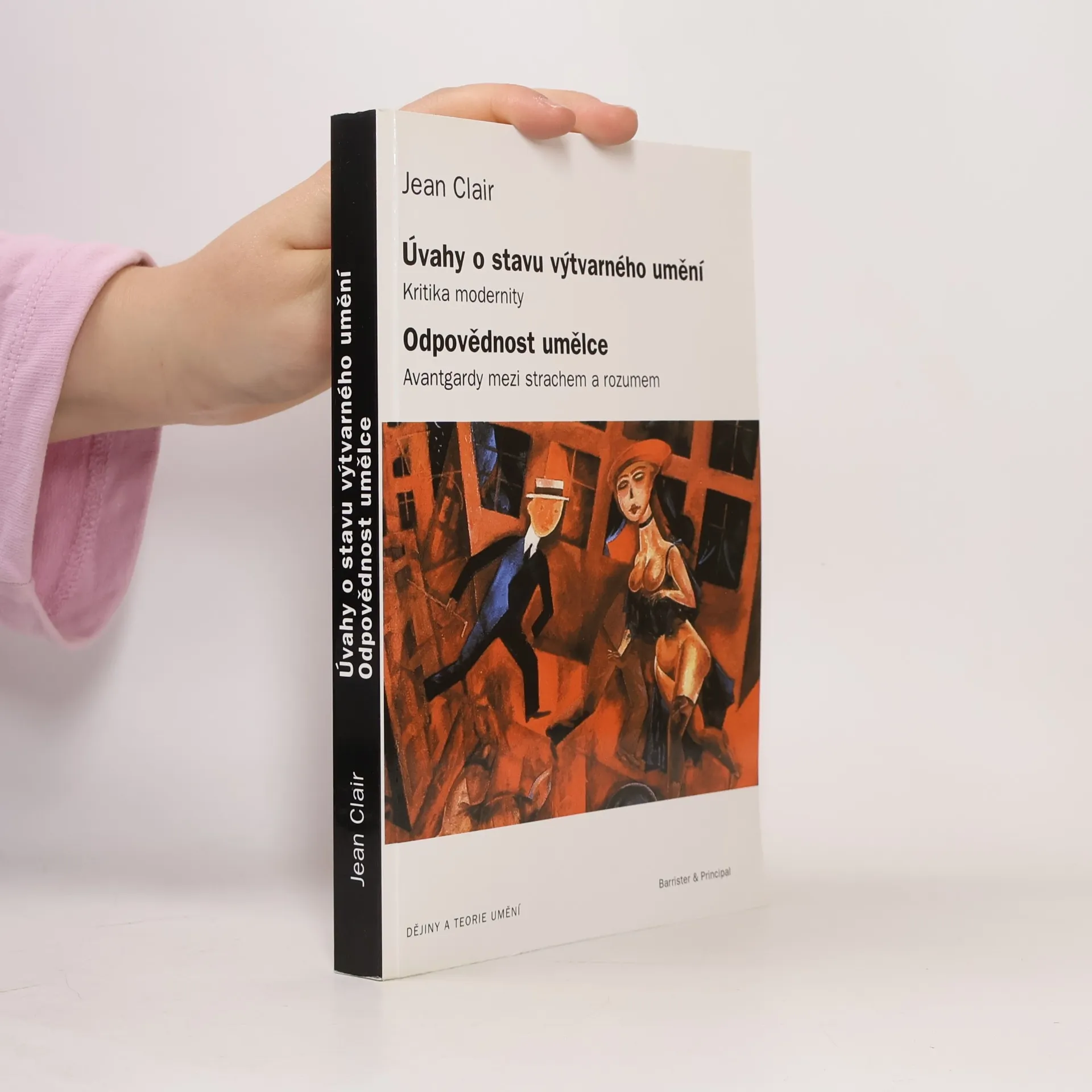
V knize má čtenář možnost seznámit se se dvěma kratšími, byť myšlenkově hutnými Clairovými pracemi – Úvahami o stavu moderního umění z roku 1983 a Odpovědností umělce z roku 1997. Obě studie, byť vyšly s odstupem téměř patnácti let, spolu úzce souvisejí a v mnohém se doplňují. Obě přesahují úzce kunsthistorický rámec a nabízejí originální a současně erudovaný pohled na uměleckou avantgardu dvacátého století.
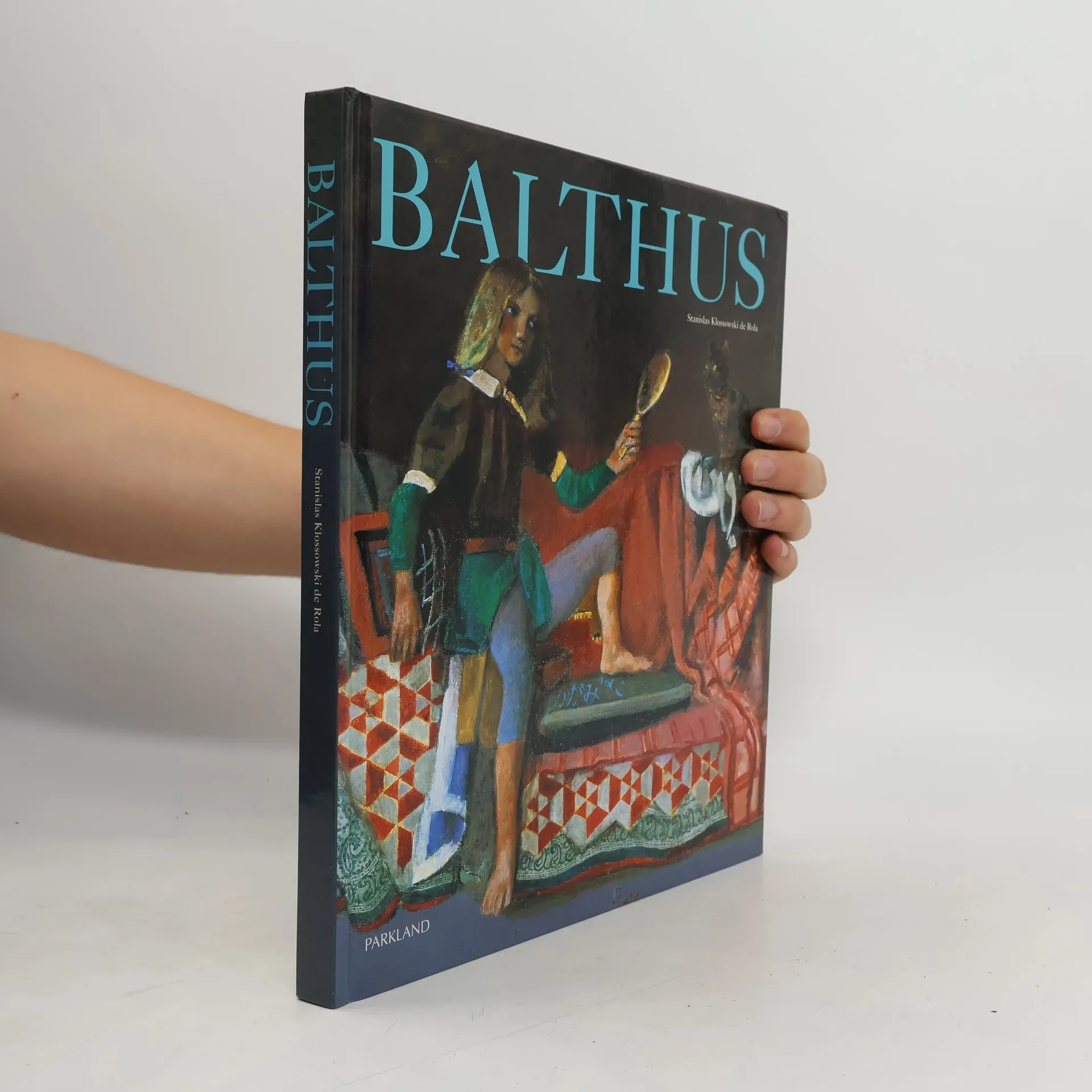
Im Frühjahr 2016 zeigt das Kunstforum in Wien erstmals in Österreich eine Retrospektive zum Werk Balthasar Klossowski de Rolas, genannt »Balthus«. Geboren 1908 in Paris als Sohn polnisch-russischer Eltern erlebt Balthus eine Kindheit zwischen Paris, Bern, Berlin und Genf. Ausgehend von den Meistern des italienischen Quattrocento entwickelte sich seine Malerei, die der Gegenständlichkeit immer verbunden blei- ben wird, über die Auseinandersetzung mit dem Surrealismus und der Neuen Sachlichkeit. Balthus wird in diesem Projekt anhand seiner wichtigsten Themen verstanden werden: Straße und Stadt im Gegensatz zu pastoraler Natur, das klassische Porträt, der weibliche Akt, vorwiegend exerziert an adoleszierenden jungen Mädchen. Ein eigenes Kapitel ist Balthus’ Entwürfen für das Theater gewidmet, in dessen Zentrum die 1950 für das Festival in Aix en Provence entstandenen Dekors für Mozarts Cosí fan tutte stehen. Innerhalb seiner durchgehend strukturierten und keinerlei expressive Elemente zulassenden Malerei gilt es, die geheimnisvolle, archaische und auch unheimliche Aura der Balthusschen Bilder zu erkunden, Bildwelten zu erforschen, die in ihren Gestalten die Fantasie unserer Kindheit hervorrufen – und auch einer gewissen Grausamkeit nicht entbehren.
Henri Cartier-Bresson offenbart – wie nur wenige große Künstler es konsequent tun – die Vielfalt und den Reichtum menschlicher Erfahrungen im zwanzigsten Jahrhundert. Dieser Band der Masters of Photography-Serie von Aperture bestätigt das Genie des Fotografen, der mit den neuen, kleineren, handgehaltenen Kameras und schnelleren Filmen das Konzept des „entscheidenden Moments“ in der Fotografie prägte. Cartier-Bressons Bilder sind intim, aber vollkommen respektvoll gegenüber seinen Motiven. Auf seinen Reisen rund um die Welt hat er Einblicke in individuelle Leben in zahlreichen Ländern eingefangen. Zusammengenommen bilden Cartier-Bressons Werke eine persönliche Geschichte epischen Ausmaßes. Dieser Band präsentiert zweiundvierzig Fotografien des Künstlers, die alle als Meisterwerke des Mediums anerkannt sind. Darüber hinaus bietet Cartier-Bresson eine kurze Erklärung darüber, was seine Arbeit antreibt.
Chcete se seznámit s názory skutečného francouzského konzervativce? S nepopulárními a politicky nekorektními úvahami vytříbeného estéta a erudovaného kunsthistorika, pro kterého je moderní doba především synonymem kulturního úpadku a zpovrchnění? Přečtěte si Protivný deník Jeana Claira! Myšlenkově hutná a jazykově vytříbená kniha deníkových záznamů, jež po vydání ve Francii okamžitě vyvolala vlnu vášnivých diskusí, rozhodně nenechá nikoho chladným ani u nás. Konzervativně založené čtenáře uchvátí, liberály nejspíše dovede k zuřivosti..., i když autor vlastně píše pouze o tom, co ho jen tak napadne...
Les expositions récentes et les controverses autour de la vente Breton révèlent que le surréalisme est le seul mouvement d'avant-garde à avoir connu un succès populaire durable. Ce mouvement ne se limite pas à un programme littéraire et artistique classique, mais vise à « transformer le monde » (Marx) et à « changer la vie » (Rimbaud), intégrant une dimension politique qui aspire à faire naître un homme nouveau. Pourtant, cette théorie politique du surréalisme est souvent méconnue. En tant que mouvement anarchiste et libertaire, il a influencé les situationnistes des années cinquante et les événements de Mai 68, tout en flirtant avec les idéologies totalitaires de son temps. Les relations conflictuelles avec le communisme entre 1925 et 1935, l'épisode de Contre-Attaque, et l'œuvre d'Artaud, proche du théâtre totalitaire, jettent une ombre sur ce groupe. De plus, le surréalisme partageait un intérêt pour l'occultisme, ce qui soulève des questions sur sa capacité à concilier un désir de révolution rationnelle avec son attrait pour le spiritisme. Freud et Marcel Mauss, figures fondatrices de la psychanalyse et de l'ethnologie, ont rejeté les offres d'une idéologie qu'ils percevaient comme dangereuse. L'analyse proposée ici se concentre non pas sur le surréalisme comme esthétique, mais comme symptôme d'une généalogie de la violence au siècle dernier. Jean Clair, conservateur général du Patrimoine et directeur du musée Picasso à Pa
„Wydaje się, że już zaakceptowano w pełni przekonanie, że zbiory publiczne nie są dziedzictwem duchowym, świadectwem historii danego kraju i wizerunkiem jego pamięci, tak dalece cennej dla naszych laickich demokracji, jak cenne były dla wiernych w społeczeństwach religijnych obiekty kultu, ale że są tylko zwyczajnym towarem, który można odstępować, wymieniać, wypożyczać, a po pewnym czasie sprzedawać. Taka, już powszechna, postawa przypomina w swoim skrajnym wyrazie „rewolucję kulturalną” podobną do tamtej, którą w 1968 roku urzeczywistnili chińscy przywódcy polityczni. Dochodzi do głosu wprawdzie w sytuacji kapitalistycznej globalizacji, jednak kryje w sobie właściwości nieujawnione i radykalne, ponieważ ma za podstawę takie samo pogardzanie historią, kulturą, przeszłością i przejętym po niej dziedzictwem. Ten okolicznościowy tekst nie utracił jeszcze swego sensu dlatego, że prócz sprawy Abu Zabi porusza również kwestię znaczenia kultury, a w szczególności muzeów w społeczeństwie, w którym kultura nie jest niczym więcej niż rozrywką, a muzea pełnią funkcję supermarketów”.
Intelligere et eligere sont proches dans la langue. Choix dans le fouillis du visible, la distinction est compréhension et beauté. Intelligence et élégance ont partie liée. Voir, comprendre, distinguer sont une même chose. Le vieux mot français de mire, pour dire le médecin, atteste encore l'affinité entre l'art de l'artiste, qui produit des choses "admirables", et le savoir du savant, qui regarde et qui garde. La science et l'art prennent soin du monde. Dans ce dialogue entre l'art et la science, la psychanalyse, prise entre le verbe et l'image, joue un rôle majeur. Elle n'est pas seulement contemporaine de Böcklin et de Klinger. Questionnant un corpus iconographique particulier pour valider sa démarche, de Moïse à Léonard de Vinci, se voulant à l'occasion, dans la Traumdeutung, une "science" de l'image, elle est aussi l'héritière du Symbolisme, et peut-être sa prisonnière. Rappelant les privilèges de ce que Goethe appelait Die Welt des Auges, cette suite d'essais se développe comme un plaidoyer pour une science romantique.
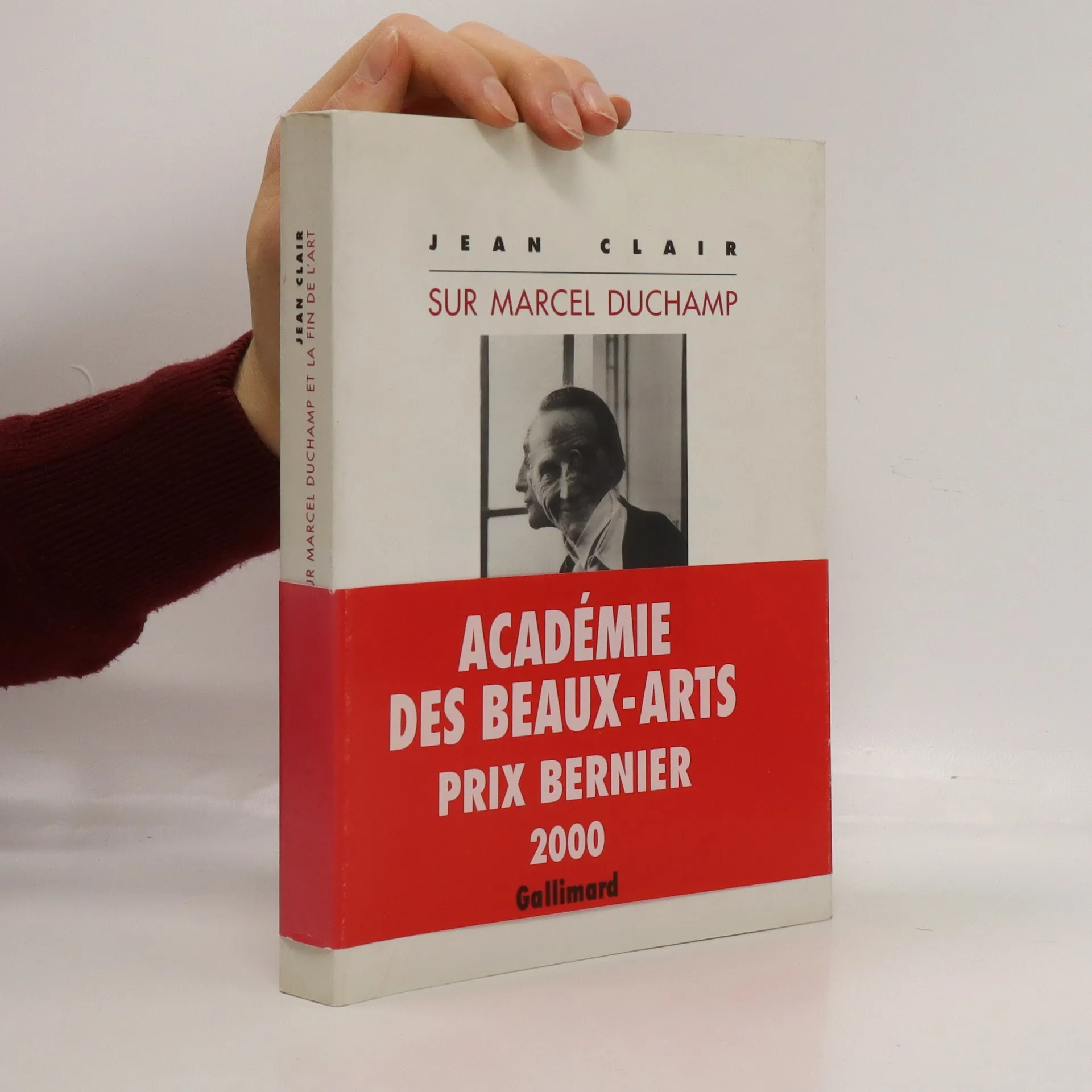
Au tournant du nouveau siècle, Jean Clair a décidé de revenir sur le cas de Duchamp comme figure exemplaire de la modernité. Reprenant les essais de 1977, il les fait précéder d'une longue étude qui jette sur le père des pseudo ready-made, le rêveur inlassable de La Mariée, et le bâtisseur de ce "Château de la pureté" dont parlait son ami Octavio Paz, une lueur extrêmement dérangeante. En le situant dans une postérité qui est celle de des Esseintes et de Monsieur Teste, comme elle est celle de Max Stirner et de Rudolf Steiner, il lui confère un sens qui, par ricochet, tend à bouleverser l'image que l'on s'est construite de l'histoire de l'art moderne.
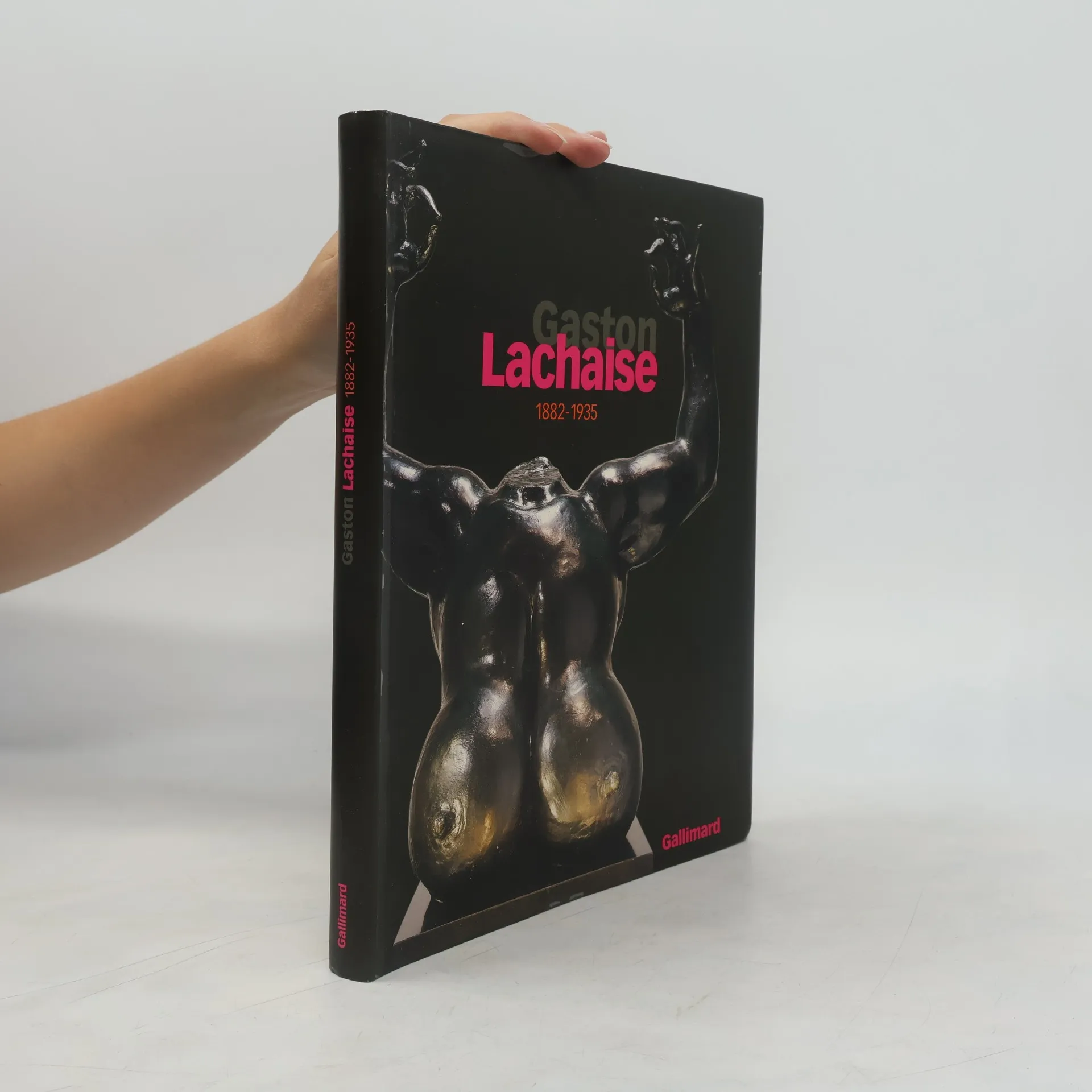
Né à Paris le 19 mars 1882, fils d'un fabricant de meubles, Gaston Lachaise étudie la sculpture à l'École nationale supérieure des beaux-arts de 1898 à 1906. Vers 1902 ou 1903, Lachaise rencontre Isabl Dutaud Nagel, une Américaine de dix ans son aînée, marié et mère d'un enfant. Il tombe passionnément amoureux d'elle, et lorsqu'elle retourne à Boston, Lachaise la suit un an plus tard. Après le divorce d'Isabel, Gaston Lachaise l'épouse en 1917. Il ne cessera alors, et jusqu'à sa mort, de s'inspirer du corps de sa femme pour des sculptures, souvent monumentales, qui le mettront vite au tout premier plan des sculpteurs modernes. Ses oeuvres seront rapidement dans les plus grands musées américains. L'obsession pour le corps de sa femme le conduit à des oeuvres de plus en plus radicales qu'il ne montre pas au public, en particulier certaines sculptures du corps féminin qu'il réduit à deux seins gigantesques entourant un sexe, oeuvre aussi dérangeante que L'Origine du monde de Courbet.La sculpture de Lachaise, qui a marqué de manière significative l'art du XXᵉ siècle, est peu connue en France. C'est pourquoi le musée d'Art et d'Industrie - La Piscine de Roubaix organise, avec le soutien de la Fondation Lachaise, une grande rétrospective de son oeuvre, avec près de quatre-vingts sculptures et de nombreux dessins.
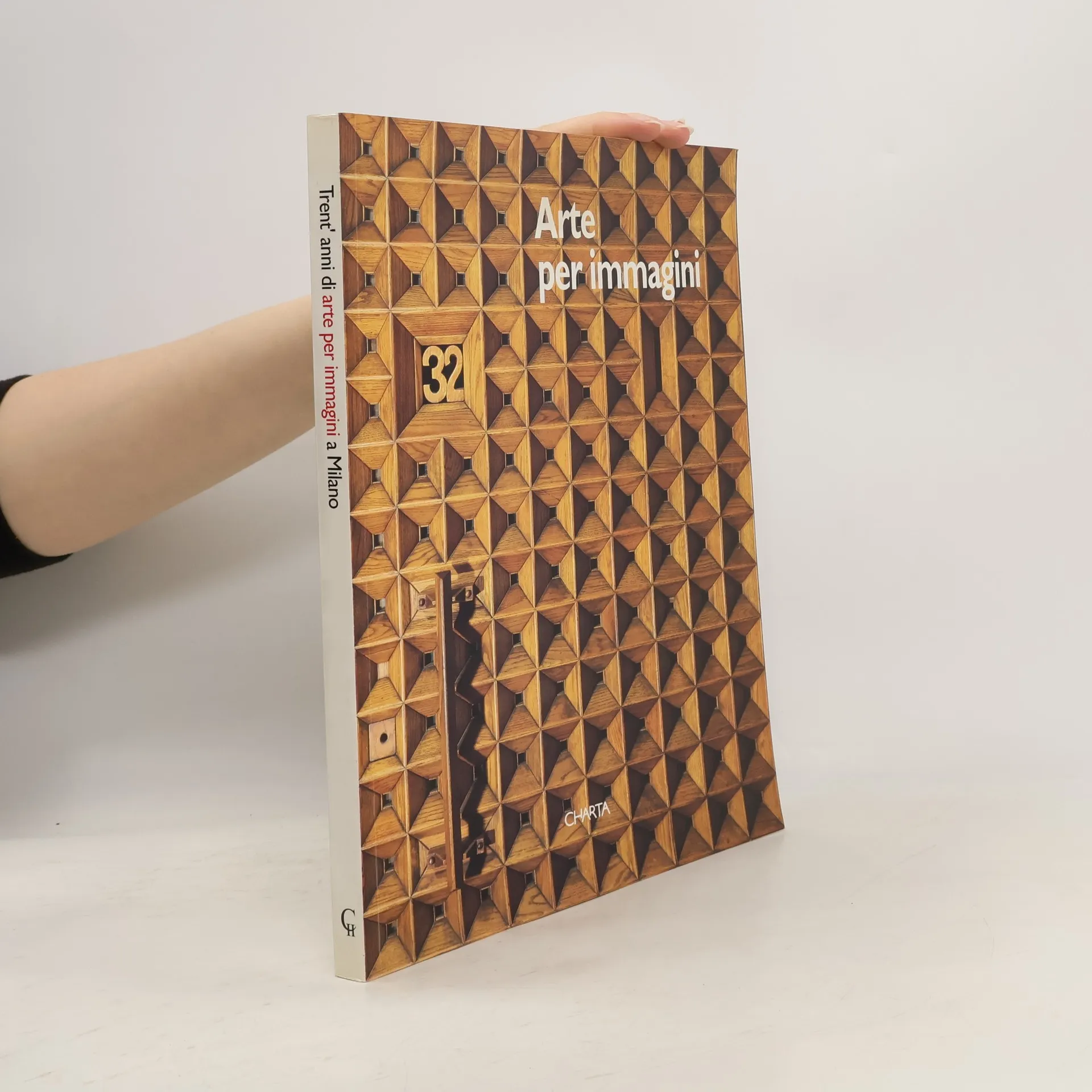
Volume realizzato in occasione della mostra per il trentesimo anno di attività della Galleria Appiani Arte Trentadue. Testi di Gianfranco Bruno, Jean Clair, José Guillermo Garcia Valdecasas, Guido Giuffrè, et al. Numerose tavole a colori e ill. in nero. Elenco delle mostre della Galleria Trentadue . 8vo pp. 138 Brossura (wrappers) Ottimo (Fine)
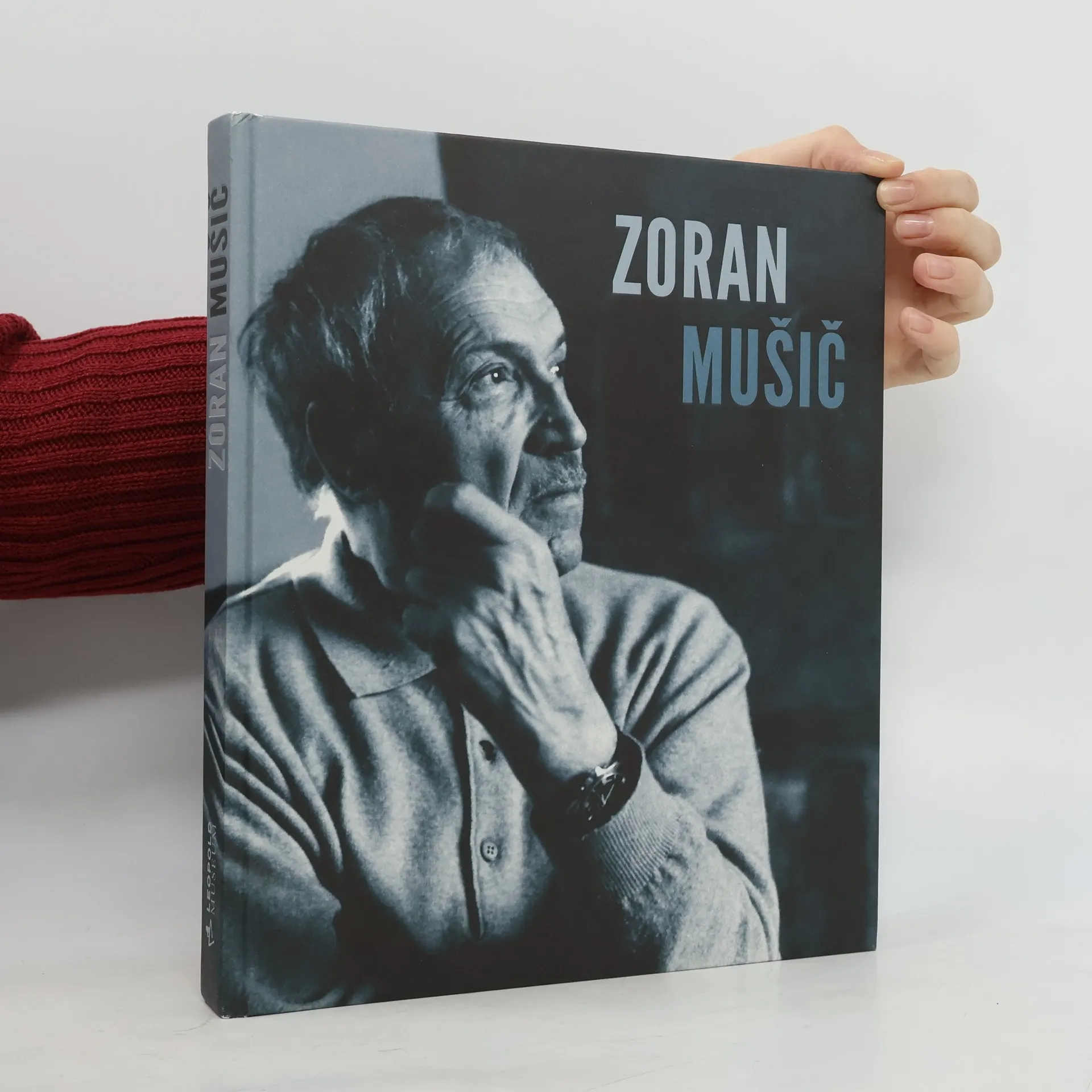
Poesie der Stille - Ausst. Kat. Leopold Museum, Wien 2018
254 Seiten
9 Lesestunden
The drawings Zoran Mušič created in Dachau are harrowing time documents. After the War he created his first unmistakable Cavallini from Dalmatia. Meanwhile, Mušič traced the erratic lines of the earth’s relief in the hills of Umbria and Tuscany. In the mid-1950s Mušič defined the landscape as a sort of ornamental fabric in his color-intensive works, and soon afterwards ventured into abstraction. After 1963 he arrived at an increasingly anthropomorphic notion of landscapes. The inextinguishable trauma of his experience at the concentration camp was processed by the artist in his 1970 picture cycle We Are Not the Last. These were followed by atmospheric renderings from Mušič’s adopted Venetian home as well as by numerous self-portraits painted using muted colors. They are testament to his untiring quest for answers to the basic questions of human existence.