
Gratisversand in ganz Deutschland!
Bookbot

Germaine Greer

    29. Januar 1939

    Germaine Greer ist eine in Australien geborene Schriftstellerin, Journalistin und Gelehrte der englischen Literatur der Frühen Neuzeit, die weithin als eine der bedeutendsten feministischen Stimmen des späten 20. Jahrhunderts gilt. Ihre Ideen haben seit dem Erscheinen ihres bahnbrechenden Werkes, das 1970 zum internationalen Bestseller wurde und sie über Nacht berühmt machte, sowohl Bewunderung als auch Kritik hervorgerufen. Greer befasst sich in ihrer Arbeit mit der Untersuchung und Dekonstruktion von Geschlechternormen und gesellschaftlichen Erwartungen, wobei ihr Stil oft provokativ und zum Nachdenken anregend ist. Ihre literarische Bedeutung liegt in ihrer unerschütterlichen Infragestellung patriarchalischer Strukturen und ihrer Befürwortung weiblicher Autonomie und Freiheit.

    Germaine Greer
    Ab 40
    Heckengeflüster
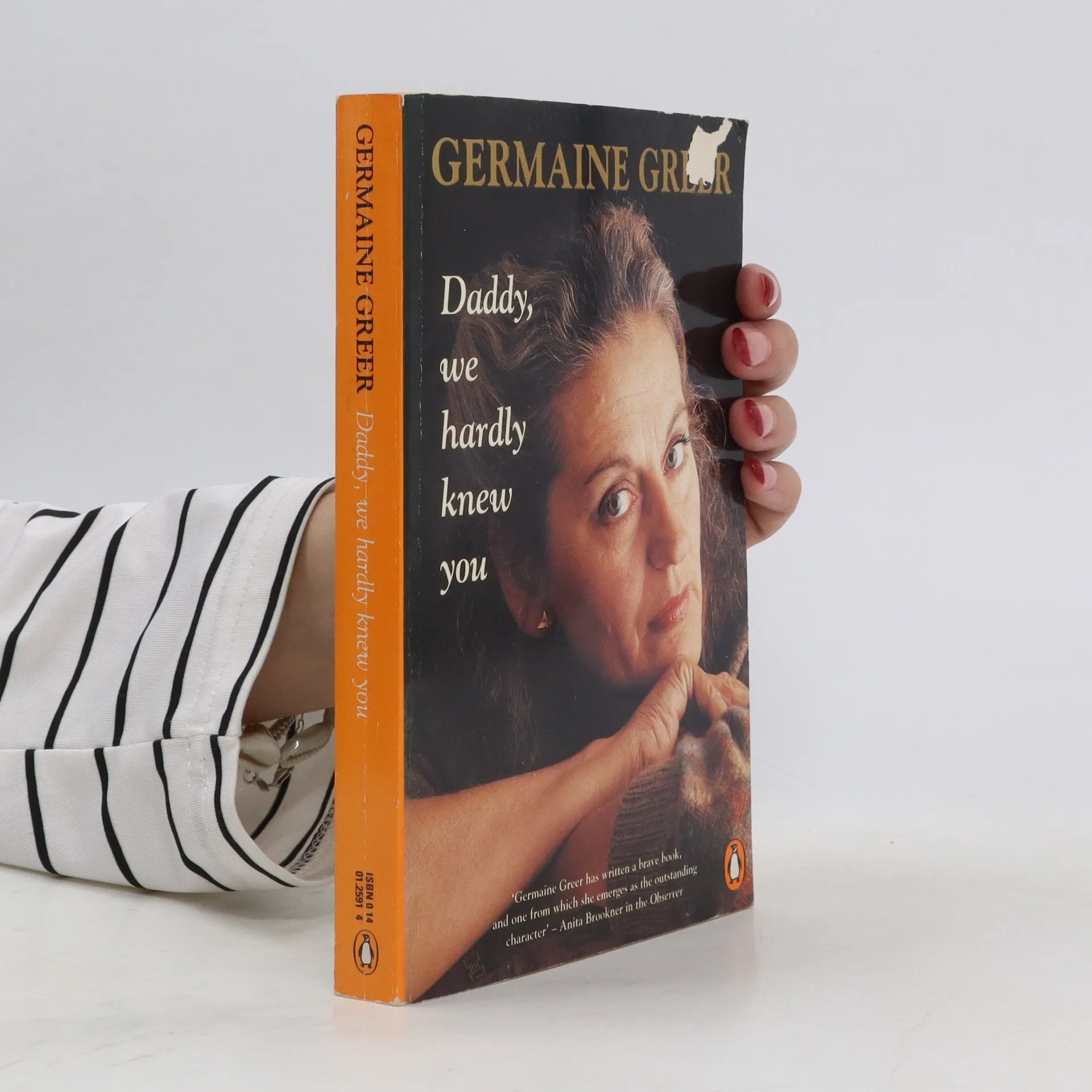
    The Female Eunuch
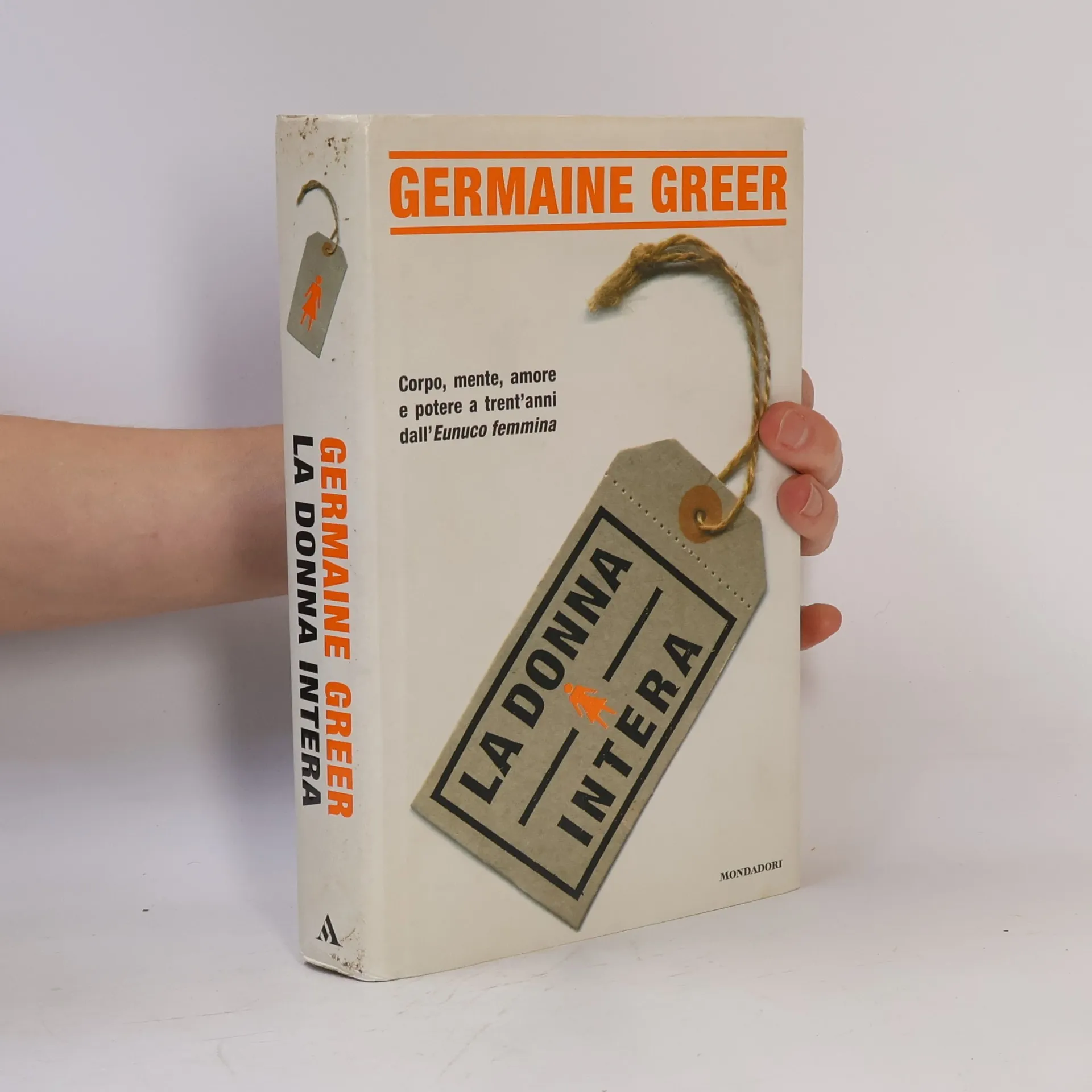
    Die ganze Frau
    Der Knabe
    Der weibliche Eunuch
    • 2018

      On Rape

      • 96 Seiten
      • 4 Lesestunden
      3,2(27)Abgeben

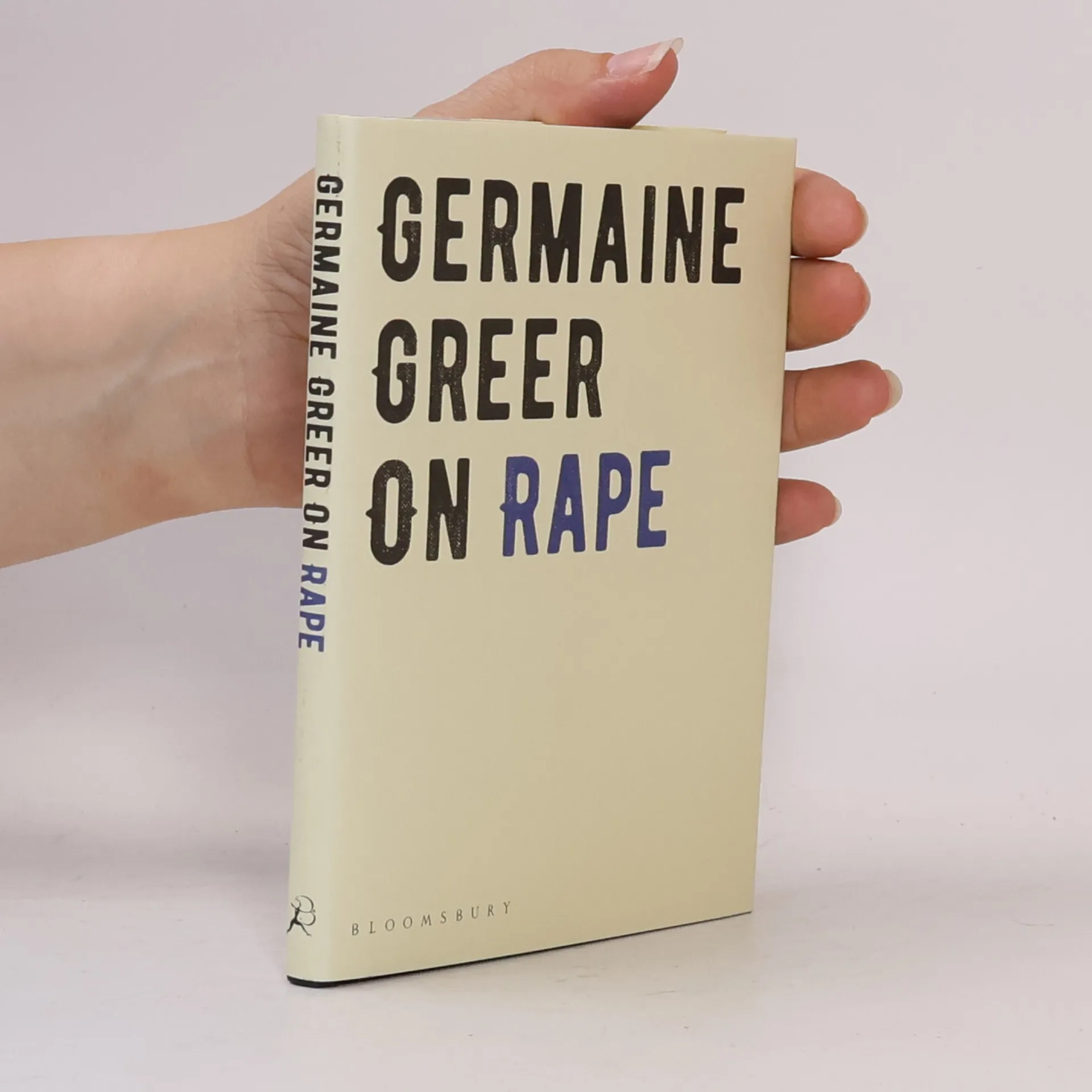
      ‘Sexual assault does not diminish; relations between the sexes do not improve. There has to be a better way.’ Germaine Greer "It’s time to rethink rape. Centuries of different approaches to rape—as inflicted by men on women—have got us nowhere. Rape statistics remain intractable: one woman in five will experience sexual violence. Very few rapes find their way into court. The crucial issue is consent, thought by some to be easy to establish and by others impossible. Sexual assault does not diminish; relations between the sexes do not improve; litigation balloons. In On Rape Germaine Greer argues there has to be a better way."
      On Rape
    • 2018

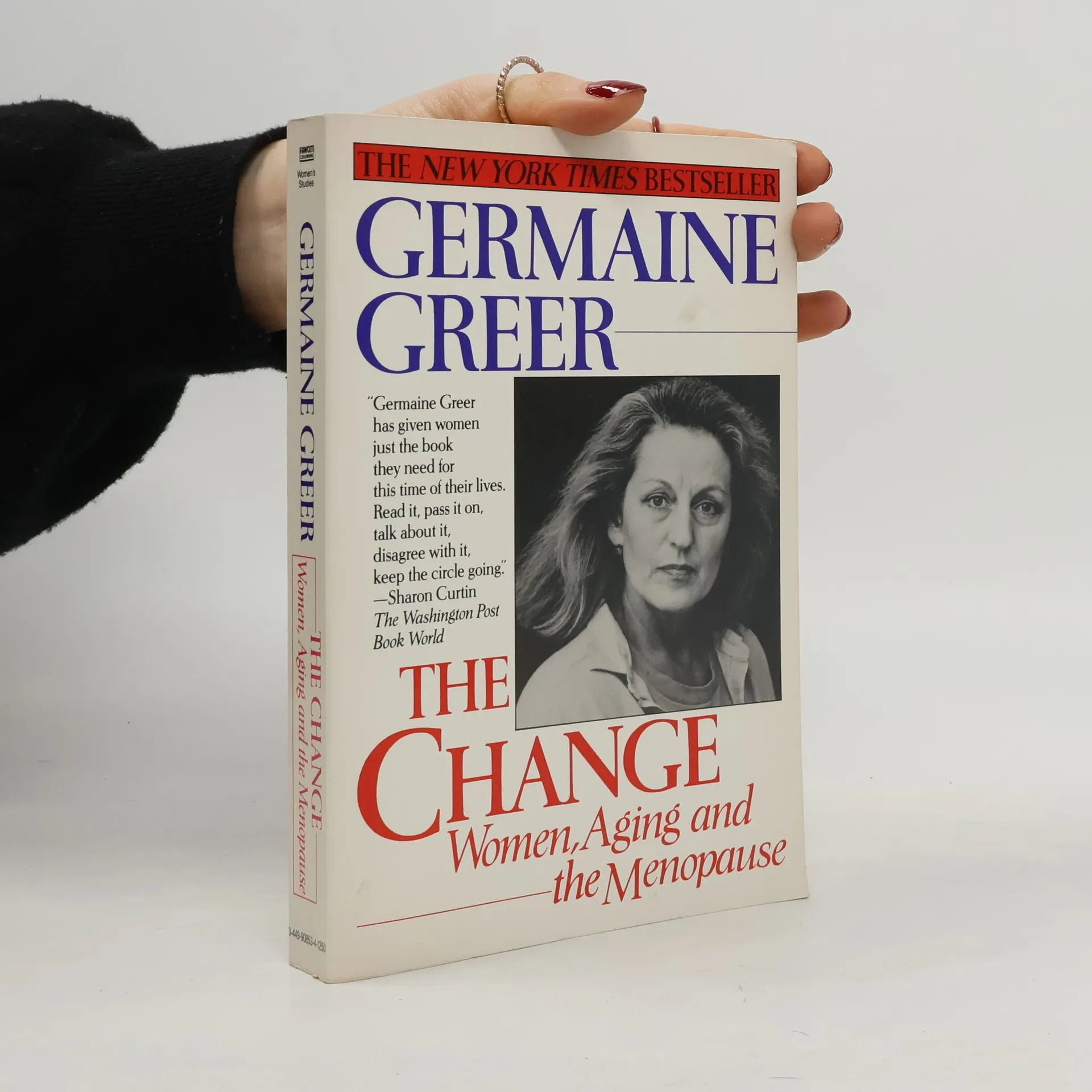
      In this singularly authoritative, intelligent and audacious study, Germaine Greer challenges all of our accepted notions about the physical and emotional effects of menopause and aging - and thereby lays the foundation for a drastic reassessment by women of the ways in which they contemplate and experience the stages of their lives that society has conditioned them to fear and, ultimately, to regret. Quoting extensively from medical, historical, anthropological, literary and other cultural sources, Greer examines the diverse ideas and theories about menopause and aging during the last two hundred years, revealing how they have and have not evolved, concluding that "the sum of our ignorance still far outweighs our knowledge," and that the sum of a woman's self-knowledge is potentially more enlightening than anything she can learn from "objective" observers of her condition. Greer exhorts women to take responsibility for their own health and to question the accepted "truths" and those who determine them. To that end, she makes a detailed study of the various current treatments for menopause - particularly of estrogen replacement therapy, puncturing the overblown promises made on its behalf by the medical profession and drug manufacturers - and explores myriad less well publicized, traditional and alternative non-medical treatments. She delves into the full range of emotional and physical changes in the menopausal woman and proposes a new "art" of aging based on each woman's acceptance of her own experience and her transformed needs and desires. The deeply impassioned ideas Germaine Greer puts forth sound a rallying cry against the cultural and sexual stereotypes that have long hampered the lives of menopausal and aging women. With a profound fierceness of purpose, she encourages women to embrace the freedoms inherent in the change and to forge the serenity and power that can be its most permanent consequences

      The Change
    • 2015

      White Beech

      • 370 Seiten
      • 13 Lesestunden
      3,5(13)Abgeben

      One bright day in December 2001, sixty-two-year-old Germaine Greer found herself confronted by an irresistible challenge in the shape of sixty hectares of dairy farm, one of many in south-east Queensland that, after a century of logging, clearing and downright devastation, had been abandoned to their fate. She didn't think for a minute that by restoring the land she was saving the world. She was in search of heart's ease. Beyond the acres of exotic pasture grass and soft weed and the impenetrable curtains of tangled Lantana canes there were Macadamias dangling their strings of unripe nuts, and Black Beans with red and yellow pea flowers growing on their branches . . . and the few remaining White Beeches, stupendous trees up to forty meters in height, logged out within forty years of the arrival of the first white settlers. To have turned down even a faint chance of bringing them back to their old haunts would have been to succumb to despair. Once the process of rehabilitation had begun, the chance proved to be a dead certainty. When the first replanting shot up to make a forest and rare caterpillars turned up to feed on the leaves of the new young trees, she knew beyond doubt that at least here biodepletion could be reversed. Greer describes herself as an old dog who succeeded in learning a load of new tricks, inspired and rejuvenated by her passionate love of Australia and of Earth, most exuberant of small planets.

      White Beech
    • 2011

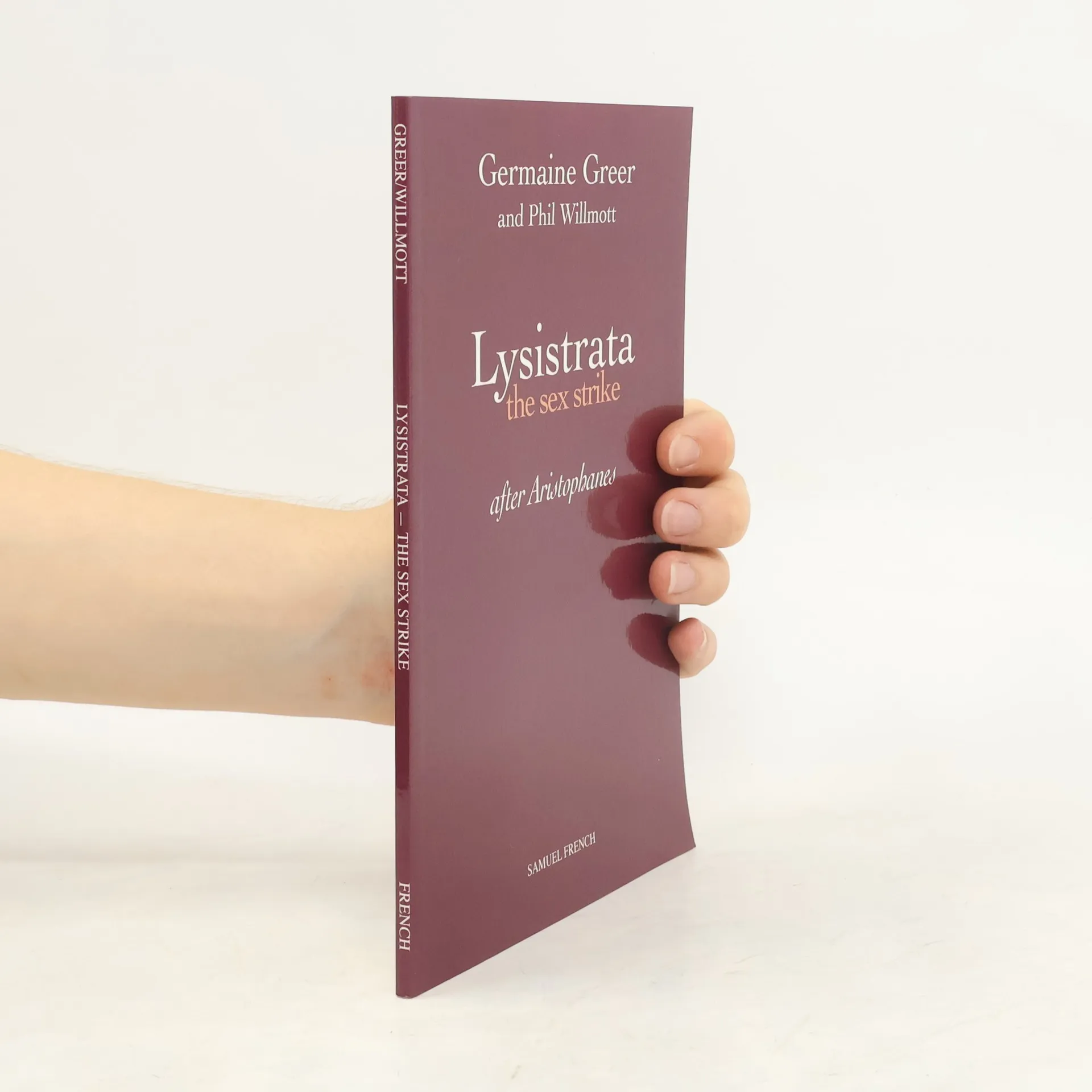
      Lysistrata

      • 82 Seiten
      • 3 Lesestunden
      3,9(6)Abgeben

      Period Ancient Greek Athens is in the grip of a futile, destructive war with Sparta and its men are fighting abroad, taken away from their wives and families for long periods at a time. The women of Athens have had enough.

      Lysistrata
    • 2010

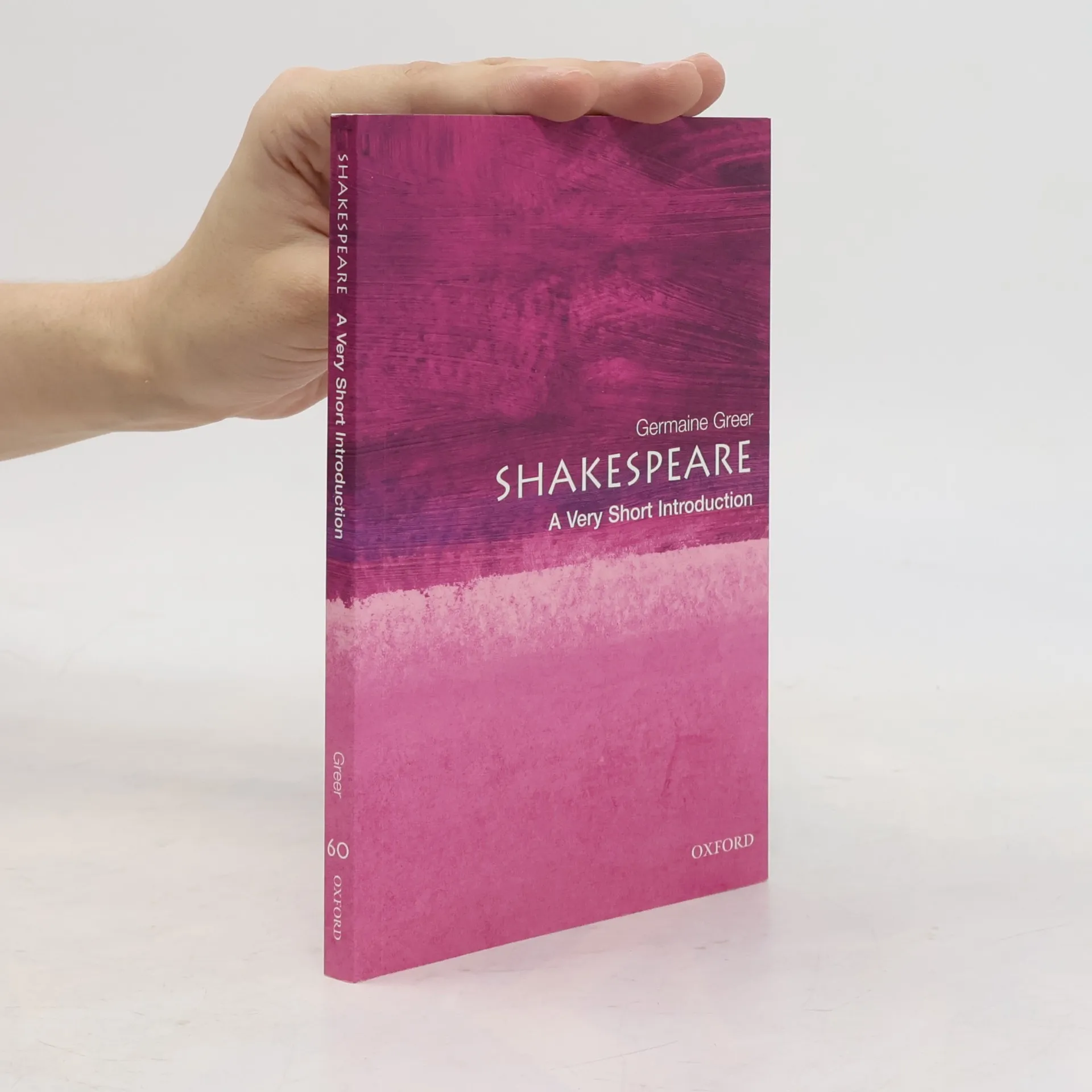
      Shakespeare. A Brief Insight

      • 198 Seiten
      • 7 Lesestunden
      3,7(17)Abgeben

      "[T]his slim volume...is committed to a description of Shakespeare’s thought as it is evinced in the works which he has left us.” Noted feminist and internationally bestselling author Germaine Greer explores Shakespeare as a thinker, unraveling the methods he used to dramatize moral and intellectual issues. Her astute and highly original look at the Bard covers his life, his poetics and politics, his characters (especially his "passionate and pure” females), his audience, and his theater--all placed in the larger context of Elizabethan society and culture. As long as Shakespeare's work remains central to the English-speaking world, Greer concludes, it will retain the values that make it unique.

      Shakespeare. A Brief Insight
    • 2010

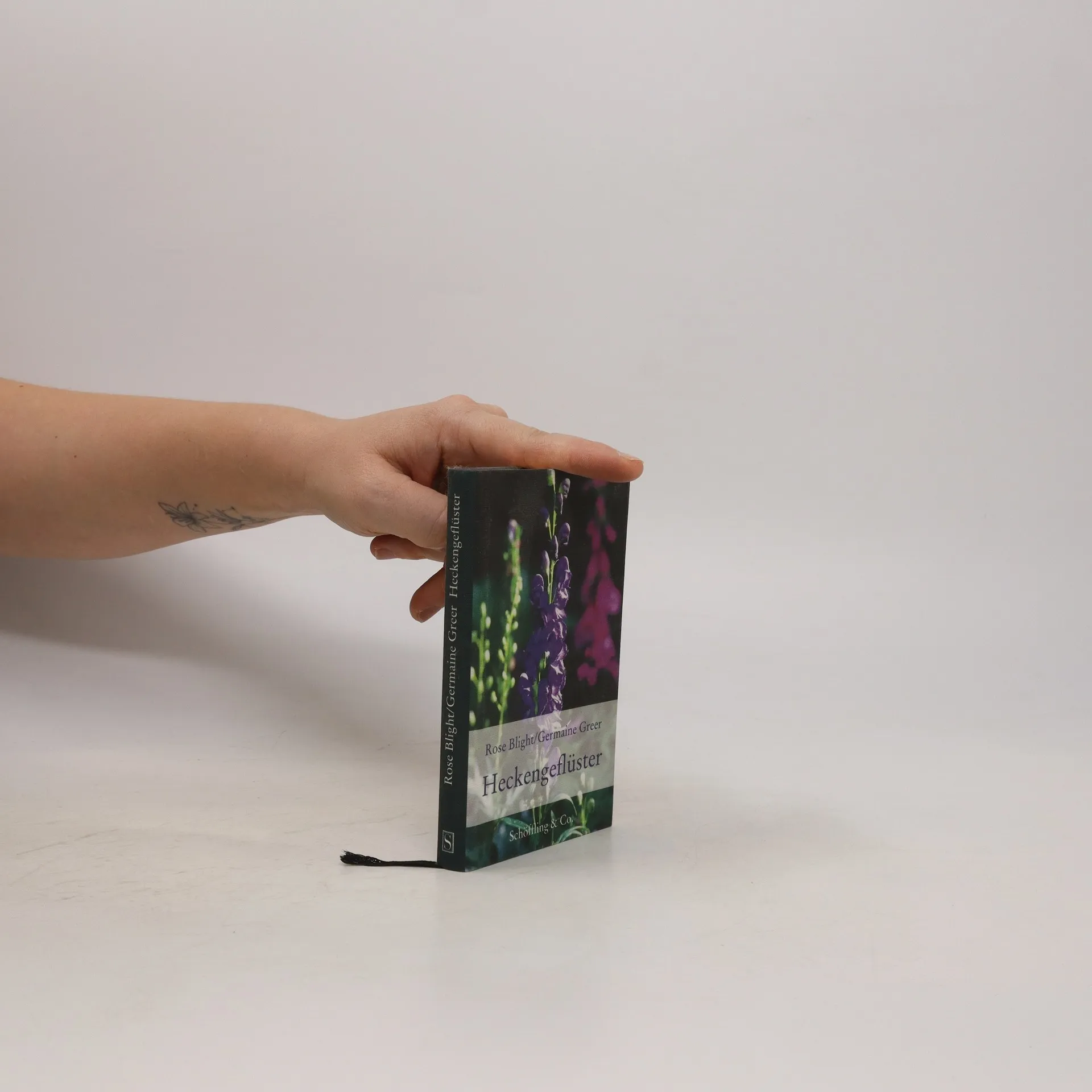
      »Im Büchlein HECKENGEFLÜSTER erwartet Sie Bösartiges aus dem geplagten Leben einer Londoner Gärtnerin in einer hübschen Verpackung in witziger Form zu Papier gebracht. Übles gibt's da einiges, wie beispielsweise Kinder, die Rosen zerhacken oder Bauarbeiter, die Abfall durch die Äste der Linden schmeißen. Auch Nachbarn, Hunde, Passanten und Touristen zählen zu den Plagen einer Gärtnerin in der englischen Hauptstadt und kriegen ihr Fett ab. Doch nicht nur daheim, auch in fremden Gärten stößt die Autorin auf unliebsame Überraschungen...« sofagaertnerin. blogspot. com

      Heckengeflüster
    • 2008

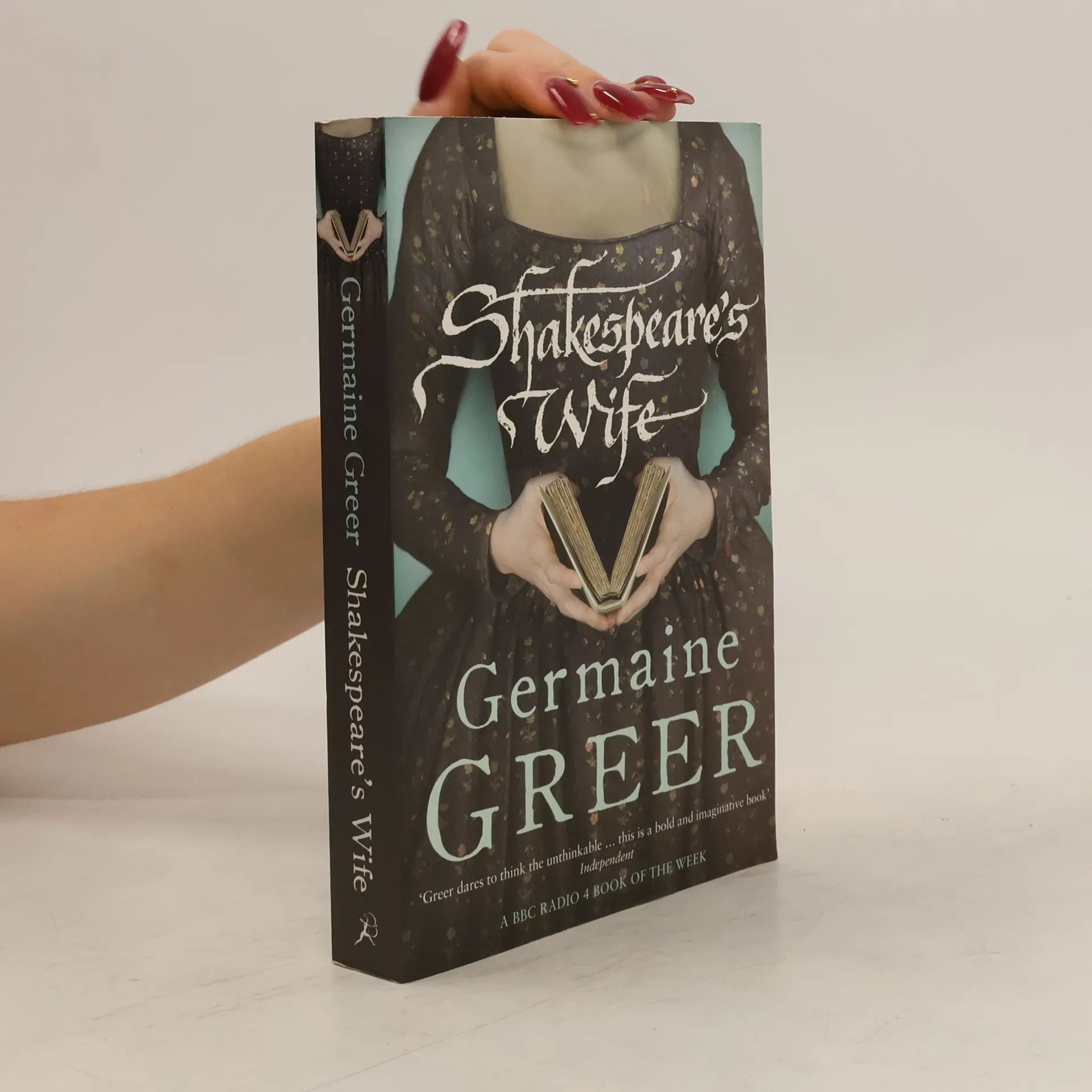
      Presents hypotheses about the life of the farmer's daughter who married Shakespeare. This book asks questions, opens fields of investigation and research, and rights the wrongs done to Ann Shakespeare.

      Shakespeare's Wife
    • 2007

      Stella Vine

      • 63 Seiten
      • 3 Lesestunden
      4,0(5)Abgeben

      This publication documents the exhibition Stella Paintings, the first major solo show in the UK by the enfant terrible of British art. Stella Vine's paintings are exuberant, funny and irreverent. She is notorious for her portraits of Kate Moss and disturbing images of Princess Diana and the heroin victim Rachel Whitear, but she also paints her mother and her son from photographs and memory. Born in 1969 in Northumberland, Stella Vine studied painting part-time at Hampstead School of Art in 1999. Her work has been included in solo and group exhibitions in the UK and internationally, notably New Blood at the Saatchi Gallery in 2004 when she first came to public attention. Stella Vine currently lives and works in London. This fully illustrated publication accompanies the exhibition Stella Paintings held at Modern Art Oxford, July - September 2007.

      Stella Vine
    • 2003

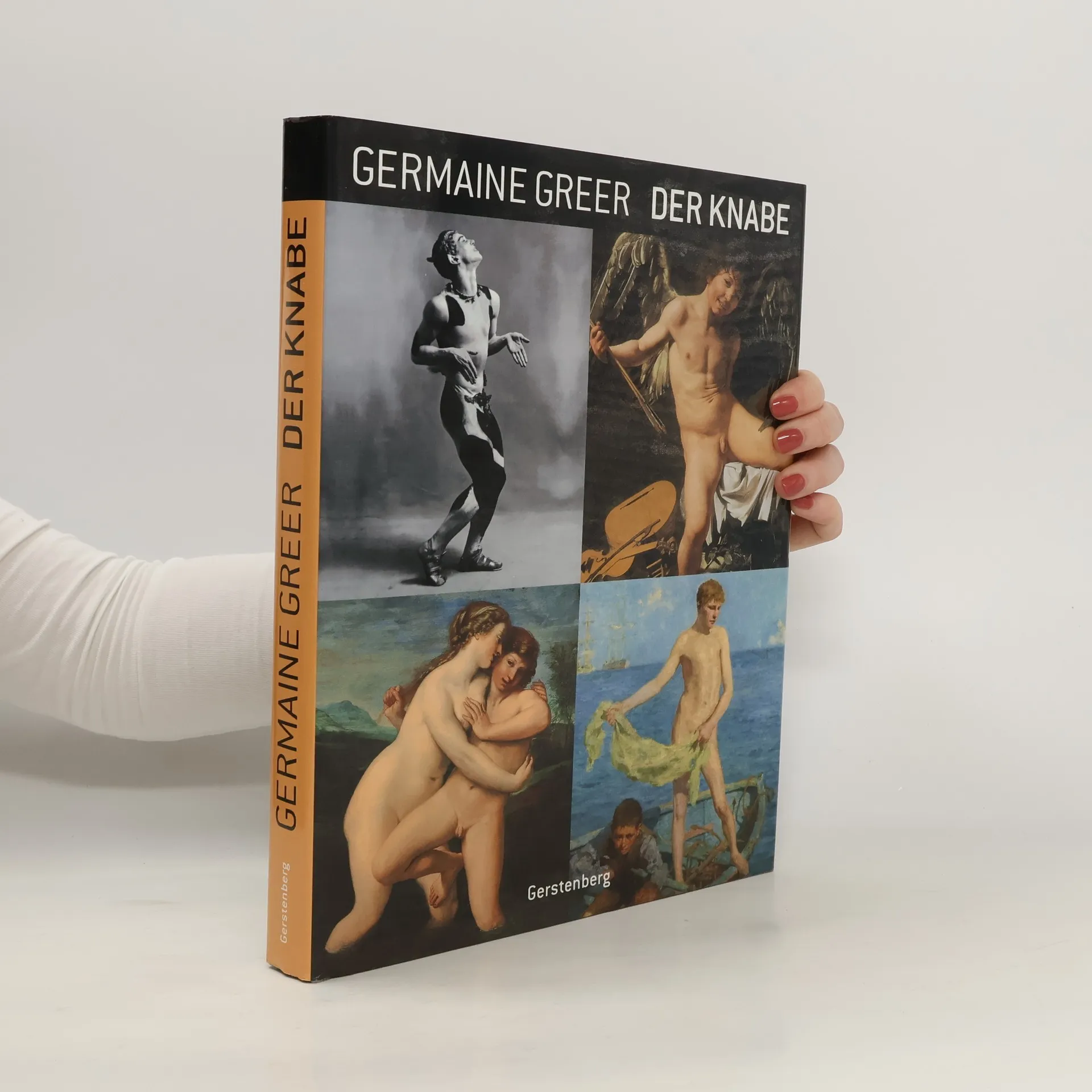
      Seit der Antike sind Knaben Objekte der Begierde und Inbegriff der Schönheit. Mit Der Knabe bricht Germaine Greer, bekannt als »Ikone des Feminismus«, wieder einmal Tabus: Nicht die Frau, sondern der Knabe, der Jüngling ist das Motiv, mit dem sich die westliche Kunst am leidenschaftlichsten beschäftigt hat. Denn während die Gesellschaft vom Mann Härte gegen sich selbst und die Unterdrückung der Gefühle fordert, faszinieren beim Knaben gerade seine Verletzlichkeit und seine nicht zielgerichtete Erotik. Mit dem Blick einer Frau legt Germaine Greer das Bild des Knaben, jenes zarten, verwundbaren und doch von Lebenskraft erfüllten Wesens, frei, das Bild des schönen Knaben, das unter einer Flut erotischer Frauenbilder verschüttet worden ist. Greers umfassende Darstellung ist nicht nur eine Kunstgeschichte. In Kapiteln wie »Was ist ein Knabe?«, »Das passive Objekt der Begierde«, »Der Knabe als Soldat« und »Der weibliche Blick« verweist die Autorin auf die untrennbare Verflechtung von Kunst, Literatur und Gesellschaft und öffnet auch unseren Blick für eine unverstellte Auseinandersetzung mit ihrem Thema.

      Der Knabe
    • 2001

      101 POEMS BY WOMEN

      • 208 Seiten
      • 8 Lesestunden
      4,2(28)Abgeben

      An anthology of women's poetry from the 17th century to today, showcasing a diverse range of English language poetry, inspired by Germaine Greer's dedication to the history of women's writing.

      101 POEMS BY WOMEN