Britain's most prestigious literary magazine brings you the very best new fiction, memoir, reportage, poetry, photography and art from around the world. Granta consistently publishes innovative and prize-winning writing in each quarterly issue, such as 'Rain' by Colin Barrett and 'The Room-Service Waiter' by Tom Crewe (both winners of the 2024 O. Henry Prize for Short Fiction), as well as 'Theories of Care' by Sophie Mackintosh, which won the 2024 Pushcart Prize.
William T. Vollmann Reihenfolge der Bücher (Chronologisch)
28. Juli 1959
William Tanner Vollmann ist ein amerikanischer Romanautor, Journalist, Kurzgeschichtenautor und Essayist. Seine Werke befassen sich oft mit tiefgründigen Themen, die sich durch einen Stil auszeichnen, der für seine Tiefe und akribische Beobachtung bekannt ist. Vollmanns Schriften untersuchen durchweg die Komplexität der menschlichen Natur und gesellschaftlicher Strukturen.



"After being initiated into a coven of island witches, Neva begins to fulfill her fate in a Tenderloin dive bar. Her worshippers include Richard, the introverted, alcoholic, occasionally omniscient narrator; a profane, aggressive transgender sex worker named Shantelle; the brisk but motherly barmaid Francine; and the former Frank, who has renamed herself after her idol Judy Garland. When Judy starts to love Neva too much, Judy's retired policeman boyfriend embarks on a mission of exposure and destruction."--Provided by publisher
No Immediate Danger: Volume One of Carbon Ideologies
- 624 Seiten
- 22 Lesestunden
In his nonfiction, William T. Vollmann has established himself as a distinctive voice addressing critical issues, including poverty, violence, and the complexities of American imperialism at the U.S./Mexico border. He now confronts a pressing global concern: the human actions and factors contributing to climate change. Vollmann begins the first volume of Carbon Ideologies by analyzing the various causes of global warming, such as industrial manufacturing, agricultural practices, fossil fuel extraction, and the universal desire for comfort. He focuses initially on nuclear power, recounting his perilous seven-year journey to the contaminated no-go zones and ghost towns of Fukushima, Japan, following the 2011 tsunami and reactor meltdowns. Armed with a dosimeter and later a scintillation counter, he measured radiation levels while interviewing tsunami survivors, nuclear evacuees, anti-nuclear activists, and pro-nuclear utility workers. With his characteristic depth of knowledge, sardonic wit, and extensive research, Vollmann crafts a compelling and sobering narrative that reveals the ongoing crisis at Fukushima, challenging the comforting reassurances of official Japanese energy experts.
The Dying Grass: A Novel of the Nez Perce War
- 1376 Seiten
- 49 Lesestunden
From the National Book Award-winning author of Europe Central – a dazzling fictional account of the epic fighting retreat of the Nez Perce IndiansIn this fifth installment in his acclaimed Seven Dreams series of novels examining the collisions between Native Americans and European colonizers, William T. Vollmann tells the story of the epic fighting retreat of the Nez Perce Indians, with flashbacks to the Civil War. Defrauded and intimidated at every turn, the Nez Perces finally went on the warpath in 1877, subjecting the U.S. Army to its greatest defeat since Little Big Horn the previous year, as they fled from northeast Oregon across Montana to the Canadian border. Vollmann’s main character is not the legendary Chief Joseph but his pursuer, General Oliver Otis Howard, the brave, shy, tormented, devoutly Christian Civil War veteran. In this novel, we see him as commander, father, son, husband, friend, and killer. Teeming with many vivid characters on both sides of the conflict, and written in an original style in which the printed page works as a stage with multiple layers of foreground and background, The Dying Grass is another mesmerizing achievement from one of the most ambitious writers of our time.
Last Stories and Other Stories
- 704 Seiten
- 25 Lesestunden
Supernaturally tinged stories from William T. Vollmann, author of the National Book Award winner Europe Central Watch for Vollmann’s new work of nonfiction, No Immediate Danger, coming in April of 2018 In this magnificent new work of fiction, his first in nine years, celebrated author William T. Vollmann offers a collection of ghost stories linked by themes of love, death, and the erotic. A Bohemian farmer’s dead wife returns to him, and their love endures, but at a gruesome price. A geisha prolongs her life by turning into a cherry tree. A journalist, haunted by the half-forgotten killing of a Bosnian couple, watches their story, and his own wartime tragedy, slip away from him. A dying American romances the ghost of his high school sweetheart while a homeless salaryman in Tokyo animates paper cutouts of ancient heroes. Are ghosts memories, fantasies, or monsters? Is there life in death? Vollmann has always operated in the shadowy borderland between categories, and these eerie tales, however far-flung their settings, all focus on the attempts of the living to avoid, control, or even seduce death. Vollmann’s stories will transport readers to a fantastical world where love and lust make anything possible.
The Dying Grass
- 1356 Seiten
- 48 Lesestunden
"Describes the 1877 war that pitted the legendary Chief Joseph of the Nez Perce against Civil War Veteran General Oliver Otis Howard."--Publisher.
An Afghanistan Picture Show. Or, How I Saved the World
- 320 Seiten
- 12 Lesestunden
In 1982, a 23-year-old William T. Vollmann took his camera and tape recorder and headed off to help the Afghanis in their war against Soviet invaders. Originally published in 1992, a decade later, his unique record of his fight with the mujahdeen as they fought against Soviet troops was held as a bold and original' achievement. Now re-released in 2013, this new edition of An Afghanistan Picture Show features a new introduction by the author and includes a number of Vollmann's photos and drawings from his trip to one of the most dangerous places on the planet.'
Angesichts der Havarie in Fukushima tappten alle wochenlang im dunkeln: Was passierte wirklich in den Reaktorblöcken? War die Kernschmelze bereits eingetreten? Und ganz praktisch: Wie rechnet man eigentlich Sievert in Becquerel um? Kraftwerksbetreiber und Verwaltung schienen überfordert, Medienberichte waren widersprüchlich, selbst den Geigerzählern war nicht zu trauen. In dieser Situation machte sich William T. Vollmann, ausgestattet mit einem Dosimeter und Jodtabletten aus dem Kalten Krieg, Anfang April auf den Weg ins japanische Katastrophengebiet. »Vollmann reist durch ein zerstörtes, doppelt und dreifach heimgesuchtes Land, weil er mit eigenen Augen sehen will, was geschehen ist. Weil er es aufschreiben und so das Unbegreifbare, das Unsichtbare sichtbar machen will. Und dieses Unsichtbare ist nicht abstrakt, sondern ganz konkret. Es heißt Radioaktivität. Deswegen muss Vollmann bis zum Äußersten gehen, bis an die Grenze, in die Sperrzone eben.« (Richard Kämmerlings in der Welt am Sonntag)
Imperial
- 1168 Seiten
- 41 Lesestunden
For generations of migrant workers, Imperial County--the California desert region where the U.S. borders Mexico--has held the promise of paradise and the reality of hell.
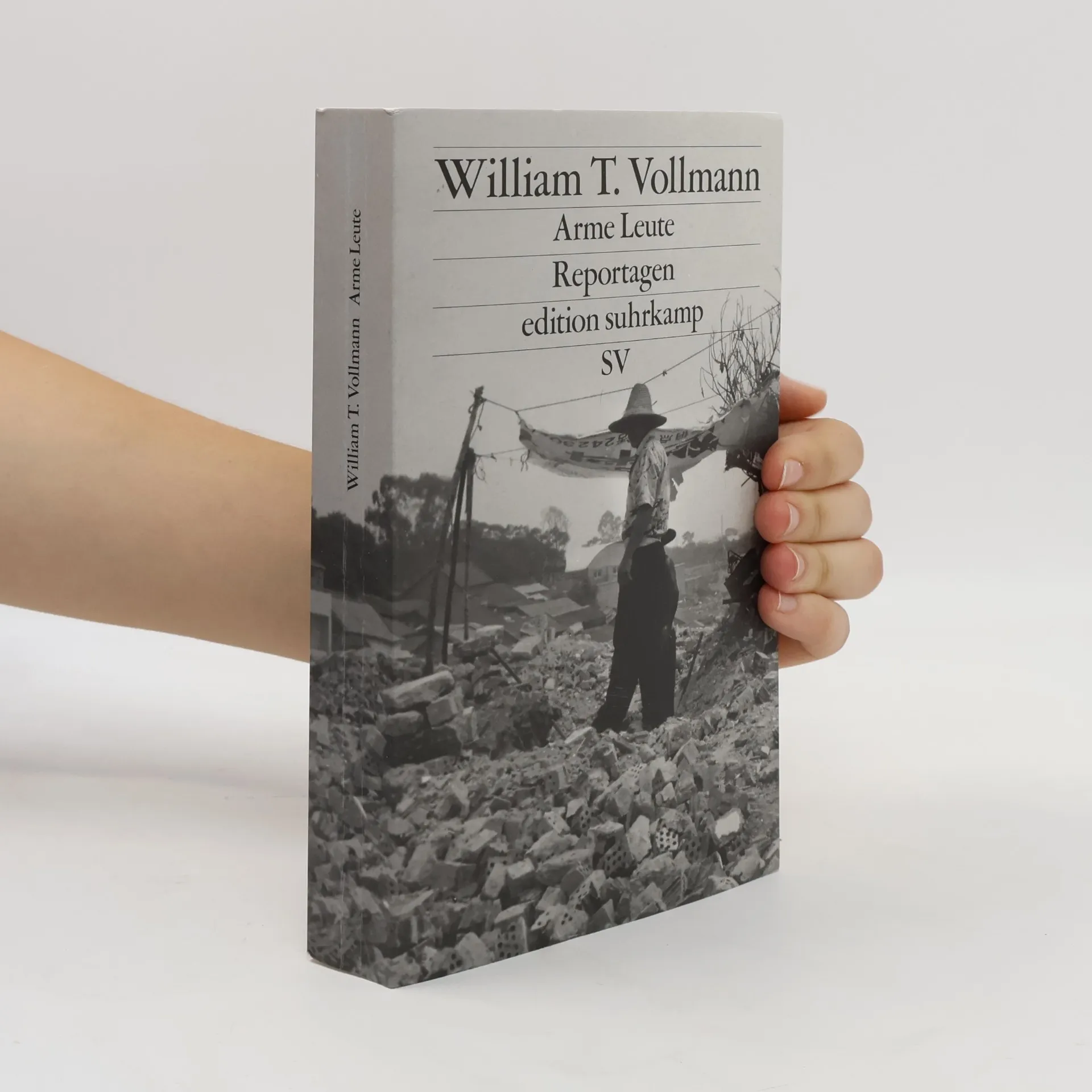
Arme Leute
Reportagen
Dieser große Reportage-Essay dokumentiert William T. Vollmanns Begegnungen mit armen Menschen – von Kambodscha bis Afghanistan, von Japan bis in den Kongo, von Irland bis in den Jemen. Der Autor ist ein Insektenforscher unter den Menschenjägern, macht aus Zufallsbegegnungen ein Forschungsprojekt, stellt bohrende Fragen, wägt ab, bewertet. Er baut aus einem Kaleidoskop mikroskopisch genauer Betrachtungen seine ganz eigene Theorie der Armut, reich illustriert mit seinen eigenen Fotos. Arme Leute ist eine einzigartige Erkundung unserer Welt. Vor allem aber ist dieses Buch eine Reise in den Kopf eines der eigenwilligsten Schriftsteller unserer Zeit, der sich das Universum der Armut zu eigen macht.
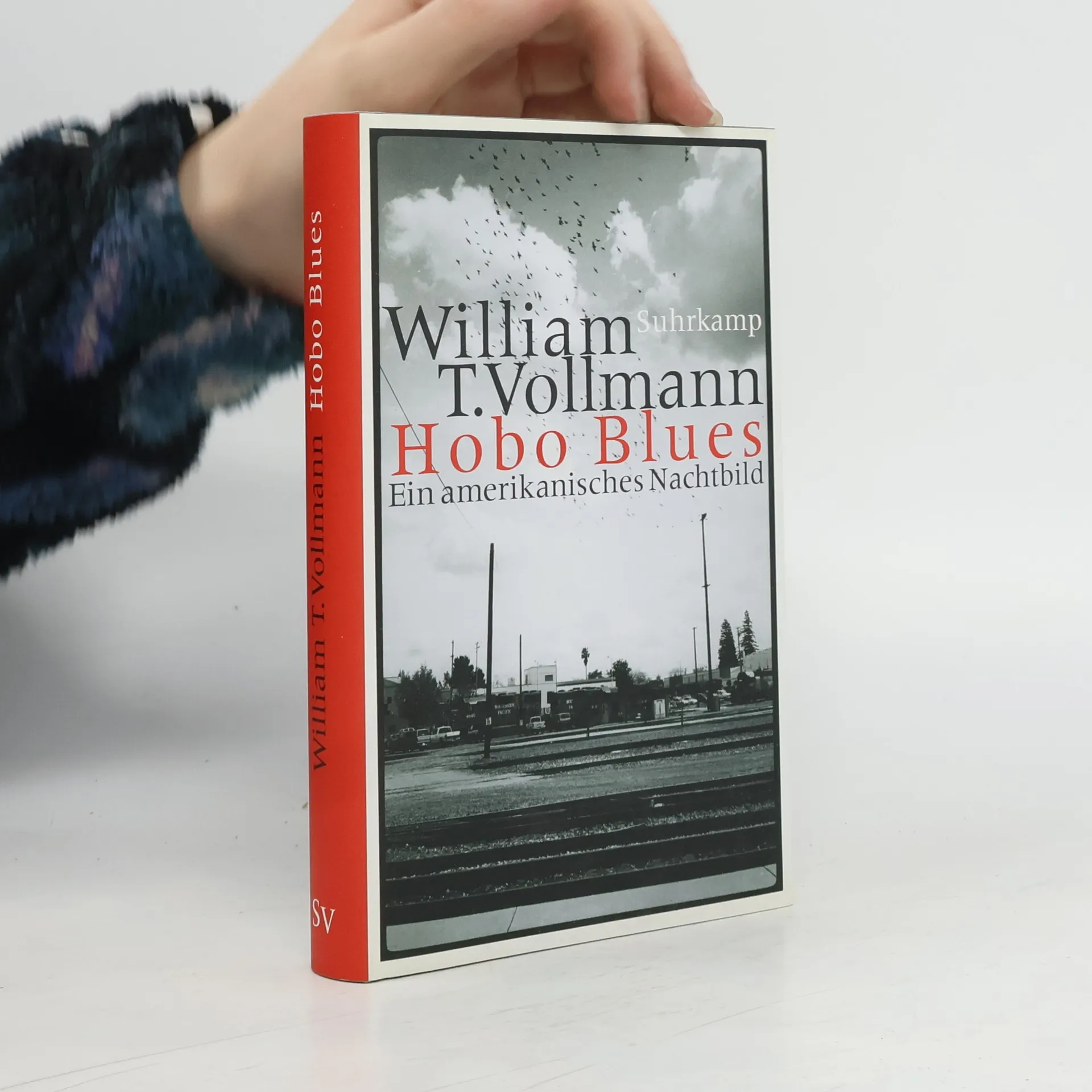
Hobo blues
- 275 Seiten
- 10 Lesestunden
William T. Vollmann, Träger des renommierten National Book Award und in den USA längst ein Star, erforscht »in seiner ausufernden, faszinierenden Prosa« die menschliche Existenz, schonungslos, erfahrungshungrig und mit »unübertroffenem Einfühlungsvermögen« (FAZ). In seiner neuen literarischen Reportage widmet er sich nun einem nationalen Mythos: dem Hobo – Held und Opfer des American Dream. Der auf Güterzügen reisende Tramp ist spätestens seit der Great Depression, als Tausende von Wanderarbeitern durch das Land zogen, Teil des amerikanischen Imaginären. Woody Guthrie und Bob Dylan haben ihn besungen, Mark Twain, Jack London und Ernest Hemingway setzten ihm in ihren Büchern Denkmäler. Vollmann, selbst ein Getriebener, kennt die unstillbare Sehnsucht nach dem freien Leben und macht sich auf den Weg, die Realität hinter dem geschichtlichen, politischen und literarischen Vermächtnis zu erkunden. Mit seinem Kumpel Steve erklimmt er Güterwaggons und reist kreuz und quer durch den amerikanischen Westen; er beschreibt die wilde Schönheit der Landschaft und den Nervenkitzel des illegalen Reisens, interviewt Hobos und gibt sich Rechenschaft über den Wunsch, seiner bürgerlichen Existenz zu entfliehen. Aus Vollmanns Impressionen und Reflexionen entsteht so ein transitorisches Nachtbild der heutigen USA – der Träume, Alpträume und Begierden einer Nation, deren wichtigstes Gut einmal die Freiheit ihrer Bürger war.
Rising Up and Rising Down
- 752 Seiten
- 27 Lesestunden
Twenty-three years in the making, Rising Up and Rising Down (the original, published by McSweeney's in October 2003, spans seven volumes) is a rich amalgam of historical analysis, contemporary case studies, anecdotes, essays, theory, charts, graphs, photographs and drawings. Convinced that there is "a finite number of excuses" for violence and that some excuses "are more valid than others," Vollmann spent two decades consulting hundreds of sources, scrutinizing the thinking of philosophers, theologians, tyrants, warlords, military strategists, activists and pacifists. He also visited more than a dozen countries and war zones to witness violence firsthand -- sometimes barely escaping with his life. Vollmann makes deft use of these tools and experiences to create his Moral Calculus, a structured decision-making system designed to help the reader decide when violence is justifiable and when it is not.
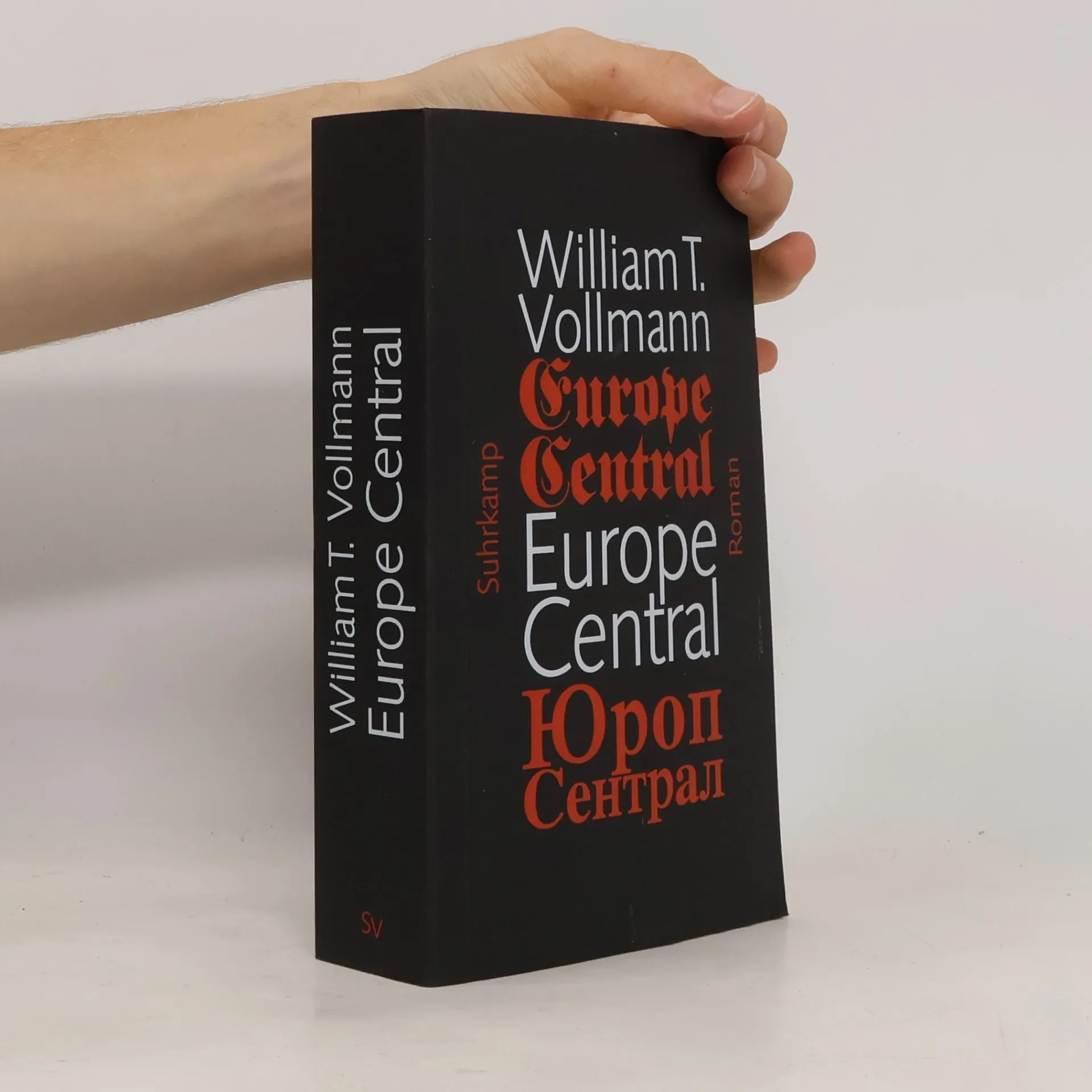
William T. Vollmann, der in einer Reihe mit Thomas Pynchon und David Foster Wallace steht, hat mit Europe Central ein Krieg und Frieden für das 21. Jahrhundert geschrieben – ein Epos in Übergröße, in 37 Kapiteln von fiktiven und realen Personen, Künstlern wie Käthe Kollwitz und Dimitri Schostakowitsch oder Militärs wie General Wlassow und Friedrich Paulus, dem Verlierer von Stalingrad. Ihre Lebensgeschichten beschwören aufs Neue die Geschichte des Zweiten Weltkriegs auf sowjetischer und deutscher Seite herauf. Aber im Zentrum des Romans steht eine Liebe: die bedingungslose Liebe von Schostakowitsch zu Elena Konstantinowskaja. Schieben wir zur Seite, was wir über Geschichte wissen, und lassen wir uns ein auf dieses wagemutige, gewaltige, faszinierende, tiefgreifende und umfassende Werk: Europe Central. »Ein ›Krieg und Frieden‹ des 20. Jahrhunderts, mit dem sich Vollmann endgültig seinen Rang in der Weltliteratur gesichert hat.« Welt am Sonntag
Afghanistan picture show oder Wie ich die Welt rettete
- 359 Seiten
- 13 Lesestunden
Es gibt ein frühes Werk von einem der am meisten bewunderten amerikanischen Erzähler der Gegenwart zu entdecken: 1982, mit 23 Jahren, reist William T. Vollmann nach Afghanistan, um an der Seite der Mudschahedin gegen die Besatzungstruppen der Roten Armee zu kämpfen. Wie kommt er dazu? Zielloser Idealismus und unglaubliche Idiotie, stellt er fest, je länger sein Abenteuer andauert. Er kam, um Hilfe zu leisten, und braucht sie nun vor allem selbst. Er wollte Klarheit gewinnen über richtig und falsch und versteht immer weniger. Am Ende wird er von einem Partisanen durch Gebirgsflüsse getragen. Vollmann schildert die Szenen des Krieges und seines persönlichen Scheiterns mit meisterhafter Klarheit – und frei von wissender Abgeklärtheit. Afghanistan Picture Show ist die gnadenlos ehrliche Geschichte von einem, der auszog, die Welt zu retten, und den Notleidenden zur Last fiel.
The writers of What the Fuck? show that human sexuality is broad, and the range of desire is exciting and vast. Sex is as vital as food, politics, and conflict. The writers herein are not afraid to explore and exploit the nature of postmodern human sexuality in the 21st Century, with their own brand of twists and curves.Shunning the notion that erotic literature is hastily created thrown-away words and sentences, a new literary, experimental aesthetic pervades What the Fuck? The Avant Porn Anthology.Preface / by Larry McCaffery --Introduction / by Michael Hemmingson --Sex: American style / by Don Webb --Our hero awakens / by Robert Coover --What you do / by Ian Grey --The indifferent fruit / by Tamar Perla --The best way to smoke crack / by William T. Vollmann --Emergency room ; A brief history of condoms / by Kim Addonizio --DTD / by Vivienne Wood --The party on Twilight Ave / by Jimmy Jazz --Flight 1266 / by Michael Hemmingson --Blur / by Alan Mills --Cyrano of the English department / by Larry McCaffery --Parting glances / by M. Christian --The game / by A.L. Reed --JFK 2 ; San Pedro, 1994 / by m.i. blue --Robo-Hank / by Harold Jaffe --Bringing home the bacon / by Thom Metzger --Without pain, without death / by Jasmine Sailing --Scratch / by Nikki Dillon --Her secret pleasure / by Tsaurah Litzky --Shot Rocket Hotel / by L.A. Ruocco --The assholes / by Ronald Sukenick.
The Royal Family
- 780 Seiten
- 28 Lesestunden
Since the publication of his first book in 1987, William T. Vollmann has established himself as one of the most fascinating and unconventional literary figures on the scene today. Named one of the twenty best writers under forty by the New Yorker in 1999, Vollmann received the best reviews of his career for The Royal Family, a searing fictional trip through a San Francisco underworld populated by prostitutes, drug addicts, and urban spiritual seekers. Part biblical allegory and part skewed postmodern crime novel, The Royal Family is a vivid and unforgettable work of fiction by one of today's most daring writers.
In this anthology, 26 writers illuminate the motivations at the heart of their creative lives in original essays that are as surprising and varied as their fiction. The contributors include Pat Conroy, Norman Mailor, Rick Moody and David Foster Wallace.
The Atlas
- 496 Seiten
- 18 Lesestunden
Arranged as a huge thematic palindrome, The Atlas showcases Vollmann's ability to build strange structures, sonnets composed of stories instead of words.
William T. Vollmann, geboren 1959 in Los Angeles, Autor zahlreicher Romane, Erzählbände und Sachbücher, mehrfach ausgezeichnet, u. a. mit dem Whiting Award; regelmäßige Veröffentlichungen in The New Yorker, New York Times Magazine, Esquire, Wall Street Journal u. a. Der Autor lebt in Kalifornien. Thomas Melle, 1975 in Bonn geboren, lebt in Berlin. Studium der Komparatistik und Philosophie in Tübingen, Austin (Texas) und Berlin. Er übersetzte William T. Vollmanns Roman Huren für Gloria, Suhrkamp 2005. Raumforderung ist Thomas Melles Debüt. Thomas Melle schreibt für das Theater, er ist mit zwei Stücken bei Hartmann & Stauffacher, zusammen mit Martin Heckmanns hat er das Stück 4 Millionen Türen geschrieben, das vom Suhrkamp Theaterverlag vertreten wird. Das Stück wurde im Oktober 2004 im Werkraum am Deutschen Theater Berlin uraufgeführt und vom Schweizer Radio DRS 2 als Hörspiel produziert.
Butterfly Stories
- 281 Seiten
- 10 Lesestunden
Heralded as “one of America’s most intrepid fictional frontiersmen” ( Publishers Weekly ), William T. Vollmann has few equals on the literary landscape. Called a cross between William Burroughs and Thomas Pynchon, he explores the dark margins of society with a rare and ferocious imagination. In his newest novel, he takes what may be his most daring tour of this world of harrowing, essential truths. Butterfly Stories follows a Henry Milleresque narrator in a dizzying cradle-to-grave hunt for love that takes him from the comfortable confines of suburban America to the blood-stained killing fields of modern Cambodia. The object of abuse and ridicule as a child, the “Butterfly boy” finds his only connection is with those outside of society, the untouchables. It is here that he meets up with Ulrich, the psychopathic son of a former S.S. officer; befriends a hedonistic photographer who travels with him to Southeast Asia; visits Thailand, where Benadryl and prostitutes with AIDS are his ever-present companions; and, finally, falls in love with Vanna, a waif-like hooker plying her wares in post-Khmer Rouge Phnom Penh. With Vanna he will engage in a monumental search for wisdom that will take him to the precipice of hell. Vollmann’s most accessible work to date, this exotic, erotic, evocative tale will surely add to the legions of admirers who proclaim him as one of today’s most arresting, provocative, and inventive writers.
The Ice-Shirt
- 432 Seiten
- 16 Lesestunden
The time is the tenth century A.D. The newcomers are a proud and bloody-minded people whose kings once changed themselves into wolves. The Norse have advanced as implacably as a glacier from Iceland to the wastes of Greenland and from there to the place they call Vinland the Good. The natives are a bronze-skinned race who have not yet discovered iron and still see themselves as part of nature. As William T. Vollmann tells the converging stories of these two peoples and of the Norsewomen Freydis and Gudrid, whose venomous rivalry brings frost into paradise he creates a tour-de-force of speculative history, a vivid amalgam of Icelandic saga, Inuit creation myth, and contemporary travel writing that yields a new an utterly original vision of our continent and its past.--back cover
The Rainbow Stories
- 560 Seiten
- 20 Lesestunden
From a writer who has won comparison with Thomas Pynchon and William S. Burroughs comes thirteen unnerving and often breathtaking stories populated by punks and angels, skinheads and religious assassins, streetwalkers and fetishists--people who live outside the law and and the clear light of the every day. Set in landscapes as diverse as ancient Babylon, India, and the seamy underbelly of San Francisco, these daring and innovative tales are laced with Vollman's fertile imagination. The Rainbow Stories ushers us into a world that bears an awful yet hypnotic resemblance to that of our deepest nightmares, confirming Vollmann's reputation as a dark visionary of contemporary fiction.
You Bright and Risen Angels
- 635 Seiten
- 23 Lesestunden
"In the jungles of South America, on the ice fields of Alaska, the plains of the Midwest, and the streets of San Francisco, a fearsome battle rages. The insects are vying for world domination; the inventors of electricity stand in evil opposition. Bug , a young man, rebels against his own kind and joins forces with the insects. Wayne, a thug, allies himself with the malevolent forces of electricity and vows to assassinate the preying mantis who tends bar in Oregon. A brusque La Pasionara with the sprightly name of Millie leads an intrepid band of revolutionaries"--Publisher's description