Richard Long verfasst düstere, spannende und psychologisch tiefgründige übernatürliche Horror- und Thrillergeschichten, die Mythologie, Wissenschaft und Mysterien zu fesselnden Erzählungen verbinden. Seine Prosa ist geschickt und klar, sie transportiert den Leser gekonnt zwischen den Psychen der Charaktere und bietet eine intelligente, selbstbewusste und oft amüsante Auseinandersetzung mit erschreckenden Elementen. Longs Erzählweise ist meisterhaft, bewegend, tiefgründig und rasant, mit Passagen, die als poetisch beschrieben werden können. Leser, die seine einzigartige Mischung aus Makabrem, literarischer Tiefe und einem Hauch von schwarzem Humor schätzen, werden seine Werke mit Spannung erwarten.

"Will the Defendant Please Rise?": (Evidence for God's Existence)
122 Seiten
5 Lesestunden
Exploring the realm of Christian apologetics, this book addresses challenging questions about faith and the existence of God, offering evidence beyond biblical references. It serves as a resource for Christians seeking to strengthen their beliefs and for non-Christians interested in understanding the foundations of Christianity. The author presents compelling arguments and insights to defend the existence of God and affirm Jesus as the Son of God, making it a valuable guide for anyone grappling with these profound topics.
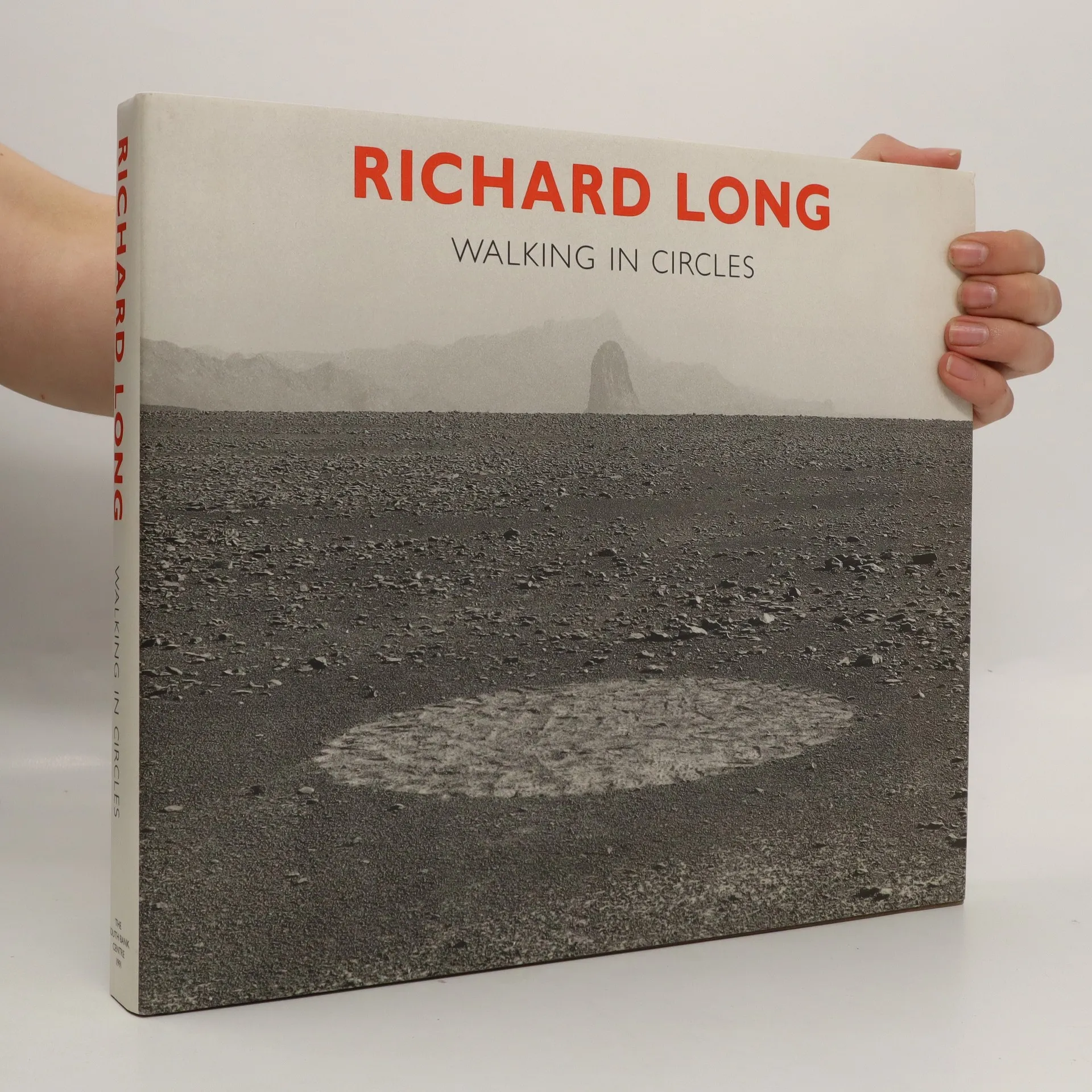
Focusing on Richard Long's artistic journey, this book offers a curated selection of his work, showcasing pieces from the late 1960s to the present. Compiled by Long himself, it provides insights into his creative process and evolution as an artist, highlighting significant themes and contributions to contemporary art.
The book addresses the complexities of risk management in modern construction, highlighting how contract responsibilities and external factors can lead to significant time and cost overruns. It identifies common causes of construction claims and offers strategies for both owners and contractors to mitigate these risks effectively. By understanding the intricacies of claims, stakeholders can better navigate the challenges of complex engineering and construction projects.
This book, originally published in 1987, evaluates the human and managerial implications of new office information technology, based on the actual experiences of organisations using the new technology. A variety of issues are examined including those centred on the role of the manger, producitivity, unemployment, physical and mental health. Major emphasis is placed on describing and discussing the implementation of new technology and ways of utilization which maximise benefits.
One of the most interesting and unique parts of the whole national railway network is the line from Ryde to Shanklin on the Isle of Wight which has been operated by former London Transport tube trains since the 1960s. This book charts the history and operation of the line since the end of steam and the closure of most of the island’s railway system in 1966. Providing a brief history of the LT Standard Stock and why, when and how it was chosen and transported to Isle of Wight, these elderly trains soldiered on into the 1990s when they were finally replaced with 1938 London Transport stock. The narrative follows the operation of the line in the decades since electrification to the present day and the changes which came about with privatisation of the national network. The book concludes by looking at the current operation of the line and options which might be available to replace the 1938 stock. The future of the line is also discussed including the likely extension of Isle of Wight Steam Railway trains to Ryde St John’s. This is a well-researched and very readable account of a unique survivor and perhaps the most singular line in the whole of the Britain’s surviving railway network.
Ottoman Turkey's decision to ally with Germany in the First World War led directly to the British (and French) conquest of the Middle East and sealed the fate of Palestine. In a monstrous betrayal of its people (93% of them Arab) the November 1917 Balfour Declaration withheld the independence they rightly anticipated and, for strategic reasons, earmarked Palestine as a National Home for the Jewish People. The result was the foundation of Israel in 1948. Through ethnic cleansing and massacre, the new state drove out helpless Palestinian victims. They were condemned to refugee camps or to second-class citizenship of Israel. This book chronicles the history of Britain's role in the Middle East.
The Lewes & East Grinstead Railway opened in 1882 to link the rural communities between these two Sussex towns. It was shortly afterwards taken over by the London, Brighton & South Coast Railway then absorbed into the Southern Railway at the Grouping in 1923. BR submitted an application to close the line in 1954 due to declining passenger numbers but fierce local opposition brought the railway to national attention. BR briefly closed the line in 1955 but public pressure forced it to reopen the line the following year, but after a two year battle it closed in1958.By the time of the closure, the Bluebell Railway Preservation Society had already been formed and took over the line. From 1960 it ran a preserved steam passenger service from Sheffield Park to Horsted Keynes - in effect, the first such standard gauge heritage railway in England. The extension to East Grinstead had been planned for many years, the first section north from Horsted Keynes opened in 1990, but the extension was not completed until 2013.This book is an accessible history of the Lewes & East Grinstead railway from its 19th century origins to the present day when it now runs once again to East Grinstead. The book is illustrated throughout with historical photographs, many from the Bluebell Railway's archives, as well as stunning colour photographs of the Bluebell Railway in action up to the present day.
The Isle of Wight railways are always popular with enthusiasts, and this book takes a fresh look at their history and development.The author has undertaken detailed new research to present some interesting findings on the development of the railway's network, all illustrated with a fantastic selection of colour photographs, the majority of which have never been published before.
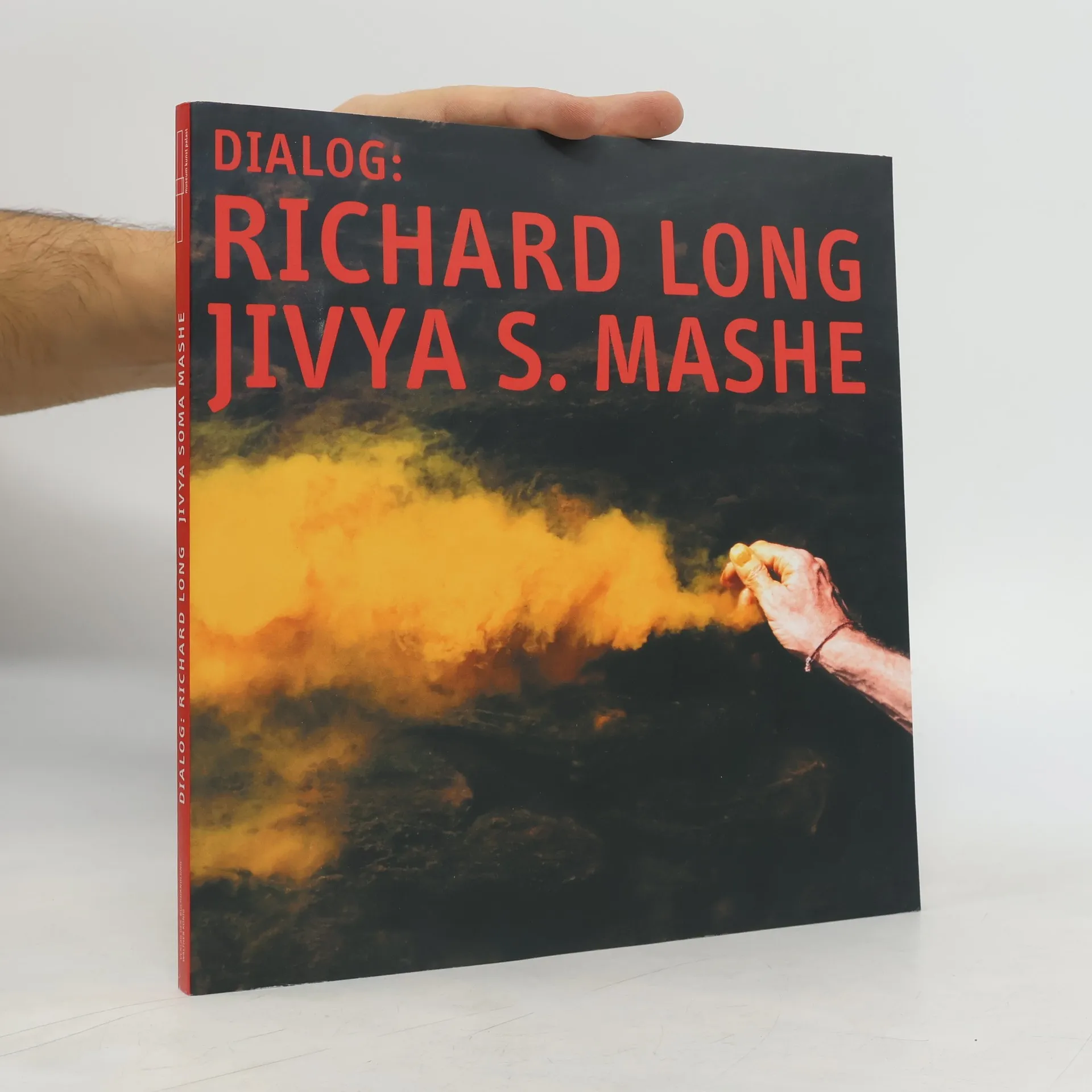
Der Catalogue Raisonné der Druckgraphik ist das erste Werkverzeichnis zu
Richard Long überhaupt. Es umfasst 55 Nummern von 1970 bis 2013, darunter
Einzelblätter sowie Portfolios. Genannt werden Titel, Jahr, Technik, Papier,
Drucker, Auflage und Ausstellungen, gefolgt von ausführlichen Kommentaren.
Richard Long verwendet in seinem Werk so gut wie alle Techniken von der
Monotypie über die Radierung und die Lithographie bis hin zum Sieb- und
Offsetdruck. Über einen Zeitraum von fast 45 Jahren entstehen sowohl
kleinformatige, geradezu beiläufig wirkende Drucke als auch Arbeiten in
repräsentativen Formaten. Druckgraphik begleitet das Schaffen des Künstlers
von Anfang an wie ein vertiefender Kommentar. Sie macht deutlich, in welchem
Maße die sinnliche und die konzeptuelle Seite seiner Kunst einander bedingen
und beeinflussen. Seiner Materialsensibilität entsprechend, wählt Richard Long
jeweils sehr bewusst die zu verwendenden Druckverfahren und Papiere aus.