Meine Freundin Anne Frank
- 123 Seiten
- 5 Lesestunden
Die Autorin teilt die freudigen Momente und schmerzhaften Erinnerungen ihrer Freundschaft mit Anne Frank.


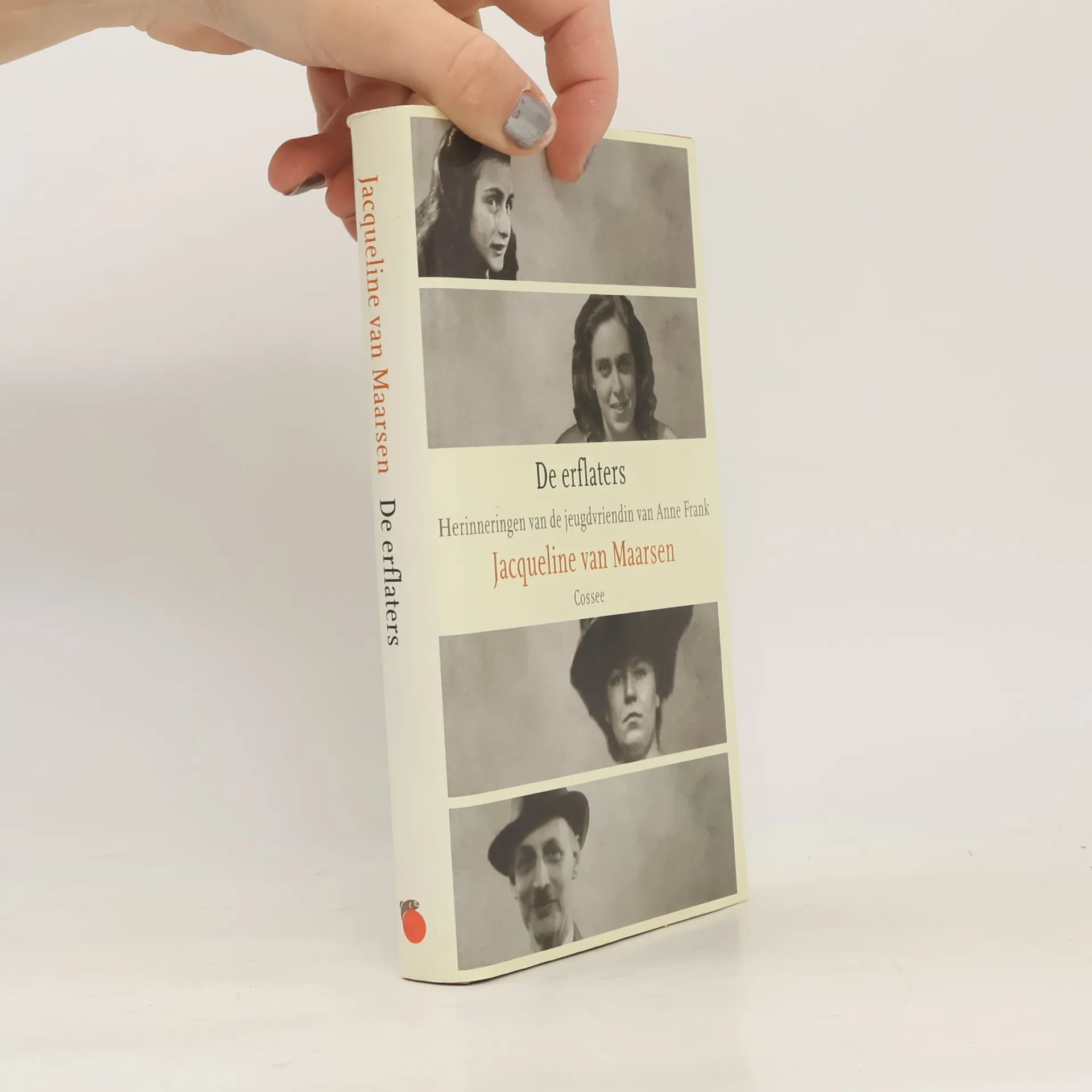
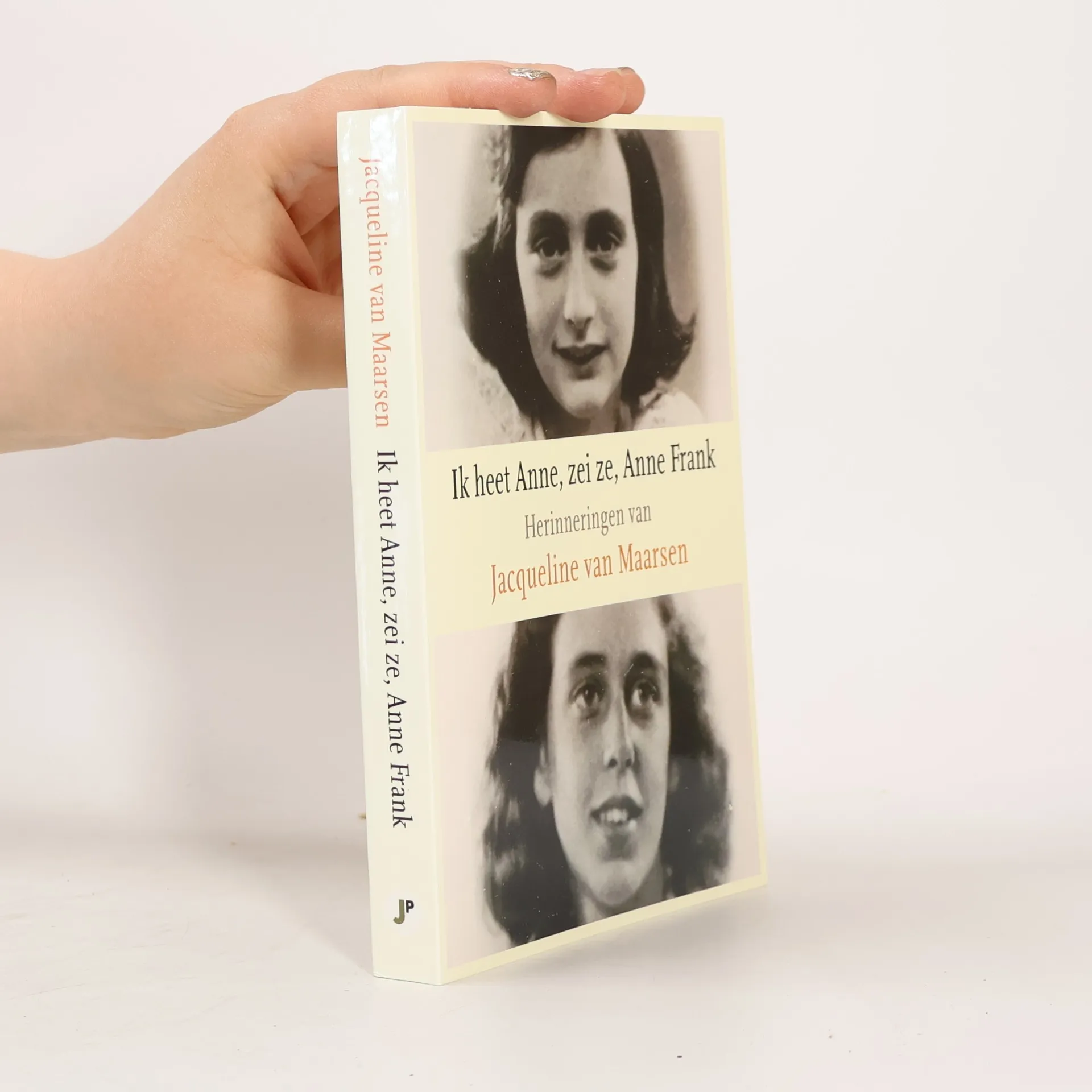

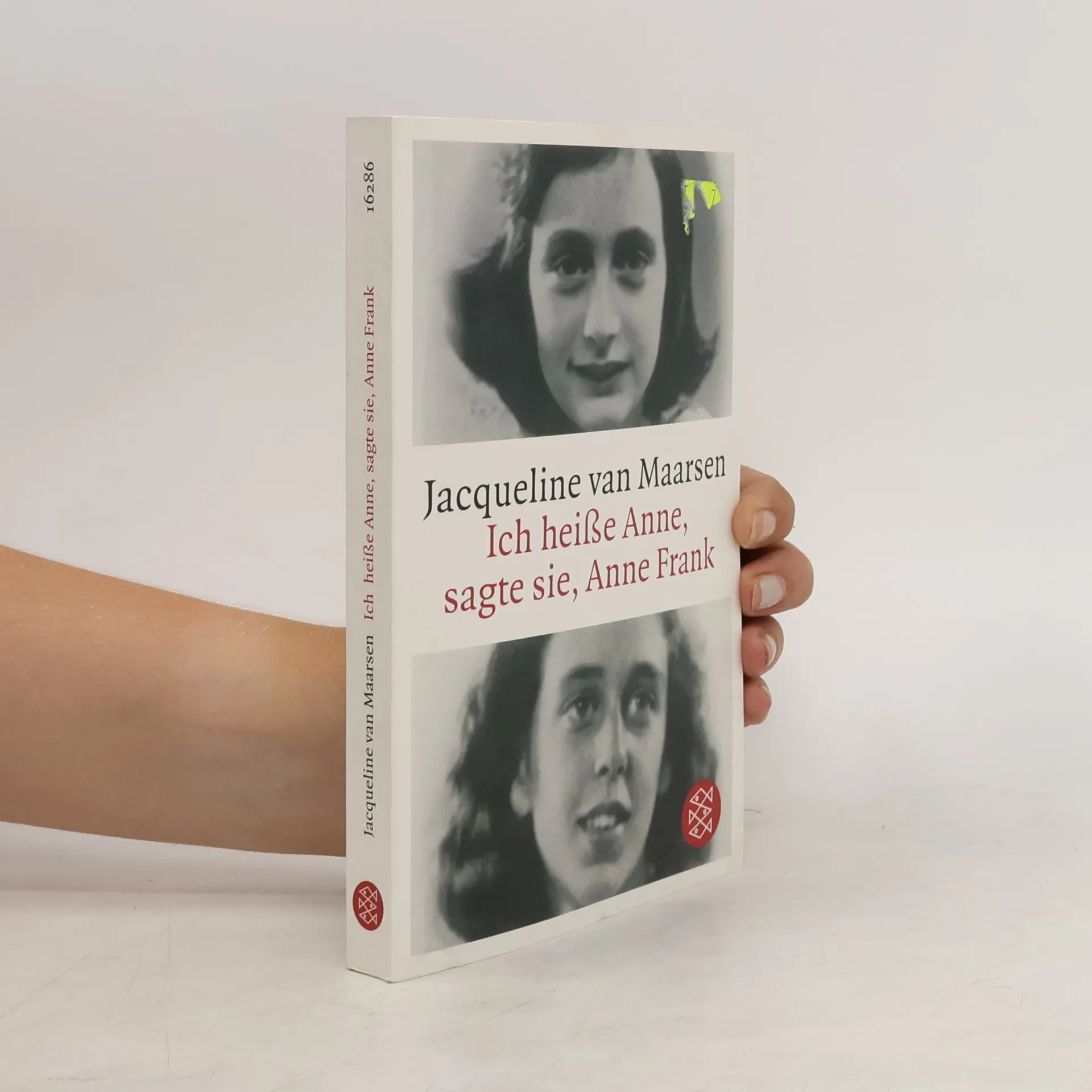
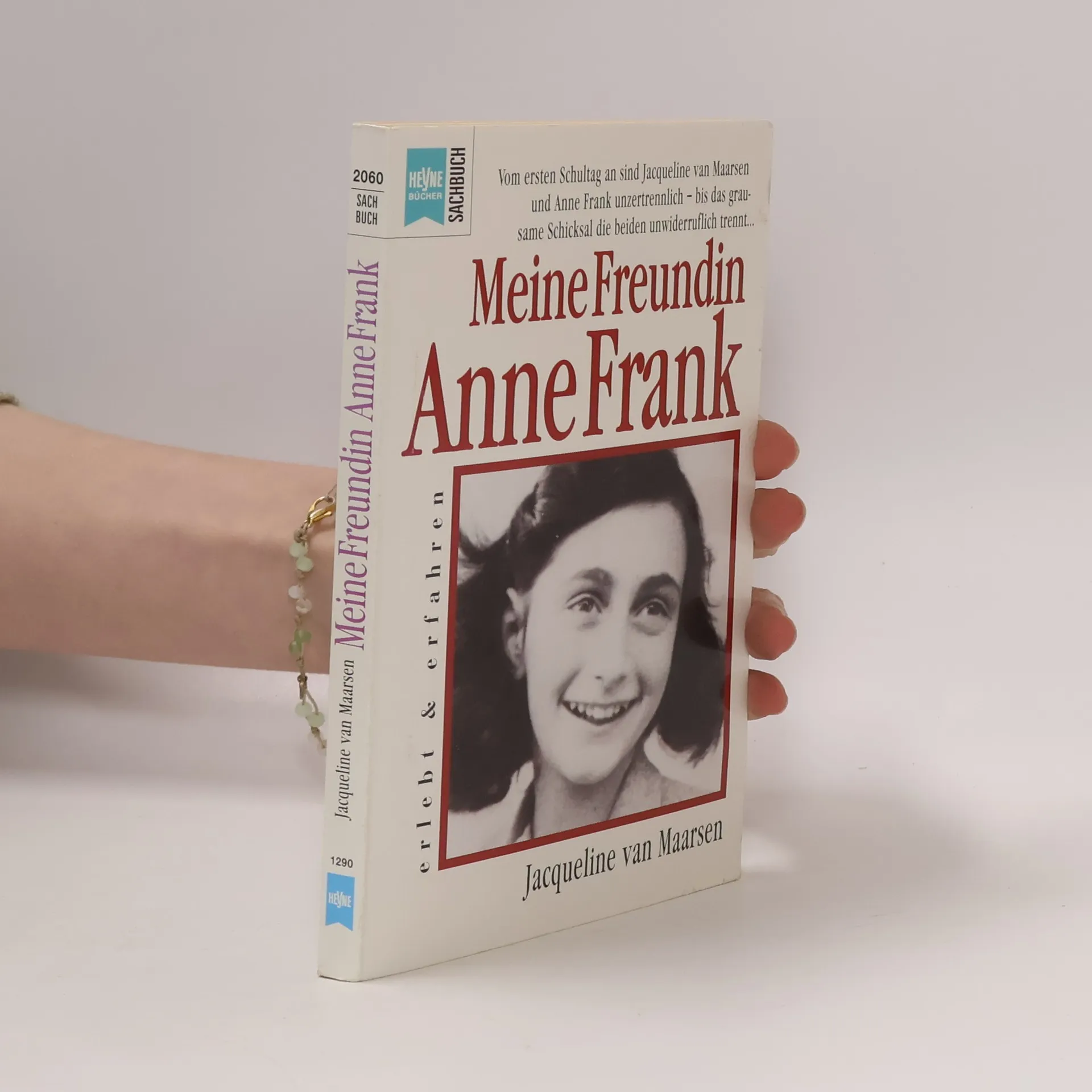
Die Autorin teilt die freudigen Momente und schmerzhaften Erinnerungen ihrer Freundschaft mit Anne Frank.
„Niemals wieder bin ich einem Menschen begegnet, der so das Leben auskostete wie Anne.“ Generationen von Lesern ist Jaqueline van Maarsen aus Anne Franks Tagebüchern bekannt. Jetzt erzählt „Jopie“ selbst von ihrer Freundschaft mit Anne, die ihr Leben auf tiefgreifende Weise beeinflussen sollte. Und sie erzählt die Geschichte ihrer so unterschiedlichen Eltern, Eline und Hijman, von ihren Kriegserlebnissen und wie sie selbst der drohenden Deportation entkam. »Heute, da uns täglich neue Bilder der Gewalt gegen Wehrlose erreichen und die Sinnlosigkeit der Kriege dokumentieren, scheint diese Flaschenpost zur rechten Zeit einzutreffen.« Süddeutsche Zeitung
In 1941, Jacqueline van Maarsen meets Anne Frank at a Jewish school, and they become inseparable friends, sharing homework and adventures. Jacqueline mistakenly believes Anne has fled to Switzerland, only to learn of her fate from Otto Frank after the war. She also shares her parents' wartime experiences and her own escape from deportation.
Herinneringen van Jacqueline van Maarsen
Dit is het verhaal van Jacqueline van Maarsen die Jopie wordt genoemd in het Dagboek van Anne Frank. Zij is de dochter van een joodse Nederlander en een katholieke Française. Zij vertelt in dit boek over haar vriendschap met Anne met wie zij op het Joods Lyceum zat en over de bijzondere wijze waarop zijzelf de oorlog overleefde. Ook vertelt ze over de razzia's, over de angst en over de eenzame terugkeer van Otto Frank na de oorlog. Toen begreep zij pas wat het werkelijke lot was van haar vriendin. Otto Frank liet Jacqueline een afscheidsbrief lezen die Anne haar schreef en toen niet kon versturen. Daarin schrijft Anne: 'Ik hoop dat we tot dat we elkaar terug zien altijd "beste" vriendinnen blijven'.
In this follow-up to her previous memoir, Anne Frank’s childhood friend, Jacqueline van Maarsen, focuses on the reception of Anne’s legacy by her contemporaries and the inevitable commercialization of that legacy of which she is boldly critical. Running throughout the narrative is a literary parallel with an inheritance question that dominated a significant portion of van Maarsen's life and that of her mother's—a courageous woman who confronted the Nazis in Amsterdam and saved her two daughters from the concentration camps by providing evidence of their non-Jewish status. This story documents how both the van Maarsen family inheritance and the inheritance left by Anne Frank became the subject of unwarranted and tragic exploitation by outsiders, often with those charged with guarding both legacies turning a blind eye to the truth. The narrative also provides a subtle commentary on memory and the effects of time. In interweaving personal memories of her own childhood and early adult life with personal memories of Anne Frank and the use and abuse of her legacy, van Maarsen demonstrates how time filters what individuals inherit from their past, sometimes creating parallel worlds in which the historical truth loses significance, pushed aside by dreams of personal status and financial gain.