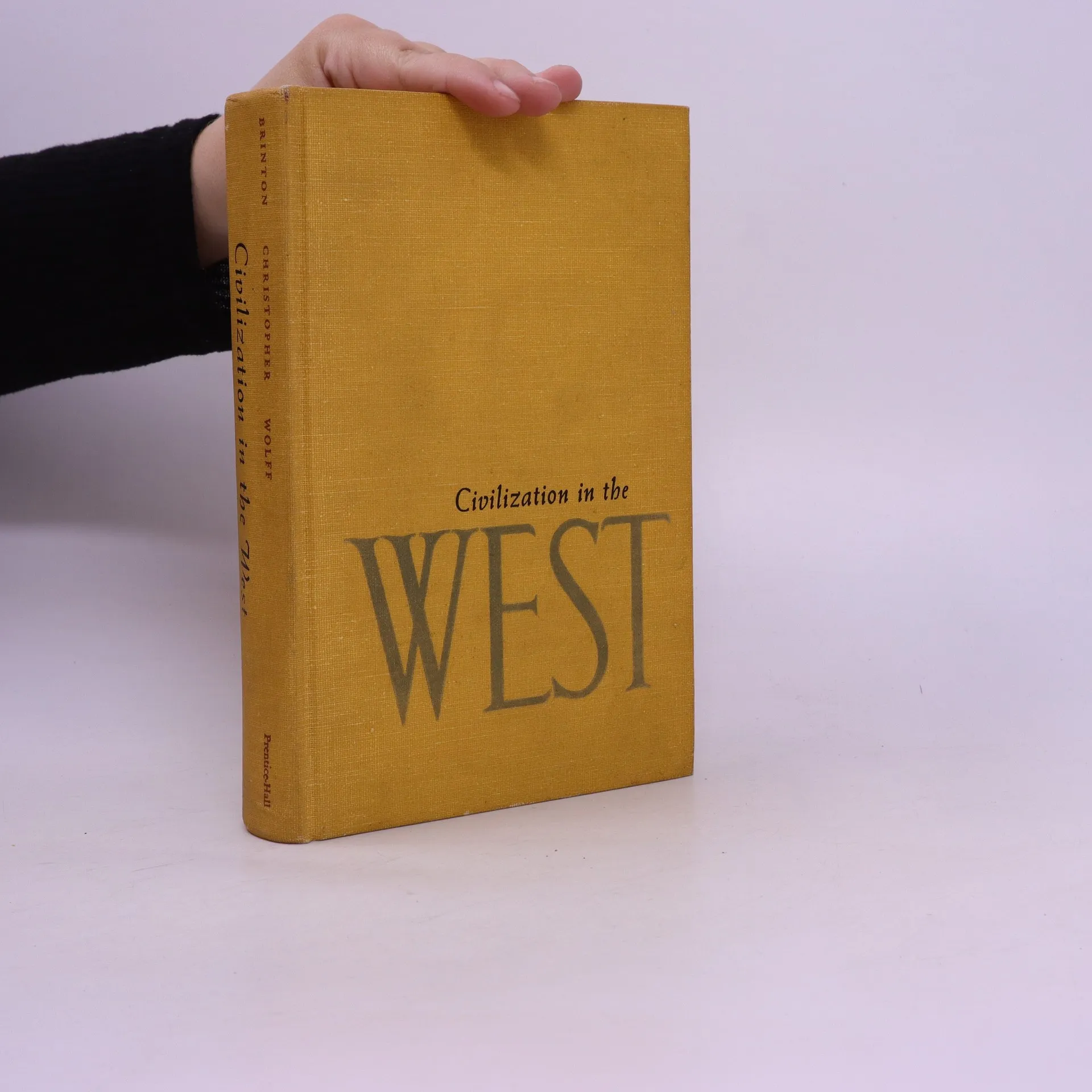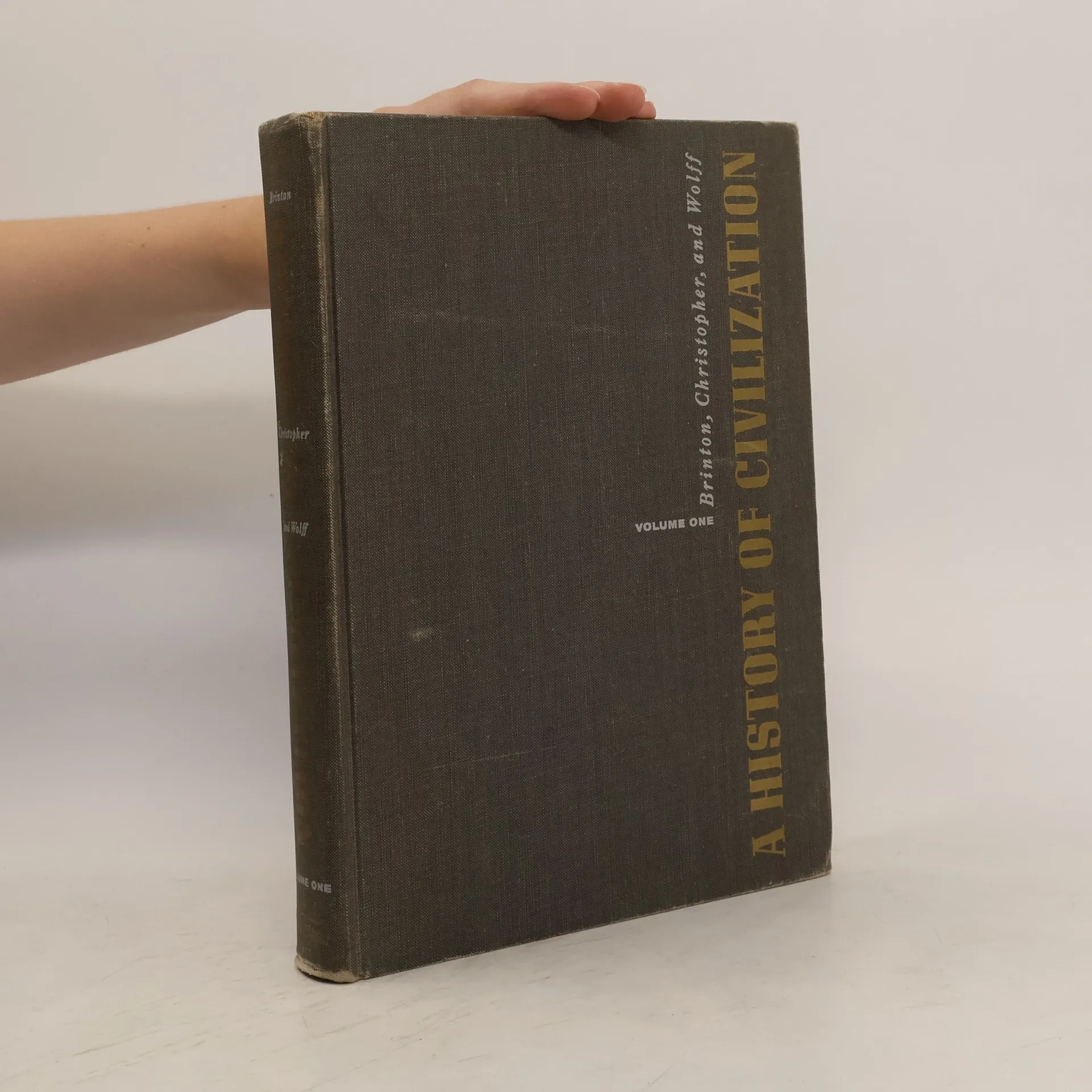
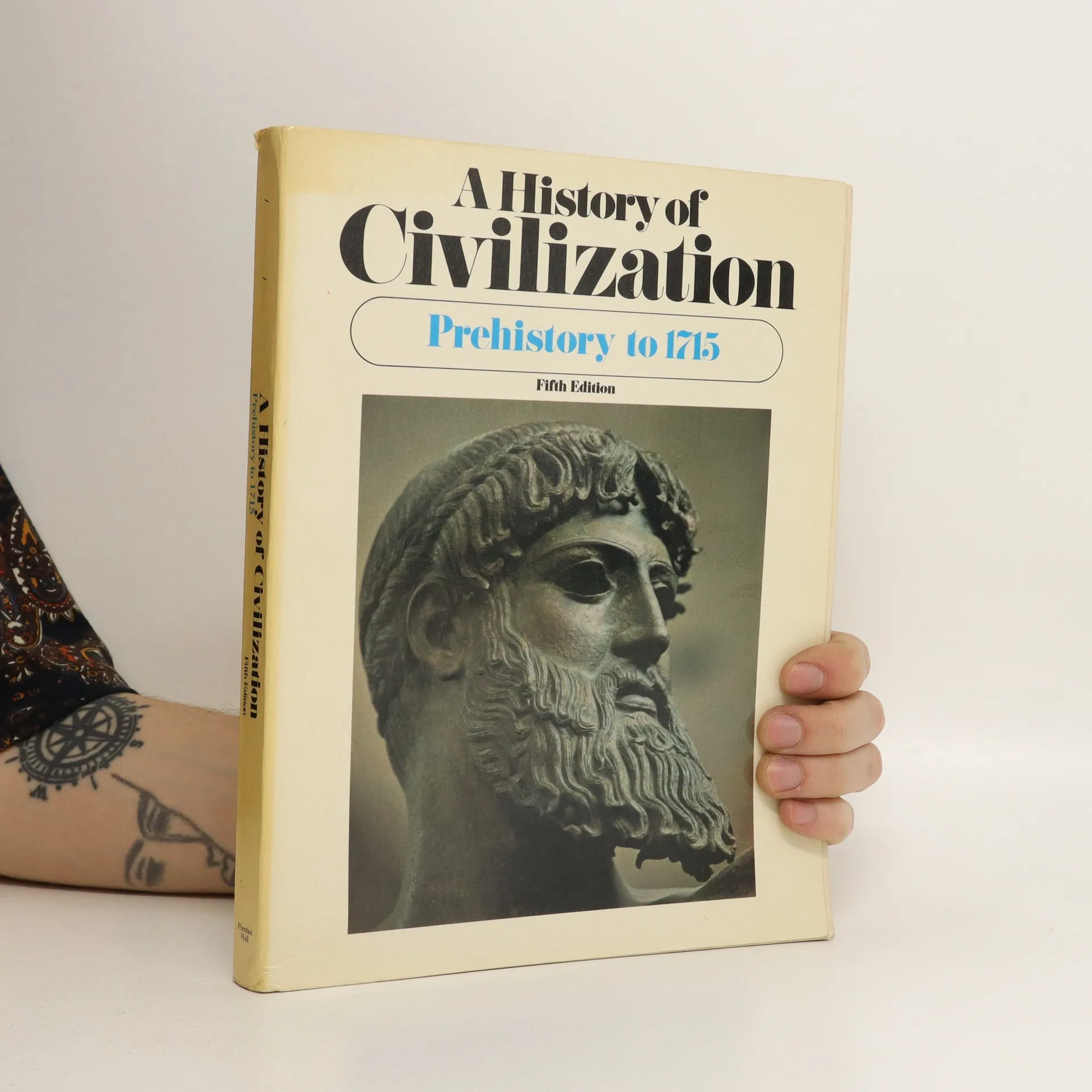

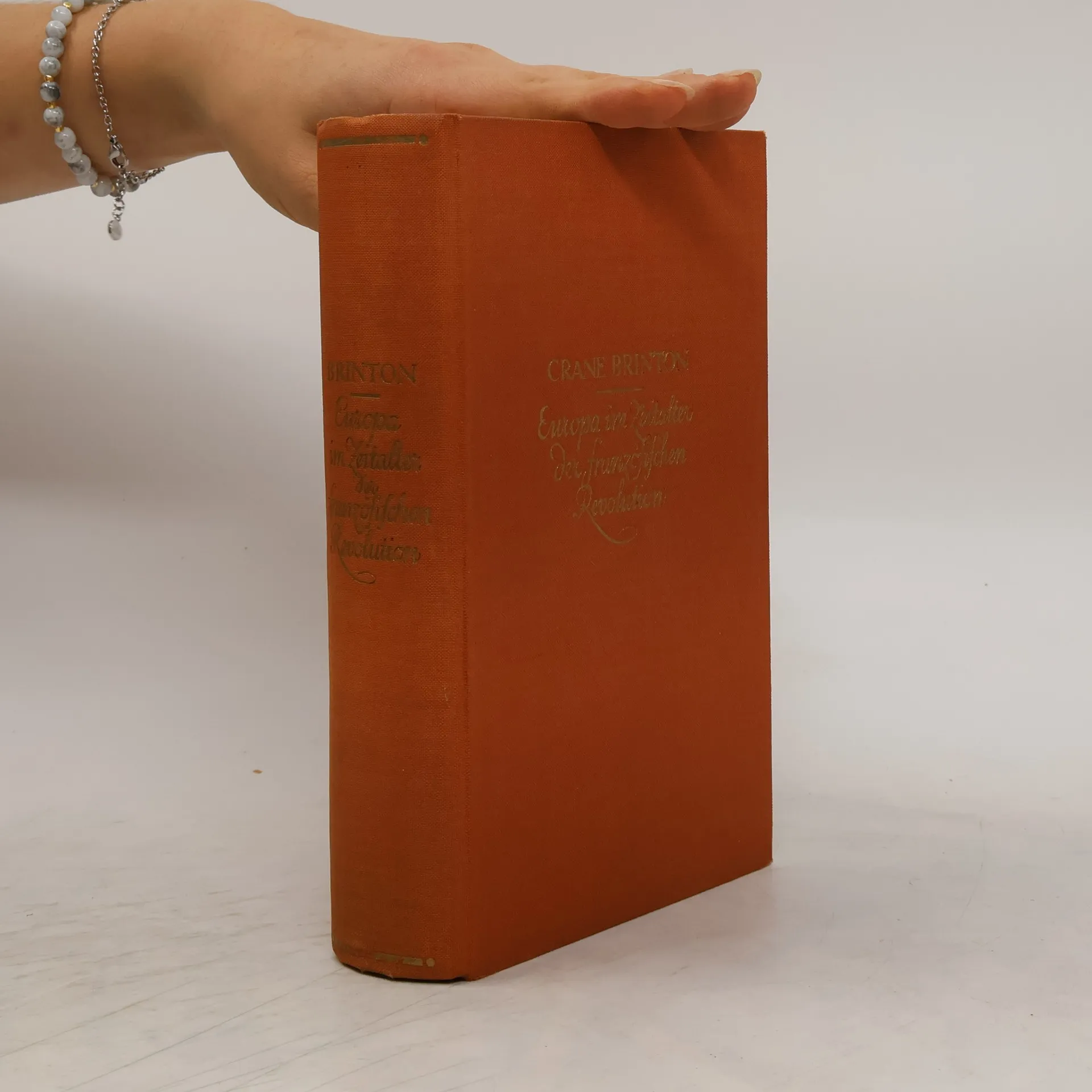

Crane Clarence Brinton (1898-1968) studierte Geschichte in Harvard, promovierte in Oxford und lehrte 1942 bis zu seinem Tode in Harvard. Die „Anatomy of Revolutions“ wurde sein berühmtestes Werk und brachte ihm die Aufnahme in die „American Academy of Art and Sciences“. Die Analyse der Gleichförmigkeiten der englischen (1640), amerikanischen, französischen und russischen Revolutionen, geschrieben in einem präzisen und eleganten Stil und gestützt auf profunde Quellenkenntnis, machen das Buch zu einem klassischen Grundlagenwerk, das hier in der ergänzten Fassung der Ausgabe letzter Hand vorgelegt wird. Der Herausgeber Manfred Lauermann, Sozialwissenschaftler und Ideenhistoriker, lehrte u. a. an den Universitäten Bochum, Dresden, Bielefeld und als DAAD-Professor in Brasilien; er ist Mitglied der Historischen Kommission der Partei „Die Linke“. Er hat die vergriffene Übersetzung von Walter Theimer durchgesehen und in seinem Essay zu „Nutzen und Nachteil des Revolutionsbegriffes“ auch den aktuellen Stand der Forschung beschrieben. „Anzumerken ist auch, daß der Autor ein zu großer Historiker ist und eine zu lebendige Persönlichkeit, um nicht mehr als nur wissenschaftliches Interesse auszudrücken.“ - H. Holborn The Yale Review
Crane Brinton Bücher


Excerpt from A History I introduction. II causes OF the war. The Shift in the Balance of Power. The Role of Public Opinion. German Aspirations. British Aspirations. The Other Belligerents. The Era of Bismarck. 1871 1890. Formation of the Triple Entente. 1890 1907. A Decade of Crises. 1905 1914. The Final Crisis. About the Publisher Forgotten Books publishes hundreds of thousands of rare and classic books. Find more at www.forgottenbooks.com This book is a reproduction of an important historical work. Forgotten Books uses state-of-the-art technology to digitally reconstruct the work, preserving the original format whilst repairing imperfections present in the aged copy. In rare cases, an imperfection in the original, such as a blemish or missing page, may be replicated in our edition. We do, however, repair the vast majority of imperfections successfully; any imperfections that remain are intentionally left to preserve the state of such historical works.
The Lives of Talleyrand
- 324 Seiten
- 12 Lesestunden
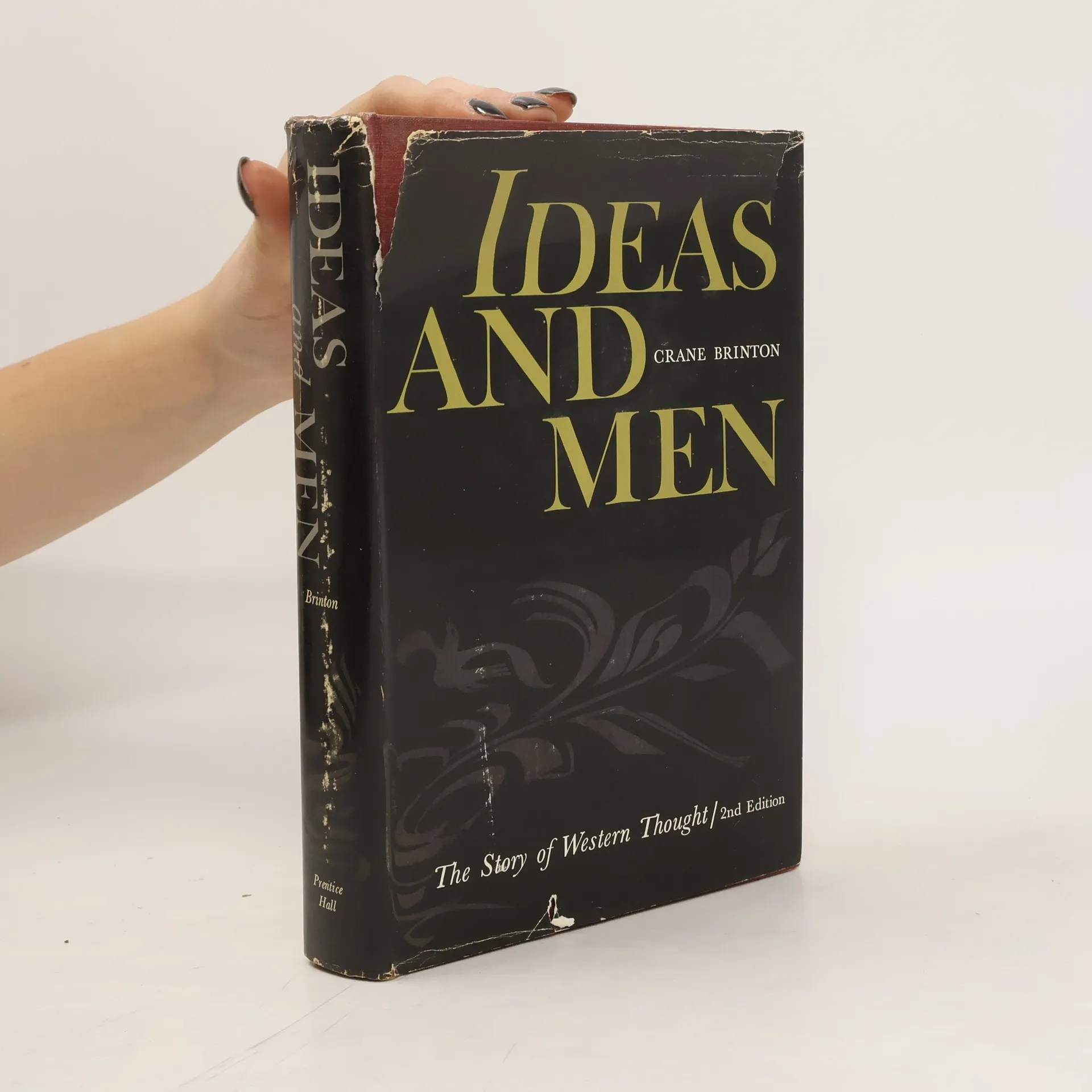
Ideas and Men
The Story of Western Thought
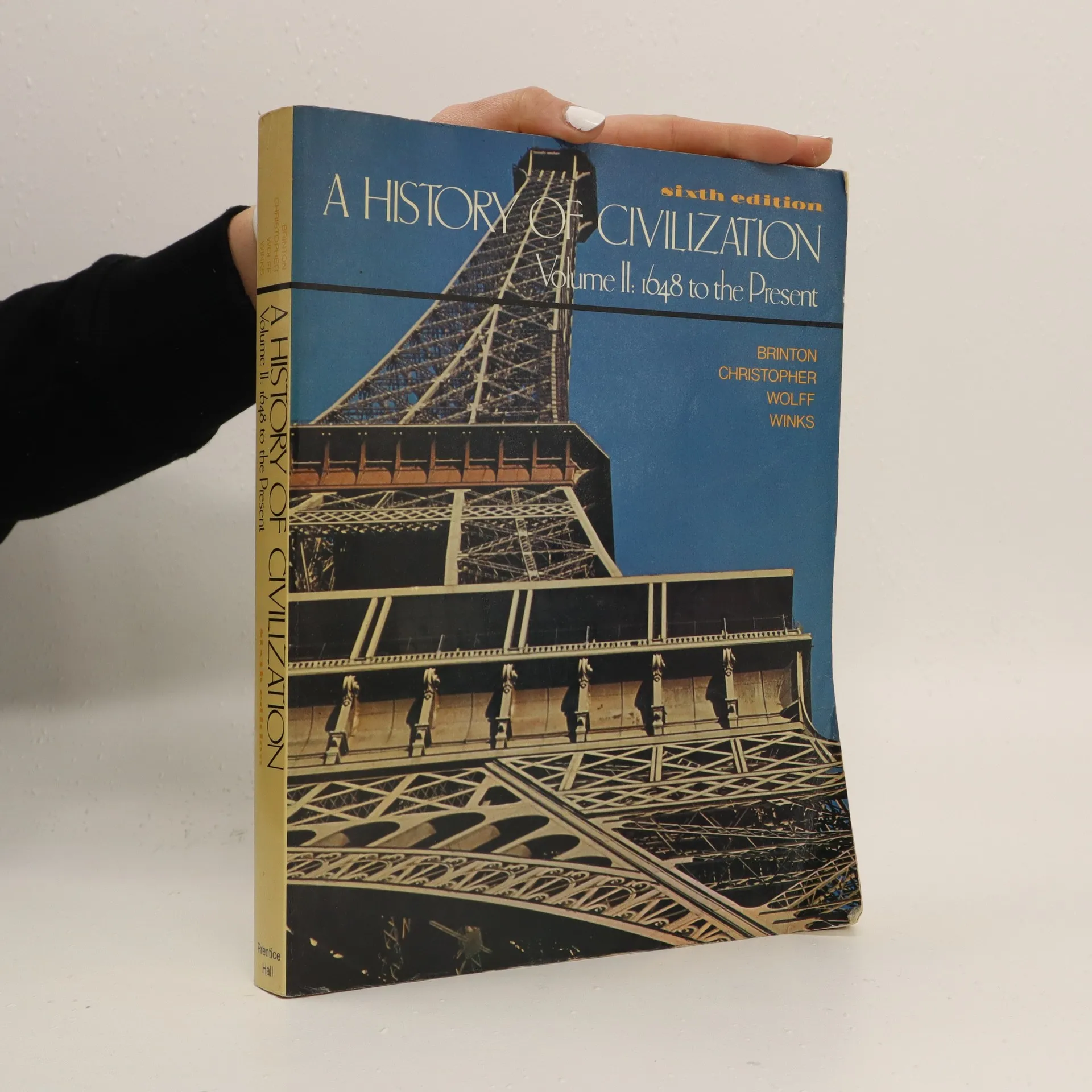
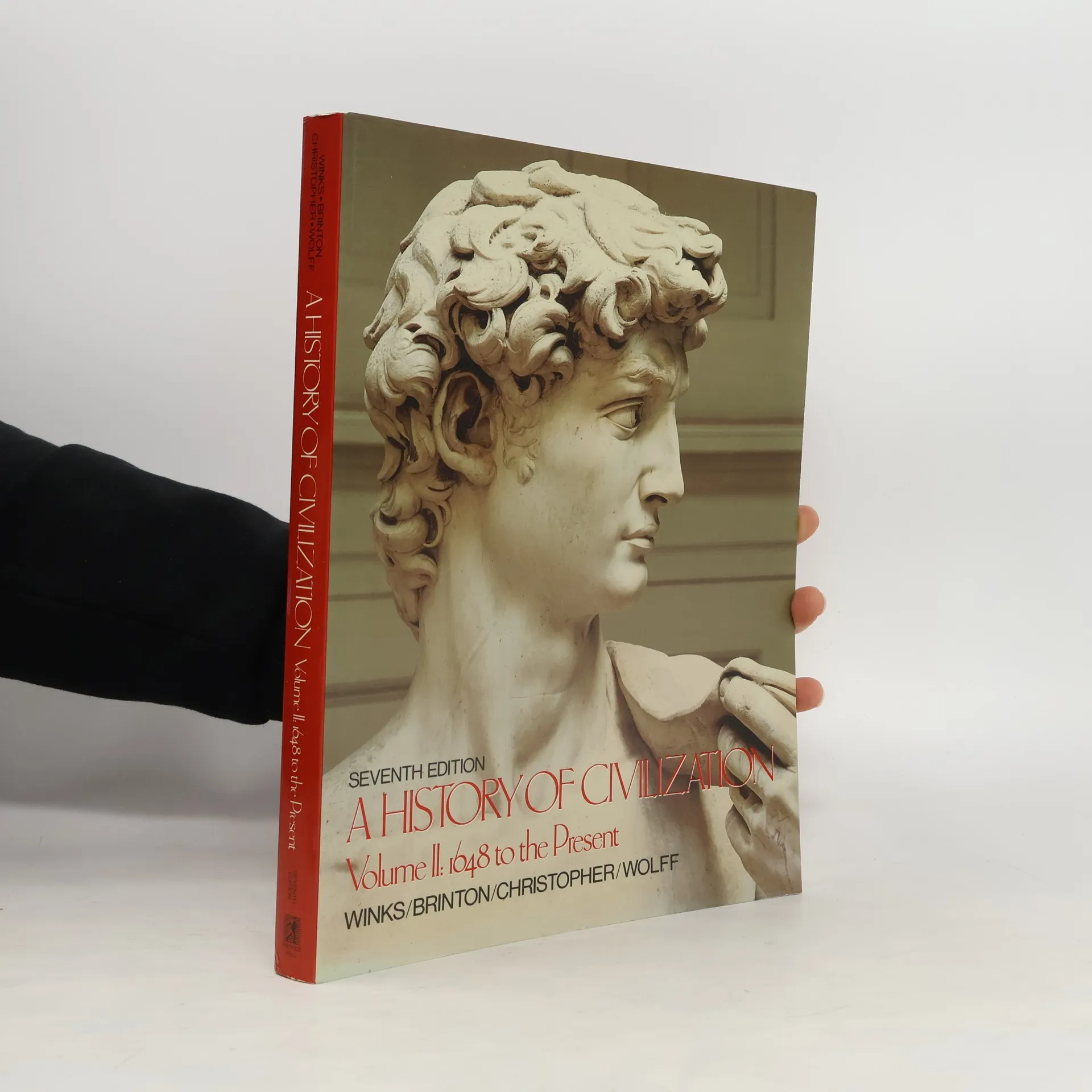
A History of Civilization: 1648 to the present
- 545 Seiten
- 20 Lesestunden
Excerpt from A History I introduction. II causes OF the war. The Shift in the Balance of Power. The Role of Public Opinion. German Aspirations. British Aspirations. The Other Belligerents. The Era of Bismarck. 1871 1890. Formation of the Triple Entente. 1890 1907. A Decade of Crises. 1905 1914. The Final Crisis. About the Publisher Forgotten Books publishes hundreds of thousands of rare and classic books. Find more at www.forgottenbooks.com This book is a reproduction of an important historical work. Forgotten Books uses state-of-the-art technology to digitally reconstruct the work, preserving the original format whilst repairing imperfections present in the aged copy. In rare cases, an imperfection in the original, such as a blemish or missing page, may be replicated in our edition. We do, however, repair the vast majority of imperfections successfully; any imperfections that remain are intentionally left to preserve the state of such historical works.