Franz Marc
- 95 Seiten
- 4 Lesestunden
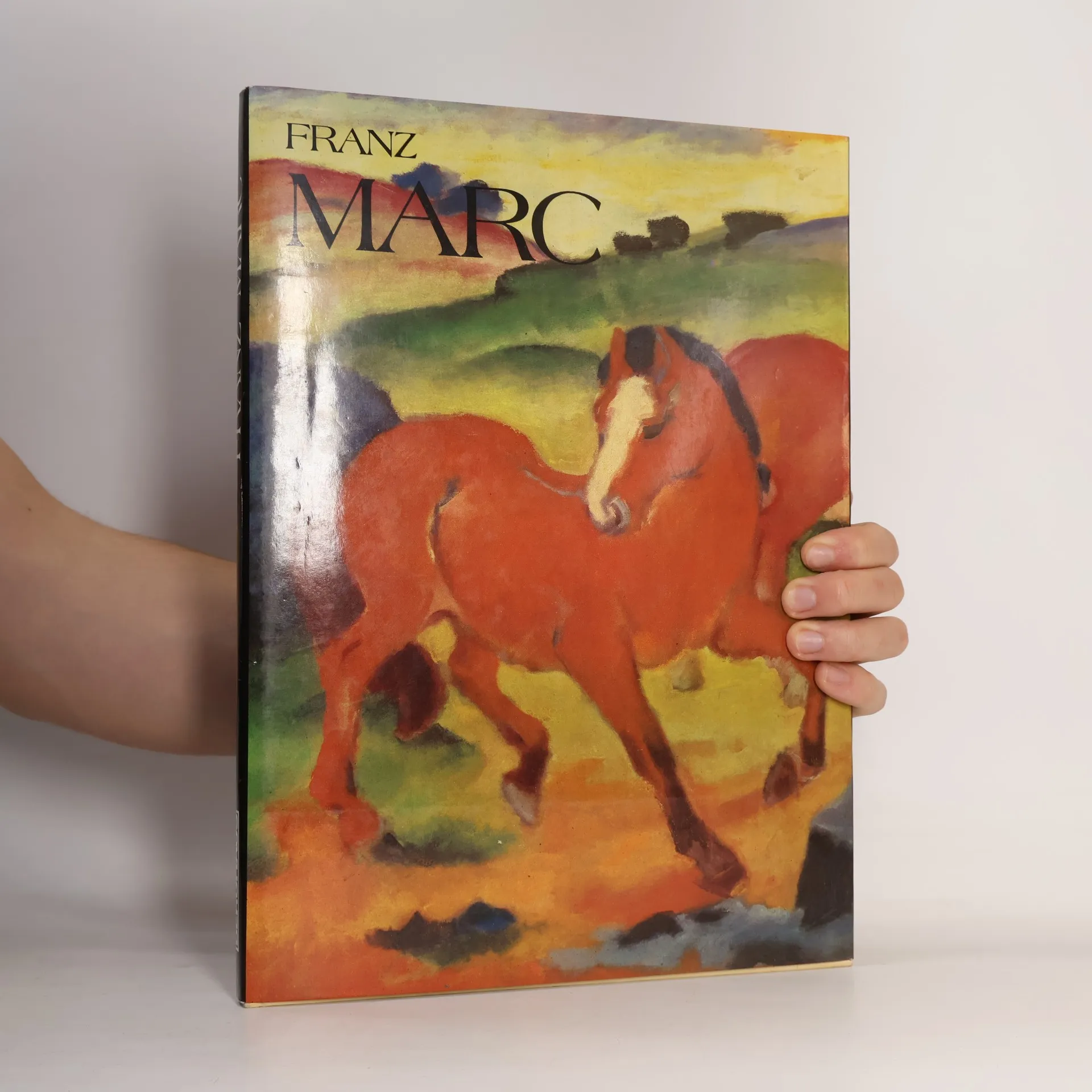
Franz Marc Leben und Werk


Klaus H. Carl ist der Autor zahlreicher Werke über die Geschichte großer Städte und zudem ein bekannter Fotograf von Flora und Fauna. Von Beruf Lehrer, widmet er sich derzeit einer monumentalen Kunstgeschichte. Seine Arbeiten zeichnen sich durch ein tiefes Interesse an visueller Geschichte und der Natur aus, was den Lesern einzigartige Einblicke in Architektur und Natur bietet.
Franz Marc Leben und Werk
Die gotische Kunst hat ihre Wurzeln in der kraftvollen Architektur der Kathedralen Nordfrankreichs. Sie ist eine mittelalterliche Kunstbewegung, die sich über mehr als 200 Jahre in ganz Europa entwickelte. Die Architekten begannen, die runden Formen der Romanik hinter sich zu lassen und nutzten Strebepfeiler und Spitzbögen, um die Kathedralen dem Tageslicht zu öffnen. In einer Zeit großer wirtschaftlicher und sozialer Veränderungen entwickelte sich auch eine neue Ikonographie, die die Heilige Maria feierte, im Gegensatz zur furchterregenden Ikonographie der dunklen römischen Zeit. Voller reicher Veränderungen in allen verschiedenen Künsten (Architektur, Skulptur, Malerei usw.) ebnete die Gotik den Weg für die italienische Renaissance und die internationale Gotik.
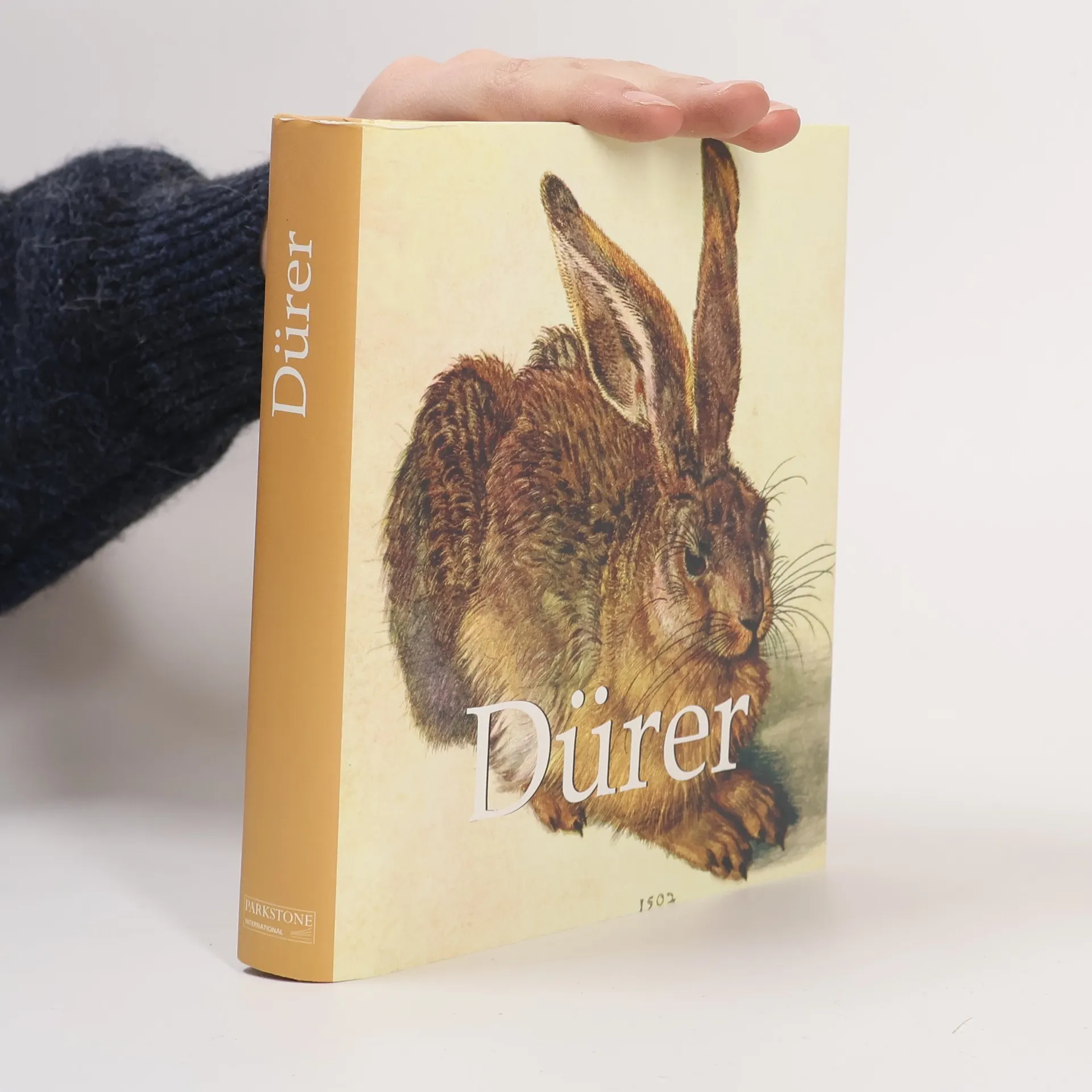
Die Kunst und Kultur Deutschlands, einem Land, das sich erstmals 1871 zu einer Nation vereinte,bauen auf uralten und facettenreichen Traditionen auf. In der Auseinandersetzung mit der deutschenMalerei müssen die derzeitigen geografischen Grenzen ignoriert und der gesamteuropäische historischeKontext untersucht werden. Vom Mittelalter bis zur Neuen Sachlichkeit des 20. Jahrhunderts stellen wir Ihnenbedeutende Künstler der deutschen Kunstgeschichte wie Albrecht Dürer, Casper David Friedrich oder OttoDix vor und begleiten sie auf ihrem Werdegang.
Chaïm Soutine (1893-1943), der unkonventionelle und umstrittene Maler aus Weißrussland, vereint Einflüsse der klassischen europäischen Malerei mit denen des Post-Impressionismus und des Expressionismus. Als Mitglied der Künstler aus Weißrussland, einer Gruppe innerhalb der École de Paris, schuf er ein Werk, das hauptsächlich aus Landschaften, Stillleben und Porträts besteht. Sein individueller Stil, der sich durch Humor und Trauer und den Gebrauch von leuchtenden Farben auszeichnet, machen ihn zu einem modernen Meister, der immer noch wenig verstanden ist. Klaus H. Carl, Schriftsteller, Professor und Fotograf, ist der Autor zahlreicher Bücher und Artikel. Er widmet sich gerade dem Bildband Weltgeschichte der 180000 v. Chr. -- 2000 n. Chr.
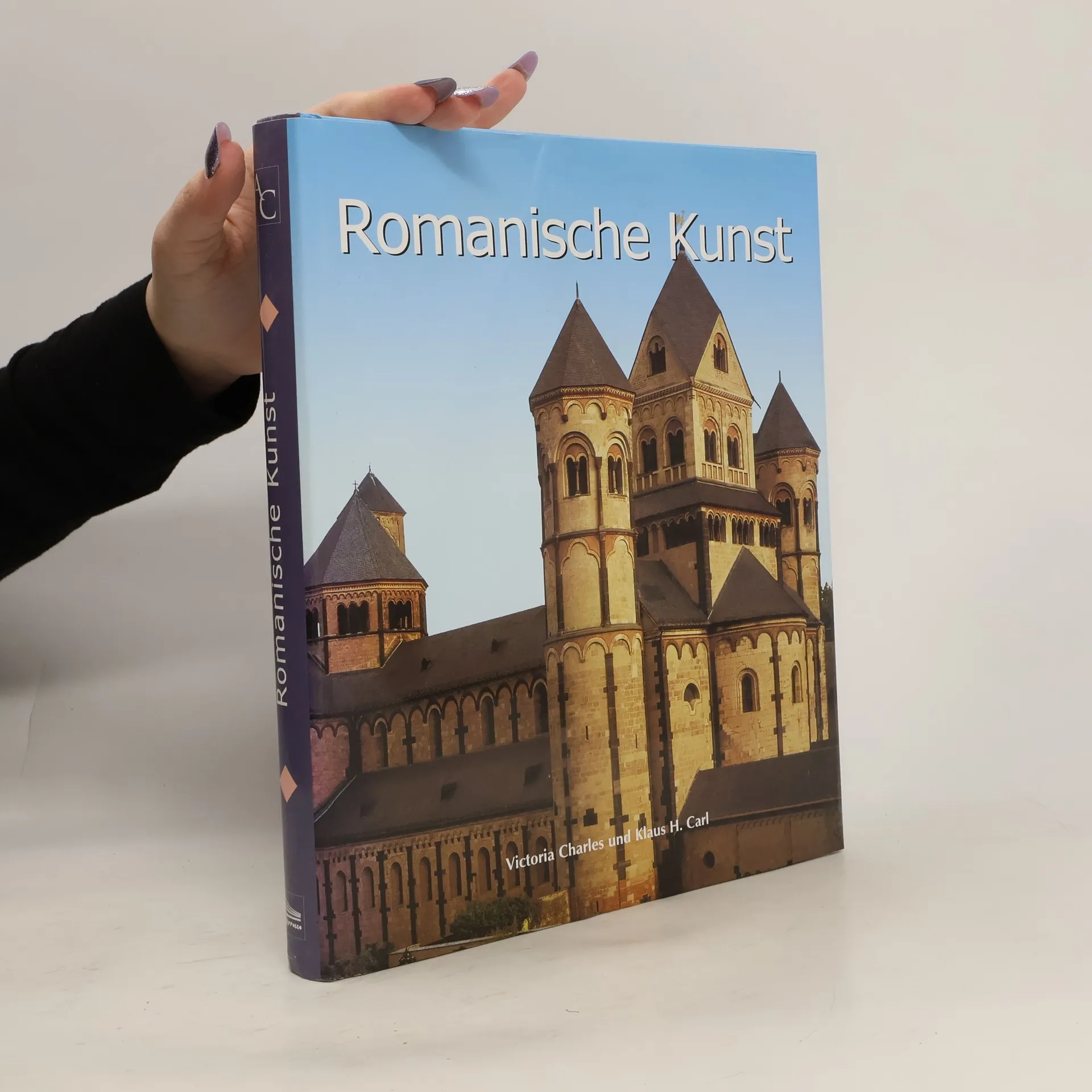
In der Kunstgeschichte bezeichnet der Begriff „romanische Kunst“ die Periode zwischen dem Beginn des 11. und dem Ende des 12. Jahrhunderts. Diese Ära zeigte eine große Vielfalt regionaler Schulen, jede mit ihrem eigenen einzigartigen Stil. Sowohl in der Architektur als auch in der Skulptur ist die romanische Kunst durch rohe Formen gekennzeichnet. Durch ihre reiche Ikonographie und fesselnden Text wird die Bedeutung dieser Kunst wieder in den Vordergrund gerückt, die heute oft vom späteren gotischen Stil überschattet wird.
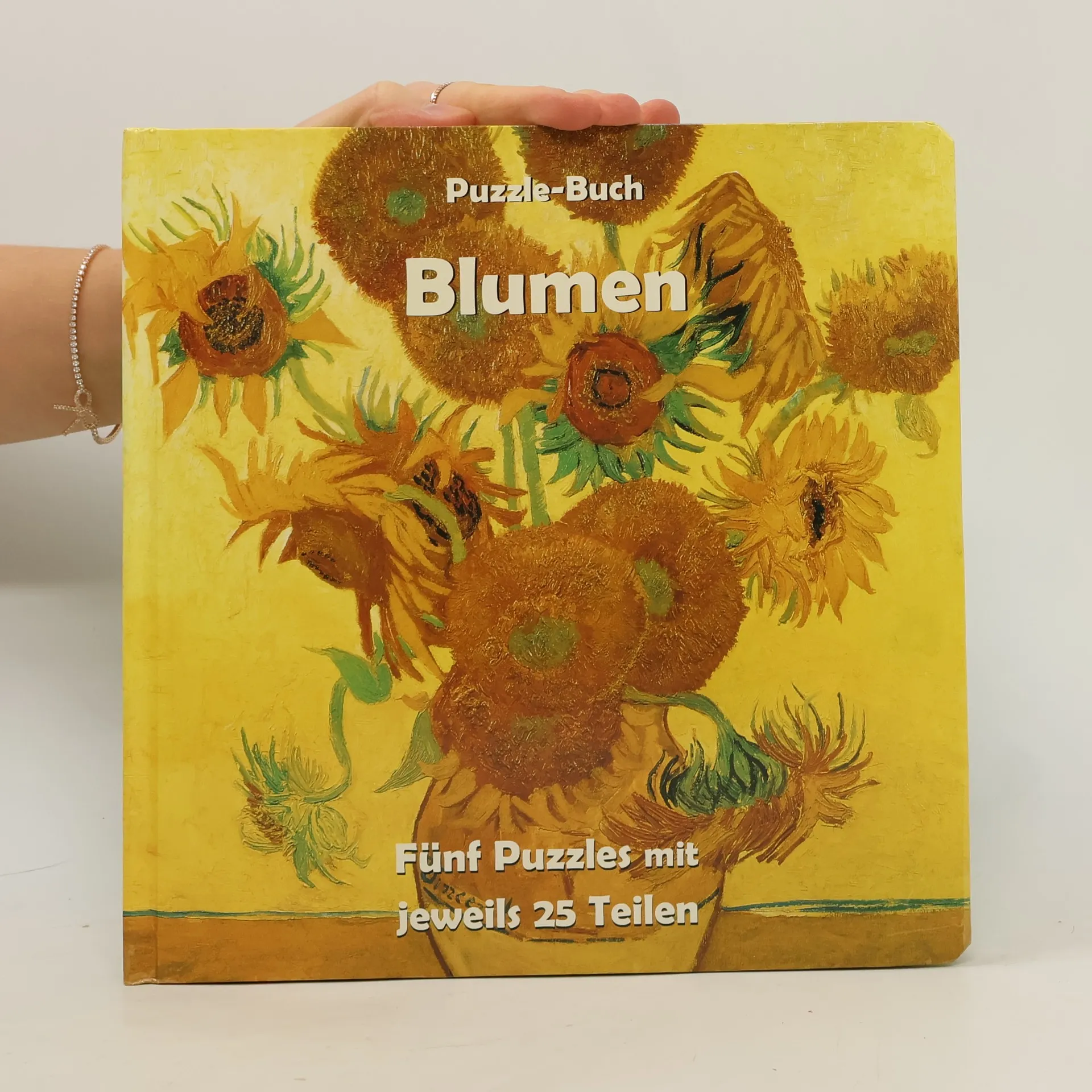
Fünf Puzzles mit jeweils 25 Teilen
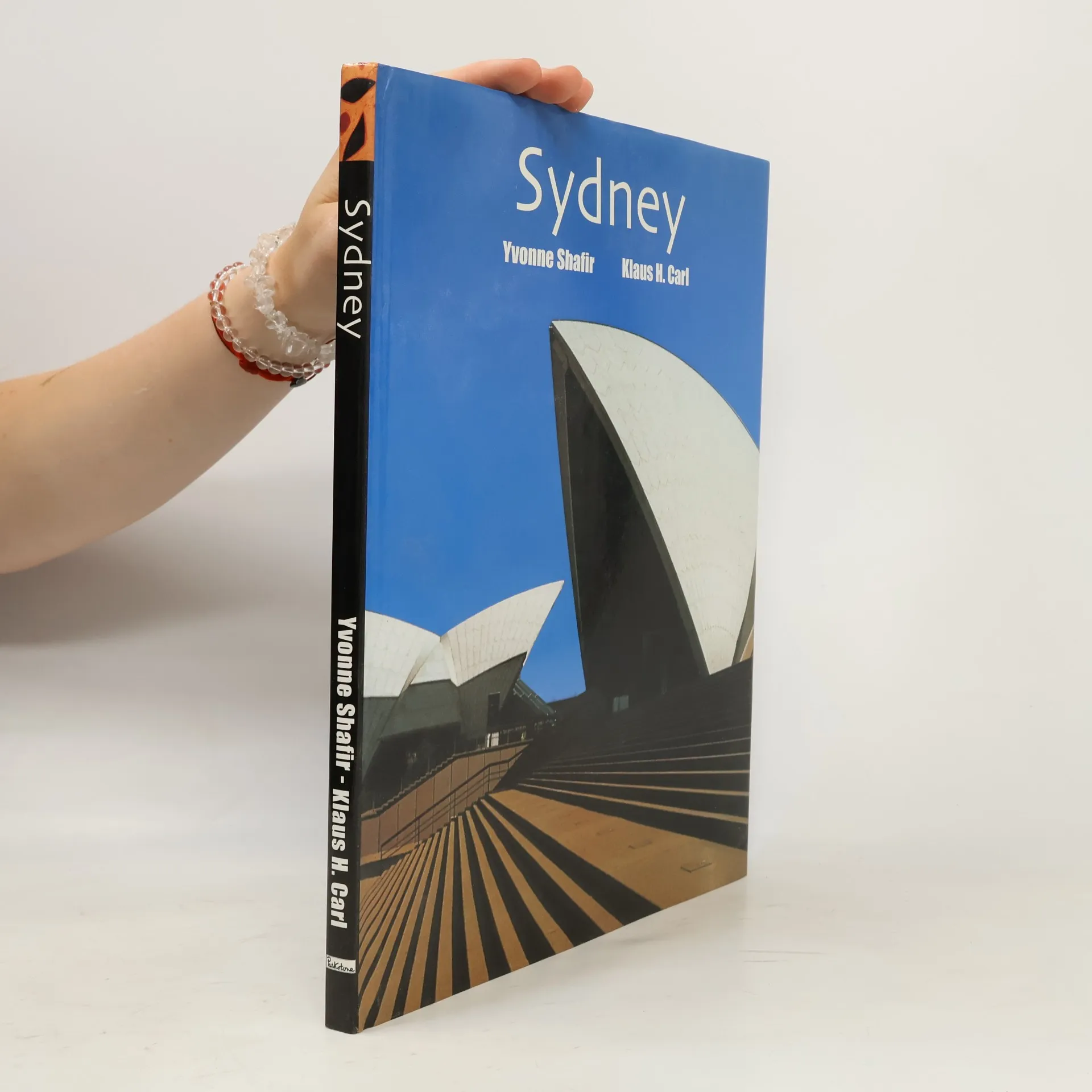
Captain Cook sighted Sydney's harbour in 1770 and named it Port Jackson. 18 years later Captain Arthur Phillip arrived with 11 ships carrying convicts from Britain. He named the settlement Sydney Cove, in honor of Lord Sydney, the British Home Secretary. Sydney has grown rapidly to become a glamorous international city boasting some of the best the world has to offer. The city now embraces a rich multicultural community that totals almost four million people. With its spectacular harbor and vibrant culture, Sydney is a world class city offering something for everyone. The Olympic Games of the year 2000 are taking place in Sydney.
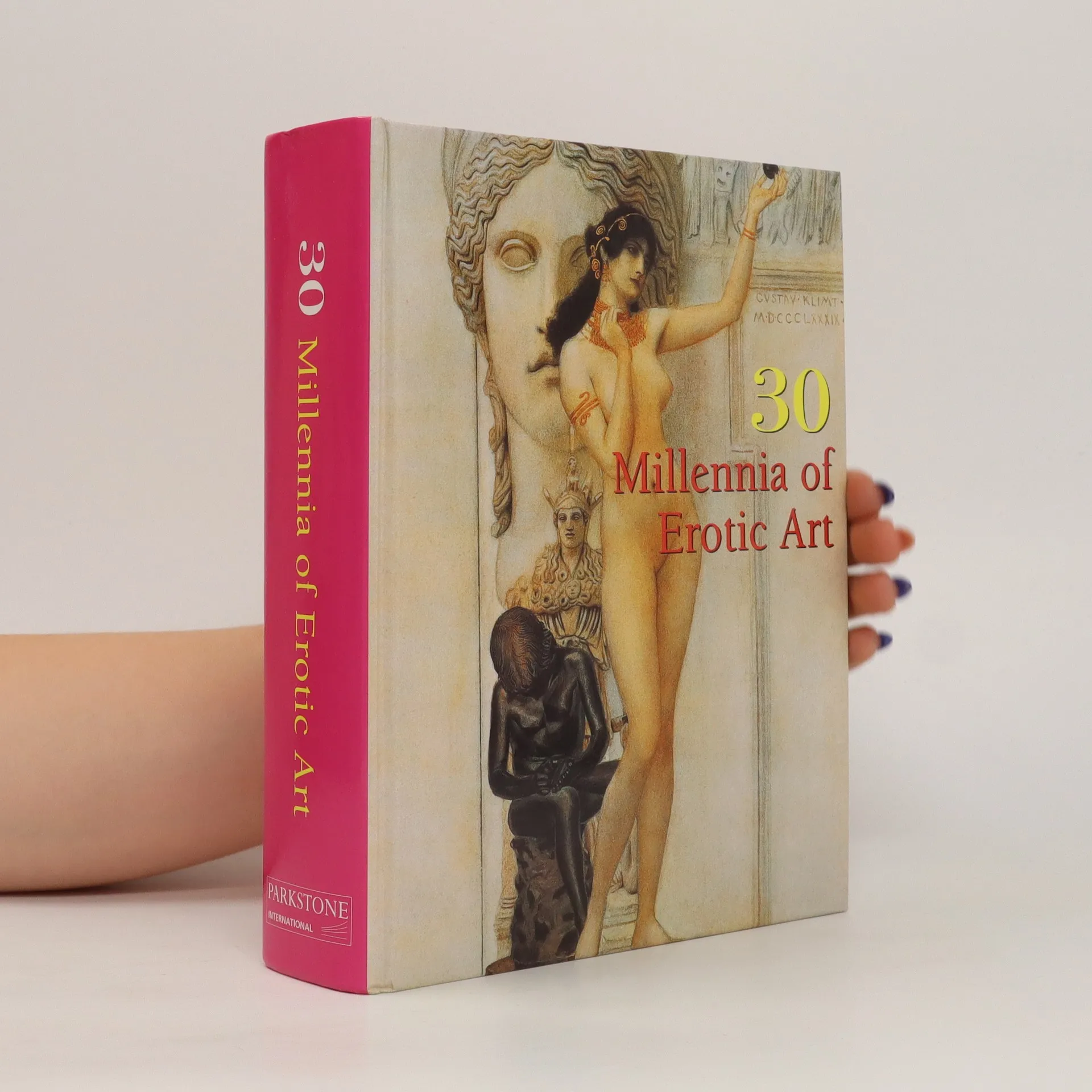
From the thousand-year-old statues celebrating fertility to the odalisques of the modern painters, erotic art has always held a prominent place in society, whatever their morals or cultural references.This work has assembled one thousand images of erotic artworks, from all times and all continents, to illustrate how the representation of these pleasures of the flesh testifies to the evolution of different civilisations and their histories. While eroticism and sexuality are at the forefront of today’s advertising and media, this book offers an exceptional view into the archives of erotic imagery and emphasises the artistic value of these magnificently sinful illustrations.
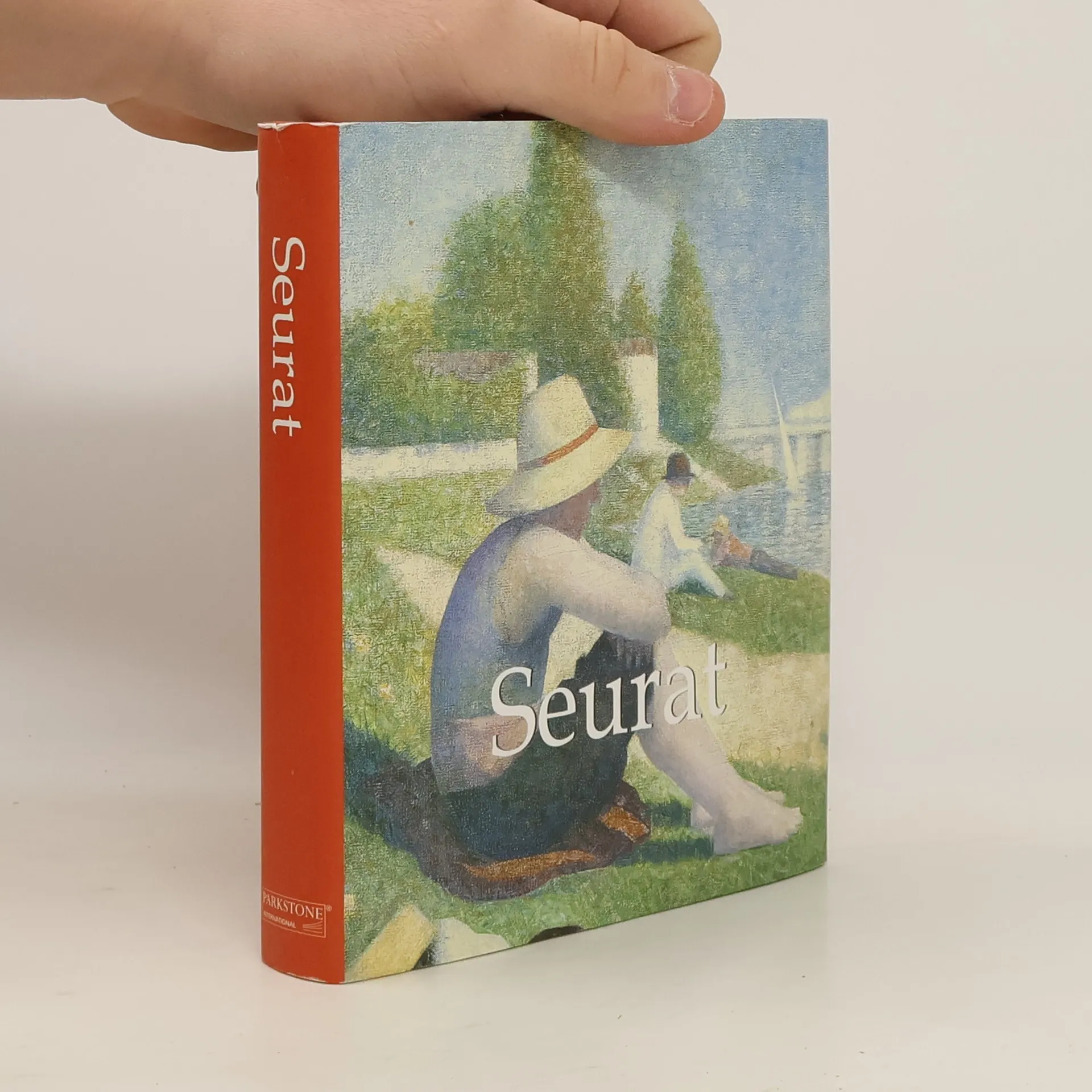
Universally celebrated for the intricacy of his pointillist canvases, Georges Seurat (1859-1891) was a painter whose stunning union of art and science produced uniquely compelling results. Seurat's intricate paintings could take years to complete, with the magnificent results impressing the viewer with both their scientific complexity and visual impact. His Un Dimanche Après-Midi à l'Île de la Grande Jatte (Sunday Afternoon on the Island of Grand Jatte) has held its place among the most treasured and distinguished pieces of 20th-century art. Klaus H. Carl offers readers an intriguing glimpse into the detailed scientific technique behind Seurat's pointillist masterpieces.
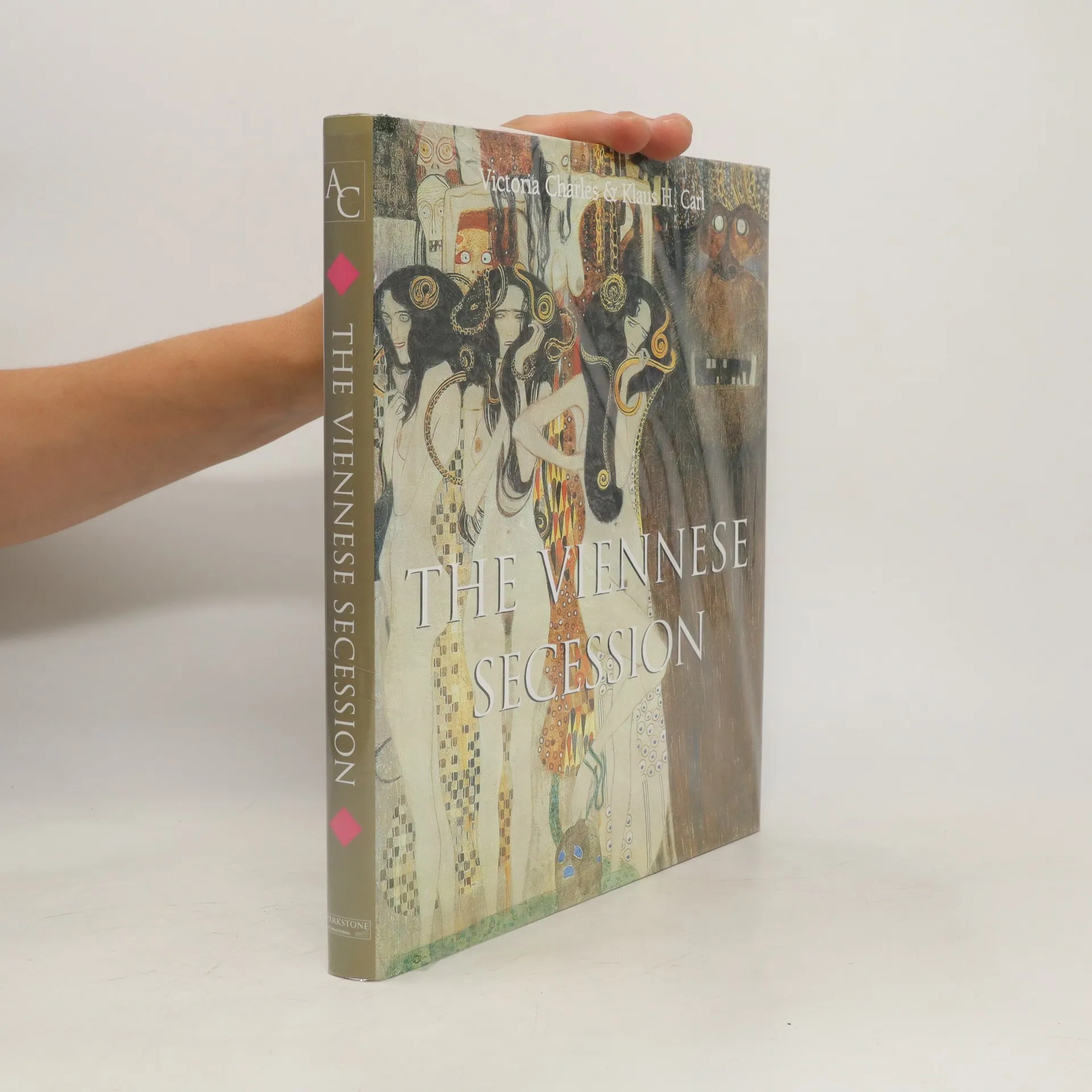
"A symbol of modernity, the Viennese Secession was defined by the rebellion of twenty artists who were against the conservative Vienna Künstlerhaus' oppressive influence over the city, the epoch, and the whole Austro-Hungarian Empire. Influenced by Art Nouveau, this movement (created in 1897 by Gustav Klimt, Carl Moll, and Josef Hoffmann) was not an anonymous artistic revolution. Defining itself as a "total art", without any political or commercial constraint, the Viennese Secession represented the ideological turmoil that affected craftsmen, architects, graphic artists, and designers from this period."--P.4 of dust jacket.
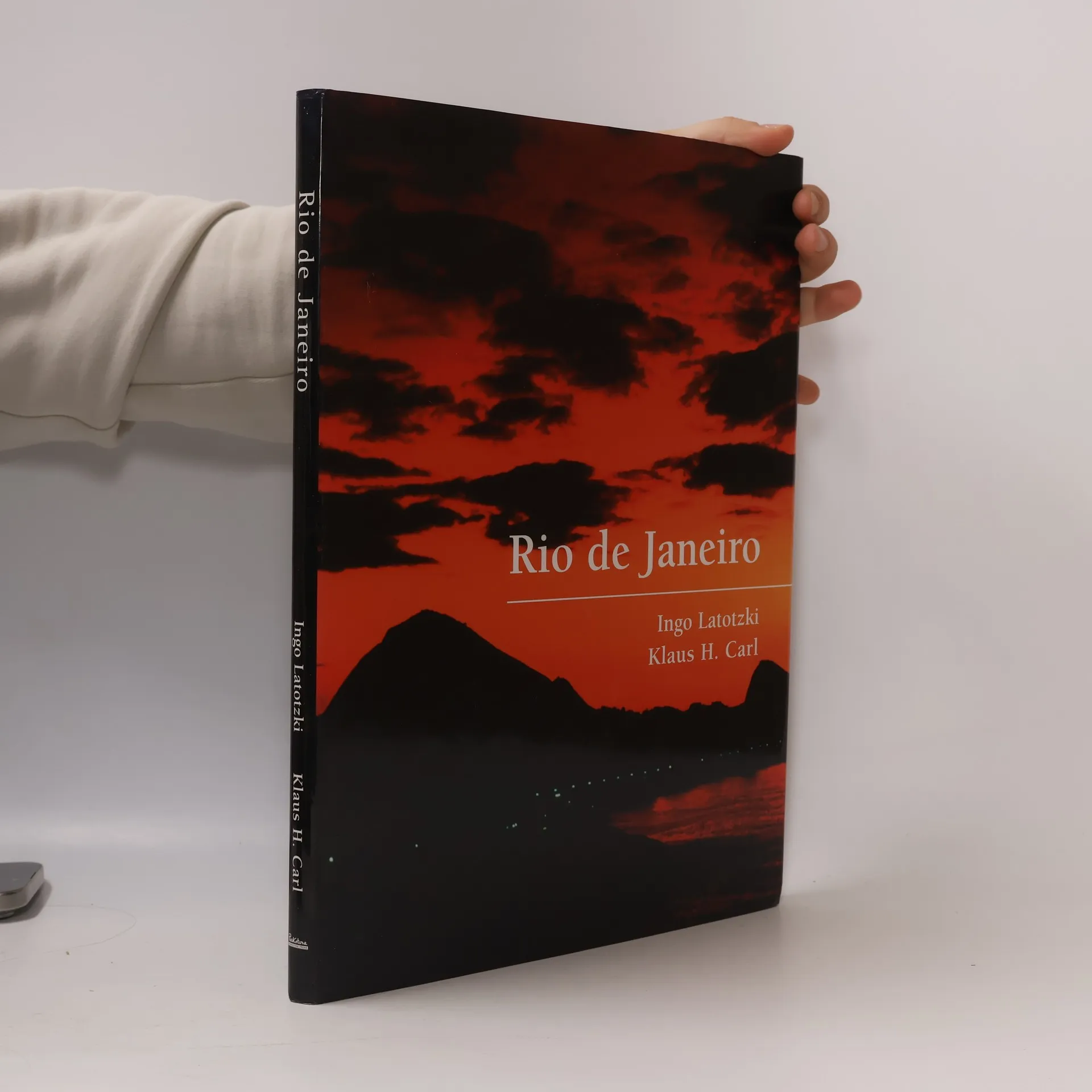
Like so many other cities of South America, Rio is an urban sprawl containing some truly stunning contrasts. Yet Rio comes alive, really, for only two things -- soccer and the samba. According to tradition founded by the Portuguese navigator Andre Goncalves on 1 January 1502, declared the capital of Brazil by King John in 1763, Rio underwent major reorganization under President Alvarez at the beginning of the 20th century. Avenues and boulevards were laid out in a logic that added overall cohesion to the city. The greatest architects of the time and place were invited to make use of their talents. The houses merge with the tropical countryside, which features banana and sugar plantations lining the large bay that is dominated by the Pao de Acucar -- the famous Sugar Loaf Mountain. Rio is also famous for its wonderful beaches -- such as those of Copacabana and Ipanema -- on which the most beautiful women in the world tan themselves to a gorgeous golden colour wearing the skimpiest of costumes.Through colourful illustrations, Ingo Latotzki takes us on a guided tour of the city, from the areas of avant-garde architecture to the miserable shanties of the favelas -- all of which empty themselves of their inhabitants during Carnival, or when there is an important football match on at the Maracana Stadium. Like its population, Rio is a compound of all the colours, all the shades, between black and white.