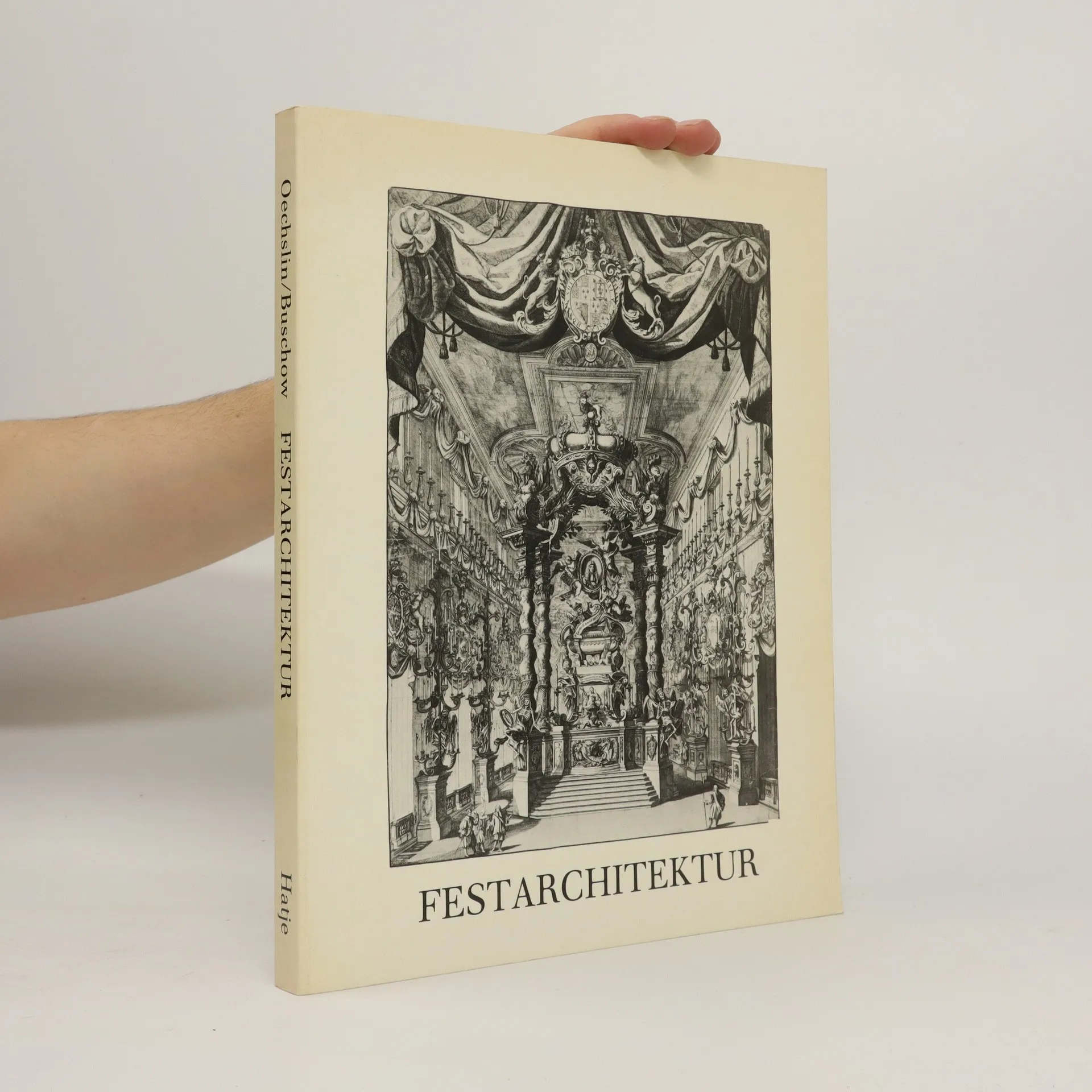
Salvator Rosa
- 155 Seiten
- 6 Lesestunden



Architektur und Wissenschaft
Discover one of the oddest and most beautiful books of the 19th century: Oliver Byrne’s edition of Euclid’s Elements. This work of art and science combines vivid primary colors and mathematical precision in a display of geometric form. Elements anticipates Bauhaus design and even modern info graphics used by news organizations.
Scholion ist das Publikationsorgan der Bibliothek Werner Oechslin in Einsiedeln, einer Forschungsbibliothek in Kooperation mit der ETH Zürich. Als eine der grössten europäischen Privatbibliotheken vereinigt sie die Quellenschriften zur Architekturtheorie und zu benachbarten Gebieten in originalen Ausgaben vom 15. bis zum 20. Jahrhundert. Die rund 50 000 Bände dokumentieren Theoriebildung sowie systematische Versuche des Verstehens und Begründens im geistes- und naturwissenschaftlichen Zusammenhang. Das Kerngebiet der Architektur wird dabei um verwandte Bereiche ergänzt, die sich von der Kunsttheorie über die Kulturgeschichte bis zur Philosophie und Mathematik erstrecken. Scholion richtet sich an ein kultur- und architekturhistorisch interessiertes Publikum. Im Mittelpunkt stehen das Buch, seine Geschichte und seine kulturhistorische Einbettung. Zudem publiziert Scholion Aufsätze zu allgemeinen Fragestellungen, Forschungen aus den Beständen der Bibliothek, Buchbesprechungen und Informationen zu Tätigkeiten, Neuerwerbungen, Tagungen und Ausstellungen der Stiftung Bibliothek Werner Oechslin.
Bauten für die ETH 1855-2005 ; ["Die ETH baut Zürich 1855-2005", ETH Zürich, Haupthalle, 26.5.-16.6.2005 ; "Prolog" im Rahmen der ETH-Jubiläumsausstellung "Welten des Wissens", Platzspitz beim Landesmuseum, 22.4.-8.5.2005 ; "Prolog mit Modellen", ETH Zürich, Haupthalle, 27.4.-4.5.2005]
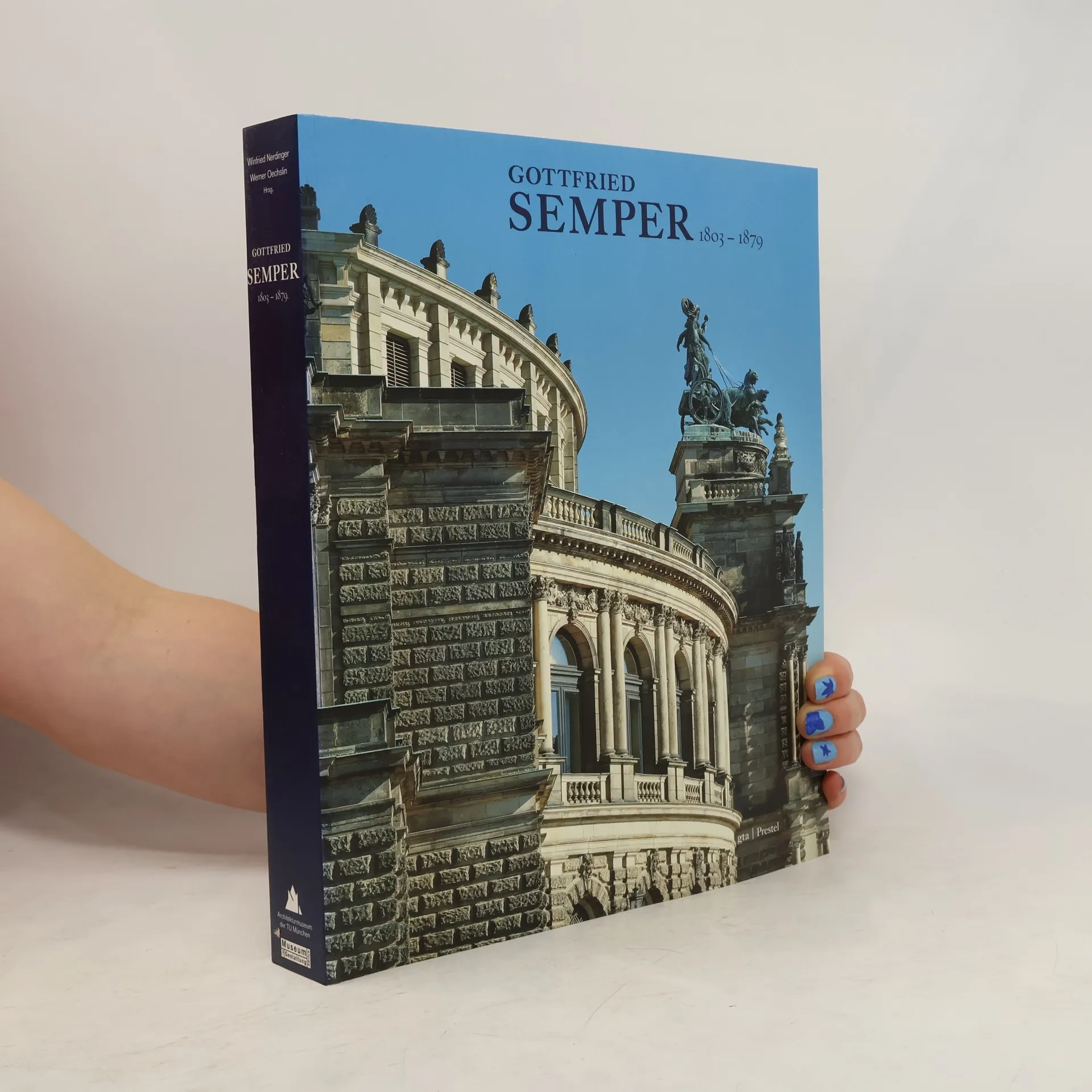
Mit einem Katalog der ETH-Bauten und -projekte von Baumschlager & Eberle, Alfred Friedrich Bluntschli, Burkhalter & Sumi, Campi & Pessina, Kees Christiaanse, Fosco Fosco-Oppenheim Vogt, Christophe Girot, Gustav Gull, Roland Rohn, Alfred Roth, Otto Rudolf Salvisberg, Gottfried Semper, Albert Heinrich Steiner, Untertrifaller & Dietrich sowie mit Beiträgen von Sonja Hildebrand, Bruno Maurer, Werner Oechslin, Andreas Tönnesmann und anderen. In den Bauten der ETH wird ein wesentlicher Teil der Hochschulgeschichte erkennbar. Genaueres Hinsehen zeigt auch, wie bedeutend und prägend die Hochschulbauten für die Stadt waren, seitdem der Semperbau wie eine Stadtkrone über der Zürcher Altstadt errichtet wurde. Der Blick der Publikation richtet sich aber ebenso in die Zukunft, auf das Projekt Science City, das die ETH als weltweit attraktiven Denk-Kultur-Platz Schweiz ausbauen wird. Scoens
Münchner Ausgabe. Die Jahre 1820-1826. Band 13. 1 [&] 2
Münchner Ausgabe. Wirkungen der Französischen Revolution, 1791-1797. Band 4. 1 [&] 2
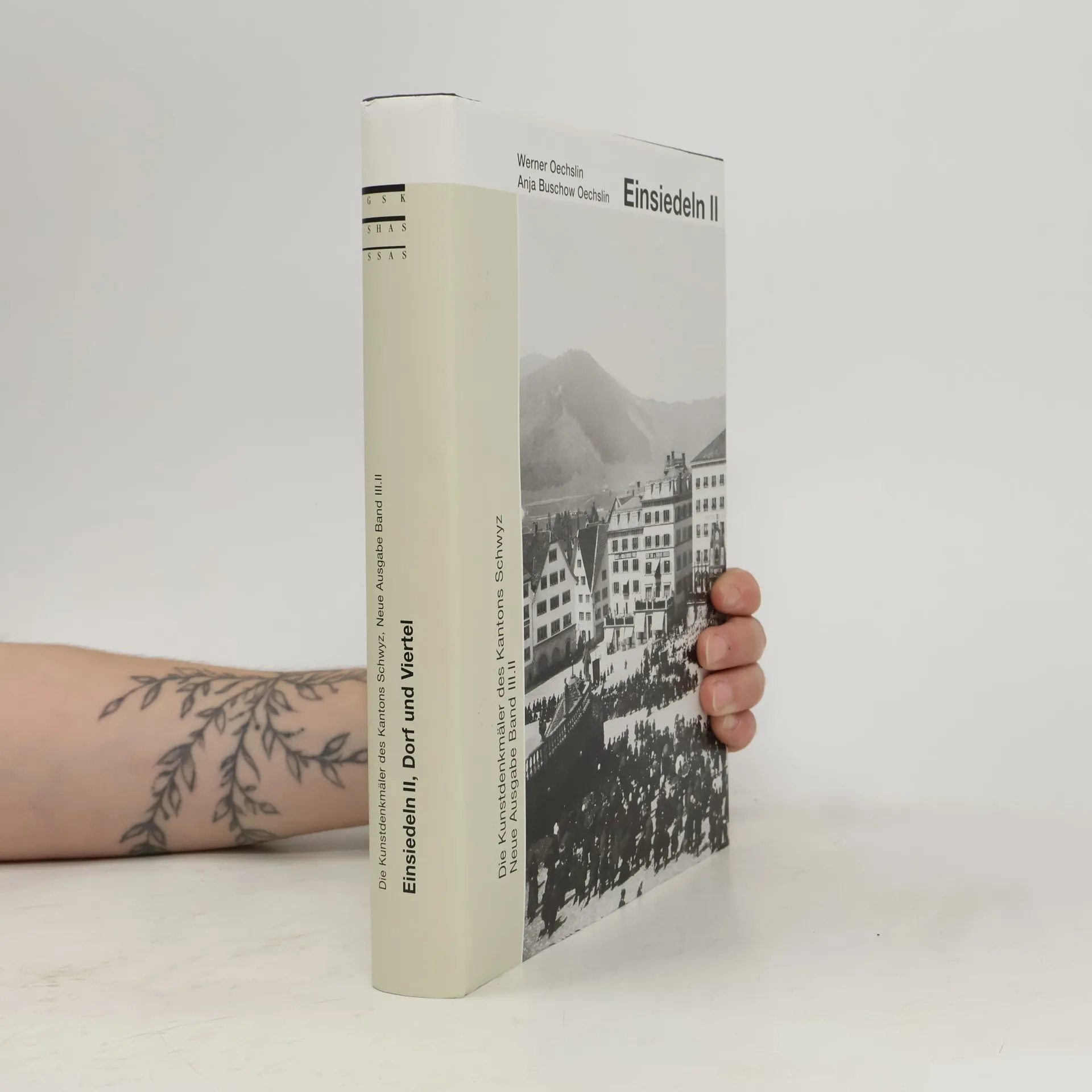
Der Bezirk Einsiedeln : Dorf und Viertel
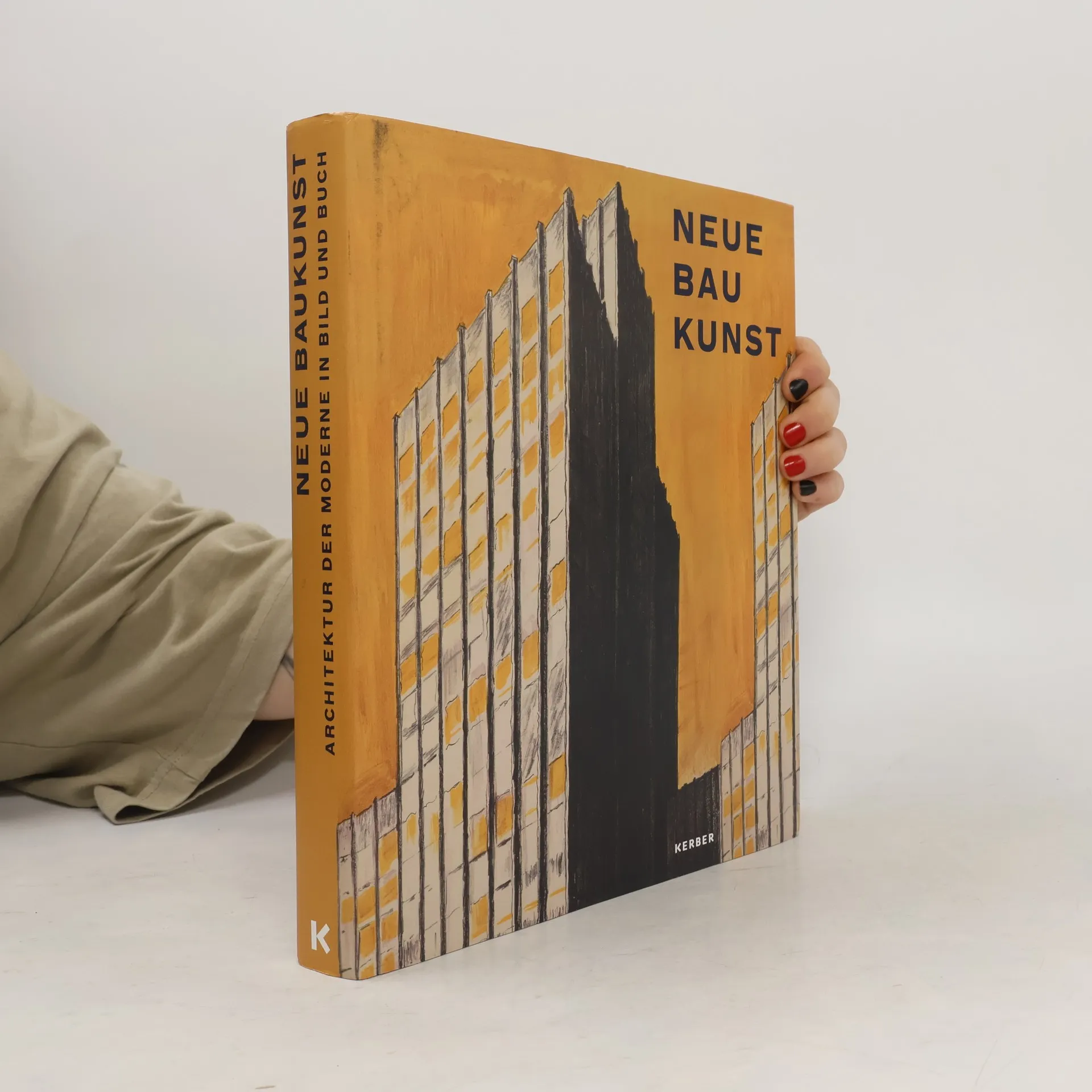
Walter Müller-Wulckow (1886–1964) aimed to make the latest developments in modern architecture accessible to a broad audience. He authored the most widely circulated illustrated books on architecture in the 1920s, engaging in correspondence with numerous renowned architects. This catalog presents a remarkable collection of photographs, plans, letters, and books that provide a unique overview of architectural evolution during that era. It also explores publication networks, the study of architectural communication and perception, and architectural photography. Notable architects featured include Adolf Abel, Otto Bartning, Peter Behrens, Ludwig Bernoully, Paul Bonatz, Walter Gropius, Erich Mendelsohn, and many others. Additionally, the catalog highlights contributions from prominent photographers such as Ella Beyer-Held, Hermann Collischonn, and Arthur Köster, among others. This comprehensive presentation not only showcases the architectural innovations of the time but also emphasizes the collaborative efforts within the architectural community, reflecting the dynamic exchange of ideas and styles that characterized the period. The work stands as a testament to Müller-Wulckow's commitment to democratizing architectural knowledge and appreciation.
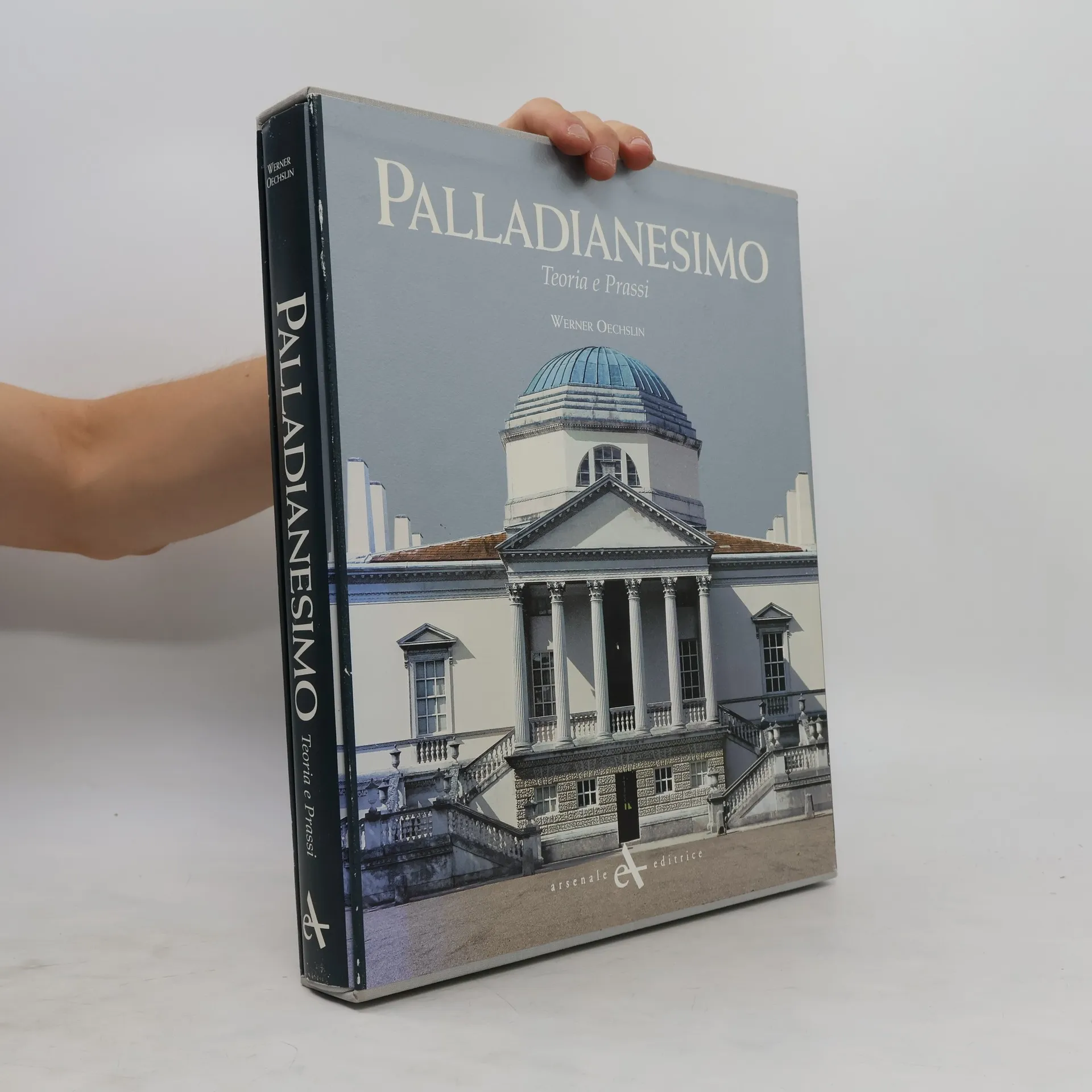
Teoria e prassi
Lunga e complessa è la storia del "modello palladiano" e dei suoi successi, una storia che in momenti diversi di un ampio arco temporale abbraccia tutti i paesi d'Europa, spingendosi addirittura oltre oceano, e che trova insigni estimatori anche in tempi recenti, se è vero, come sostiene l'autore di "Palladianesimo. Teoria e prassi", che in Ostendorf, in Le Corbusier e in Peter Eisenmann si trovano le tracce di un nuovo palladianesimo caratterizzato ancora una volta da estrema semplicità, trasparenza e completezza formale .