

Philippe Rochat Bücher


Einstellungen junger Menschen zu Politik, Gesellschaft und Beruf
Ergebnisse einer repräsentativen Umfrage
- 78 Seiten
- 3 Lesestunden
Eine Befragung von rund 1'000 Jugendlichen zwischen 16 und 24 Jahren ergab, dass sich eine kleine Minderheit politisch stark engagiert, während eine Mehrheit selektiv an Politik teilnimmt. Abgesehen von Diskussionen im Elternhaus bildet Instagram eine der wichtigsten politischen Informationsquellen der Jugendlichen. Politische Diskussionen unter den Jugendlichen in Liechtenstein werden meist offen geführt; nur selten getrauen sich die Jugendlichen hierzulande nicht, ihre Haltung freimütig kundzutun. Die Gründe, warum sich viele Jugendliche nicht stärker politisch engagieren, sind vielfältig: Es fehlt die Zeit, bisweilen auch das Interesse, und ausserdem haben viele andere Prioritäten als Politik. Daneben schreckt aber auch die manchmal als aggressiv empfundene politische Diskussionskultur ab ebenso wie die Angst oder Sorge, sich öffentlich exponieren zu müssen. Zuletzt erwartet ein kleiner Teil der Jugendlichen eine direkte Aufforderung zur politischen Teilnahme. Kurz, nicht alle trauen sich ein öffentlich sichtbares politisches Engagement problemlos zu und bedürfen deshalb auch Bestätigung via Aufforderung. Der Studie ist vieles mehr zu entnehmen, so zu den Sorgen, den beruflichen Vorstellungen und der politischen Partizipationsbereitschaft der Jugendlichen sowie zu ihren Haltungen zu Institutionen.
Gemeindewahlen 2023 – Ergebnisse der Wahlumfrage
- 58 Seiten
- 3 Lesestunden
Exploring the concepts of time and self-consciousness, this work delves into how finitude and separation shape our understanding of existence. It challenges contemporary physics theories that dismiss time as an illusion or non-existent, advocating for a reclamation of time's significance. Through philosophical inquiry, the book invites readers to reflect on the essence of human experience and the reality of temporal existence.
The Developing Child: The Infant's World
- 272 Seiten
- 10 Lesestunden
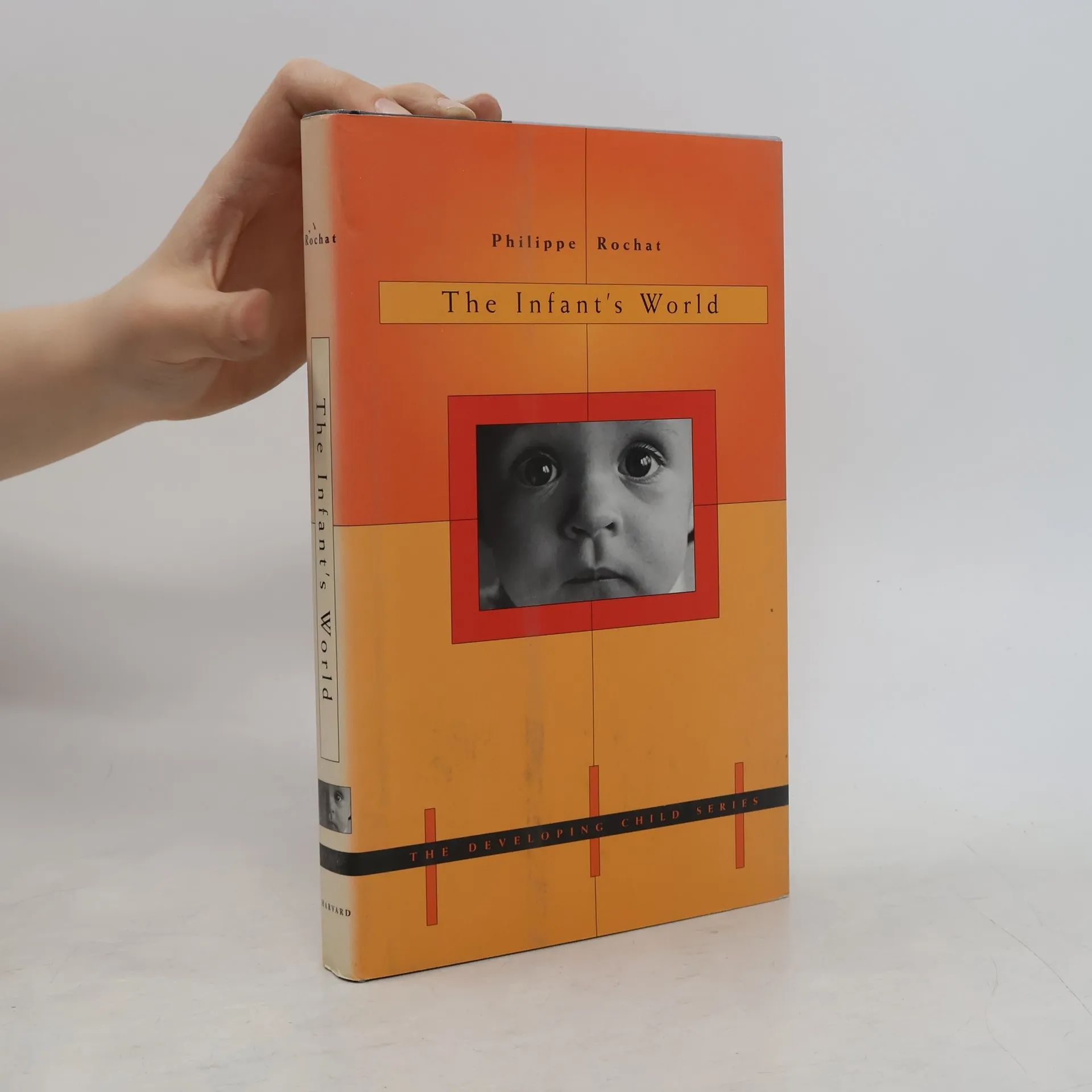
"As they stare at crib mobiles, their mothers, or their own toes, what do infants know? What do they feel, and how do they come to understand what's happening around them and within their own bodies? What do they perceive and know about objects? How do they begin to construe others as persons with feelings and intentions? These questions inspire this remarkable new look at the infant's world. The short answer: Infants are much more sophisticated perceivers, feelers, and thinkers of their world than we may assume.". "In this Philippe Rochat departs from traditional approaches in psychology to make a case for an ecological approach to human development. Looking at the ecological niche infants occupy, he describes how infants develop capabilities and conceptual understanding in relation to three interrelated domains: the self, objects, and other people. Drawing on the great body of contemporary "competent infant" research, Rochat offers a thoughtful overview of many current controversial topics, from neonatal imitation, to early numerosity, to the development of self-awareness. In a provocative conclusion, he describes infancy as a series of key transitions - so dramatic that they are sometimes called "revolutions" - and maps out the mechanisms and processes that impel development."--BOOK JACKET.
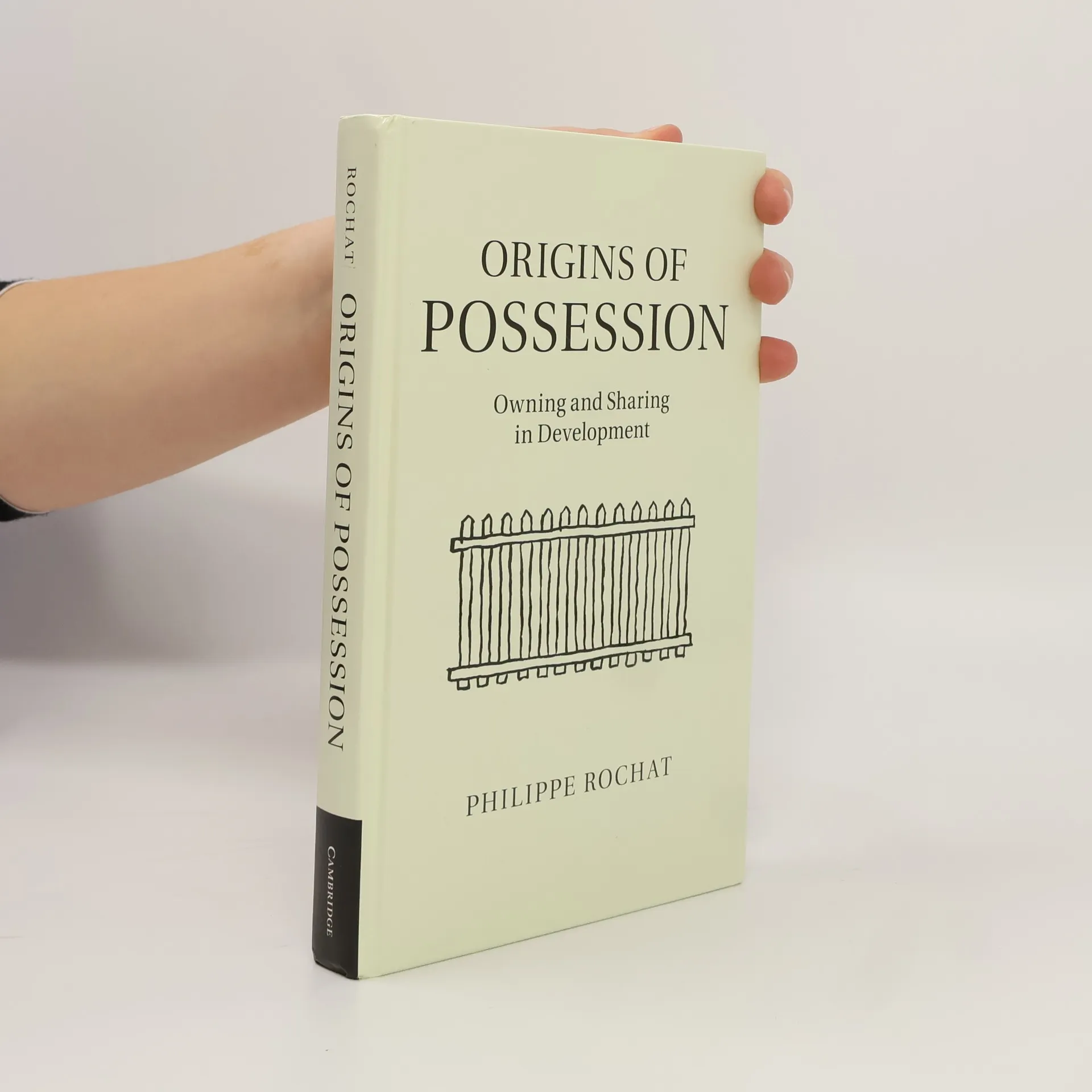
Exploring the psychology of ownership and sharing, this book delves into how these concepts manifest in various cultures. It examines the underlying motivations and social dynamics that influence human behavior regarding possession and communal sharing. Through cross-cultural analysis, the work reveals insights into the significance of ownership in shaping identities and relationships, highlighting both the universal and culturally specific aspects of these fundamental human experiences.