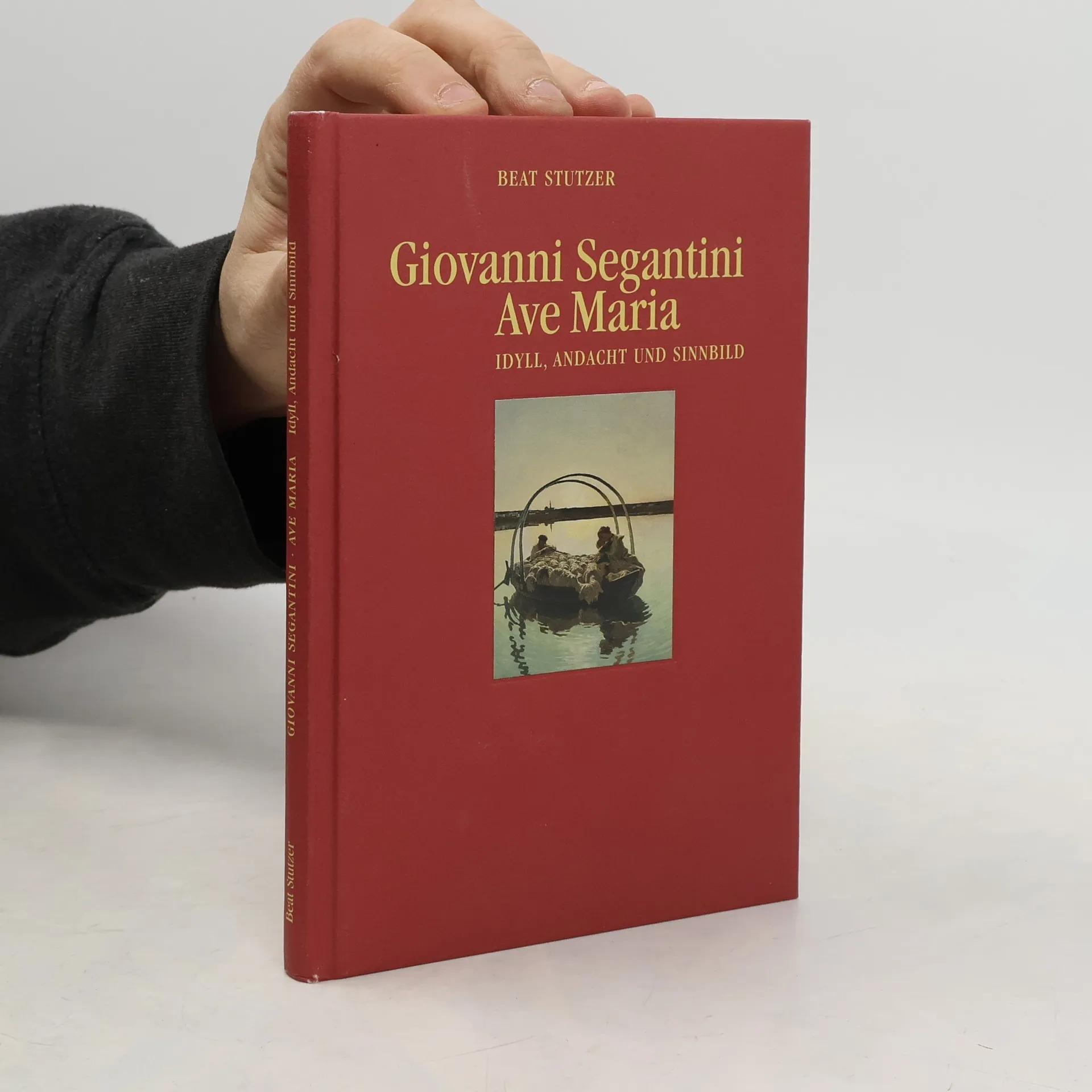

Giovanni Segantini (1858–99) was an Italian-born Swiss painter known for his landscape works created in the Swiss Alps. A pioneer of divisionist technique, he is celebrated as a key figure in symbolism and has recently gained recognition as an early proponent of European modernism, bridging nineteenth-century aesthetics with twentieth-century experimentation. This long-awaited retrospective features sixty paintings from Segantini’s extensive career, showcasing light-filled and color-saturated scenes of villages, farmers, shepherds, and pastoral landscapes. Each artwork is detailed with insights into its creation. An introductory essay explores Segantini’s life, his reception over the past century, and his influence on later artists and movements, including the futurists and Joseph Beuys. Additional essays present the latest research on Segantini’s biography, his portrayals of nature, the interplay between nature and humanity, his expert manipulation of shadow and light, and the divisionist iconography in his later works. Compiled by Beat Stutzer, this German language book offers the most comprehensive overview of Segantini to date, featuring paintings that have not been publicly available for years, making it a valuable resource for art historians, collectors, curators, and enthusiasts of this artistic period.
Beat Stutzer Bücher


Die Monografie über den Schweizer Künstler Franz Bucher beleuchtet seine jüngsten Werke, die er als "Felder" bezeichnet. Sie zeigt, wie seine monochromen Farbflächen und dynamischen Pinselstriche eine eigene Struktur schaffen und reflektiert seine künstlerischen Intentionen über die Jahre hinweg, unabhängig von spezifischen Motiven.
Gemeinsam unterwegs
Giuseppe Haas-Triverio und M. C. Escher
Giovanni Segantini, Ave Maria
- 83 Seiten
- 3 Lesestunden
Augusto Giacometti
Wege zur Abstraktion
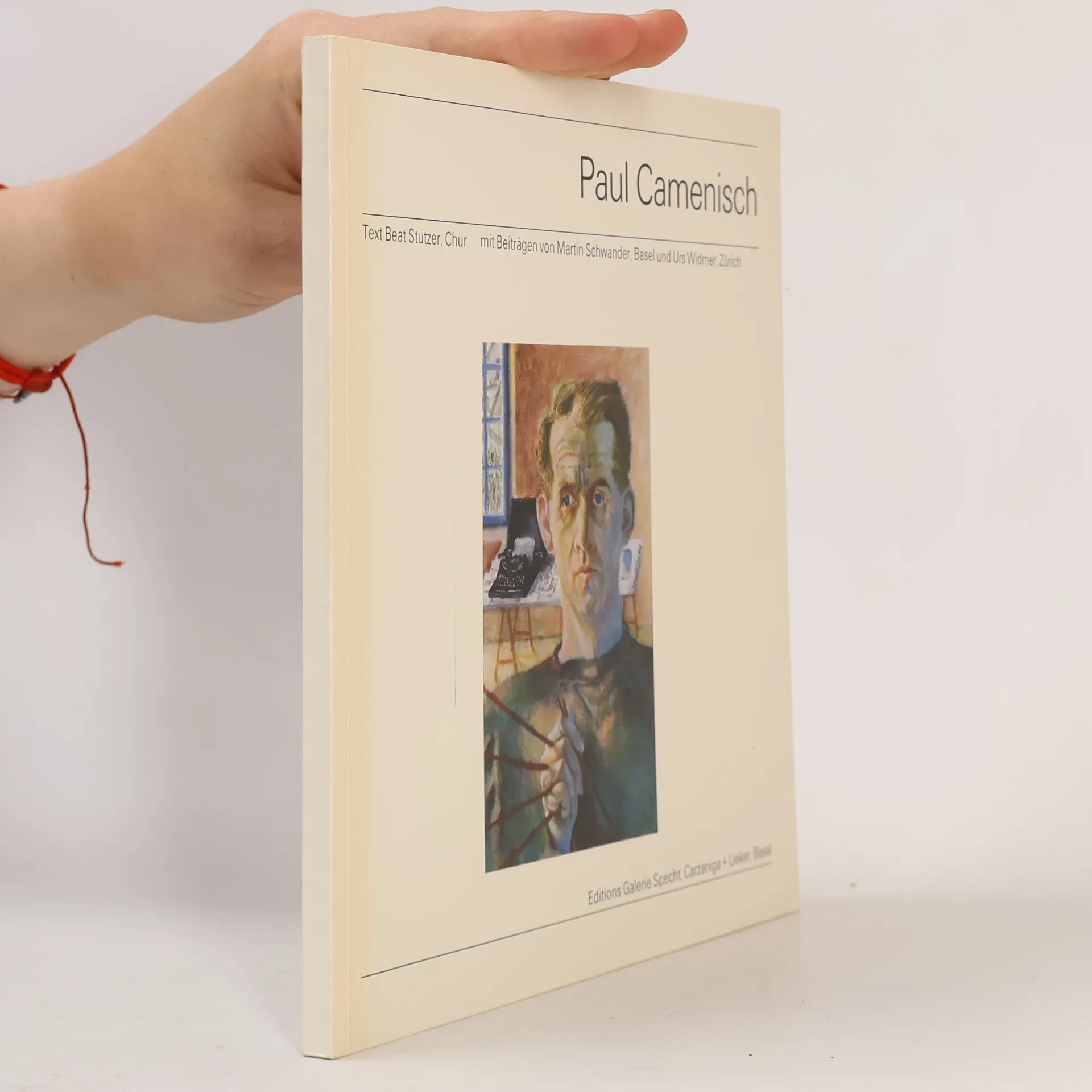
Ernst Ludwig Kirchner (1880–1938), Mitbegründer der Künstlervereinigung Die Brücke, liess sich 1918 in Davos nieder, wo er in der ersten Hälfte der 1920er-Jahre von mehreren jüngeren Künstlern besucht wurde. Die Auseinandersetzung mit dem bedeutenden Expressionisten in den Bergen wurde zum prägenden Einfluss für den deutschen Maler Philipp Bauknecht (1884–1933), den holländischen Maler und Bildhauer Jan Wiegers (1893–1959) und die Künstler der Basler Gruppe Rot-Blau, Paul Camenisch (1893–1970), Albert Müller (1897–1926) und Hermann Scherer (1893–1927). Dieses mit zahlreichen Abbildungen illustrierte Buch thematisiert zum ersten Mal den Dialog zwischen Kirchner und seinen Künstlerfreunden. Die Gliederung der Werke in Berglandschaften, Porträts, Skulpturen und Akte veranschaulicht die Auseinandersetzung mit Kirchners Motiven, Formensprache und Farbigkeit. Deutlich werden jedoch auch die je eigene Schaffenskraft und die autonome Werkentwicklung dieser Künstler. Das Buch erschien zu Ausstellungen im Kunstmuseum Bern, im Groninger Museum und im Bündner Kunstmuseum Chur.
HR Giger
The Oeuvre Before Alien 1961–1976
The only book to date to study HR Giger's art before his legendary work in Ridley Scott's Alien. Swiss surrealist artist HR Giger (1940-2014) was catapulted to international fame in 1979 for designing the inimitable creatures and otherworldly environments that terrified moviegoers who watched Ridley Scott's Alien. Yet before these iconic creations made him a Hollywood celebrity, Giger was already highly regarded in the international art world for his unique painting style and biomechanical dreamscapes. HR Giger:The Oeuvre Before Alien is the only book to date to document the artist's lesser-known work. The new edition of this richly illustrated book traces Giger's career from his education to the development of his drawing and painting technique to his eventual breakthrough as one of the foremost artists of the fantastic realism school. Featuring unpublished or rarely available early paintings and drawings accompanied by an essay by art historian Beat Stutzer, this volume also sets Giger's paintings side by side with predecessors such as Goya, Ensor, and Piranesi. HR Giger: The Oeuvre Before Alien illuminates the mind of a visual genius whose first artistic experiments were decades before their time.