

Bookbot

Basil Greenhill

    The Merchant Schooners
    Sail's Last Century
    The Advent of Steam
    The Evolution of the Wooden Ship
    National Maritime Museum
    Herzogin Cecilie
    • The Evolution of the Wooden Ship

      • 240 Seiten
      • 9 Lesestunden

      This book traces the evolution and associated traditions of the wooden ship, through her multiple forms and styles from her prehistoric beginnings to her demise shortly after the First World War. Details are provided on regional variations including the small three-masted schooner (Wales), the large three-masted schooner (Finland), the three-masted barque (Canada), and the four-master schooner (United States).

      The Evolution of the Wooden Ship
      5,0
    • The Advent of Steam

      The Merchant Steamship Before 1900

      • 200 Seiten
      • 7 Lesestunden

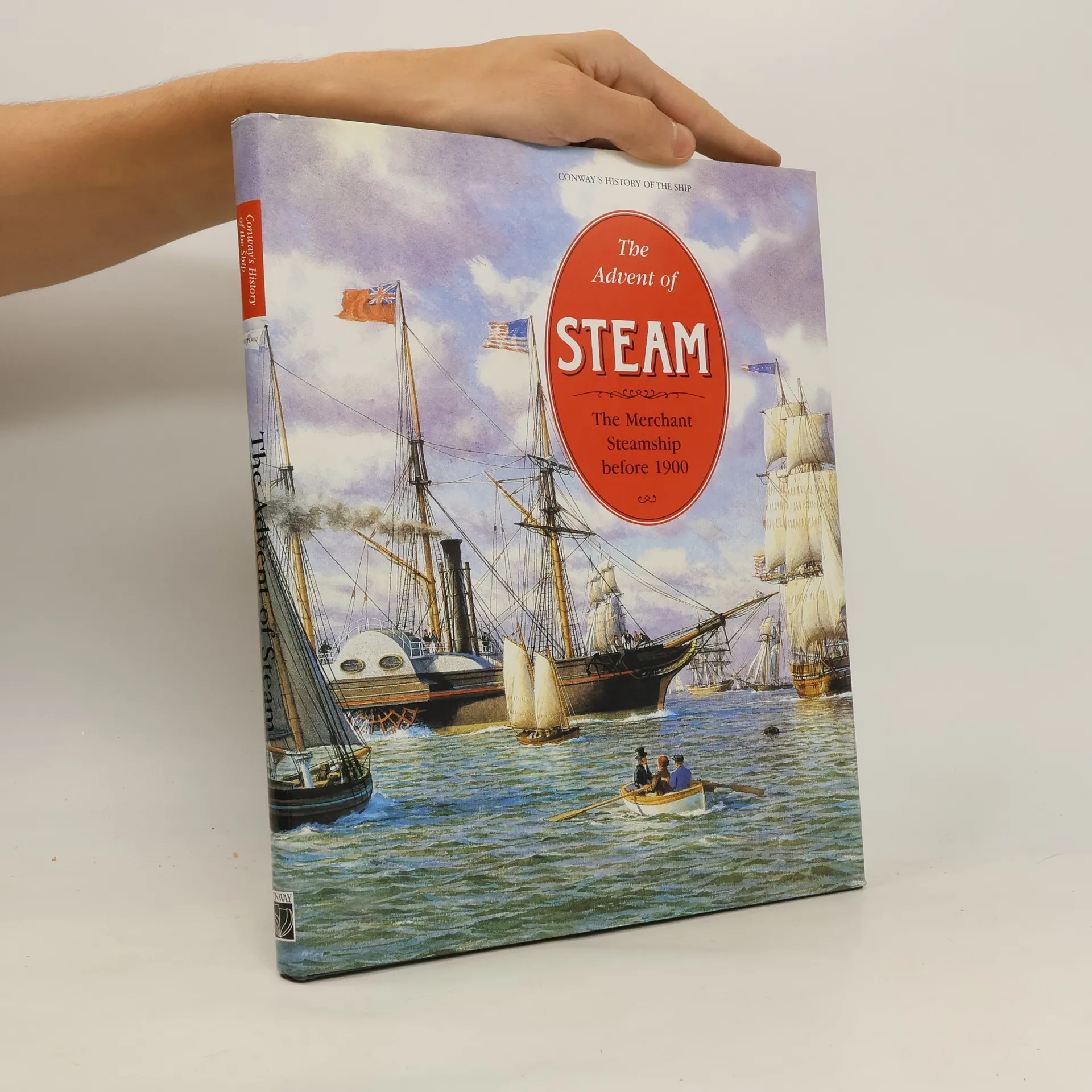
      The advent of steam power was one of the greatest innovations in maritime transport since the development of the three-masted ship. This book examines the history of the merchant steamship, from the introduction of the paddle to screw propulsion and the emergence of efficient compound engines.

      The Advent of Steam
    • This book charts the sailing ships course, the development of the schooner, and the sailing ship's transition from wood to iron and steel construction.

      Sail's Last Century
    • Conway's History of the Ship: The Advent of Steam

      The Merchant Steamship Before 1900

      • 192 Seiten
      • 7 Lesestunden

      <i>The Advent of Steam: The Merchant Ship Before 1900</i> The advent of steam power was the greatest innovation in maritime transport since the development of the three-masted ship in the Middle Ages, but it took nearly a century to become established, and the story of its development in Europe, the Far East and in America is the subject of this volume. There were good reasons, technical and economic, why the process was so lengthy and why sailing remained a viable option in so many trades throughout the century. As a mode of propulsion, the paddle wheel had many drawbacks and was only of limited use; even with the perfection of the screw propeller in the 1840s, progress was restrained by the uneconomic nature of early machinery, and it was not until efficient compound engines became widely available in the 1870s that the steamship finally flourished. Much of this volume represents original research and considerable reinterpretation. Some subjects, such as the sail-assisted steamer, have barely been addressed before, and so it represents a genuine step forward for our understanding of the development of the ship of this period. Lavishly illustrated, this informative volume, the fifth in a series, includes over 80 black-and-white photos, 130 illustrations, and over 20 tables.

      Conway's History of the Ship: The Advent of Steam