Yevgeny Zamyatin Reihenfolge der Bücher (Chronologisch)


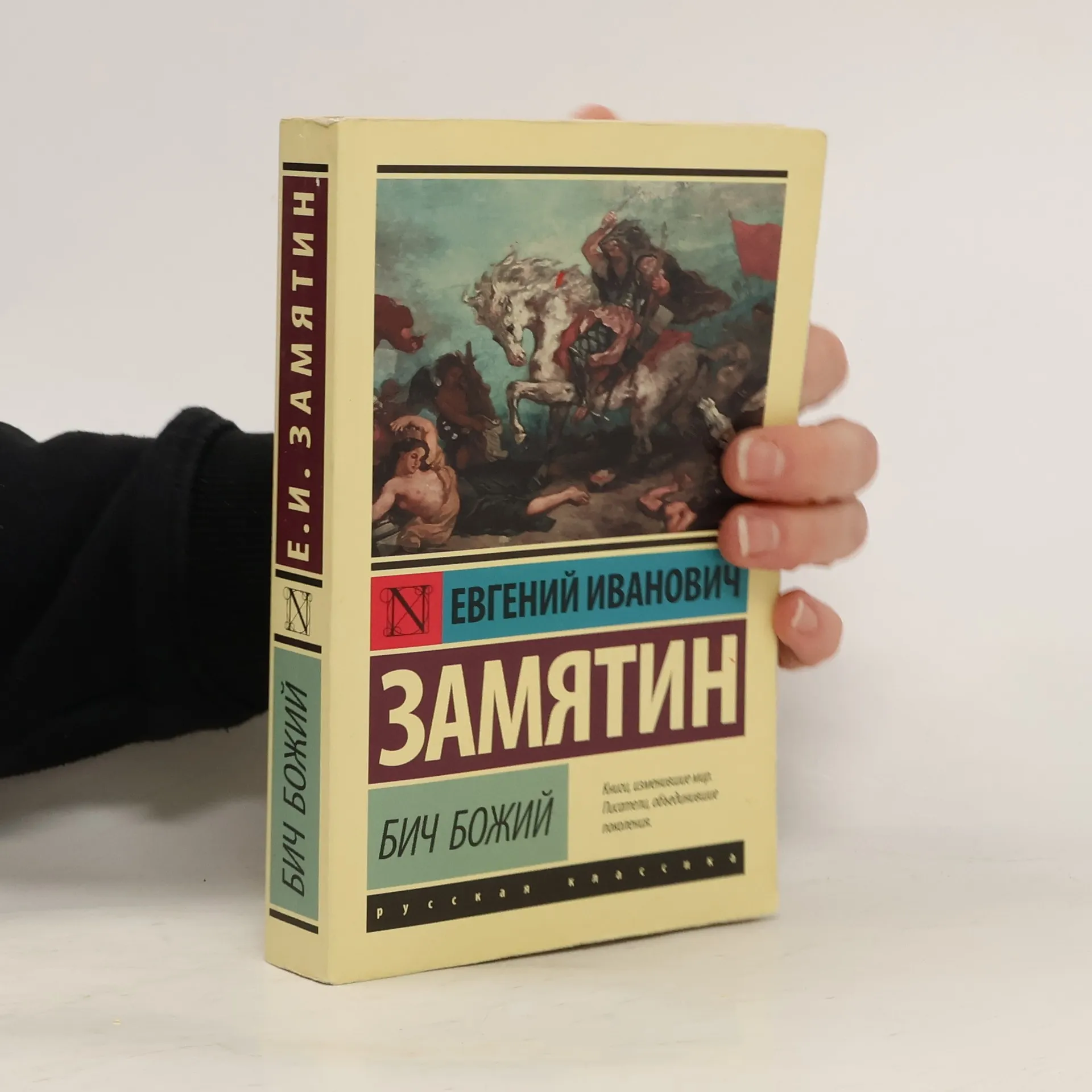
Бич Божий посвящён детству и юности великого завоевателя — царя гуннов Аттилы, который швырнул Европу под копыта своих бесчисленных степных орд. Повесть написана колоритно, увлекательно, ярко и образно. В сборник также входят рассказы, написанные Замятиным в мрачную эпоху революции и первых постреволюционных лет, демонстрирующие различные грани его выдающегося таланта прозаика — от дикой сатиры до поэтического лиризма, от жёсткого реализма до философской притчи.
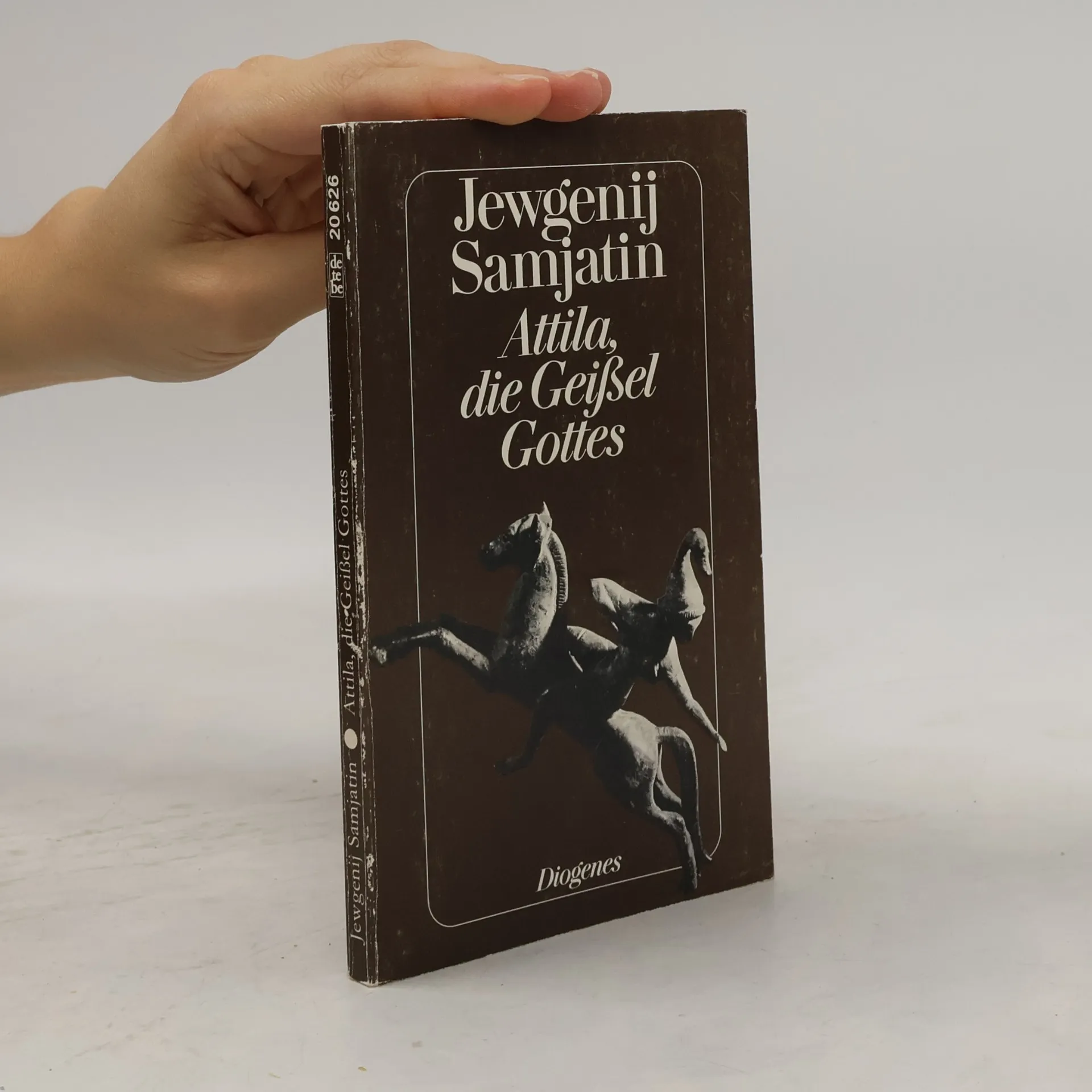
Attila, die Geißel Gottes
- 118 Seiten
- 5 Lesestunden
Der Roman schildert die Erlebnisse des jungen Attila, der als Geisel nach Rom geschickt wird und dort den Verfall des römischen Imperiums mit Verachtung beobachtet. Im Kontrast dazu steht der Historiker Priscus, der die Ereignisse bewusst analysiert. Durch dichte Bilder und fragmentarische Szenen entfaltet Samjatin die innere Entwicklung Attilas und reflektiert die prekäre Lage Roms, während sich der Konflikt zwischen einer aufstrebenden und einer zerfallenden Welt anbahnt.
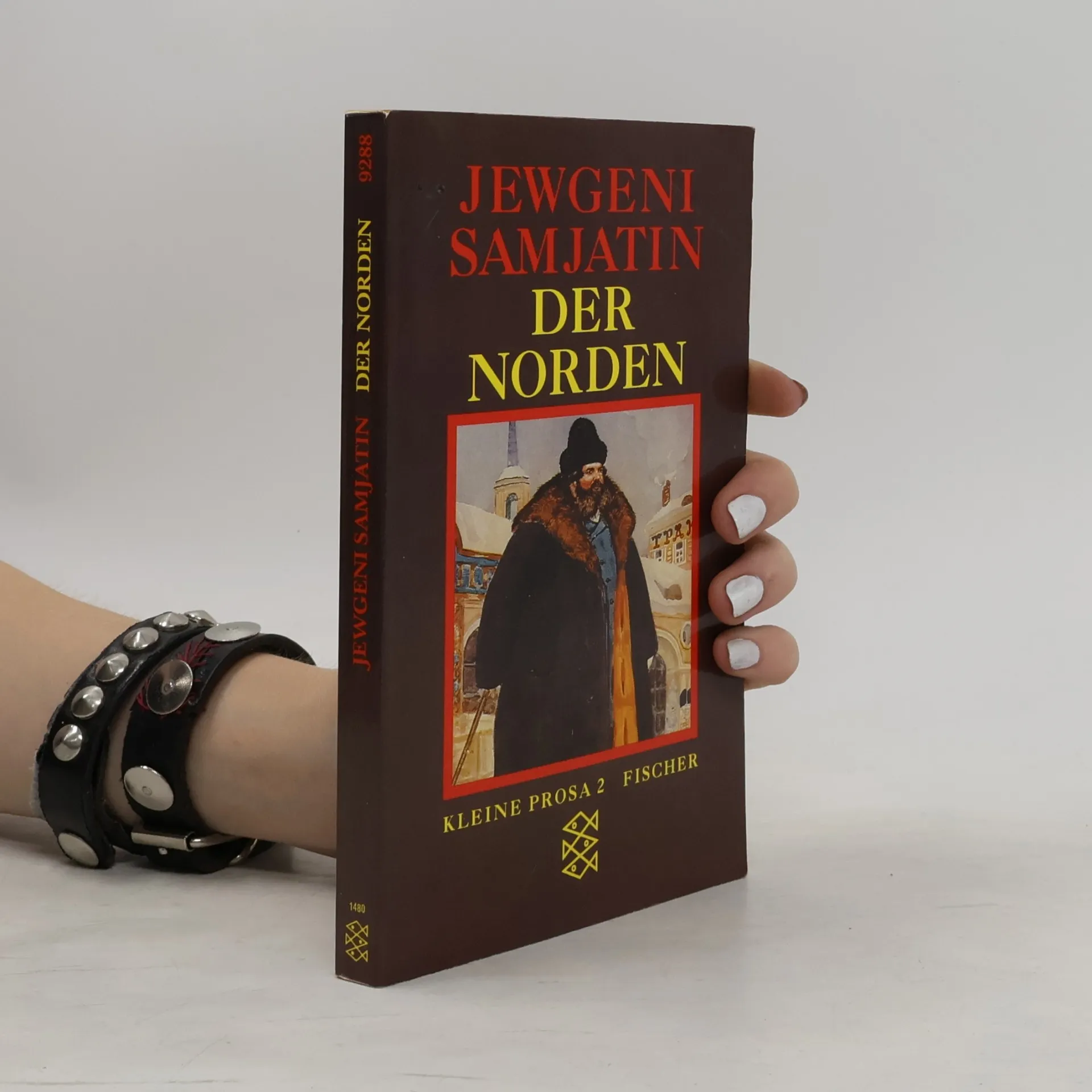
Im Norden spielt ein blaues Licht, und die Stille wird noch tiefer, noch grausamer. Es ist, als wäre man auf dem Grund der Welt, als türmte sich darüber undurchdringliches, blaues Eis, als schiene durch die tausend Werst starke Eisschicht eine gefrorene Sonne auf den Grund.
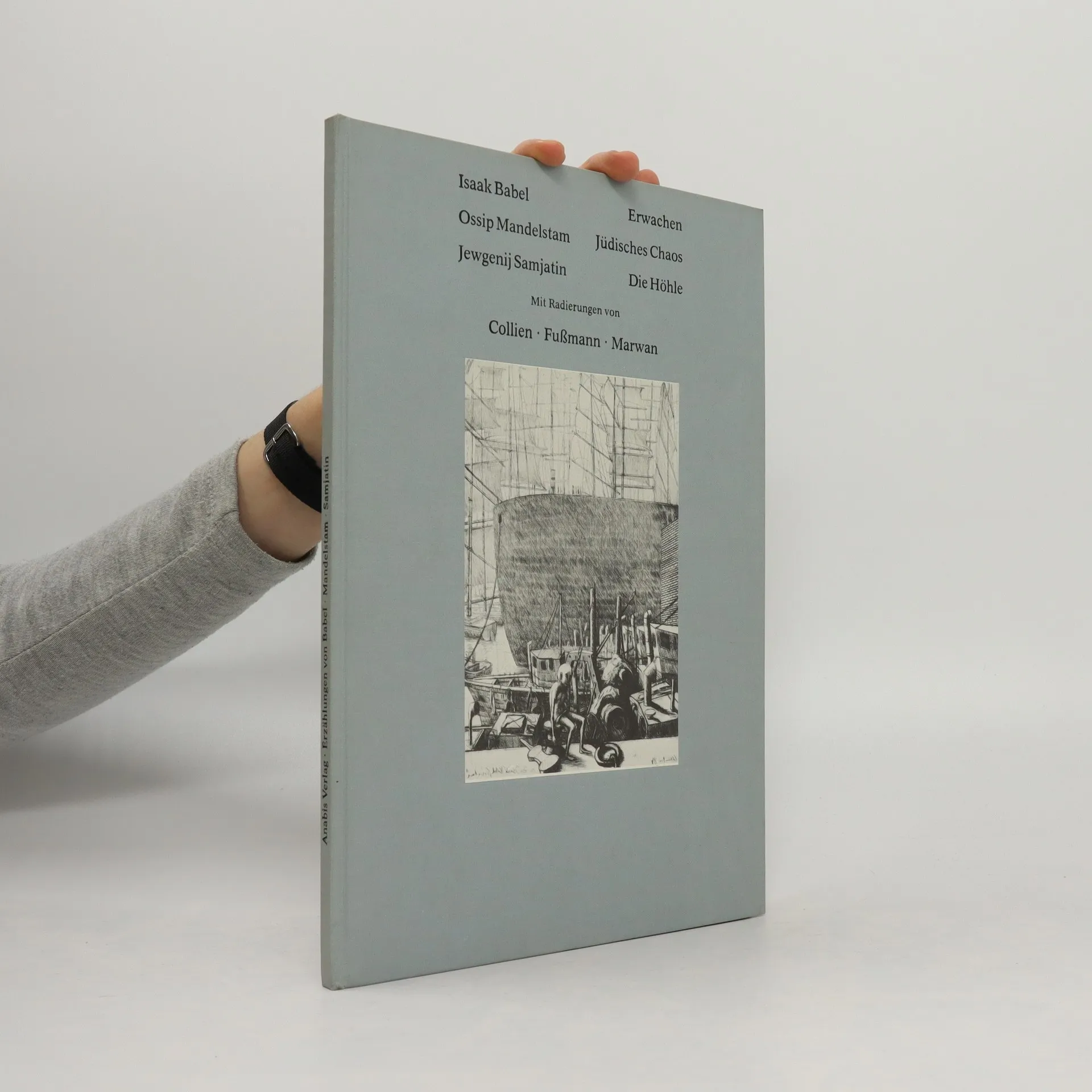
Erwachen, Jüdisches Chaos, Die Höhle
- 49 Seiten
- 2 Lesestunden
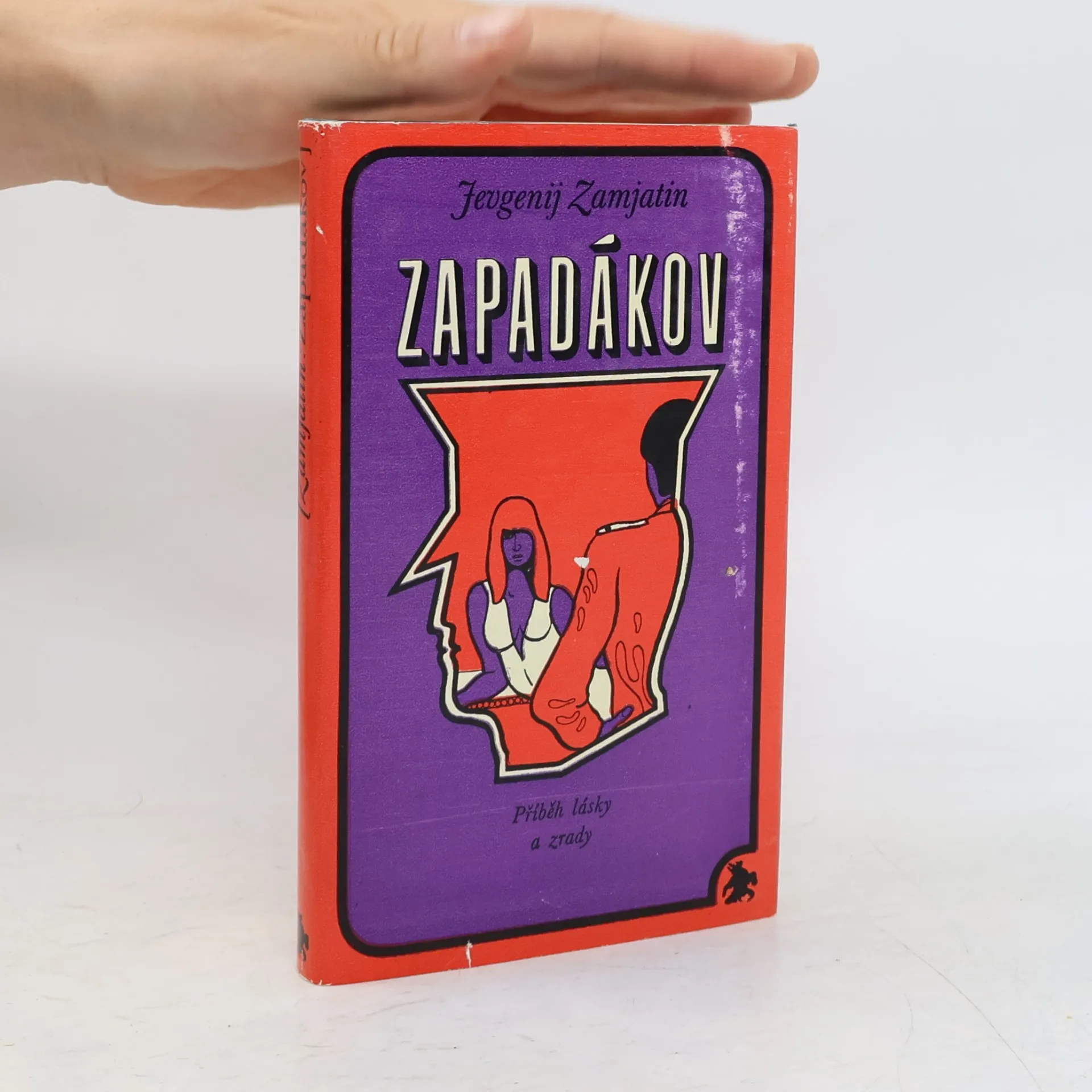
Soubor tří próz z různých období tvorby jednoho z nejvýznamnějších ruských prozaiků dvacátého století. Kritická novela Zapadákov (1914), odhalující poměry v carské armádě, líčí tragickou lásku mladého důstojníka na zapadlé vojenské posádce. Novela Psí život (1912) vypráví o venkovském zlodějíčkovi a chudákovi, který se po svízelném životě stává policejním strážmistrem. Poslední z nich, ponurá novela Vysoká voda (1929), je mistrným vyprávěním o ženě, jež si při porodu vzpomíná na zločin, který spáchala na životě své schovanky.
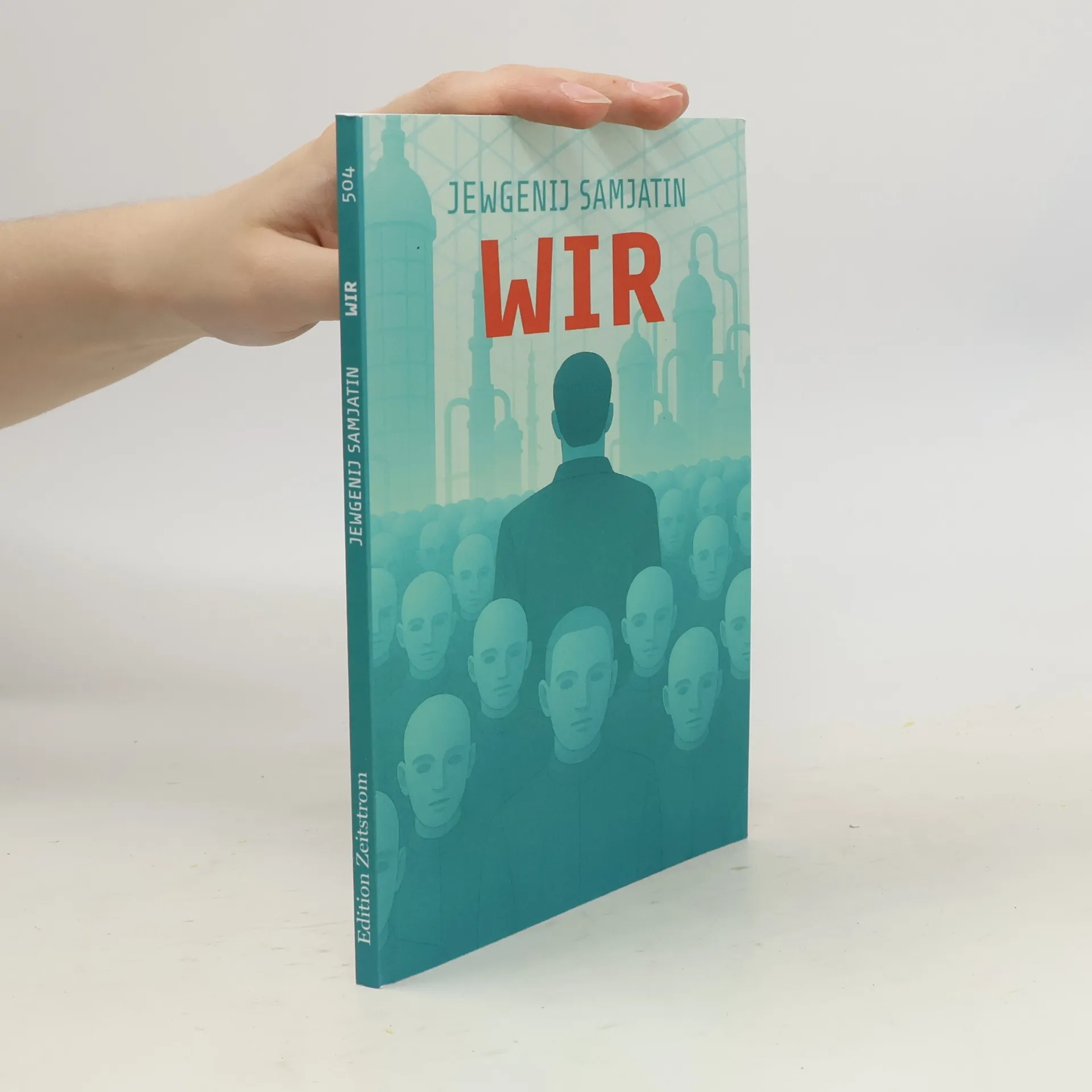
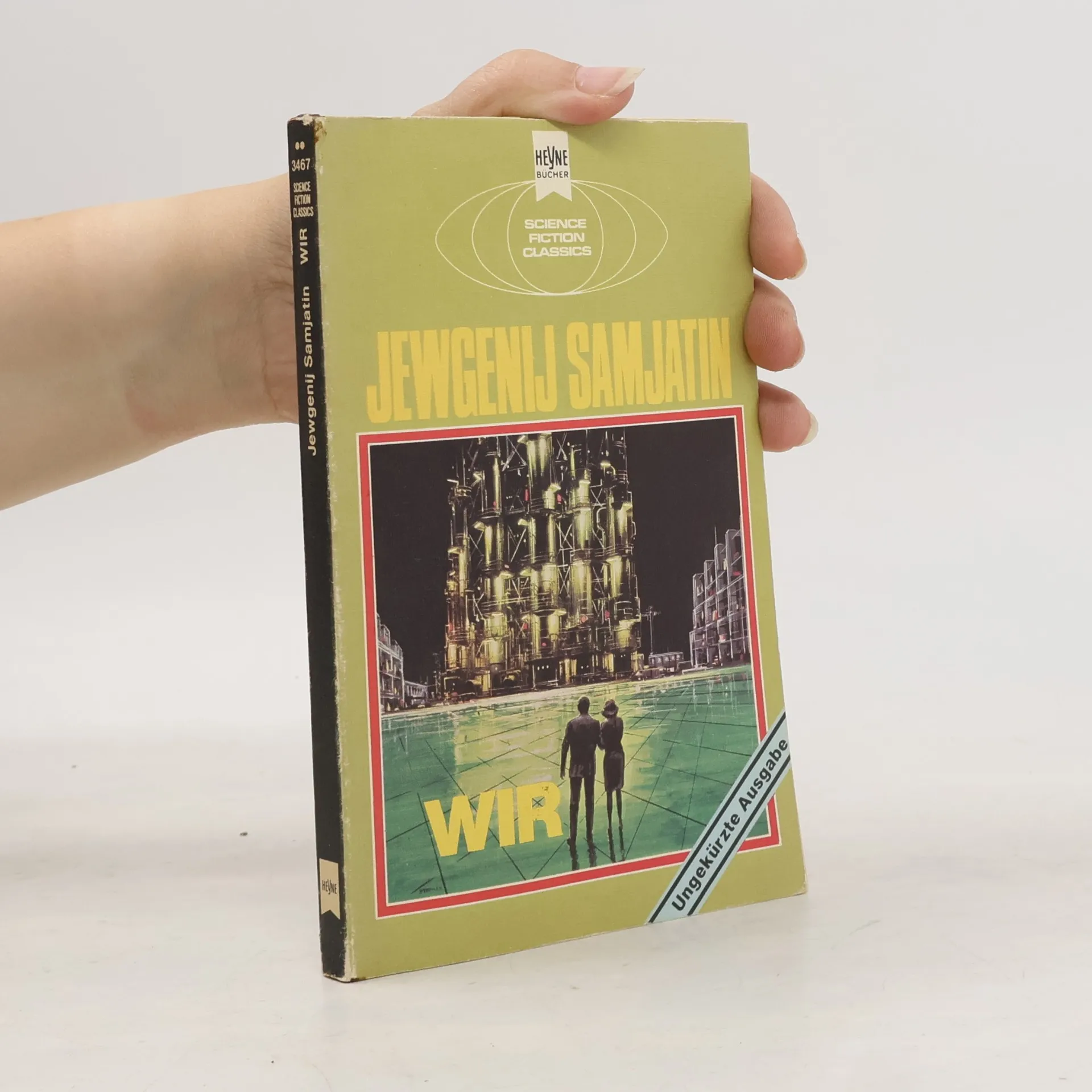
Wir
- 142 Seiten
- 5 Lesestunden
The first dystopia ever, it started asking uncomfortable questions about individuals, collectives, revolutions, progress — and the collectives’ rights to individuals’ souls in the name of revolutions and progress. This edition of We , the mother of all dystopias, is a new, XXI-century literary translation into idiomatic, contemporary American English that goes beyond the customary word-for-word translation. Unlike other currently available English translations, which have taken pains to downplay the politics of the original, this translation, commissioned specially by ENC Press, enhances, emphasizes, and deepens the transcendent relevance of Zamyatin's original take on the way politics affect the human condition, more crucial than ever in today’s political climate, as underscored in the publisher's introduction.