



Parameter
Mehr zum Buch
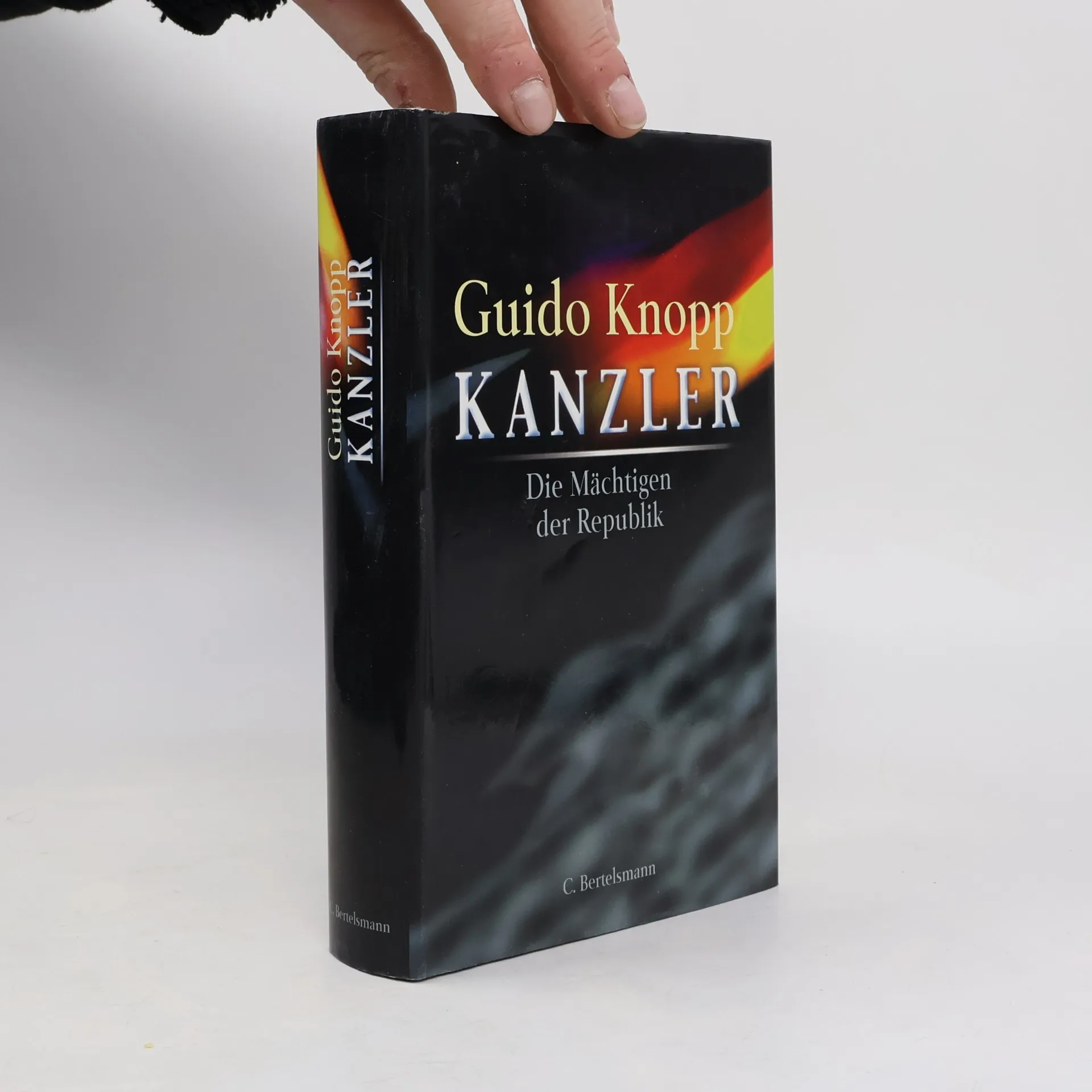
The 50th anniversary of the Federal Republic of Germany was celebrated in May 1999. Now Guido Knopp celebrates the history of this nation in "Kanzler". Rather than focusing on specific moments in Germany's history, Knopp documents the reigns of its seven chancellors - Konrad Adenauer, Ludwig Erhardt, Kurt-Georg Kiesinger, Willy Brandt, Helmut Schmidt, Helmut Kohl and Gerhard Schröder. He attempts to answer questions such How is power exercised? Who pulls the strings in the Chancellor's Office? Who are the authoritative advisors of the government heads? Who are their rivals? Once again Guido Knopp delivers proof of just how exciting history can be. In particular he shows that many facets of post-war politics in Germany have remained undisclosed to the public.Im September 2002 steht die nächste Bundestagswahl Wird Gerhard Schröder erneut das Vertrauen der Mehrheit gewinnen? Bei den früheren Wahlen haben die Wähler stets ein gutes Gespür dafür bewiesen, wem sie die mächtigste politische Position anvertrauten. Um sich ein fundiertes Urteil über die Leistungen und Schwächen Schröders bilden zu können, zieht Guido Knopp eine Bilanz seiner Hat es tatsächlich den 1998 von einer Mehrheit der Bundesbürger erhofften Umschwung gegeben? Welche Reformen waren erfolgreich, welche sind stecken geblieben oder nicht angepackt worden? Von Schröders Vorgänger Kohl, dem Kanzler der Einheit, dessen Arbeit und Regierungsstil wegen der Spendenaffäre


Von Kanzler (1999) sind aktuell auf Lager verfügbar.
Buchkauf
Kanzler, Guido Knopp
- Sprache

- Erscheinungsdatum
- 1999
- Einband
- (Paperback),
- Buchzustand
- Gebraucht - Gut
- Preis
- 2,79 €inkl. MwSt.
Hier könnte deine Bewertung stehen.
- Titel
- Kanzler
- Sprache
- Deutsch
- Autor*innen
- Guido Knopp
- Verlag
- Bertelsmann
- Erscheinungsdatum
- 1999
- Einband
- Paperback
- ISBN10
- 3570001385
- ISBN13
- 9783570001387
- Reihe
- Schlagwörter
- Historisches Thema, Deutschland
- Bewertung
- 4,5 von 5 Sternen
- Beschreibung
- The 50th anniversary of the Federal Republic of Germany was celebrated in May 1999. Now Guido Knopp celebrates the history of this nation in "Kanzler". Rather than focusing on specific moments in Germany's history, Knopp documents the reigns of its seven chancellors - Konrad Adenauer, Ludwig Erhardt, Kurt-Georg Kiesinger, Willy Brandt, Helmut Schmidt, Helmut Kohl and Gerhard Schröder. He attempts to answer questions such How is power exercised? Who pulls the strings in the Chancellor's Office? Who are the authoritative advisors of the government heads? Who are their rivals? Once again Guido Knopp delivers proof of just how exciting history can be. In particular he shows that many facets of post-war politics in Germany have remained undisclosed to the public.Im September 2002 steht die nächste Bundestagswahl Wird Gerhard Schröder erneut das Vertrauen der Mehrheit gewinnen? Bei den früheren Wahlen haben die Wähler stets ein gutes Gespür dafür bewiesen, wem sie die mächtigste politische Position anvertrauten. Um sich ein fundiertes Urteil über die Leistungen und Schwächen Schröders bilden zu können, zieht Guido Knopp eine Bilanz seiner Hat es tatsächlich den 1998 von einer Mehrheit der Bundesbürger erhofften Umschwung gegeben? Welche Reformen waren erfolgreich, welche sind stecken geblieben oder nicht angepackt worden? Von Schröders Vorgänger Kohl, dem Kanzler der Einheit, dessen Arbeit und Regierungsstil wegen der Spendenaffäre