

Parameter
- 224 Seiten
- 8 Lesestunden
Mehr zum Buch
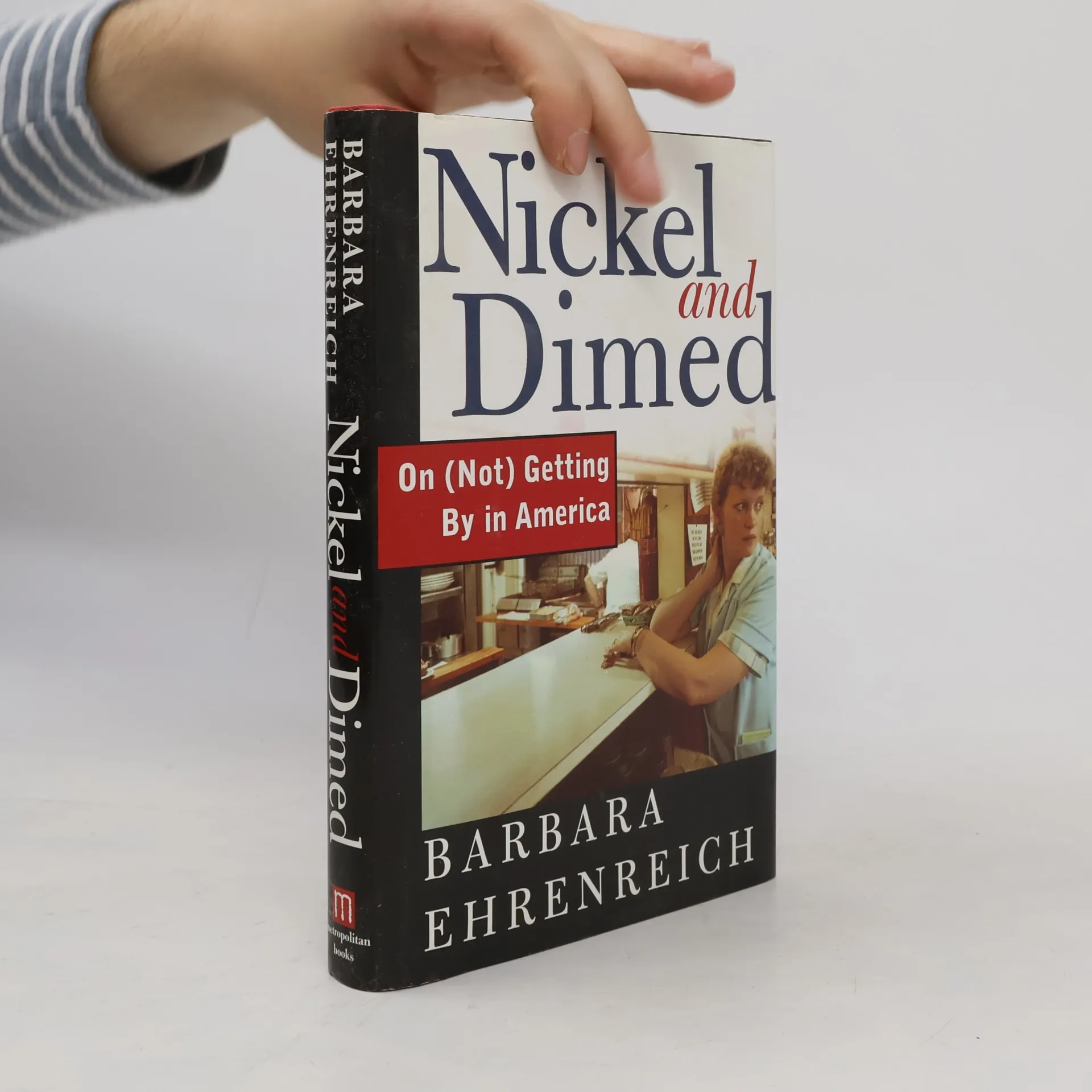
Essayist and cultural critic Barbara Ehrenreich challenges conventional wisdom with intelligence and clarity. With welfare reform pushing 12 million women into the labor market, she embarks on a journalistic quest to understand how they survive on unskilled wages of $6 to $7 an hour—far below a living wage. Ehrenreich immerses herself in the lives of these workers, taking on jobs as a waitress in Florida, where she is labeled "girl," and as a cleaning woman and nursing home assistant in Maine, navigating endless pre-employment tests filled with absurd questions. In Minnesota, she endures the oppressive scrutiny of Wal-Mart management, facing humiliation through mandatory drug tests. Despite her advantages—education, health, and initial funds—she juggles two jobs, seven days a week, and nearly faces homelessness. Ehrenreich's experience reveals that the poor possess survival strategies often overlooked by the middle class. She highlights a troubling reality: while rental prices soar, wages stagnate, forcing workers to take multiple low-paying jobs. With humor and outrage, she exposes the plight of the invisible poor, illustrating a world where hard work fails to guarantee escape from poverty and civil liberties are frequently disregarded.




Buchkauf
Nickel and Dimed, Barbara Ehrenreich
- Sprache

- Erscheinungsdatum
- 2001
- Einband
- (Hardcover),
- Buchzustand
- Gebraucht - Sehr gut
- Preis
- 4,09 €inkl. MwSt.
Hier könnte deine Bewertung stehen.
- Titel
- Nickel and Dimed
- Untertitel
- On (Not) Getting By in America
- Sprache
- Englisch
- Autor*innen
- Barbara Ehrenreich
- Verlag
- Metropolitan Books
- Erscheinungsdatum
- 2001
- Einband
- Hardcover
- Seitenzahl
- 224
- ISBN10
- 0805063889
- ISBN13
- 9780805063882
- Reihe
- Kategorien
- Schlagwörter
- Handel, Politik, Soziale Gerechtigkeit, Armut, Kapitalismus
- Originaltitel
- Nickel and dimed
- Bewertung
- 3,65 von 5 Sternen
- Beschreibung
- Essayist and cultural critic Barbara Ehrenreich challenges conventional wisdom with intelligence and clarity. With welfare reform pushing 12 million women into the labor market, she embarks on a journalistic quest to understand how they survive on unskilled wages of $6 to $7 an hour—far below a living wage. Ehrenreich immerses herself in the lives of these workers, taking on jobs as a waitress in Florida, where she is labeled "girl," and as a cleaning woman and nursing home assistant in Maine, navigating endless pre-employment tests filled with absurd questions. In Minnesota, she endures the oppressive scrutiny of Wal-Mart management, facing humiliation through mandatory drug tests. Despite her advantages—education, health, and initial funds—she juggles two jobs, seven days a week, and nearly faces homelessness. Ehrenreich's experience reveals that the poor possess survival strategies often overlooked by the middle class. She highlights a troubling reality: while rental prices soar, wages stagnate, forcing workers to take multiple low-paying jobs. With humor and outrage, she exposes the plight of the invisible poor, illustrating a world where hard work fails to guarantee escape from poverty and civil liberties are frequently disregarded.