

Parameter
- 493 Seiten
- 18 Lesestunden
Mehr zum Buch
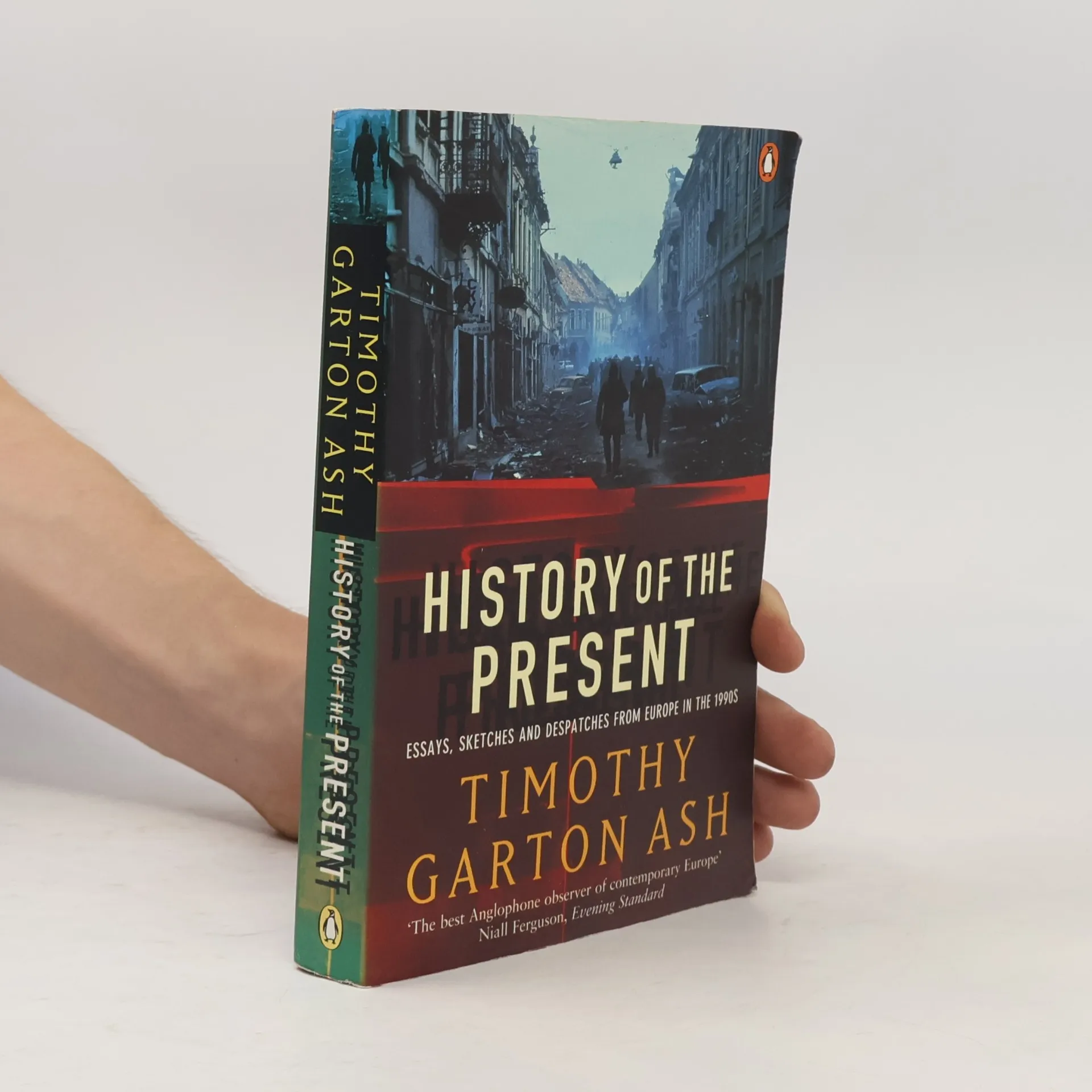
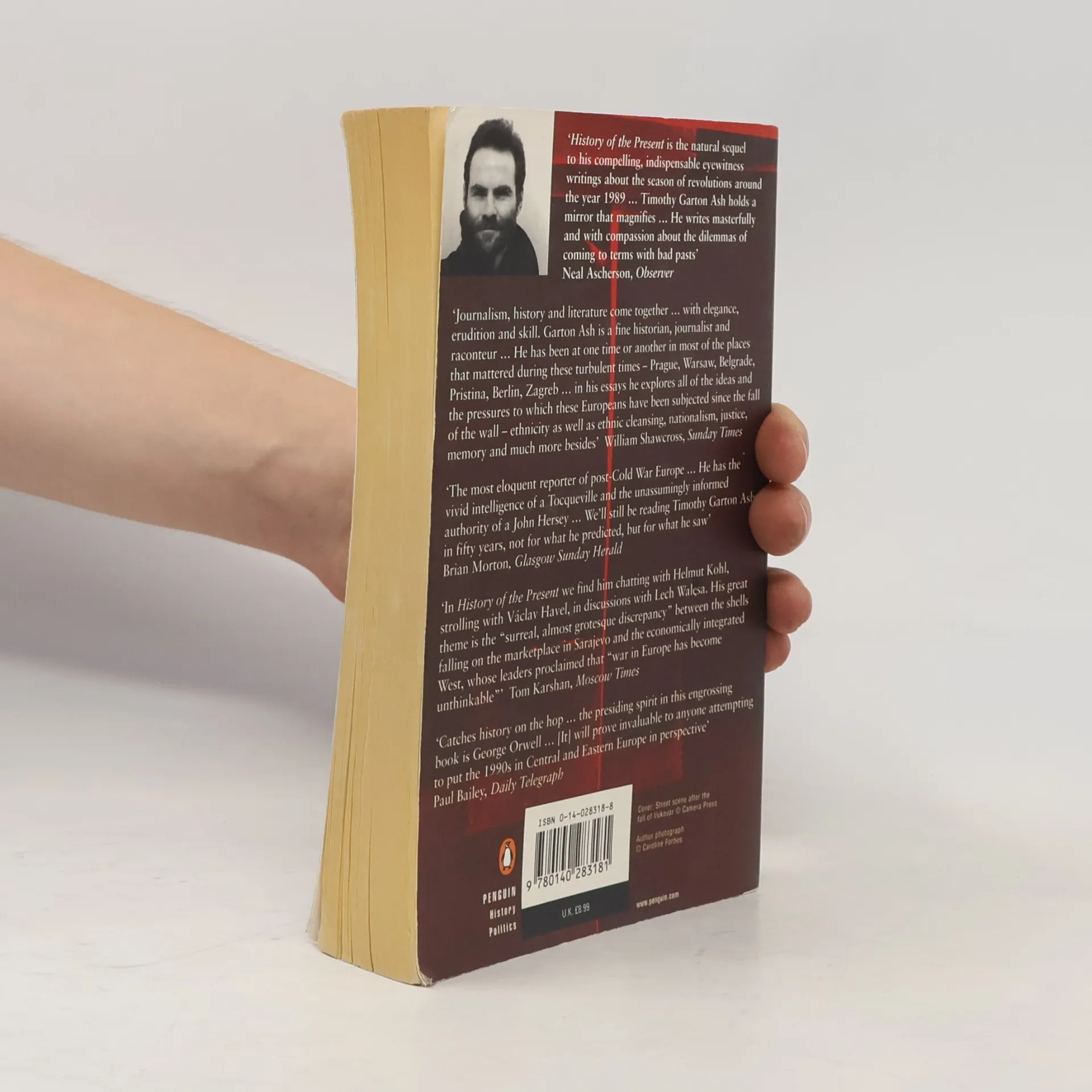
In the 1980s, Timothy Garton Ash was a respected Central Europe reporter, his books The Magic Lantern, The Uses of Adversity, and The Polish Revolution required reading on the area, still very much a specialized field. In the 1990s, Europe's supposed margins forced their way center stage, and everyone wants to know--needs to know--about Lech Walesa's fall from power in Poland, why Czechoslovakia and Yugoslavia crumbled into pieces, about Bosnia and Kosovo, where Russia is going. These are the stories that fill our front pages at the turn of the millennium, and dominate discussions in Brussels and beyond. History of the Present is a series of 29 essays, sketches, and dispatches filed during the 1990s, its title coined by George Kennan in an attempt to capture the uniqueness of Garton Ash's work--journalistically contemporary and yet with a sense of historical perspective usually found only with that handily sure-footed guide, hindsight. Some of the pieces are now "outdated" in a narrow news sense, but all the more valuable for that--history-with-hindsight will inevitably iron out all the telling creases that Garton Ash records. What he produces is, in his own word, a "kaleidoscope" that eludes crass summary, but even so, he concludes with some wise words on what Europe might now mean at the end of the decade.




Buchkauf
History of the Present, Timothy Garton Ash
- Sprache

- Erscheinungsdatum
- 1999
- Einband
- (Paperback),
- Buchzustand
- Gebraucht - Gut
- Preis
- 2,39 €inkl. MwSt.
Hier könnte deine Bewertung stehen.
- Titel
- History of the Present
- Sprache
- Englisch
- Autor*innen
- Timothy Garton Ash
- Verlag
- Penguin Books
- Erscheinungsdatum
- 1999
- Einband
- Paperback
- Seitenzahl
- 493
- ISBN10
- 0140283188
- ISBN13
- 9780140283181
- Reihe
- Kategorien
- Schlagwörter
- Historisches Thema, Politik, Britische Literatur, Geschichte Europas, Journalismus
- Originaltitel
- History of the present
- Bewertung
- 3,6 von 5 Sternen
- Beschreibung
- In the 1980s, Timothy Garton Ash was a respected Central Europe reporter, his books The Magic Lantern, The Uses of Adversity, and The Polish Revolution required reading on the area, still very much a specialized field. In the 1990s, Europe's supposed margins forced their way center stage, and everyone wants to know--needs to know--about Lech Walesa's fall from power in Poland, why Czechoslovakia and Yugoslavia crumbled into pieces, about Bosnia and Kosovo, where Russia is going. These are the stories that fill our front pages at the turn of the millennium, and dominate discussions in Brussels and beyond. History of the Present is a series of 29 essays, sketches, and dispatches filed during the 1990s, its title coined by George Kennan in an attempt to capture the uniqueness of Garton Ash's work--journalistically contemporary and yet with a sense of historical perspective usually found only with that handily sure-footed guide, hindsight. Some of the pieces are now "outdated" in a narrow news sense, but all the more valuable for that--history-with-hindsight will inevitably iron out all the telling creases that Garton Ash records. What he produces is, in his own word, a "kaleidoscope" that eludes crass summary, but even so, he concludes with some wise words on what Europe might now mean at the end of the decade.