



Mehr zum Buch
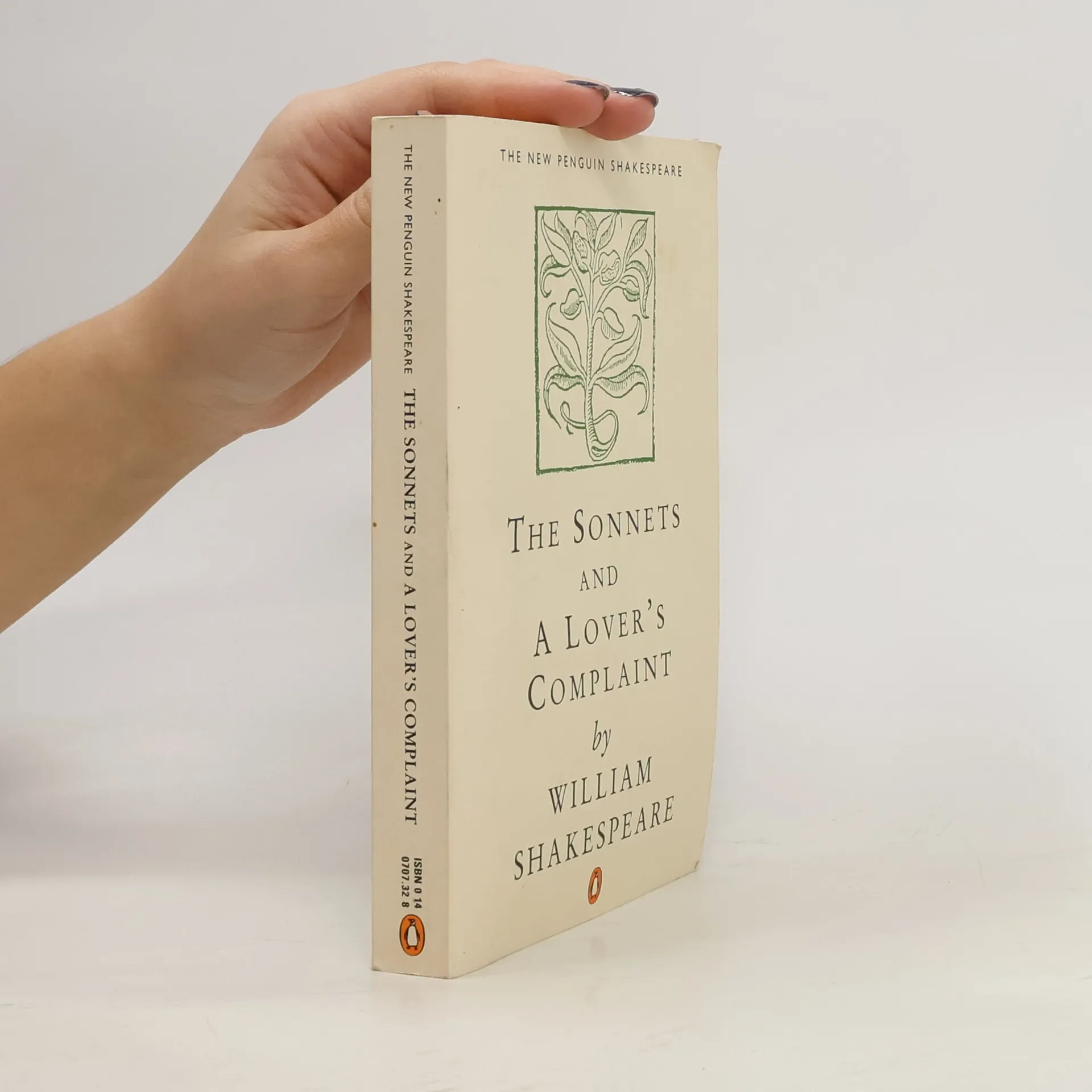
When a volume of poetry entitled Shake-speares Sonnets. Neuer before Imprinted appeared in 1609, Shakespeare was forty-five and most of his greatest plays had seen several performances. Some of the sonnets, speaking of the begetting of children, mortality and memory, art, desire and jealousy, are addressed to a beloved youth; others are addressed to a treacherous mistress, a "dark lady." Appended to the sonnets is "A Lover's Complaint, " a beautiful poem in rhyme-royal in which a young woman is overheard lamenting her betrayal by a heartless seducer. While Shakespeare's biographers continue their investigations, readers may find the "secret" of the sonnets in the poetry itself. In this spirit John Kerrigan provides an illuminating Introduction to the volume as a whole, together with 258 pages of commentaries on the poems, a textual history, and suggestions for further reading.
Sprache


Publikation



- 2024


- 2023
- 2022
- 2022
- 2022
- 2022
- 2022
- 2022
- 2022
- 2022
- 2022
- 2022


- 2021
- 2021
- 2021
- 2020
- 2020

- 2018

- 2017
- 2017
- 2017
- 2017


- 2016
- 2016
- 2015
- 2015
- 2013
- 2012
- 2012
- 2012


- 2010

- 2009
- 2009
- 2009

- 2007
- 2007

- 2005
- 2005
- 2004

- 2001




- 1999



















Buchkauf
The Sonnets and A Lover's Complaint, William Shakespeare
- Sprache

- Erscheinungsdatum
- 1995
- Einband
- (Paperback)
Hier könnte deine Bewertung stehen.
- Sprache
- Englisch
- Autor*innen
- William Shakespeare
- Verlag
- Penguin Books
- Erscheinungsdatum
- 1995
- Einband
- Paperback
- Seitenzahl
- 464
- ISBN10
- 0140707328
- ISBN13
- 9780140707328
- Reihe
- Schlagwörter
- Belletristik, Poesie, Klassiker, Englische Literatur, William Shakespeare, 1564-1616, Liebeslyrik, Englische Poesie, Sonette, Renaissance (Literatur)
- Erstveröffentlichung
- 1944
- Originaltitel
- A New Variorum Edition of Shakespeare, The Sonnets
- Bewertung
- 4,2 von 5 Sternen
- Beschreibung
- When a volume of poetry entitled Shake-speares Sonnets. Neuer before Imprinted appeared in 1609, Shakespeare was forty-five and most of his greatest plays had seen several performances. Some of the sonnets, speaking of the begetting of children, mortality and memory, art, desire and jealousy, are addressed to a beloved youth; others are addressed to a treacherous mistress, a "dark lady." Appended to the sonnets is "A Lover's Complaint, " a beautiful poem in rhyme-royal in which a young woman is overheard lamenting her betrayal by a heartless seducer. While Shakespeare's biographers continue their investigations, readers may find the "secret" of the sonnets in the poetry itself. In this spirit John Kerrigan provides an illuminating Introduction to the volume as a whole, together with 258 pages of commentaries on the poems, a textual history, and suggestions for further reading.