

Mehr zum Buch
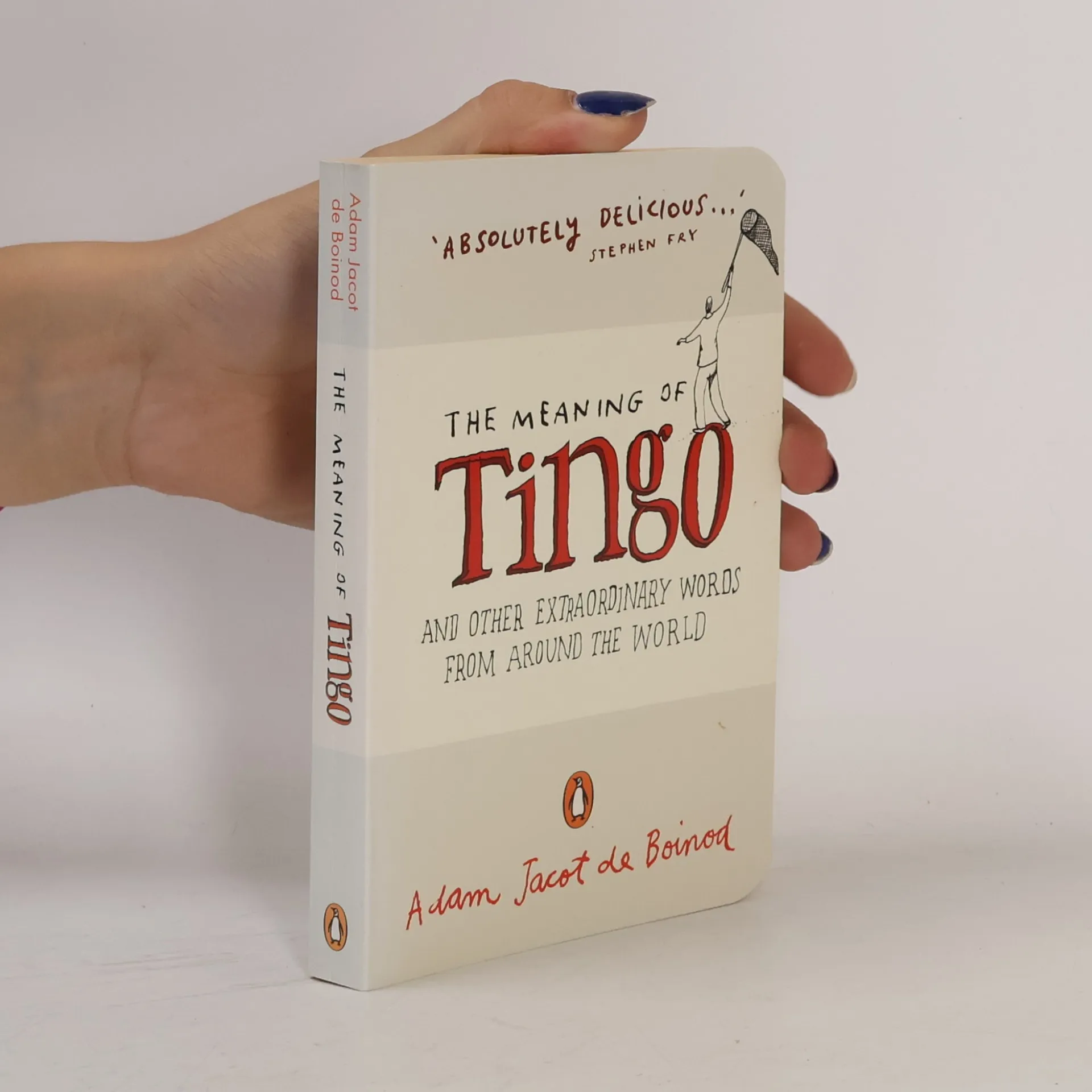
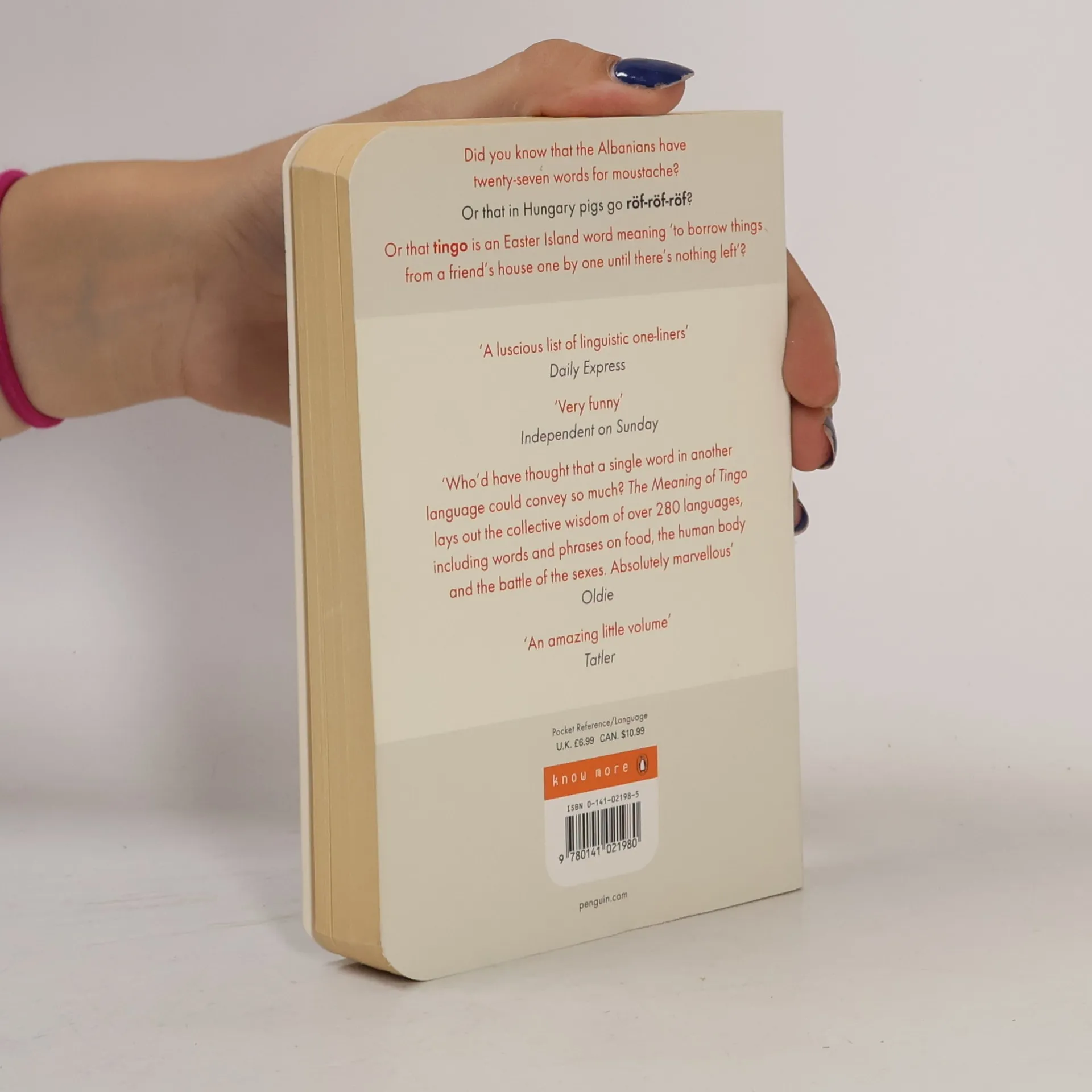
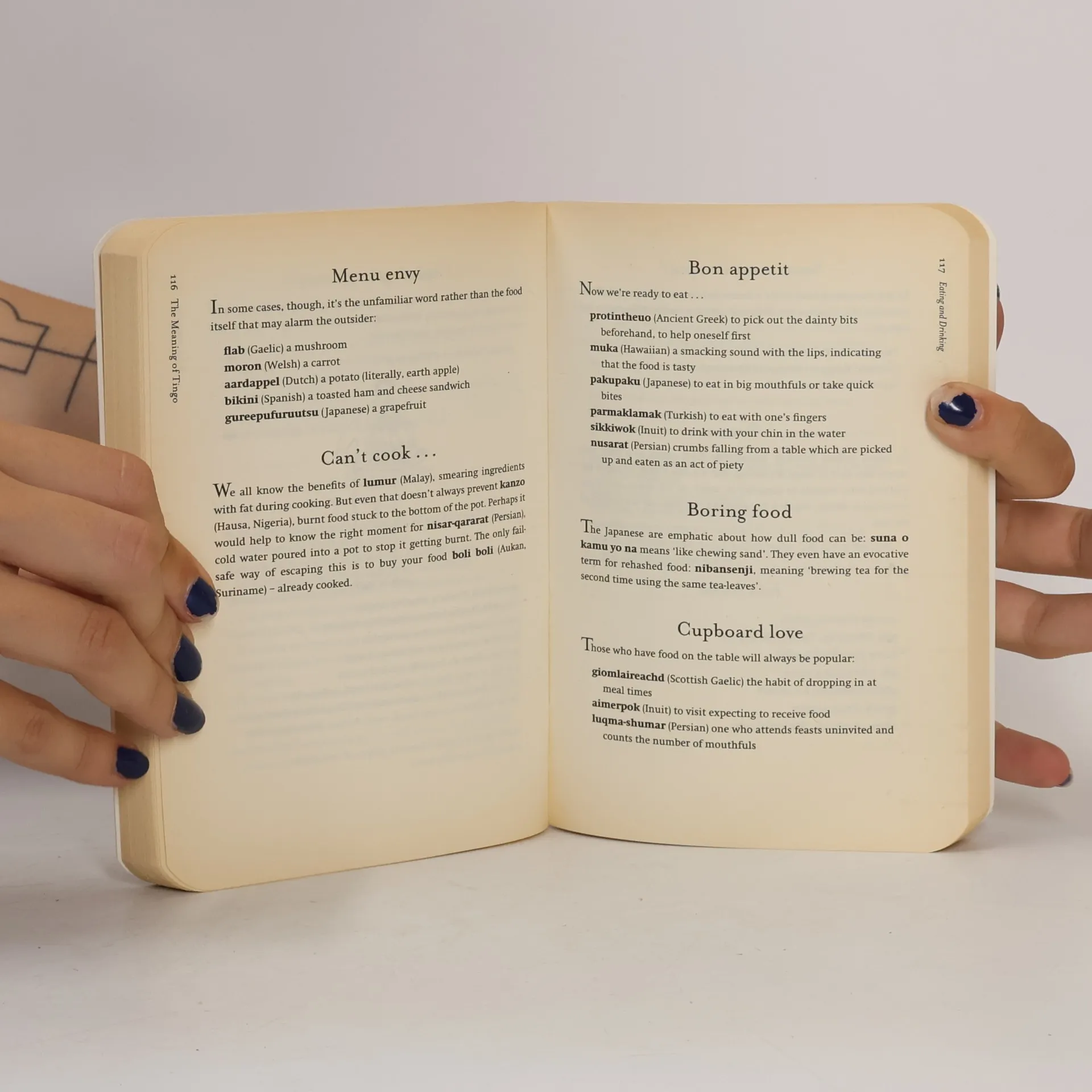
Did you know that people in Indonesia have a word that means to take off your clothes in order to dance'? Or how many words the Albanians have for eyebrows and moustaches? Or that the Dutch word for skimming stones is plimpplamppletteren? Drawing on the collective wisdom of over 154 languages, this intriguing book is arranged by theme so you can compare attitudes all over the world to such subjects as food, the human body and the battle of the sexes. Here, you can find not only those words for which there is no direct counterpart in English (such as the Japanese age-otori which means looking less attractive after a haircut), but also a frank discussion of exactly how many Eskimo' terms there are for snow, and a vast array of information exploring the wonderful and often downright strange world of words. Oh, and tingo means 'to take all the objects one desires from the house of a friend, one at a time, by asking to borrow them'.




Buchkauf
Meaning Of Tingo, Adam Jacot De Boinod
- Sprache

- Erscheinungsdatum
- 2006
- Einband
- (Paperback),
- Buchzustand
- Gebraucht - Gut
- Preis
- 3,19 €inkl. MwSt.
Hier könnte deine Bewertung stehen.
- Titel
- Meaning Of Tingo
- Untertitel
- And Other Extraordinary Words from Around the World
- Sprache
- Englisch
- Autor*innen
- Adam Jacot De Boinod
- Verlag
- Penguin UK
- Erscheinungsdatum
- 2006
- Einband
- Paperback
- Seitenzahl
- 224
- ISBN10
- 0141021985
- ISBN13
- 9780141021980
- Reihe
- Schlagwörter
- Historisches Thema, Handbücher und Anleitungen, Humor, Kultur und Gesellschaft, Linguistik, Fremdsprachen, Semantik
- Originaltitel
- The meaning of tingo
- Bewertung
- 3,5 von 5 Sternen
- Beschreibung
- Did you know that people in Indonesia have a word that means to take off your clothes in order to dance'? Or how many words the Albanians have for eyebrows and moustaches? Or that the Dutch word for skimming stones is plimpplamppletteren? Drawing on the collective wisdom of over 154 languages, this intriguing book is arranged by theme so you can compare attitudes all over the world to such subjects as food, the human body and the battle of the sexes. Here, you can find not only those words for which there is no direct counterpart in English (such as the Japanese age-otori which means looking less attractive after a haircut), but also a frank discussion of exactly how many Eskimo' terms there are for snow, and a vast array of information exploring the wonderful and often downright strange world of words. Oh, and tingo means 'to take all the objects one desires from the house of a friend, one at a time, by asking to borrow them'.