

Parameter
- 288 Seiten
- 11 Lesestunden
Mehr zum Buch
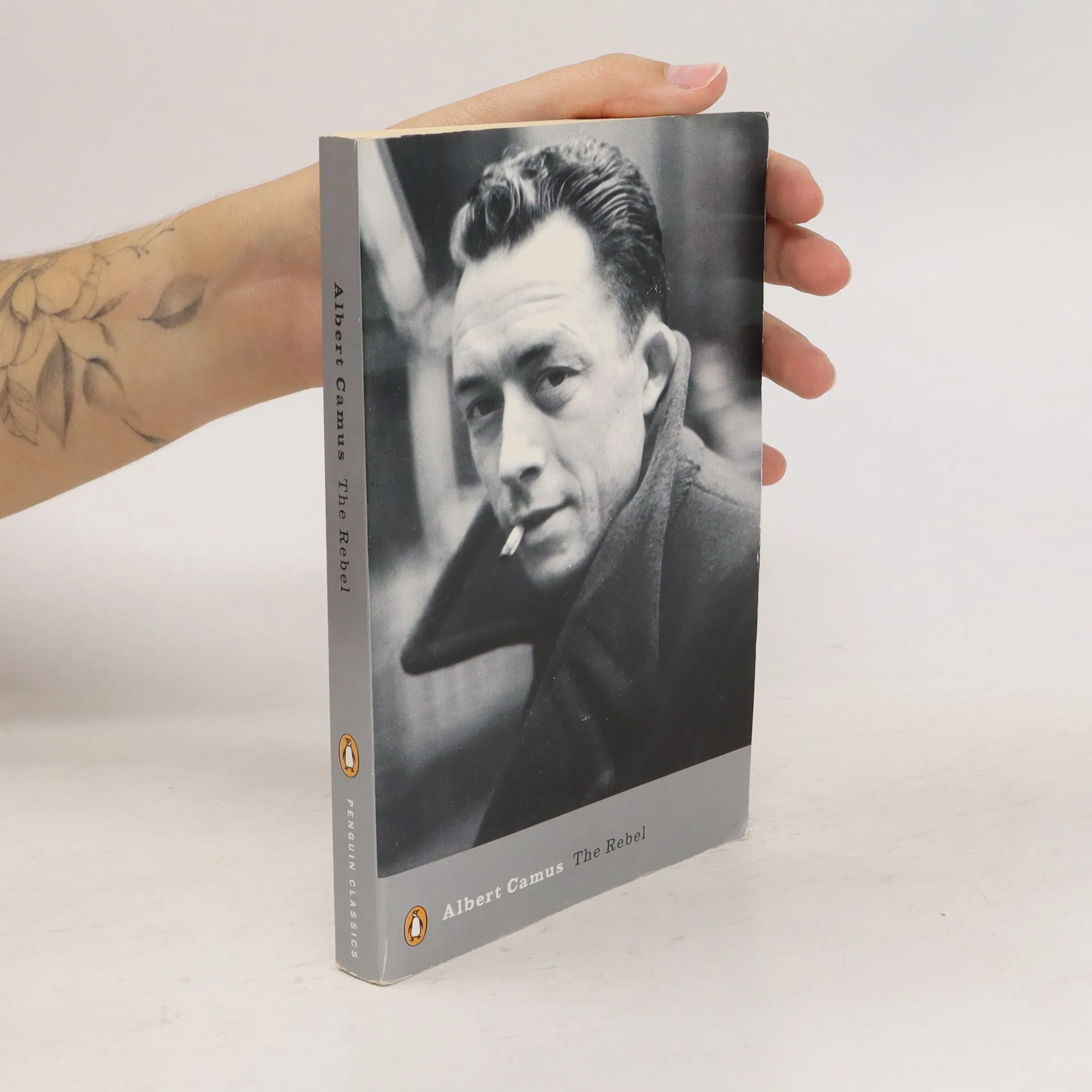
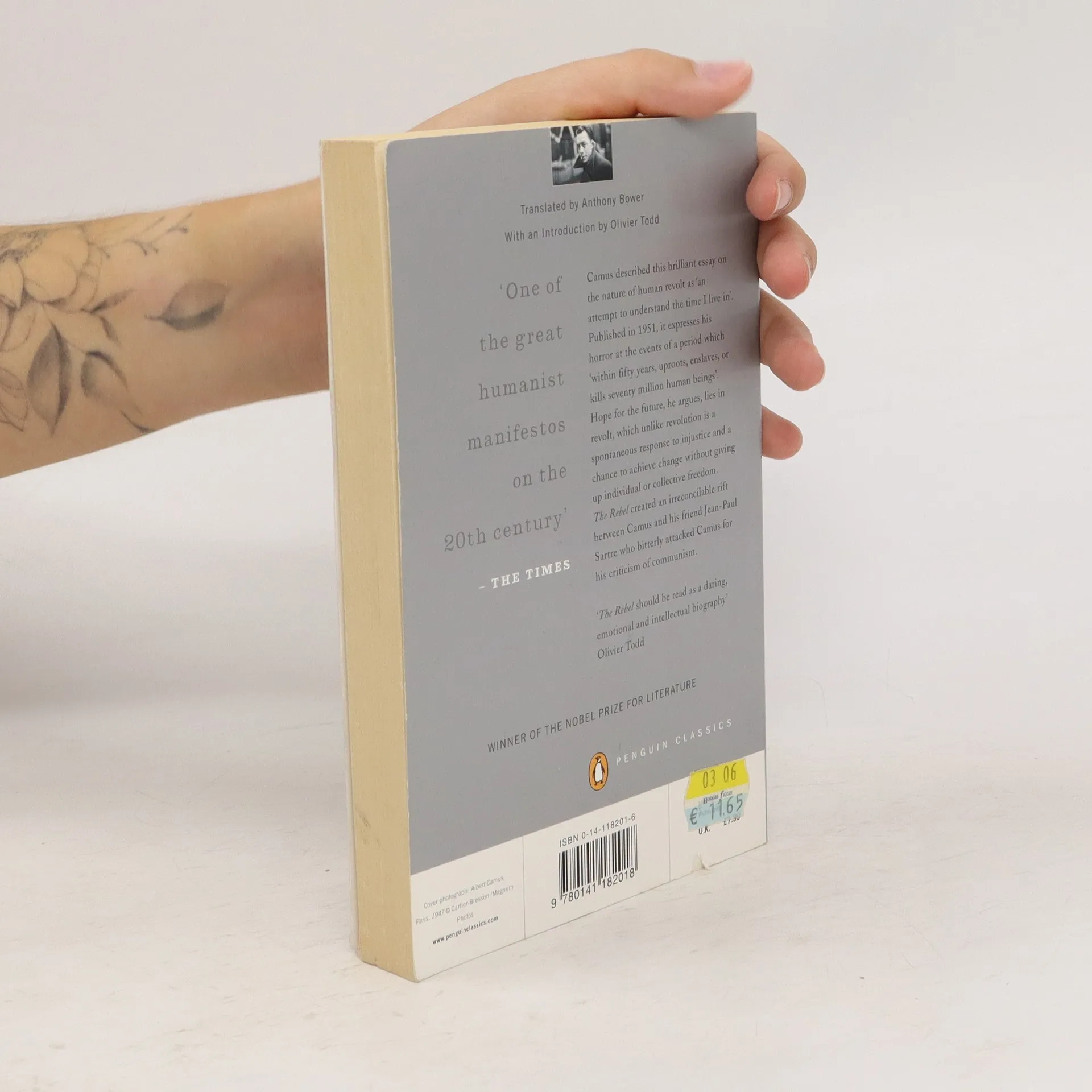
Translated by Anthony Bower With an Introduction by Oliver Todd 'A conscience with style' V.S. Pritchett The Rebel (1951) is Camus's 'attempt to understand the time I live in' and a brilliant essay on the nature of human revolt. Here he makes a daring critique of communism - how it had gone wrong behind the Iron Curtain and the resulting totalitarian regimes. And he questions two events held sacred by the left wing - the French Revolution of 1789 and the Russian Revolution of 1917 - that had resulted, he believed, in the use of terrorism as a political instrument. In this towering intellectual document, Camus argues that hope for the future lies in revolt with revolution - a chance to achieve change without losing our freedom. 'The last French intellectual to take the side of humanity and talk its language . . . a figure of immense moral stature' Sunday Times Winner of the Nobel Prize for Literature







Buchkauf
The Rebel, Albert Camus
- Sprache

- Erscheinungsdatum
- 2000
- product-detail.submit-box.info.binding
- (Paperback)
Hier könnte deine Bewertung stehen.
- Titel
- The Rebel
- Sprache
- Englisch
- Autor*innen
- Albert Camus
- Verlag
- Penguin classics
- Erscheinungsdatum
- 2000
- Einband
- Paperback
- Seitenzahl
- 288
- ISBN10
- 0141182016
- ISBN13
- 9780141182018
- Reihe
- Schlagwörter
- Sachbücher, Sozialwissenschaften, Wahre Geschichten, Politikwissenschaft, Philosophisches Thema, Politik, Frankreich, Meinungsjournalismus, Geschenke für Opa, Französische Literatur, Existenzialismus
- Erstveröffentlichung
- 1951
- Originaltitel
- ĽHomme révolté
- Bewertung
- 4,15 von 5 Sternen
- Beschreibung
- Translated by Anthony Bower With an Introduction by Oliver Todd 'A conscience with style' V.S. Pritchett The Rebel (1951) is Camus's 'attempt to understand the time I live in' and a brilliant essay on the nature of human revolt. Here he makes a daring critique of communism - how it had gone wrong behind the Iron Curtain and the resulting totalitarian regimes. And he questions two events held sacred by the left wing - the French Revolution of 1789 and the Russian Revolution of 1917 - that had resulted, he believed, in the use of terrorism as a political instrument. In this towering intellectual document, Camus argues that hope for the future lies in revolt with revolution - a chance to achieve change without losing our freedom. 'The last French intellectual to take the side of humanity and talk its language . . . a figure of immense moral stature' Sunday Times Winner of the Nobel Prize for Literature