

Parameter
- 344 Seiten
- 13 Lesestunden
Mehr zum Buch
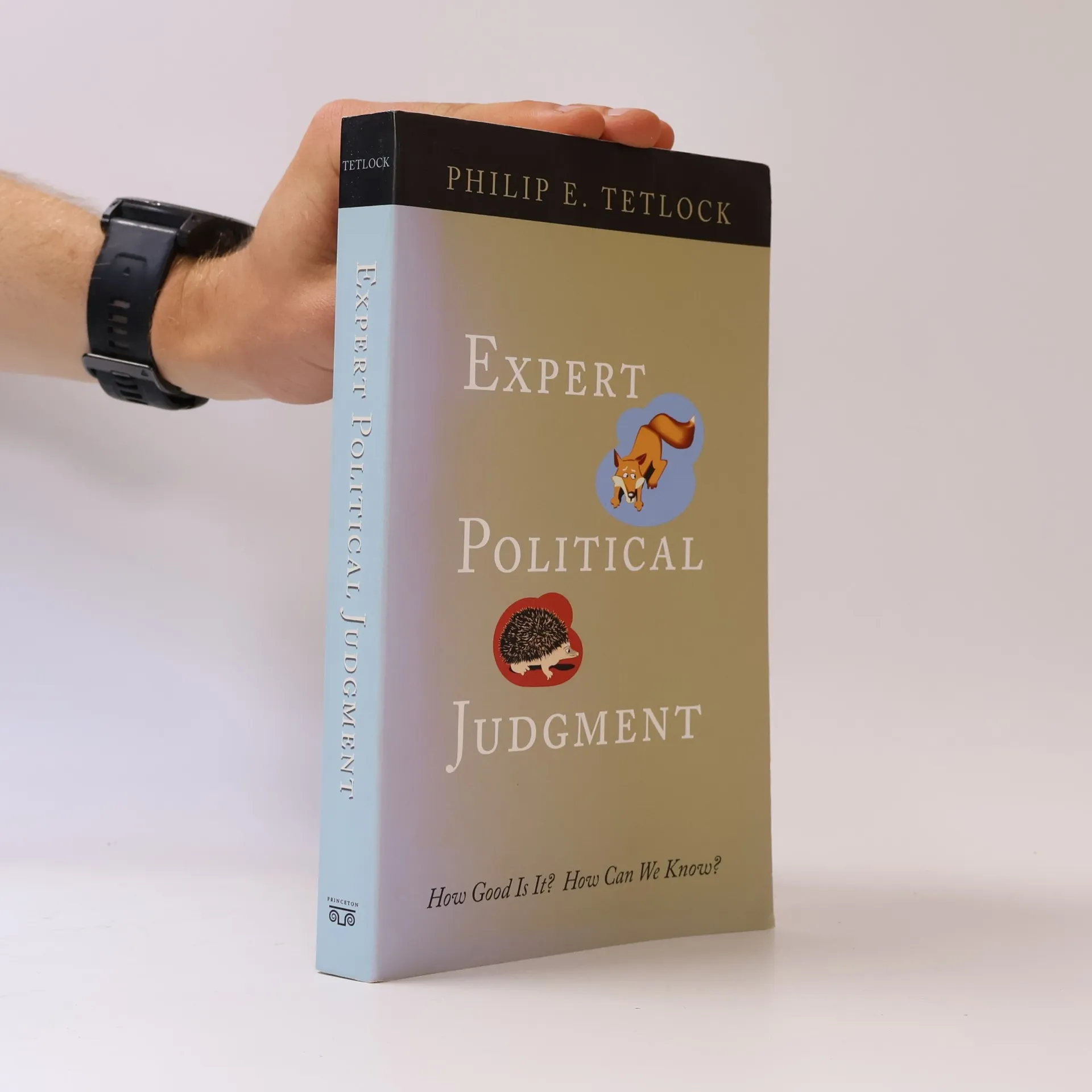
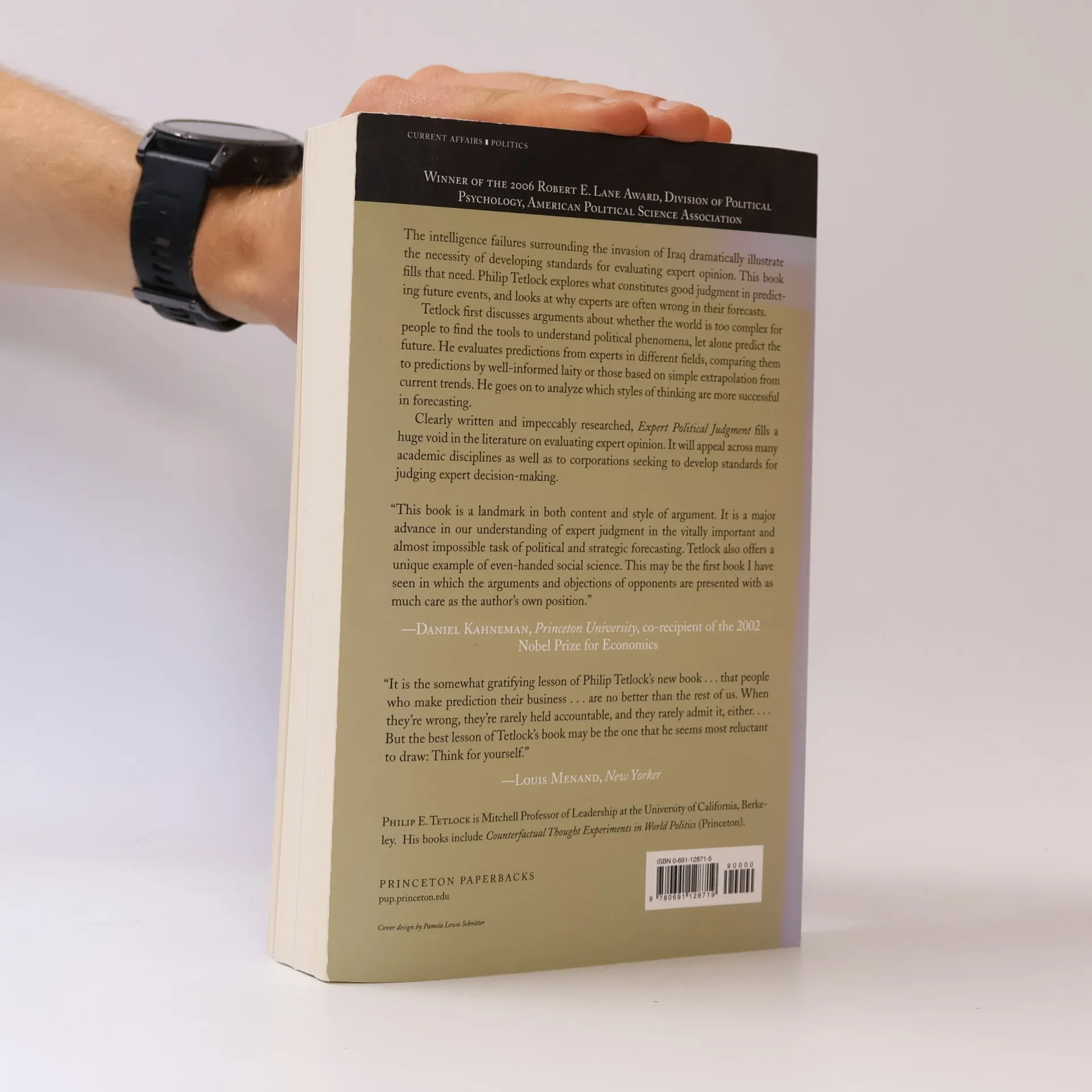
The intelligence failures surrounding the Iraq invasion highlight the urgent need for standards in evaluating expert opinion. This book addresses that gap by exploring what constitutes good judgment in predicting future events and examining why experts often miss the mark. The author discusses whether the complexity of the world hinders our ability to understand political phenomena and make accurate predictions. He compares expert forecasts to those made by well-informed laypeople and simple trend extrapolations. Analyzing different thinking styles, he uses Isaiah Berlin's fox and hedgehog prototypes to argue that the fox—who draws from diverse traditions and adapts to change—outperforms the hedgehog, who relies on a singular perspective and rigid solutions. The author also highlights a troubling inverse relationship between indicators of good judgment and the qualities valued by the media in pundits, such as ideological fervor. The book is clearly written and thoroughly researched, filling a significant void in the literature on expert evaluation. It will resonate across academic disciplines and with corporations aiming to establish criteria for assessing expert decision-making.


Buchkauf
Expert Political Judgment, Philip E. Tetlock
- Sprache

- Erscheinungsdatum
- 2006
- product-detail.submit-box.info.binding
- (Paperback)
Hier könnte deine Bewertung stehen.
- Untertitel
- How Good Is It? How Can We Know?
- Sprache
- Englisch
- Autor*innen
- Philip E. Tetlock
- Erscheinungsdatum
- 2006
- Einband
- Paperback
- Seitenzahl
- 344
- ISBN10
- 0691128715
- ISBN13
- 9780691128719
- Reihe
- Schlagwörter
- Sachbücher, Sozialwissenschaften, Handel, Wirtschaft & Management, Politikwissenschaft, Psychologische Thematik, Philosophisches Thema, Politik, Wissenschaft
- Bewertung
- 3,95 von 5 Sternen
- Beschreibung
- The intelligence failures surrounding the Iraq invasion highlight the urgent need for standards in evaluating expert opinion. This book addresses that gap by exploring what constitutes good judgment in predicting future events and examining why experts often miss the mark. The author discusses whether the complexity of the world hinders our ability to understand political phenomena and make accurate predictions. He compares expert forecasts to those made by well-informed laypeople and simple trend extrapolations. Analyzing different thinking styles, he uses Isaiah Berlin's fox and hedgehog prototypes to argue that the fox—who draws from diverse traditions and adapts to change—outperforms the hedgehog, who relies on a singular perspective and rigid solutions. The author also highlights a troubling inverse relationship between indicators of good judgment and the qualities valued by the media in pundits, such as ideological fervor. The book is clearly written and thoroughly researched, filling a significant void in the literature on expert evaluation. It will resonate across academic disciplines and with corporations aiming to establish criteria for assessing expert decision-making.