

Parameter
- 313 Seiten
- 11 Lesestunden
Mehr zum Buch
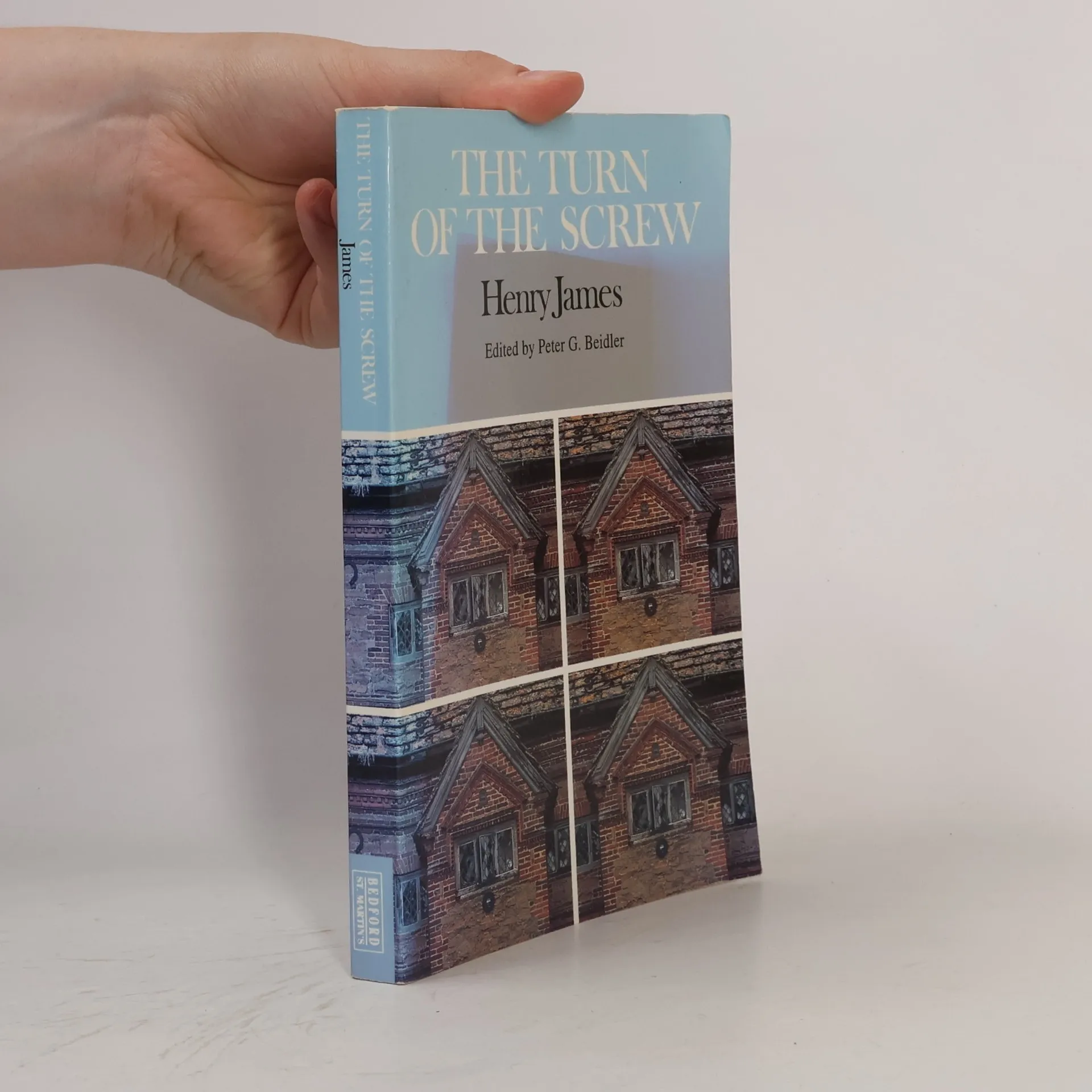
The story starts conventionally enough with friends sharing ghost stories 'round the fire on Christmas Eve. One of the guests tells about a governess at a country house plagued by supernatural visitors. But in the hands of Henry James, the master of nuance, this little tale of terror is an exquisite gem of sexual and psychological ambiguity. Only the young governess can see the ghosts; only she suspects that the previous governess and her lover are controlling the two orphaned children (a girl and a boy) for some evil purpose. The household staff don't know what she's talking about, the children are evasive when questioned, and the master of the house (the children's uncle) is absent. Why does the young girl claim not to see a perfectly visible woman standing on the far side of the lake? Are the children being deceptive, or is the governess being paranoid? By leaving the questions unanswered, The Turn of Screw generates spine-tingling anxiety in its mesmerized readers.


Publikation
- 2024

- 2023
- 2023
- 2023
- 2023
- 2023
- 2022
- 2022
- 2022
- 2022
- 2021
- 2021
- 2021
- 2021
- 2021
- 2020
- 2020
- 2020
- 2020
- 2020
- 2020
- 2020
- 2020
- 2020
- 2020
- 2020
- 2020
- 2020
- 2020
- 2020
- 2020
- 2020
- 2020
- 2020
- 2020
- 2020





























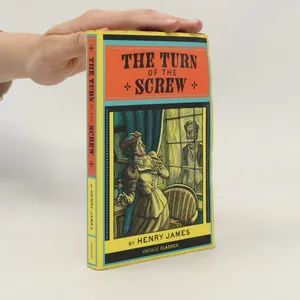






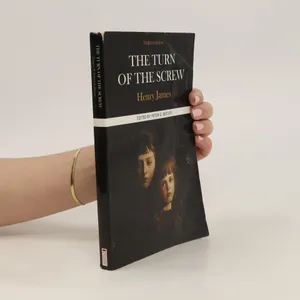








Buchkauf
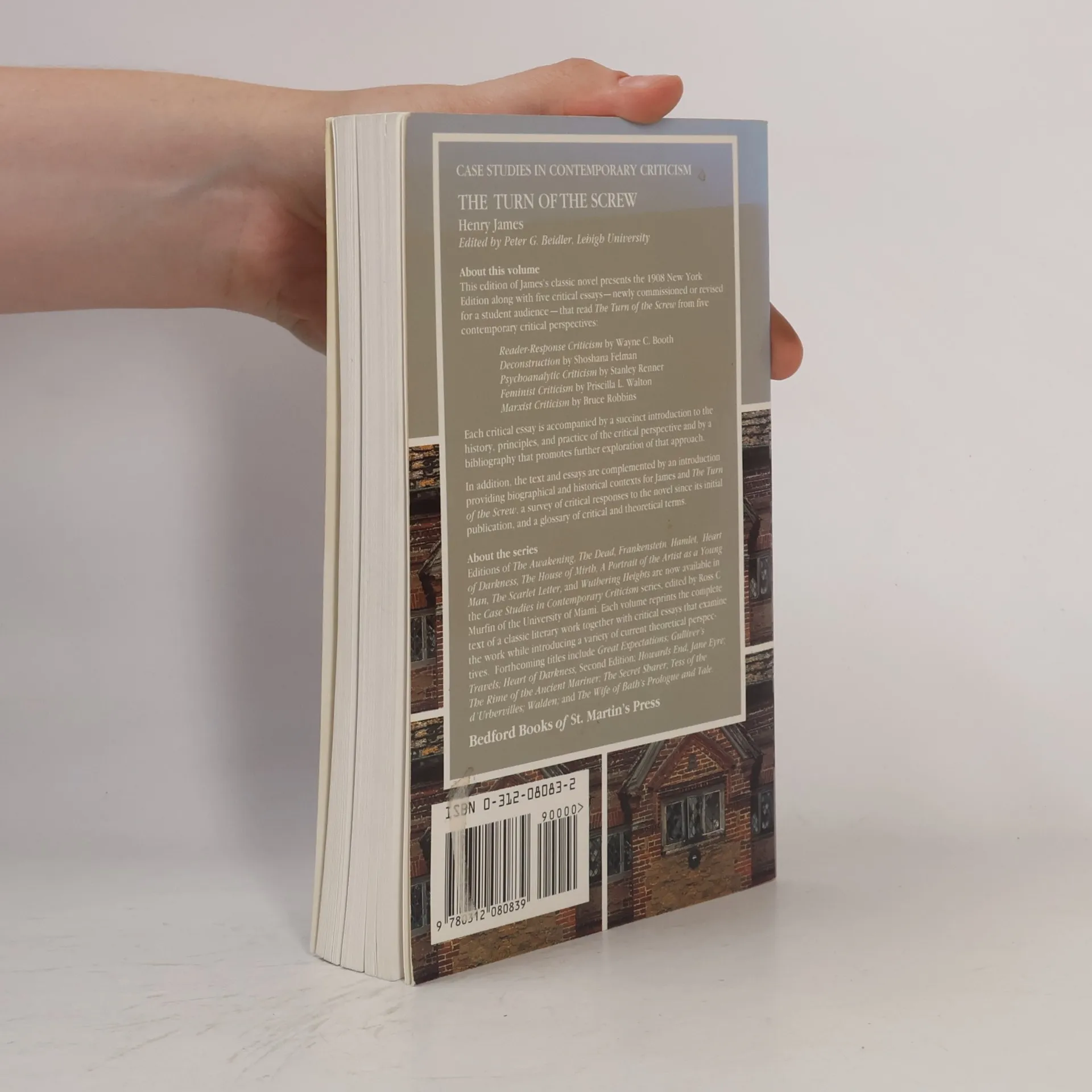
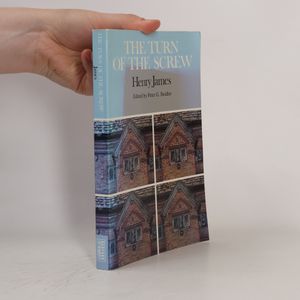
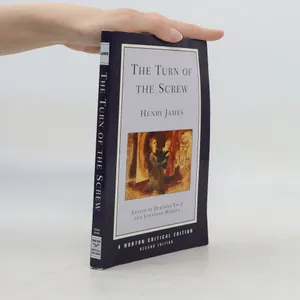
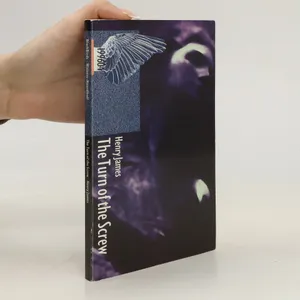
The Turn of the Screw, Henry James, Peter G. Beidler
- Sprache

- Erscheinungsdatum
- 1994
- product-detail.submit-box.info.binding
- (Paperback),
- Buchzustand
- Gebraucht - Gut
- Preis
- 1,99 €inkl. MwSt.
Hier könnte deine Bewertung stehen.
- Untertitel
- Case Studies in Contemporary Criticism
- Sprache
- Englisch
- Autor*innen
- Henry James, Peter G. Beidler
- Verlag
- Bedford Books
- Erscheinungsdatum
- 1994
- Einband
- Paperback
- Seitenzahl
- 313
- ISBN10
- 0312080832
- ISBN13
- 9780312080839
- Reihe
- Schlagwörter
- Belletristik, Historisches Thema, Psychologische Thematik, Klassiker, Kurzgeschichten, Horror, Amerikanische Literatur, Übernatürliche Phänomene, Tod, 19. Jahrhundert, England, Geschenke für Männer, Verfilmt, Literarische Kritik, Novellen, Geister und Erscheinungen, Horror-Kurzgeschichten, Gotik, Pflichtlektüre, Viktorianisches Zeitalter, Gothischer Horror, Paranormaler Horror, Serienvorlagen, Kindermädchen, Spukhäuser, Ich-Form
- Erstveröffentlichung
- 1898
- Originaltitel
- The Turn of the Screw
- Bewertung
- 3,4 von 5 Sternen
- Beschreibung
- The story starts conventionally enough with friends sharing ghost stories 'round the fire on Christmas Eve. One of the guests tells about a governess at a country house plagued by supernatural visitors. But in the hands of Henry James, the master of nuance, this little tale of terror is an exquisite gem of sexual and psychological ambiguity. Only the young governess can see the ghosts; only she suspects that the previous governess and her lover are controlling the two orphaned children (a girl and a boy) for some evil purpose. The household staff don't know what she's talking about, the children are evasive when questioned, and the master of the house (the children's uncle) is absent. Why does the young girl claim not to see a perfectly visible woman standing on the far side of the lake? Are the children being deceptive, or is the governess being paranoid? By leaving the questions unanswered, The Turn of Screw generates spine-tingling anxiety in its mesmerized readers.