

Mehr zum Buch
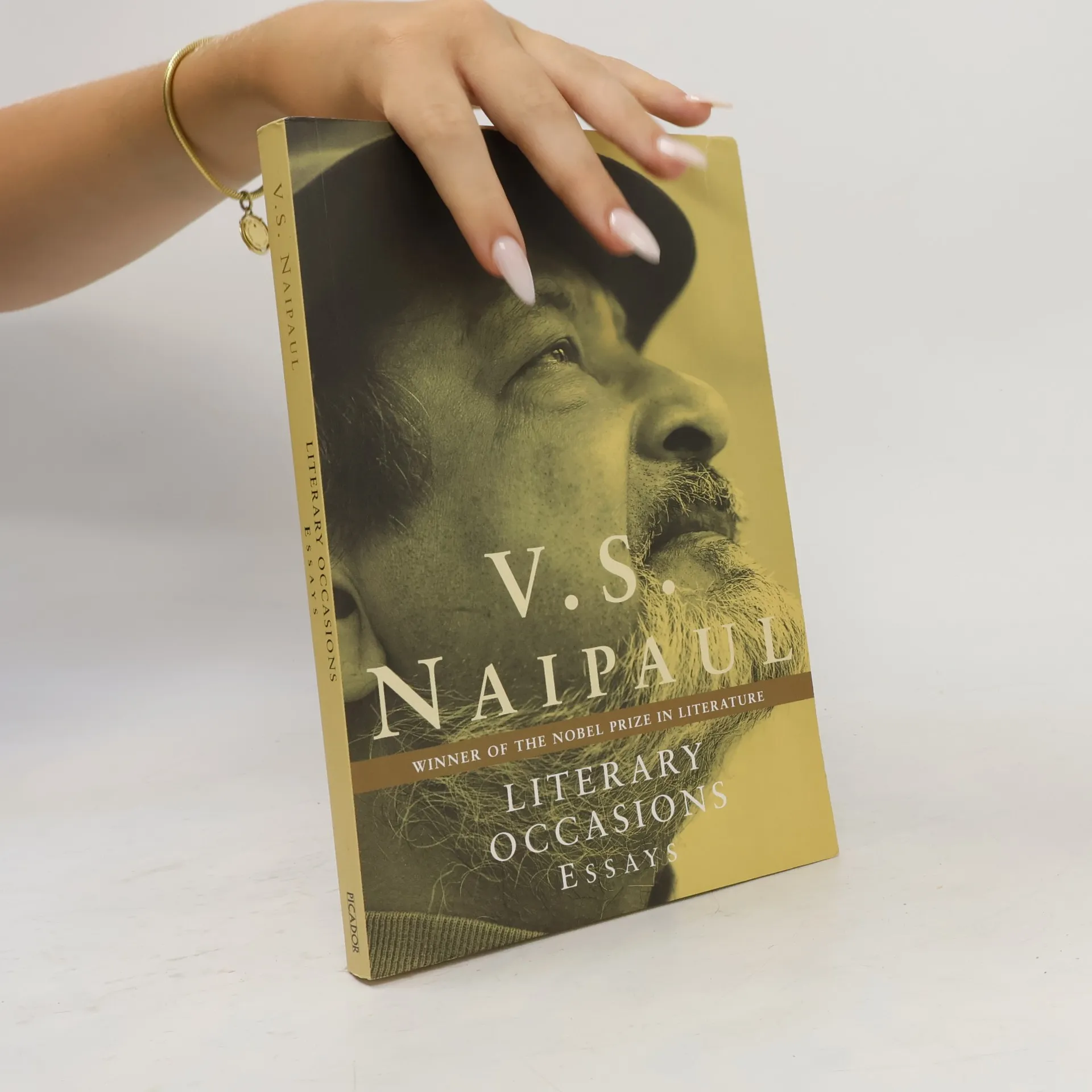
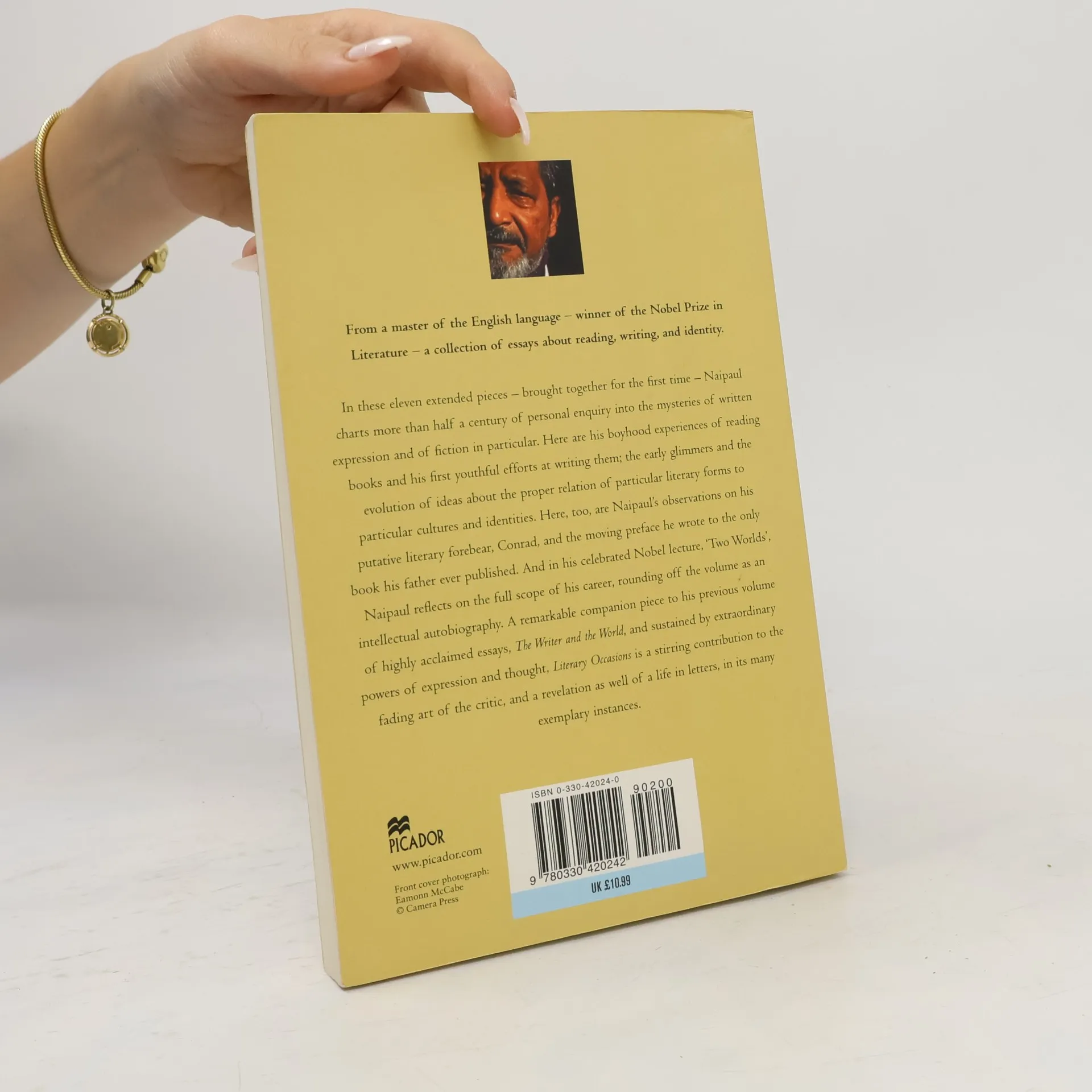
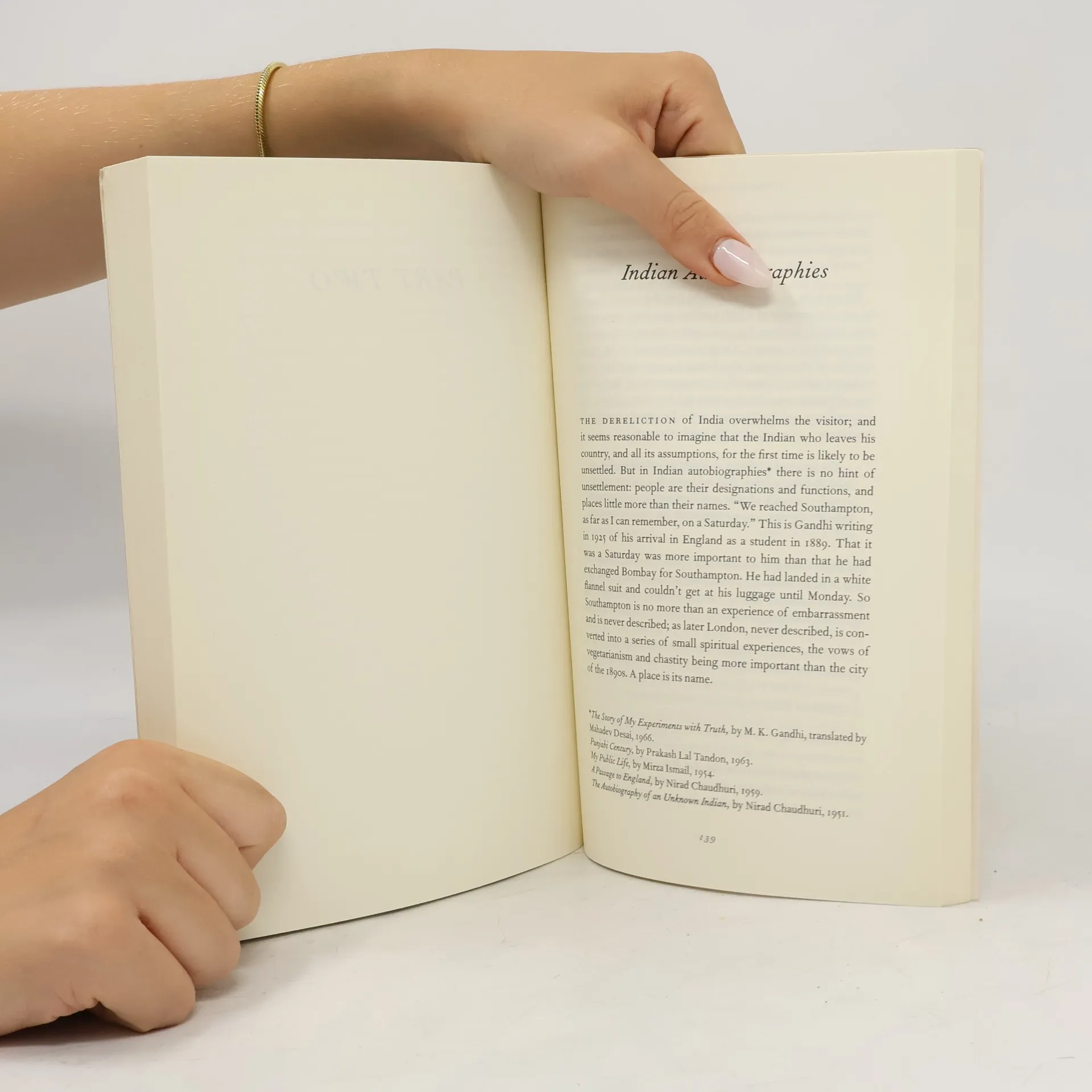
This rich collection of essays on reading, writing, and identity showcases V. S. Naipaul's profound insights into the mysteries of written expression, particularly fiction. Spanning over fifty years of personal exploration, it features literary criticism and reflections on Naipaul's own journey as a writer. He shares his early experiences with books and writing, the development of his ideas about the relationship between literary forms and cultures, and the influence of his father, highlighted in a preface to his father's only published work. The collection includes thoughtful discussions of other authors, notably an insightful essay on Conrad and the classic "Indian Autobiographies." It culminates in "Two Worlds," Naipaul's Nobel Address, where he examines the inseparability of the literary and personal. With remarkable expression and thought, this volume serves as both a recollection of Naipaul's past and a comprehensive statement of his literary philosophy. It complements his previous work, The Writer and the World, making it an essential addition for those who appreciate his lifelong dedication to literature.


Buchkauf
Literary Occasions, V. S. Naipaul
- Sprache

- Erscheinungsdatum
- 2003
- Einband
- (Paperback)
Hier könnte deine Bewertung stehen.
- Titel
- Literary Occasions
- Sprache
- Englisch
- Autor*innen
- V. S. Naipaul
- Verlag
- Picador/Pan Macmillan
- Erscheinungsdatum
- 2003
- Einband
- Paperback
- Seitenzahl
- 203
- ISBN10
- 0330420240
- ISBN13
- 9780330420242
- Reihe
- Schlagwörter
- Sachbücher, Wahre Geschichten, Biografien, Gegenwartsliteratur, Meinungsjournalismus, Schreiben, Kritik
- Bewertung
- 3,7 von 5 Sternen
- Beschreibung
- This rich collection of essays on reading, writing, and identity showcases V. S. Naipaul's profound insights into the mysteries of written expression, particularly fiction. Spanning over fifty years of personal exploration, it features literary criticism and reflections on Naipaul's own journey as a writer. He shares his early experiences with books and writing, the development of his ideas about the relationship between literary forms and cultures, and the influence of his father, highlighted in a preface to his father's only published work. The collection includes thoughtful discussions of other authors, notably an insightful essay on Conrad and the classic "Indian Autobiographies." It culminates in "Two Worlds," Naipaul's Nobel Address, where he examines the inseparability of the literary and personal. With remarkable expression and thought, this volume serves as both a recollection of Naipaul's past and a comprehensive statement of his literary philosophy. It complements his previous work, The Writer and the World, making it an essential addition for those who appreciate his lifelong dedication to literature.