



Mehr zum Buch
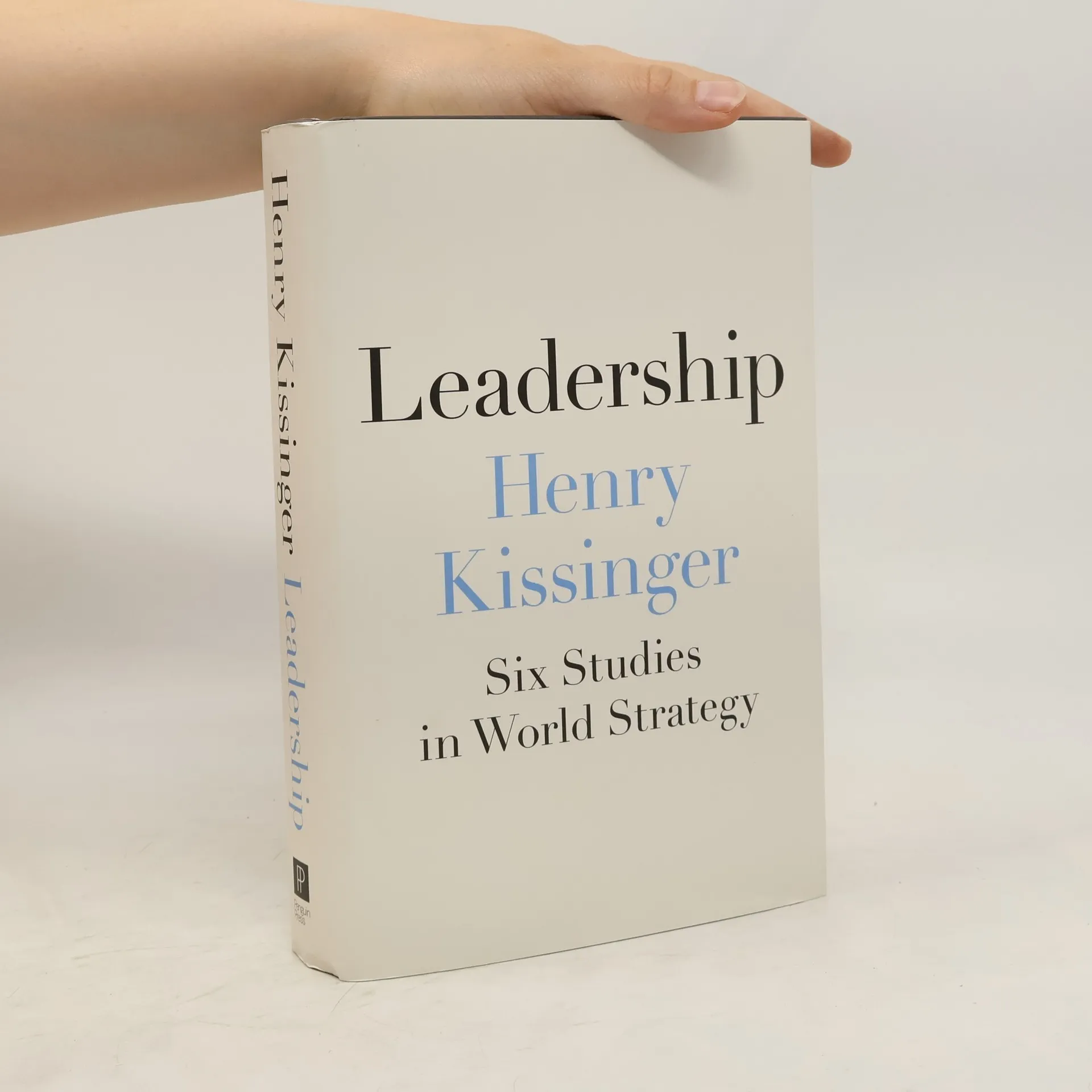
Henry Kissinger, a distinguished diplomat and statesman, explores the leadership strategies of six influential twentieth-century figures, presenting a cohesive theory of leadership and diplomacy. He asserts that leaders operate at the intersection of two axes: the past and the future, and the core values of those they lead. This balance of historical knowledge and future intuition allows leaders to set objectives and devise strategies. Kissinger examines six remarkable leaders through their unique approaches to statecraft. After World War II, Konrad Adenauer utilized "the strategy of humility" to reintegrate a defeated Germany into the global community. Charles de Gaulle employed "the strategy of will" to align France with the victorious Allies and restore its grandeur. Richard Nixon's "strategy of equilibrium" during the Cold War provided the U.S. with a geostrategic advantage. Anwar Sadat’s "strategy of transcendence" envisioned peace in the Middle East after decades of conflict. Lee Kuan Yew’s "strategy of excellence" transformed Singapore into a thriving city-state. Finally, Margaret Thatcher revitalized Britain’s morale and international standing through "the strategy of conviction." Kissinger draws on historical insight, personal experience, and his relationships with these leaders, culminating in reflections on the importance of leadership in today's world.




Buchkauf
Leadership, Henry Kissinger
- Sprache

- Erscheinungsdatum
- 2022
- Einband
- (Hardcover)
Hier könnte deine Bewertung stehen.
- Titel
- Leadership
- Sprache
- Englisch
- Autor*innen
- Henry Kissinger
- Verlag
- Penguin
- Erscheinungsdatum
- 2022
- Einband
- Hardcover
- ISBN10
- 0593489446
- ISBN13
- 9780593489444
- Reihe
- Schlagwörter
- Sachbücher, Sozialwissenschaften, Historisches Thema, Geschichte, Wahre Geschichten, Handel, Wirtschaft & Management, Biografien, Politikwissenschaft, Politik, Geschenke für Opa, Führung, Politikerbiografien, Internationale Beziehungen
- Bewertung
- 4,15 von 5 Sternen
- Beschreibung
- Henry Kissinger, a distinguished diplomat and statesman, explores the leadership strategies of six influential twentieth-century figures, presenting a cohesive theory of leadership and diplomacy. He asserts that leaders operate at the intersection of two axes: the past and the future, and the core values of those they lead. This balance of historical knowledge and future intuition allows leaders to set objectives and devise strategies. Kissinger examines six remarkable leaders through their unique approaches to statecraft. After World War II, Konrad Adenauer utilized "the strategy of humility" to reintegrate a defeated Germany into the global community. Charles de Gaulle employed "the strategy of will" to align France with the victorious Allies and restore its grandeur. Richard Nixon's "strategy of equilibrium" during the Cold War provided the U.S. with a geostrategic advantage. Anwar Sadat’s "strategy of transcendence" envisioned peace in the Middle East after decades of conflict. Lee Kuan Yew’s "strategy of excellence" transformed Singapore into a thriving city-state. Finally, Margaret Thatcher revitalized Britain’s morale and international standing through "the strategy of conviction." Kissinger draws on historical insight, personal experience, and his relationships with these leaders, culminating in reflections on the importance of leadership in today's world.