

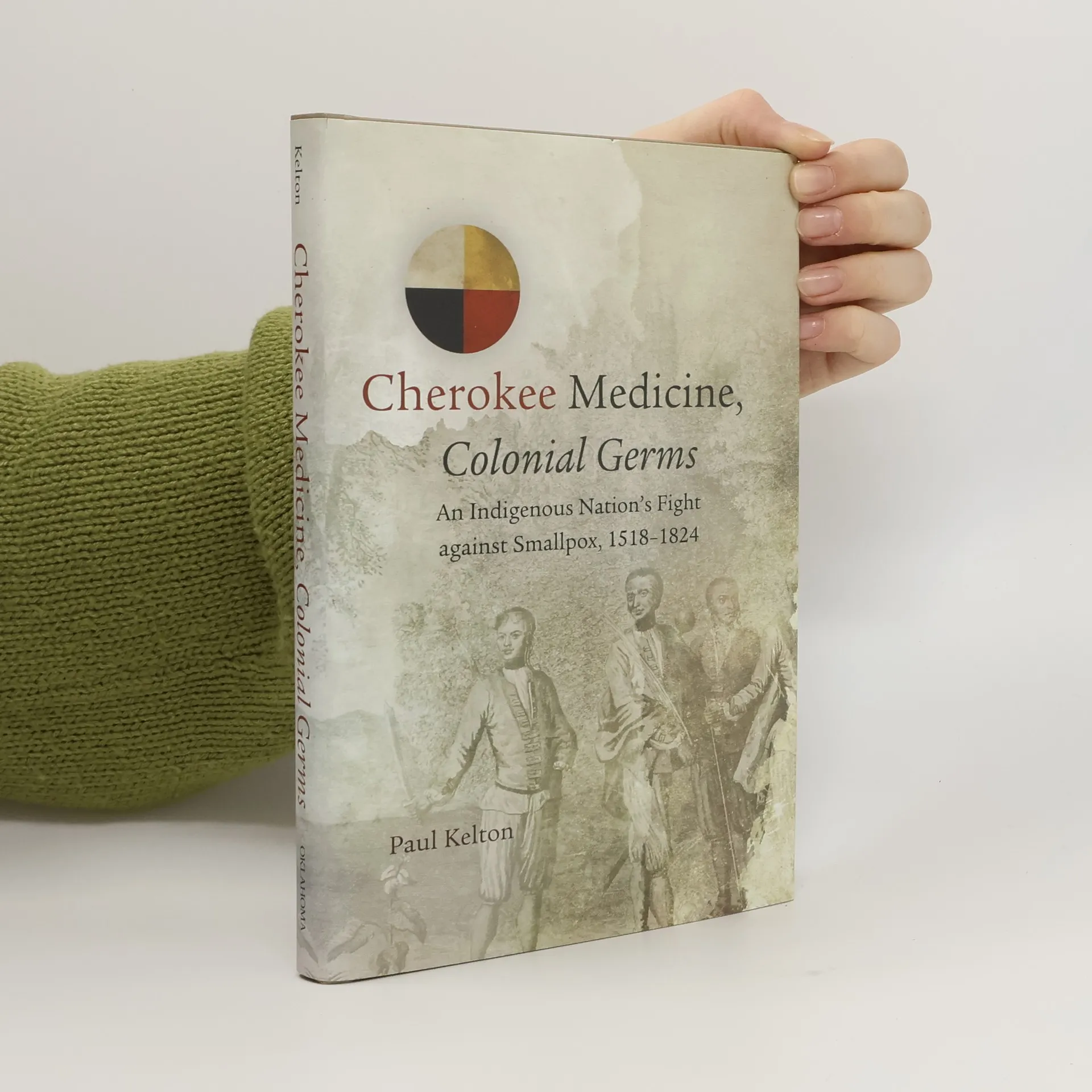

New Directions in Native American Studies - 11: Cherokee Medicine, Colonial Germs
An Indigenous Nation’s Fight against Smallpox, 1518–1824
Autor*innen
Buchbewertung
Mehr zum Buch
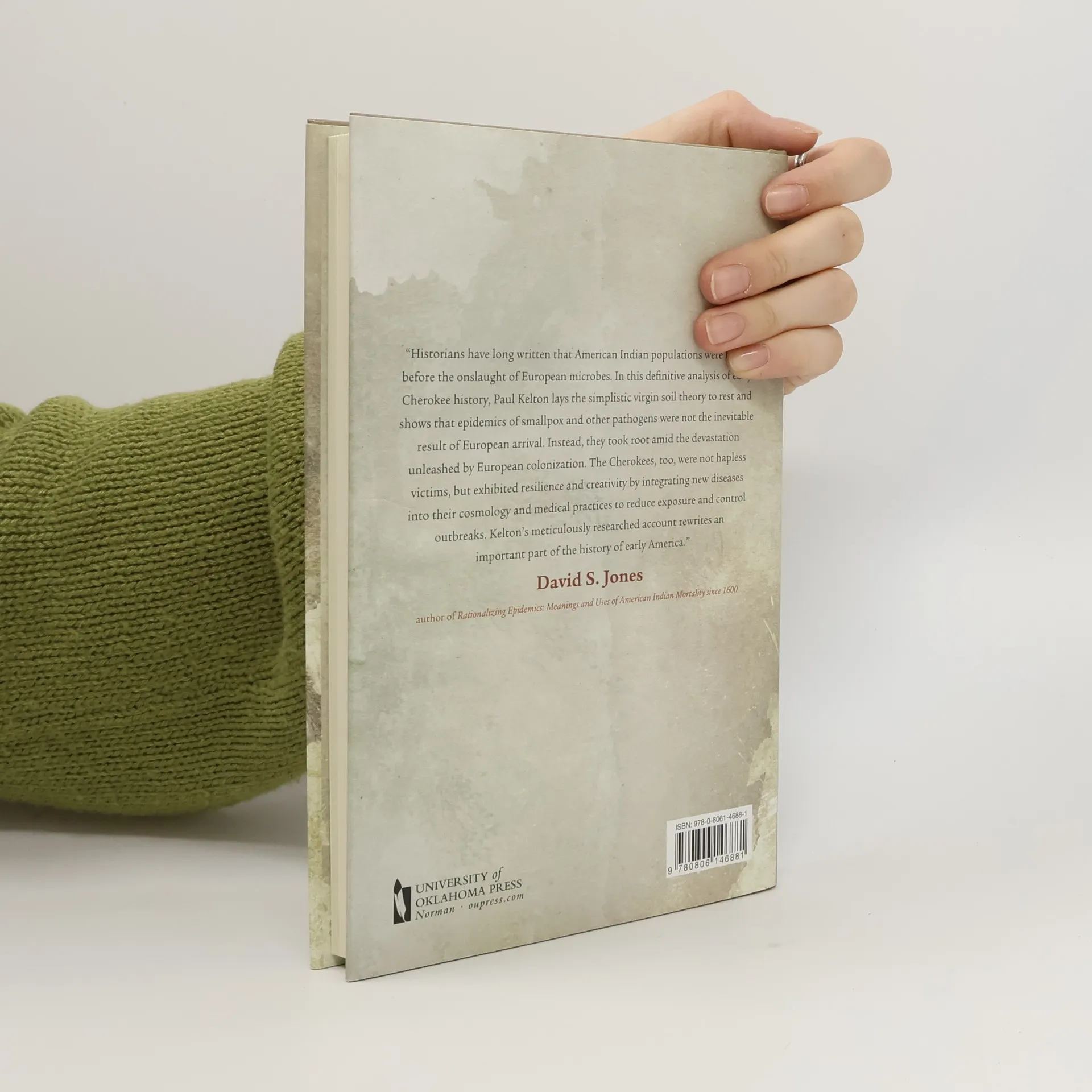
How smallpox, or Variola, devastated populations during European colonization is a well-known narrative. Historian Paul Kelton challenges the “virgin soil thesis,” which attributes Native American suffering to their lack of immunities and ineffective healers. Instead, he emphasizes that the root cause of indigenous depopulation was colonialism, not disease. Kelton's account begins with the period from 1518 to the mid-seventeenth century, when limited interactions with Europeans did not significantly alter Cherokee lives. By the 1690s, English slave raids led to a devastating smallpox epidemic among the Cherokees. Throughout the eighteenth century, they effectively responded to epidemics using their own medicinal practices, even as they faced severe violence from British forces during the Anglo-Cherokee War and American militias in the Revolutionary War. The Cherokee population suffered more from warfare than from smallpox, rebounding in the nineteenth century. They embraced vaccination while maintaining their traditional medical practices. This nuanced history highlights the lived experiences of the Cherokees, challenging the simplistic narratives perpetuated by Europeans and their descendants, and revealing how these stories have obscured the complexities of colonialism.
Buchkauf
New Directions in Native American Studies - 11: Cherokee Medicine, Colonial Germs, Paul Kelton
- Sprache

- Erscheinungsdatum
- 2015
- Einband
- (Hardcover)
Hier könnte deine Bewertung stehen.
- Titel
- New Directions in Native American Studies - 11: Cherokee Medicine, Colonial Germs
- Untertitel
- An Indigenous Nation’s Fight against Smallpox, 1518–1824
- Sprache
- Englisch
- Autor*innen
- Paul Kelton
- Erscheinungsdatum
- 2015
- Einband
- Hardcover
- Seitenzahl
- 296
- ISBN10
- 0806146885
- ISBN13
- 9780806146881
- Kategorien
- Schlagwörter
- Historisches Thema, USA, Medizin, Amerika, Indianer, Soziale Geschichte, Indigene Stämme, Kolonialismus, Rechtsmedizin, Geschichte der Medizin, Pocken
- Bewertung
- 3,6 von 5 Sternen
- Beschreibung
- How smallpox, or Variola, devastated populations during European colonization is a well-known narrative. Historian Paul Kelton challenges the “virgin soil thesis,” which attributes Native American suffering to their lack of immunities and ineffective healers. Instead, he emphasizes that the root cause of indigenous depopulation was colonialism, not disease. Kelton's account begins with the period from 1518 to the mid-seventeenth century, when limited interactions with Europeans did not significantly alter Cherokee lives. By the 1690s, English slave raids led to a devastating smallpox epidemic among the Cherokees. Throughout the eighteenth century, they effectively responded to epidemics using their own medicinal practices, even as they faced severe violence from British forces during the Anglo-Cherokee War and American militias in the Revolutionary War. The Cherokee population suffered more from warfare than from smallpox, rebounding in the nineteenth century. They embraced vaccination while maintaining their traditional medical practices. This nuanced history highlights the lived experiences of the Cherokees, challenging the simplistic narratives perpetuated by Europeans and their descendants, and revealing how these stories have obscured the complexities of colonialism.