Gratis Versand ab 14,99 €. Mehr Infos.
Bookbot

Die Figaro-Trilogie

Diese dramatische Trilogie folgt den Abenteuern eines gerissenen Barbiers, dessen Pläne und Witz sowohl den Adel als auch das einfache Volk manipulieren. Vor einem historischen Hintergrund angesiedelt, sind die Geschichten voller Humor, Romantik und Gesellschaftssatire. Diese Werke sind nicht nur als Theaterstücke berühmt, sondern vor allem als Grundlage für berühmte Opernadaptionen.

The Figaro Plays
The Barber of Seville and the Marriage of Figaro
The Figaro Trilogy
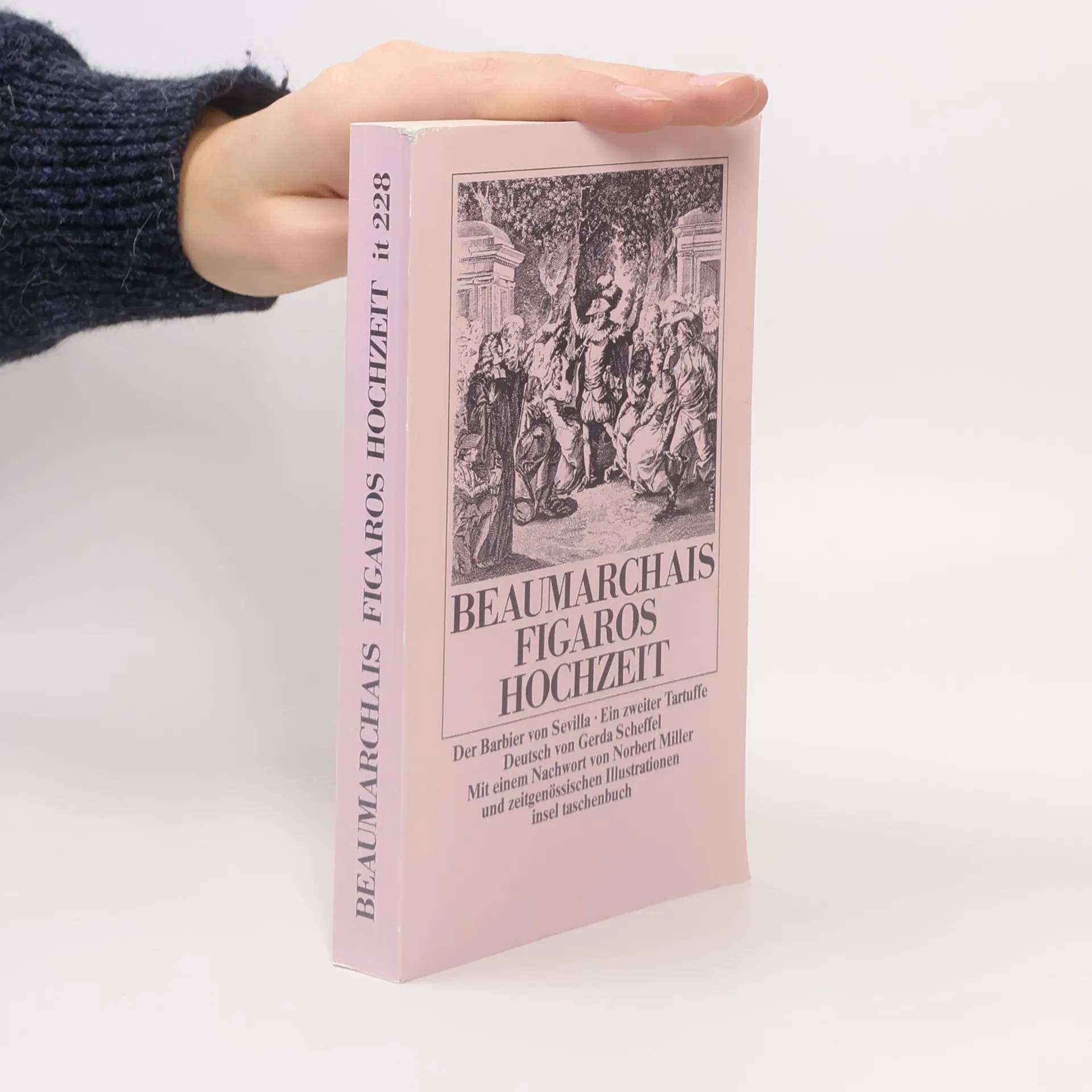
Figaro´s Hochzeit
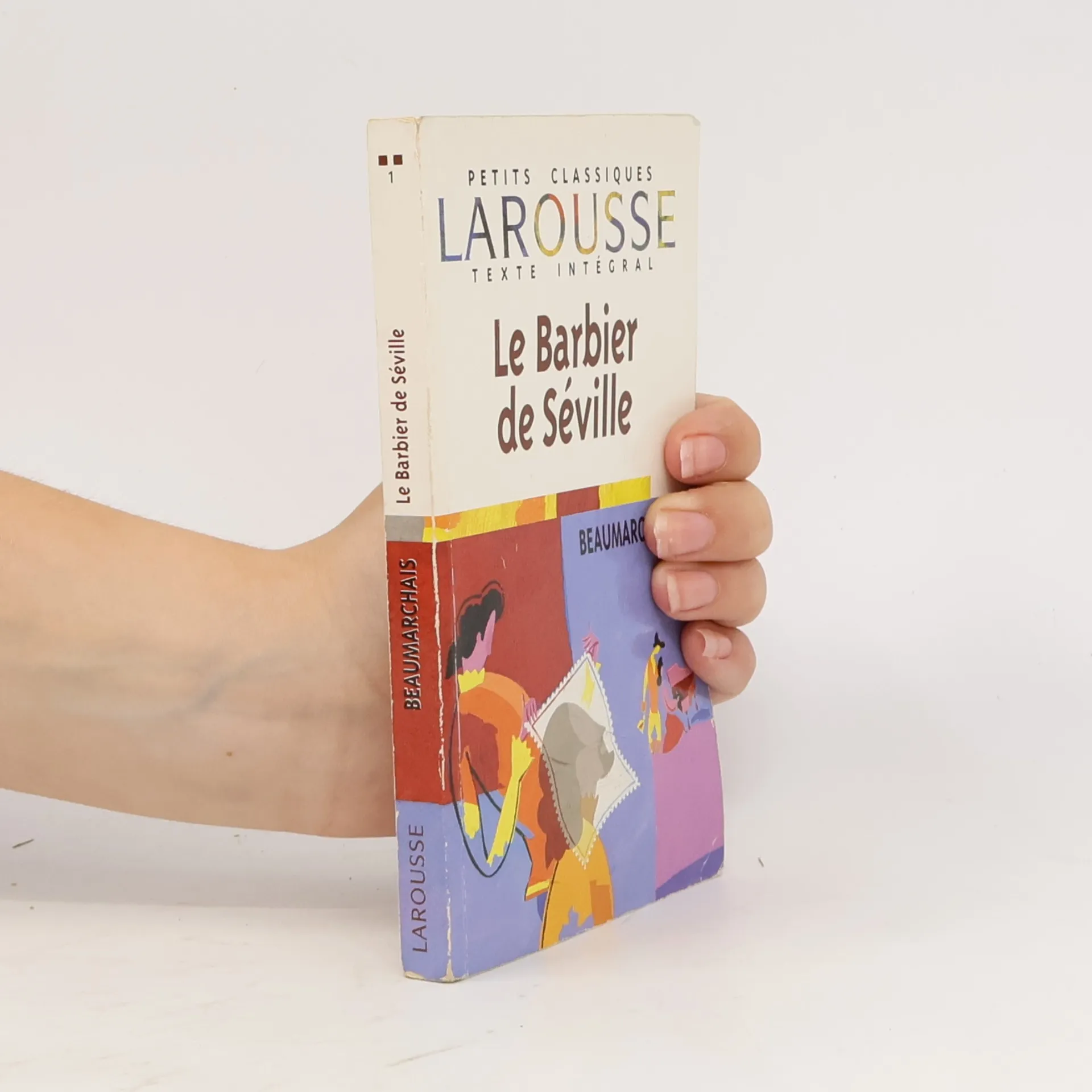
Collection Lycée - 1: Le Barbier de Séville ou la Précaution inutile

Empfohlene Lesereihenfolge

  1. Collection Lycée - 1: Le Barbier de Séville ou la Précaution inutile

    Petits Classiques - Préparation aux épreuves de français - Texte intégral

    • 206 Seiten
    • 8 Lesestunden

    Un vieux bourgeois enferme dans sa maison une ingénue qu'il entend épouser. Un amoureux, avec l'aide de son rusé serviteur, soustrait la jeune fille à ce mariage forcé - et l'épouse lui-même. C'est un thème de comédie d'intrigue qui ne semble guère neuf. Et pourtant, en 1775, Beaumarchais, dans Le Barbier de Séville, en donne une illustration sautillante, virevoltante, qui suit le rythme de la danse et de la musique. Et voici Figaro-ci, Figaro-là, valet qui commence une belle carrière sur la scène.

    Collection Lycée - 1: Le Barbier de Séville ou la Précaution inutile1
    3,3

Dazugehörige Bücher

  • Figaro steht kurz vor seiner Hochzeit mit Suzanne. Doch sein Meister, der Graf Almaviva, versucht, die Trauung hinauszuzögern, um die Gunst der jungen Frau zu gewinnen. An diesem Tag voller Missverständnisse und Wendungen scheuen die Diener nicht davor zurück, ihre Herren zu ohrfeigen, und die Frauen versuchen, ihr Schicksal selbst in die Hand zu nehmen. Beaumarchais scheut sich nicht, die Gesellschaft des 18. Jahrhunderts zu kritisieren, und schafft ein freches Stück, das das Genre der Komödie grundlegend erneuert. Die Handlung thematisiert die sozialen Ungerechtigkeiten und den Kampf um Freiheit und Selbstbestimmung. Die Charaktere sind lebendig und vielschichtig, was die Komplexität menschlicher Beziehungen und die Herausforderungen der damaligen Zeit widerspiegelt. Beaumarchais' Werk ist nicht nur ein unterhaltsames Stück, sondern auch eine scharfsinnige Gesellschaftskritik, die bis heute relevant bleibt.

    Figaro´s Hochzeit
    3,1
  • A French courtier, secret agent, libertine and adventurer, Beaumarchais (1732-99) was also author of two sparkling plays about the scoundrelly valet Figaro triumphant successes that were used as the basis of operas by Mozart and Rossini. A highly engaging comedy of intrigue, The Barber of Seville portrays the resourceful Figaro foiling a jealous old man's attempts to keep his beautiful ward from her lover. And The Marriage of Figaro condemned by Louis XVI for its daring satire of nobility and privilege depicts a master and servant set in opposition by their desire for the same woman. With characteristic lightness of touch, Beaumarchais created an audacious farce of disguise and mistaken identity that balances wit, frivolity and seriousness in equal measure

    The Barber of Seville and the Marriage of Figaro
    3,8
  • The Figaro Plays

    • 320 Seiten
    • 12 Lesestunden

    [Beaumarchais'] fame rests on Le Barbier de Seville (1775) and Le Mariage de Figaro (1784), the only French plays which his stage-struck century bequeathed to the international repertoire. But his achievement has been adulterated, for 'Beaumarchais' has long been the brand name of a product variously reprocessed by Mozart, Rossini, and the score or so librettists and musicians who have perpetuated his plots, his characters, and his name. The most intriguing question of all has centered on his role as catalyst of the Revolution. Was his impertinent barber the Sweeney Todd of the Ancien Régime, the true begetter of the guillotine? . . . Beaumarchais' plays have often seemed to need the same kind of shoring up as his reputation, as though they couldn't stand on their own without a scaffolding of good tunes. Yet, as John Wells' lively and splendidly speakable translations of the Barber, the Marriage, and A Mother's Guilt demonstrate, they need assistance from no one. [Beaumarchais] thought of the three plays as a trilogy. Taken together, they reflect, as John Leigh's commentaries make clear, the Ancien Régime's unstoppable slide into revolution. --David Coward in The London Review of Books

    The Figaro Plays
    4,0