Choosing Down Syndrome
- 240 Seiten
- 9 Lesestunden
An argument that more people should have children with Down syndrome, written from a pro-choice, disability-positive perspective.


Diese Reihe befasst sich mit komplexen ethischen Dilemmata an der Schnittstelle von Medizin und Technologie. Sie erforscht tiefgreifende Fragen zu Leben, Tod, Genetik und Gesundheitswesen aus einer interdisziplinären Perspektive. Die Leser finden hier anregende Essays und Forschungsergebnisse, die aktuelle und zukünftige Herausforderungen der Bioethik beleuchten. Ziel ist es, innovative wissenschaftliche Arbeiten einem breiten Publikum zugänglich zu machen.

An argument that more people should have children with Down syndrome, written from a pro-choice, disability-positive perspective.
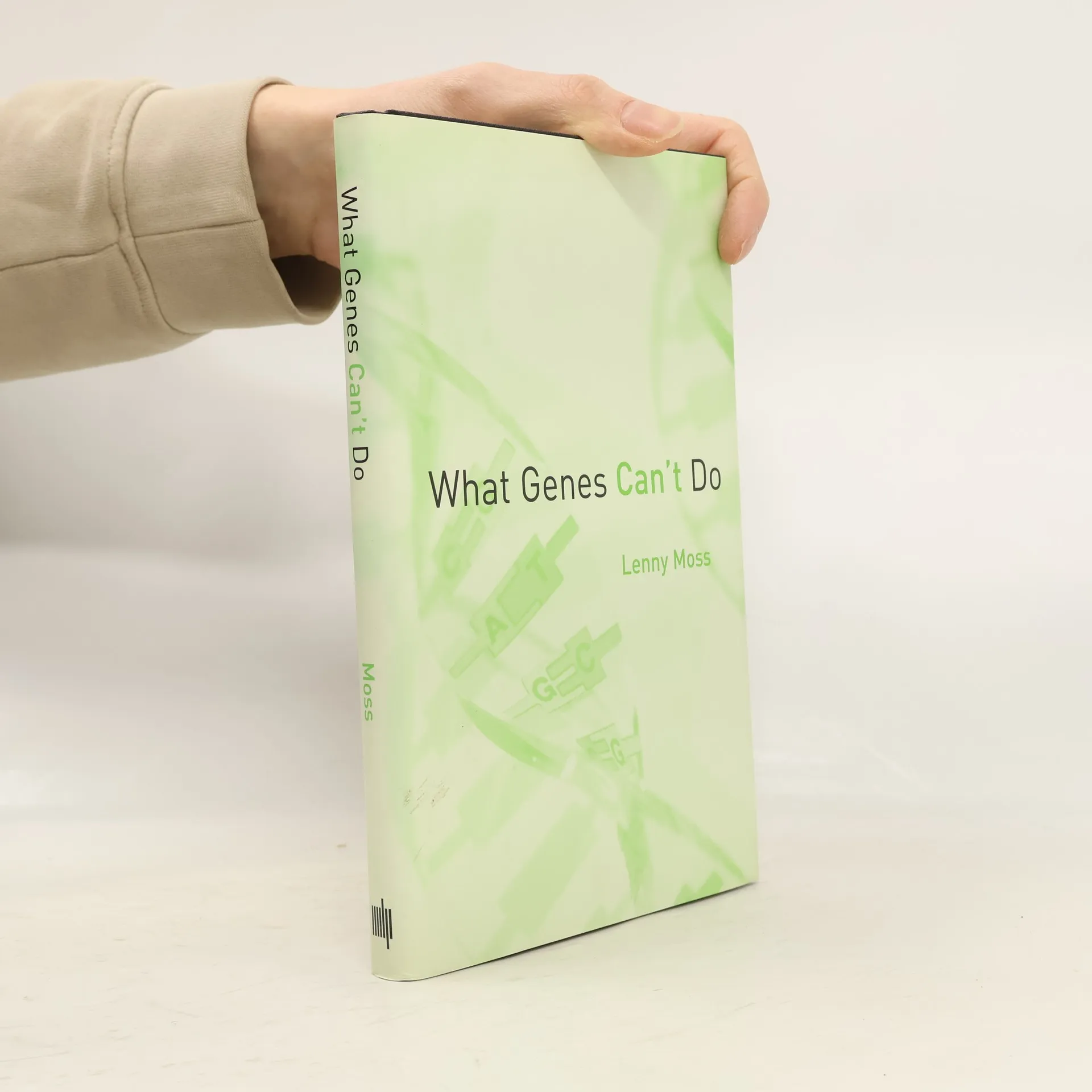
The idea of the gene has been a central organizing theme of 20th-century biology, and the Human Genome Project and biotechnological advances have put the gene in the media spotlight. In this text Lenny Moss reviews the history that led to the gene-centered approach of contemporary biology. He offers a critique of this approach and suggests an alternative to it. He also attempts to bring rhetorical analysis back into a productive encounter with empirical science. Moss identifies two distinctly different uses of the concept of the gene, Gene-P and Gene-D-genes as instrumental predictors of phenotypes and genes as developmental resources that specify possible amino acid sequences in proteins. The popular idea that genes provide the blueprints for organisms, claims Moss, arose from the incorrect conflation of these independently valid meanings of the gene.
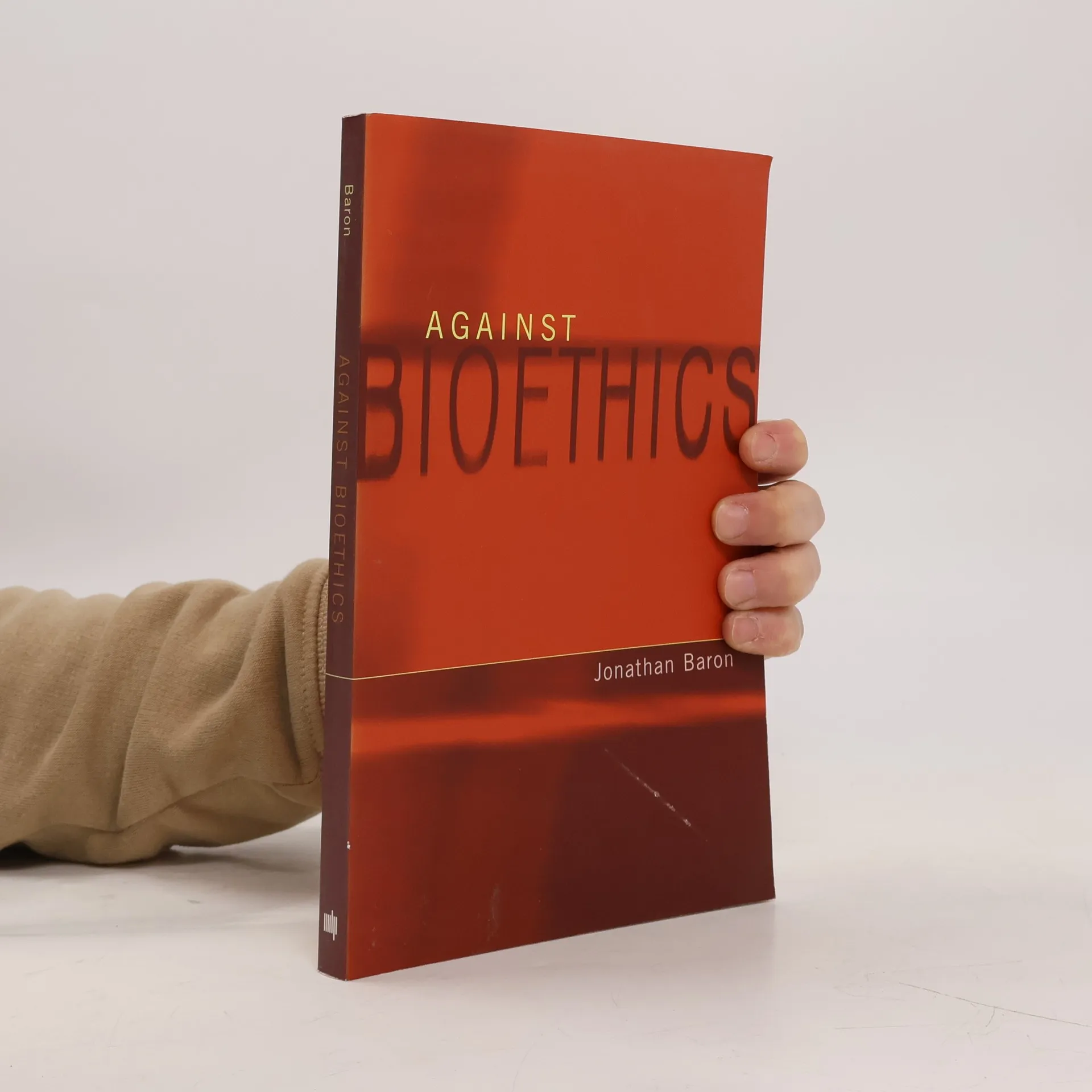
Governments, health professionals, patients, research institutions, and subjects often seek guidance from bioethicists on medical treatment and research decisions. However, Jonathan Baron argues that applied bioethics lacks a coherent guiding theory and relies heavily on intuitive judgments. He proposes an alternative framework based on utilitarianism and decision analysis. Utilitarianism posits that the best option maximizes expected good, while decision analysis helps evaluate risks and trade-offs of specific choices. This approach, akin to economics, uses data to predict outcomes in complex situations and directs human judgment toward consequential issues. With a solid theoretical foundation, bioethics could avoid decisions that contradict the expected good of those affected. Baron explores various bioethical issues that could benefit from this analysis, such as genetic enhancements, reproduction, end-of-life concerns (including advance directives, euthanasia, and organ donation), coercion and consent, conflicts of interest, and drug research. While critical of current bioethical practices, Baron believes that integrating utilitarianism and decision analysis could enable bioethics to provide authoritative guidance in addressing challenging medical and ethical dilemmas.