

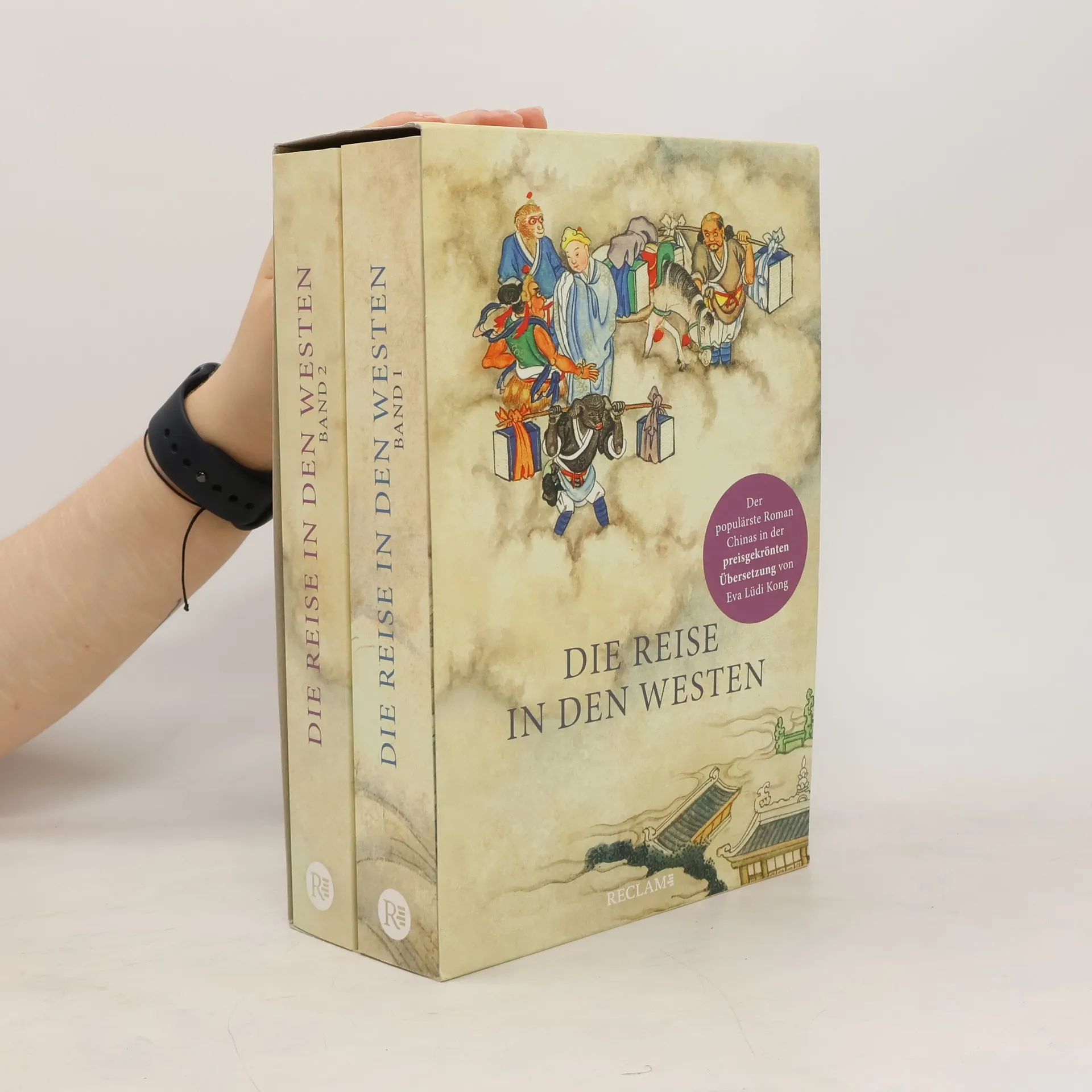
Der populärste Roman Chinas zum ersten Mal vollständig auf Deutsch Jedes Kind kennt den tolldreisten Affenkönig, Superheld Sun Wukong. Die erste vollständige Übersetzung ins Deutsche, 2016 bei Reclam, war ein großer Erfolg. Arno Widmann bezeichnete sie im ›Perlentaucher‹ als »das wichtigste Buch, das dieses Jahr in Deutschland erschien« und urteilte: »Macht süchtig.« Eva Lüdi Kong erhielt für ihre Übersetzung in ein »hinreißend frisches Deutsch« (SWR2) 2017 den Preis der Leipziger Buchmesse. Diese Übersetzung erscheint nun in einer zweibändigen und handlichen Paperback-Ausgabe. Sie enthält den vollständigen Romantext wie auch den ausführlichen Kommentar, der den Kosmos der chinesischen Kultur erschließt.
Vier große klassische Romane Chinas Reihe
Diese Reihe präsentiert vier bedeutende Werke der klassischen chinesischen Literatur, die seit Jahrhunderten den Lesegeschmack prägen. Jeder Roman bietet durch fesselnde Erzählungen und unvergessliche Charaktere einzigartige Einblicke in die chinesische Geschichte, Kultur und Philosophie. Tauchen Sie ein in epische Sagen voller Strategie, Romantik, Revolution und Weisheit. Dies ist eine unverzichtbare Sammlung für jeden Liebhaber der Weltliteratur.
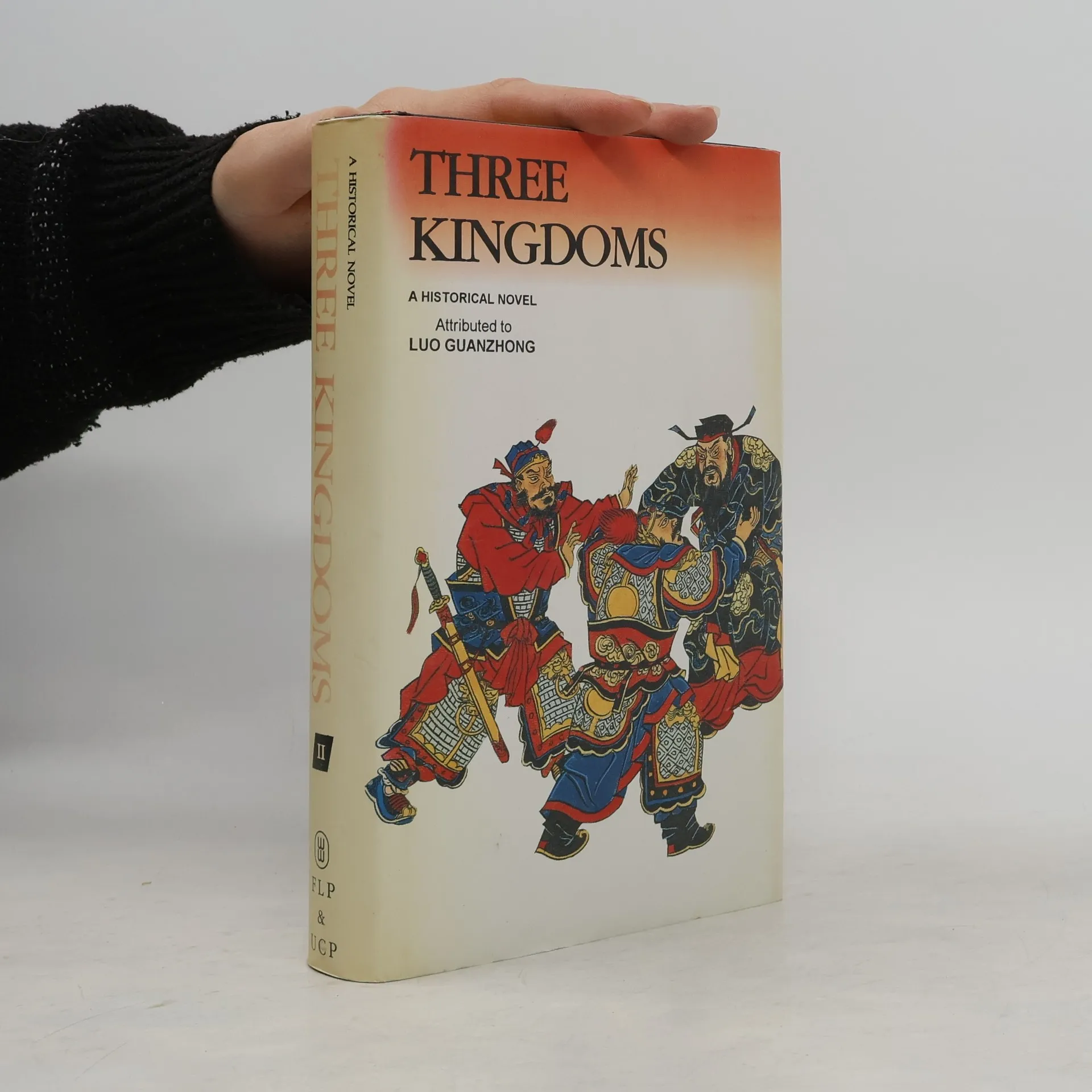
Three Kingdoms is a classic historical novel. It was also the first Chinese novel with each chapter headed by a couplet giving the gist of the content. It describes the power struggles among the kingdoms of Wei, Shu and Wu, headed by Cao Cao, Liu Bei and Sun Quan, respectively, in the period known to Chinese history as that of the Three Kingdoms (220 – 280). It highlights the sharp and complicated political and military conflicts of that time, and had a far-reaching influence on the political and military strategies of later ages. The novel vividly portrays the individuality of the historical characters, including Cao Cao, Liu Bei, Guan Yu and Zhang Fei. Besides being a work of epic grandeur, its literary merit has had a great impact on China 's literature and art, and social life as well.Three Kingdoms was first published in the period which saw the demise of the Yuan Dynasty and the rise of the Ming Dynasty. Many stories about the three kingdoms had circulated among the people before the appearance of the book. Many editions of Three Kingdoms have appeared, and the novel has been translated into foreign languages since the end of the 17th century. This English edition, by US sinologist Moss Roberts, is based on the Mao Zonggang edition published during the reign of Emperor Kangxi of the Qing Dynasty (1644 – 1911).
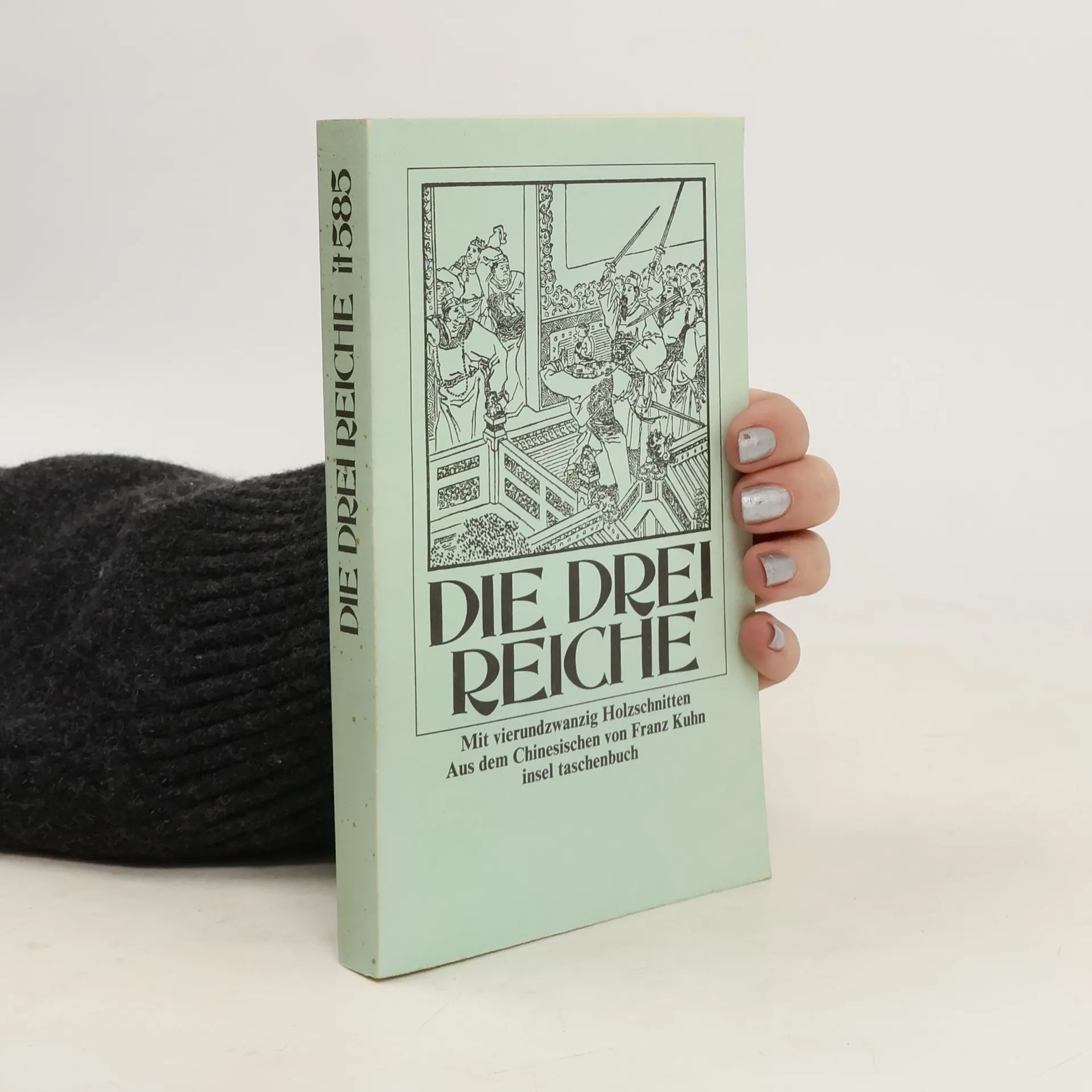
Die drei Reiche. Roman aus dem alten China
- 473 Seiten
- 17 Lesestunden
Ein kaisertreuer Mann zittert nicht vor dem Tod! Besser noch als Geister und treue Diener des Throns im Schattenreich zu spuken, denn als Mietlinge eines Erzverräters unter den Lebenden zu wandeln!
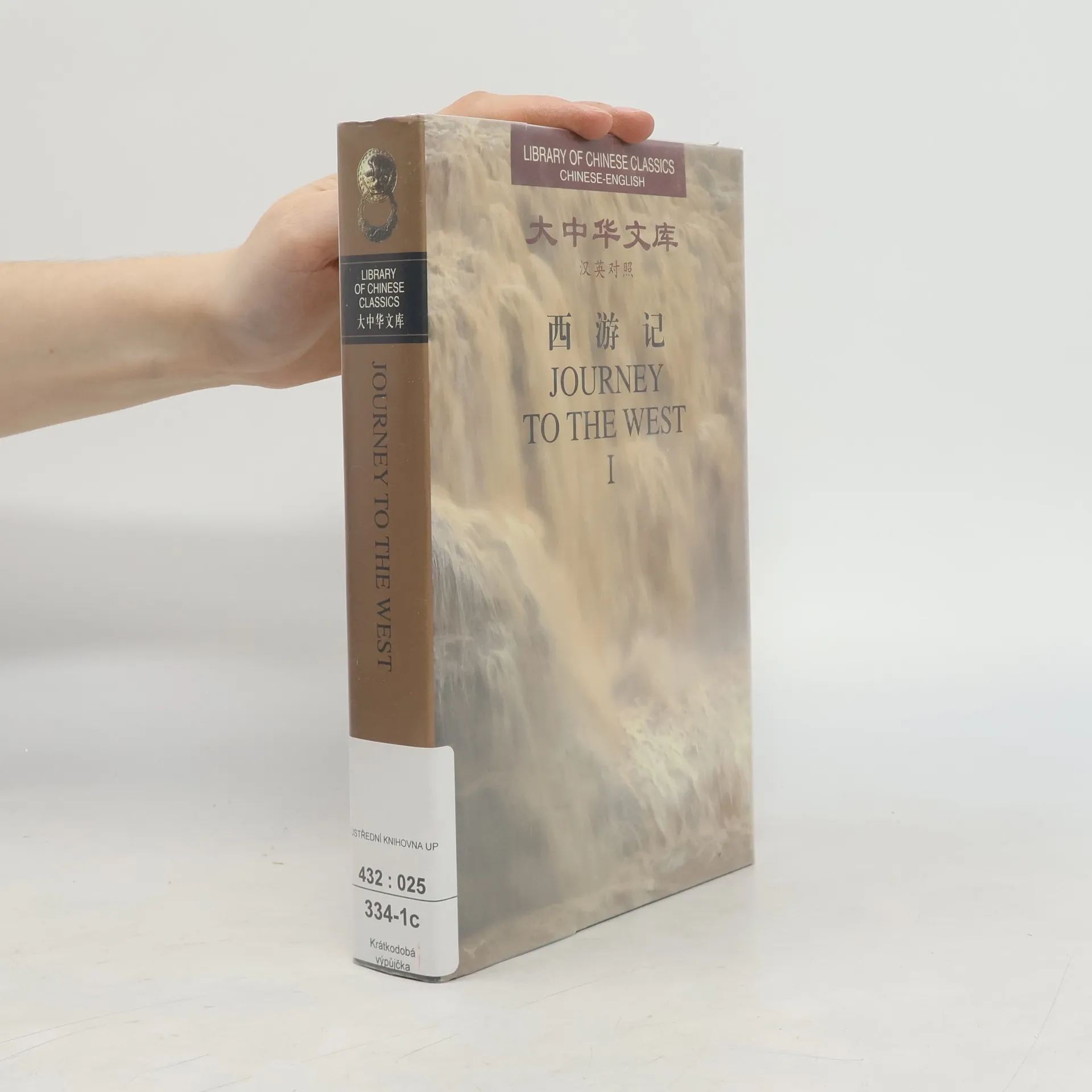
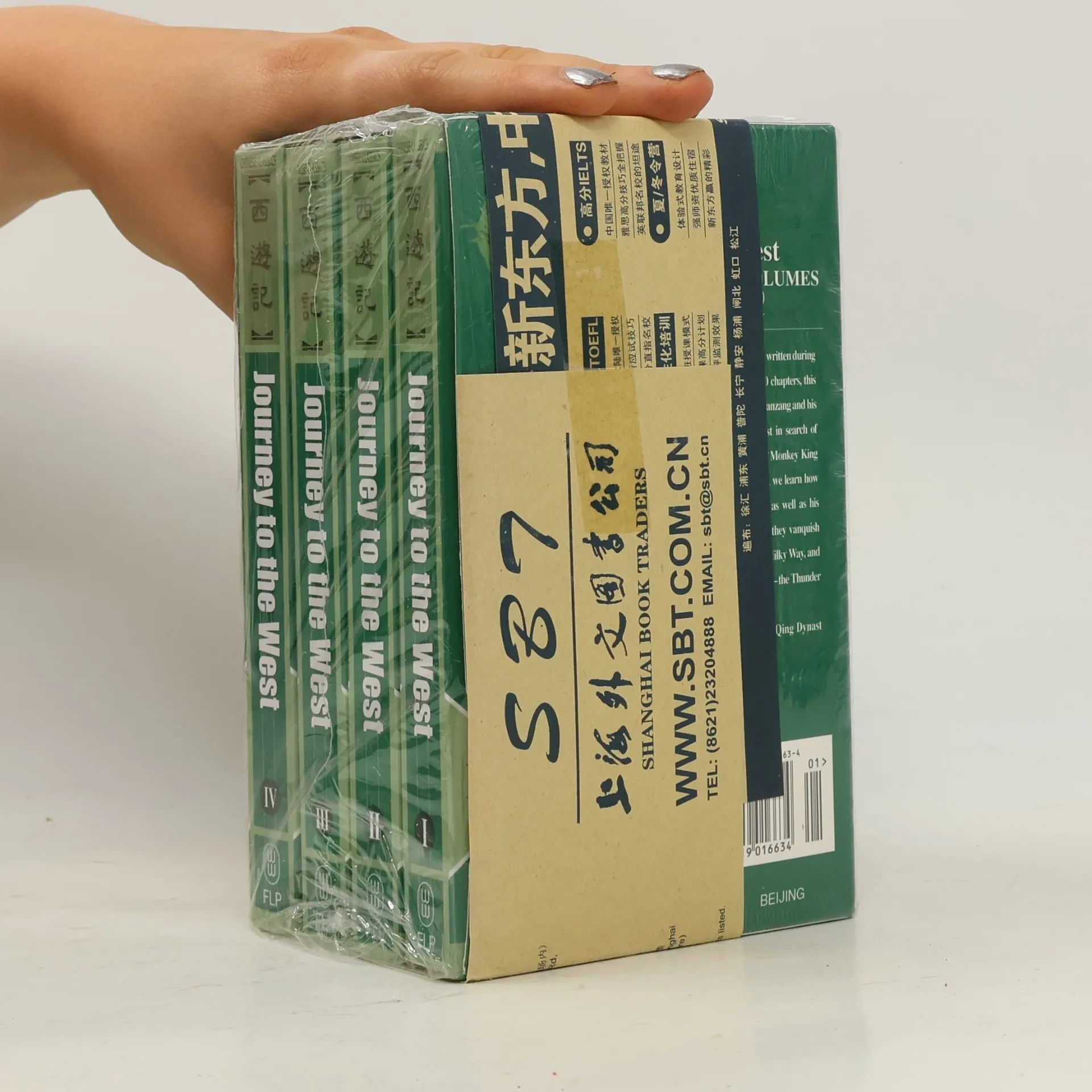
Journey to the West 1-4 (4 svazky v boxu)
- 2346 Seiten
- 83 Lesestunden
Journey to the West is a classic Chinese mythological novel. It was written during the Ming Dynasty based on traditional folktales. Consisting of 100 chapters, this fantasy relates the adventures of a Tang Dynasty (618-907) priest Sanzang and his three disciples, Monkey, Pig and Friar Sand, as they travel west in search of Buddhist Sutra. The first seven chapters recount the birth of the Monkey King and his rebellion against Heaven. Then in chapters eight to twelve, we learn how Sanzang was born and why he is searching for the scriptures, as well as his preparations for the journey. The rest of the story describes how they vanquish demons and monsters, tramp over the Fiery Mountain, cross the Milky Way, and after overcoming many dangers, finally arrive at their destination - the Thunder Monastery in the Western Heaven - and find the Sutra.Attached are a number of illustrations drawn during the Qing Dynasty (1644-1911).
Library of Chinese Classics / 大中华文库 - 6: Journey to the West / 西游记
Chinese-English / 汉英对照
- 3375 Seiten
- 119 Lesestunden
First published in 1952, The Journey to the West , volume I, comprises the first twenty-five chapters of Anthony C. Yu's four-volume translation of Hsi-yu Chi , one of the most beloved classics of Chinese literature. The fantastic tale recounts the sixteen-year pilgrimage of the monk Hs�an-tsang (596-664), one of China's most illustrious religious heroes, who journeyed to India with four animal disciples in quest of Buddhist scriptures. For nearly a thousand years, his exploits were celebrated and embellished in various accounts, culminating in the hundred-chapter Journey to the West , which combines religious allegory with romance, fantasy, humor, and satire.