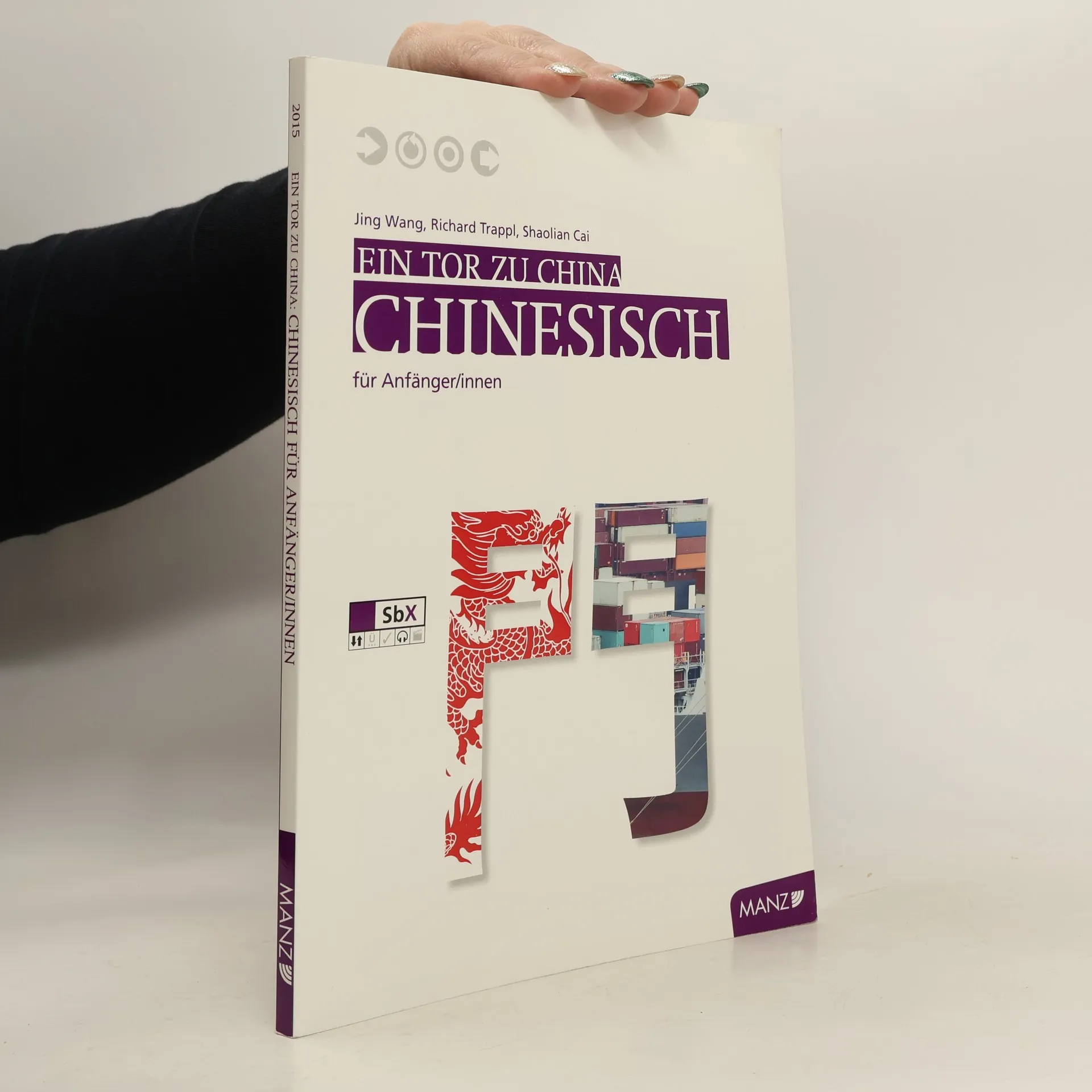
Ein Tor zu China
- 172 Seiten
- 7 Lesestunden


Jing Wang spezialisiert sich auf chinesische Medien und Kulturwissenschaften und untersucht, wie digitale Technologien und neue Medienplattformen mit kulturellen und sozialen Transformationen interagieren. Ihre Arbeit hebt das Zusammenspiel zwischen globalen Technologien und lokalen kulturellen Kontexten hervor, insbesondere in China. Wang ist auch Gründerin und treibende Kraft hinter Initiativen, die Medienkompetenz und digitalen Aktivismus in Entwicklungsregionen fördern. Ihr Ansatz verbindet akademische Forschung mit praktischen Projekten für soziale Wirkung und zeigt ihre Vision für eine kritische Auseinandersetzung mit Medienkultur.


Das vorliegende Buch ist eine Sammlung von zwölf Kurzgeschichten, geschrieben von Autorinnen und Autoren mit chinesischen Wurzeln aus Österreich, Deutschland, Belgien, Frankreich, Schweden, Ungarn und der Schweiz. Die Themen sind vielfältig und reichen von kulturellen Konflikten, Flüchtlingen und deren Integration, Coronavirus-Pandemie und dem Trauma der Nachkriegszeit bis hin zu Blicken in das ferne und geheimnisvolle China.
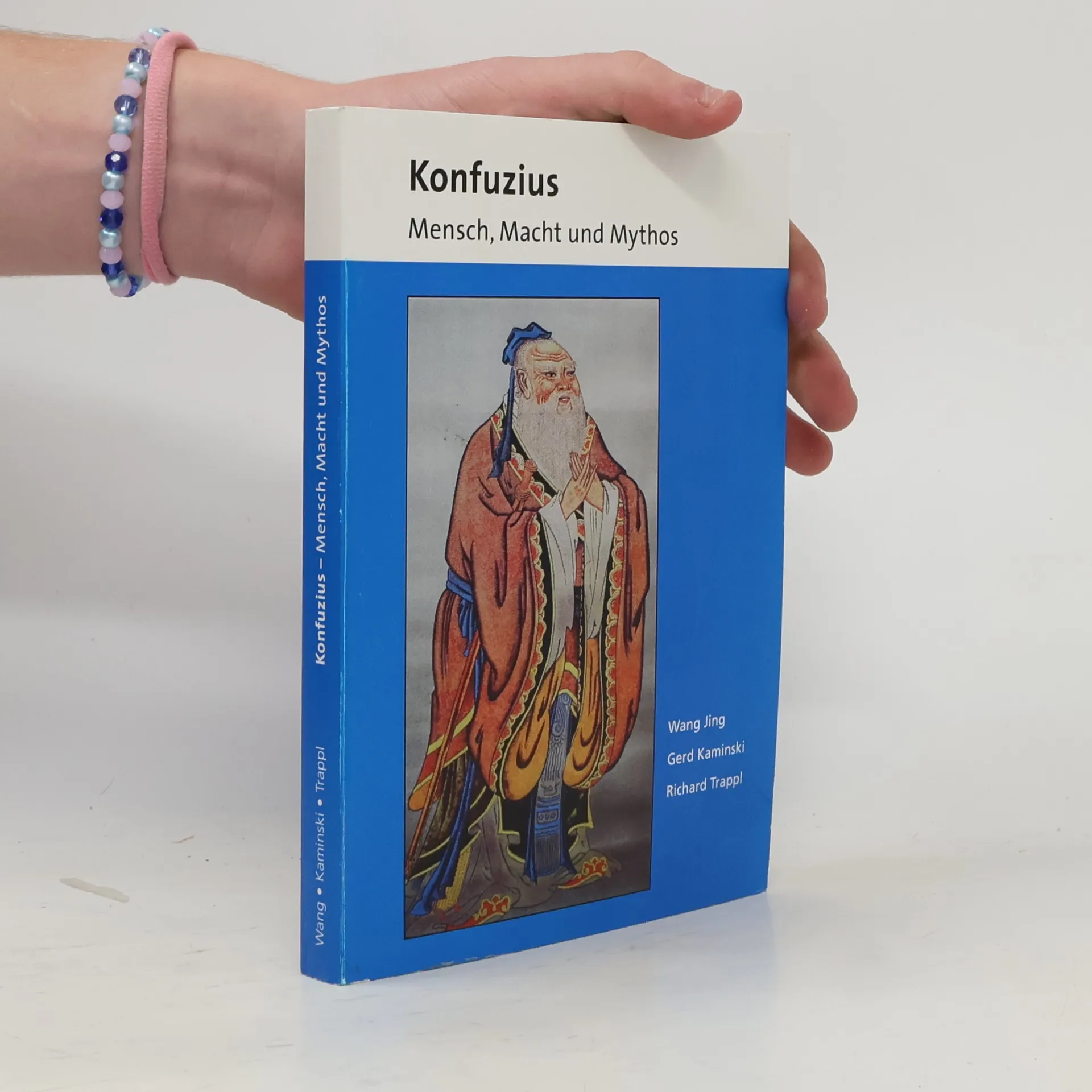
InhaltsverzeichnisInhalt Wolfgang Kubin Der Heilige und sein Lehrer. Warum auch Konfuzius der Unterweisung bedurfte Jana S. Rošker Modern Confucianism and the Chinese Theories of Modernization Wang Jing Die öffentliche Präsenz von Konfuzius in China Yang Chaoming Konfuzius’ „Doktrin der Mitte“ und ihre Bedeutung Oskar Weggel Der Konfuzianismus als Antipode der westlichen Gesellschaftsordnung Richard Trappl Von der „Pi Lin – Pi Kong“ Kampagne 1974/75 zu den „Konfuzius- Instituten“ des 21. Jahrhunderts Gerd Kaminski „Sie werden um die Spitze einer Nadel streiten“ – Konfuzius und das chinesische Recht Richard Trappl Konfuzius und Erziehung Gerd Kaminski „Welche eine Freude, die von weit hergekommenen zu begrüßen“ – Konfuzius und die chinesische Außenpolitik Yang Chaoming Konfuzius und die Frauen Lina Fang „Eine Tür in den Hof ist keine wirkliche Tür und eine Frau kein wirklicher Mensch?“ Friedrich Zettl Konfuzius und die Malerei Yang Chaoming – Originaltexte 孔子的“中道”哲学及其意义 孔子与中国女性
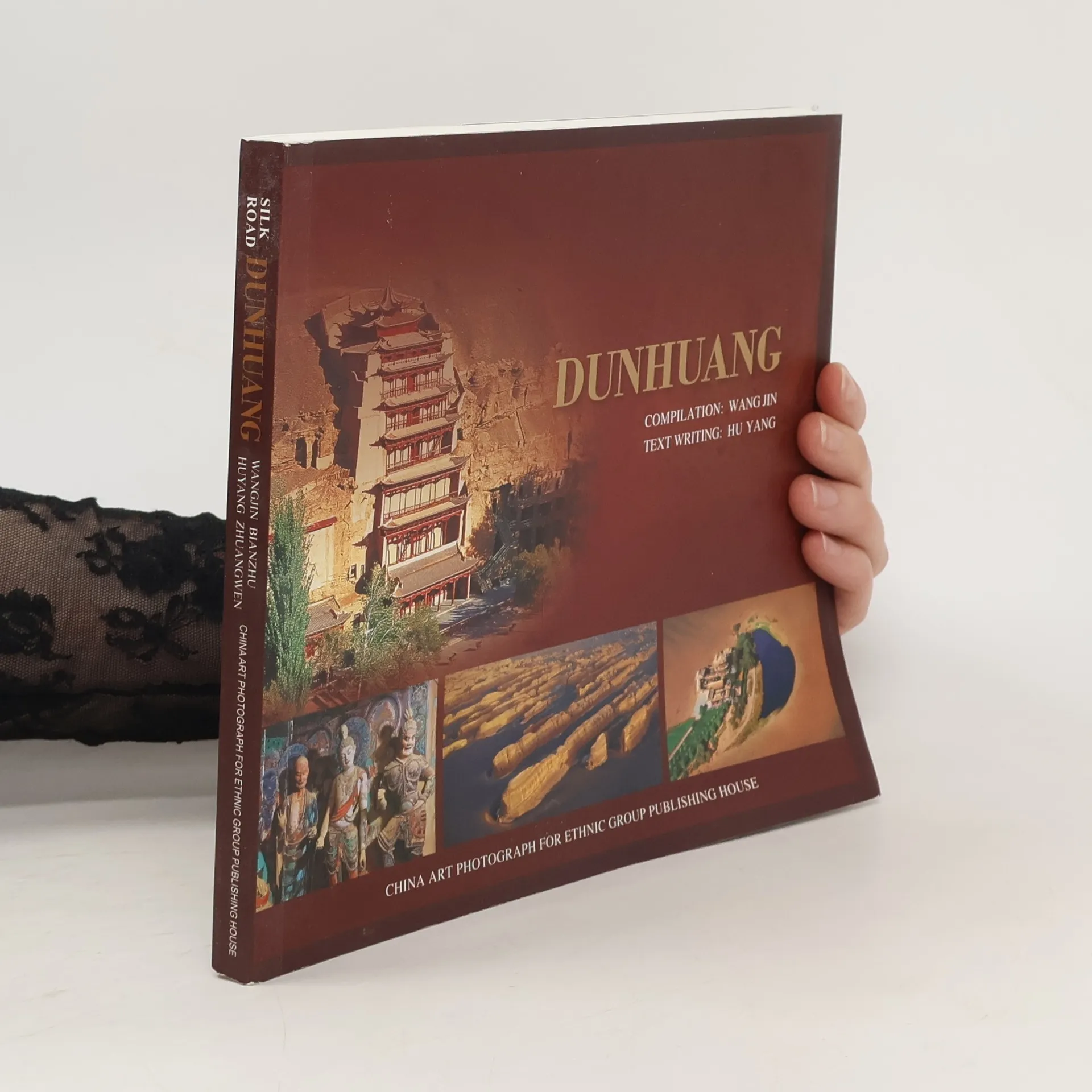
This is the English translation of the Chinese picture album of the same name. It is an illustrated report photography album themed with the silk road, revealing various historical and cultural remains and relics on the silk road as well as the natural sceneries and human landscapes of Western China. All the pictures are shot well and the writings and pictures are arranged reasonably. The whole book is divided into six chapters, Shaanxi, Gansu, Dunhuang, Mogao Caves, Qinghai and Sinkiang, as well as 83 independent units.
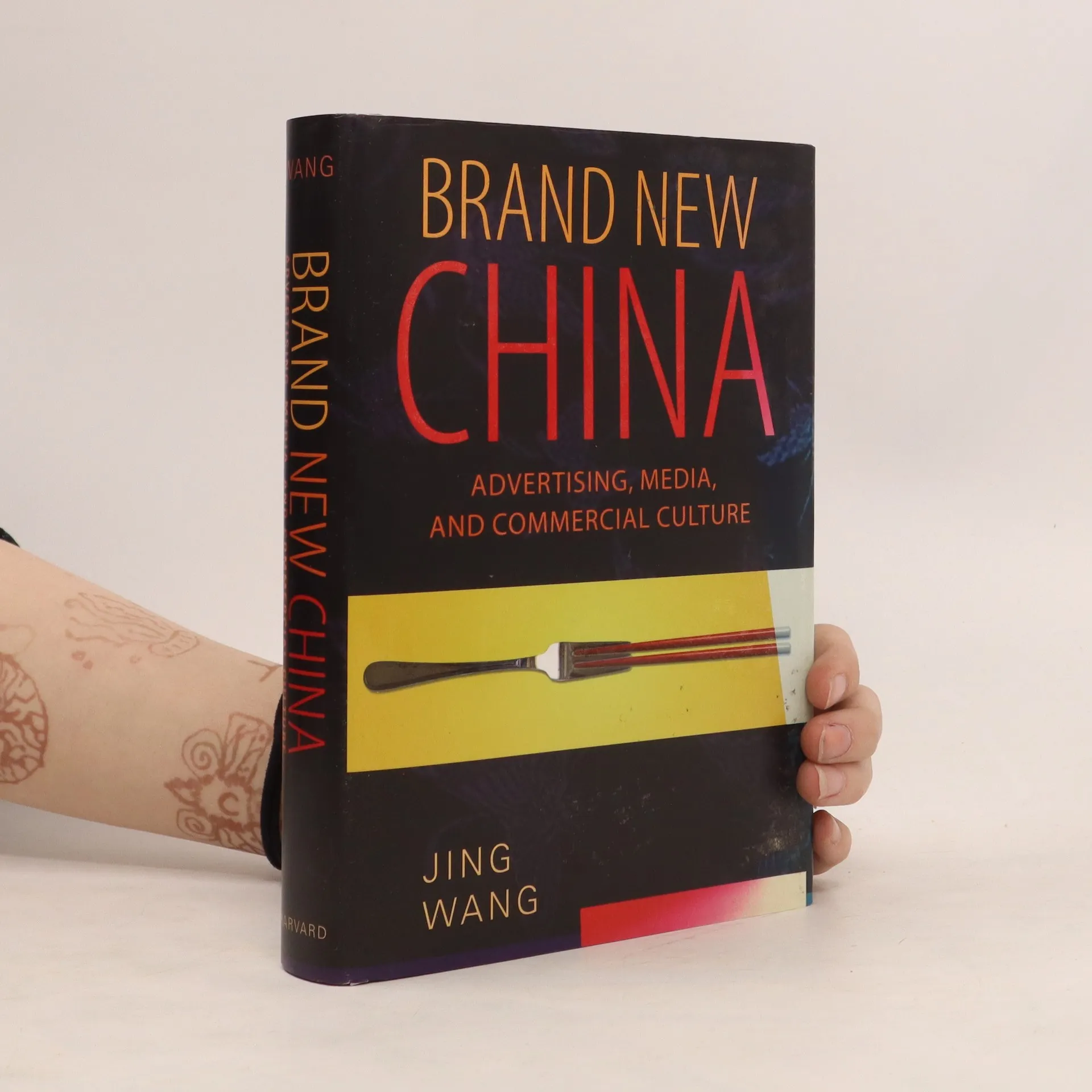
One part riveting account of fieldwork and one part rigorous academic study, Brand New China offers a unique perspective on the advertising and marketing culture of China. Wang's experiences in the disparate worlds of Beijing advertising agencies and the U.S. academy allow her to share a unique perspective on China during its accelerated reintegration into the global market system.
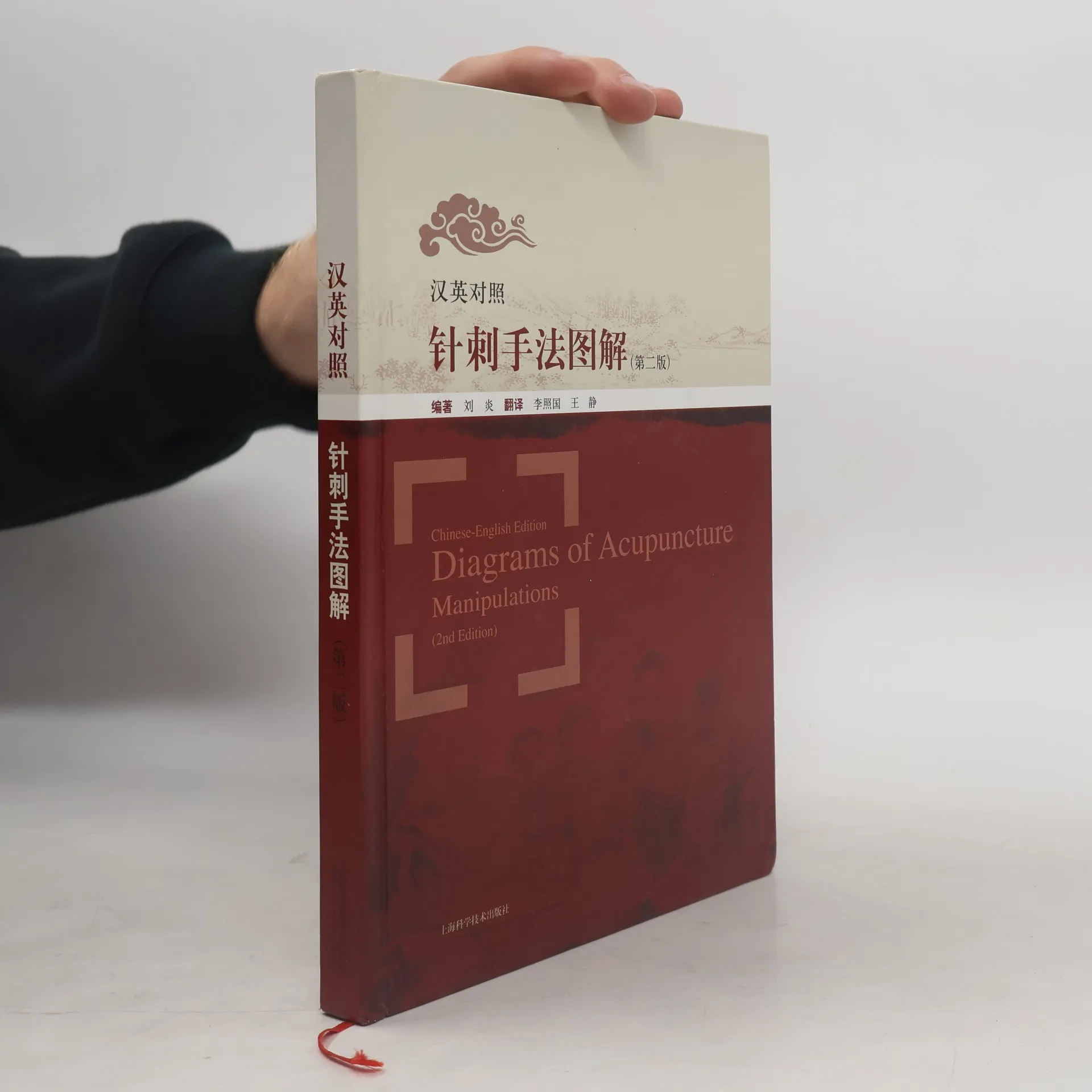
Chinese-English Edition - 2nd Edition
This book is divided into six chapters. Chapter 1, Essentials of Acupuncture, introduces the general knowledge of holding the needle, obtaining acuesthesia, and withdrawing the needle. Chapter 2, Needling Techniques of the Filiform Needle, the core of the book, introduces over 10 kinds of supplementary techniques used before and after needling, over 20 kinds of supplementary needling techniques, 8 kinds of general strengthening and reducing techniques, and 20 kinds of complex needling techniques. Chapter 3, Needling Techniques in the Neijing, introduces Nine Needle, Twelve Needle, Five Needle, and Three Needle Techniques, and Qi Directing. Chapter 4, Penetrating Needling, introduces 30 kinds of special penetrating needling techniques. Chapter 5, Artistic Needling, introduces 23 kinds of artistic needling techniques effective in clinical use. Chapter 6, Special Needling Techniques, introduces 11 kinds of special needling techniques.
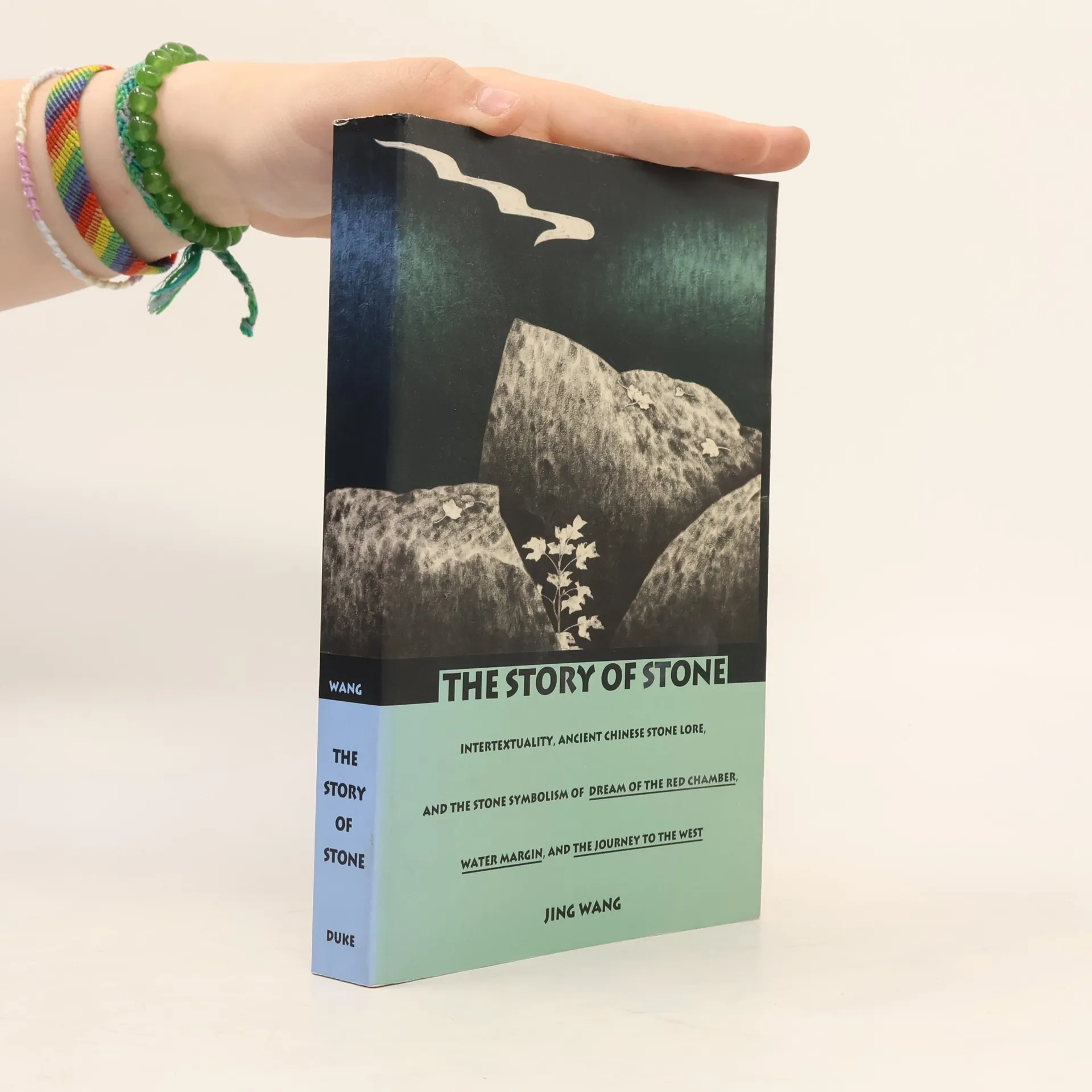
Intertextuality, Ancient Chinese Stone Lore, and the Stone Symbolism in Dream of the Red Chamber, Water Margin, and the Journey
In this groundbreaking study of three well-known texts in the Chinese tradition that feature stones with magical properties, Jing Wang reconstructs ancient Chinese stone lore. Her systematic comparison of these classic works sheds light on various interpretations of the stone narrative and offers fresh insights into significant topics in traditional Chinese literature. By integrating Chinese myth, religion, folklore, art, and literature, this work is the first in any language to compile the sources of stone myth and lore in Chinese culture. Wang connects classical Chinese studies with contemporary Western theoretical issues, analyzing intertextuality within Chinese traditions. She provides innovative interpretations of longstanding critical questions, such as the paradoxical nature of the monkey in The Journey to the West, the narrative circularity in The Dream of the Red Chamber, and the structural role of the stone tablet in Water Margin. By challenging and incorporating traditional sinological scholarship, Wang's study reveals the ideological implications of these literary works on Chinese cultural history, making historical insights relevant to modern intellectual discourse. Scholars in Chinese literature, comparative literature, literary theory, and religious studies will find this work to be an essential reference on the subject.