





Einer meiner Lieblings-Disneyfilme als Buch. Hier wird die Geschichte von Mogli in Textform erzählt. Ist zu empfehlen.
Das Buch ist derzeit nicht auf Lager
Parameter
- 374 Seiten
- 14 Lesestunden
Mehr zum Buch
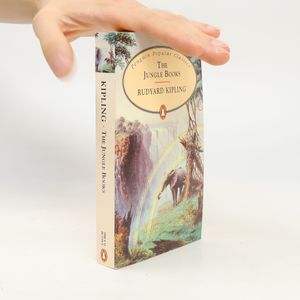
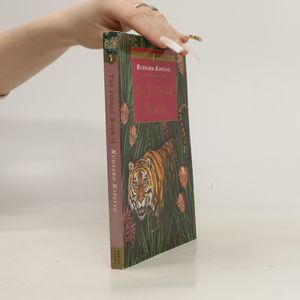
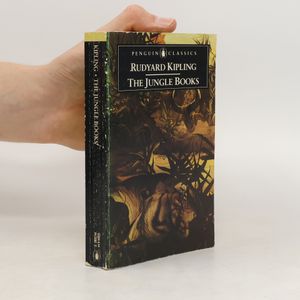
The stories were first published in magazines in 1893-94. Kipling was born in India and spent the first six years of his childhood there. After about ten years in England, he went back to India and worked there for about six-and-a-half years The tales in the book (as well as those in The Second Jungle Book which followed in 1895, and which includes five further stories about Mowgli) are fables, using animals in an anthropomorphic manner to give moral lessons. The verses of The Law of the Jungle, for example, lay down rules for the safety of individuals, families, and communities. Kipling put in them nearly everything he knew or "heard or dreamed about the Indian jungle." Other readers have interpreted the work as allegories of the politics and society of the time. The best-known of them are the three stories revolving around the adventures of Mowgli, an abandoned "man cub" who is raised by wolves in the Indian jungle. The most famous of the other four stories are probably "Rikki-Tikki-Tavi," the story of a heroic mongoose, and "Toomai of the Elephants," the tale of a young elephant-handler. As with much of Kipling's work, each of the stories is followed by a piece of verse. Very nice edition with french artist Douanier Rousseau famous paintings.
Sprache
Publikation




- 2025


- 2024
- 2024
- 2024
- 2023
- 2023
- 2023
- 2023
- 2023
- 2023
- 2023
- 2023
- 2023
- 2023
- 2023
- 2022
- 2021
- 2021
- 2021
- 2021
- 2021
- 2021
- 2021
- 2020
- 2020
- 2020
- 2020
- 2020
- 2020
- 2020
- 2020
- 2020
- 2020
- 2019
- 2019
- 2019

- 2018
- 2018
- 2018
- 2018
- 2018

- 2018
- 2018
- 2018
- 2018
- 2018
- 2018
- 2018
- 2018


- 2017

- 2017
- 2017
- 2017
- 2017
- 2017



- 2016

- 2016
- 2016
- 2016

- 2016
- 2015
- 2015
- 2015
- 2015
- 2015

- 2014
- 2014
- 2014
- 2014
- 2014
- 2014
- 2014


- 2013
- 2012
- 2012
- 2012
- 2012
- 2011
- 2011
- 2011
- 2011


- 2010
- 2010

- 2009
- 2009

- 2008


- 2007
- 2007

- 2005

- 2004
- 2004
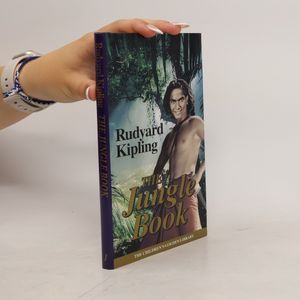
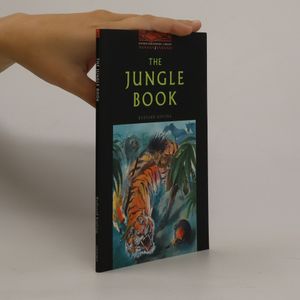
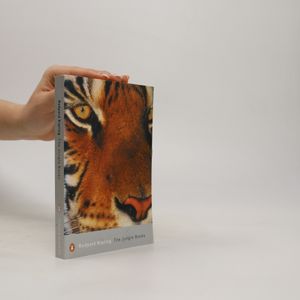


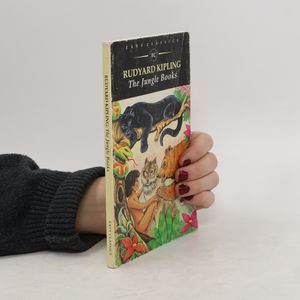







- 1986












Buchkauf
The Jungle Book: I & II, Rudyard Kipling, Hdu
- Sprache

- Erscheinungsdatum
- 2016
- product-detail.submit-box.info.binding
- (Paperback)

Brutaler als gedacht... nichts für Kinder Die eigentliche Geschichte ist kürzer als gedacht, aber sehr gut geschrieben
- Sprache
- Englisch
- Autor*innen
- Rudyard Kipling, Hdu
- Erscheinungsdatum
- 2016
- Einband
- Paperback
- Seitenzahl
- 374
- ISBN13
- 9791096314157
- Reihe
- Das Dschungelbuch
- Schlagwörter
- Belletristik, Kinderbücher, Abenteuer, Klassiker, Englische Literatur, Für Kinder von 8–12 Jahren, Indien, Kindheit, Kampf, Kinderabenteuer, Wölfe
- Originaltitel
- The Jungle Book
- Bewertung
- 3,95 von 5 Sternen
- Beschreibung
- The stories were first published in magazines in 1893-94. Kipling was born in India and spent the first six years of his childhood there. After about ten years in England, he went back to India and worked there for about six-and-a-half years The tales in the book (as well as those in The Second Jungle Book which followed in 1895, and which includes five further stories about Mowgli) are fables, using animals in an anthropomorphic manner to give moral lessons. The verses of The Law of the Jungle, for example, lay down rules for the safety of individuals, families, and communities. Kipling put in them nearly everything he knew or "heard or dreamed about the Indian jungle." Other readers have interpreted the work as allegories of the politics and society of the time. The best-known of them are the three stories revolving around the adventures of Mowgli, an abandoned "man cub" who is raised by wolves in the Indian jungle. The most famous of the other four stories are probably "Rikki-Tikki-Tavi," the story of a heroic mongoose, and "Toomai of the Elephants," the tale of a young elephant-handler. As with much of Kipling's work, each of the stories is followed by a piece of verse. Very nice edition with french artist Douanier Rousseau famous paintings.