Diese Serie bietet eine faszinierende Reise in die Welt der Kunst und Literatur durch einen lehrreichen und zugänglichen Ansatz. Jeder Band widmet sich spezifischen Werken, Autoren oder Kunstrichtungen und zerlegt sie auf eine Weise, die komplexe Themen verständlich macht. Sie ist ideal für Anfänger sowie für diejenigen, die ihr Wissen vertiefen möchten. Die Serie fördert kritisches Denken und eine tiefere Wertschätzung der Kultur.
This series--a personal master class in reading--presents the work of some of the most influential and challenging writers in history. The volumes present a context and explanation that will facilitate understanding of the text.
"Keith Ansell Pearson introduces the reader to Nietzsche's distinctive philosophical style and to the development of his thought. Through a series of close readings of Nietzsche's aphorisms he illuminates some of his best known but often ill-understood ideas, including eternal recurrence and the superman, and brings to light the challenging nature of Nietzsche's thinking on key topics such as beauty, truth and memory."--BOOK JACKET
"Neil Gregor introduces the reader to the crude but clear system of thought of the most notorius anti-Semite in history. He shows that Hitler's texts convey an implicitly genocidal message - if they do not necessarily announce mass murder as a stated ambition, they certainly contain it as a strong logical possibility." "Analysing the text as a literary as well as a political work, Neil Gregor shows, in particular, how the radical nationalist and racist messages of Hitler's best known work, Mein Kampf, are included not just in the author's own arguments but in the language and generic forms of the book itself."--BOOK JACKET
Der Psychoanalytiker Jacques Lacan gilt als ein so einflußreicher wie schwieriger Denker. Der bekannte Kulturkritiker Slavoj Žižek hat sich daher die Aufgabe gestellt, Lacan einem breiteren Publikum zugänglich zu machen. Dies gelingt ihm, indem er die zentralen Begriffe anschaulich und amüsant mit Hilfe von bekannten Hollywood-Filmen erklärt. Eine Zeittafel sowie eine kommentierte Bibliographie zur weiterführenden Lektüre runden den Band ab.
Soren Kierkegaard is one of the prophets of the contemporary age, a man whose acute observations on modern European life might have been written yesterday, whose work anticipated fundamental developments in psychoanalysis, philosophy, theology, and the critique of mass culture by more than a century.John D. Caputo offers a compelling account of Kierkegaard as a thinker of particular relevance in our postmodern times, who set off a revolution that counts Martin Heidegger and Jacques Derrida among its heirs. His conceptions of truth as a self-transforming "deed" and his haunting account of the "single individual" seem to have been written especially with us in mind.Extracts include Kierkegaard's classic reading of the story of Abraham and Isaac, the revolutionary theory that truth is subjectivity, and his groundbreaking analysis of modern bourgeois life.
The Qur'an is regarded by Muslims as the direct word of God, timeless and unchanged. It is used not only for prayer and worship but as a path which can lead the believer to a closer understanding of the essence of their relationship with God. In this thought-provoking, considered study of the scripture of Islam, Mona Siddiqui explores the 'big themes' of prophecy, law, sin and salvation from her dual position as a believer and a scholar.
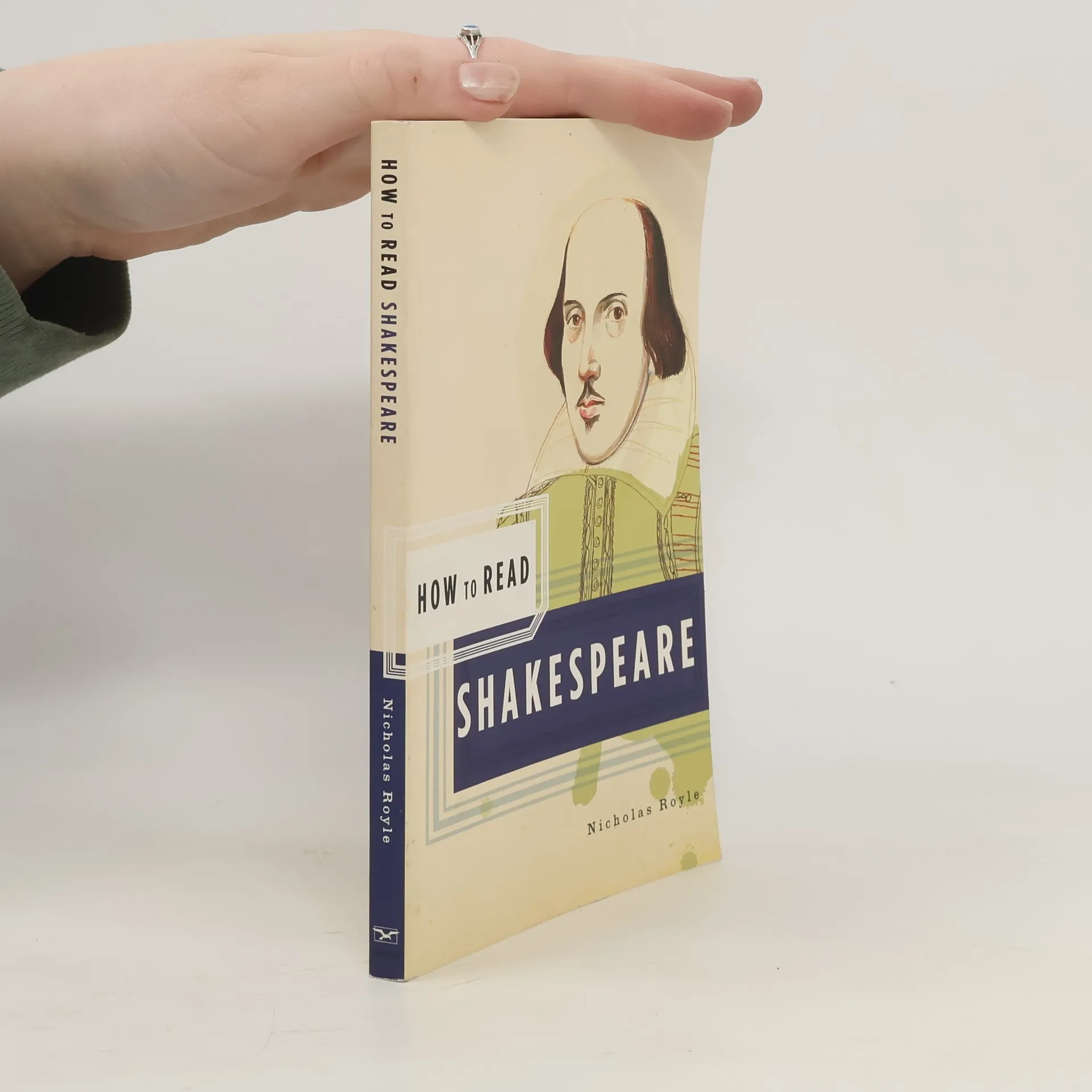
Focusing on the art of reading and interpreting Shakespeare's texts, the book delves into key themes such as memory, love, and the nature of poetry. Nicholas Royle emphasizes the enjoyment of short passages and specific word choices, encouraging readers to engage deeply with the material. Historical context and critical reception are explored, alongside the impact of various interpretations across different media. Extracts from renowned works like Romeo and Juliet and Hamlet enrich the reader's experience, highlighting the enduring pleasure of Shakespeare's writing.
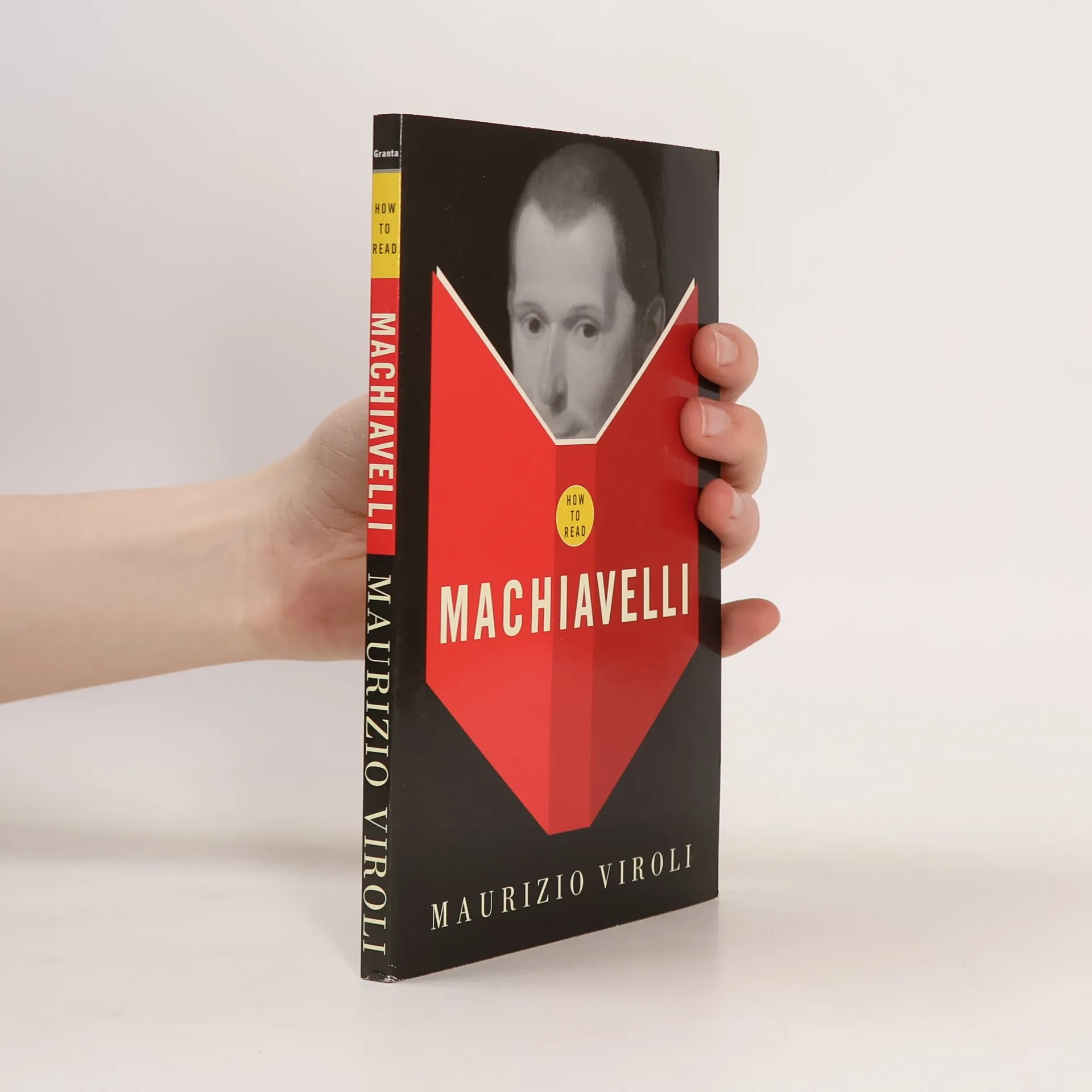
Niccolo Machiavelli (1459-1527) is one of the influential modern political
thinkers. This work shows that Machiavaelli taught instead the best way to
attain glory through political action and that his works were inspired by love
of republican liberty.
David Hume is generally recognized as the United Kingdom's greatest
philosopher, as well as a notable historian and essayist, and a central figure
of the Enlightenment. This book describes how Hume can be placed as one of the
earliest, and most successful, evolutionary psychologists.
An idiosyncratic and highly controversial French philosopher, Jacques Derrida inspired change in many disciplines, including law, literature and anthropology. This text makes approaching Derrida's work less fearsome and gives helpful advice on how to interpret his writings